

 English
 русский
 Português
 Français


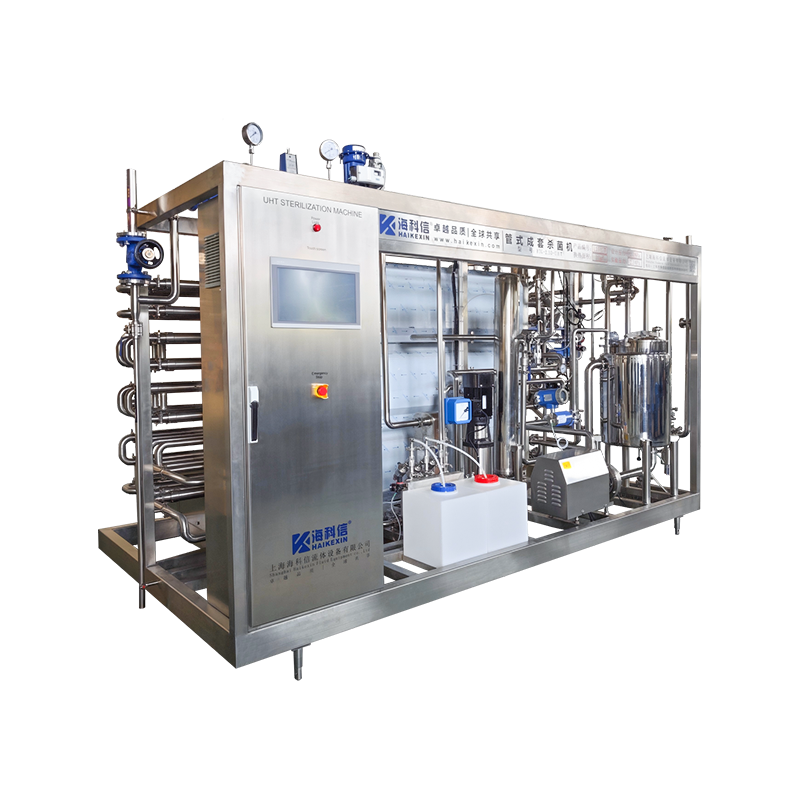
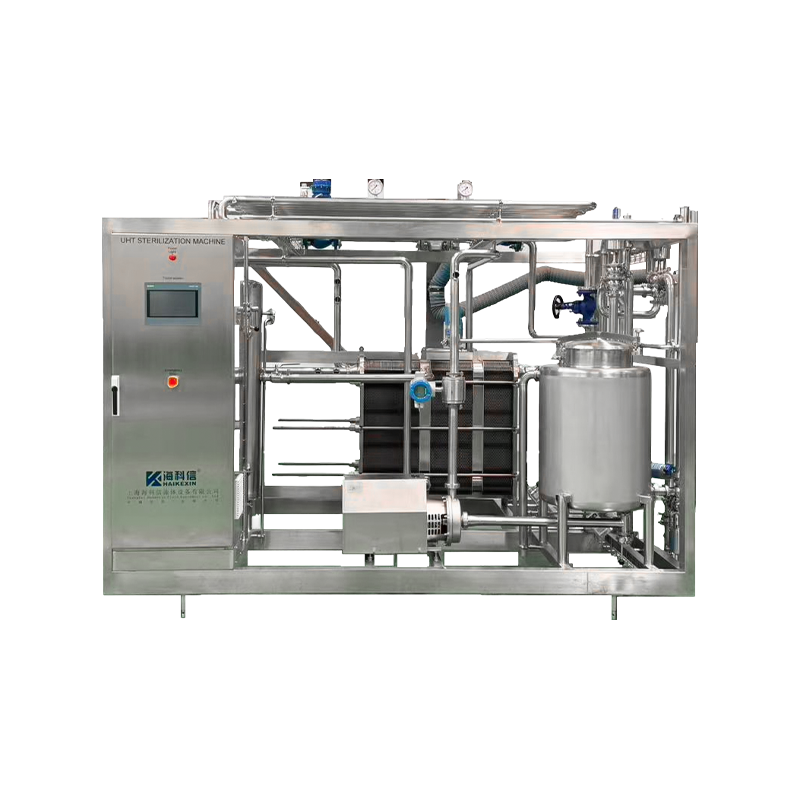
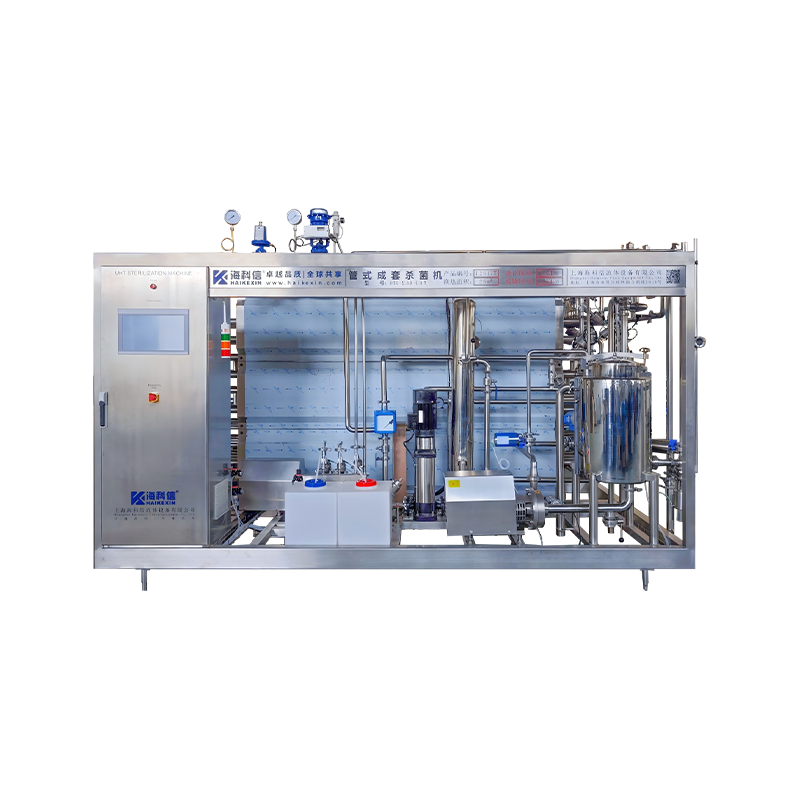
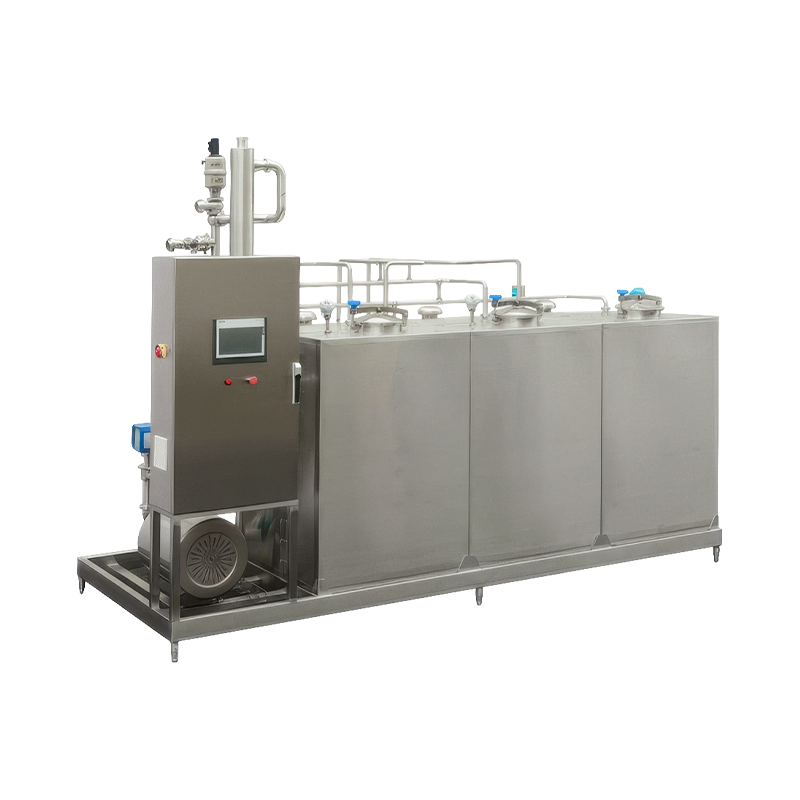
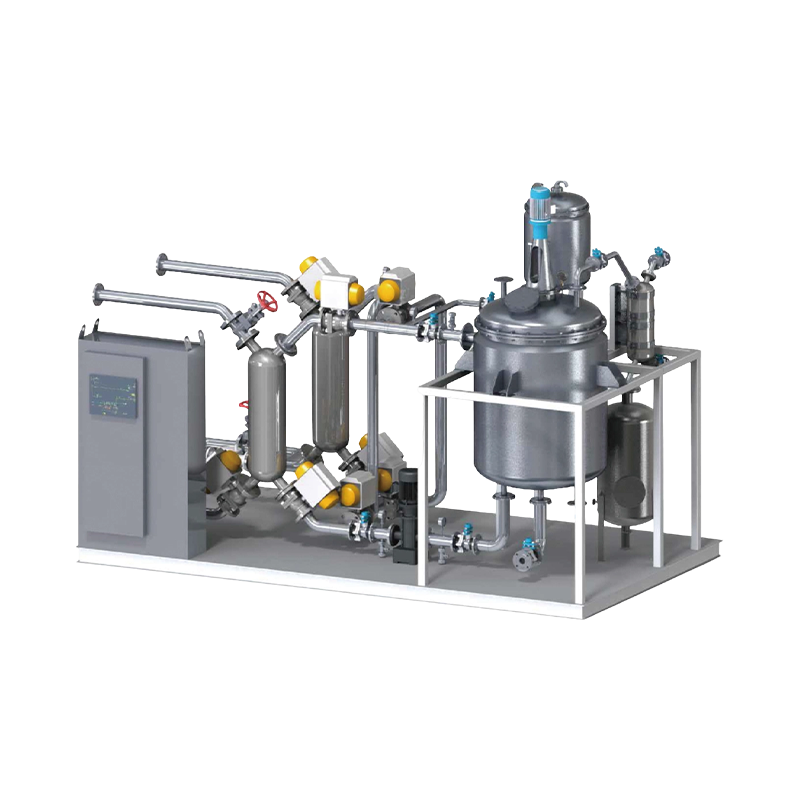
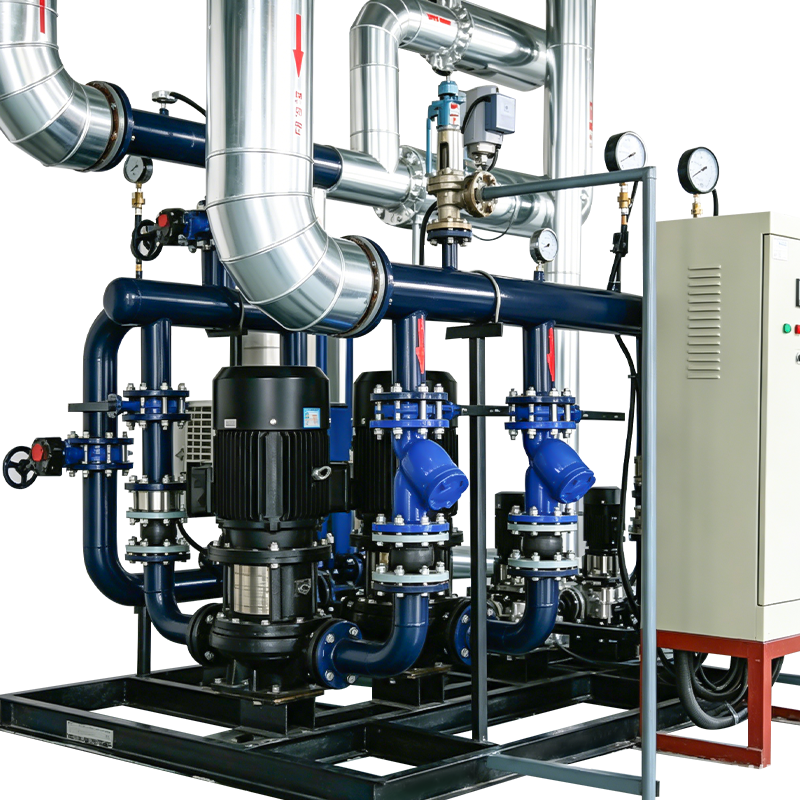
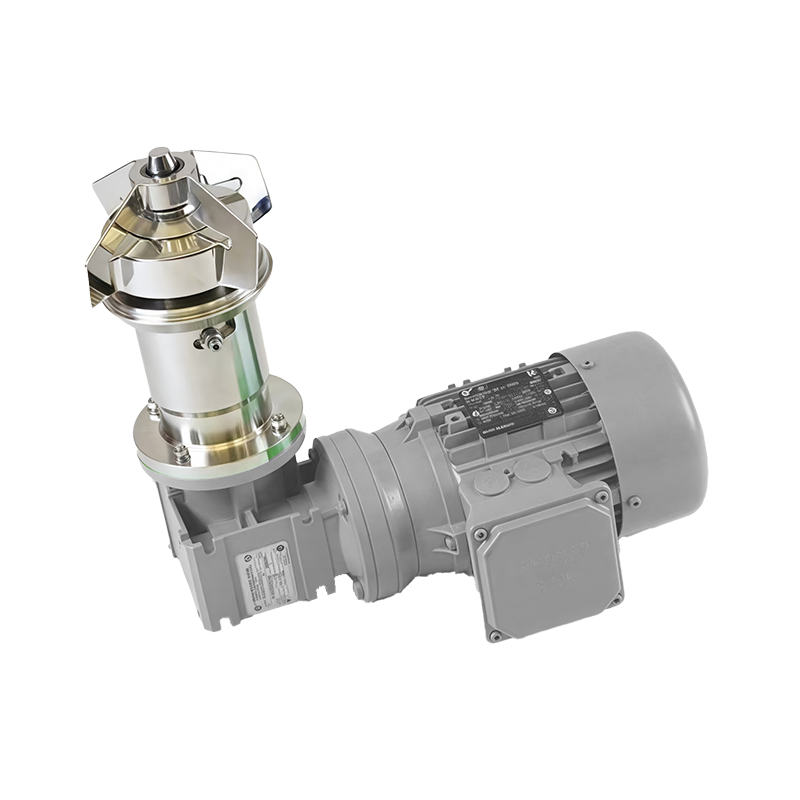
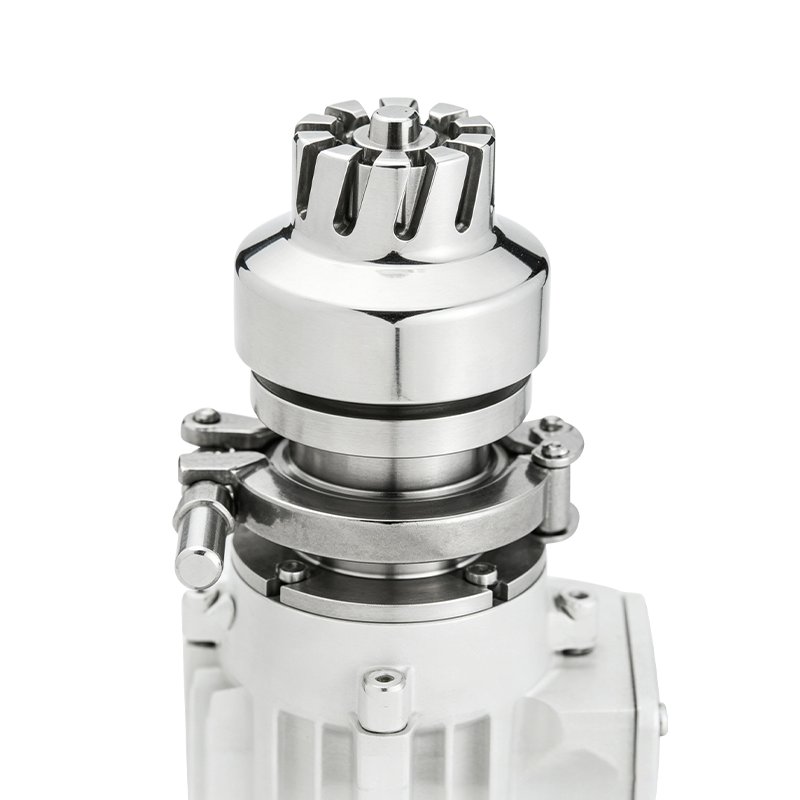
Milk Processing Heat Exchanger
A Milk Processing Heat Exchanger transfers thermal energy between milk and a heating or cooling medium during dairy production. It is commonly integrated into milk pasteurization, preheating, cooling, and temperature-conditioning processes. Depending on the required capacity, product characteristics, and processing conditions, the system can use plate or tubular heat exchange structures. Proper equipment selection considers heat transfer area, product flow, temperature difference, pressure drop, hygienic design, and cleaning requirements.
Conceptual heat exchange arrangement
Heat Transfer in Milk Processing Operations
Heat exchangers are important components in dairy processing lines because milk must pass through different temperature stages during production. Depending on the process, the equipment can raise milk temperature before pasteurization, recover heat from treated milk, cool milk before storage, or regulate product temperature before subsequent processing.
In an indirect heat exchange process, milk and the heating or cooling medium travel through separate channels. Thermal energy passes through the heat transfer surface without direct mixing of the two fluids. The exchanger structure, channel dimensions, flow arrangement, and heat transfer area are selected according to the product's physical properties and the required operating conditions.
Four Temperature-Control Functions in Dairy Production
The same heat exchange technology can support different stages of a milk processing line, depending on the system arrangement.
Milk Preheating
Raises milk temperature before a subsequent treatment stage. Preheating can be arranged as part of a multi-section processing system.
UPSTREAM TEMPERATURE CONDITIONINGPasteurization Heating
Transfers heat to milk to achieve the configured pasteurization temperature before the product enters the holding section.
CONTROLLED THERMAL TREATMENTMilk Cooling
Reduces milk temperature after heat treatment or other processing stages using an appropriate cooling medium.
DOWNSTREAM TEMPERATURE REDUCTIONHeat Recovery
Transfers energy between incoming and outgoing product streams in suitable regenerative processing arrangements.
ENERGY RECOVERY SECTIONThe bars are illustrative design markers, not measured performance or efficiency values.
Two Common Heat Exchanger Structures
Plate and tubular designs use different product passage arrangements. The appropriate structure depends on milk properties, process conditions, and the overall dairy line design.
Plate Heat Exchanger
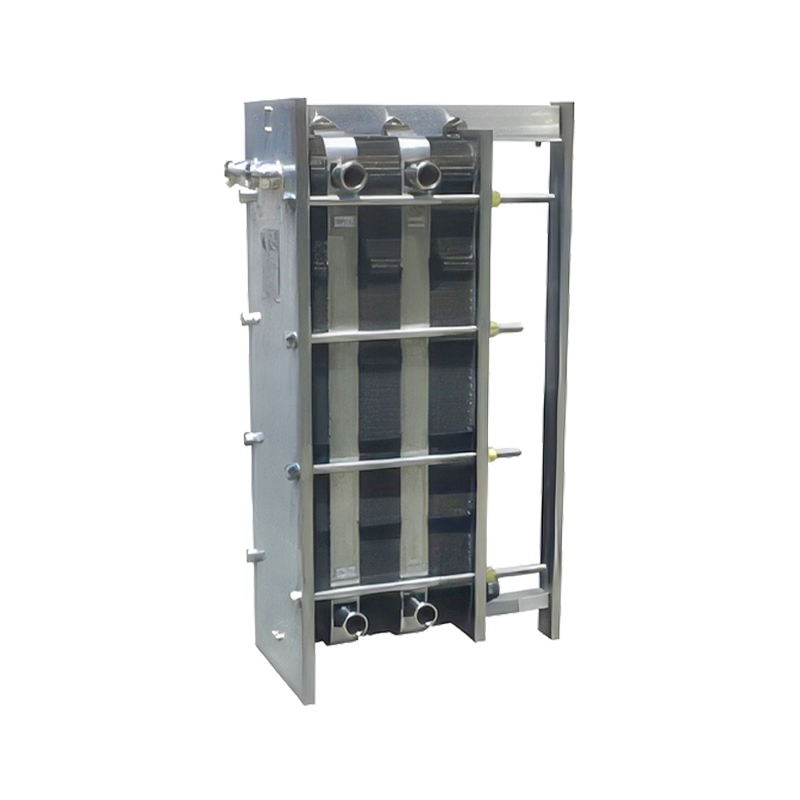
A plate heat exchanger uses a series of formed metal plates to create alternating channels for milk and the heating or cooling medium. The corrugated plate surfaces provide heat transfer area within a compact assembly.
- Compact equipment arrangement
- Expandable plate pack configuration in suitable designs
- Suitable for many liquid milk heating and cooling duties
- Requires attention to gasket condition and channel fouling
Tubular Heat Exchanger
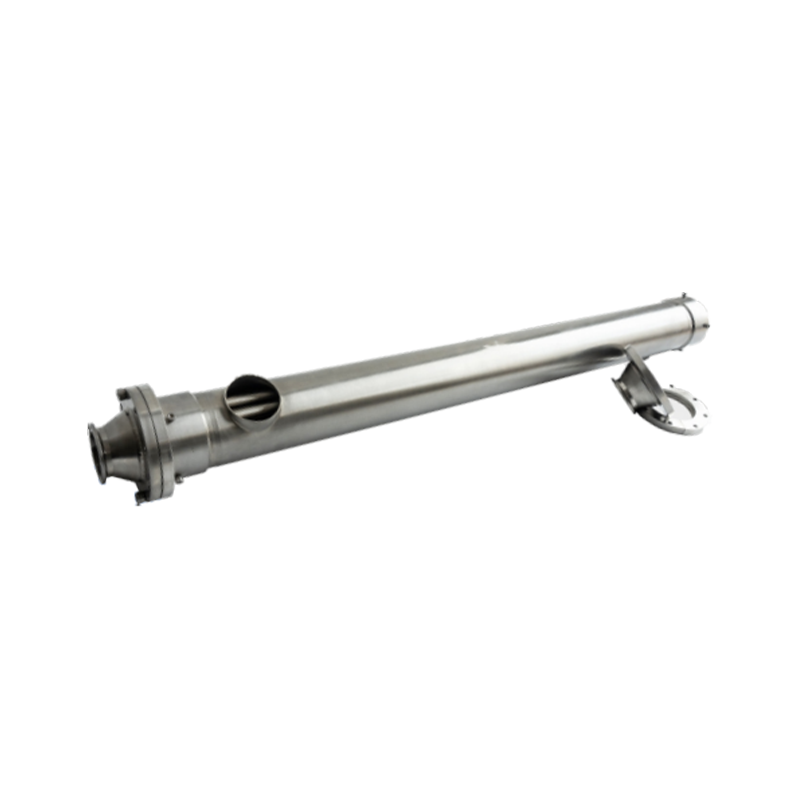
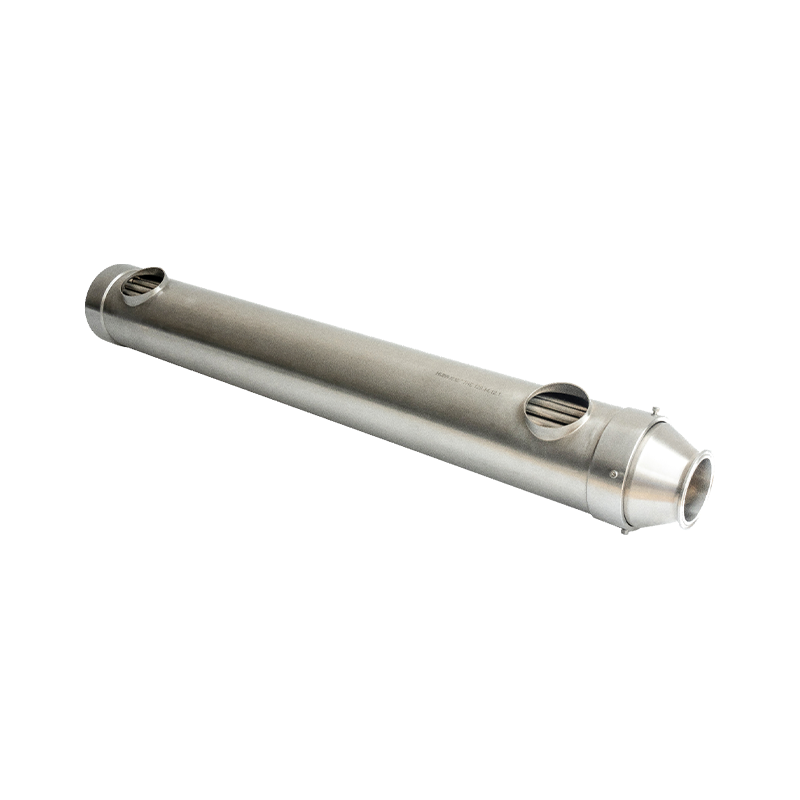
A tubular heat exchanger transfers heat through product tubes and a separate heating or cooling medium passage. The tube arrangement can be designed for specific flow conditions and product characteristics.
- Product flow through enclosed tube passages
- Available in different tube and shell arrangements
- Can be evaluated for selected viscous or particle-containing products
- Requires assessment of tube dimensions and cleaning access
Plate vs. Tubular Heat Exchanger
Use the product and process requirements to determine which structure is more appropriate for the intended duty.
| Evaluation Item | Plate Heat Exchanger | Tubular Heat Exchanger |
|---|---|---|
| Heat Transfer Surface | Corrugated plate surfaces arranged in a plate pack. | Product tubes with a separate medium-side flow passage. |
| Product Passage | Relatively narrow channels formed between adjacent plates. | Tube dimensions selected according to product flow requirements. |
| Typical Application | Milk heating, cooling, and regenerative heat recovery. | Milk processing duties requiring a tubular flow arrangement. |
| Maintenance Focus | Plate inspection, gasket condition, and plate pack cleaning. | Tube inspection, deposit removal, and passage cleaning. |
| Design Considerations | Channel gap, plate pattern, pressure drop, and gasket compatibility. | Tube diameter, tube length, flow velocity, and pressure drop. |
| System Integration | Can be incorporated into multi-section pasteurization systems. | Can be integrated into dedicated heating or cooling circuits. |
Key Parameters Affecting Heat Exchange Performance
Heat exchanger sizing involves more than selecting a nominal capacity. Thermal duty, product flow, inlet and outlet temperatures, pressure drop, and utility conditions must be evaluated together.
Q represents heat transfer rate, m represents mass flow rate, Cp represents specific heat capacity, and ΔT represents the product temperature change. Actual equipment sizing also considers heat transfer coefficient, area, fouling resistance, and operating conditions.
Determines the quantity of milk passing through the exchanger within a given period.
Defines the required temperature change and contributes to thermal duty calculations.
Steam, hot water, chilled water, or another compatible medium may be selected according to the duty.
Influences pump selection, pipeline design, and the operating conditions of the processing system.
Accounts for deposits that can accumulate on heat transfer surfaces during operation.
Determines whether regenerative sections should be included in the system arrangement.
How a Milk Heat Exchanger Works in a Pasteurization Line
A multi-section exchanger can combine product preheating, thermal treatment, regeneration, and cooling within one processing circuit.
Milk enters the processing circuit from the balance tank.
Incoming milk receives heat from the outgoing treated milk stream where regeneration is included.
Milk reaches the specified treatment temperature in the heating section.
Milk remains under the designed holding conditions before the next stage.
Heat is transferred from treated milk to incoming milk when the circuit includes regeneration.
Milk is cooled to the required downstream temperature and transferred to storage or filling.
The holding section and temperature monitoring arrangement are essential parts of a validated pasteurization process. Heat exchanger performance alone does not establish pasteurization compliance.
Product Contact Materials and Sanitary Design
Materials and construction details should be selected for dairy service, cleaning chemicals, temperature conditions, and applicable food-contact requirements.
Stainless Steel Product Contact Surfaces
Stainless steel is commonly used for milk-contact components. The material grade should be selected according to the product, cleaning environment, and applicable project specifications.
Specify the required finish and inspection criteria for product-contact surfaces.
Gasket materials should be suitable for milk contact, operating temperature, and cleaning chemicals.
Connection design and pipeline layout should support hygienic operation and effective drainage.
Plate packs, tubes, seals, and associated components should be considered in the cleaning and maintenance plan.
Milk Processing Applications
Milk Pasteurization Plants
Heating, regeneration, and cooling sections in milk pasteurization systems.
UHT Milk Processing Lines
Selected preheating and cooling duties within suitable ultra-high-temperature processing configurations.
Yogurt Production
Temperature conditioning of milk before fermentation and other preparation stages.
Cheese Manufacturing
Milk heating and cooling functions before subsequent coagulation and processing operations.
Milk Cooling and Storage
Cooling milk to the temperature required for storage or downstream processing.
Dairy Ingredient Processing
Thermal conditioning of milk-based liquid ingredients for selected production processes.
What to Specify When Selecting a Milk Heat Exchanger
A complete technical inquiry helps determine the heat transfer area, exchanger structure, connection dimensions, and supporting equipment.
Required hourly flow rate or batch volume.
Milk inlet and outlet temperatures, treatment temperature, and cooling target.
Heating and cooling medium type, supply temperature, pressure, and available flow.
Product-side and medium-side pressure requirements and allowable pressure drop.
Stainless steel grade, gasket material, surface finish, and cleaning method.
Available space, pipeline connections, control interface, and upstream or downstream equipment.
Keeping Heat Exchange Performance Consistent
Monitor Temperature Difference
Observe inlet and outlet temperatures on both product and utility sides to identify changes in thermal performance.
Track Pressure Drop
Changes in pressure drop can indicate deposits, flow restrictions, or other operating issues.
Maintain Cleaning Procedures
Apply cleaning procedures suited to the exchanger structure, product residues, and plant sanitation requirements.
Inspect Seals and Connections
Check gaskets, joints, valves, and connections for leakage, wear, or sanitation concerns.
Frequently Asked Questions
Answers to common questions about heat exchanger selection, operation, and integration in dairy plants.
What is a milk processing heat exchanger used for?
It transfers thermal energy between milk and a heating or cooling medium. Common duties include preheating, pasteurization heating, cooling, and regenerative heat recovery in dairy processing systems.
What is the difference between a plate and tubular milk heat exchanger?
A plate heat exchanger uses corrugated plates to form alternating flow channels, while a tubular heat exchanger uses product tubes and a separate medium passage. Selection depends on product properties, thermal duty, pressure drop, cleaning requirements, and the overall process arrangement.
Can a milk heat exchanger be used for both heating and cooling?
Yes. A processing system can include separate heating and cooling sections or use a multi-section exchanger arrangement. The heating and cooling duties, utility connections, and flow paths need to be defined during system design.
What is regenerative heat recovery in milk processing?
Regenerative heat recovery transfers energy from outgoing treated milk to incoming raw milk through separate flow channels. This reduces the additional heating and cooling duty required by the system, subject to the process design and operating conditions.
Which stainless steel grade should be used for milk contact?
The grade should be selected according to food-contact requirements, product chemistry, cleaning chemicals, temperature, and project specifications. Common dairy equipment designs use food-contact stainless steel, but the exact grade should be confirmed in the technical specification.
Does a milk heat exchanger require CIP cleaning?
Cleaning-in-place is commonly considered in hygienic dairy processing systems. The cleaning procedure should be matched to the exchanger structure, product residues, cleaning solution, temperature, circulation flow, and plant sanitation requirements.
Can the heat exchanger be integrated with a milk pasteurizer?
Yes. It can serve as the heating, cooling, or regenerative section of a milk pasteurization system. Integration requires coordination of product flow, temperature sensors, holding section design, pumps, valves, and control logic.
What information is needed to size a milk heat exchanger?
Key information includes milk flow rate, inlet and outlet temperatures, heating or cooling medium conditions, operating pressure, allowable pressure drop, product characteristics, material requirements, and cleaning method. These details are used to evaluate thermal duty and exchanger configuration.