

 English
 русский
 Português
 Français




What Problems Can a Precision Temperature Control Unit (TCU) Solve in Food Manufacturing?
In today’s food manufacturing industry, temperature is one of the most influential process variables affecting product quality, food safety, production efficiency, and operating costs. Whether producing dairy products, beverages, sauces, confectionery, plant-based foods, or liquid ingredients, maintaining accurate thermal conditions throughout processing is essential for consistent results.
A precision temperature control unit (TCU) for F&B is specifically engineered to provide stable heating and cooling during critical manufacturing processes. Unlike conventional temperature regulation methods that often experience fluctuations, modern TCUs continuously monitor and adjust process temperatures, allowing manufacturers to achieve repeatable production while protecting product integrity.
Understanding a Precision Temperature Control Unit (TCU)
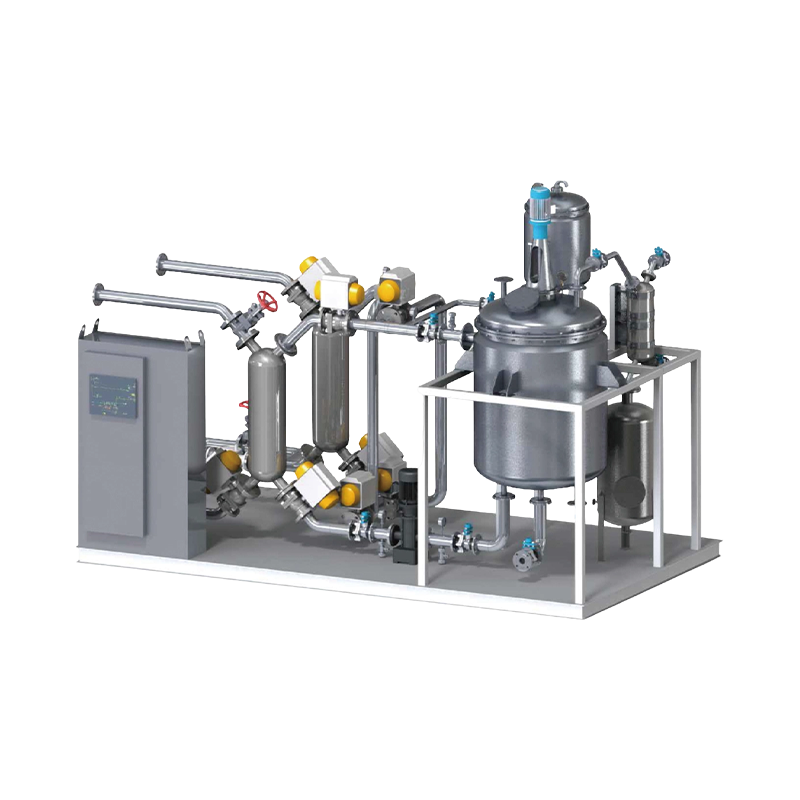
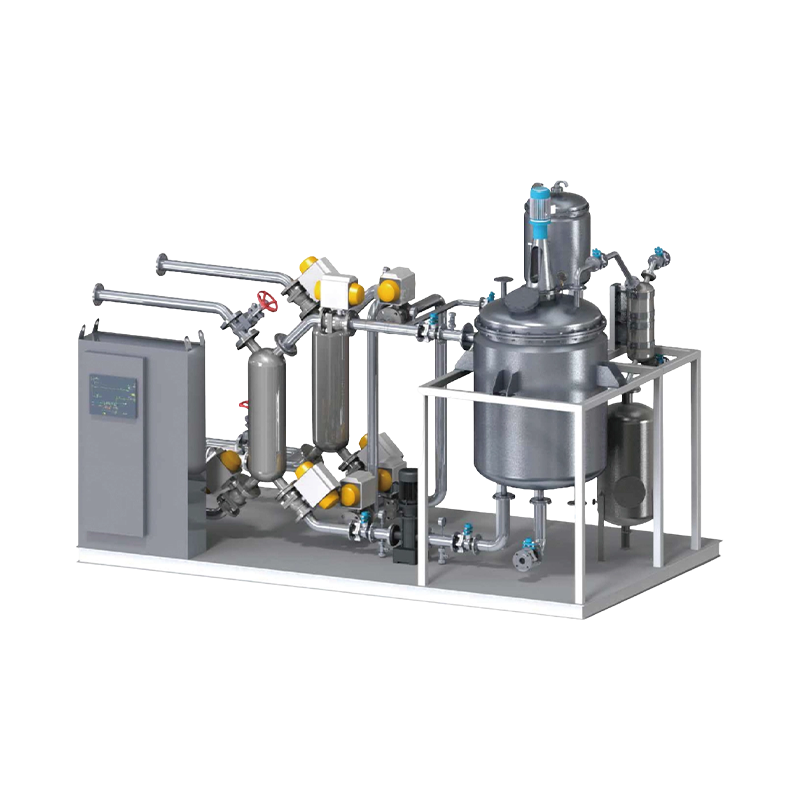
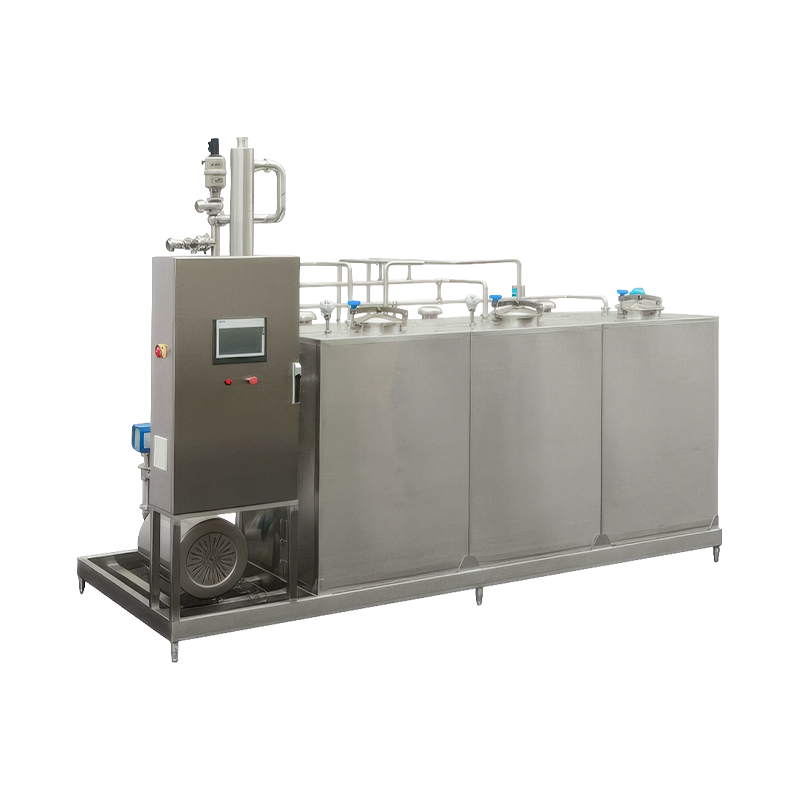
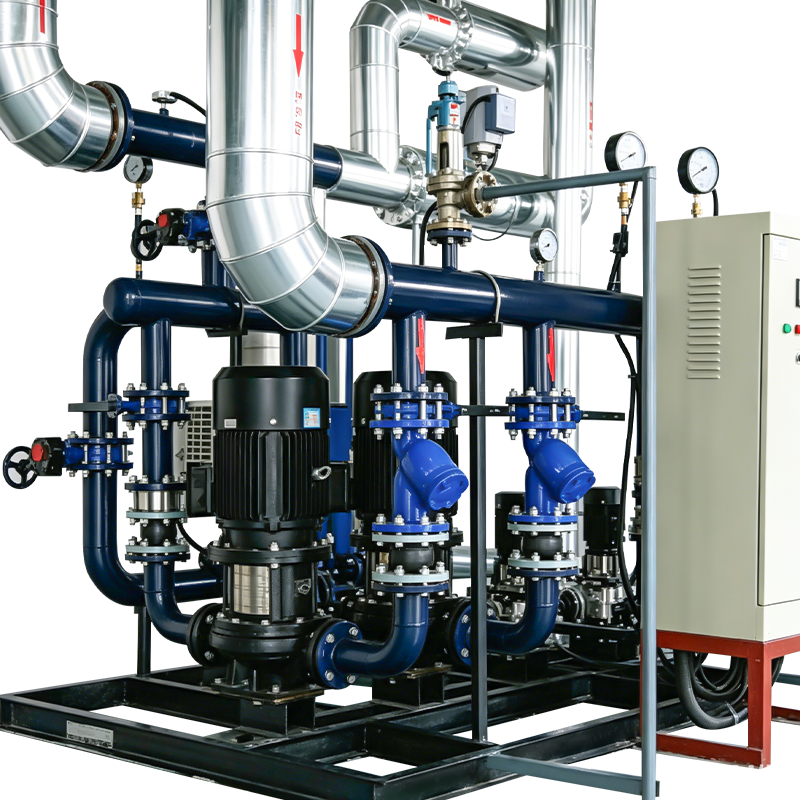
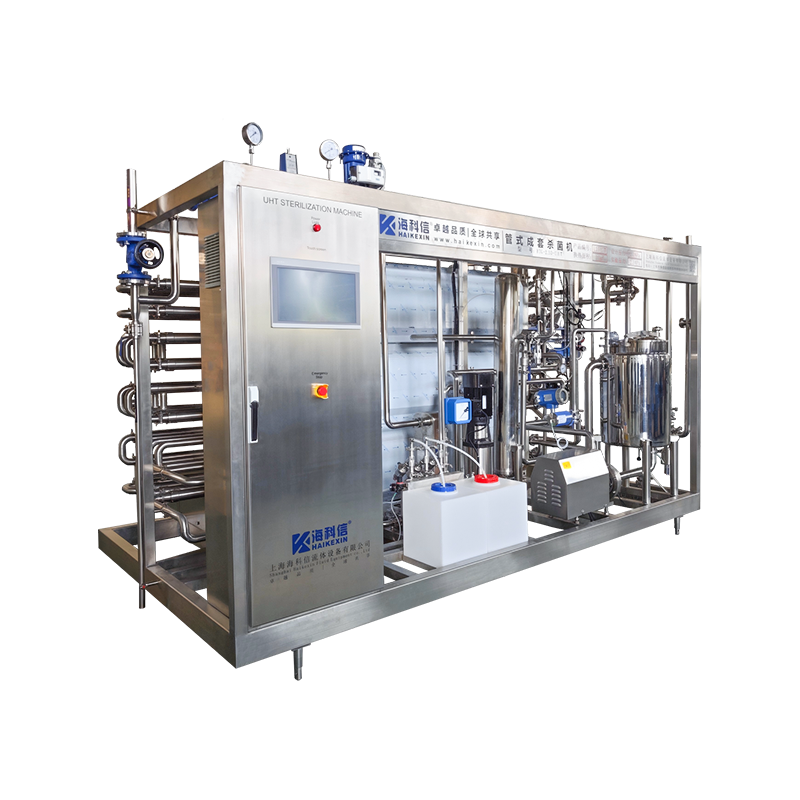
A precision temperature control unit (TCU) is an integrated thermal management system designed to regulate process temperatures with high accuracy. By circulating heating or cooling media through production equipment, it maintains predetermined temperatures throughout the manufacturing cycle.
The system typically integrates:
- Heat exchangers
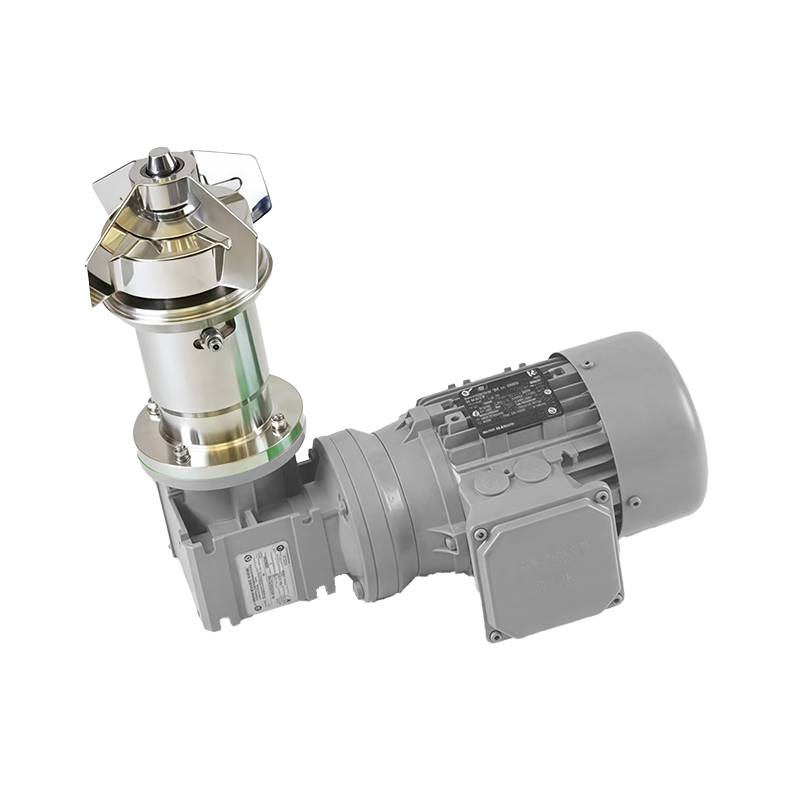
- Circulation pumps
- Intelligent PLC control
- Temperature sensors
- Automated valves
- Safety protection systems
- Heating and cooling modules
Instead of simply heating or cooling a process, the TCU dynamically responds to changing production conditions, ensuring thermal stability from start to finish.
Common Problems Solved by a Precision Temperature Control Unit (TCU)
1. Eliminating Temperature Fluctuations
Temperature instability is one of the primary causes of inconsistent food quality.
Even slight deviations during processing may result in:
- Uneven texture
- Inconsistent viscosity
- Product separation
- Flavor variation
- Reduced shelf stability
A precision temperature control unit (TCU) for F&B continuously monitors process conditions and automatically adjusts heating or cooling output to maintain stable temperatures throughout production.
This closed-loop control minimizes process variation and improves batch consistency.
2. Improving Product Consistency
Consumers expect every product to maintain identical quality regardless of production date.
Accurate temperature control directly affects:
| Manufacturing Objective | Contribution of Precision TCU |
|---|---|
| Uniform product texture | Stable thermal processing |
| Flavor consistency | Controlled heating profile |
| Color retention | Prevents overheating |
| Ingredient dispersion | Consistent mixing temperature |
| Product repeatability | Automated temperature regulation |
Consistent processing conditions reduce production variability and simplify quality management.
3. Preventing Heat Damage to Sensitive Ingredients
Many food ingredients are highly sensitive to excessive heat.
Examples include:
- Proteins
- Enzymes
- Vitamins
- Natural pigments
- Functional food ingredients
- Plant extracts
Rapid temperature spikes may permanently degrade these materials.
By maintaining narrow temperature tolerances, a precision temperature control unit helps preserve ingredient functionality while supporting desired processing conditions.
4. Increasing Heat Exchange Efficiency
Food production often requires repeated heating and cooling cycles.
Without efficient thermal control:
- Heating takes longer
- Cooling becomes inconsistent
- Production cycles increase
- Energy consumption rises
Modern TCUs optimize heat transfer through intelligent circulation and responsive control algorithms, allowing faster thermal response while reducing unnecessary energy loss.
5. Reducing Product Waste
Unstable processing temperatures frequently result in rejected batches.
Typical causes include:
- Incorrect final viscosity
- Phase separation
- Poor emulsification
- Burnt products
- Overheating
- Underprocessing
By maintaining process stability, a precision temperature control unit (TCU) for F&B significantly reduces quality deviations and minimizes material waste.
6. Supporting Hygienic Food Production
Food manufacturers operate under increasingly strict hygiene standards.
Temperature control equipment must therefore offer:
- Hygienic pipeline design
- Smooth internal surfaces
- Easy cleaning
- Corrosion resistance
- Minimal dead zones
High-quality TCUs are commonly manufactured using food-grade stainless steel and sanitary welding techniques that simplify cleaning while reducing contamination risks.
Applications Throughout Food Manufacturing
Precision TCUs are widely applied across numerous food processes.
| Food Process | Temperature Control Purpose |
|---|---|
| Dairy processing | Pasteurization and cooling |
| Beverage production | Ingredient blending |
| Sauce manufacturing | Viscosity control |
| Chocolate processing | Controlled melting |
| Syrup preparation | Uniform heating |
| Fermentation support | Stable process temperature |
| Liquid food transfer | Thermal maintenance |
| Aseptic production | Sterile process control |
Because different food products require different thermal profiles, programmable TCUs offer flexibility for multiple production lines.
Key Functional Advantages
Compared with conventional heating systems, a precision temperature control unit (TCU) for F&B provides several operational advantages.
| Feature | Manufacturing Benefit |
|---|---|
| High-precision control | Stable product quality |
| Automatic temperature adjustment | Less operator intervention |
| Fast heating and cooling | Higher production efficiency |
| Intelligent PLC control | Improved process repeatability |
| Closed-loop circulation | Better energy utilization |
| Continuous monitoring | Greater operational reliability |
| Hygienic construction | Easier sanitation |
| Modular configuration | Flexible system integration |
Why Intelligent Temperature Control Supports Modern Food Production
Today’s food factories increasingly emphasize automation and process consistency.
An intelligent TCU integrates seamlessly with automated production lines by:
- Monitoring real-time process temperatures
- Automatically adjusting thermal output
- Recording operational parameters
- Supporting remote monitoring
- Improving production traceability
- Reducing manual operation
These capabilities help manufacturers achieve more standardized production while improving overall operational efficiency.
Material Selection Matters
The durability and hygiene of a temperature control unit depend heavily on material selection.
| Component | Common Material | Primary Advantage |
|---|---|---|
| Process piping | 316L stainless steel | Excellent corrosion resistance |
| Heat exchanger | Stainless steel | Efficient heat transfer |
| Frame structure | Carbon steel or stainless steel | Mechanical strength |
| Seals | Food-grade elastomers | Hygienic sealing |
| External housing | Stainless steel | Easy cleaning |
Selecting appropriate materials helps extend equipment life while ensuring compliance with food hygiene requirements.
Choosing the Right Precision Temperature Control Unit
Selecting a suitable TCU requires evaluating multiple production factors rather than focusing solely on heating capacity.
Important considerations include:
- Required temperature range
- Heating and cooling response speed
- Temperature accuracy
- Process flow requirements
- Product characteristics
- Automation compatibility
- Cleaning requirements
- Future production expansion
A properly configured precision temperature control unit (TCU) for F&B should integrate smoothly into existing production systems while supporting future upgrades.
Engineering Expertise Behind Reliable Temperature Control
Reliable thermal management depends not only on equipment design but also on engineering capability and manufacturing quality.
Shiloc (Shanghai) Industrial Trade Co., Ltd. is a comprehensive international trading and engineering company approved by the Ministry of Commerce, providing integrated solutions covering equipment manufacturing, international trade, engineering technology services, and import and export operations.
The company designs and manufactures heat exchangers and aseptic mixing equipment for the pharmaceutical, food, daily chemical, and fine chemical industries. Supported by European know-how and Danish design concepts, its engineering team holds multiple patents and operates a 3,000㎡ manufacturing facility in Shanghai with more than 20 technical specialists.
To ensure product reliability, core materials are sourced from Europe, while processing, welding, polishing, and quality inspection are completed in-house for full production traceability and shorter lead times. The company maintains a comprehensive quality management system with ISO9001, environmental, and safety certifications, ensuring every unit meets strict hygiene, safety, and performance requirements before delivery.
With a complete service network and personalized engineering support, Shiloc (Shanghai) Industrial Trade Co., Ltd. provides customers with customized thermal processing solutions designed to improve production stability, efficiency, and long-term operational performance.
Conclusion
Temperature control directly influences every stage of food manufacturing, from ingredient preparation to final product quality. Inconsistent thermal management can lead to production instability, product defects, excessive waste, and higher operating costs.
A precision temperature control unit (TCU) for F&B addresses these challenges by delivering accurate, automated, and hygienic temperature regulation. Through stable thermal control, manufacturers can improve process consistency, protect sensitive ingredients, optimize energy utilization, and support modern automated production systems.
FAQ
1. What is the primary purpose of a precision temperature control unit (TCU) for F&B?
Its primary purpose is to provide accurate and stable heating and cooling throughout food processing, ensuring consistent product quality, improved process efficiency, and reliable temperature management.
2. Which food manufacturing processes benefit most from a TCU?
TCUs are widely used in dairy processing, beverage production, sauce manufacturing, chocolate processing, syrup preparation, fermentation, aseptic processing, and other applications requiring precise thermal control.
3. Can a precision TCU improve energy efficiency?
Yes. Intelligent temperature regulation minimizes unnecessary heating and cooling, improves heat transfer efficiency, shortens production cycles, and helps optimize overall energy utilization.
4. Why is stainless steel commonly used in food-grade TCUs?
Food-grade stainless steel offers excellent corrosion resistance, hygienic surfaces, durability, and ease of cleaning, making it suitable for sanitary food production environments.
5. What factors should be considered when selecting a precision temperature control unit?
Key considerations include required temperature range, control accuracy, heating and cooling capacity, process flow characteristics, automation compatibility, hygienic design, maintenance requirements, and future production expansion plans.


