
 English
 русский
 Português
 Français


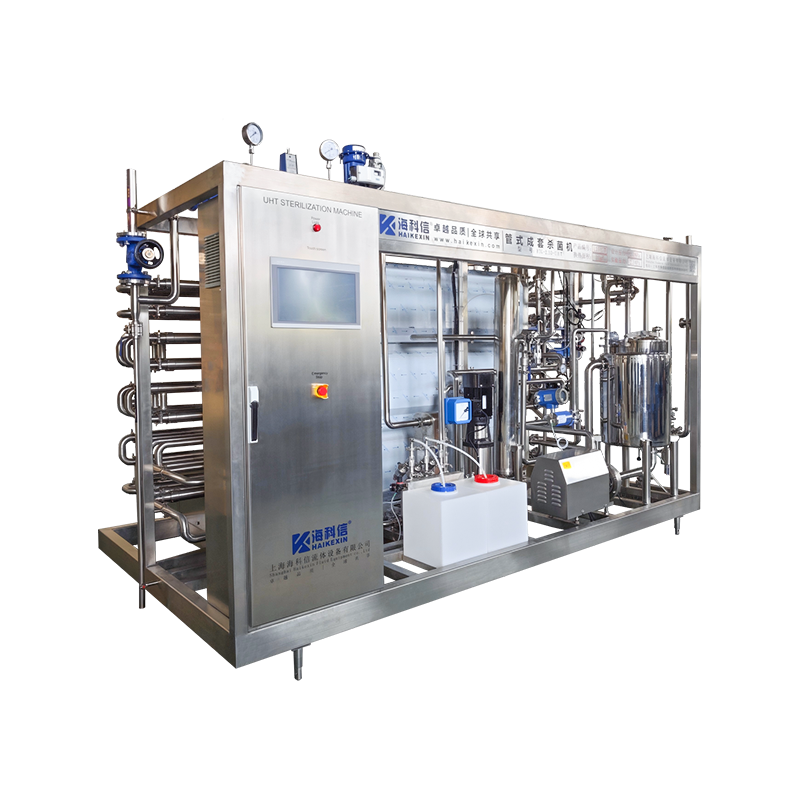
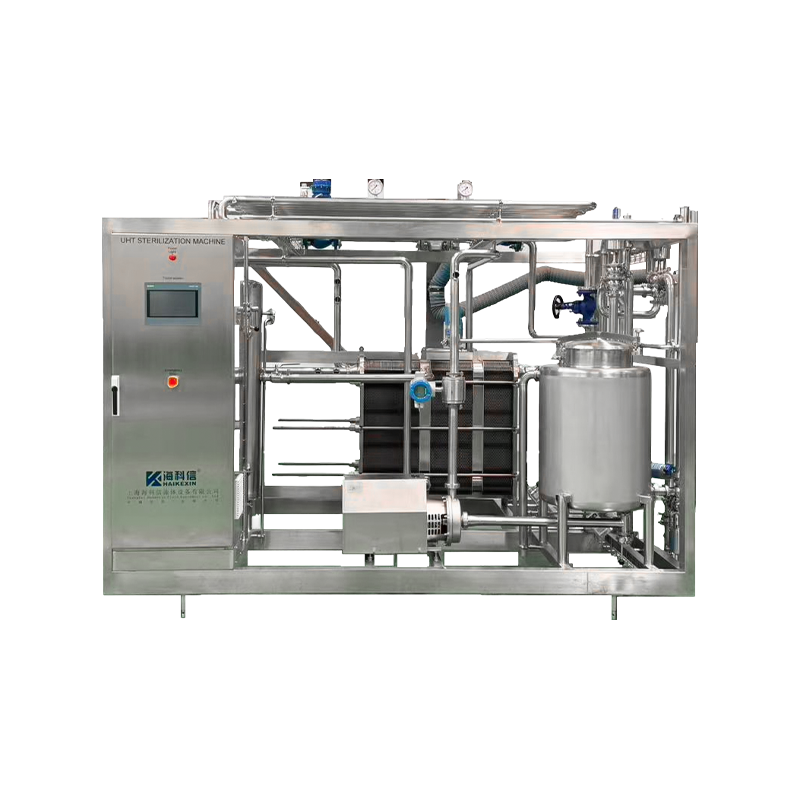
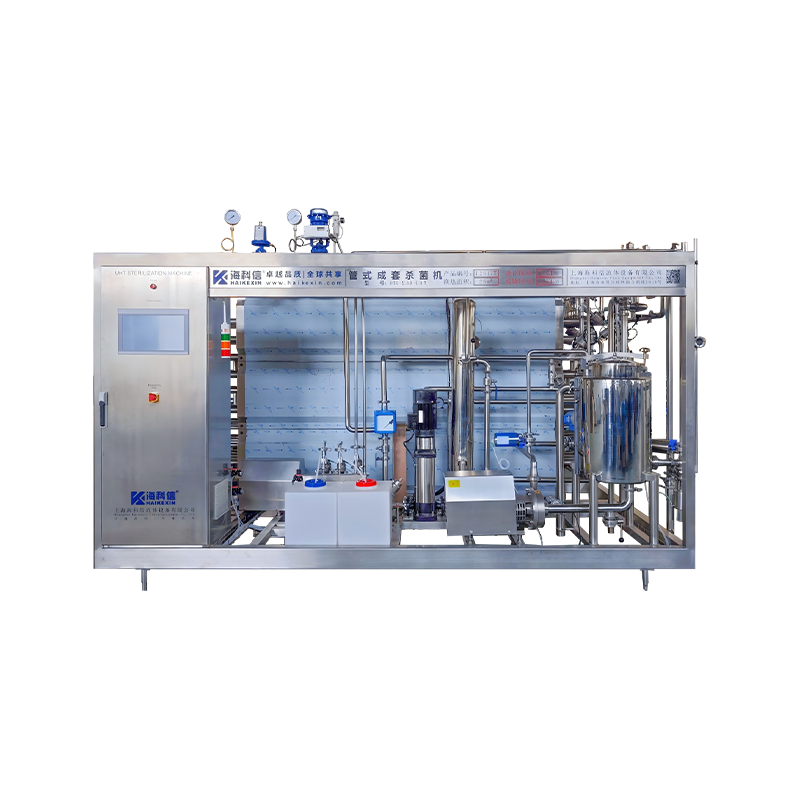
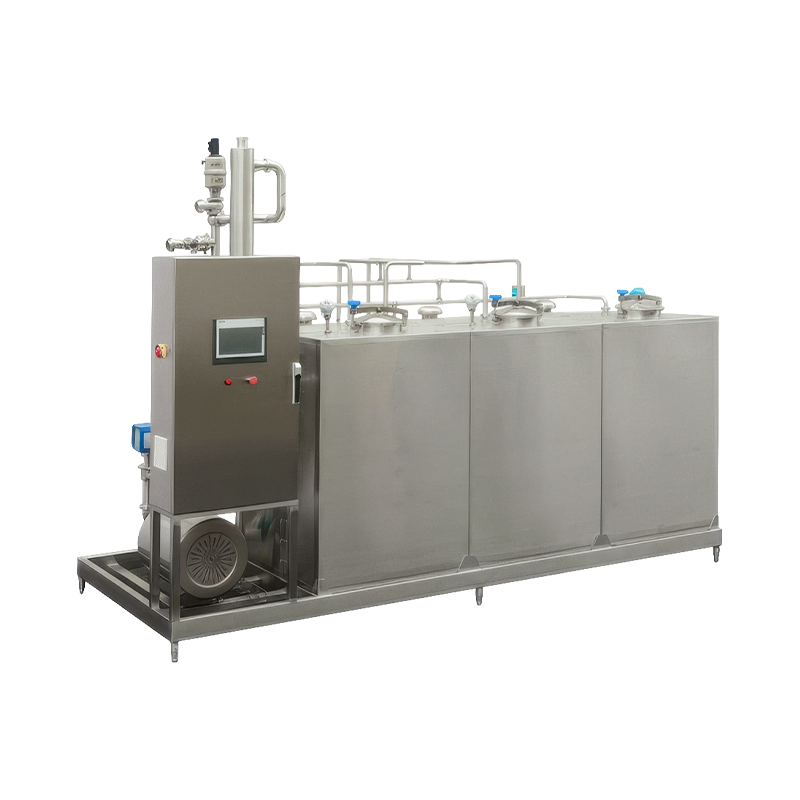
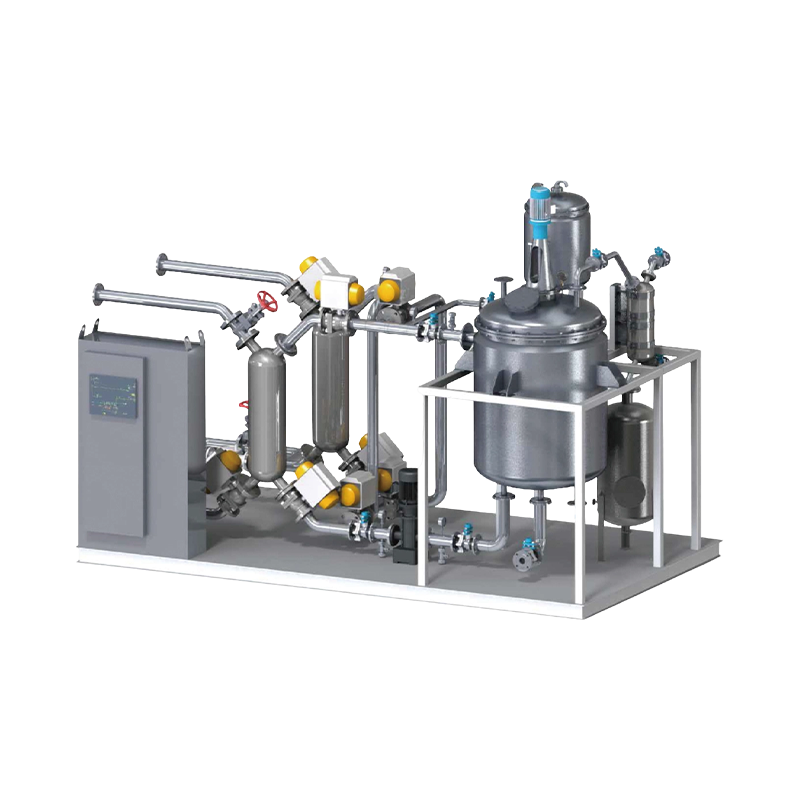
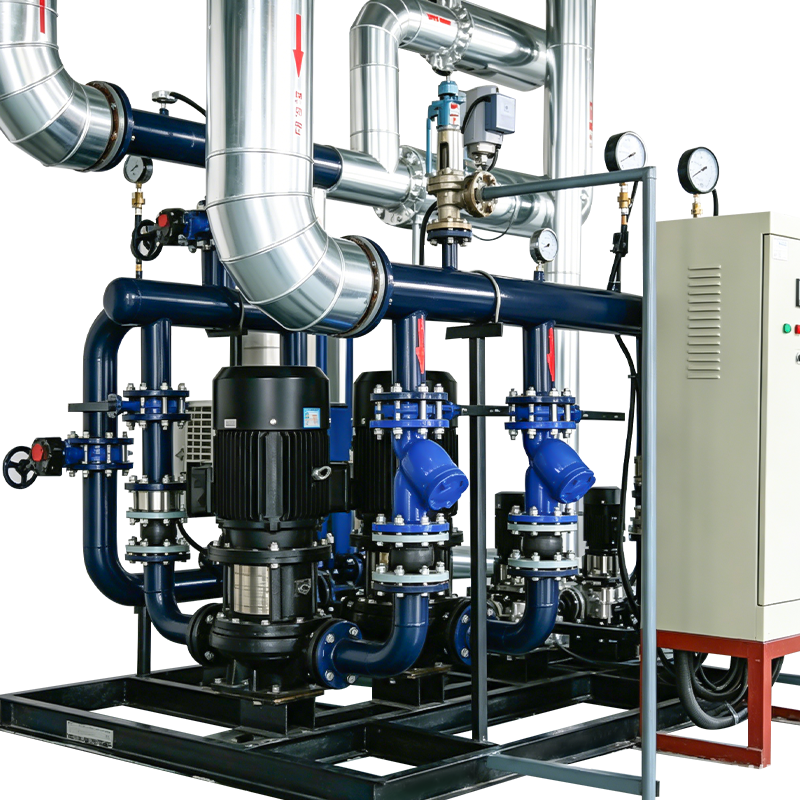
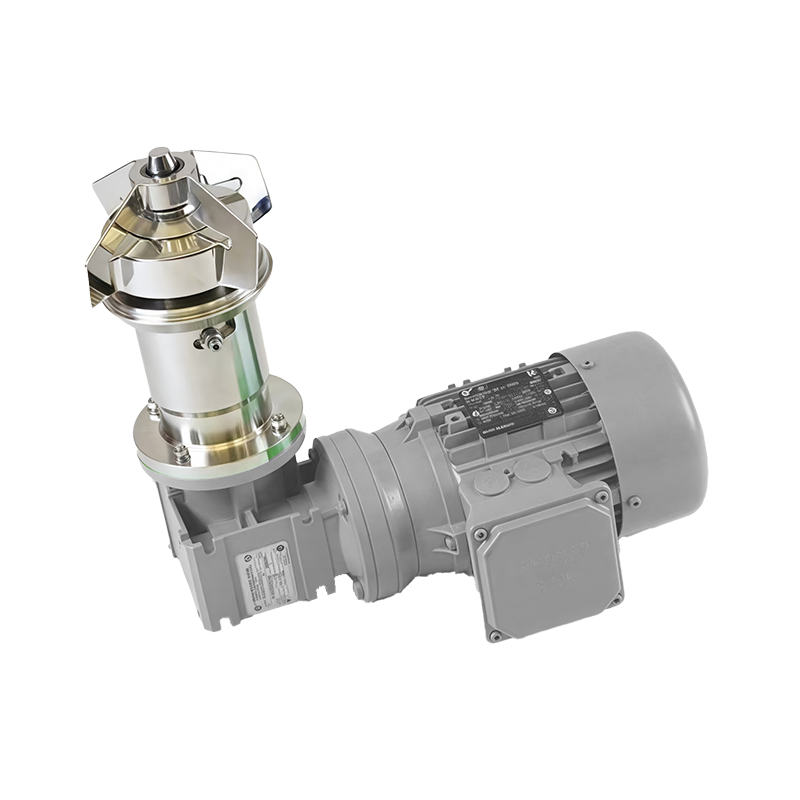
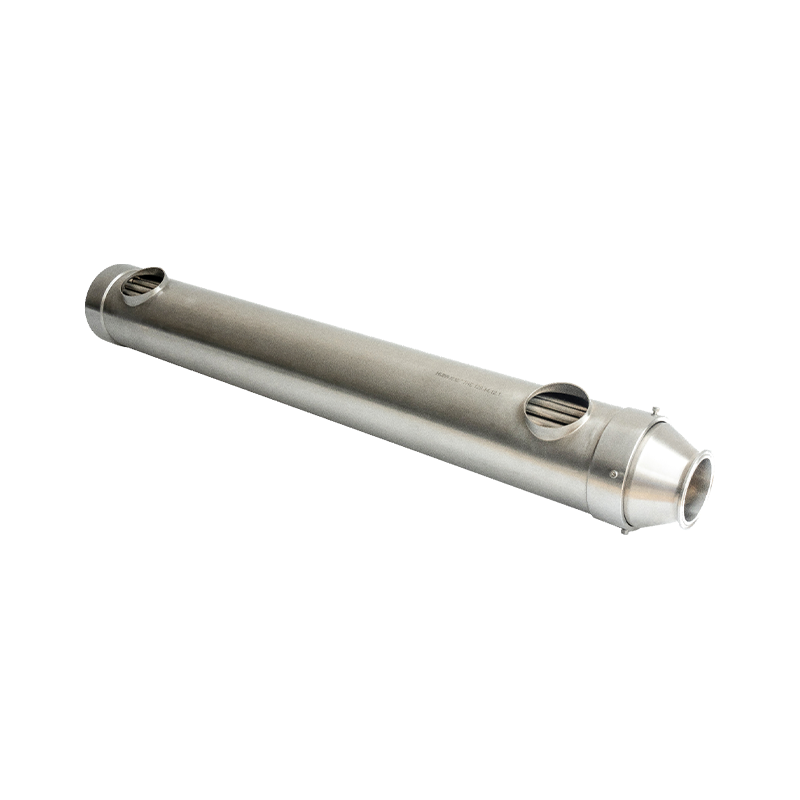
Aseptic Milk Processing Equipment
Aseptic milk processing equipment integrates thermal treatment, hygienic product transfer, sterile holding, and aseptic packaging interfaces to support milk production under controlled processing conditions.
Designed for industrial dairy operations, an aseptic processing line is configured around the required milk formulation, processing capacity, target heat treatment, and downstream packaging system. Equipment selection involves more than the heating unit itself. Product balance, homogenization, temperature control, sterile boundary management, cleaning procedures, and process monitoring all influence the performance of the complete production line.
The actual process sequence depends on the selected sterilization technology and plant configuration.
What Is Aseptic Milk Processing Equipment?
Aseptic milk processing equipment refers to the machinery and process components used to produce commercially sterile milk and maintain controlled hygienic conditions before the product enters an aseptic packaging system. Depending on the production design, the line may include raw milk reception, filtration, storage, preheating, homogenization, sterilization, cooling, sterile buffering, and aseptic filling connections.
Thermal processing is commonly based on direct or indirect heating. Indirect systems transfer heat through a plate or tubular heat exchanger, while direct systems bring the product into contact with culinary steam before subsequent cooling. The appropriate arrangement depends on product characteristics, processing targets, plant utilities, and the required production output.
Main Units in an Aseptic Milk Processing Line
A complete line is assembled from process units that perform specific functions. Their combination and sizing should be determined by the product recipe and production requirements.
Milk Reception and Buffering Unit
Receives milk from upstream storage or transfer systems and provides a controlled supply to the processing line. Typical components may include sanitary pumps, filters, balance tanks, valves, and level instruments.
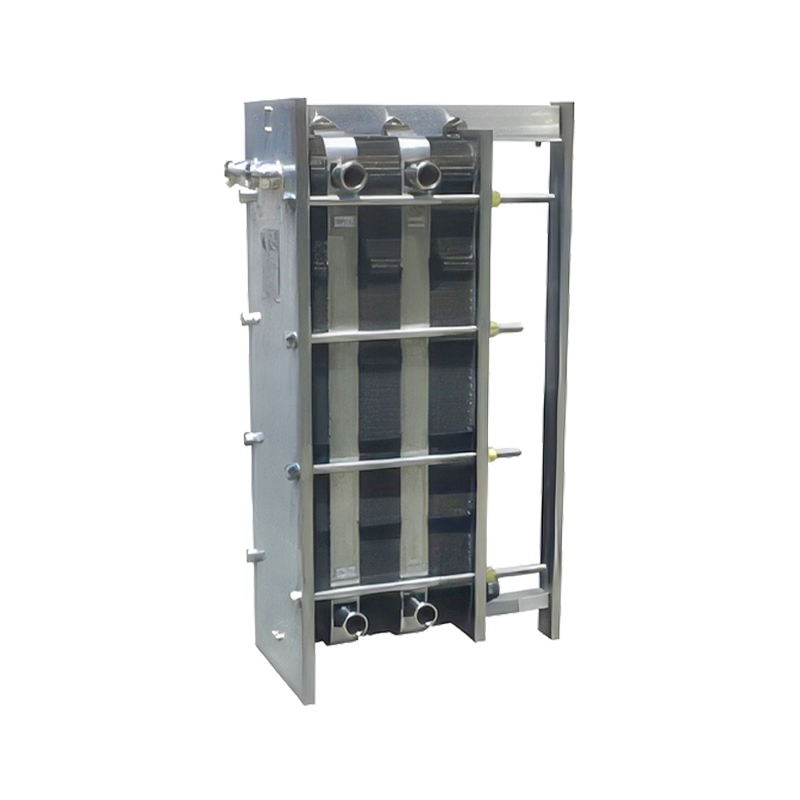
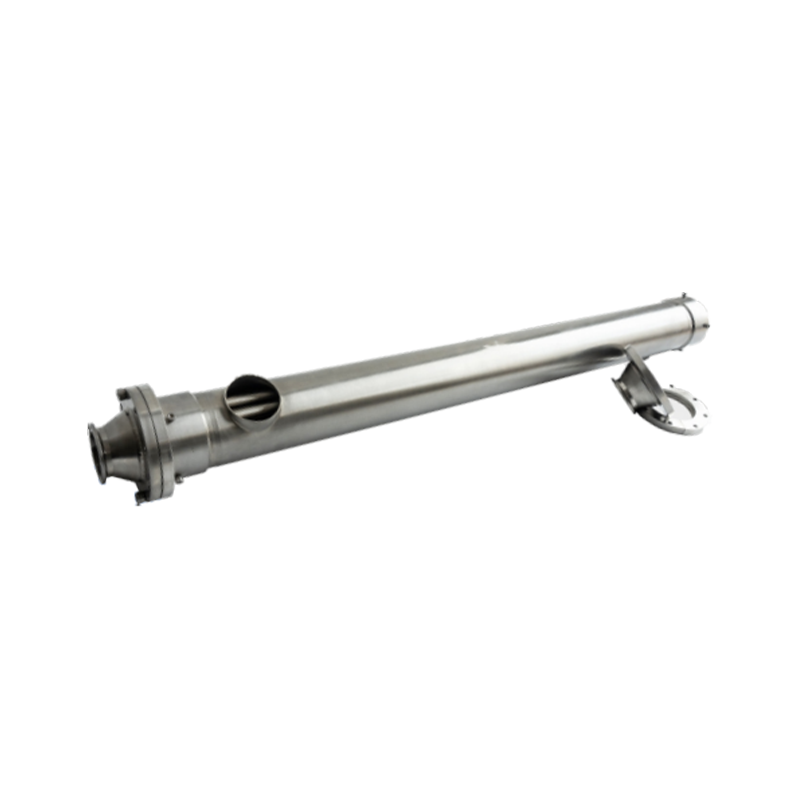
Preheating and Heat Exchange Unit
Raises product temperature through a controlled heat transfer stage. Plate or tubular heat exchangers may be selected according to product properties, fouling behavior, viscosity, and process design.
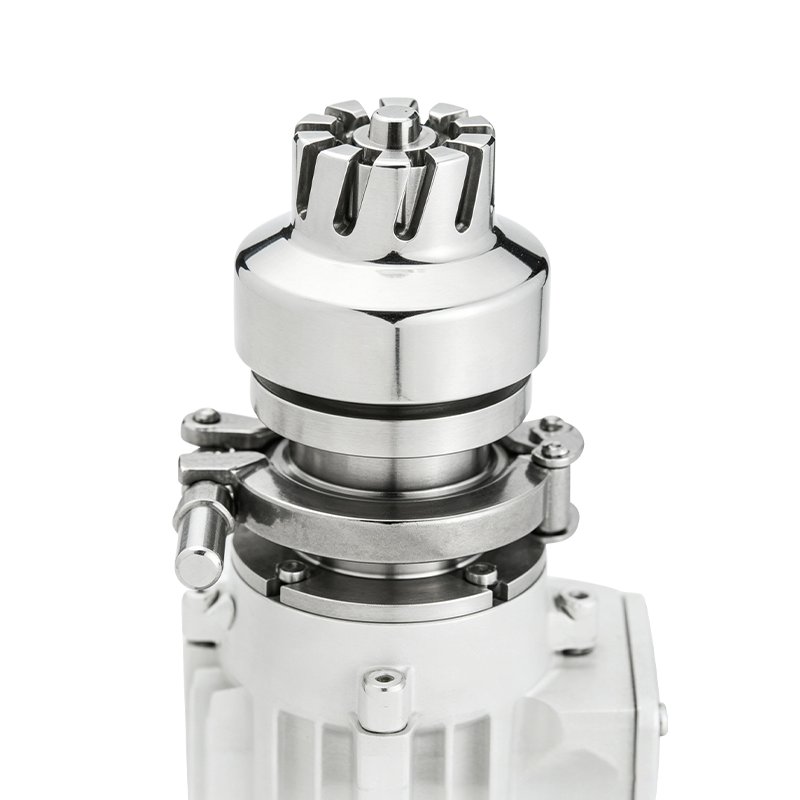
Milk Homogenizer
Reduces and distributes fat globules to achieve the specified product structure and physical stability. Homogenizer capacity, pressure range, and installation position should match the formulation and process sequence.
UHT Sterilization Unit
Applies the defined time-temperature treatment to the milk. The system may use indirect heat exchange or direct steam injection, with the heating, holding, and cooling stages engineered around the required process specification.
Aseptic Product Tank and Transfer System
Provides a controlled sterile product buffer between processing and filling when included in the line design. Tank construction, sterile air management, valves, and transfer connections must preserve the defined aseptic boundary.
Aseptic Filling Connection
Transfers processed milk to compatible aseptic packaging equipment. The filler and upstream processing line must be designed to work as an integrated system, including sterile interfaces and coordinated operating controls.
How the Aseptic Milk Processing System Works
The following sequence illustrates a general indirect UHT milk processing arrangement. Specific stages may change when direct heating, different homogenization positions, or alternative plant configurations are selected.
Product Preparation
Milk is received, filtered, and transferred into the process system. Formulation and product condition are checked against the production specification.
Preheating and Homogenization
The milk passes through the specified preparation stages. Homogenization may be positioned before or after the sterilization section according to the process design.
UHT Thermal Treatment
The product is heated to the defined processing temperature and maintained for the specified holding period. Temperature and flow conditions are monitored by the control system.
Cooling and Sterile Transfer
After thermal treatment, milk is cooled through the designed heat exchange stages and transferred through a controlled aseptic pathway.
Aseptic Filling
The processed milk is delivered to a compatible aseptic filler. Packaging operations are coordinated with the processing line to maintain the required sterile conditions.
Heating Technologies for Aseptic Milk Processing
Heating method selection affects equipment arrangement, utility demand, product exposure, and maintenance planning.
Indirect Heating
Heat is transferred through a physical surface separating the product from the heating medium. Plate heat exchangers may be used for suitable product and operating conditions, while tubular designs can accommodate other flow and product requirements.
- No direct contact between heating medium and milk
- Heat exchanger configuration depends on product properties
- Suitable for integration with heat recovery arrangements
Direct Steam Heating
Food-grade steam is introduced directly into the product during the heating stage. A subsequent flash cooling stage removes the added water and reduces product temperature under controlled conditions.
- Direct contact between steam and product
- Requires suitable steam quality and supply conditions
- Product concentration and water balance require process control
The selected process must be validated for the specific milk formulation, target product characteristics, and applicable food safety requirements.
Key Equipment Design Considerations
Controlled Thermal Conditions
Heating, holding, and cooling sections are configured to maintain the specified process conditions, with appropriate measurement and control points.
Hygienic Product Contact
Product-contact components require sanitary design, suitable materials, cleanable surfaces, and connections compatible with the cleaning procedure.
Aseptic Boundary Management
Valves, tanks, pipelines, seals, sterile air systems, and filling interfaces must be considered as part of the overall sterile process boundary.
Automated Process Monitoring
Instrumentation and control logic help operators monitor key operating parameters, alarms, process transitions, and production records.
CIP and SIP Compatibility
Cleaning-in-place and sterilization-in-place arrangements should be considered during equipment layout and pipeline design to support repeatable sanitation procedures.
Line Integration
Processing capacity, buffer volume, filler speed, utility supply, and control interfaces need to be coordinated to reduce production bottlenecks.
Applications in Industrial Dairy Production
Aseptic milk processing equipment can be configured for different dairy products when their formulations and processing requirements are compatible with the selected system.
UHT Whole Milk
Processing lines for milk with its specified fat content and product composition.
UHT Skimmed Milk
Equipment arrangements for reduced-fat or skimmed milk formulations.
Flavored Milk Drinks
Processing configurations for compatible milk-based beverages containing flavoring ingredients.
Fortified Milk
Systems designed around milk formulations with specified added nutrients or ingredients.
Institutional Dairy Production
Processing lines for dairy manufacturers supplying retail, food service, or institutional markets.
Information Required for Equipment Selection
A practical equipment proposal should be based on the operating conditions and integration requirements of the dairy plant. The following information helps define the process configuration and equipment scope.
| Specification Item | Information to Confirm |
|---|---|
| Product Type | Whole milk, skimmed milk, flavored milk, fortified milk, or other formulation |
| Processing Capacity | Required hourly output and expected operating schedule |
| Thermal Process | Required sterilization method and validated time-temperature parameters |
| Product Characteristics | Fat content, total solids, viscosity, ingredients, and relevant formulation details |
| Homogenization | Required pressure range, capacity, and process position |
| Packaging System | Packaging format, filler model, filling speed, and connection requirements |
| Plant Utilities | Steam, water, electricity, compressed air, and cooling requirements |
| Sanitation Method | CIP and SIP requirements, cleaning agents, and sanitation sequence |
| Installation Conditions | Available floor space, layout restrictions, and existing process connections |
Frequently Asked Questions
What is the difference between milk pasteurization and aseptic UHT processing?
Pasteurization uses a defined heat treatment to reduce relevant microorganisms and is generally associated with refrigerated distribution. Aseptic UHT processing applies a more intensive thermal treatment and combines it with aseptic handling and packaging to produce commercially sterile milk when the complete process is properly designed and validated.
Does aseptic milk processing equipment include the filling machine?
The scope varies by project. Some equipment packages cover the processing section and provide an aseptic connection to a separately supplied filler. Other projects coordinate processing and filling equipment as an integrated line. The supply boundary should be clearly defined in the technical proposal.
Which is more suitable for milk: plate or tubular heat exchangers?
The choice depends on product composition, viscosity, flow characteristics, fouling behavior, operating conditions, and the required cleaning procedure. Plate and tubular systems have different design characteristics, so selection should be based on process calculations and product trials where necessary.
Can one processing line handle different milk formulations?
A line may be designed for multiple formulations, but the permitted product range depends on equipment capacity, heat transfer performance, homogenization requirements, cleaning arrangements, and process validation. Each formulation should be reviewed before confirming the operating range.
Why are CIP and SIP important in an aseptic processing line?
CIP cleans product-contact equipment and pipelines without routine disassembly. SIP applies a validated sterilization procedure to designated equipment sections. Both procedures are important for hygienic operation, but their scope, sequence, and parameters must be established for the specific system.
What information is needed to request a quotation?
Provide the product formulation, required processing capacity, sterilization method if specified, packaging format, available utilities, plant layout, and the requested supply scope. Existing filler details and sanitation requirements are also useful for preparing an equipment configuration.