

 English
 русский
 Português
 Français

 +86-21-57560276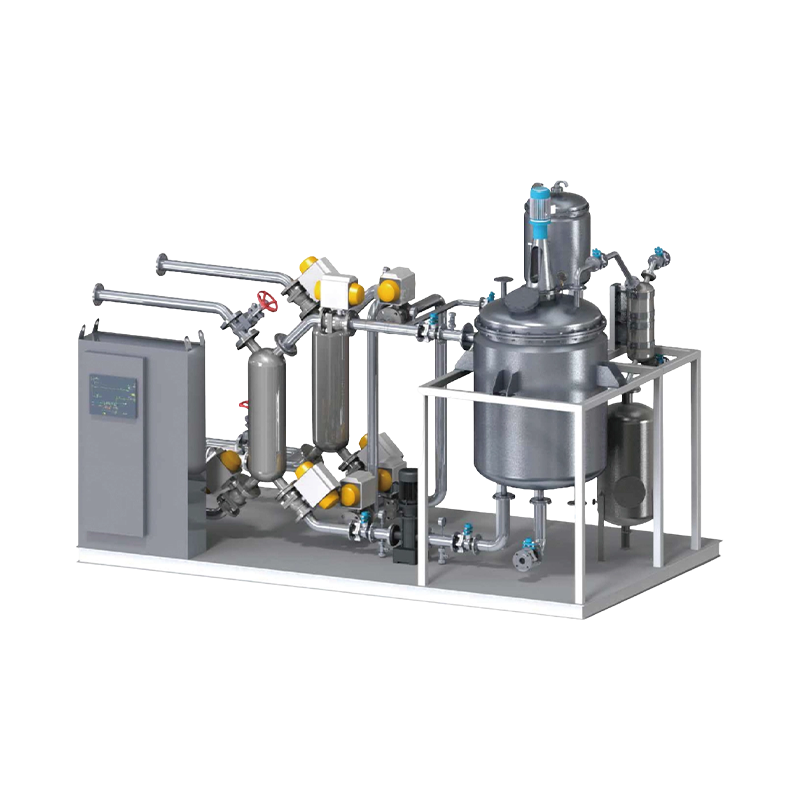

What Are Bioprocess Integrated Skids and Why Are They Essential in Modern Biomanufacturing?
Understanding Bioprocess Integrated Skids
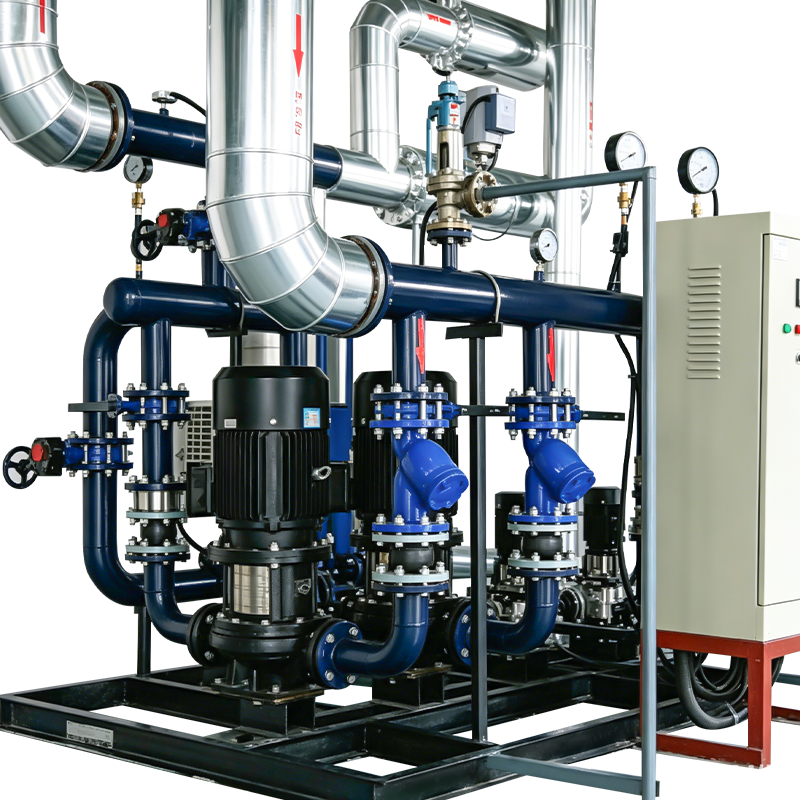
Bioprocess integrated skids are self-contained process modules designed to perform one or more critical operations within a biopharmaceutical manufacturing process. These systems integrate process equipment, piping, instrumentation, automation, valves, sensors, and control systems into a unified platform that is fully assembled and tested before shipment.
Depending on production requirements, a skid may support upstream processing, downstream purification, media preparation, buffer preparation, cleaning, or utility distribution. Their modular architecture allows facilities to expand production capacity without redesigning the entire manufacturing plant.
Because the systems are standardized and validated during fabrication, installation time is significantly reduced while operational reliability is improved.
Why Bioprocess Integrated Skids Are Essential in Modern Biomanufacturing
The rapid development of biologics, vaccines, cell therapies, and recombinant proteins has increased the need for manufacturing systems that are both scalable and highly adaptable. Traditional fixed installations often require long construction schedules and complex engineering work, making rapid capacity expansion difficult.
Bioprocess integrated skids address these challenges by offering several important advantages:
- Modular and standardized system design
- Faster facility deployment
- Reduced engineering complexity
- Simplified process validation
- Improved process consistency
- Easier maintenance and future upgrades
- Flexible production configuration
- Enhanced automation and monitoring capabilities
These characteristics help manufacturers shorten project timelines while maintaining high product quality and regulatory compliance.
Typical Functions of Bioprocess Integrated Skids
Different manufacturing processes require specialized skid configurations. Each module is designed to perform specific production tasks while remaining compatible with the overall manufacturing workflow.
| Function | Primary Purpose | Typical Applications |
|---|---|---|
| Media Preparation | Mixing and conditioning culture media | Cell culture production |
| Buffer Preparation | Preparing process buffers | Chromatography and filtration |
| CIP System | Automated cleaning of equipment | Multi-batch manufacturing |
| SIP System | Steam sterilization of process equipment | Sterile production environments |
| Filtration Skid | Product clarification and concentration | Protein purification |
| Chromatography Skid | Biomolecule separation and purification | Monoclonal antibodies, vaccines |
| Process Transfer Skid | Controlled fluid transportation | Upstream and downstream integration |
The ability to combine multiple operations into interconnected modules makes bioprocess integrated skids highly versatile across various manufacturing environments.
Key Components of a Bioprocess Integrated Skid
Although configurations vary according to application, most skid systems consist of several integrated elements that work together to ensure stable operation.
| Component | Function |
|---|---|
| Stainless Steel Frame | Structural support and equipment mounting |
| Process Piping | Hygienic fluid transfer |
| Pumps | Controlled liquid movement |
| Valves | Flow direction and process isolation |
| Sensors | Pressure, temperature, conductivity, pH monitoring |
| Instrumentation | Process measurement and control |
| PLC/HMI Control System | Automation and real-time operation |
| Electrical Cabinet | Power distribution and system protection |
The integration of these components into a single engineered platform minimizes installation risks and simplifies system qualification.
Material Selection for Reliable Bioprocess Performance
Material selection directly influences equipment durability, cleanability, and regulatory compliance. Hygienic design is essential for preventing contamination while supporting repeated cleaning and sterilization cycles.
| Material | Advantages | Common Uses |
|---|---|---|
| 316L Stainless Steel | Excellent corrosion resistance and cleanability | Process vessels, piping, frames |
| EPDM Seals | Good chemical compatibility | General sealing applications |
| PTFE | Outstanding chemical resistance | Valve seats and gaskets |
| Silicone | High flexibility and biocompatibility | Tubing and sanitary connections |
Proper material selection also supports compliance with pharmaceutical manufacturing standards while extending equipment service life.
Benefits for Process Efficiency and Manufacturing Flexibility
One of the primary reasons manufacturers adopt bioprocess integrated skids is their ability to improve overall operational performance.
Faster Project Delivery
Factory fabrication and pre-commissioning significantly reduce on-site installation work. Since much of the engineering verification has already been completed, project schedules become more predictable.
Improved Automation
Modern skid systems incorporate advanced PLC control, intelligent sensors, and centralized monitoring, enabling operators to monitor critical process parameters continuously and maintain consistent operating conditions.
Simplified Maintenance
The modular design allows individual process units to be inspected, serviced, or upgraded without disrupting the entire production line.
Better Process Consistency
Integrated instrumentation and standardized operating procedures reduce human error while improving batch-to-batch reproducibility.
Scalable Manufacturing
Additional skid modules can be integrated as production requirements increase, making capacity expansion more efficient than traditional fixed systems.
Common Applications Across the Biopharmaceutical Industry
Today, bioprocess integrated skids are widely used throughout biologics manufacturing because they support both pilot-scale development and commercial production.
Typical applications include:
- Monoclonal antibody manufacturing
- Vaccine production
- Recombinant protein processing
- Cell culture production
- Fermentation systems
- Buffer and media preparation
- Ultrafiltration and diafiltration
- Chromatography purification
- Sterile liquid processing
- Biotechnology research facilities
Their flexibility makes them suitable for facilities requiring frequent process changes or multiple product campaigns.
Design Considerations When Selecting Bioprocess Integrated Skids
Choosing the appropriate skid system requires careful evaluation of both current production needs and future expansion plans.
Important considerations include:
- Process capacity requirements
- Automation level
- Integration with existing manufacturing systems
- Cleaning and sterilization strategy
- Material compatibility
- Regulatory compliance requirements
- Maintenance accessibility
- Future scalability
A properly engineered system should support long-term operational efficiency while minimizing lifecycle costs.
Comprehensive Engineering and International Trade Support
Beyond equipment supply, successful biomanufacturing projects often depend on reliable engineering coordination and international logistics.
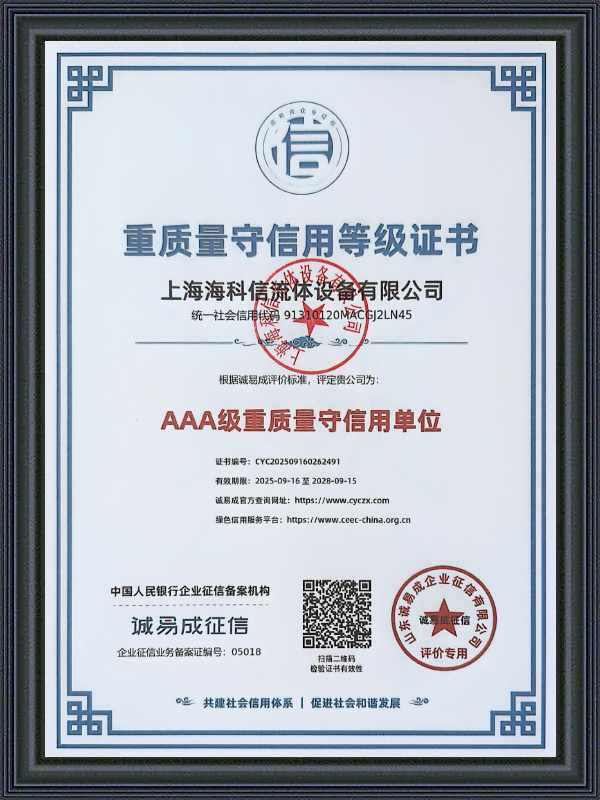
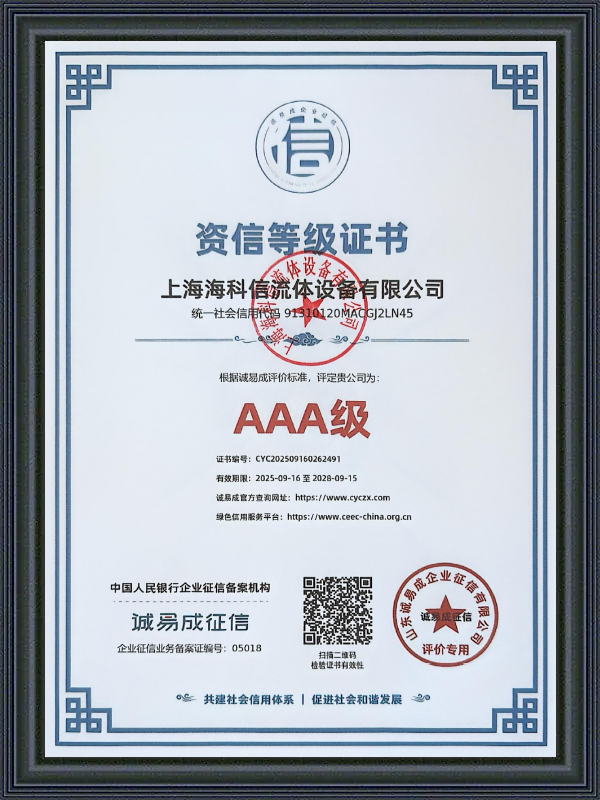
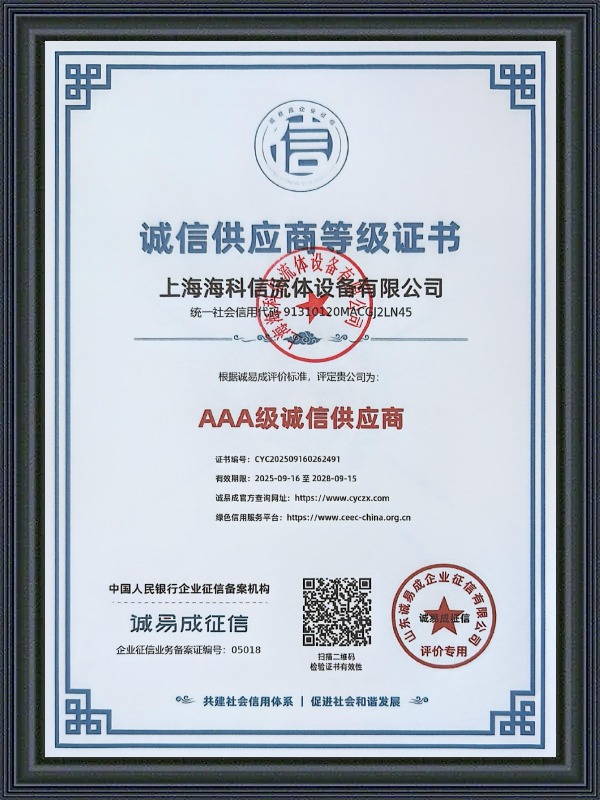
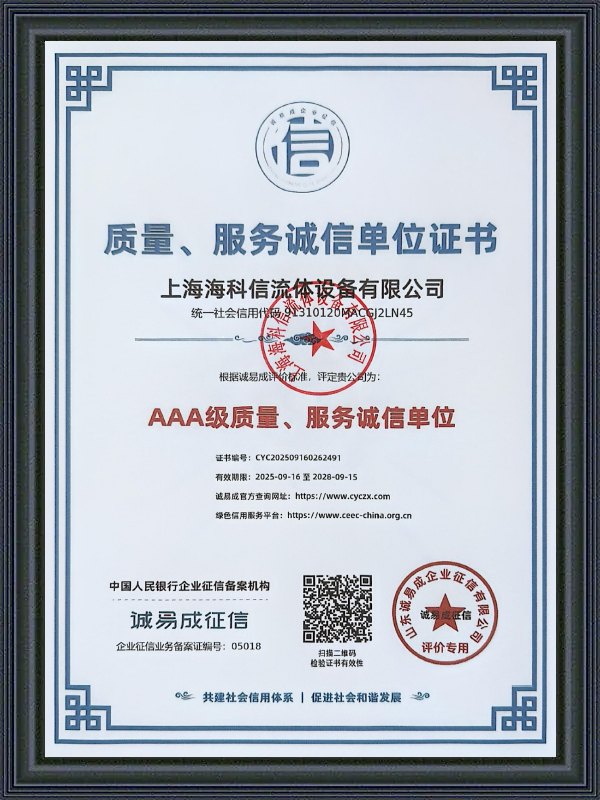
Shiloc (Shanghai) Industrial Trade Co., Ltd. is a comprehensive trading company approved by the Ministry of Commerce, specializing in equipment manufacturing, international trade, technology import and export, engineering technical services, and integrated supply solutions.
The company provides customers with comprehensive international trade services covering equipment procurement, engineering support, import and export operations, and customized project coordination. Supported by extensive international resources and a broad partner network, Shiloc (Shanghai) Industrial Trade Co., Ltd. delivers high-quality products while maintaining strict quality control throughout the supply chain.
Its comprehensive service management system focuses on safe, timely delivery, transparent communication, and customized solutions tailored to individual project requirements, helping customers execute complex industrial projects with greater confidence.
Conclusion
As biopharmaceutical manufacturing continues to evolve toward greater flexibility, automation, and efficiency, bioprocess integrated skids have become an essential technology for modern production facilities. Their modular design, integrated automation, hygienic construction, and scalable architecture enable manufacturers to simplify installation, improve operational consistency, and respond more rapidly to changing market demands.
FAQ
1. What are bioprocess integrated skids primarily used for?
Bioprocess integrated skids are used to perform critical biopharmaceutical manufacturing operations such as media preparation, buffer preparation, filtration, chromatography, CIP, SIP, and fluid transfer within a modular process system.
2. Why are modular skid systems preferred over traditional installations?
Modular skid systems reduce installation time, simplify commissioning, improve process consistency, support automation, and make future production expansion easier through standardized engineering.
3. What materials are commonly used in bioprocess integrated skids?
Most systems use 316L stainless steel for structural and process-contact components, combined with pharmaceutical-grade sealing materials such as EPDM, PTFE, and silicone to ensure hygiene and durability.
4. Can bioprocess integrated skids be customized?
Yes. Skid systems can be engineered according to process capacity, automation requirements, production workflow, utility connections, and facility layout to meet specific manufacturing objectives.
5. Which industries commonly use bioprocess integrated skids?
They are widely used in biopharmaceutical manufacturing, biotechnology, vaccine production, recombinant protein processing, cell therapy, fermentation facilities, research laboratories, and other life science applications.


