

 English
 русский
 Português
 Français



Can an Automatic Food Pasteurization System Extend Product Shelf Life?
Food manufacturers face increasing pressure to deliver products that are safe, consistent, and capable of remaining fresh throughout transportation and storage. Whether producing dairy products, beverages, sauces, liquid foods, or ready-to-eat products, extending shelf life without compromising quality has become a key objective. An automatic food pasteurization system offers an effective solution by combining precise temperature control, automated processing, and hygienic design to reduce microbial activity while preserving nutritional value and sensory characteristics.
Compared with conventional heating methods, modern automated pasteurization systems improve process consistency, minimize human intervention, and support continuous production.
What Is an Automatic Food Pasteurization System?
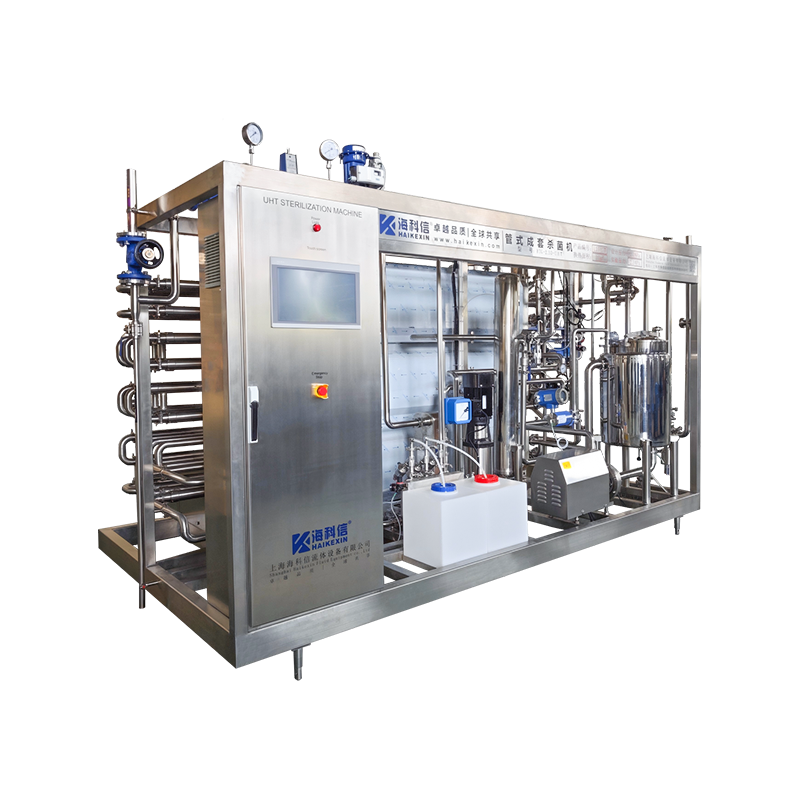
An automatic food pasteurization system is an integrated processing solution designed to heat food products to a carefully controlled temperature for a specified holding time before cooling them rapidly. The objective is not complete sterilization but the significant reduction of harmful microorganisms and spoilage organisms while preserving the product’s original flavor, texture, color, and nutritional properties.
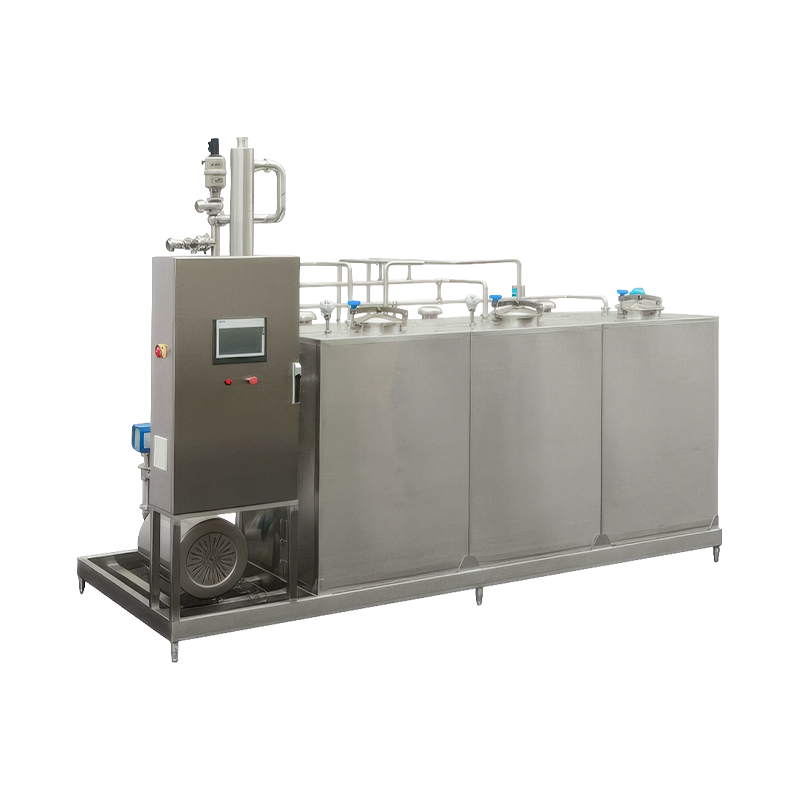
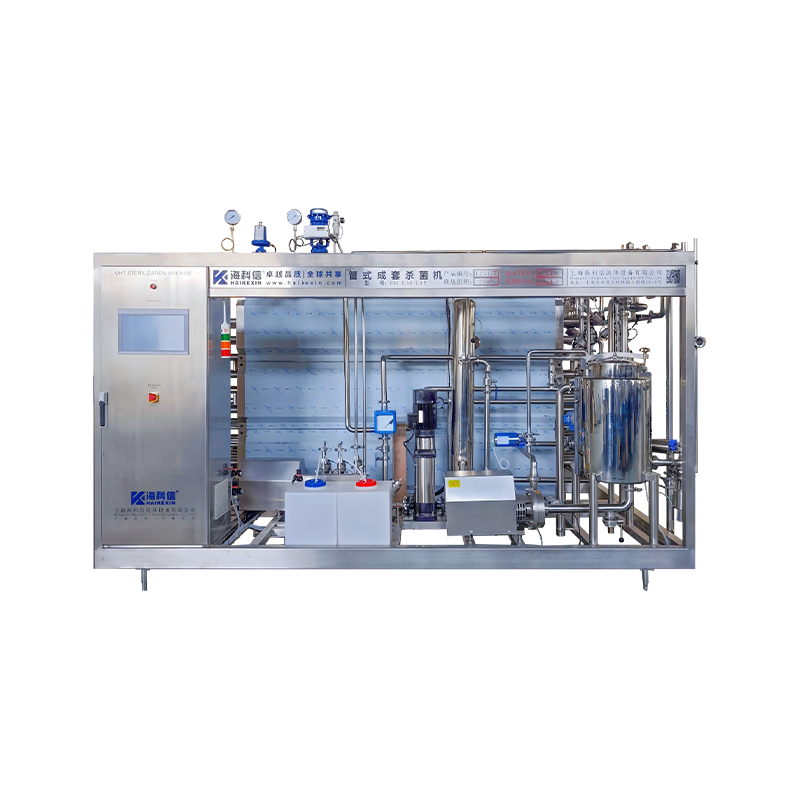
Modern systems integrate multiple automated components, including:
- Heat exchangers
- Temperature control modules
- PLC automation systems
- Flow control devices
- Holding tubes
- Hygienic pumps
- CIP (Clean-in-Place) systems
- Data monitoring and recording functions
The automation ensures every production batch follows identical processing parameters, greatly reducing operational variation.
How Does Pasteurization Extend Product Shelf Life?
Shelf life depends largely on microbial growth, enzymatic reactions, and product contamination during processing. Pasteurization addresses these factors through controlled thermal treatment.
1. Reduces Harmful Microorganisms
The primary function of an automatic food pasteurization system is eliminating pathogenic bacteria, molds, yeasts, and many spoilage microorganisms.
By lowering the microbial population, products remain microbiologically stable for longer storage periods.
2. Slows Enzyme Activity
Natural enzymes continue functioning after harvesting or processing and may gradually cause:
- Flavor deterioration
- Color changes
- Texture degradation
- Nutrient loss
Controlled pasteurization reduces enzymatic activity, helping preserve overall product quality.
3. Minimizes Secondary Contamination
Automation reduces direct operator contact with products.
Closed-loop processing systems decrease exposure to:
- Airborne contaminants
- Manual handling
- Cross contamination
- Environmental microorganisms
This hygienic processing environment contributes significantly to longer shelf life.
4. Ensures Consistent Thermal Treatment
Manual heating often results in uneven temperatures.
Automatic systems maintain:
- Stable inlet temperatures
- Accurate holding times
- Continuous monitoring
- Automatic adjustments
Consistent processing reduces both under-processing and unnecessary overheating.
Key Functions of an Automatic Food Pasteurization System
| Function | Purpose | Benefit |
|---|---|---|
| Precise Temperature Control | Maintains programmed heating profile | Consistent product safety |
| Automatic Holding Time | Ensures sufficient microbial reduction | Stable shelf life |
| Rapid Cooling | Quickly lowers product temperature | Preserves flavor and nutrients |
| PLC Automation | Controls complete production sequence | Reduced labor requirements |
| CIP Cleaning System | Automated internal cleaning | Improved hygiene and shorter downtime |
| Data Recording | Stores processing parameters | Better traceability and quality management |
Which Food Products Benefit Most?
An automatic food pasteurization system is suitable for numerous liquid and semi-liquid food applications.
| Product Category | Typical Applications |
|---|---|
| Dairy Products | Milk, cream, yogurt base |
| Fruit Processing | Fruit juice, puree, concentrates |
| Beverage Industry | Tea drinks, coffee beverages, plant-based drinks |
| Condiments | Sauces, ketchup, dressings |
| Liquid Foods | Soup, broth, liquid seasoning |
| Specialty Foods | Functional beverages, nutritional products |
Its flexibility allows manufacturers to process products with different viscosities while maintaining uniform heat transfer.
Why Automation Improves Product Quality
Besides extending shelf life, automation significantly improves product consistency.
Accurate Temperature Management
Overheating may destroy delicate flavors and vitamins, while insufficient heating can leave microorganisms active.
An automated control system continuously monitors temperatures to maintain optimal processing conditions.
Stable Product Characteristics
Proper pasteurization helps retain:
- Natural color
- Fresh flavor
- Texture
- Nutritional components
- Product appearance
Consumers increasingly expect foods with minimal quality changes after processing.
Reduced Human Error
Automation minimizes operational inconsistencies caused by manual adjustments.
Benefits include:
- Repeatable production
- Lower rejection rates
- Improved production planning
- Higher overall equipment utilization
Hygienic Equipment Design Supports Longer Shelf Life
Equipment design plays an essential role in food safety.
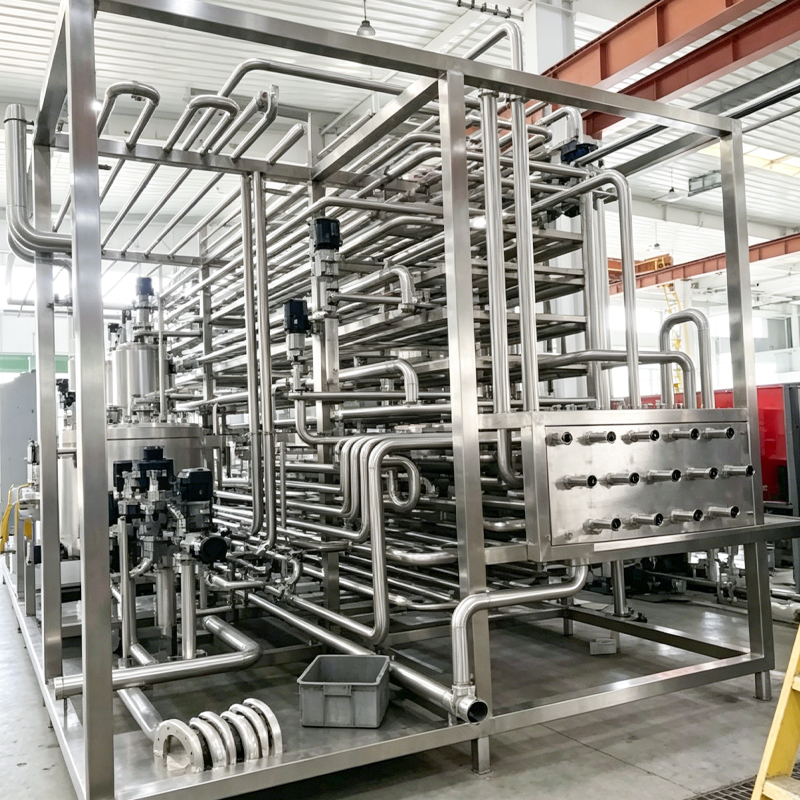
A modern automatic food pasteurization system generally incorporates:
- Stainless steel hygienic construction
- Smooth internal surfaces
- Dead-zone-free pipeline design
- Sanitary welding
- Automatic CIP cleaning
- Sealed processing environment
These features reduce residue accumulation and simplify cleaning procedures, helping maintain hygienic production conditions.
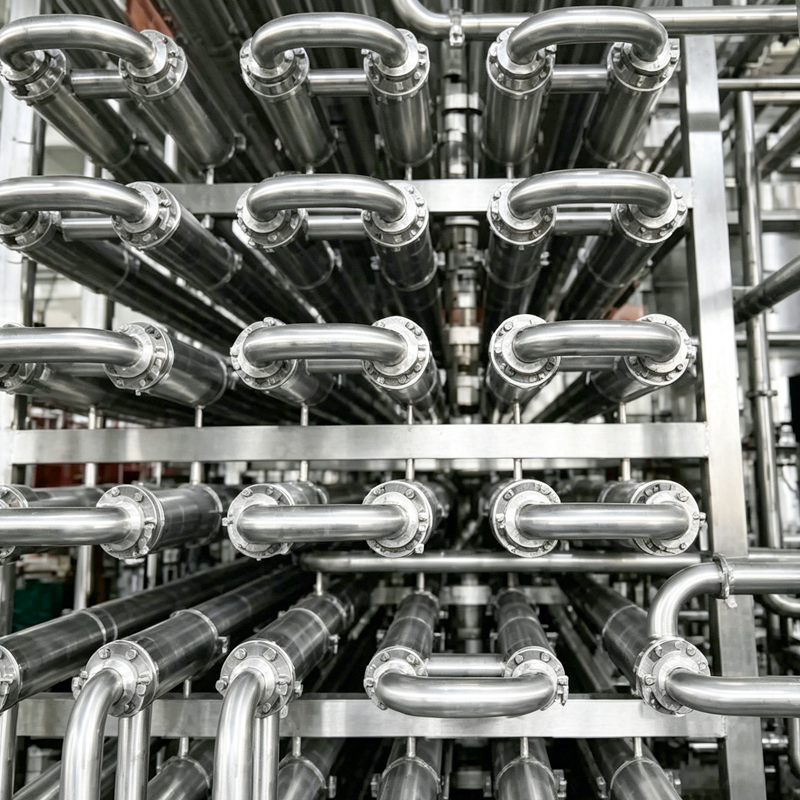
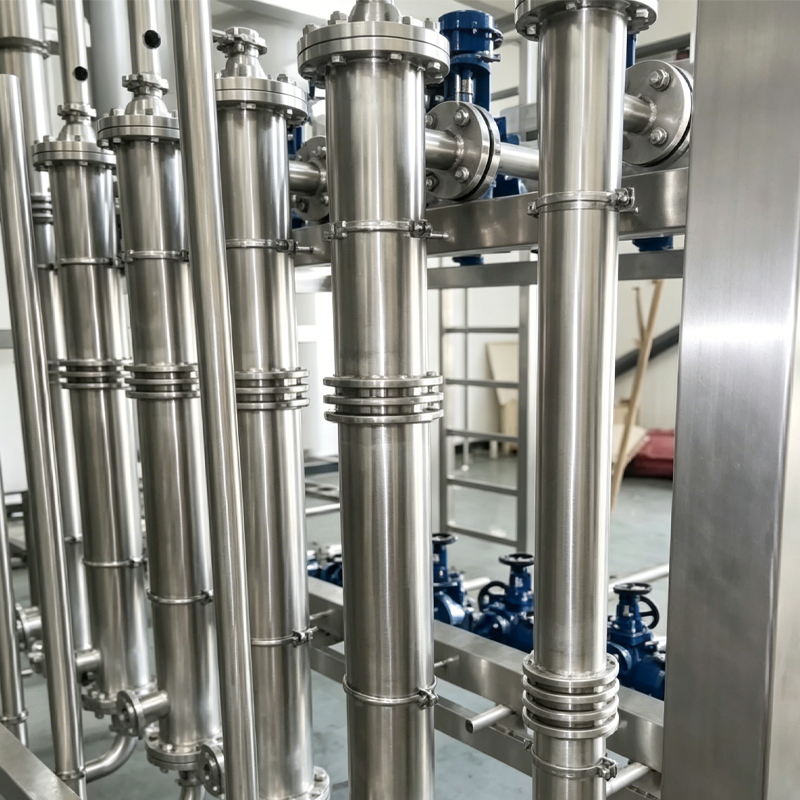
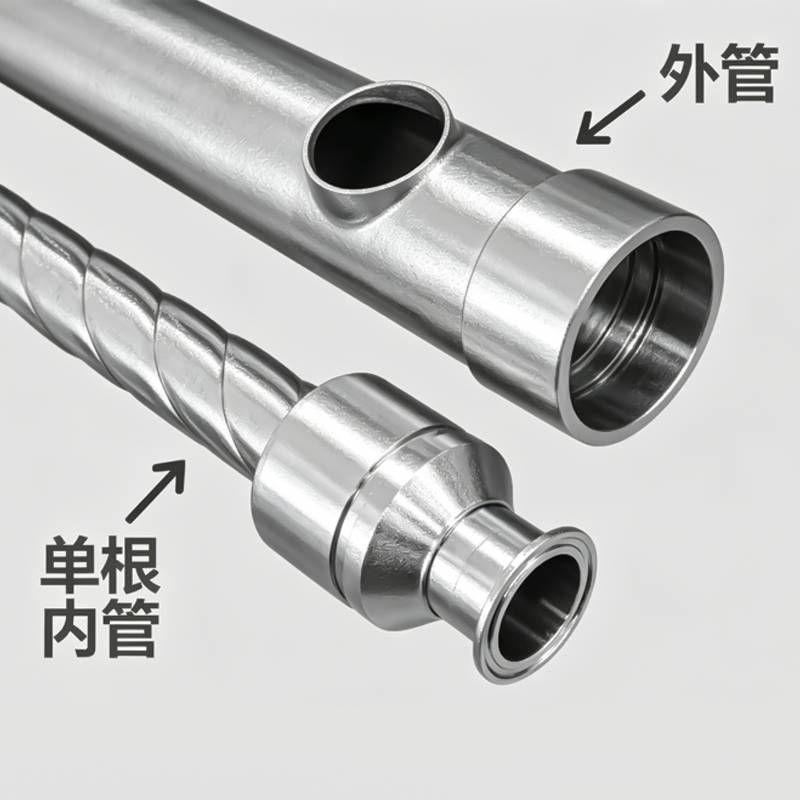
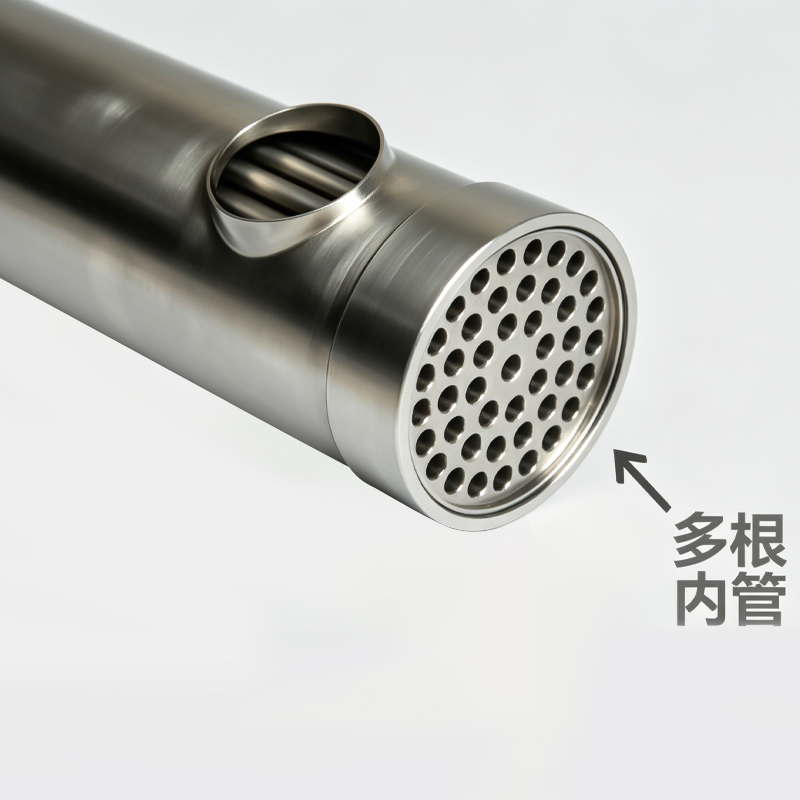
Heat Exchanger Technology Enhances Pasteurization Efficiency
Efficient heat transfer is fundamental to reliable pasteurization.
Advanced heat exchangers offer several advantages:
| Heat Exchanger Feature | Operational Benefit |
|---|---|
| High Heat Transfer Efficiency | Faster heating and cooling |
| Energy Recovery | Lower energy consumption |
| Uniform Temperature Distribution | Reduced product quality variation |
| Hygienic Surface Design | Easier cleaning |
| Modular Construction | Convenient maintenance and expansion |
Efficient thermal exchange also reduces thermal stress on sensitive food products.
Supporting Sustainable Food Manufacturing
Food manufacturers increasingly seek solutions that improve sustainability alongside product quality.
An automated pasteurization process contributes by:
- Lowering energy consumption through heat recovery
- Reducing product waste
- Improving production efficiency
- Minimizing cleaning water consumption
- Supporting stable continuous operation
These operational improvements benefit both manufacturers and long-term production planning.
Choosing the Right Automatic Food Pasteurization System
Selecting suitable equipment involves more than matching production capacity.
Important evaluation factors include:
- Product characteristics
- Heat sensitivity
- Processing temperature range
- Cleaning requirements
- Automation level
- Future production expansion
- Material quality
- Regulatory compliance
- Maintenance accessibility
Manufacturers should also consider whether the system can integrate with existing production lines for improved operational efficiency.
Professional Engineering Solutions for Food Processing
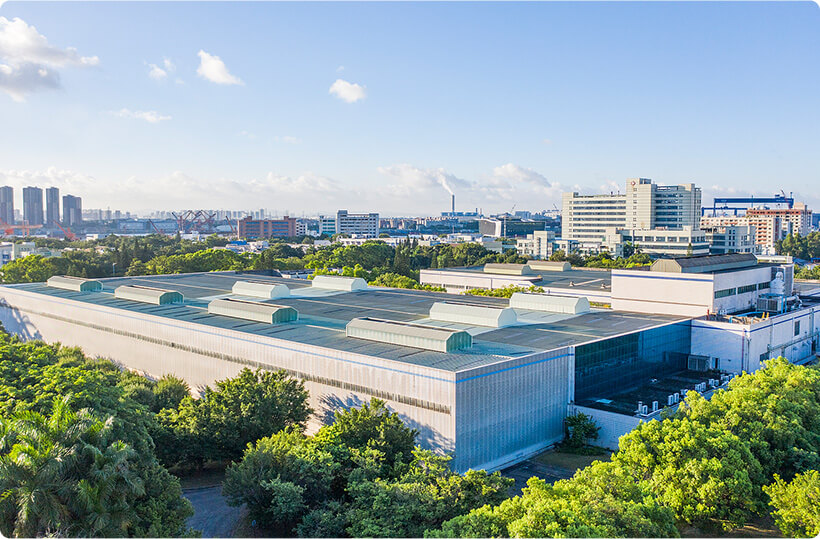
Shiloc (Shanghai) Industrial Trade Co., Ltd. provides integrated engineering solutions for food, pharmaceutical, daily chemical, and fine chemical industries. The company specializes in designing and manufacturing heat exchangers and aseptic mixing equipment that support efficient, hygienic, and reliable production processes.
Built on European technical expertise and Danish design concepts, the engineering team holds multiple patents and operates a 3,000㎡ manufacturing facility in Shanghai with more than 20 technical specialists. Core materials are sourced from Europe, while in-house processing, welding, and polishing ensure excellent traceability, consistent quality, and shorter production lead times.
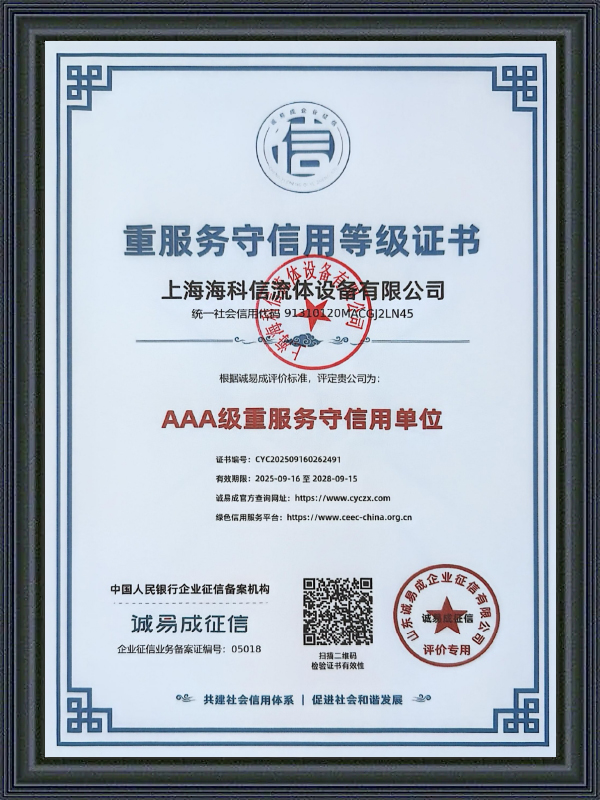
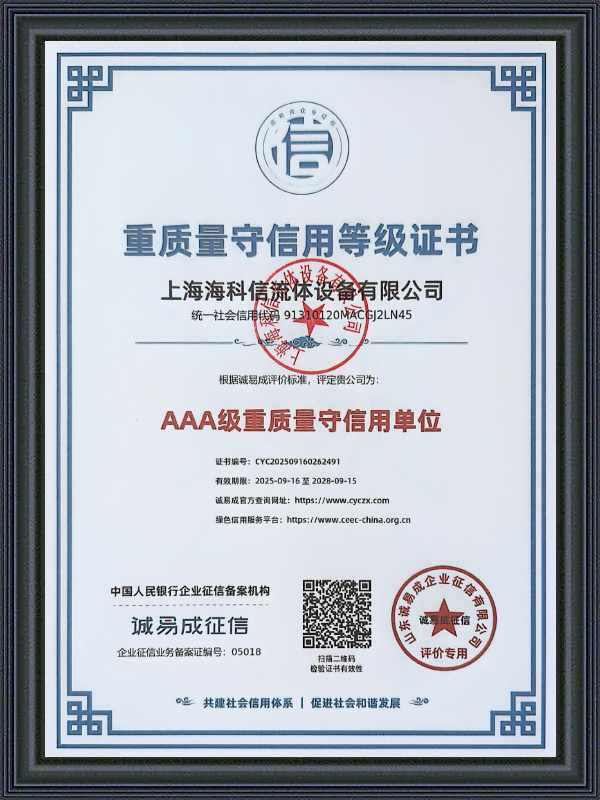
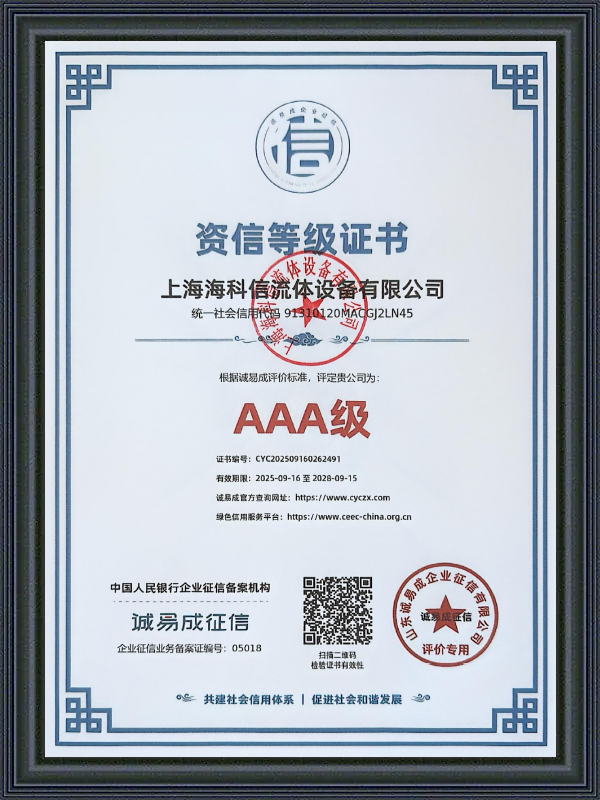
Beyond equipment manufacturing, Shiloc (Shanghai) Industrial Trade Co., Ltd. also provides comprehensive international trade, engineering, and technical services. Supported by a well-established supply network, strict quality management system, and ISO9001, environmental, and safety certifications, every system is manufactured to meet demanding hygiene and performance standards before delivery. The company also offers customized solutions based on individual customer requirements, helping clients optimize processing efficiency, product quality, and long-term operational reliability.
Conclusion
An automatic food pasteurization system is far more than a heating device. It is a comprehensive processing solution that combines precise thermal control, hygienic engineering, and intelligent automation to improve food safety and extend product shelf life. By effectively reducing microbial activity, controlling enzyme reactions, and ensuring consistent processing conditions, automated pasteurization helps manufacturers maintain product quality while improving production efficiency.
As global food safety requirements continue to evolve, investing in advanced pasteurization technology enables producers to achieve reliable performance, regulatory compliance, and greater confidence throughout the food manufacturing process.
FAQ
1. How does an automatic food pasteurization system extend shelf life?
It extends shelf life by reducing harmful microorganisms, slowing enzymatic activity, preventing secondary contamination, and maintaining consistent thermal processing throughout production.
2. Which industries commonly use automatic food pasteurization systems?
They are widely used in dairy processing, beverage manufacturing, fruit processing, condiment production, liquid food manufacturing, and other hygienic food processing industries.
3. Does pasteurization affect food quality?
When properly controlled, pasteurization preserves most of the product’s natural flavor, color, texture, and nutritional value while significantly improving food safety and storage stability.
4. Why is automation important in pasteurization?
Automation provides precise temperature control, repeatable processing conditions, reduced human error, automated cleaning, and improved traceability, resulting in more consistent product quality.
5. What features should manufacturers consider when selecting a pasteurization system?
Key considerations include hygienic design, heat exchanger efficiency, automation level, CIP capability, material quality, processing flexibility, ease of maintenance, and compliance with applicable food safety standards.


