
 English
 русский
 Português
 Français


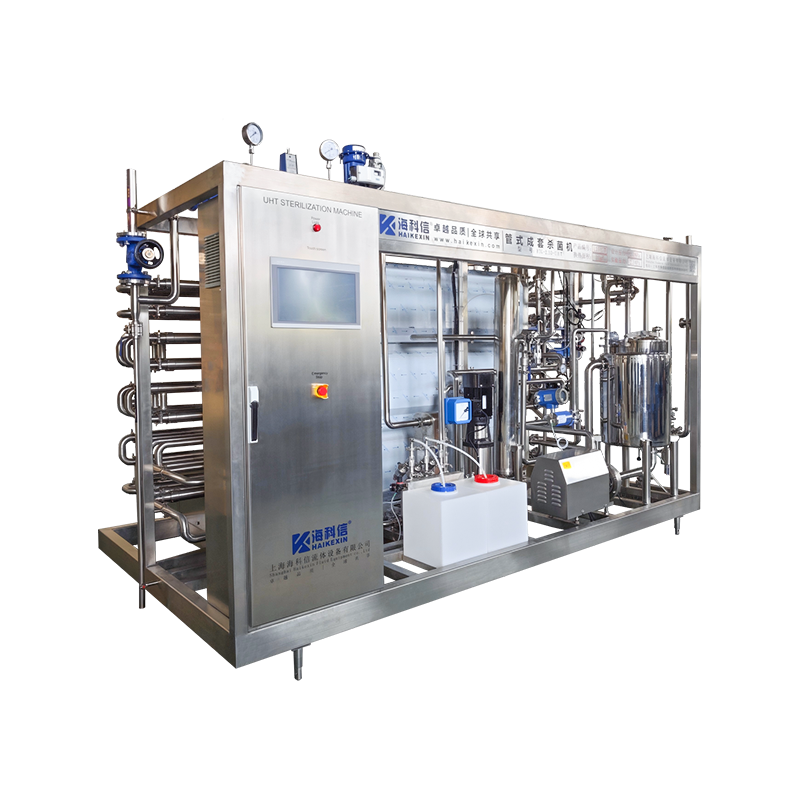
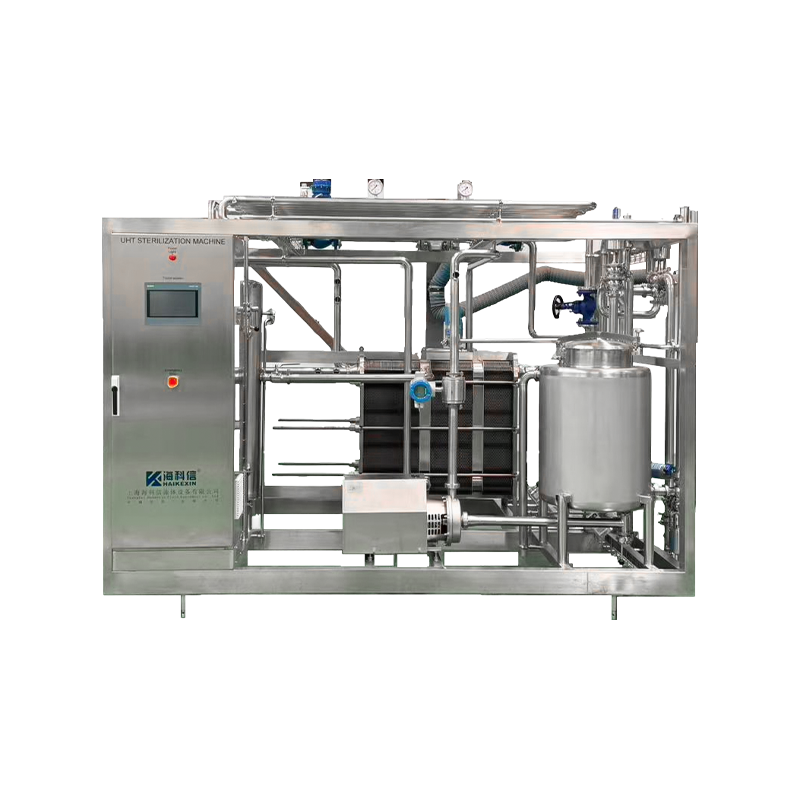
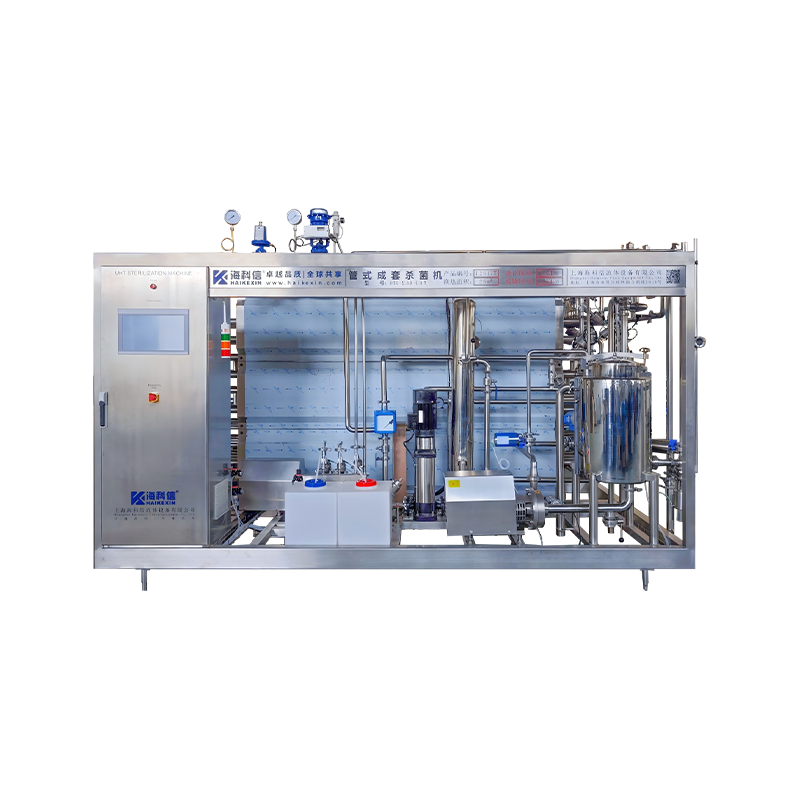
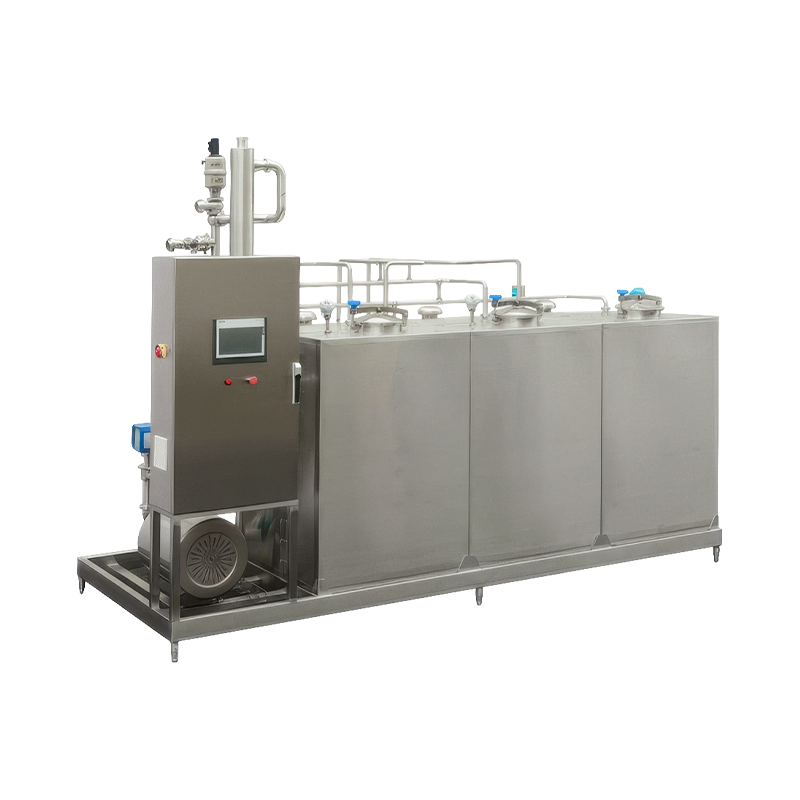
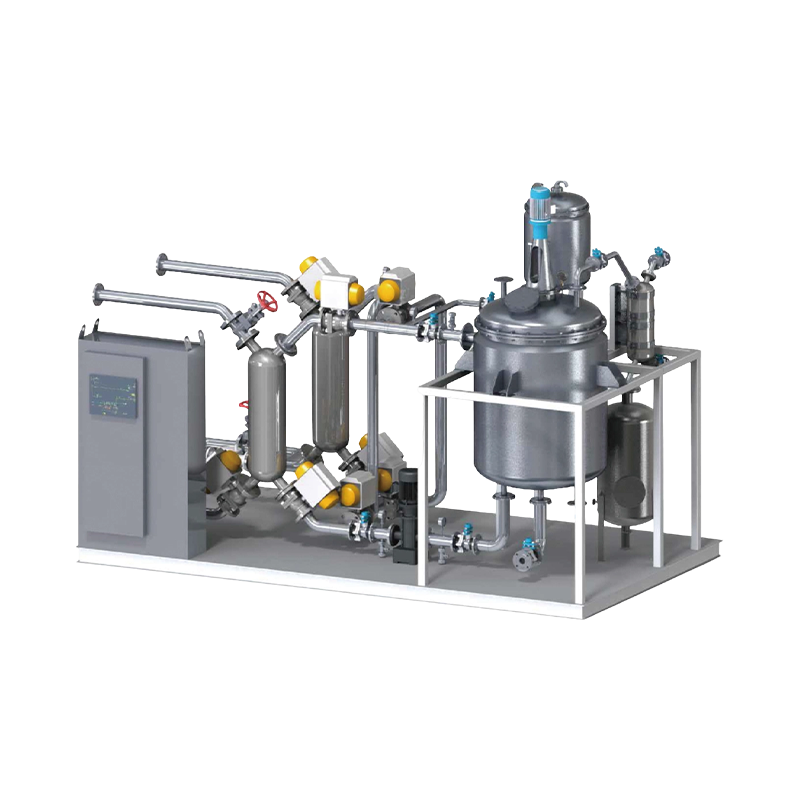
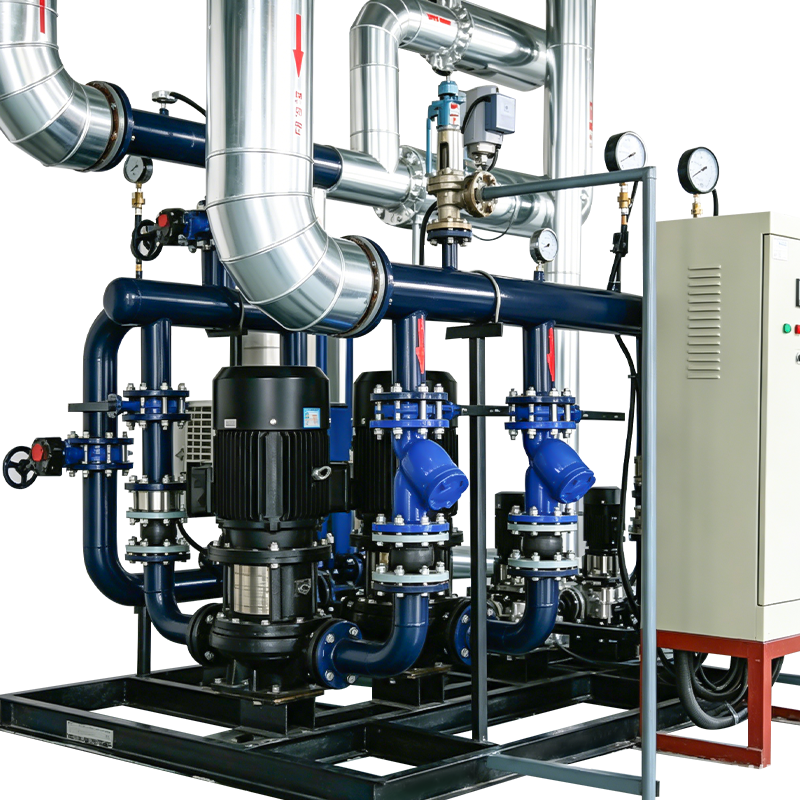
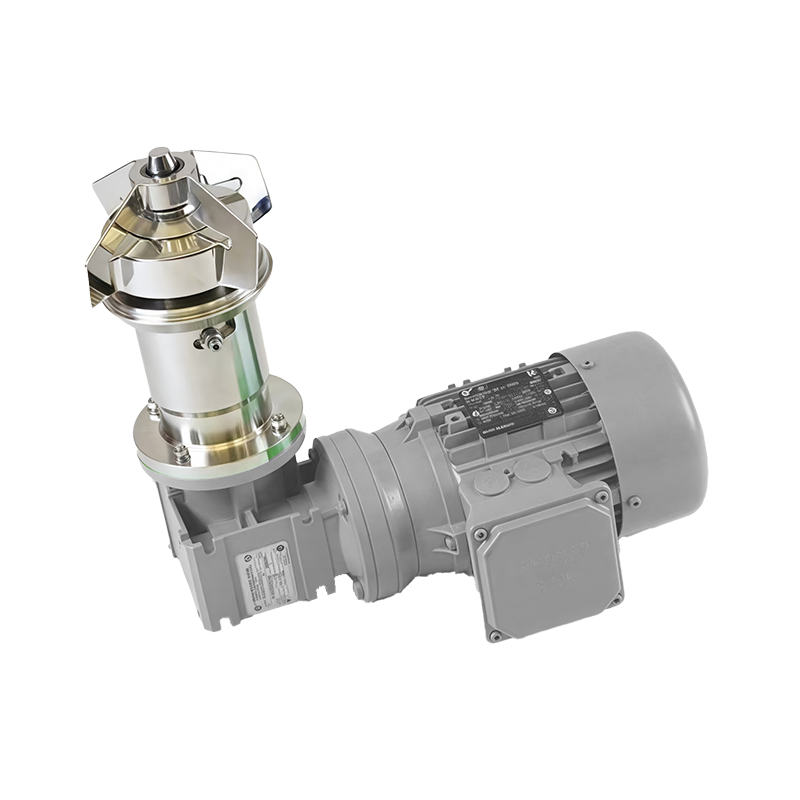
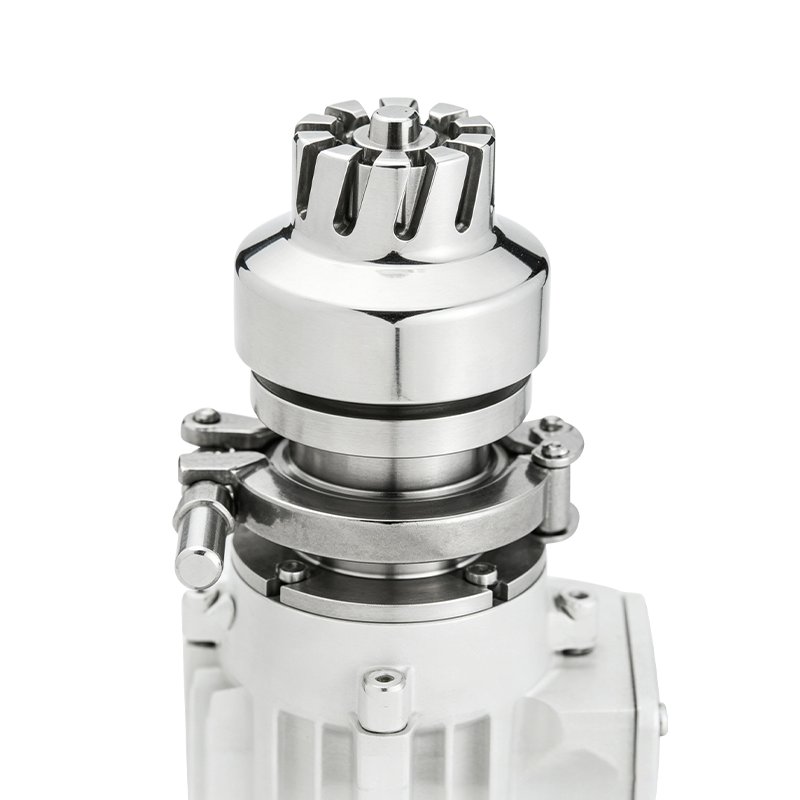
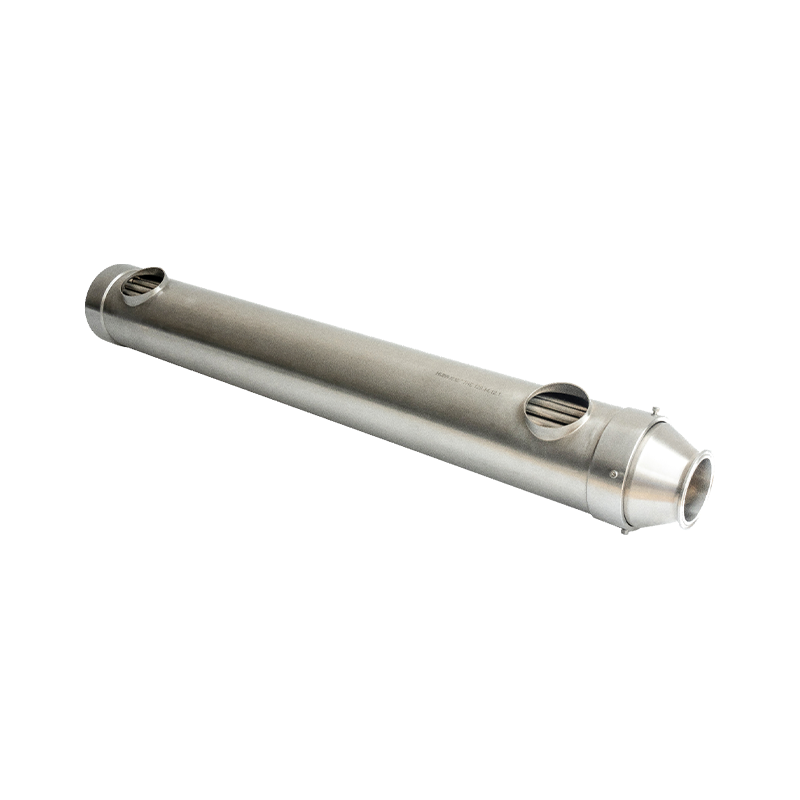
Aseptic Beverage Processing Line
An aseptic beverage processing line combines product preparation, thermal treatment, sterile transfer, and aseptic filling interfaces to support the production of shelf-stable beverages under controlled hygienic conditions.
The line can be configured for different liquid beverage formulations, including dairy-based drinks, juice beverages, plant-based drinks, and other compatible products. Its equipment arrangement depends on the recipe, processing characteristics, target output, sterilization method, and packaging format.
One Integrated Line from Beverage Preparation to Aseptic Filling
An aseptic beverage production line is not simply a sterilizer connected to a filling machine. It is a coordinated process system in which product preparation, heat treatment, cooling, sterile product handling, and packaging operations must work within a defined process sequence. Equipment sizing and control logic need to account for the physical properties of the beverage and the operating requirements of the complete production facility.
The actual sequence and inclusion of individual stages depend on the beverage formulation and selected processing technology.
Beverage Types and Processing Requirements
Different beverages require different preparation and processing arrangements. Formulation, suspended particles, viscosity, acidity, and sensitivity to heat should be evaluated before selecting the line configuration.
Fat content, protein stability, homogenization requirements, and heat-induced product changes.
Acidity, pulp content, suspended solids, product viscosity, and thermal treatment requirements.
Raw material dispersion, particle size, formulation stability, and possible sedimentation.
Ingredient compatibility, flavor retention, color stability, and mixing uniformity.
Ingredient heat sensitivity, formulation complexity, and the need for controlled dosing and blending.
Product suitability must be confirmed through formulation review and process validation. Not every beverage can use the same sterilization parameters or equipment configuration.
Major Equipment and Their Functions
The processing line can be supplied as a coordinated system or configured around existing equipment at the customer's facility.
Raw Material and Ingredient Handling
Storage tanks, transfer pumps, weighing devices, filters, and ingredient feeding components provide controlled material supply for beverage preparation.
Storage / Transfer / DosingMixing and Blending System
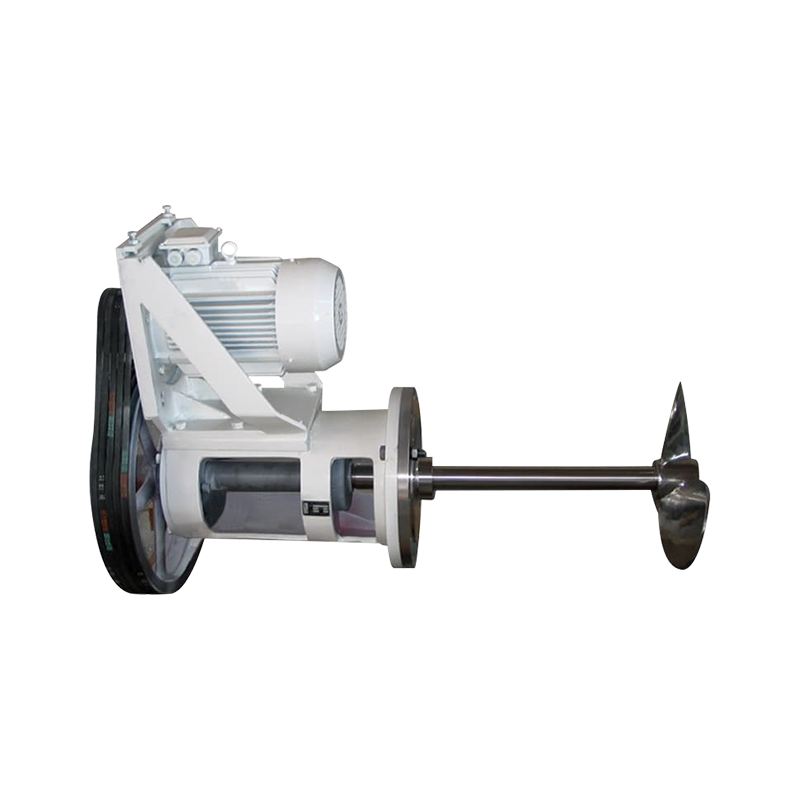
Mixing tanks and agitators combine liquid ingredients, powders, concentrates, and other formulation components. Mixing conditions are selected according to ingredient solubility and product characteristics.
Agitation / Dissolution / BlendingFiltration and Homogenization Equipment
Filtration removes specified unwanted particles, while homogenization controls dispersion and particle distribution where required by the beverage formulation.
Filtration / Particle Control / HomogenizationUHT or Other Validated Thermal Processing Unit
The thermal processing section applies the required treatment using a suitable direct or indirect heating arrangement. Its design considers product properties, holding time, temperature control, and cooling requirements.
Heating / Holding / CoolingAseptic Tank and Sterile Transfer Pipeline
These components provide a controlled pathway for processed beverages before filling. Tank design, sterile air protection, valve arrangement, and pipeline connections are important to maintaining the aseptic boundary.
Sterile Buffering / Aseptic TransferAseptic Filling and Packaging Equipment
The filling section dispenses the processed beverage into compatible sterile packaging. Filling capacity, package material, sealing method, and interface requirements should match the upstream process line.
Filling / Sealing / Package HandlingCleaning, Sterilization, and Control Systems
CIP and SIP arrangements, process instruments, automated valves, and control panels support sanitation procedures and coordinated line operation.
CIP / SIP / AutomationKey Factors in Aseptic Line Configuration
A production line should be designed around the beverage rather than assembled from equipment capacity figures alone.
Thermal Process Requirements
Heating technology, holding tube design, flow conditions, and cooling stages must be determined by the product and validated process specification.
Formulation and Flow Behavior
Viscosity, acidity, fat content, particle size, pulp, and suspended ingredients affect pumping, mixing, heat transfer, and cleaning design.
Hygienic Construction
Product-contact surfaces, pipeline routing, drainage, valves, seals, and equipment accessibility should support the required sanitary procedures.
Filling Capacity Coordination
Processing output, aseptic tank capacity, filler speed, and packaging changeover requirements need to be balanced for stable production.
Utility and Energy Planning
Steam, cooling water, chilled water, electricity, compressed air, and water treatment capacity should be included in project planning.
Automation and Traceability
Instrumentation, alarms, process interlocks, operating records, and recipe management can be specified according to plant control requirements.
Direct and Indirect Thermal Processing Options
Both approaches can be considered for suitable beverage applications. The final choice depends on product properties, process objectives, utility conditions, and plant engineering requirements.
Heat Exchanger-Based Processing
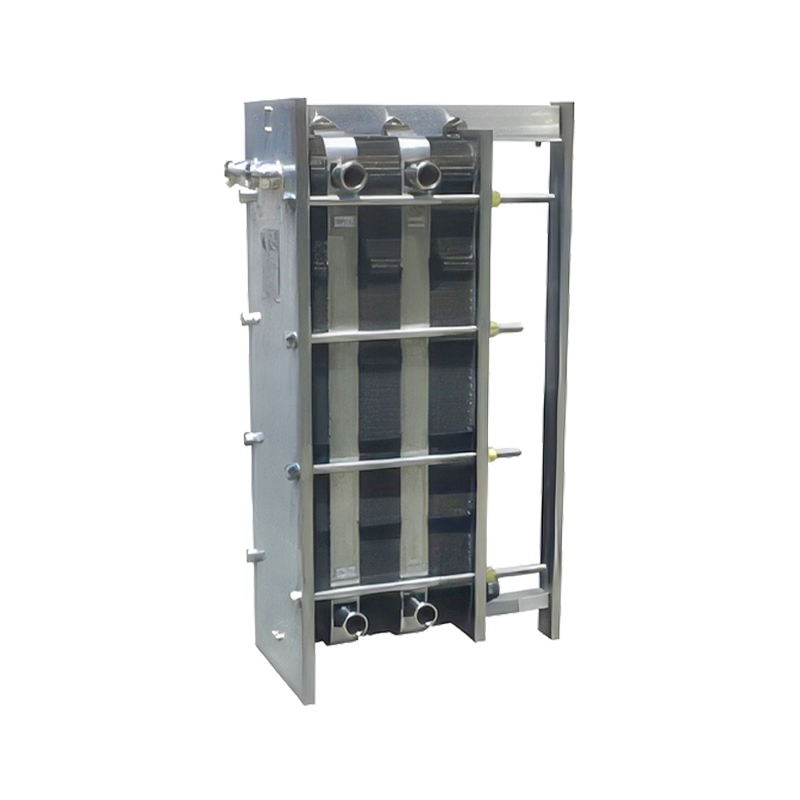
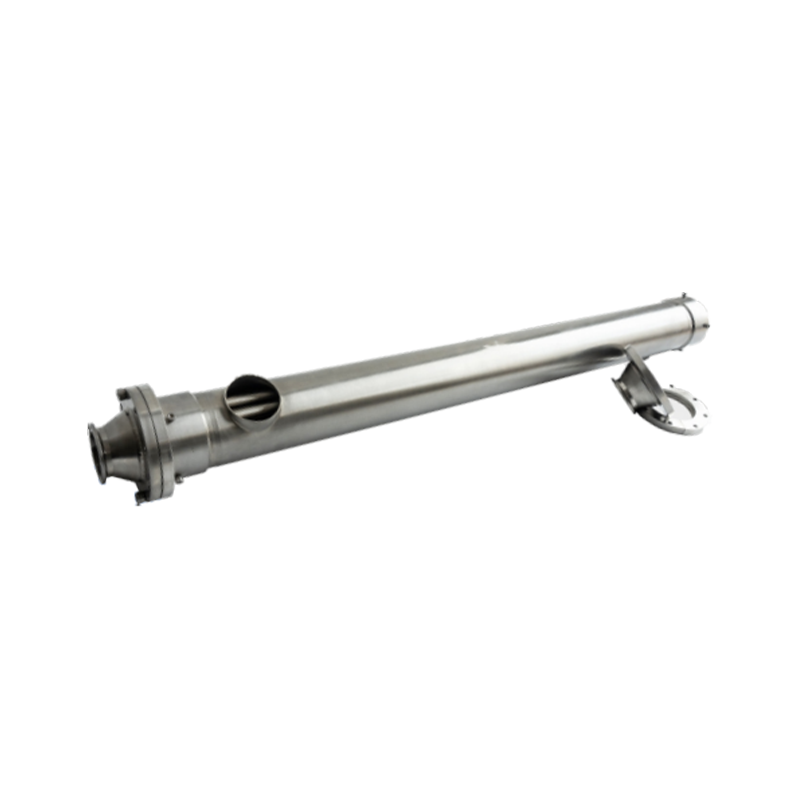
The product is heated through a heat transfer surface without direct contact with the heating medium. Plate or tubular heat exchangers may be selected according to viscosity, suspended particles, fouling characteristics, and flow requirements.
Direct Steam Processing
Food-grade steam is brought into direct contact with the beverage to raise its temperature. A flash cooling stage can then remove the added water and reduce product temperature under controlled conditions.
The thermal process must be established and validated for the specific beverage, including its formulation, microbial safety objectives, and applicable regulatory requirements.
Coordinating Processing, Utilities, and Packaging
Equipment integration determines how individual units operate as one production system.
Upstream and Downstream Matching
Ingredient preparation and blending capacity should provide a consistent feed to the thermal processing section. The sterilizer output, sterile buffer volume, and filling speed should be matched to the planned operating schedule.
Where existing equipment is retained, interface details such as pipeline dimensions, product transfer conditions, control signals, and cleaning connections need to be checked before finalizing the design.
What to Confirm Before Purchasing an Aseptic Beverage Line
Clear technical information helps manufacturers and engineering teams evaluate equipment scope, configuration, and project compatibility.
Product and Recipe
Specify beverage type, ingredient list, acidity, viscosity, total solids, fat content, and suspended particle characteristics where applicable.
Production Target
Define hourly processing capacity, operating hours, batch or continuous operation, and expected product changeovers.
Thermal Processing Specification
Confirm the required process objective, heating method, validated temperature and holding conditions, and cooling arrangement.
Packaging Requirements
Identify package type, material, size, filling speed, sealing method, and the technical details of any existing filler.
Factory Conditions
Provide available floor space, building height, utility capacities, drainage, and installation constraints.
Supply and Service Scope
Clarify equipment boundaries, installation responsibilities, commissioning, operator training, documentation, and after-sales support expectations.
Frequently Asked Questions
Common questions about equipment configuration, beverage compatibility, and line integration.
What products can an aseptic beverage processing line handle?
Depending on its configuration, a line may process milk-based beverages, juice drinks, plant-based beverages, flavored drinks, and other compatible liquid products. Product viscosity, acidity, particle content, formulation, and thermal stability must be reviewed before confirming suitability.
Does an aseptic beverage processing line include an aseptic filling machine?
Not necessarily. The supply scope may cover the processing section only, with an interface to a separately supplied filler, or it may include coordinated filling equipment. The processing and packaging boundaries should be confirmed in the project specification.
Can the same line process both dairy and non-dairy beverages?
Some systems can be designed for multiple product categories, but compatibility depends on the equipment's operating range, formulation characteristics, cleaning procedures, and process validation. Changeover procedures and cross-contact risks should be evaluated before approving a shared line.
What is the role of homogenization in beverage processing?
Homogenization reduces and distributes dispersed particles or fat globules to achieve specified product characteristics. It is used when required by the formulation and may be positioned at different stages depending on the product and process design.
Why are CIP and SIP required for aseptic production?
CIP is used to clean product-contact equipment and pipelines without routine disassembly. SIP is used to sterilize designated equipment sections according to a validated procedure. Their design and sequence are important to hygienic operation and maintenance of the aseptic boundary.
Can the processing line be integrated with existing factory equipment?
Integration may be possible after checking existing equipment capacity, pipeline connections, utility supply, control interfaces, sanitation requirements, and packaging equipment compatibility. These details should be reviewed during the engineering stage.
What information is needed to request a technical proposal?
Provide the beverage formulation, target capacity, processing requirements, packaging format, utility conditions, factory layout, and expected equipment scope. Existing equipment information and sanitation requirements are also useful for preparing a coordinated proposal.