

 English
 русский
 Português
 Français

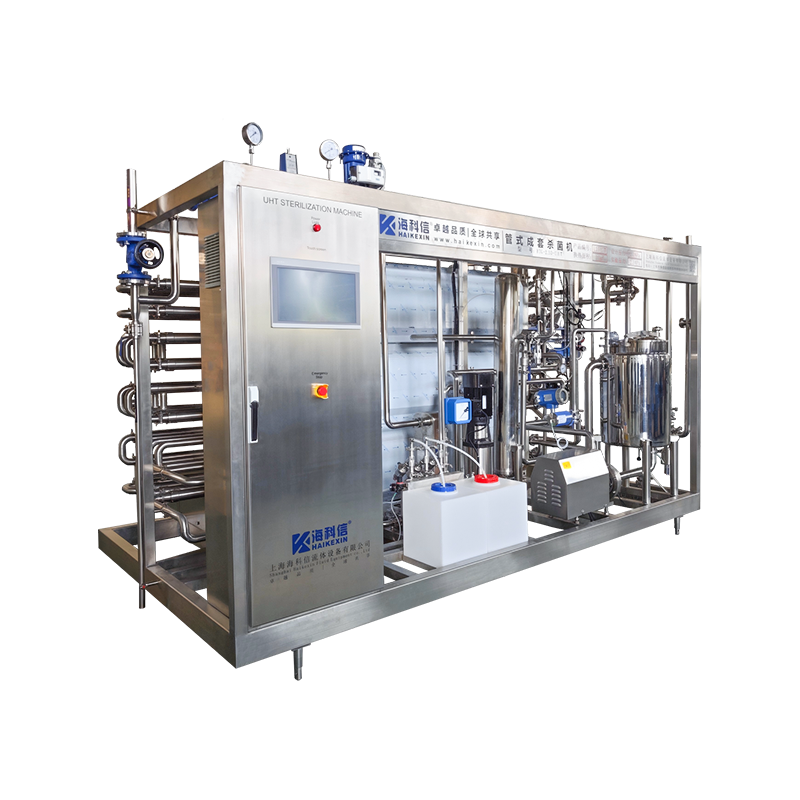
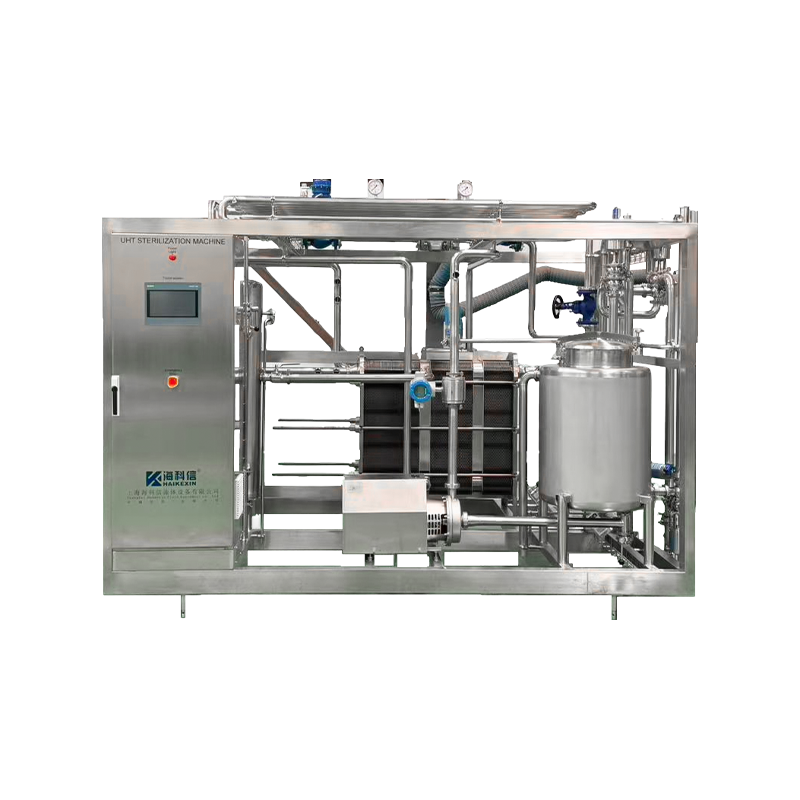
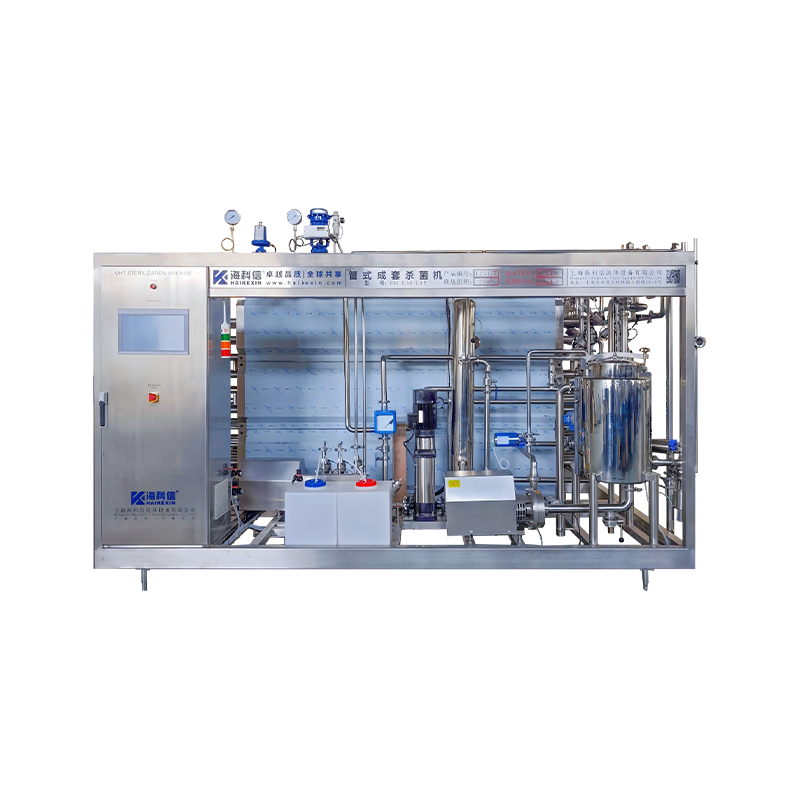
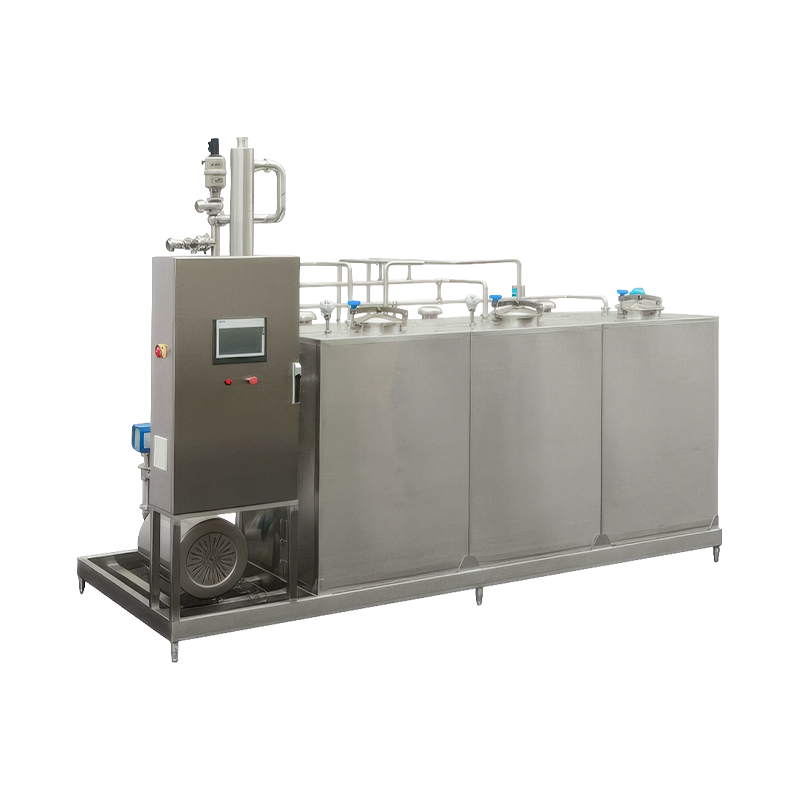
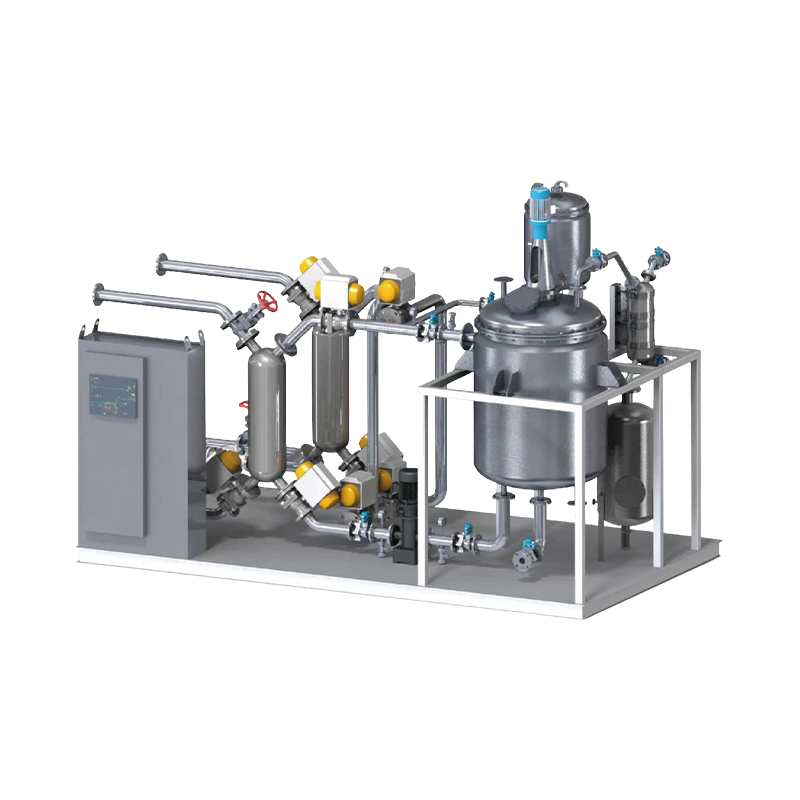
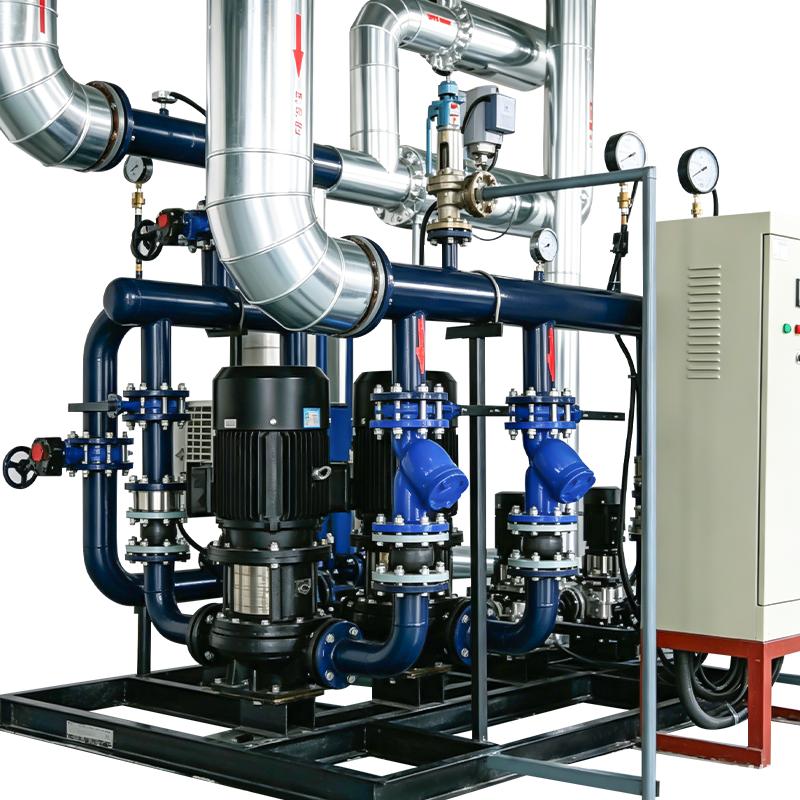
UHT Processing System for Dairy Products
A complete ultra-high-temperature processing line for milk, cream, and formulated dairy beverages. Sterilization, homogenization, deaeration, and aseptic cooling are combined into one controlled train, delivering commercial sterility with shelf life measured in months rather than days.
Core Advantages
Built for continuous dairy duty where thermal precision determines both safety and sensory outcome.
- Fully automatic control of sterilization temperature, flow, and holding time
- Regenerative heat recovery reduces steam and cooling water consumption
- Automatic diversion protects downstream sterility during any deviation
- Continuous operation supports extended production runs with minimal downtime
Product Characteristics
Sanitary construction with instrumentation that supports validation and audit readiness.
- 316L stainless steel with sanitary welds and dairy-grade surface finishes
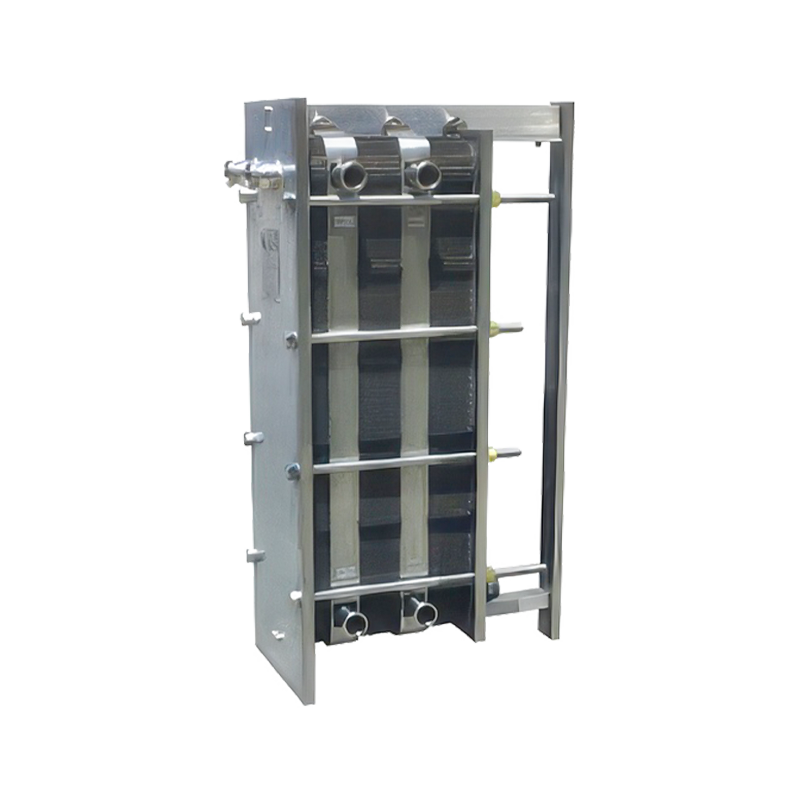
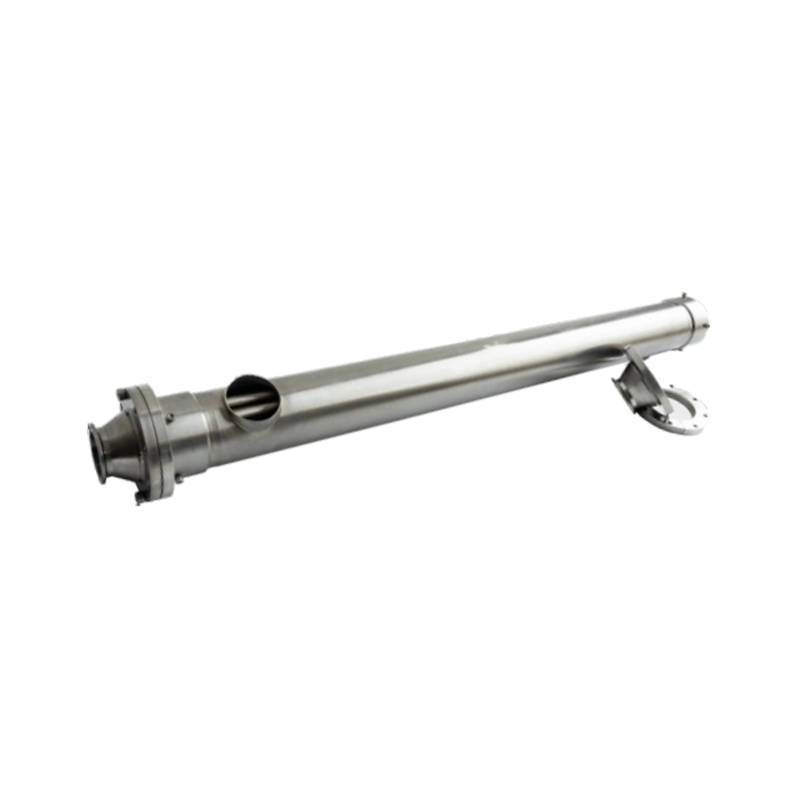
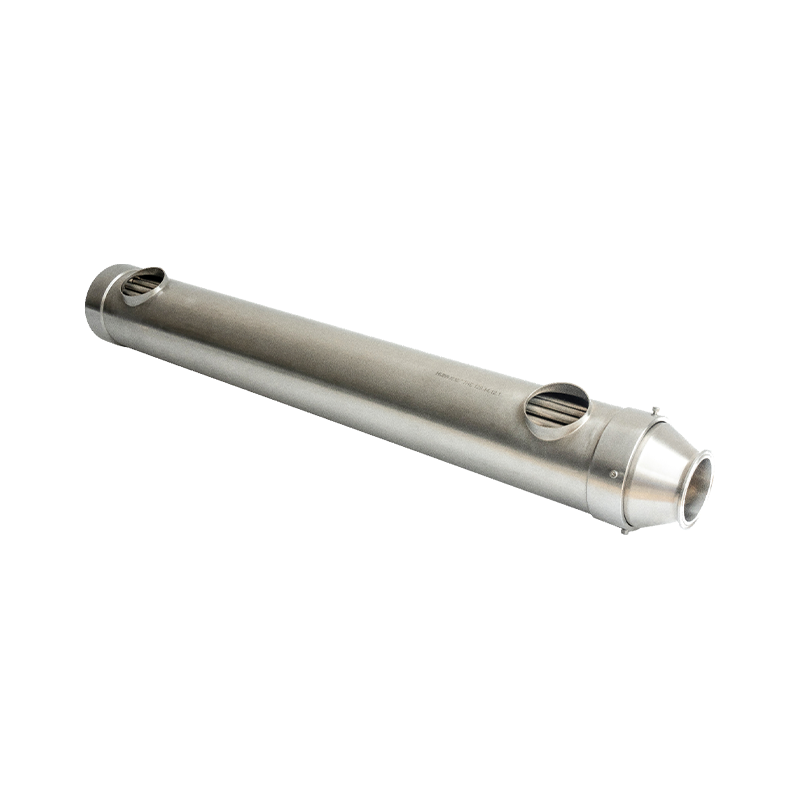
- Tubular or plate heat exchangers selected against product viscosity and fouling tendency
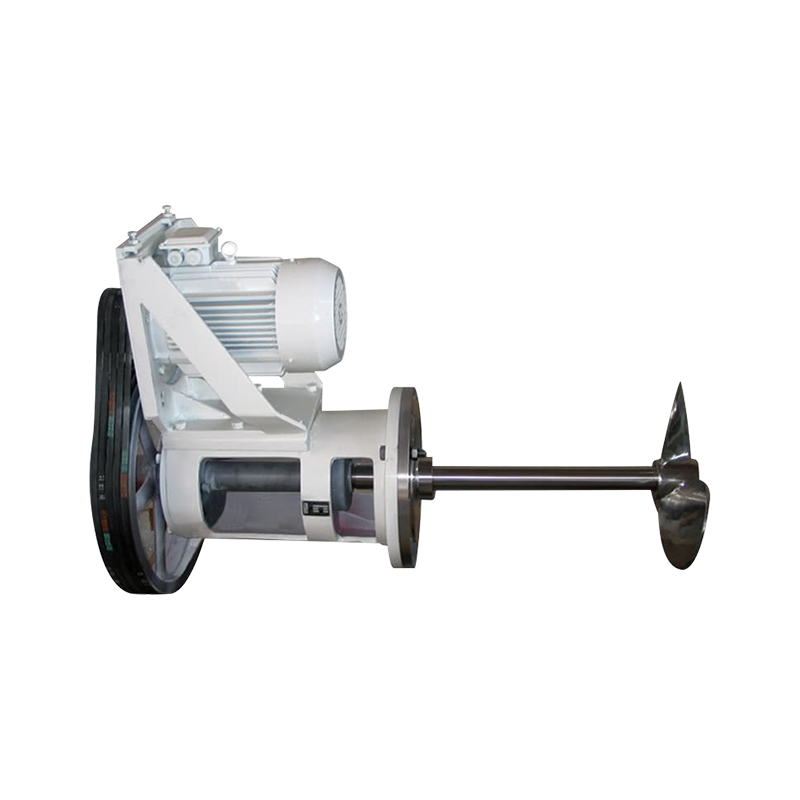
- Integrated homogenization and aseptic cooling sections within one control train
- PLC control with HMI, batch logging, and CIP sequence integration
Application Scenarios
Deployed across dairy categories where ambient stability unlocks distribution reach.
- UHT white milk for ambient retail and export markets
- Flavored milk, cocoa drinks, and formulated dairy beverages
- Cream, coffee creamers, and dairy-based concentrates
- Aseptic filling lines for extended shelf life dairy products
Frequently Asked Questions
Questions raised during dairy UHT system selection and validation planning.
Deployment Considerations
Confirm raw milk composition before finalizing thermal profiles. Fat, protein, and total solids affect fouling rates and holding time requirements.
Verify clean steam quality and supply capacity against SIP cycle requirements. Inadequate steam quality is a common cause of validation failure.
Plan aseptic filler compatibility early. The sterilizer and filler must share a validated sterile boundary and a reliable communication handshake.
Establish a fouling monitoring and cleaning schedule. Heat exchanger fouling is the primary driver of reduced runtime and increased energy consumption.
Define sterility validation strategy before installation. Media fill and incubation protocols should be agreed with the quality team at the design stage.
Schedule periodic calibration of temperature, flow, and pressure instruments. Accuracy drift directly affects the validity of the sterilization claim.