

 English
 русский
 Português
 Français

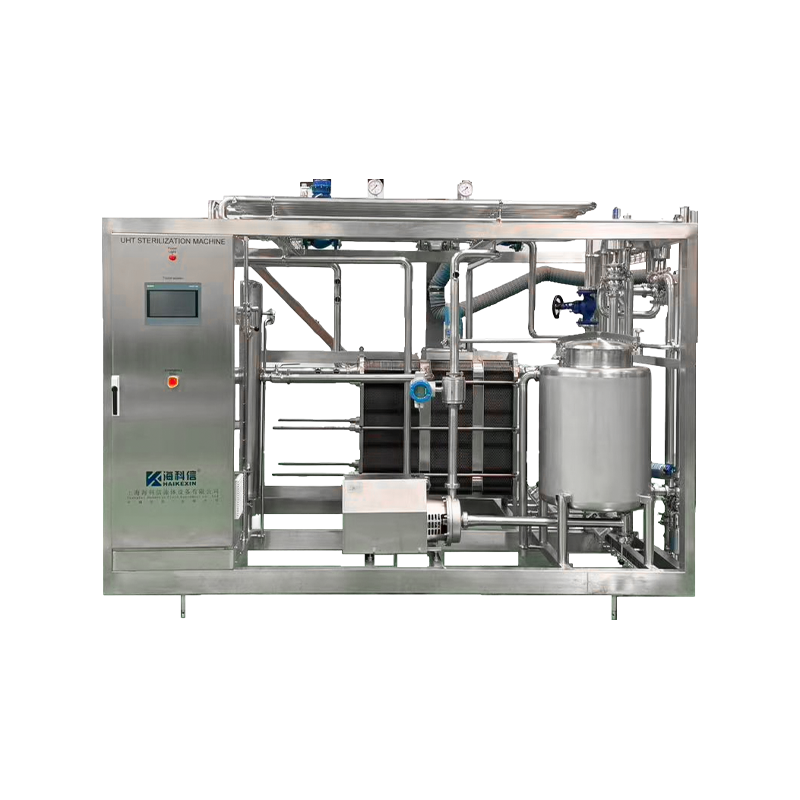
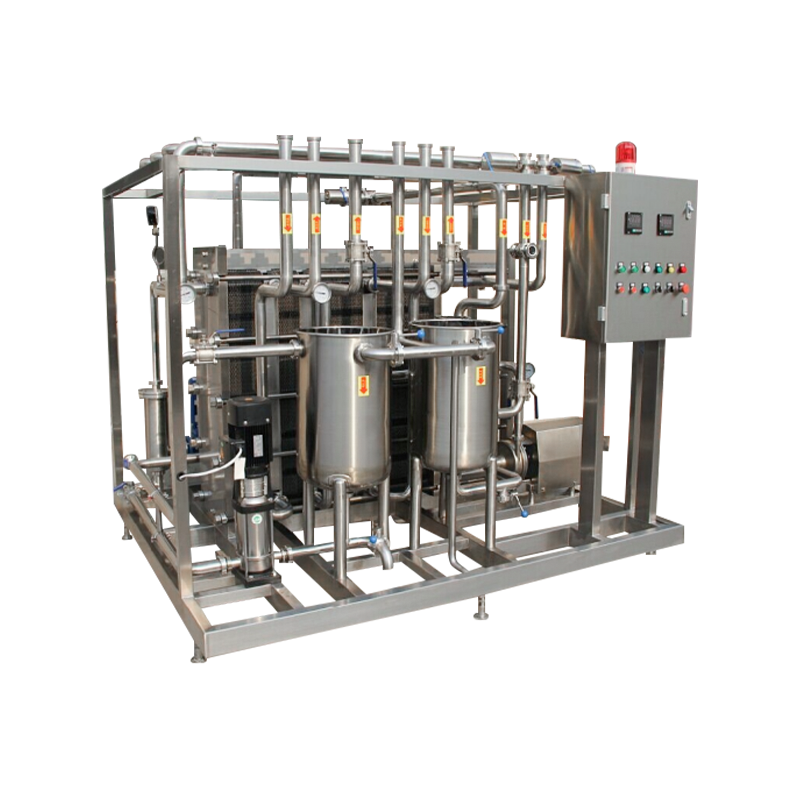
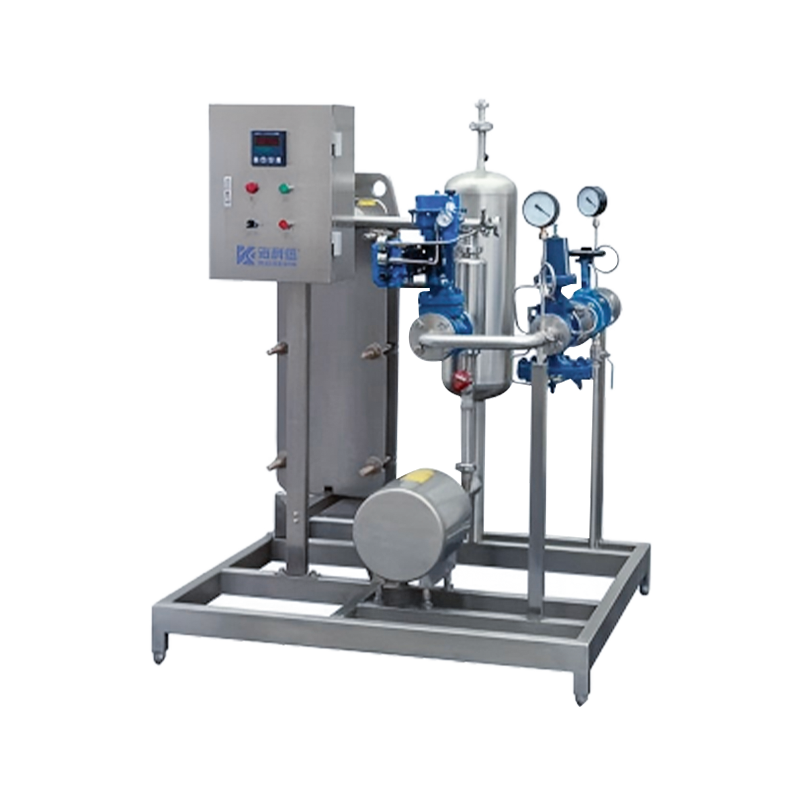
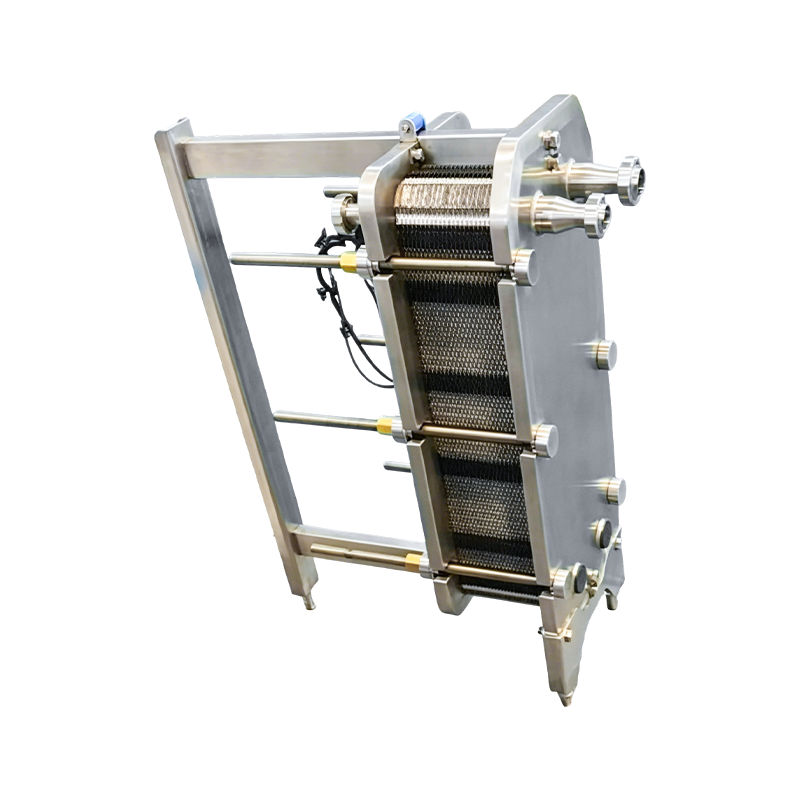


How Does a Plate Pasteurizer Complete Skid Reduce Operating Costs?
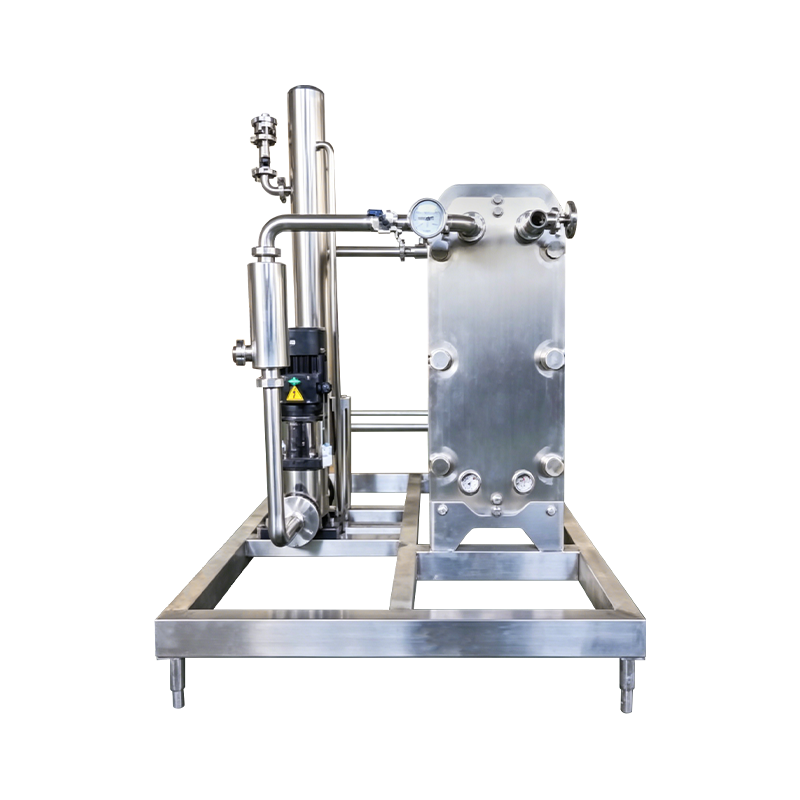
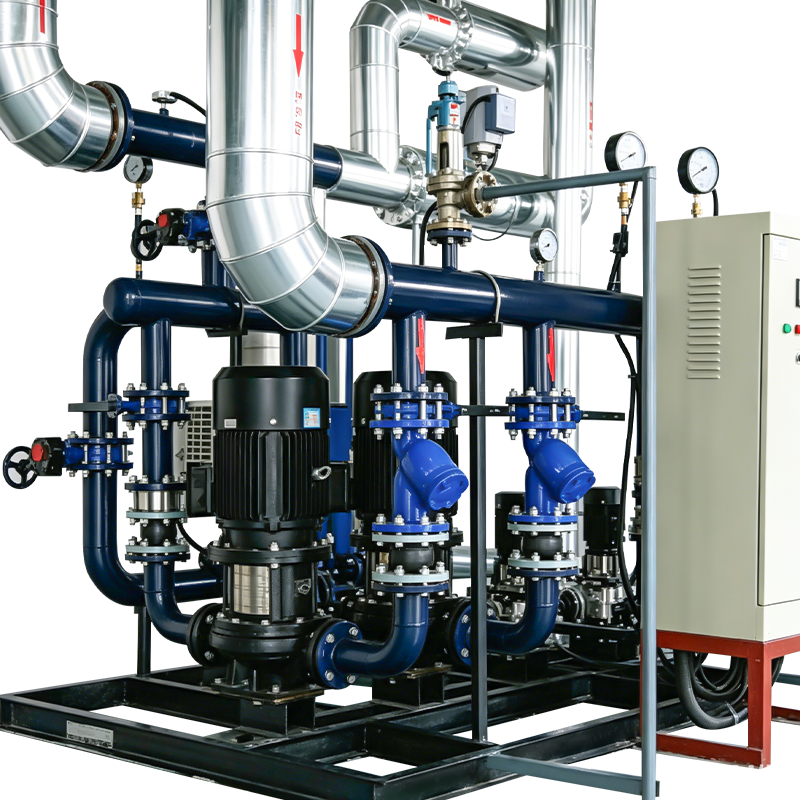
In modern food and beverage manufacturing, controlling production costs while maintaining product quality has become a key priority. A plate pasteurizer complete skid provides an integrated solution that improves thermal processing efficiency, reduces energy waste, simplifies operation management, and enhances production reliability. By combining heat exchange components, pumps, control systems, pipelines, and auxiliary units into a complete modular system, this equipment helps manufacturers achieve more stable pasteurization processes with lower operational expenses.
A complete skid-mounted pasteurization system is designed to streamline the entire heating and cooling process. Compared with traditional separated equipment installations, the integrated structure reduces installation complexity, minimizes maintenance requirements, and improves overall system performance.
How Does a Plate Pasteurizer Complete Skid Improve Energy Efficiency?
Energy consumption is one of the major operating costs in food processing plants. A plate pasteurizer complete skid reduces energy usage mainly through efficient heat transfer technology and optimized process control.
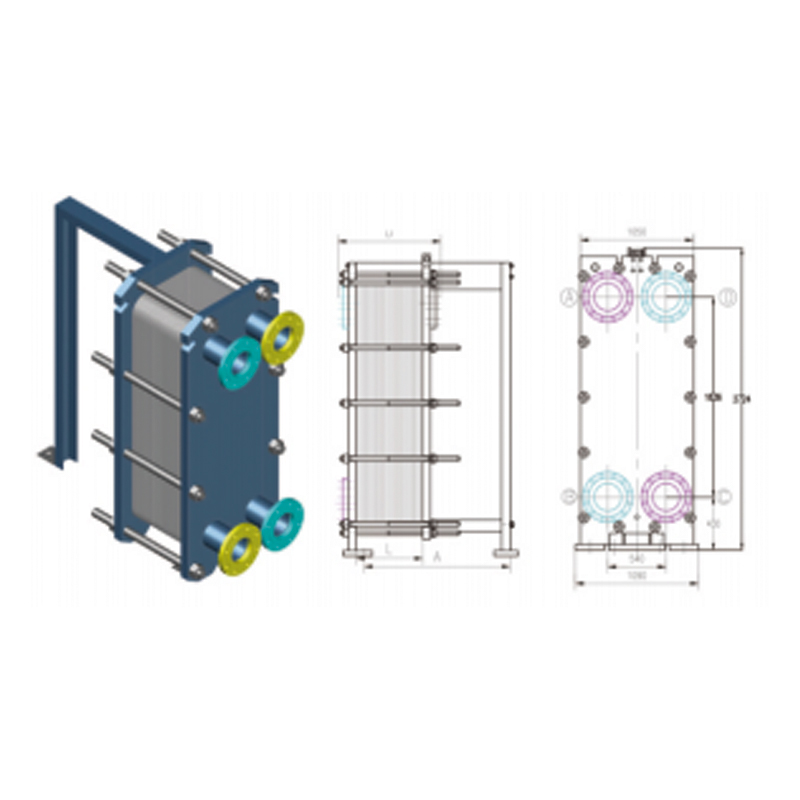
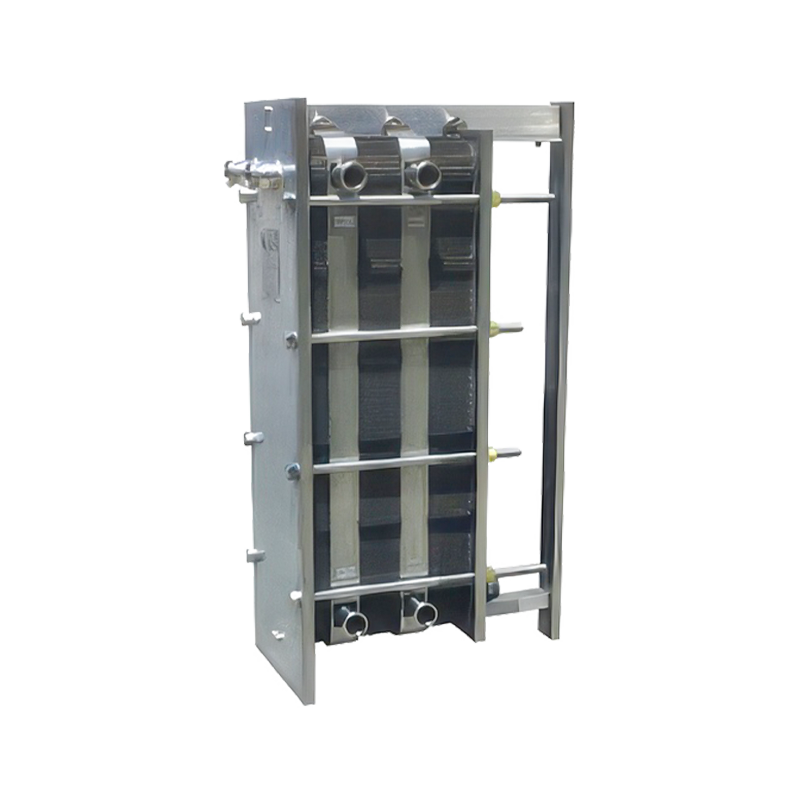
The plate heat exchanger inside the skid uses multiple thin plates to create a large heat transfer surface area. This structure allows rapid heat exchange between heating and cooling mediums, reducing the amount of energy required to reach the target pasteurization temperature.
In addition, many modern automatic pasteurization systems are equipped with intelligent temperature control mechanisms. These systems can automatically adjust heating capacity according to production requirements, preventing unnecessary energy consumption caused by overheating or excessive steam usage.
| Energy-Saving Function | Operating Cost Reduction Effect |
|---|---|
| High-efficiency plate heat exchanger | Improves heat transfer efficiency and reduces heating energy demand |
| Automated temperature regulation | Avoids energy waste caused by manual adjustments |
| Heat recovery design | Reuses thermal energy from processed fluids |
| Optimized flow control | Reduces pump energy consumption |
How Does an Integrated Skid Design Reduce Installation and Maintenance Costs?
A major advantage of a plate pasteurizer complete skid is its modular design. The main components are assembled and tested before delivery, reducing the time and labor required for on-site installation.
Traditional pasteurization systems often require multiple independent components to be connected and adjusted at the production site. This process may increase engineering costs and create potential risks related to pipeline connections, system compatibility, and commissioning.
With a skid-mounted pasteurization system, the integrated structure provides:
- Pre-installed process pipelines and valves
- Coordinated control components
- Simplified connection procedures
- Reduced commissioning time
- Easier maintenance access
The compact design also helps optimize factory space utilization, which can reduce costs associated with facility expansion.
What Role Does Automation Play in Reducing Operating Expenses?
Automation is an important factor in improving the cost-effectiveness of modern pasteurization equipment. A food pasteurization system with automated controls can monitor temperature, flow rate, pressure, and processing conditions in real time.
By reducing dependence on manual operation, automated systems help maintain consistent product quality and minimize production losses caused by improper processing parameters.
Key automation functions include:
| Automation Feature | Practical Benefit |
|---|---|
| PLC-based control system | Enables accurate process management |
| Digital temperature monitoring | Maintains stable pasteurization conditions |
| Automatic alarm system | Helps identify problems quickly |
| Data recording function | Supports process tracking and quality management |
For manufacturers handling continuous production, automation can improve operational stability and reduce labor requirements.
How Does Material Selection Affect Long-Term Operating Costs?
The materials used in a plate pasteurizer complete skid directly influence equipment durability, hygiene performance, and maintenance frequency. Food processing environments require components that can withstand repeated thermal cycles and cleaning procedures.
Common material considerations include:
| Component | Common Material Choice | Functional Advantage |
|---|---|---|
| Heat exchanger plates | Food-grade stainless steel | Corrosion resistance and hygienic performance |
| Process pipelines | Stainless steel | Supports clean processing and long service life |
| Frame structure | Stainless steel or coated metal | Provides mechanical stability |
| Sealing components | Food-compatible materials | Ensures reliable operation |
Proper material selection reduces replacement frequency and helps maintain stable production efficiency over the equipment lifecycle.
Why Choose Shiloc?
Shiloc (Shanghai) Industrial Trade Co., Ltd. is a comprehensive trading company approved by the Ministry of Commerce, specializing in the import and export of goods, technology, and engineering technical services.
The company focuses on providing integrated international trade solutions, including equipment manufacturing cooperation, technology import and export, engineering technical services, and customized equipment solutions. Through a comprehensive service system and strict quality control procedures, Shiloc supports customers with reliable product delivery and professional technical coordination.
For industries requiring efficient thermal processing, Shiloc can provide solutions related to plate pasteurizer complete skid, automatic pasteurization systems, and integrated food processing equipment according to different production requirements.
What Are the Main Cost Benefits of Using a Plate Pasteurizer Complete Skid?
The economic advantages of a complete skid system are reflected throughout the equipment lifecycle. From installation to daily operation, the integrated design helps manufacturers control expenses more effectively.
Main cost-saving benefits include:
- Lower energy consumption through efficient heat exchange
- Reduced installation labor requirements
- Simplified operation through automation
- Lower maintenance frequency
- Improved production consistency
- Better utilization of factory space
By combining multiple functions into one standardized system, a plate pasteurizer complete skid provides a practical approach for companies seeking efficient and economical pasteurization solutions.
FAQ
Q1: What is a plate pasteurizer complete skid?
A: A plate pasteurizer complete skid is an integrated pasteurization unit that combines plate heat exchangers, pumps, pipelines, control systems, and related components on a single skid frame for efficient thermal processing.
Q2: How does a plate pasteurizer complete skid save energy?
A: It improves energy efficiency through high-performance heat exchange, optimized temperature control, and reduced thermal loss during the pasteurization process.
Q3: Is a skid-mounted pasteurization system suitable for different food processing applications?
A: Yes. It can be applied in various food and beverage processing environments where controlled heating and cooling processes are required.
Q4: What maintenance advantages does a complete skid system provide?
A: The integrated structure simplifies inspection, reduces connection points, and makes maintenance procedures more convenient.
Q5: Why choose an automatic pasteurization system instead of manual operation?
A: An automatic system provides more accurate process control, improves production stability, and reduces operational errors caused by manual adjustments.


