
 English
 русский
 Português
 Français


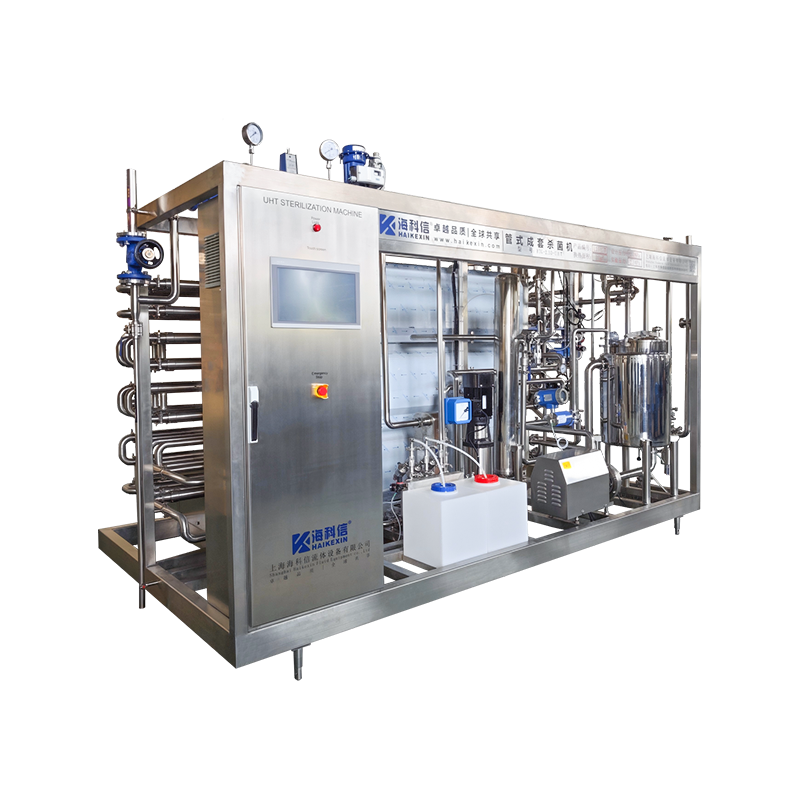
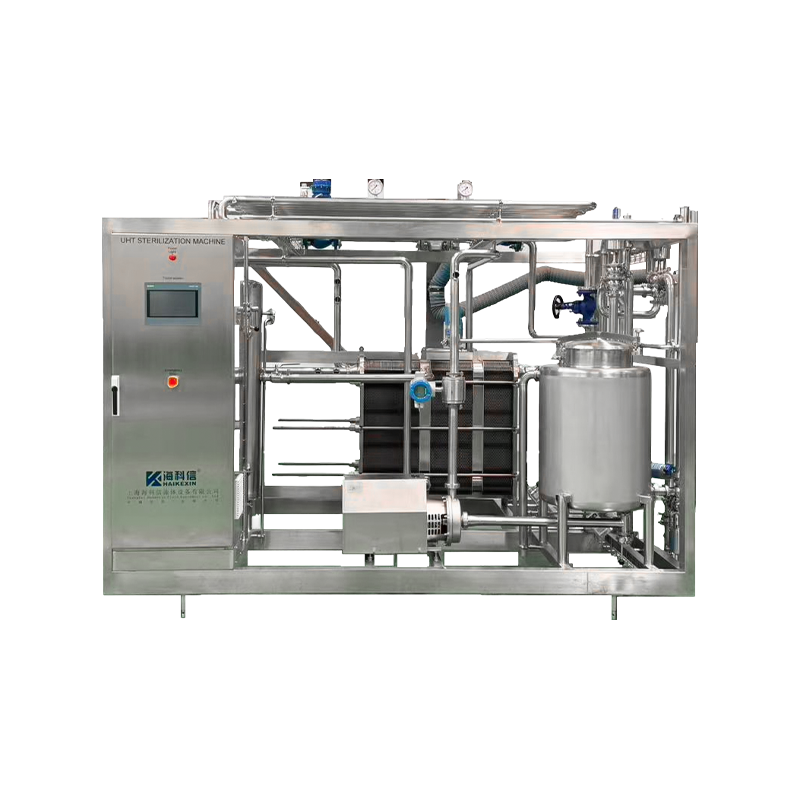
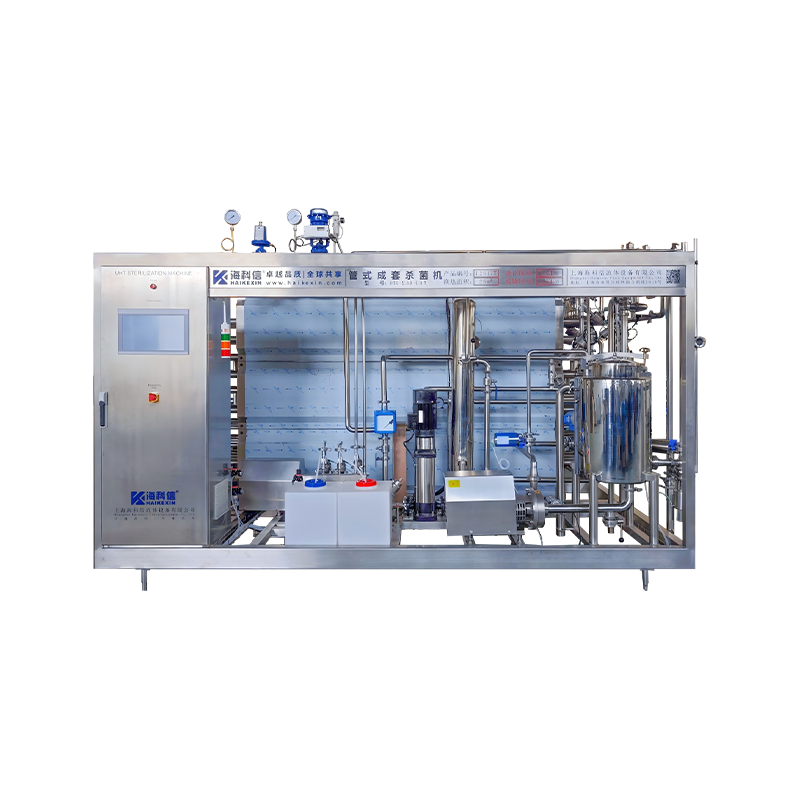
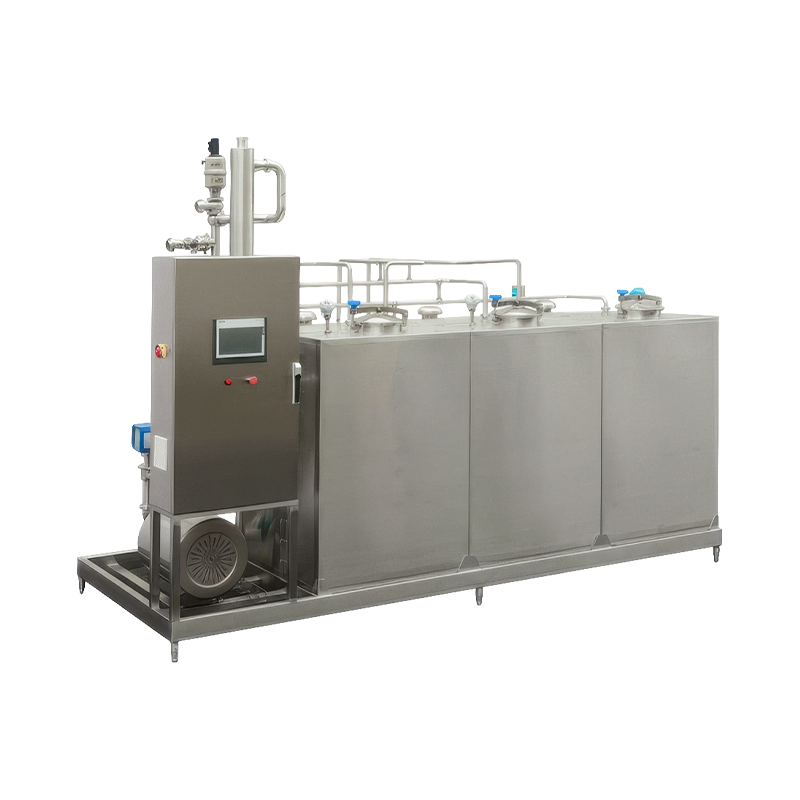
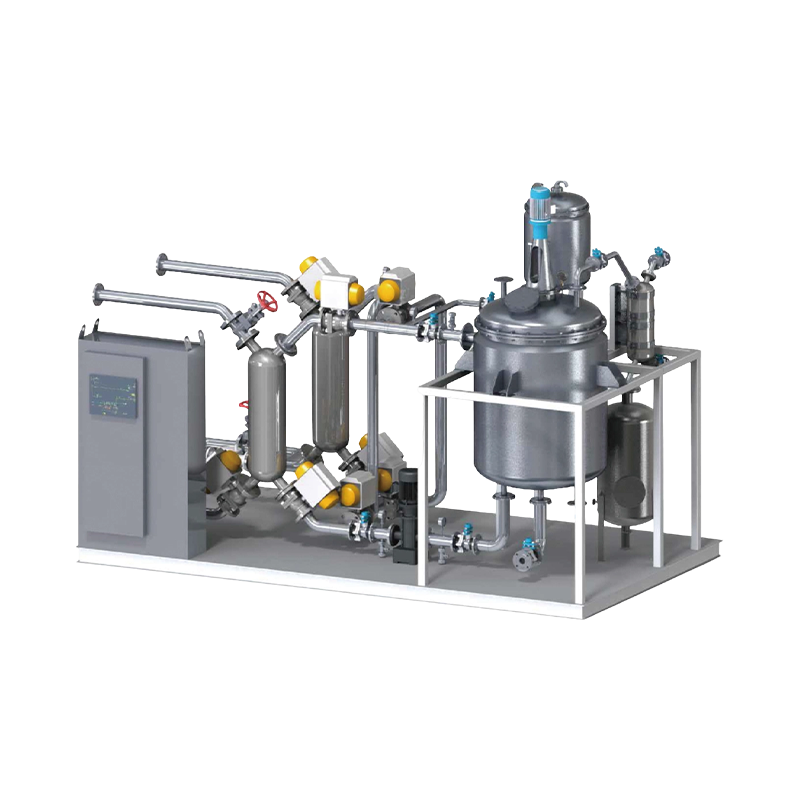
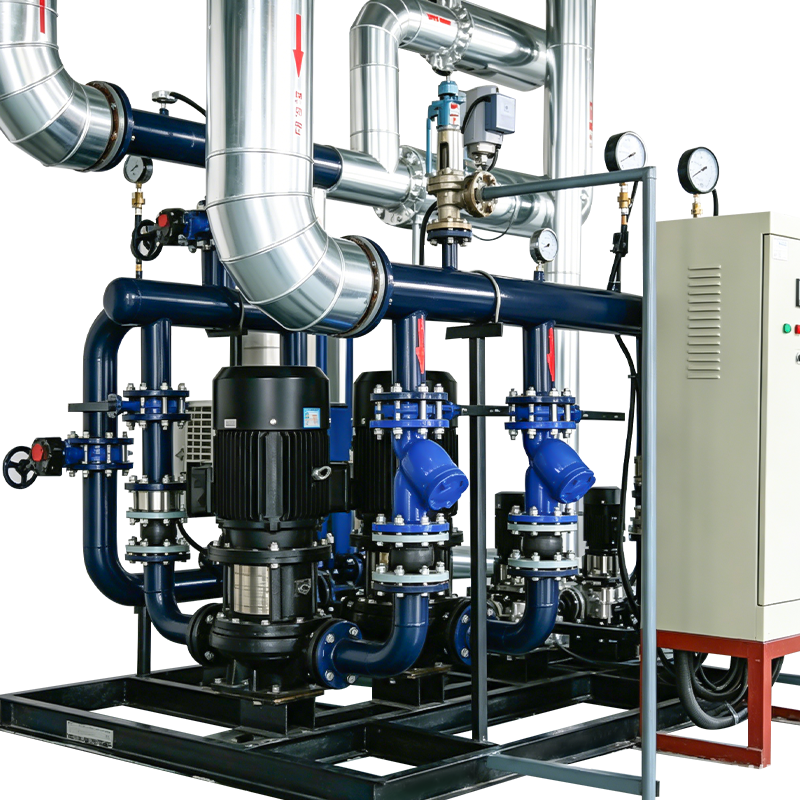
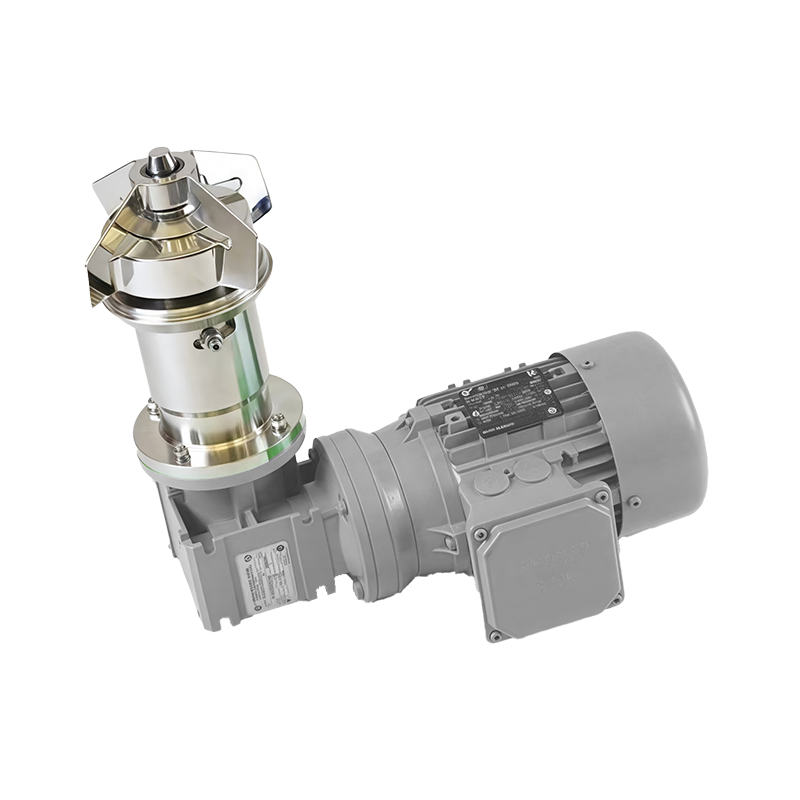
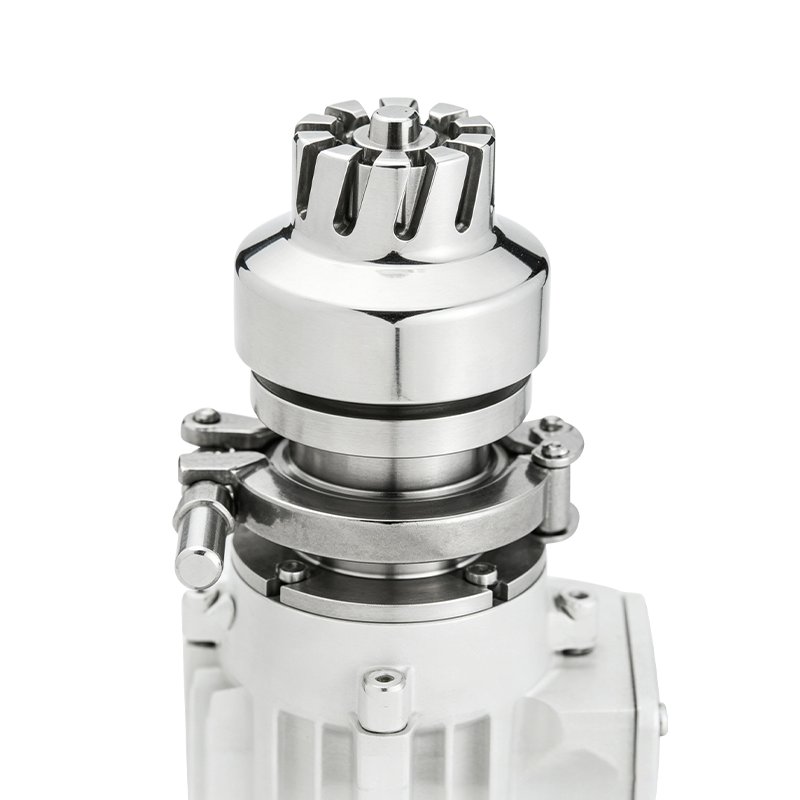
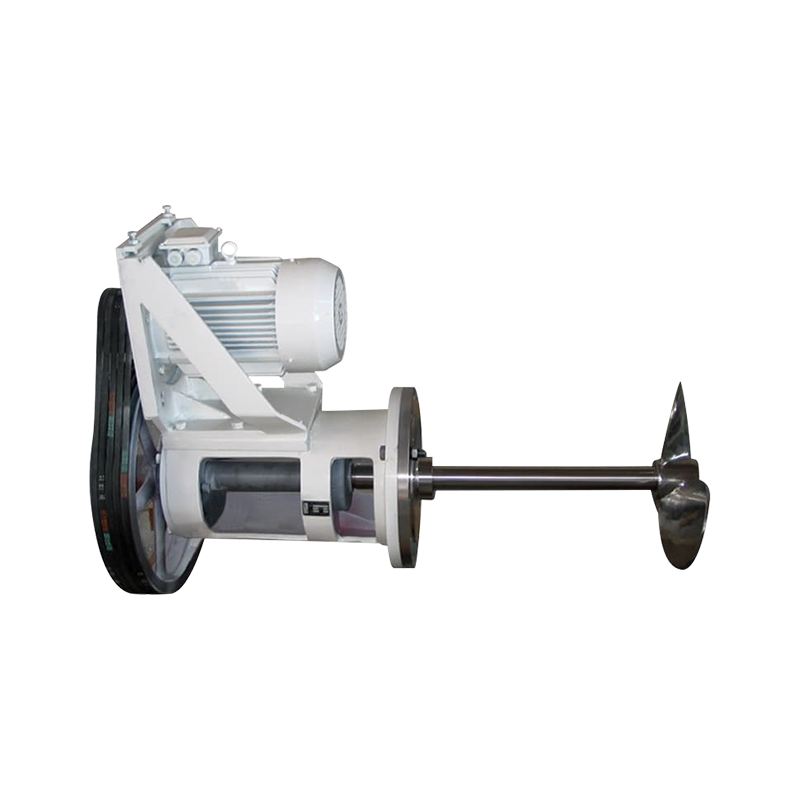
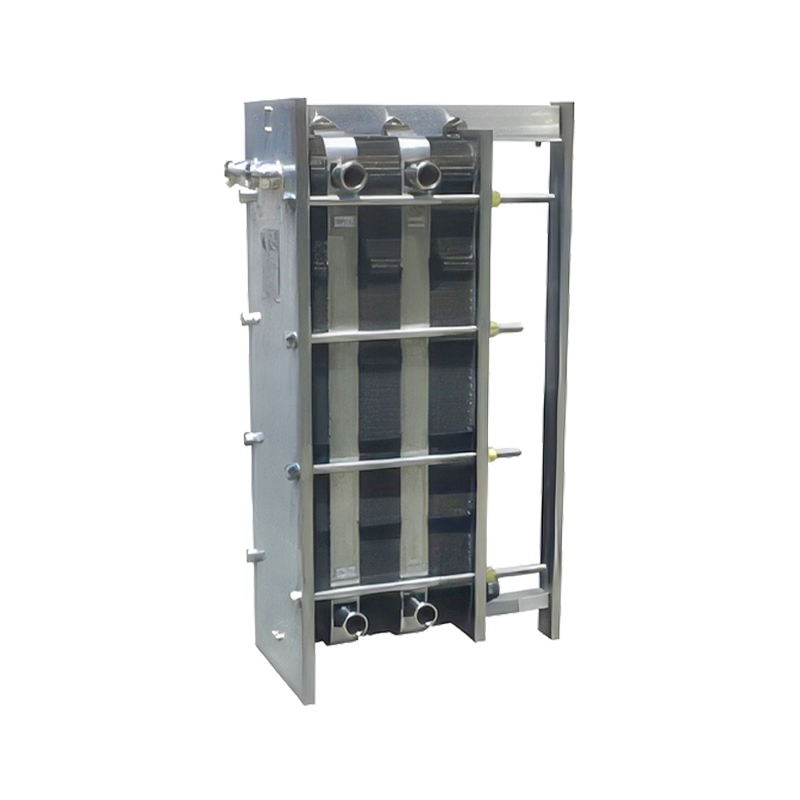
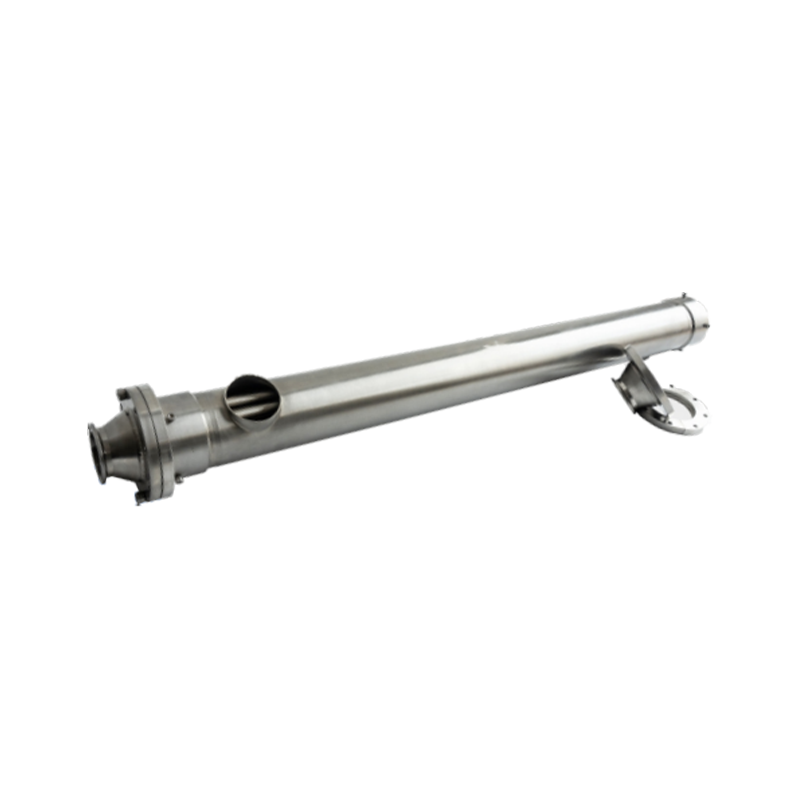
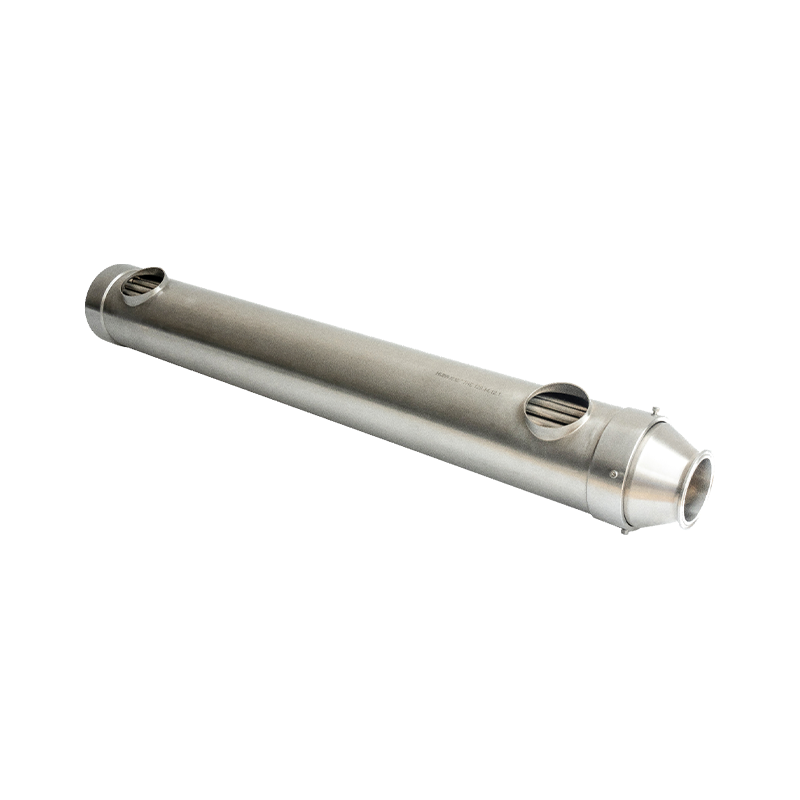
Aseptic Processing Equipment for Liquid Foods
Aseptic Processing Equipment for Liquid Foods is designed to thermally process liquid food products and maintain sterile conditions throughout subsequent product transfer, temporary storage, and filling operations. The system integrates product preparation, sterilization, sterile product handling, process monitoring, and cleaning functions to support commercial production of shelf-stable liquid foods.
Equipment configuration depends on product formulation, thermal sensitivity, viscosity, particulate content, processing capacity, packaging format, and the required aseptic operating conditions. Individual processing modules can be coordinated to form a complete production system.
Equipment for Aseptic Liquid Food Production
Aseptic processing is a production method in which a food product is commercially sterilized, cooled when required, and transferred through a system designed to maintain sterile conditions before being filled into commercially sterile packaging. The objective is to prevent microbial recontamination after the thermal treatment stage.
Unlike a standalone heating unit, a complete aseptic processing system involves multiple coordinated operations. These may include product feeding, preheating, homogenization, sterilization, cooling, aseptic buffering, sterile pipeline transfer, packaging material treatment, and aseptic filling.
The equipment can be configured for dairy beverages, fruit and vegetable juices, plant-based drinks, liquid nutritional products, and selected sauces or other pumpable foods. Product-specific engineering is necessary because viscosity, acidity, particle size, and heat sensitivity influence the processing method and system arrangement.
What Makes a Processing System Aseptic?
Aseptic production requires coordinated control across the entire product and packaging path, not simply a high-temperature treatment stage.
Commercial Sterilization
The liquid food is processed under validated thermal conditions designed to achieve the required commercial sterility.
- Heating and holding
- Controlled product flow
- Temperature monitoring
Protected Product Handling
Product-contact equipment and transfer routes are designed to maintain the required sterile conditions after treatment.
- Sterile product pipelines
- Aseptic valves and tanks
- Controlled system interfaces
Aseptic Filling
Packaging materials and filling equipment are treated and operated under conditions designed to prevent recontamination.
- Packaging sterilization
- Controlled filling environment
- Package sealing integrity
Liquid Food Products That May Require Aseptic Processing
Product composition and physical properties determine the suitable sterilization technology and sterile handling arrangement.
The listed applications are subject to product-specific evaluation. Highly viscous products, products containing large particles, and formulations with unusual heat-transfer behavior may require specialized processing equipment.
Thermal Processing Options for Aseptic Production
The heating method is selected according to product properties, required thermal exposure, energy availability, and production capacity.
Indirect Heating
Heat is transferred through a separating surface between the product and heating medium. Plate or tubular heat exchangers may be used depending on the product and operating conditions.
Direct Steam Injection
Suitable culinary steam is introduced directly into the product for rapid temperature elevation. A flash cooling stage can subsequently remove the added water and reduce product temperature.
Specialized Product Heating
Products with specific viscosity or particle characteristics may require tailored heating structures, such as specialized tubular systems or other product-compatible arrangements.
Core Equipment in an Aseptic Processing Line
Each module contributes to a specific stage of production. The final equipment scope depends on whether the project requires a standalone sterilization unit or a complete aseptic line.
Product Preparation Equipment
Mixing tanks, filters, pumps, homogenizers, and other equipment used to prepare the product before thermal treatment.
Heat Exchanger and Sterilization Unit
Heating sections, holding tubes, temperature instruments, and associated valves for the defined thermal process.
Aseptic Homogenizer
Where required, a homogenization stage can be integrated at an appropriate point in the processing sequence.
Aseptic Buffer Tank
Provides temporary storage of processed product under controlled aseptic conditions before downstream filling.
Sterile Transfer Pipeline
Connects the sterilization section, aseptic tank, and filling equipment while maintaining the required sterile product path.
Aseptic Filling Machine
Fills commercially sterile product into appropriately treated packaging under controlled aseptic conditions.
CIP and SIP Systems
Cleaning-in-Place and Sterilization-in-Place arrangements support cleaning and sterilization of designated equipment and product-contact circuits.
How an Aseptic Liquid Food Line Operates
The following sequence illustrates a typical continuous aseptic production arrangement. Actual equipment order and process steps vary with the product and system design.
Product Feeding
Prepared liquid food enters the processing circuit from the designated supply tank.
Preheating
Product temperature is raised through the selected preheating arrangement.
Sterilization
Product receives the defined thermal treatment under controlled operating conditions.
Cooling
Processed product is cooled to the required temperature for sterile transfer and storage.
Aseptic Buffering
Product is held in an aseptic tank when buffering is part of the line configuration.
Aseptic Filling
Product is filled and sealed in packaging under the specified aseptic conditions.
Product sterilization and packaging sterilization are separate but coordinated operations. Both must be appropriately designed and validated, together with sterile transfer and filling conditions, to support an aseptic production process.
Monitoring the Critical Conditions of Aseptic Production
Process automation helps operators monitor equipment status and maintain defined operating conditions. Critical parameters and protective functions should be specified in the system design and verified through commissioning and process validation.
Heating, holding, cooling, and other designated product temperature points.
Product flow conditions associated with the designed thermal treatment.
Selected process pressures and differential pressure conditions where required.
Monitoring of designated sterile barriers, valve positions, and operating conditions.
Defined CIP and SIP stages, including the relevant time, temperature, and process conditions.
Recording of selected process variables, operating events, and system alarms.
Cleaning, Sterilization and Product-Contact Design
Hygienic design is essential because the equipment must be cleaned effectively and, where applicable, sterilized before aseptic operation.
Product-Contact Materials
Materials and surface specifications should be selected according to the food product, cleaning chemicals, temperature, and applicable hygienic requirements.
Pipeline and Valve Arrangement
Product routes, valve assemblies, connection points, and drainability should be considered to support cleaning and sterile operation.
CIP Cleaning
Cleaning solution circulates through designated equipment and pipelines according to a defined cleaning sequence.
SIP Sterilization
Suitable equipment sections and sterile product circuits may undergo in-place sterilization before production, according to the validated system procedure.
Coordination with Upstream and Downstream Equipment
Successful integration depends on matching processing capacity, product transfer conditions, equipment interfaces, and the operating sequence of the complete production line.
Raw Material and Product Preparation
Equipment installed before sterilization prepares the liquid food and establishes the required product conditions.
Sterile Storage and Packaging
Downstream equipment receives processed product and maintains the required aseptic conditions through filling.
Information Needed for Equipment Selection
Detailed project information helps establish the thermal process, equipment capacity, aseptic arrangement, and utility requirements.
Product Formulation
Product type, ingredient composition, acidity, viscosity, fat content, and suspended particle characteristics.
Processing Capacity
Required hourly throughput, production hours, batch or continuous operation, and expected line utilization.
Thermal Process Requirements
Target commercial sterility, process temperature, holding time, microbial objectives, and applicable regulatory requirements.
Packaging Format
Cartons, bottles, pouches, bags, or other packaging formats and the corresponding filling technology.
Utility Conditions
Steam quality and pressure, electricity, compressed air, cooling water, chilled water, and other available utilities.
Plant Layout and Integration
Installation space, equipment positioning, pipeline routes, existing machinery, and required automation interfaces.
System Configuration for Different Production Projects
Aseptic processing equipment can be arranged according to the product, production scale, packaging method, and factory layout. A project may require only a sterilization and cooling unit, or a coordinated system that includes product preparation, aseptic storage, sterile transfer, and filling equipment.
Before finalizing the equipment scope, the product flow, sterile boundaries, utility connections, cleaning procedures, and control requirements should be reviewed as one integrated process.
Frequently Asked Questions
Answers to common questions about aseptic processing equipment for liquid food manufacturers.
What is aseptic processing equipment used for?
It is used to process liquid food under defined sterilization conditions and maintain sterile conditions during product transfer, storage where applicable, and filling. The complete process is designed to prevent microbial recontamination after product sterilization.
What is the difference between a sterilizer and a complete aseptic processing line?
A sterilizer performs the product thermal treatment. A complete aseptic line also considers sterile product transfer, aseptic storage where required, packaging material treatment, and aseptic filling. These operations must be coordinated to maintain the required sterile conditions throughout production.
Which liquid foods can be processed using aseptic equipment?
Applications may include dairy beverages, fruit and vegetable juices, plant-based drinks, selected nutritional products, and suitable liquid sauces. The actual application depends on product viscosity, acidity, heat sensitivity, particle content, and the selected processing technology.
Can the equipment handle products containing suspended particles?
Selected configurations can handle products with suspended particles, provided the particle size, concentration, flow behavior, and heat transfer characteristics are suitable for the equipment. Product-specific testing and process validation may be necessary to confirm treatment uniformity.
What is the role of an aseptic buffer tank?
An aseptic buffer tank provides temporary storage of processed product under controlled aseptic conditions. It can help coordinate the output of the sterilization section with the operating rate of the filling machine and reduce interruptions caused by differences in production speed.
What are CIP and SIP in an aseptic processing system?
CIP means Cleaning-in-Place and refers to cleaning designated equipment and pipelines without dismantling the system. SIP means Sterilization-in-Place and refers to sterilizing suitable equipment sections and product-contact circuits in place before aseptic production. The procedures, coverage, and operating parameters must be established for the specific installation.
Can an aseptic processing system be connected to different filling machines?
Integration depends on the filling technology, packaging format, product flow rate, sterile connection requirements, and control interfaces. The sterilization unit, buffer tank, transfer pipeline, and filling machine must be technically compatible and designed as part of the same aseptic process.
How is commercial sterility verified?
Commercial sterility is supported by a validated process that considers product characteristics, thermal treatment conditions, equipment performance, and packaging integrity. Process validation, monitoring, documentation, and verification procedures should follow the applicable regulatory and food safety requirements.
What information should be provided when requesting a quotation?
Provide the product formulation, required throughput, viscosity, acidity, particle characteristics, thermal treatment requirements, packaging format, utility conditions, plant layout, and desired automation level. This information helps determine the equipment configuration and the scope of the complete aseptic processing system.