

 English
 русский
 Português
 Français



How do you optimize a sanitary PHE to prevent fouling?
Fouling prevention is one of the most important considerations when designing and operating hygienic heat transfer systems. In food, pharmaceutical, beverage, and fine chemical production, heat exchangers must maintain stable performance while meeting strict sanitation requirements. The sanitary plate heat exchanger (PHE) is designed to provide efficient heat exchange with a hygienic structure, allowing operators to reduce contamination risks and improve production reliability. By optimizing plate design, material selection, cleaning procedures, and operating conditions, users can significantly reduce the accumulation of unwanted deposits.
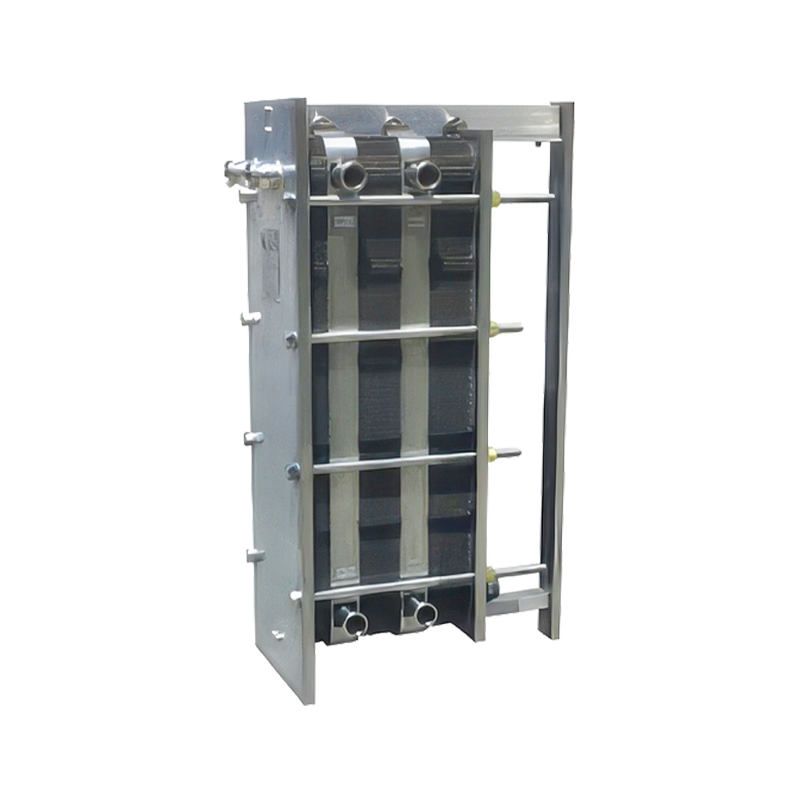
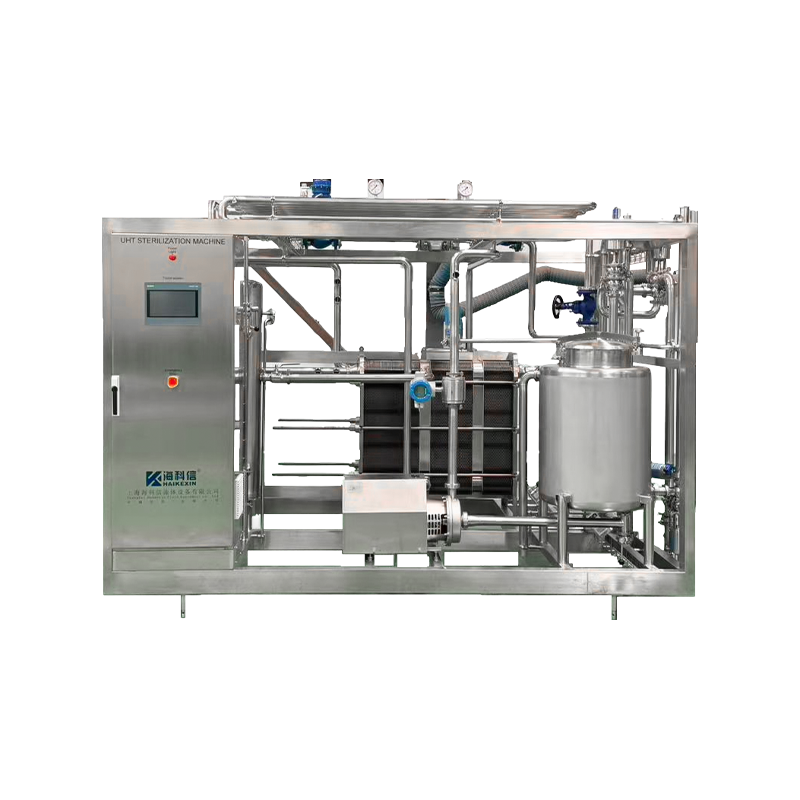
The sanitary plate heat exchanger (PHE) provides hygienic heat transfer solutions for the food, pharmaceutical, and industrial sectors. It consists of stainless steel plates, sealing gaskets, pressure plates, and clamping bolts. The corrugated plate structure creates turbulence between flow channels, improving heat transfer efficiency and reducing fouling adhesion. The detachable design also allows convenient cleaning, inspection, and maintenance.
1. Detachable Sanitary Plate Heat Exchanger for Easy Cleaning and Maintenance
The detachable type is one of the most widely used categories in hygienic heat transfer applications. This structure allows individual plates to be removed from the equipment frame, making it easier to inspect surfaces, replace damaged components, and perform deep cleaning. The main purpose of this design is to maintain long-term heat transfer performance by preventing the buildup of milk residue, beverage particles, pharmaceutical deposits, or other process contaminants.
A detachable sanitary plate heat exchanger (PHE) uses food-grade stainless steel plates, usually manufactured from 304 or 316L stainless steel, with optional special materials for specific media requirements. The corrugated plate surface increases fluid turbulence, which reduces stagnant areas where fouling can accumulate. Compared with traditional heat transfer equipment, this structure provides better accessibility and allows operators to restore performance through regular cleaning.
In dairy processing, beverage production, and pharmaceutical manufacturing, the detachable design supports frequent sanitation cycles. Clean-in-place (CIP) systems can remove routine deposits, while manual disassembly cleaning can be applied when more intensive maintenance is required. Shiloc (Shanghai) Industrial Trade Co., Ltd. provides hygienic process equipment solutions with professional engineering capabilities, supporting customers with equipment selection, technical services, and customized heat transfer solutions.
- Flexible plate quantity adjustment according to different heat load requirements.
- Simple maintenance process with removable plates and replaceable sealing gaskets.
- Suitable for industries requiring strict hygiene control and frequent cleaning.
- Reduced fouling risk through optimized flow channels and turbulence improvement.
The detachable category has a significant advantage in applications where production conditions change frequently. Operators can adjust the heat transfer area by adding or removing plates, allowing the system to adapt to different production capacities without replacing the entire unit.
2. High-efficiency Corrugated Plate Heat Exchanger for Fouling Reduction
The corrugated plate type focuses on improving fluid movement inside the heat exchanger. Its specially designed plate pattern creates stronger turbulence compared with flat surfaces, helping prevent particles and sticky materials from remaining on the plate surface. This design is especially important when handling liquids with suspended solids, proteins, sugars, or other components that may easily cause fouling.
The sanitary plate heat exchanger (PHE) based on corrugated plate technology improves thermal efficiency while maintaining hygienic operation. The flow channels formed between plates allow two media to exchange heat without direct contact. By controlling flow distribution and reducing dead zones, the equipment minimizes the conditions that encourage deposit formation.
For food and beverage applications, such as juice heating, milk pasteurization, and sauce processing, stable temperature control is essential. A properly optimized corrugated plate structure helps maintain consistent outlet temperatures and reduces unexpected production interruptions caused by fouling. The technology also supports energy-saving operation because improved heat transfer performance reduces the need for excessive cleaning frequency.
| Product Category | Main Features | Typical Applications | Fouling Prevention Advantage |
| Detachable Plate Type | Removable plates, adjustable heat transfer area | Dairy, pharmaceutical liquids, food processing | Easy inspection and deep cleaning |
| Corrugated Plate Type | Enhanced turbulence and improved heat transfer | Beverage heating, cooling, sterilization | Reduces deposit adhesion on plate surfaces |
| Custom Hygienic System Type | Adaptable flow design and materials | Industrial and specialized processes | Optimized for specific media conditions |
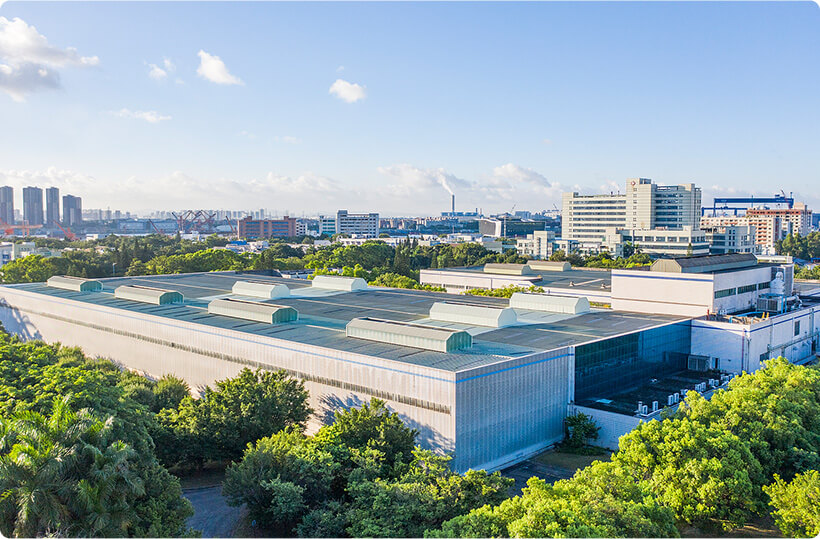
Shiloc (Shanghai) Industrial Trade Co., Ltd. integrates European technical experience and Danish design concepts into hygienic equipment development. With a 3,000㎡ Shanghai production facility and professional technical specialists, the company provides manufacturing, engineering support, welding, polishing, and quality inspection services to ensure reliable equipment performance.
3. Customized Hygienic Heat Exchanger Solutions for Different Industries
Different industries have different fouling challenges, so customized sanitary heat transfer solutions are often required. A pharmaceutical process may require strict sterilization control, while a food production line may focus on preventing organic residue accumulation. The customized category adjusts plate materials, gasket selection, flow configuration, and pressure design according to actual working conditions.
A customized sanitary plate heat exchanger (PHE) can be configured with different sealing materials, including food-grade EPDM or nitrile rubber, to match various temperatures and media characteristics. Side-by-side flow and diagonal flow designs provide flexibility for different installation layouts. Vertical installation with adjustable clamping bolts ensures stable operation and convenient maintenance.
Shiloc (Shanghai) Industrial Trade Co., Ltd. offers comprehensive international trade and engineering technical services for customers requiring hygienic process equipment. The company focuses on equipment manufacturing, import and export solutions, and engineering support for pharmaceutical, daily chemical, food, and fine chemical industries. Through strict quality control systems and certified production management, each unit is inspected before delivery.
- Analyze process conditions, including media characteristics, temperature requirements, and cleaning frequency.
- Select suitable plate materials and gasket types according to hygiene standards and operating conditions.
- Optimize flow configuration to improve turbulence and reduce stagnant areas.
- Establish regular CIP or disassembly cleaning procedures to maintain long-term efficiency.
The customized approach provides advantages for companies with complex production requirements. Instead of applying a standard configuration to every application, engineers can design a heat exchanger system that balances efficiency, sanitation, durability, and maintenance convenience.
How to Optimize Operation and Maintenance to Prevent Fouling
Even with an advanced plate design, proper operation and maintenance remain essential for preventing fouling. Regular inspection of plates and sealing gaskets helps identify early problems before they affect production efficiency. Operators should gradually increase system pressure during startup to avoid damage caused by sudden pressure changes.
Cleaning procedures should match the process conditions. CIP cleaning is suitable for routine sanitation, while disassembly cleaning is recommended when deposits cannot be removed effectively through normal circulation. During maintenance, plate positions should be marked sequentially to ensure correct reinstallation and prevent flow imbalance.
Shiloc (Shanghai) Industrial Trade Co., Ltd. also emphasizes supply chain management and quality compliance. Core materials are sourced through reliable international channels, while in-house processing, welding, and polishing provide traceability and shorter delivery cycles. These capabilities support customers seeking stable and hygienic heat transfer equipment.
Frequently Asked Questions
Q1: What is the main advantage of a sanitary plate heat exchanger (PHE) in food production?
A sanitary plate heat exchanger (PHE) provides efficient heat transfer with hygienic materials and a cleanable structure. Its corrugated plates improve turbulence, helping reduce fouling while supporting pasteurization, cooling, and sterilization processes.
Q2: How does a detachable plate design help prevent fouling?
The detachable structure allows operators to remove plates for inspection and cleaning. This makes it easier to eliminate deposits that may reduce heat transfer performance and helps maintain stable operation.
Q3: Can the sanitary heat exchanger be customized for different industries?
Yes. The equipment can be customized through different plate materials, gasket selections, flow configurations, and pressure designs to meet the requirements of food, pharmaceutical, beverage, and industrial applications.
Q4: What services can Shiloc (Shanghai) Industrial Trade Co., Ltd. provide for hygienic heat exchanger projects?
Shiloc (Shanghai) Industrial Trade Co., Ltd. provides equipment manufacturing, engineering technical services, import and export solutions, and quality-controlled delivery support. The company helps customers select suitable hygienic equipment according to specific production requirements.


