

 English
 русский
 Português
 Français



How does the maintenance frequency differ between flanged and quick-connect heat exchanger models?
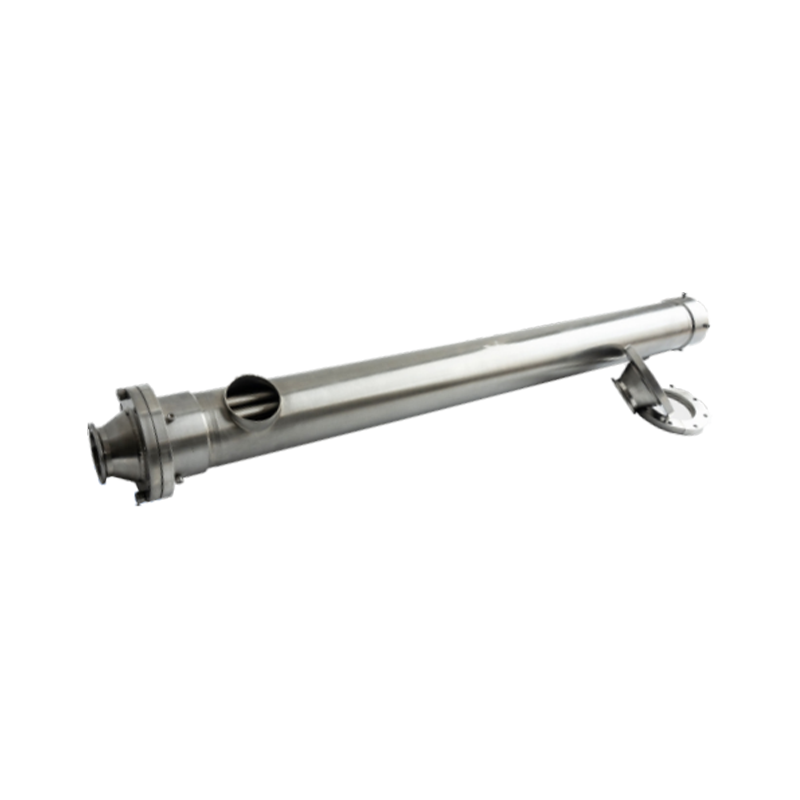
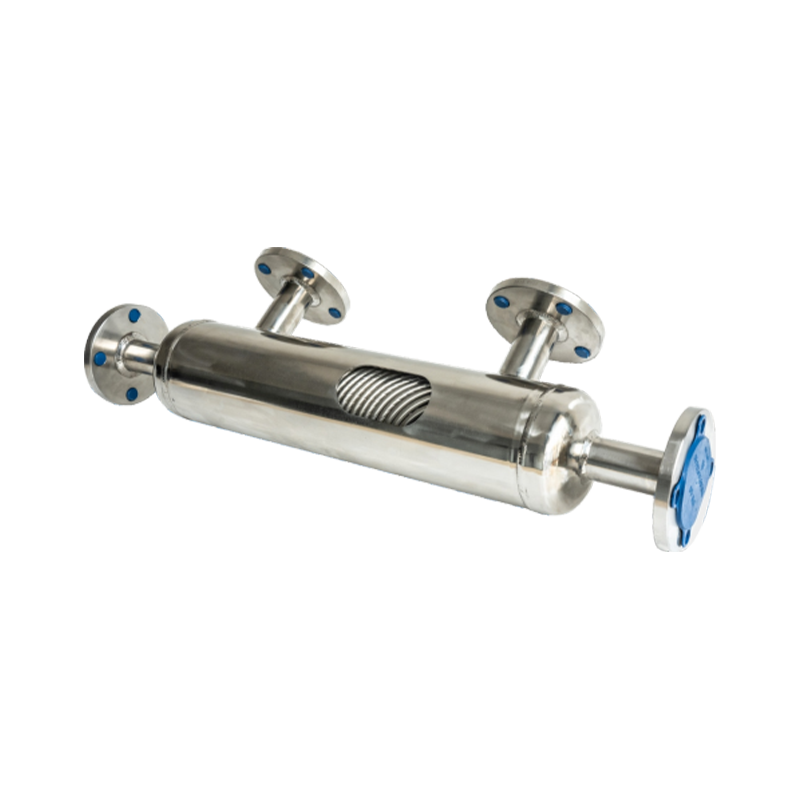
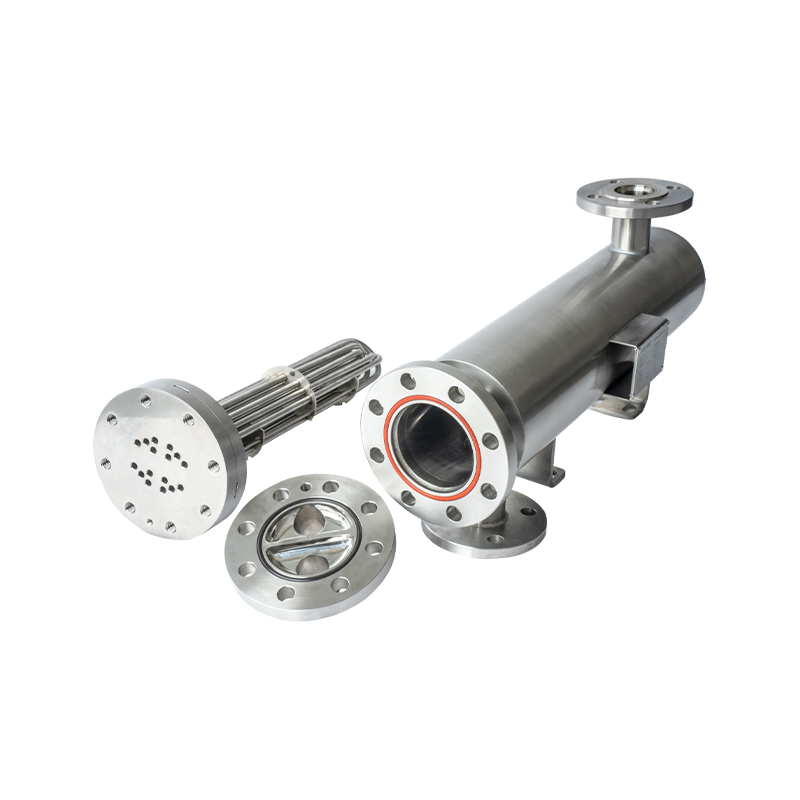
Heat exchanger maintenance frequency is closely related to equipment structure, connection design, operating conditions, and the characteristics of the processed media. Among industrial heat transfer solutions, flanged models and quick-connect models are commonly selected for different production requirements. The shell and tube heat exchanger-flange type is designed with a robust shell-and-tube structure and detachable flange connections, making it suitable for applications that require regular inspection, cleaning, and long-term operation under demanding conditions.
Compared with quick-connect heat exchangers, flanged designs usually require a more planned maintenance schedule because their structure is optimized for durability, pressure resistance, and deep cleaning. However, the ability to remove end covers and access the tube bundle provides significant advantages when fouling control and hygiene standards are critical. A properly maintained shell and tube heat exchanger-flange type can maintain stable heat transfer performance in food, beverage, pharmaceutical, chemical, and industrial applications.
1. Flanged Shell-and-Tube Heat Exchanger: Designed for Deep Maintenance and Long-Term Reliability
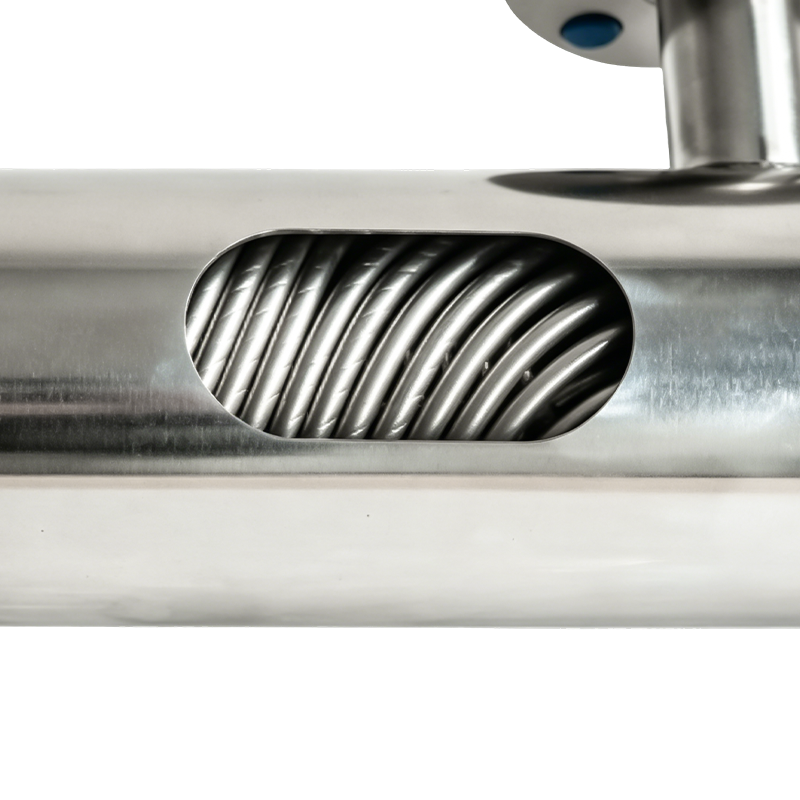
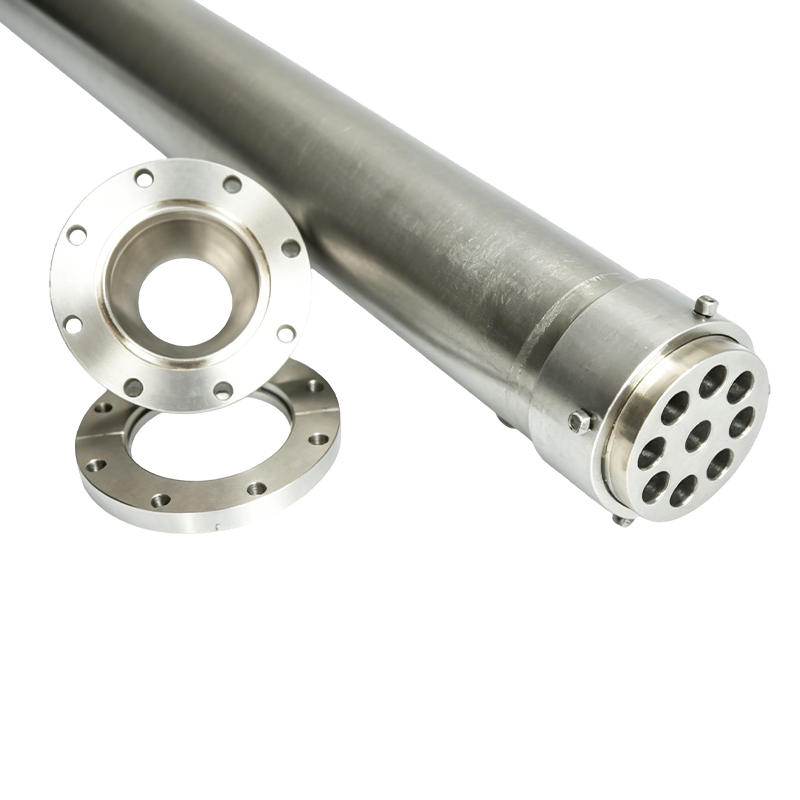
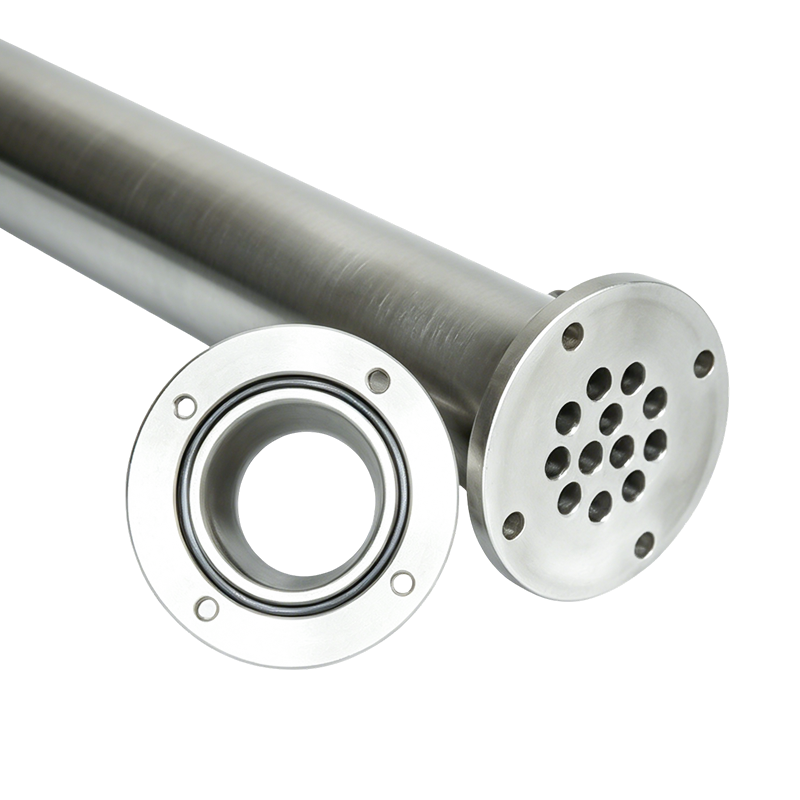
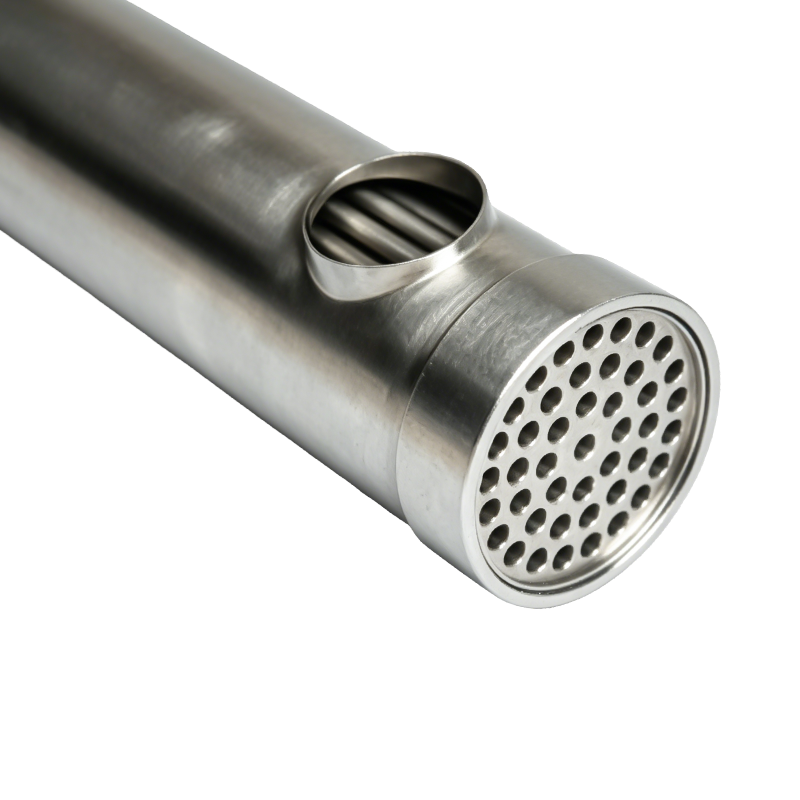
The flanged shell-and-tube heat exchanger is positioned as a heavy-duty heat transfer solution for industries where reliability, sanitation, and pressure resistance are essential. It adopts a shell-and-tube structure with stainless steel as the main material. The equipment consists of a shell, tube bundle, flanged end covers, and media inlet and outlet connections. Heat exchange occurs through the countercurrent or parallel flow movement of two media inside the tube side and shell side.
The main advantage of this structure is the detachable flange connection. During maintenance, operators can remove the end covers and inspect the tube bundle directly. This makes cleaning, inspection, and replacement procedures more convenient compared with fully integrated designs. The shell and tube heat exchanger-flange type is particularly suitable for processes where media may contain particles, proteins, oils, or other components that can cause fouling.
In practical operation, maintenance frequency depends on the cleanliness of the media and production conditions. Food and pharmaceutical applications may require frequent cleaning to meet hygiene standards, while industrial cooling systems may require longer maintenance intervals. The pull-out tube bundle design supports mechanical cleaning and chemical cleaning, reducing the negative impact of deposits on heat exchange efficiency.
- Suitable for high-pressure and high-temperature working environments.
- Supports CIP and SIP cleaning processes for sanitary industries.
- Allows direct inspection of tube bundle conditions during maintenance.
- Provides flexible flange specifications for different piping systems.
Maintenance Characteristics of Flanged Models
Flanged heat exchangers generally require scheduled preventive maintenance. Typical inspection includes checking gasket conditions, flange sealing surfaces, tube bundle fouling, and support structures. Although disassembly takes more time than quick-connect systems, the deeper access provided by the flange structure allows more comprehensive maintenance and longer service life.
2. Quick-Connect Heat Exchanger Models: Faster Installation with Lower Routine Intervention
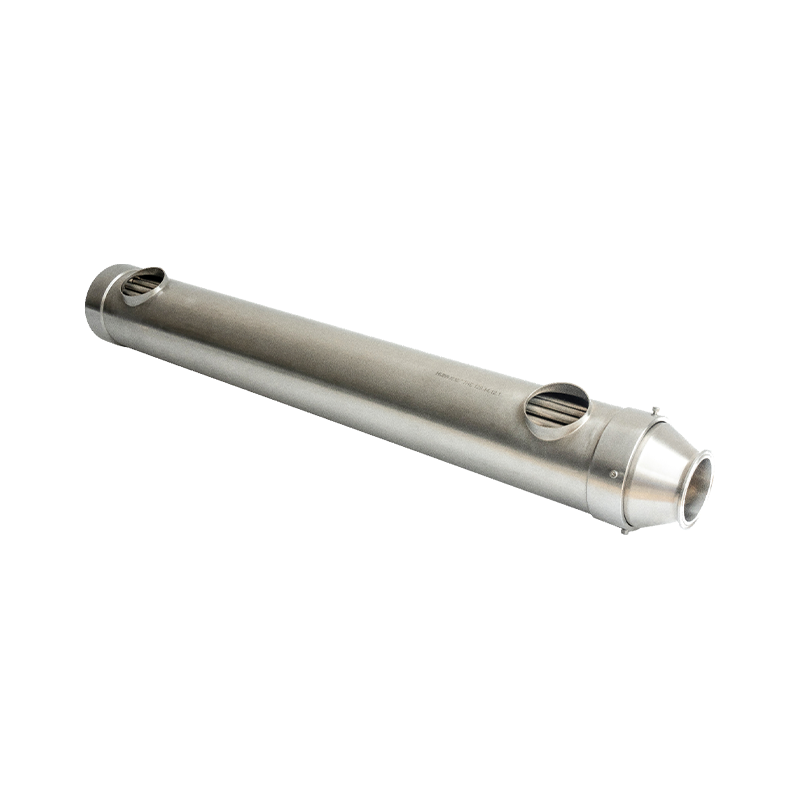
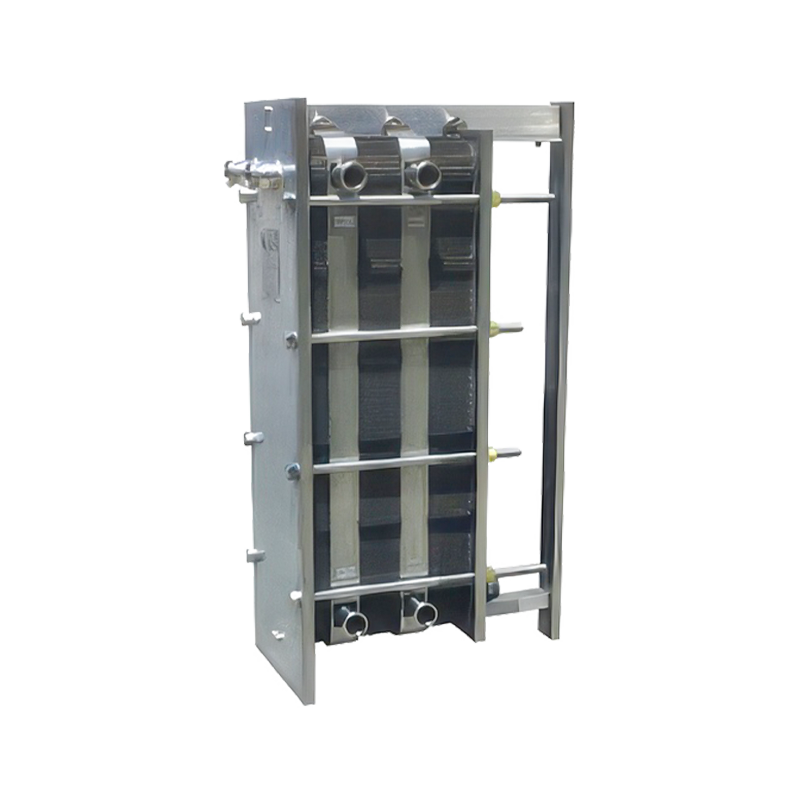
Quick-connect heat exchanger models focus on installation efficiency and operational convenience. Their connection design allows faster integration into existing pipelines, making them suitable for applications where frequent equipment replacement, temporary process adjustments, or compact installation are required.
Compared with the shell and tube heat exchanger-flange type, quick-connect models usually simplify connection procedures and reduce installation time. However, their maintenance approach is generally based on external inspection and less frequent internal access. When the processed media is clean and the operating environment is stable, quick-connect heat exchangers can provide reliable performance with limited intervention.
The main difference is that quick-connect structures prioritize accessibility during installation, while flanged structures prioritize accessibility during cleaning and overhaul. Therefore, industries with strict sanitation requirements or higher fouling risks often prefer flanged designs because internal components can be reached more effectively.
| Comparison Item | Flanged Heat Exchanger | Quick-Connect Heat Exchanger |
| Connection Structure | Flange connection with gasket sealing | Quick connection structure for rapid installation |
| Maintenance Approach | Suitable for detailed inspection and cleaning | Suitable for routine checks and fast replacement |
| Fouling Handling | Tube bundle removal supports deep cleaning | More suitable for cleaner media conditions |
| Typical Applications | Food, pharmaceutical, chemical, industrial processes | Compact systems and flexible process lines |
3. Sanitary and Industrial Applications of Flanged Heat Exchanger Solutions
Flanged heat exchanger solutions are widely used in industries that require stable heat transfer and strict cleaning standards. The stainless steel construction provides corrosion resistance and supports hygienic production environments. The shell and tube heat exchanger-flange type can be configured as single-pass or multi-pass structures according to process requirements, allowing adaptation to different heat transfer duties.
In food and beverage production, these systems are commonly applied for heating, sterilization, cooling, and condensation processes. Dairy products, juice processing, and other sanitary applications require equipment with smooth flow channels and minimal dead corners. The flanged structure enables operators to perform regular inspections and maintain cleaning performance.
In chemical and industrial sectors, the equipment provides reliable heat exchange between process fluids and cooling media. The pressure-resistant shell-and-tube structure allows operation under demanding conditions. Compared with quick-connect models, flanged designs provide stronger adaptability when processes involve temperature changes, higher pressure requirements, or frequent cleaning cycles.
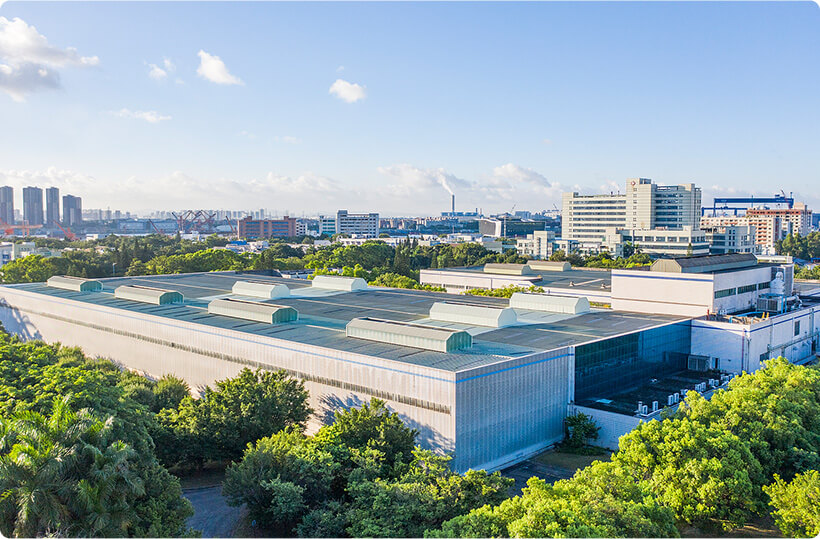
Shiloc (Shanghai) Industrial Trade Co., Ltd. provides professional heat exchanger and aseptic mixing equipment solutions for pharmaceutical, daily chemical, food, and fine chemical industries. The company combines European engineering experience with Danish design concepts and operates a Shanghai manufacturing facility with technical specialists supporting equipment customization, processing, welding, and polishing.
- Analyze process requirements, including media characteristics and operating conditions.
- Select suitable heat exchanger structure and connection type.
- Confirm material configuration and sanitary requirements.
- Establish maintenance plans based on fouling risk and production schedules.
4. Company Capability and Technical Support for Heat Transfer Equipment
As an international trading and engineering service company, Shiloc (Shanghai) Industrial Trade Co., Ltd. focuses on providing integrated solutions from equipment selection to delivery support. The company has experience in equipment manufacturing, import and export services, engineering technical services, and international supply coordination.
For heat exchanger projects, the company emphasizes quality control, material traceability, and production consistency. Core materials are sourced through reliable supply networks, while the Shanghai facility completes processing, welding, and polishing procedures internally. This approach helps ensure that every shell and tube heat exchanger-flange type meets hygiene and performance requirements before shipment.
With ISO9001, environmental, and safety certification systems, Shiloc (Shanghai) Industrial Trade Co., Ltd. supports customers with professional technical communication and customized solutions. The company’s engineering capability allows different heat exchanger structures, flange specifications, and cleaning requirements to be considered according to specific applications.
5. Maintenance Recommendations for Different Operating Conditions
Maintenance frequency should be determined according to the working environment rather than only the equipment type. Flanged models require regular inspection of sealing components, flange surfaces, and tube bundle conditions. Quick-connect models usually require more frequent monitoring of connection integrity but less internal maintenance when used with clean media.
Operators should pay attention to abnormal temperature changes, reduced heat transfer performance, pressure fluctuations, vibration, and possible leakage. For flanged equipment, early detection of gasket aging or tube fouling can prevent unexpected downtime.
- Keep flange surfaces clean during installation and maintenance.
- Check gasket conditions regularly to prevent leakage.
- Inspect tube bundles according to production requirements.
- Increase pressure and temperature gradually before operation.
Frequently Asked Questions
Q1: What is the main advantage of a flanged heat exchanger compared with a quick-connect model?
A flanged heat exchanger provides easier internal access for inspection and cleaning. It is more suitable for applications requiring strong fouling control, sanitary operation, and long-term reliability.
Q2: How often should a shell and tube heat exchanger-flange type be maintained?
Maintenance frequency depends on media cleanliness, operating temperature, pressure conditions, and production requirements. Regular inspection and cleaning schedules help maintain stable heat transfer performance.
Q3: Can flanged heat exchangers support food and pharmaceutical applications?
Yes. Stainless steel construction, smooth flow channels, and support for CIP/SIP processes make them suitable for sanitary industries requiring strict hygiene control.
Q4: What solutions does Shiloc (Shanghai) Industrial Trade Co., Ltd. provide for heat exchanger projects?
The company provides heat exchanger design support, manufacturing coordination, international trade services, engineering assistance, and customized solutions for food, pharmaceutical, chemical, and industrial applications.
Choosing between flanged and quick-connect heat exchanger models depends on process requirements, maintenance expectations, and operating conditions. For demanding applications requiring deep cleaning, pressure resistance, and long service life, the shell and tube heat exchanger-flange type remains a reliable solution.


