

 English
 русский
 Português
 Français

 +86-21-57560276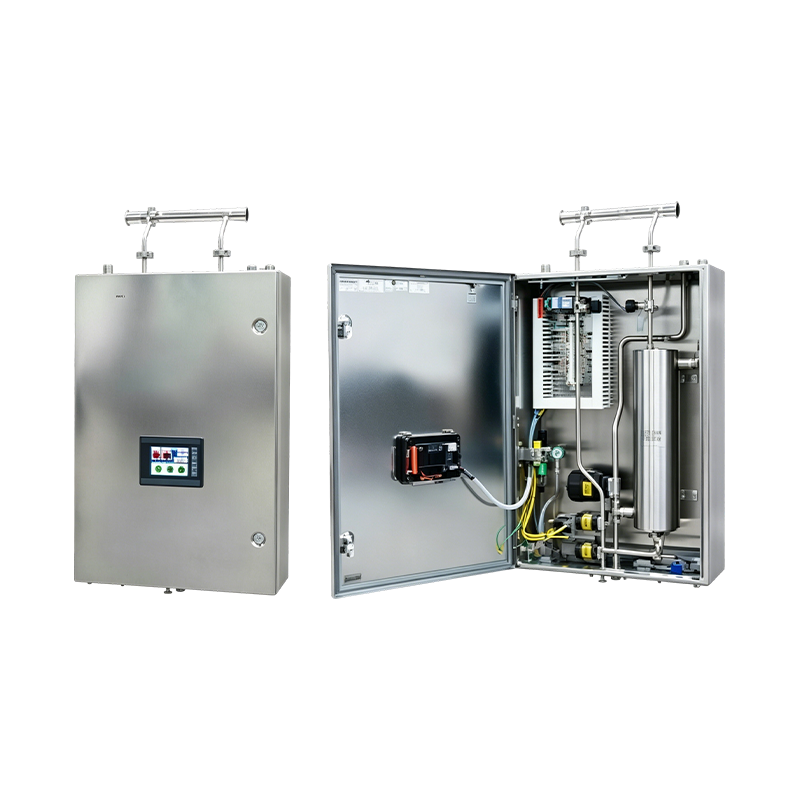
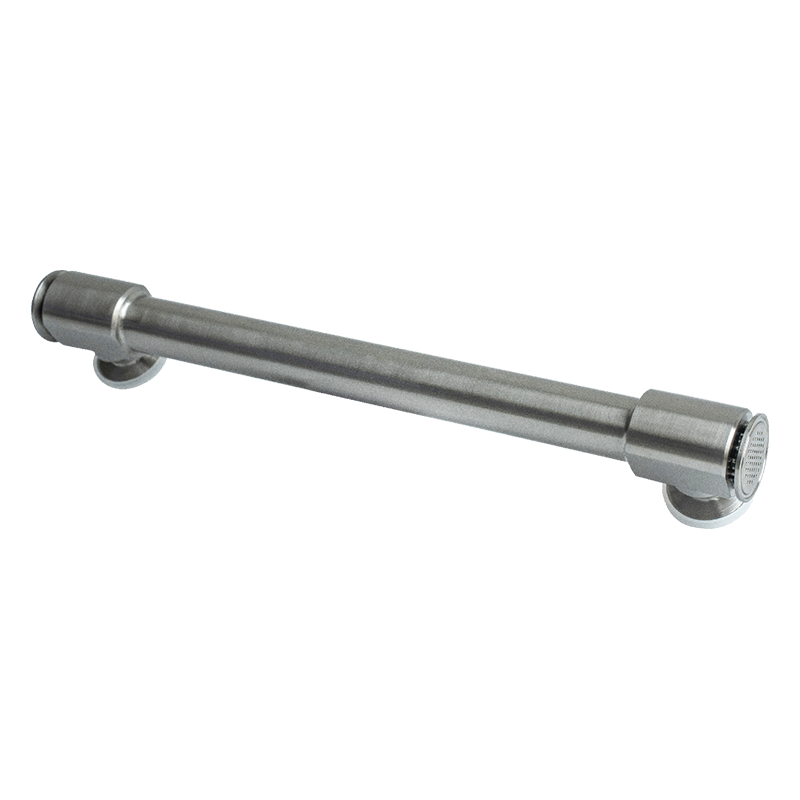
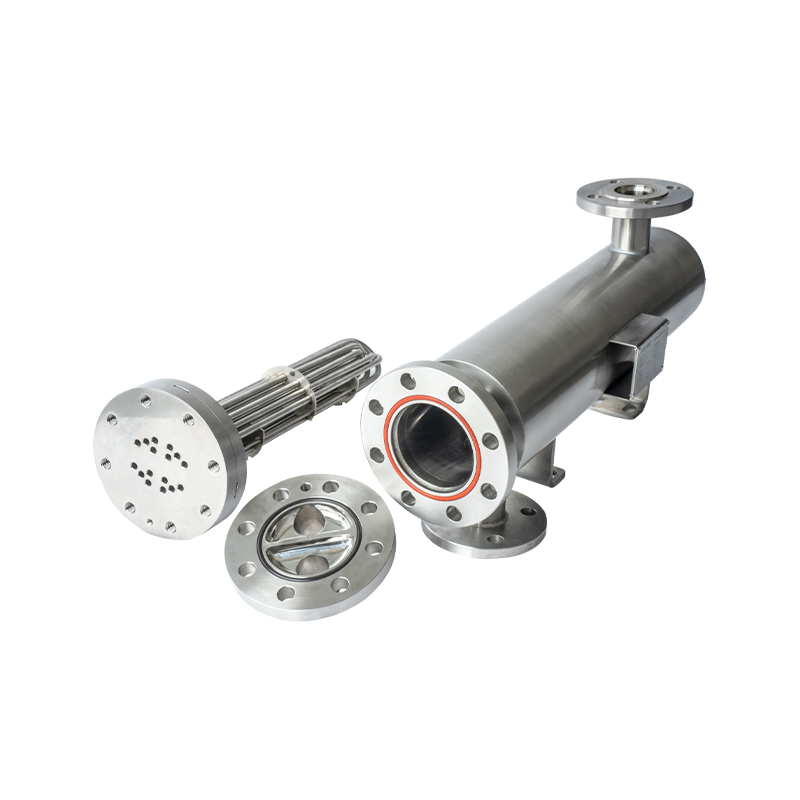
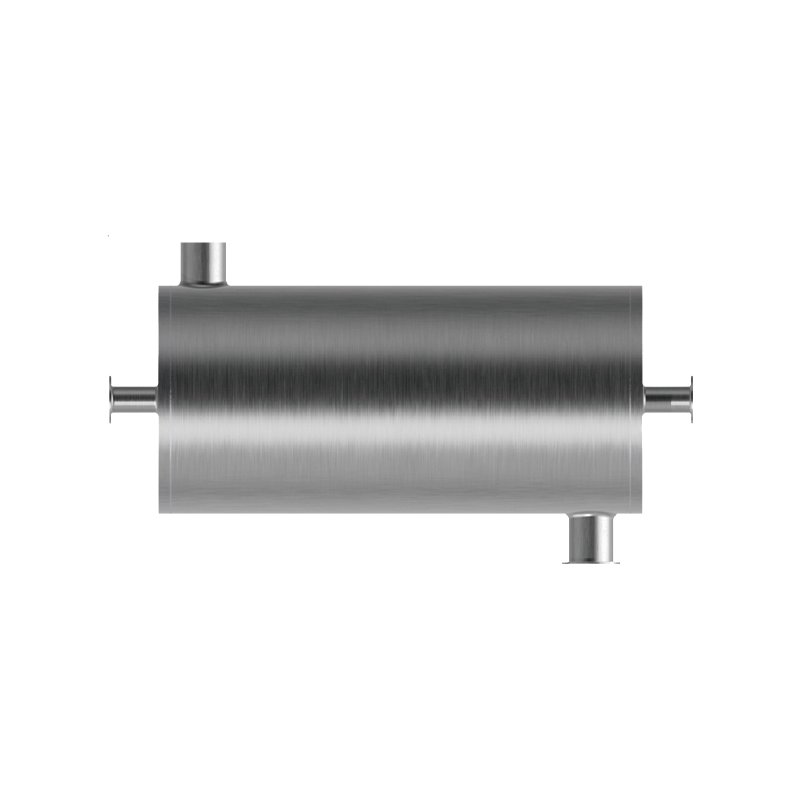


What Are the Main Benefits of Using Biopharma Process Heat Transfer Units?
Biopharmaceutical manufacturing depends on highly controlled processing conditions to ensure product quality, safety, and regulatory compliance. Among the critical process utilities used throughout production, biopharma process heat transfer units play an essential role in maintaining precise temperature control for various operations. Whether supporting upstream cell culture, downstream purification, clean utility systems, or CIP/SIP procedures, these systems help create stable thermal conditions that directly influence process consistency and equipment reliability.
Why Are Biopharma Process Heat Transfer Units So Important?
Temperature is one of the most influential variables in pharmaceutical manufacturing. Even slight fluctuations may affect biological activity, equipment performance, cleaning efficiency, or product stability.
Biopharma process heat transfer units are designed to transfer thermal energy efficiently while preventing contamination between different process media. Their specialized hygienic construction supports clean manufacturing environments and complies with stringent pharmaceutical standards.
Key functions include:
- Maintaining stable process temperatures
- Improving thermal efficiency
- Supporting sterile manufacturing environments
- Reducing production downtime
- Enhancing energy utilization
- Protecting sensitive biological materials
Because modern bioprocesses require repeatable and validated operating conditions, reliable thermal management is essential throughout the production cycle.
Main Benefits of Using Biopharma Process Heat Transfer Units
1. Precise Temperature Control
Biological products are highly sensitive to temperature variations. Stable thermal regulation helps maintain optimal operating conditions during:
- Fermentation
- Cell culture
- Media preparation
- Buffer preparation
- Protein purification
- Final formulation
Accurate temperature control contributes to consistent product quality and minimizes process variability.
2. Improved Process Efficiency
Efficient heat exchange shortens heating and cooling cycles, allowing equipment to reach target operating temperatures more quickly.
Benefits include:
- Reduced production time
- Faster batch turnover
- Lower energy consumption
- Improved equipment utilization
These advantages become increasingly valuable in facilities operating multiple production batches.
3. Enhanced Product Quality
Maintaining controlled temperatures protects sensitive biologics from thermal degradation.
Properly designed biopharma process heat transfer units help preserve:
- Protein stability
- Enzyme activity
- Cell viability
- Biological efficacy
- Product consistency
Stable processing conditions also improve batch-to-batch reproducibility, an important objective in regulated pharmaceutical manufacturing.
4. Hygienic and Sterile Design
Unlike conventional industrial heat exchangers, pharmaceutical systems are engineered with hygienic principles in mind.
Typical design features include:
- Smooth internal surfaces
- Sanitary welds
- Dead-leg minimization
- Easy cleaning
- CIP compatibility
- SIP compatibility
These characteristics reduce contamination risks while simplifying cleaning validation.
5. Better Energy Efficiency
Modern heat transfer technologies maximize thermal recovery while minimizing utility consumption.
Advantages include:
- Reduced steam usage
- Lower cooling water demand
- Decreased operating costs
- Improved sustainability
Optimized thermal efficiency also supports environmental objectives by lowering overall energy requirements.
6. Long-Term Equipment Reliability
High-quality materials and precision manufacturing improve operational durability.
Reliable heat transfer systems help reduce:
- Equipment wear
- Thermal stress
- Maintenance frequency
- Unexpected downtime
This contributes to greater production continuity and lower lifecycle costs.
Common Applications in Biopharmaceutical Manufacturing
The versatility of biopharma process heat transfer units allows them to support multiple production stages.
| Process Area | Primary Function | Benefits |
|---|---|---|
| Media Preparation | Heating and cooling nutrient media | Stable formulation conditions |
| Fermentation | Temperature regulation | Improved microbial or cell growth |
| Buffer Preparation | Precise thermal control | Consistent solution quality |
| Purification | Process temperature management | Higher separation efficiency |
| CIP Systems | Heating cleaning solutions | Effective equipment sanitation |
| SIP Systems | Steam sterilization support | Reliable sterilization performance |
| Utility Systems | Thermal energy distribution | Stable plant operation |
Materials Commonly Used in Biopharma Process Heat Transfer Units
Material selection significantly influences equipment performance, cleanliness, and service life.
| Material | Characteristics | Typical Applications |
|---|---|---|
| 316L Stainless Steel | Excellent corrosion resistance and hygienic performance | Pharmaceutical processing |
| Duplex Stainless Steel | Higher mechanical strength and corrosion resistance | Demanding operating environments |
| Titanium | Outstanding resistance to aggressive media | Specialized pharmaceutical processes |
| High-Purity Elastomers | Reliable sealing performance | Sanitary gasket systems |
Among these options, 316L stainless steel heat exchangers remain one of the most widely used choices due to their excellent cleanability and compatibility with pharmaceutical standards.
Key Features to Consider When Selecting Heat Transfer Units
When evaluating biopharma process heat transfer units, manufacturers typically consider several technical factors.
Important selection criteria include:
- Thermal efficiency
- Hygienic construction
- Corrosion resistance
- Pressure rating
- Flow capacity
- Cleanability
- CIP/SIP compatibility
- Ease of maintenance
- Regulatory compliance
- Integration with automated control systems
Choosing equipment that matches specific process requirements helps optimize production performance over the long term.
Supporting Modern Pharmaceutical Manufacturing
As pharmaceutical facilities continue adopting digital manufacturing and automated process control, heat transfer equipment has evolved beyond simple temperature regulation.
Today’s advanced systems may integrate with:
- Process automation platforms
- Intelligent monitoring systems
- Digital temperature control
- Real-time process diagnostics
- Predictive maintenance programs
These capabilities improve operational transparency while supporting consistent manufacturing quality.
About Shiloc
Shiloc (Shanghai) Industrial Trade Co., Ltd. is a comprehensive trading company approved by the Ministry of Commerce, specializing in the import and export of goods, technology, and engineering technical services.
Its core business covers equipment manufacturing, import and export of goods, technology import and export, import and export agency services, and engineering technical support. The company provides comprehensive international trade solutions for customers involved in industrial and pharmaceutical projects.
Supported by extensive international resources and a broad network of partners, Shiloc (Shanghai) Industrial Trade Co., Ltd. supplies high-quality products together with dependable technical services. The company has established a comprehensive service system and a strict quality control process to ensure safe, efficient, and timely delivery of customer orders. Through close communication and collaboration, it also offers customized solutions tailored to individual project requirements.
Conclusion
Reliable biopharma process heat transfer units are fundamental components of modern pharmaceutical manufacturing. By delivering accurate temperature control, improved energy efficiency, hygienic operation, and dependable long-term performance, they help manufacturers maintain stable production conditions while supporting stringent quality standards.
FAQ
1. What are biopharma process heat transfer units used for?
They are used to provide precise heating and cooling during media preparation, fermentation, purification, CIP, SIP, buffer preparation, and other temperature-sensitive pharmaceutical processes.
2. Why is precise temperature control important in biopharmaceutical manufacturing?
Accurate temperature control helps protect sensitive biological materials, improve process consistency, maintain product quality, and ensure stable manufacturing conditions.
3. Which materials are commonly used in biopharma process heat transfer units?
Common materials include 316L stainless steel, duplex stainless steel, titanium, and high-purity sealing materials selected for hygienic performance and corrosion resistance.
4. How do biopharma process heat transfer units improve production efficiency?
They accelerate heating and cooling cycles, reduce energy consumption, shorten batch processing time, improve equipment utilization, and support continuous, reliable operation.
5. What should be considered when choosing a biopharma process heat transfer unit?
Important considerations include thermal efficiency, hygienic design, corrosion resistance, CIP/SIP compatibility, regulatory compliance, maintenance requirements, automation compatibility, and suitability for specific bioprocess applications.


