

 English
 русский
 Português
 Français

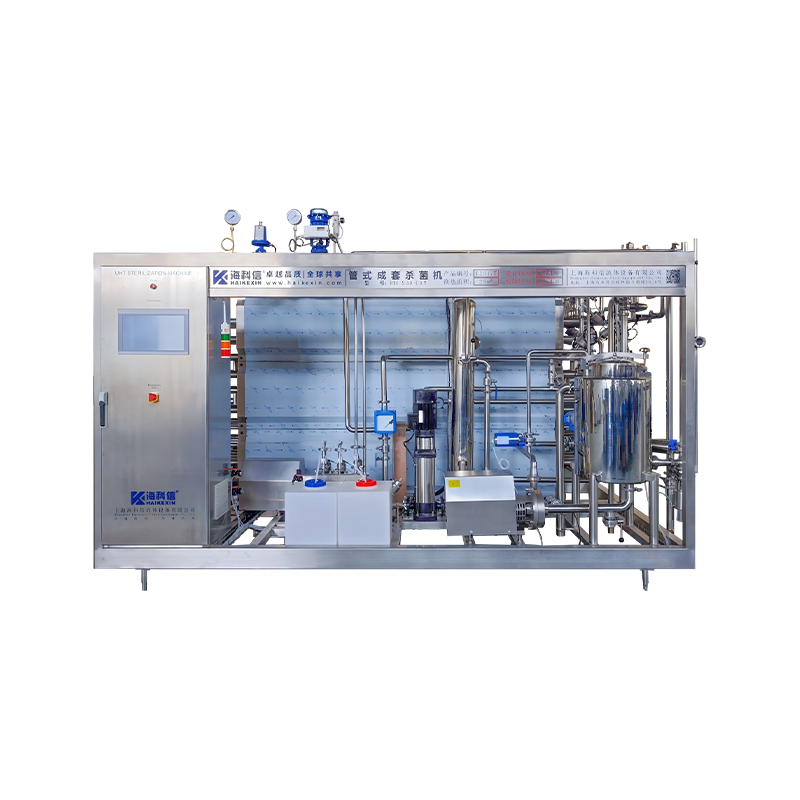
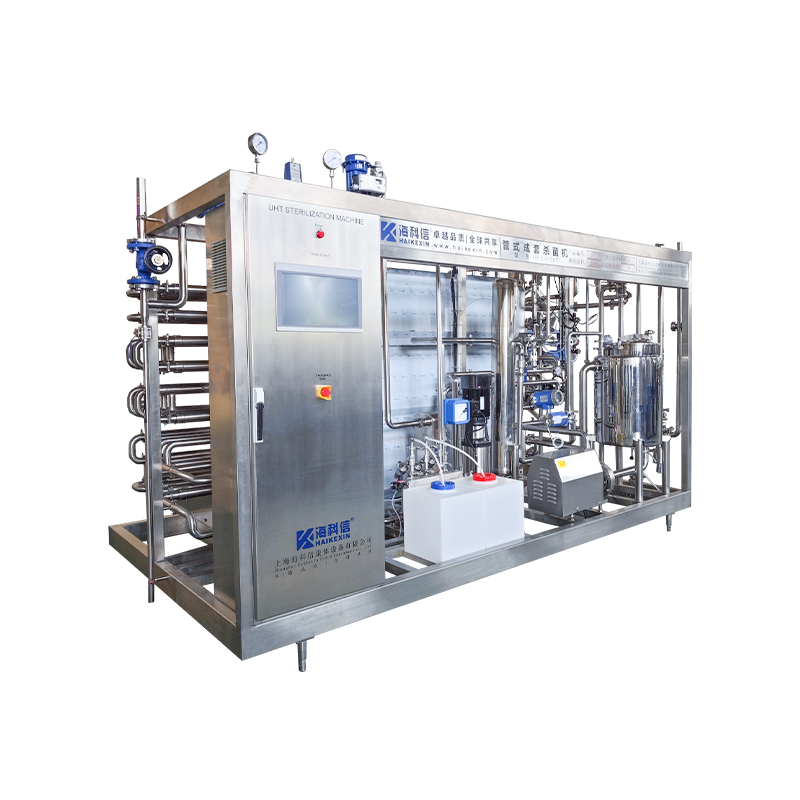


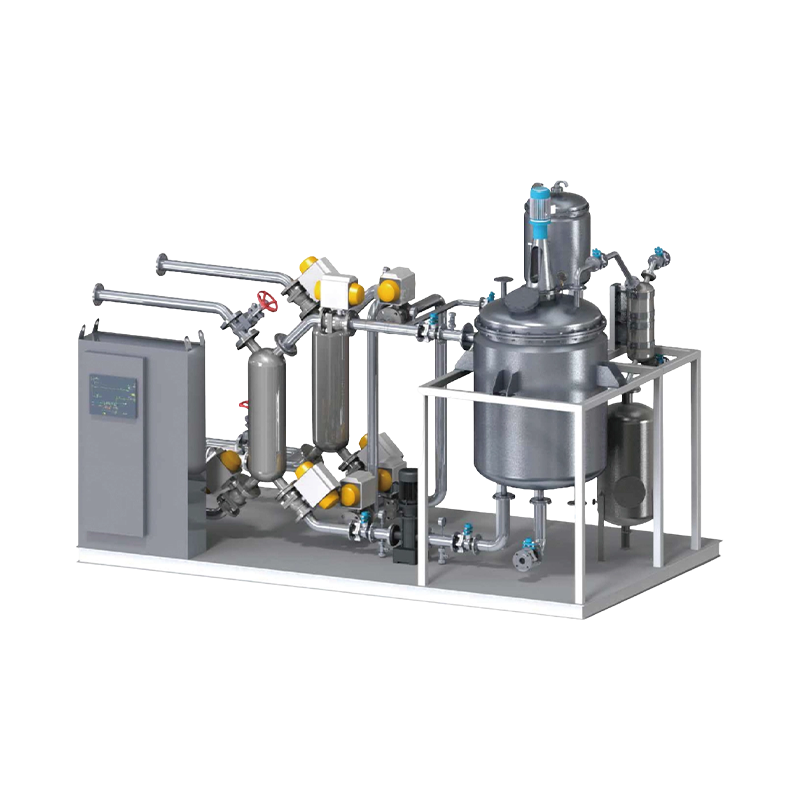
How Does an Automatic UHT Sterilizer Improve Sterilization Efficiency in Food Processing?
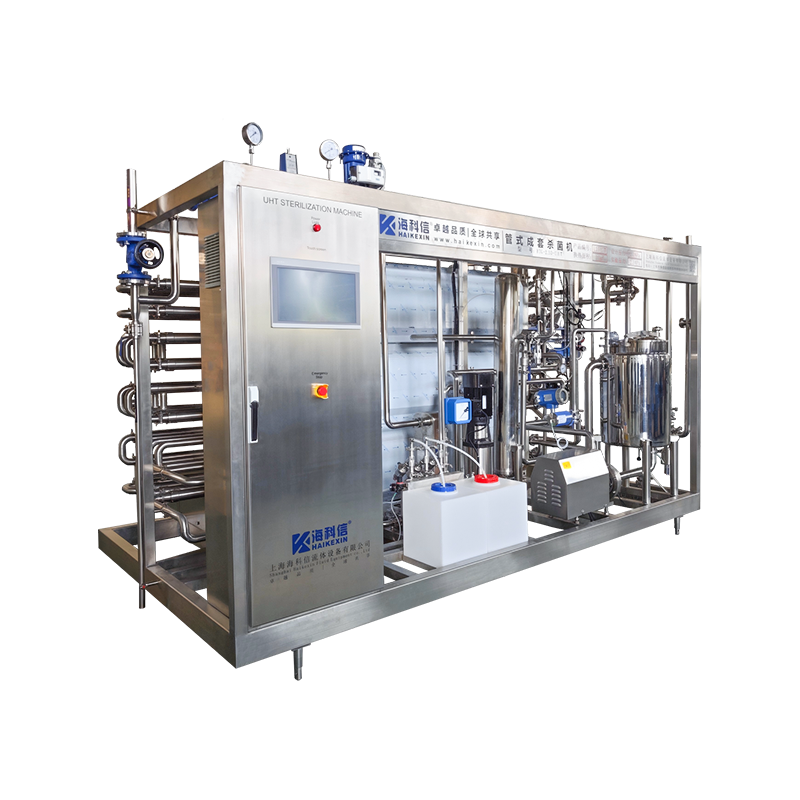
In modern food processing, maintaining product safety while preserving quality and extending shelf life has become a critical requirement. An automatic UHT (ultra-high temperature) sterilizer provides an advanced solution by using precisely controlled high-temperature treatment to eliminate microorganisms and improve processing reliability. Compared with traditional sterilization methods, UHT sterilization systems integrate automated control, continuous operation, and optimized heat transfer technology to achieve efficient and consistent sterilization performance.
For industries such as dairy products, beverages, liquid foods, and nutritional products, an automatic UHT sterilizer helps manufacturers improve production efficiency while maintaining product characteristics. Through accurate temperature management and intelligent process control, the system reduces human operation errors and supports stable large-scale food production.
What Is an Automatic UHT Sterilizer and How Does It Work?
An automatic UHT sterilizer is a specialized food processing system designed to rapidly heat liquid products to ultra-high temperatures for a short processing period before quickly cooling them. This process effectively reduces harmful microorganisms while minimizing the impact on flavor, nutrition, and physical properties.
The working principle mainly involves several stages, including preheating, high-temperature sterilization, holding, cooling, and aseptic discharge. The automatic control system monitors key parameters such as temperature, flow rate, and processing time to ensure that every batch or continuous production cycle meets the required sterilization conditions.
| Processing Function | Purpose in Food Production |
|---|---|
| Preheating | Gradually increases product temperature and improves energy utilization |
| Ultra-high temperature treatment | Eliminates microorganisms and improves product safety |
| Holding process | Maintains required sterilization conditions for effective treatment |
| Rapid cooling | Protects product quality and prevents unnecessary thermal impact |
| Automated monitoring | Ensures stable operation and reduces manual adjustment requirements |
The combination of high-temperature processing and automated operation makes UHT sterilization equipment an important part of modern hygienic food production systems.
How Does Automation Improve UHT Sterilization Efficiency?
The main advantage of an automatic UHT sterilizer is its ability to achieve accurate and repeatable sterilization results. Traditional manual processes may experience variations caused by inconsistent operation or temperature control. Automated systems overcome these limitations by continuously monitoring and adjusting operating conditions.
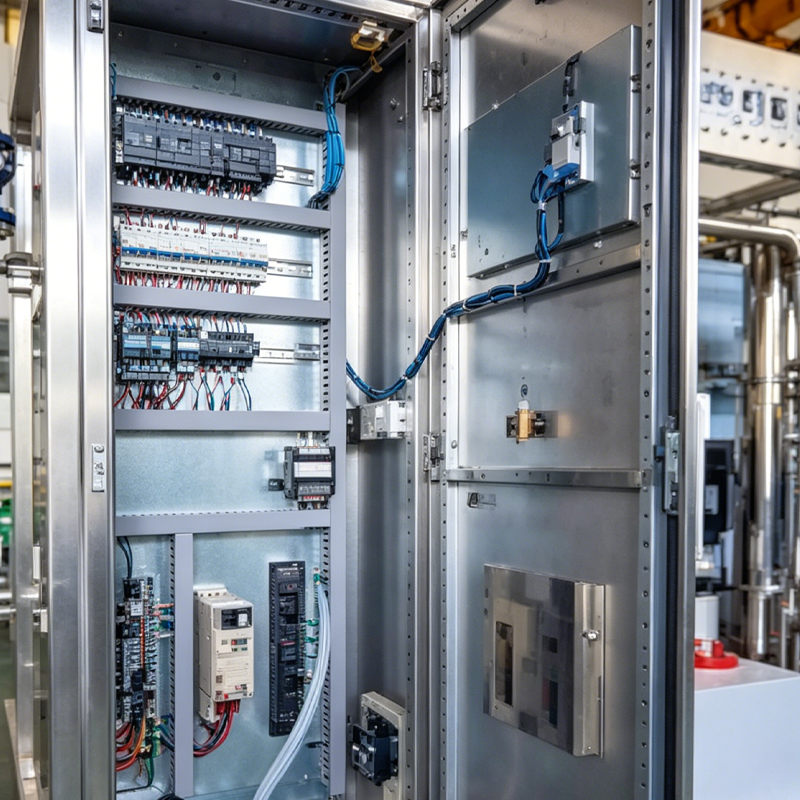
The intelligent control system can automatically manage heating, cooling, cleaning cycles, and production parameters. This not only improves processing consistency but also reduces downtime and simplifies equipment management.
Key efficiency improvements include:
- Precise temperature control: Advanced sensors and control systems maintain stable sterilization conditions.
- Continuous production capability: The equipment supports uninterrupted processing, improving production capacity.
- Reduced human intervention: Automated operation decreases operational complexity and minimizes errors.
- Optimized energy consumption: Heat recovery and efficient thermal management help improve overall energy utilization.
- Simplified maintenance management: Integrated monitoring makes equipment inspection and troubleshooting easier.
For food manufacturers, these features contribute to higher productivity and more reliable product quality.
What Are the Key Features of an Automatic UHT Sterilizer?
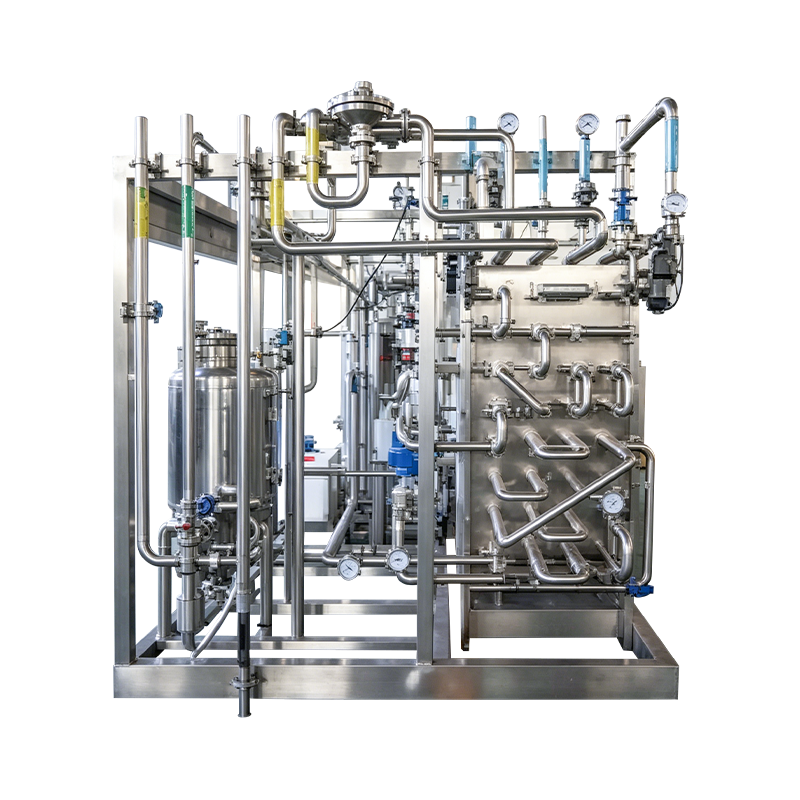
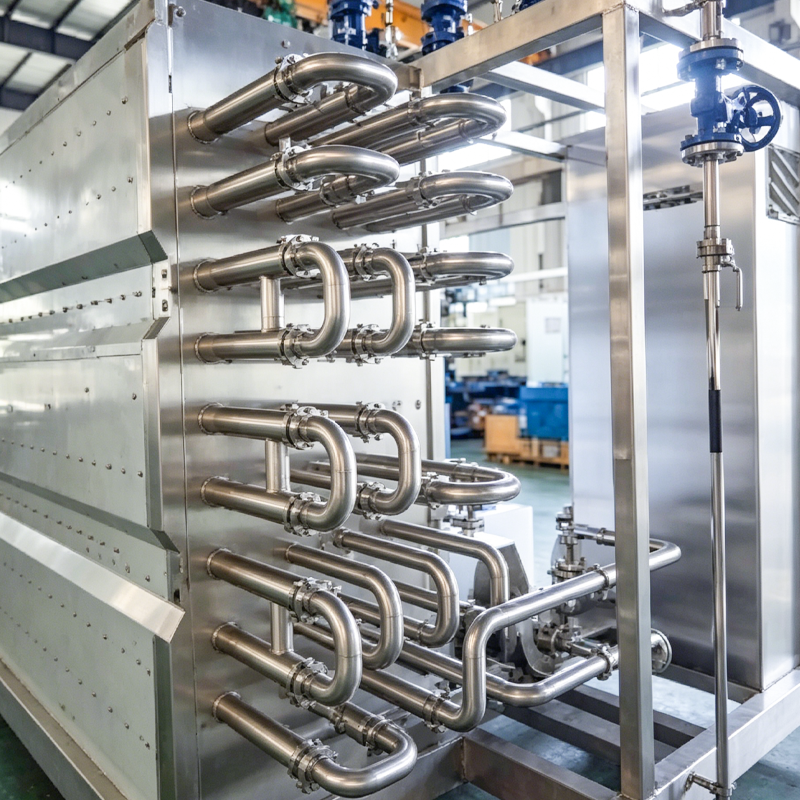
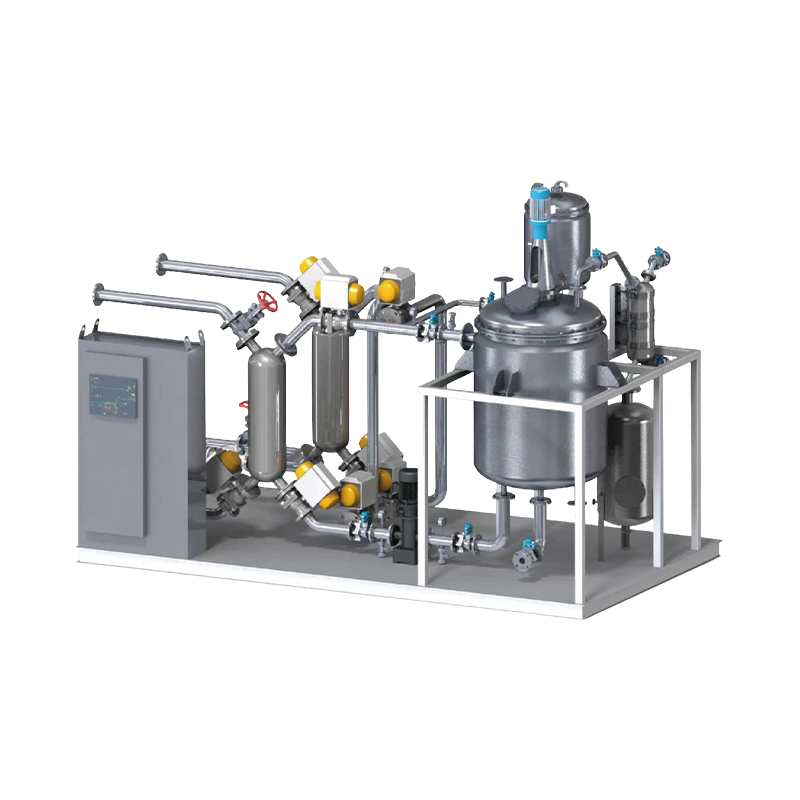
An automatic UHT sterilizer combines multiple functional components to provide efficient and hygienic processing. The design usually focuses on heat transfer efficiency, material safety, operational stability, and cleaning convenience.
| Feature | Function | Production Benefit |
|---|---|---|
| Automated control system | Monitors and adjusts processing parameters | Improves operation accuracy |
| Stainless steel processing structure | Provides corrosion resistance and hygiene performance | Suitable for food-grade applications |
| Efficient heat exchange system | Transfers thermal energy effectively | Reduces energy waste |
| CIP compatibility | Supports cleaning without complete disassembly | Improves maintenance efficiency |
| Safety protection system | Detects abnormal operating conditions | Enhances equipment reliability |
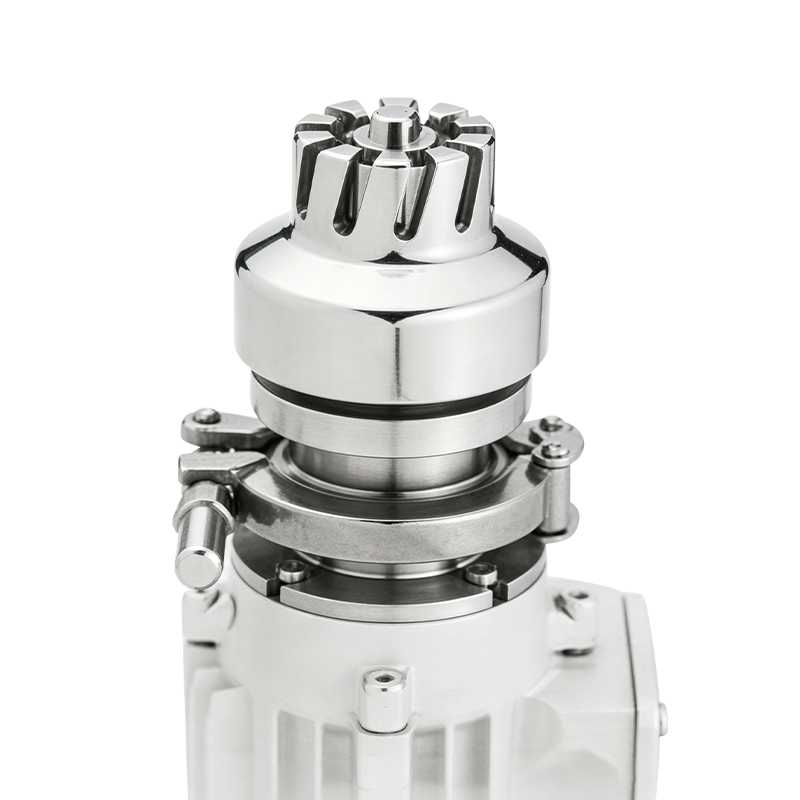
The use of food-grade stainless steel materials is particularly important because they provide durability, corrosion resistance, and compliance with hygienic processing requirements. Proper material selection helps prevent contamination risks and supports long-term operation.
How Does UHT Sterilization Support Different Food Processing Applications?
Automatic UHT sterilizers are widely used for liquid food products that require safe storage and stable quality. The technology is especially suitable for products sensitive to microbial contamination and requiring extended shelf life.
| Application Area | Typical Products | Main Processing Requirement |
|---|---|---|
| Dairy processing | Milk, cream, liquid dairy products | Microbial reduction and quality preservation |
| Beverage production | Juice drinks, functional beverages | Maintaining flavor and stability |
| Nutritional products | Liquid supplements and formulas | Hygienic processing and controlled heating |
| Liquid food manufacturing | Sauces and liquid-based foods | Safe processing and consistent texture |
By providing reliable sterilization performance, UHT systems help manufacturers meet increasing demands for safe, convenient, and high-quality food products.
Why Choose Us Shiloc?
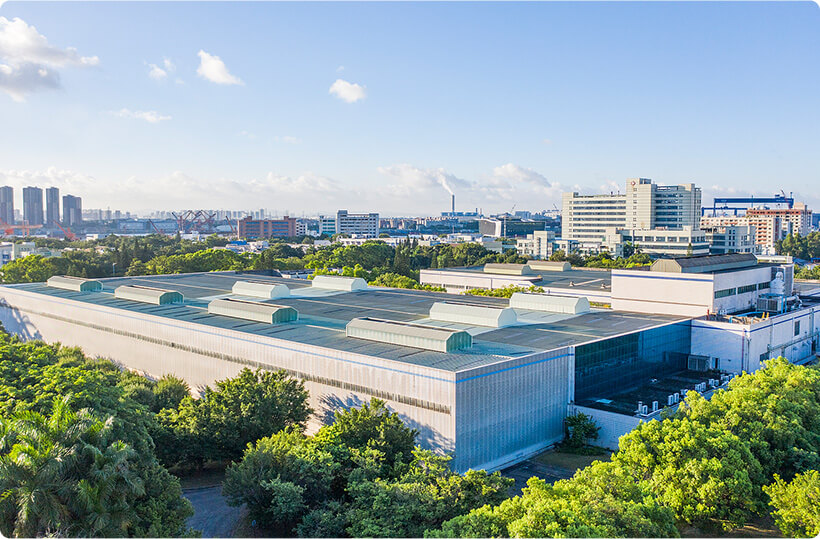
Shiloc (Shanghai) Industrial Trade Co., Ltd. is a comprehensive trading company approved by the Ministry of Commerce, specializing in the import and export of goods, technology, and engineering technical services. The company focuses on providing integrated solutions related to equipment manufacturing, international trade services, and engineering support.
With a comprehensive service system and strict quality control procedures, Shiloc helps customers achieve safe and efficient equipment delivery. The company also provides personalized solutions according to different processing requirements, supporting customers in selecting suitable food processing equipment and improving production efficiency.
Through professional international trade services and technical coordination capabilities, Shiloc connects customers with reliable equipment solutions while ensuring smooth communication and project implementation.
What Factors Should Be Considered When Selecting a UHT Sterilizer?
Choosing a suitable automatic UHT sterilizer requires consideration of production requirements, product characteristics, and operational goals. Different food products may require different temperature control strategies, processing capacities, and equipment configurations.
Important selection factors include:
- Product characteristics: Viscosity, sensitivity to heat, and formulation requirements affect sterilization methods.
- Production capacity: Equipment specifications should match the expected processing volume.
- Automation level: Higher automation improves consistency and reduces operational workload.
- Cleaning requirements: Efficient cleaning systems help maintain hygienic conditions.
- Material quality: Food-grade materials ensure durability and safe product contact.
A properly selected UHT sterilization system can improve production efficiency while maintaining product safety and quality stability.
Conclusion
An automatic UHT (ultra-high temperature) sterilizer improves sterilization efficiency in food processing by combining rapid heat treatment, automated control, efficient heat exchange, and hygienic design. It enables manufacturers to achieve consistent sterilization results, reduce operational complexity, and enhance production reliability.
As food processing continues to focus on safety, efficiency, and quality preservation, advanced UHT sterilization equipment will remain an essential technology for modern liquid food production. By integrating automation and precise process management, these systems provide a practical solution for improving overall food manufacturing performance.
FAQ
Q1: What is the main purpose of an automatic UHT sterilizer?
An automatic UHT sterilizer is designed to eliminate microorganisms in liquid food products through ultra-high temperature treatment while maintaining product quality and extending shelf stability.
Q2: How does an automatic UHT sterilizer improve production efficiency?
It improves efficiency through automated operation, precise temperature control, continuous processing capability, and reduced manual intervention.
Q3: What materials are commonly used in UHT sterilization equipment?
Food-grade stainless steel is commonly used because it provides corrosion resistance, durability, and hygienic performance for food processing environments.
Q4: Can an automatic UHT sterilizer be used for different food products?
Yes. It can be applied to various liquid foods, including dairy products, beverages, nutritional products, and other heat-treated liquid products.
Q5: Why is automation important in UHT sterilization systems?
Automation ensures stable process control, improves sterilization consistency, reduces operational errors, and supports efficient long-term production.


