
 English
 русский
 Português
 Français


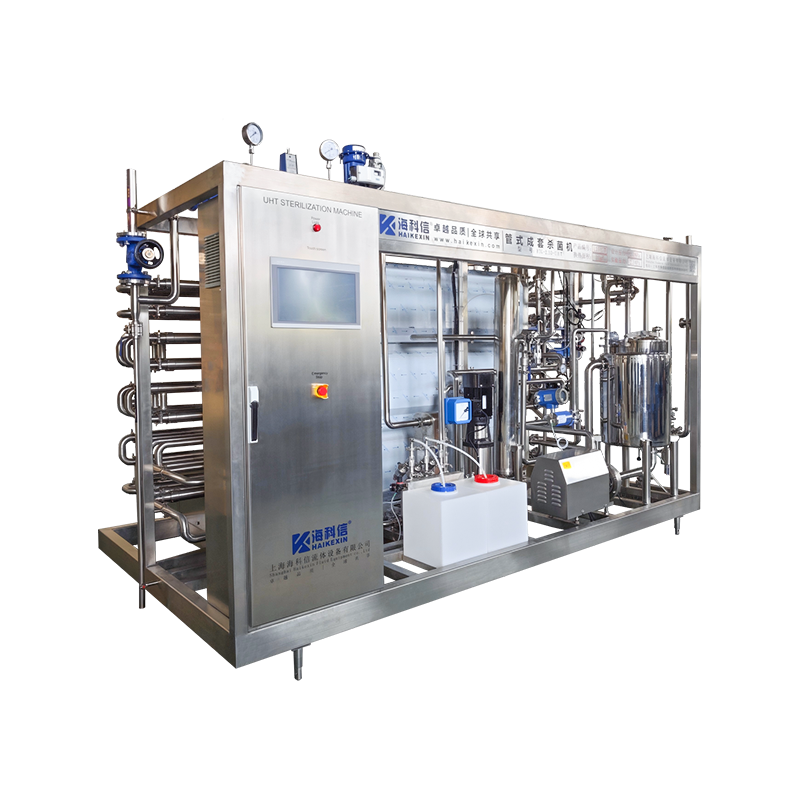
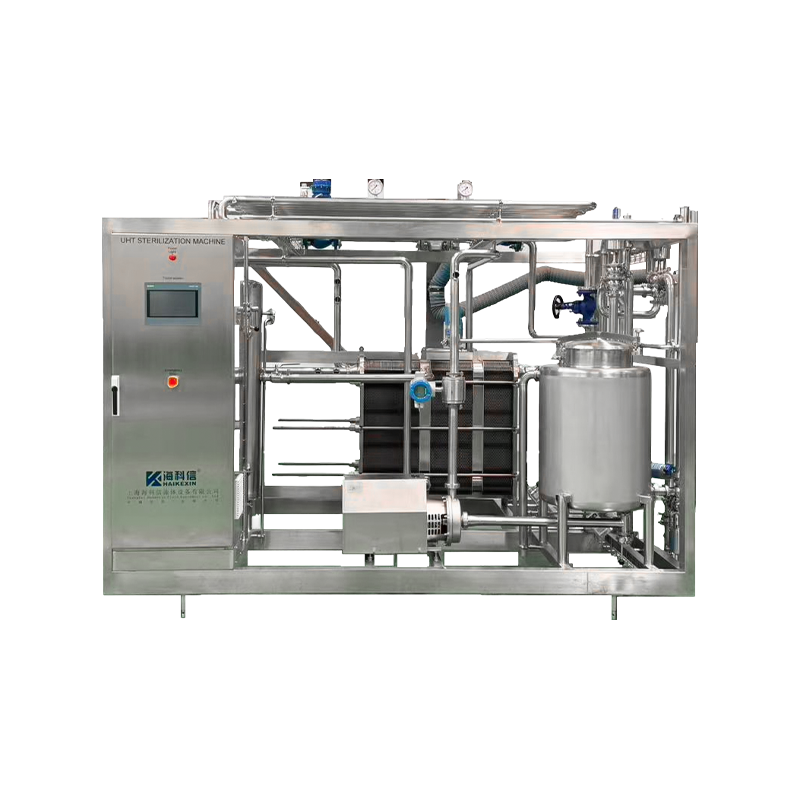
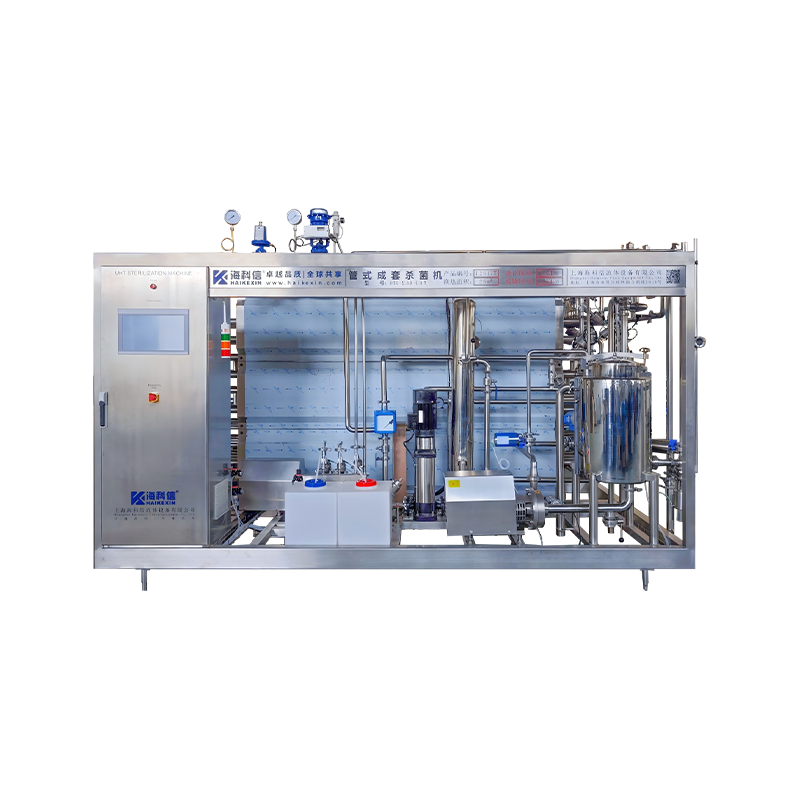
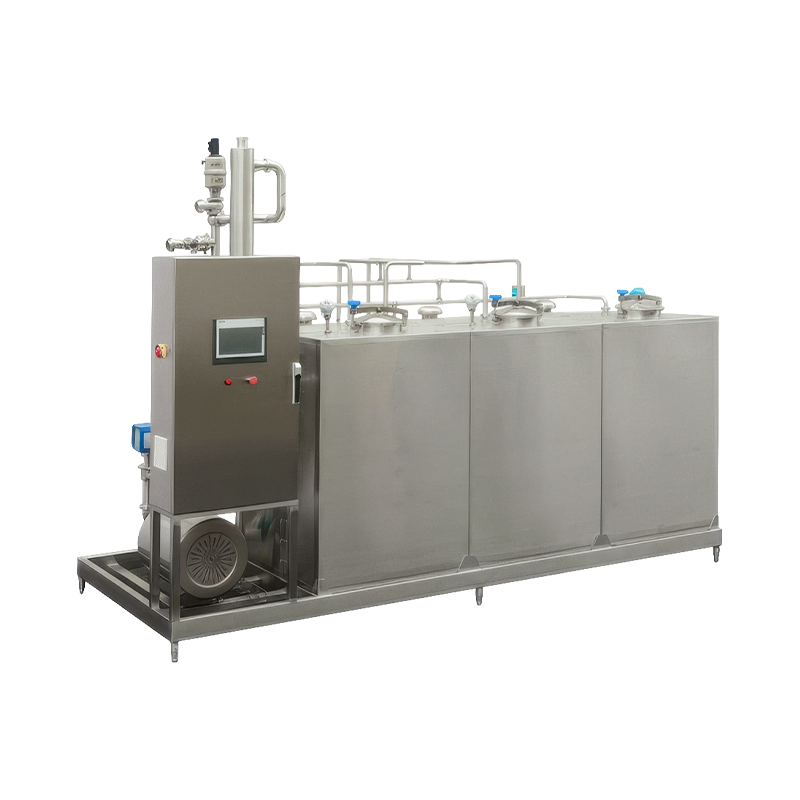
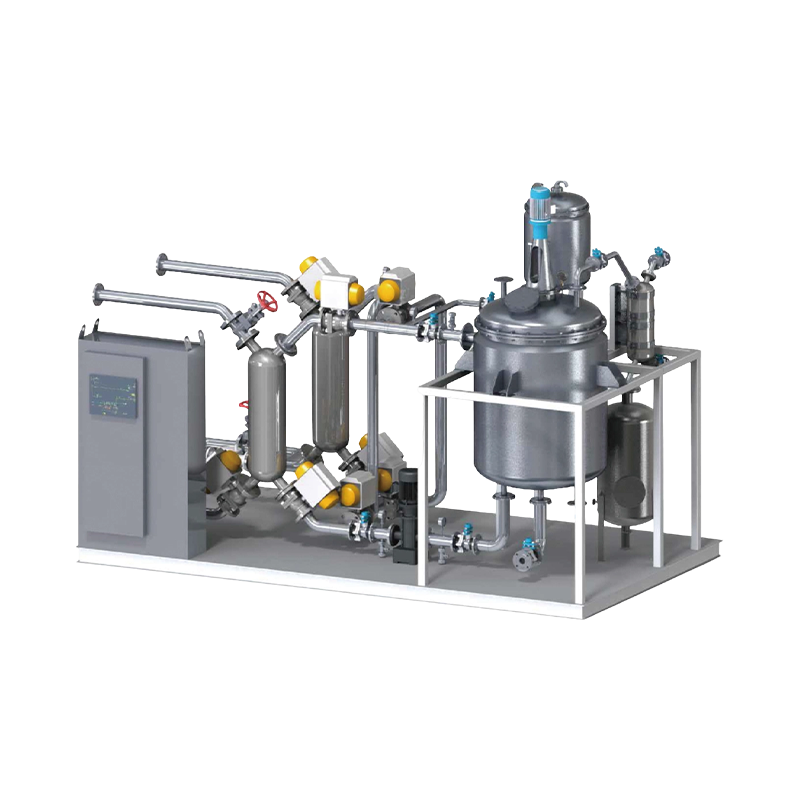
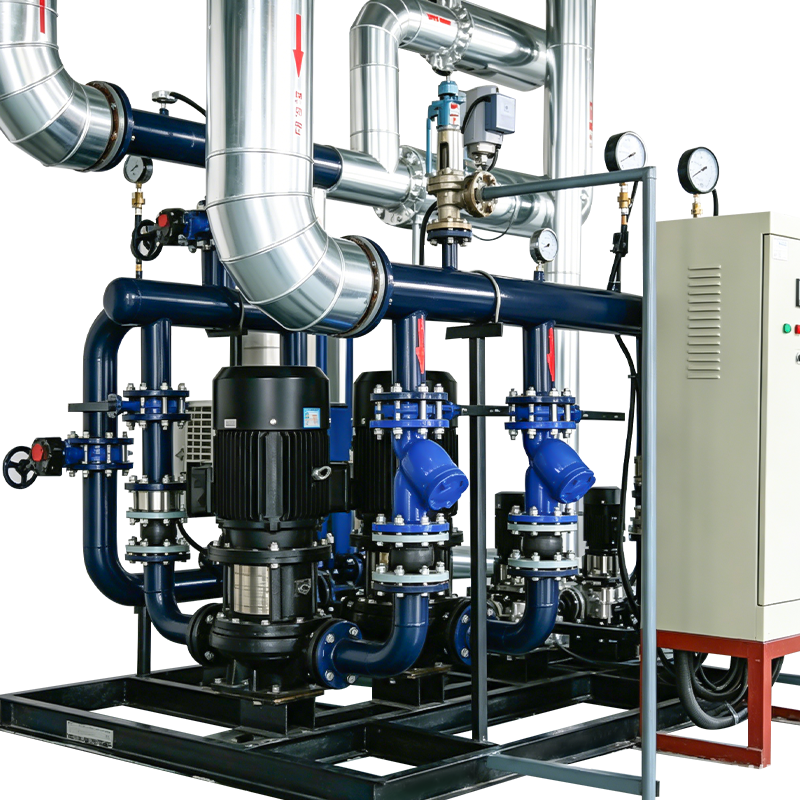
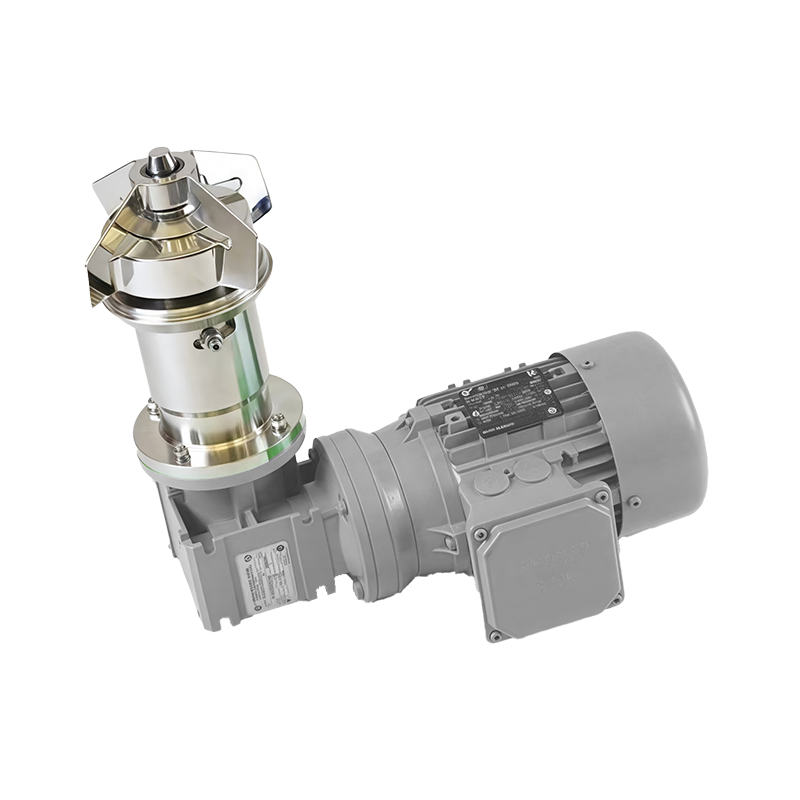
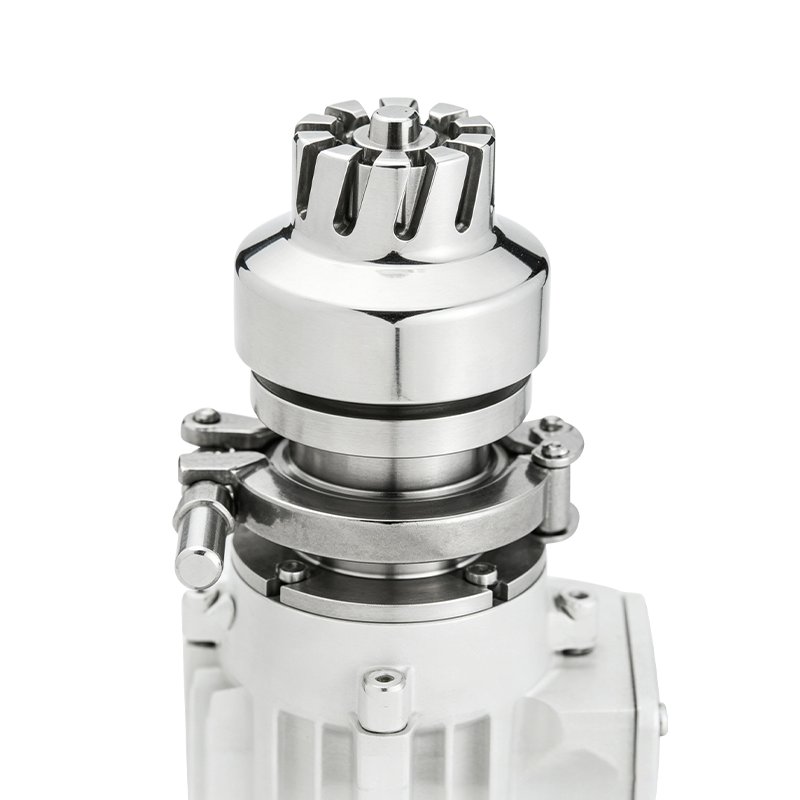
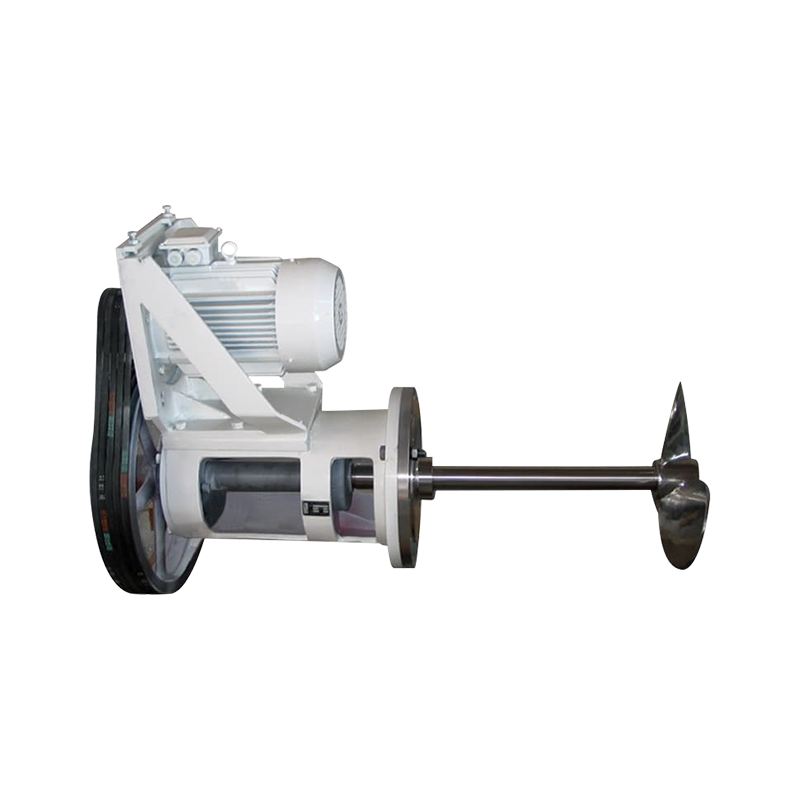
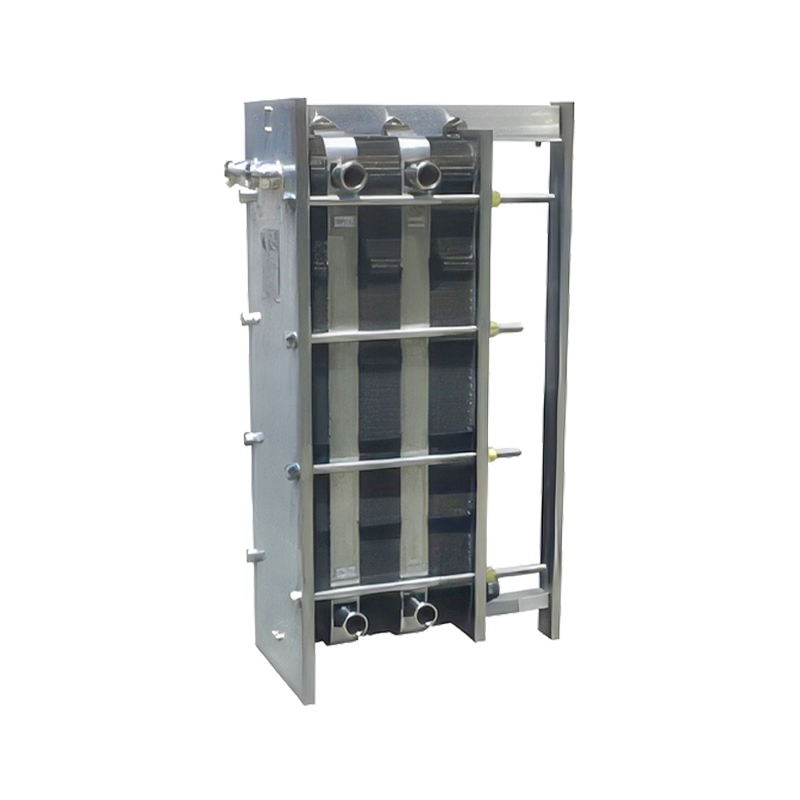
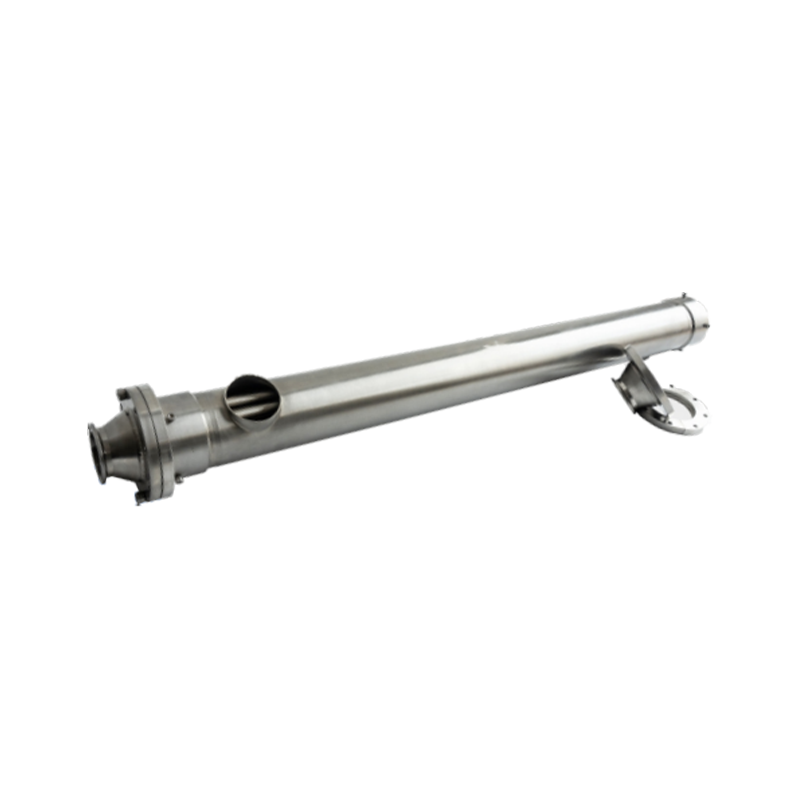
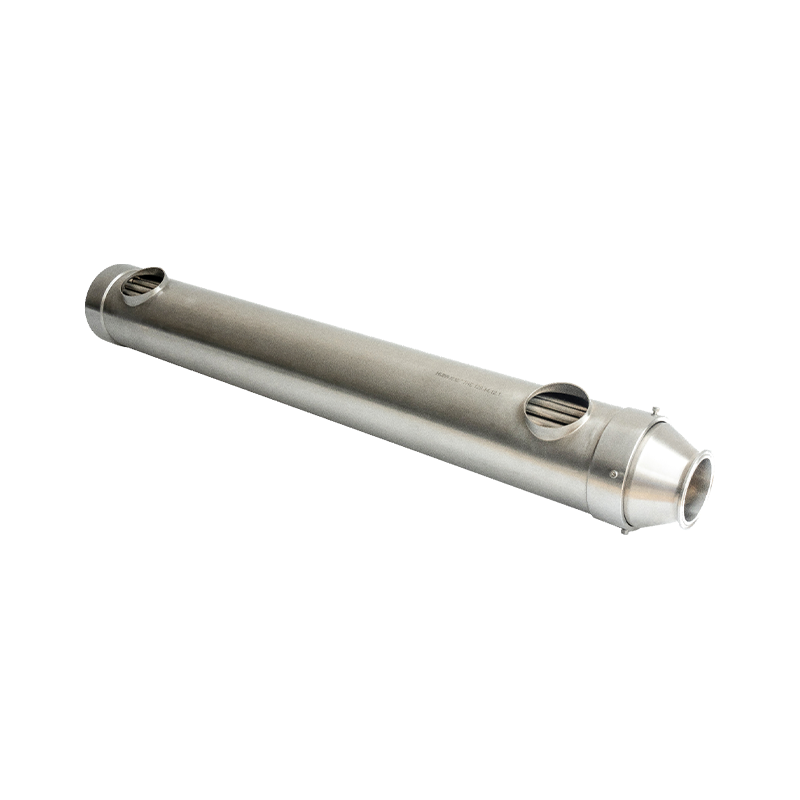
Automatic Milk Pasteurizer
An Automatic Milk Pasteurizer is designed to heat milk to a controlled temperature for a defined holding period before cooling it to the required processing or storage temperature. Automated temperature regulation, process timing, and product flow control help manufacturers maintain repeatable pasteurization conditions while reducing routine manual intervention.
CONTROL
Heating, holding, cooling, and transfer functions are coordinated according to the selected process configuration.
Automated Control Across the Pasteurization Cycle
Automatic milk pasteurizers are used in dairy processing facilities to reduce the presence of unwanted microorganisms through controlled heat treatment. Depending on the production design, the system may use batch processing or continuous flow processing. Heating can be provided through a jacketed vessel, plate heat exchanger, or another suitable thermal arrangement.
The automation system coordinates temperature monitoring, heating operation, holding time, cooling, and relevant transfer functions. Operators can manage process parameters through a control interface, while sensors and control devices provide feedback during operation. The equipment configuration can be selected according to daily processing volume, milk characteristics, downstream equipment, and the required pasteurization method.
Four Stages of Milk Pasteurization
The following sequence illustrates the main functions of a typical automated pasteurization process. Actual operating conditions depend on the selected process and applicable dairy regulations.
Milk Feeding and Preparation
Raw milk enters the processing system through the designated inlet. Depending on the production line, preliminary filtration, balance tanks, pumps, and flow regulation devices may be incorporated to support stable feeding.
Controlled Heating
Milk passes through the heating section or is heated inside a processing vessel. The control system monitors the temperature and regulates the heating medium to achieve the configured treatment condition.
Defined Temperature Holding
After reaching the target treatment temperature, the milk is maintained under the specified holding conditions. In continuous systems, holding tubes or equivalent arrangements provide the required residence time at the designed flow rate.
Cooling and Transfer
Following heat treatment, milk is cooled to the required downstream temperature. It can then be transferred to a storage tank, filling machine, or another processing unit according to the production line arrangement.
What the Automatic Control System Manages
Control functions can be configured according to equipment type, process requirements, and the level of automation selected for the dairy facility.
Values shown are control categories, not fixed operating specifications.
Temperature Monitoring
Temperature sensors provide process feedback for heating and cooling control.
Time and Sequence Control
Configured process timing and operating sequences help coordinate treatment stages.
Pump and Valve Coordination
Selected pumps and valves operate according to the system's process logic.
Alarm and Status Indication
Configured alarms can indicate abnormal operating conditions or process deviations.
Choose a Pasteurizer Structure for the Production Requirement
Automatic milk pasteurizers can be designed in different configurations. The selection depends on processing capacity, operating method, available utilities, and the required connection with other dairy equipment.
Automatic Batch Milk Pasteurizer
Uses a processing tank to heat, hold, and cool a defined quantity of milk. It can be suitable for dairy operations that process milk in separate batches or require flexible production scheduling.
- Jacketed or indirect heating arrangement
- Agitation where required by the process
- Temperature and holding-time control
- Integrated or separate cooling arrangement
Automatic Continuous Milk Pasteurizer
Processes milk through a coordinated flow path, commonly using heat exchangers and a holding section. It can be integrated into continuous dairy production lines with suitable flow and temperature controls.
- Plate or tubular heat exchange section
- Holding tube or designed holding arrangement
- Product flow and temperature monitoring
- Cooling and downstream transfer connection
Equipment Elements and Their Functions
| Component | Primary Function | Configuration Consideration |
|---|---|---|
| Milk Processing Tank | Holds milk during batch treatment or serves as a buffer vessel. | Tank volume, internal structure, insulation, and cleaning access. |
| Heat Exchanger | Transfers thermal energy between milk and the heating or cooling medium. | Plate or tubular structure, heat transfer area, and product characteristics. |
| Holding Section | Provides the designed residence time during continuous treatment. | Holding volume, flow rate, and process validation requirements. |
| Product Pump | Moves milk through the processing circuit. | Flow range, pressure requirements, and hygienic design. |
| Temperature Sensors | Measure product or process temperatures. | Measurement locations, response characteristics, and calibration. |
| Control Cabinet | Coordinates equipment operation and displays process status. | Control logic, interface requirements, and electrical standards. |
| Valves and Pipeline | Direct product flow and connect processing sections. | Product-contact materials, connection standards, and cleaning arrangement. |
Where Automatic Milk Pasteurizers Are Used
Fluid Milk Processing
Pasteurization before refrigerated storage and packaging of drinking milk.
Yogurt and Fermented Dairy Production
Heat treatment of milk before subsequent cooling, culture addition, and fermentation, according to the product process.
Cheese Manufacturing
Milk heat treatment as part of the preparation process before coagulation and further cheese processing.
Dairy Ingredient Production
Controlled thermal processing of milk used in selected dairy ingredient and food manufacturing operations.
Small and Medium Dairy Plants
Batch or continuous pasteurization for facilities with production requirements suited to the selected system capacity.
Information to Confirm Before Ordering
Providing clear production and utility requirements helps determine the appropriate equipment structure and avoid mismatches between the pasteurizer and the rest of the dairy line.
Processing Capacity
Specify the required batch volume or continuous processing rate, together with expected operating hours.
Pasteurization Method
Confirm the required treatment process, temperature, holding time, and applicable local dairy regulations.
Heating and Cooling Utilities
Provide available steam, hot water, chilled water, or other utility conditions for system design.
Product Contact and Hygiene
Discuss wetted material requirements, surface finish, pipeline connections, drainage, and cleaning procedures.
Production Line Integration
Identify upstream filtration and storage equipment, as well as downstream tanks, fermentation systems, or filling machines.
Electrical and Installation Conditions
Confirm site power supply, control requirements, installation space, and local electrical standards.
Cleaning, Maintenance, and Process Reliability
Product Contact Surfaces
Materials and surface finishes in contact with milk should be selected according to food-processing requirements and the intended cleaning procedure.
Cleaning Arrangement
Cleaning-in-place capability, where required, should be considered during system design, including cleaning flow paths, spray devices, and compatible connections.
Inspection and Service
Accessible sensors, valves, pumps, and electrical components support routine inspection, calibration, and maintenance activities.
Equipment automation supports process control but does not replace the need to validate the complete pasteurization process, including temperature measurement, holding time, flow conditions, and applicable food safety procedures.
Automatic Milk Pasteurizer FAQs
Practical answers for dairy processors evaluating equipment configuration and production requirements.
What is an automatic milk pasteurizer?
An automatic milk pasteurizer is a dairy processing machine that applies controlled heat treatment to milk. Depending on its configuration, it can automatically manage heating, temperature monitoring, holding time, cooling, and product transfer functions.
What is the difference between batch and continuous milk pasteurization?
Batch pasteurization treats a defined quantity of milk inside a vessel before the next batch is processed. Continuous pasteurization moves milk through a processing circuit at a controlled flow rate. The appropriate method depends on production volume, process requirements, and line configuration.
Can the pasteurizer be configured for different production capacities?
Yes. Equipment dimensions and processing arrangements can be evaluated according to the required batch volume or continuous flow rate. The final configuration should also account for heating and cooling capacity, available utilities, and downstream production requirements.
Does an automatic milk pasteurizer include a cooling function?
Cooling can be incorporated into the system or provided by a connected cooling unit. The arrangement depends on the selected equipment design and the temperature required by the next processing stage.
Can the equipment connect to a yogurt or cheese production line?
Yes. A pasteurizer can be designed with suitable outlet connections, transfer pumps, and control interfaces for integration with yogurt, cheese, or other dairy processing equipment. Product flow, temperature, and process sequence should be coordinated during line design.
Can the system support automatic cleaning?
Cleaning-in-place functions can be considered where supported by the equipment configuration. The cleaning circuit, detergent requirements, temperature conditions, and cleaning sequence should be specified according to the plant's hygiene procedures.
What information is needed for an equipment quotation?
Typical information includes required processing capacity, batch or continuous operation, pasteurization method, heating and cooling utilities, product contact material requirements, automation level, installation conditions, and the equipment that must connect to the pasteurizer.