

 English
 русский
 Português
 Français


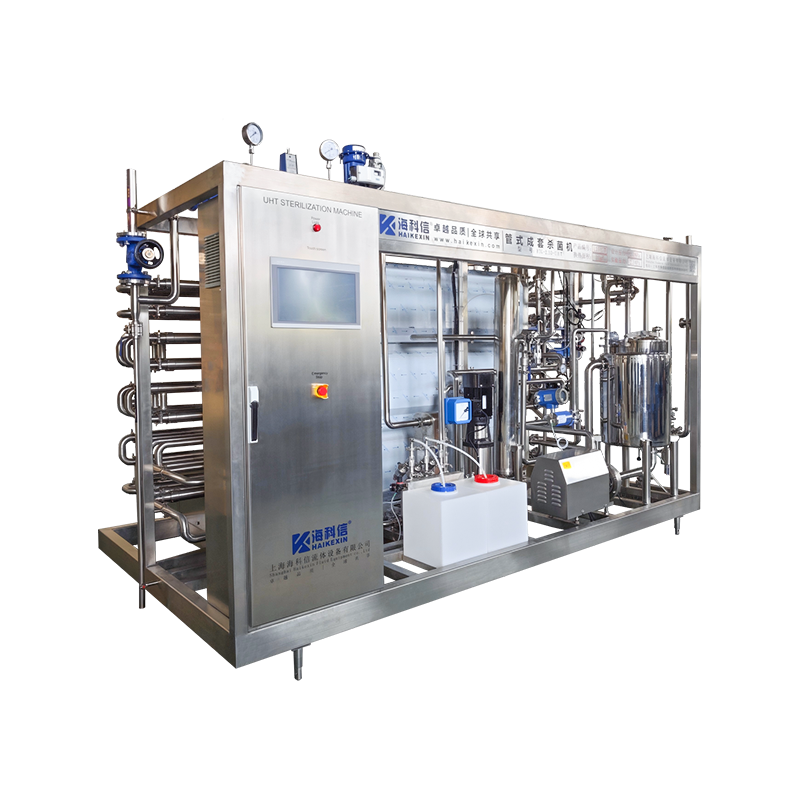
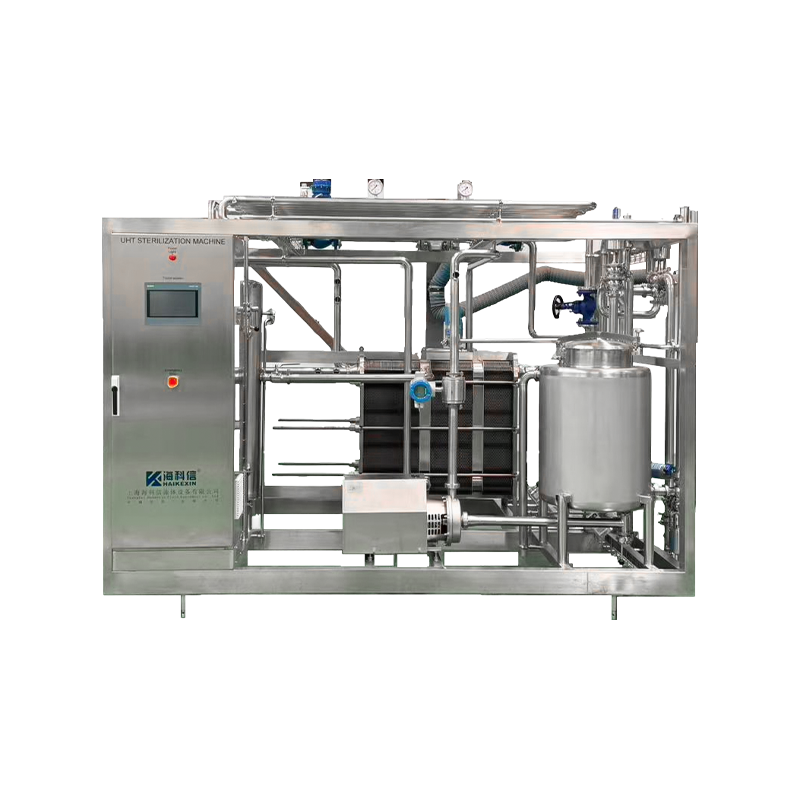
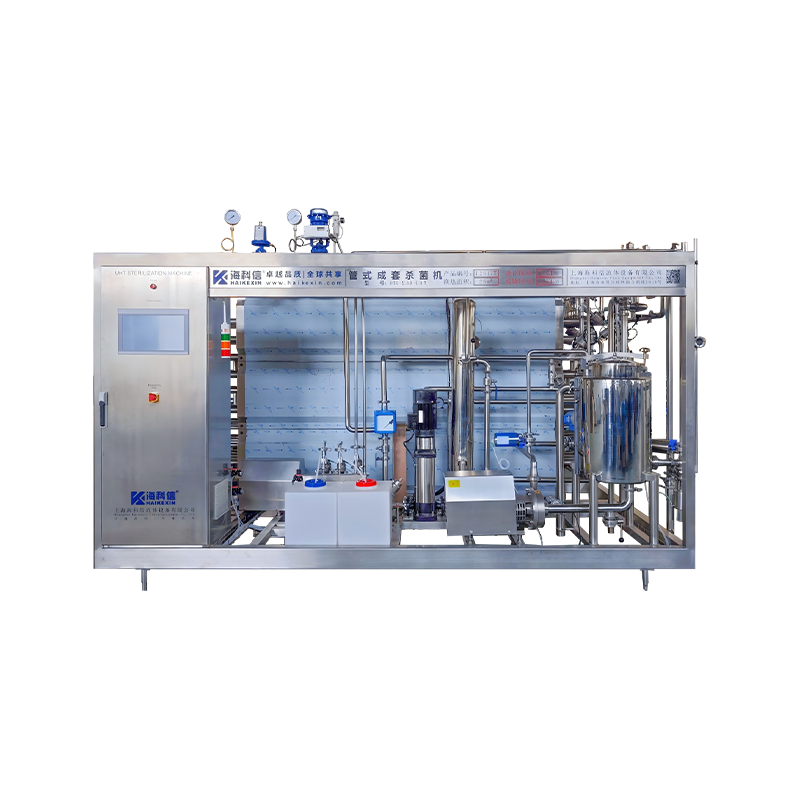
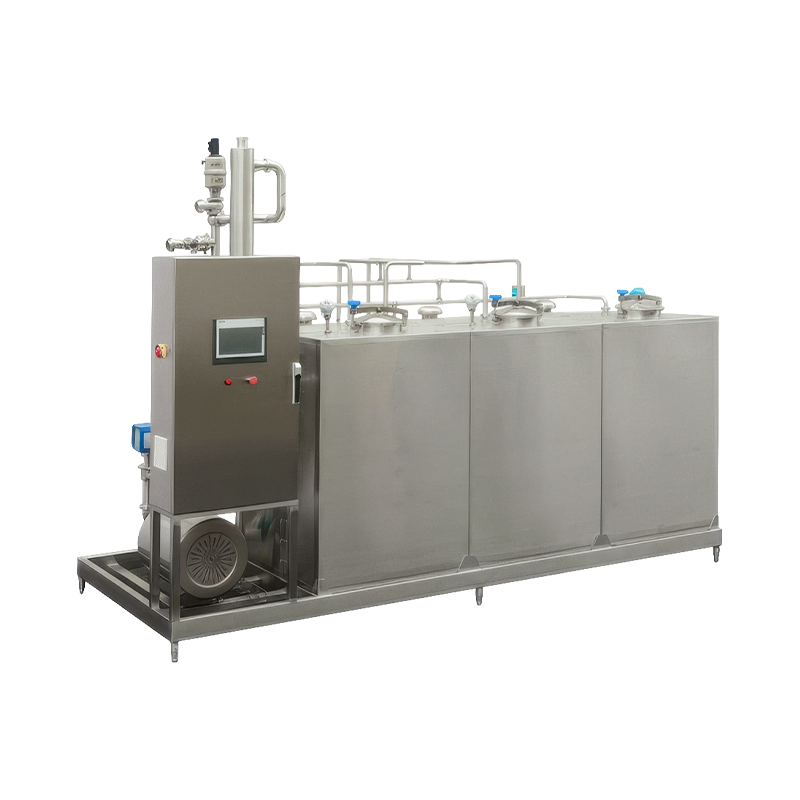
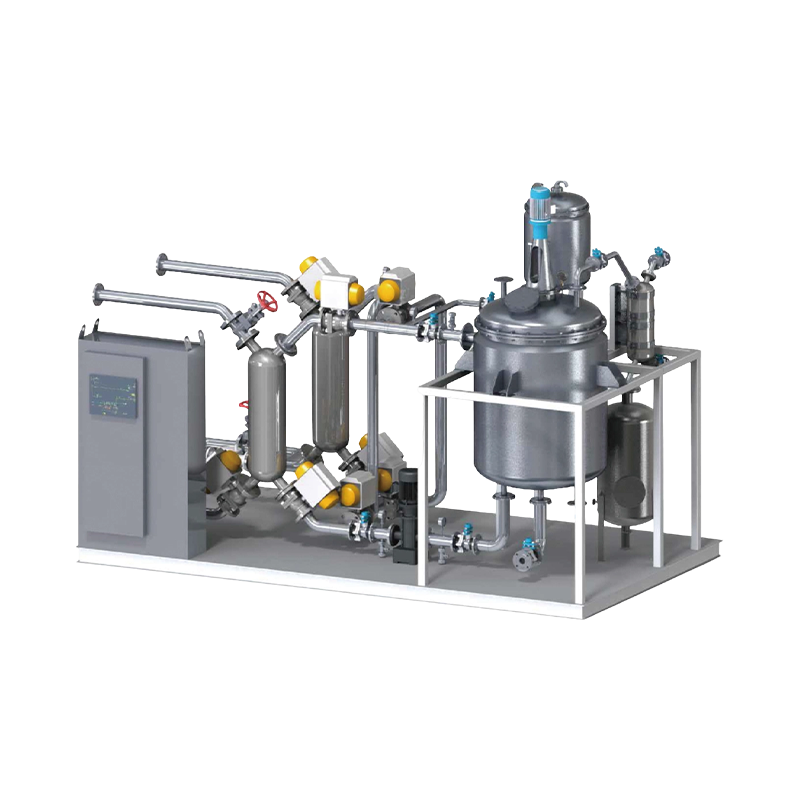
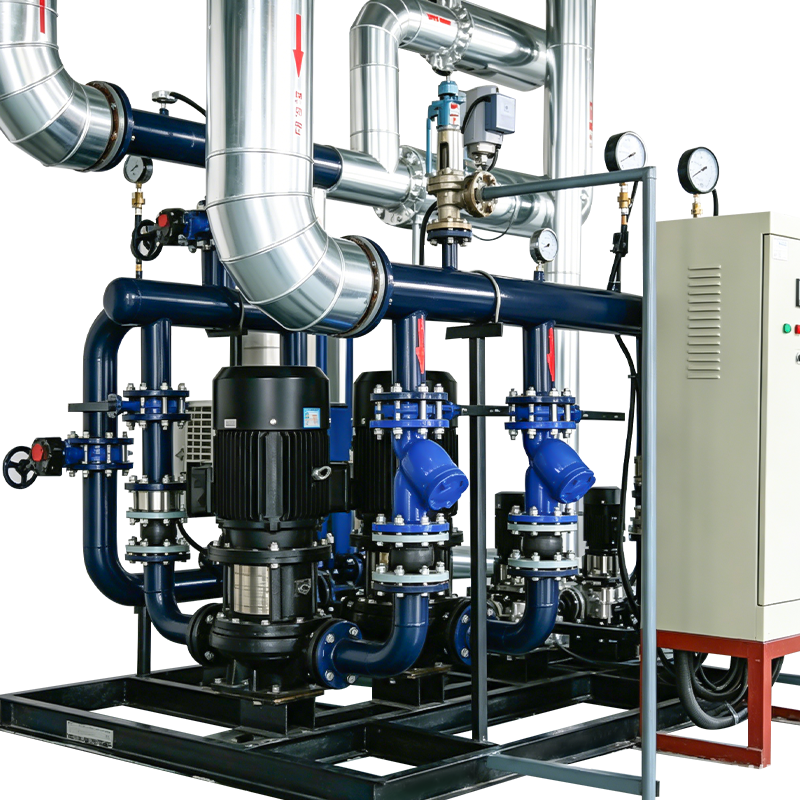
HTST Milk Pasteurization System
An integrated thermal processing system designed to heat milk to a controlled pasteurization temperature, maintain the required holding time, and cool it before downstream processing or storage. The system combines product heating, holding, cooling, pumping, and process monitoring within a coordinated production line.
Continuous thermal treatment for liquid milk processing
System Overview
The HTST Milk Pasteurization System uses a continuous processing method to reduce pathogenic microorganisms in milk through controlled heat treatment. Milk passes through a series of thermal and process-control sections, allowing temperature and residence time to be managed according to the applicable pasteurization requirements.
A typical installation uses a plate heat exchanger, balance tank, product pump, holding tube, temperature monitoring devices, flow diversion arrangement, and control cabinet. Depending on the production process, the system can also incorporate homogenization, separation, filtration, and automated cleaning connections.
System configuration is determined by milk throughput, incoming product temperature, required outlet temperature, cooling medium, available utilities, plant layout, and the intended downstream process. The equipment can be arranged as a standalone pasteurization unit or integrated into a larger dairy processing line.
How the HTST Pasteurization Process Works
Each processing stage has a defined role in controlling product movement, heat transfer, and the final milk temperature.
Milk Feeding
Raw milk enters the balance tank, which helps maintain a stable product supply to the processing circuit.
Preheating
Incoming milk can be preheated through heat recovery from the outgoing pasteurized product, reducing the external heating demand.
Final Heating
The heating section raises milk to the specified pasteurization temperature using the selected heating medium.
Holding
Milk passes through a holding tube designed to provide the required residence time at the specified treatment temperature.
Temperature Verification and Flow Diversion
The control system monitors the process temperature. When the required conditions are not met, a flow diversion arrangement can redirect product according to the system design.
Cooling and Discharge
Pasteurized milk is cooled through the heat exchanger and transferred to a storage tank, homogenizer, filling line, or another downstream process.
Actual process temperatures, holding times, flow rates, and diversion settings must be established according to the applicable food safety regulations, product characteristics, and validated process requirements.
Key Components Within the Pasteurization Line
The equipment arrangement connects thermal treatment with product handling and process protection. Component selection depends on the required production capacity, operating conditions, cleaning method, and degree of automation.
Balance Tank
Provides a controlled product supply and helps maintain stable feeding conditions.
Product Pump
Moves milk through the processing circuit at the required operating flow rate.
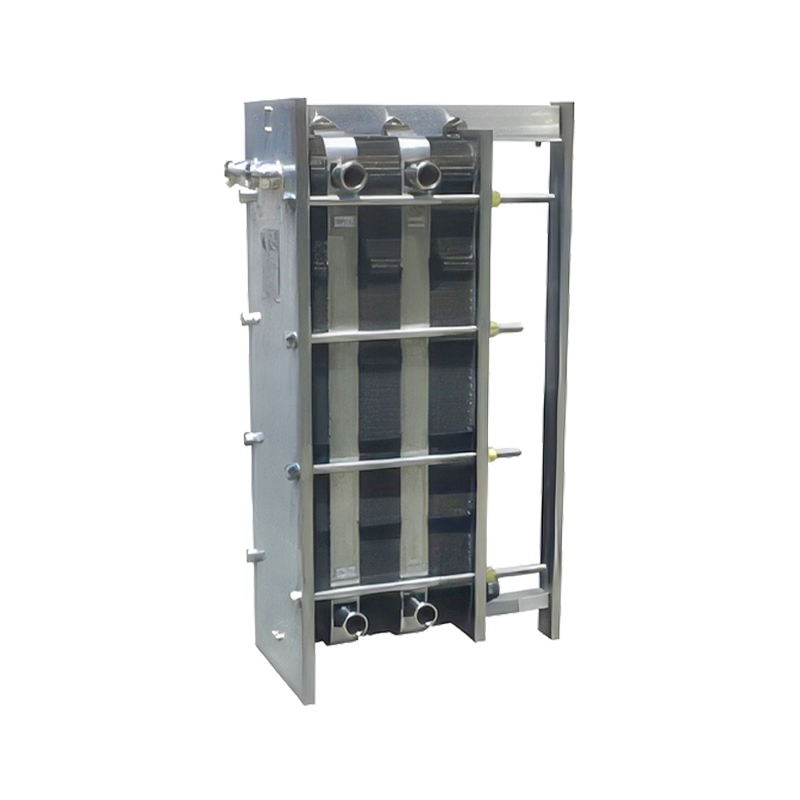
Plate Heat Exchanger
Transfers heat between product and heating or cooling media through separate flow channels.
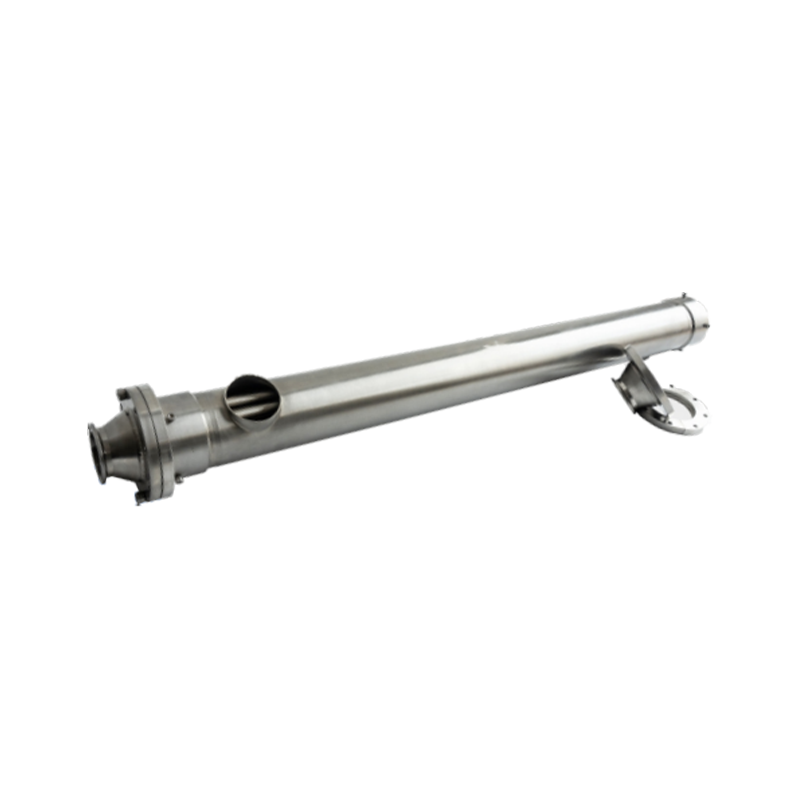
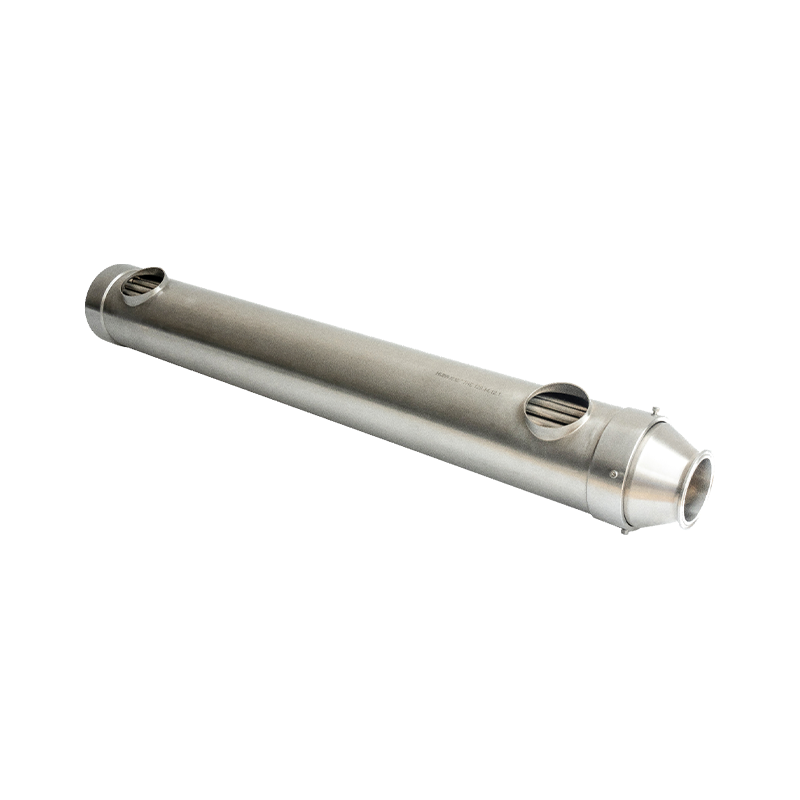
Holding Tube
Provides the designed product residence time during thermal treatment.
Temperature Instruments
Measure and transmit process temperature data for monitoring and control.
Control and Valve Assembly
Coordinates product flow, operating sequences, alarms, and diversion functions where specified.
Heating, Heat Recovery and Cooling
Thermal configuration influences energy consumption, product temperature stability, and the operating requirements of the pasteurization line.
Product Heating
A heating medium transfers energy to the milk through the heat exchanger. Hot water or another suitable heating arrangement can be selected according to the required process conditions and plant utilities.
- Controlled heating temperature
- Product-side flow management
- Heating medium coordination
Heat Recovery
In regenerative sections, outgoing pasteurized milk transfers part of its heat to incoming raw milk. This arrangement can reduce the additional heating and cooling load required during continuous operation.
- Product-to-product heat exchange
- Reduced external energy demand
- Integrated thermal circulation
Product Cooling
After the holding stage, milk is cooled to the target discharge temperature. Cooling water, chilled water, or another specified cooling medium can be incorporated into the system design.
- Controlled outlet temperature
- Cooling medium compatibility
- Connection to downstream storage
Process Monitoring and Product Protection
Reliable pasteurization depends on coordinated control of temperature, flow, and holding conditions. Instrumentation and control logic should be selected according to the required process standard and plant operating procedures.
Three Important Process Variables
Temperature, flow rate, and holding time are interdependent. Changes in product flow can affect residence time, while temperature deviations may require an automatic response from the control system.
Temperature Monitoring
Tracks milk temperature at designated points in the heating, holding, and cooling sections.
Flow Rate Regulation
Maintains the specified product flow conditions associated with the designed holding time.
Flow Diversion Protection
Can redirect product when monitored conditions fall outside the configured operating limits.
Operating Records
Depending on the control configuration, process data, alarms, and operating events can be recorded for production review.
Where the System Is Used
HTST milk pasteurization equipment is used in dairy facilities that require continuous heat treatment before milk storage, further processing, or packaging.
Fluid Milk Production
Pasteurization of milk intended for refrigerated distribution and retail packaging.
Yogurt and Fermented Dairy Processing
Thermal treatment of milk before subsequent formulation, inoculation, and fermentation stages, where the process design permits.
Cheese Manufacturing
Milk pasteurization before transfer to cheese-making and coagulation processes, subject to product and process requirements.
Dairy Ingredient Preparation
Thermal processing of milk used in the preparation of selected dairy ingredients and intermediate products.
Centralized Dairy Processing Plants
Integration into production facilities that supply pasteurized milk to multiple downstream processing or filling sections.
Connection with Upstream and Downstream Equipment
Before Pasteurization
Raw milk receiving and preparation equipment can be connected to the pasteurization system according to the production sequence.
After Pasteurization
Pasteurized milk can be transferred to refrigerated storage or connected to subsequent processing and packaging equipment.
The final connection arrangement should consider pipe routing, product transfer distance, hygienic design, cleaning circulation, utility access, and the operating sequence of the complete production line.
Information Required for System Configuration
Providing process and facility information during the quotation stage helps determine the appropriate equipment arrangement and technical scope.
Configuration for Different Dairy Production Requirements
A milk pasteurization system should be configured around the customer's actual production process rather than selected solely by nominal capacity. Equipment dimensions, heat exchanger sections, holding tube arrangement, piping connections, and control functions all influence the final system design.
Equipment sizing based on the required milk processing throughput.
Arrangement of heating, holding, cooling, and auxiliary sections.
Selection of instruments, valves, alarms, and automation functions.
Coordination with existing or newly installed dairy equipment.
Frequently Asked Questions
Common technical considerations when selecting an HTST milk pasteurization system.
What does HTST mean in milk pasteurization?
HTST stands for High Temperature Short Time. It is a continuous pasteurization method in which milk is heated to a specified temperature, held for a defined period, and then cooled. The exact time and temperature depend on the applicable regulations, product characteristics, and validated process requirements.
What is the function of the holding tube?
The holding tube provides the required residence time for milk at the pasteurization temperature. Its design is related to product flow rate, tube dimensions, and the required holding conditions. The complete system must be designed and verified to maintain the specified treatment conditions.
Why is a flow diversion valve used?
A flow diversion valve helps prevent product that has not met the configured pasteurization conditions from proceeding to the pasteurized product outlet. Its operation is coordinated with temperature monitoring and the system control logic.
Can the system recover heat during processing?
Yes. A regenerative heat exchange section can transfer heat from outgoing pasteurized milk to incoming raw milk. This reduces the amount of external heating and cooling energy required, depending on the system design and operating conditions.
Can the pasteurization system connect to a homogenizer?
Yes. A homogenizer can be incorporated into the processing line when required by the milk product and production sequence. Its position in the line should be determined according to the process design and equipment operating requirements.
How is the system cleaned between production runs?
The system can be configured for Clean-in-Place (CIP) operations. The cleaning circuit, valve arrangement, flow conditions, cleaning sequence, and chemical requirements should be established according to the equipment design and the dairy plant's validated sanitation procedures.
What information is needed to request a quotation?
Useful information includes required processing capacity, milk characteristics, target pasteurization conditions, cooling requirements, automation preferences, available utilities, installation space, and the equipment that needs to connect to the system. These details help define the technical configuration and quotation scope.