

 English
 русский
 Português
 Français




What are the main differences between flange-type and quick-connect shell and tube heat exchangers?
Shell and tube heat exchangers are widely used in food, pharmaceutical, beverage, and chemical processing industries because of their reliable heat transfer performance and flexible structural design. Among different configurations, flange-type and quick-connect models are two common solutions selected according to installation conditions, hygiene requirements, and maintenance frequency. Understanding their structural differences helps users choose the most suitable equipment for specific production environments.
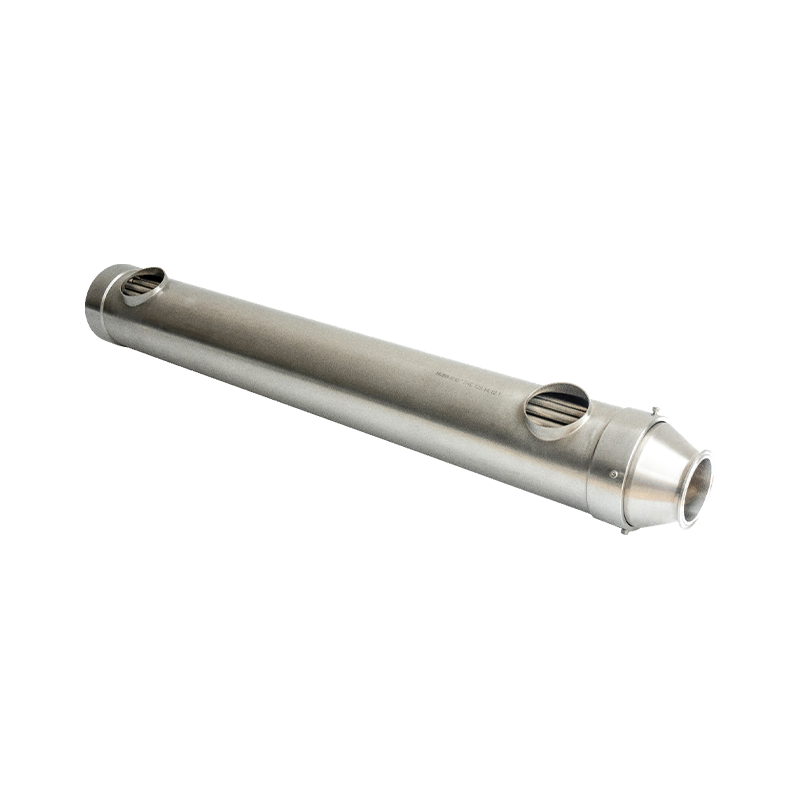
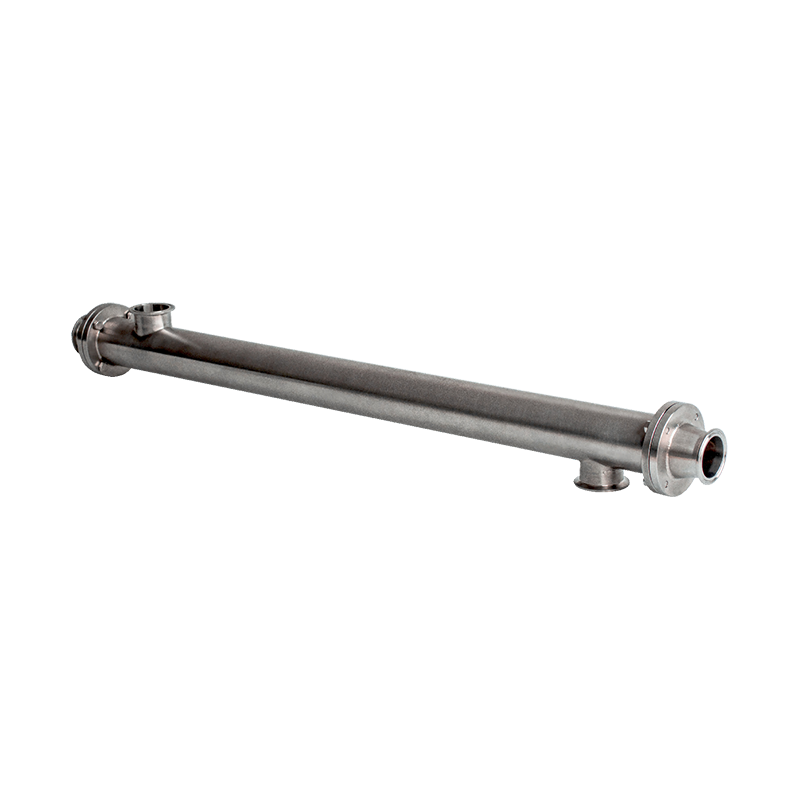
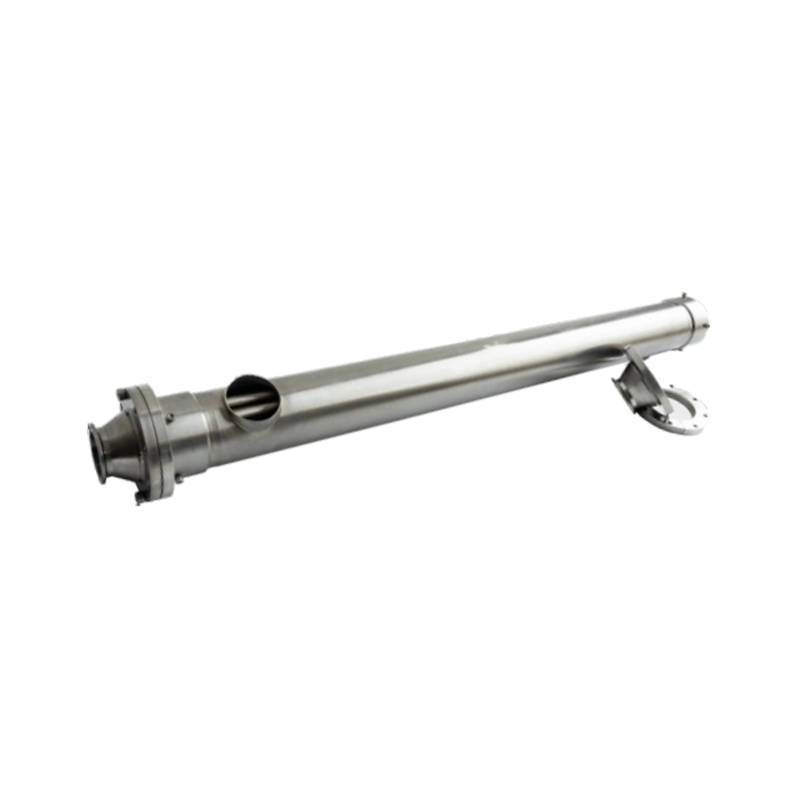
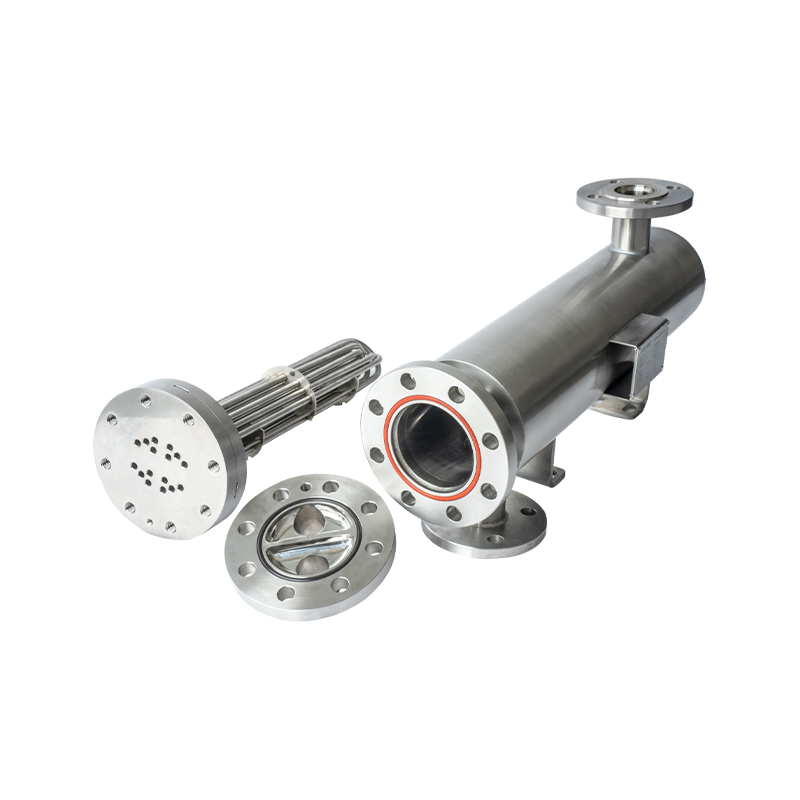
The Shell And Tube Heat Exchanger-Quick connect Type is designed for applications requiring frequent cleaning, rapid disassembly, and hygienic operation. Compared with traditional flange-connected equipment, quick-connect structures simplify installation and reduce downtime. The product uses stainless steel construction and hygienic clamp connections, allowing efficient heat exchange between two media through tube walls while supporting heating, cooling, and condensation processes.
1. Quick-connect Shell and Tube Heat Exchanger: Hygienic Design for Frequent Maintenance
The quick-connect shell and tube heat exchanger is positioned as a flexible heat transfer solution for industries with strict hygiene standards. Unlike conventional flange connections that require multiple bolts and tightening procedures, this category adopts hygienic clamp fittings that enable faster assembly, removal, and pipeline connection. The structure is especially suitable for production environments where equipment cleaning and product changeovers occur frequently.
The Shell And Tube Heat Exchanger-Quick connect Type integrates a dead-leg-free internal structure, reducing residue accumulation and supporting clean-in-place (CIP) procedures. The tube and shell configuration provides stable heat exchange performance, while internal baffles improve fluid turbulence and enhance heat transfer efficiency. Counter-current flow between the inner and outer tubes further improves thermal performance for different processing requirements.
This type of equipment is commonly applied in dairy processing, beverage production, pharmaceutical liquid treatment, and food manufacturing. Typical applications include milk pasteurization, juice heating and cooling, pharmaceutical liquid sterilization, and temperature control of sauces or egg-based products. The major advantage is that operators can complete cleaning and inspection procedures more efficiently without lengthy flange disassembly operations.
- Quick-clamp connections simplify equipment installation and replacement.
- Food-grade stainless steel 304/316L materials support hygienic production.
- Dead-leg-free channels reduce residue risk during processing.
- Compatibility with CIP and manual cleaning improves maintenance flexibility.
For customers requiring customized heat exchange solutions, Shiloc (Shanghai) Industrial Trade Co., Ltd. provides equipment design and engineering support for pharmaceutical, food, daily chemical, and fine chemical industries. The company focuses on heat exchangers and aseptic mixing equipment, combining European technical experience with Danish design concepts to deliver hygienic and practical processing solutions.
2. Flange-type Shell and Tube Heat Exchanger: Traditional Structure for Stable Operation
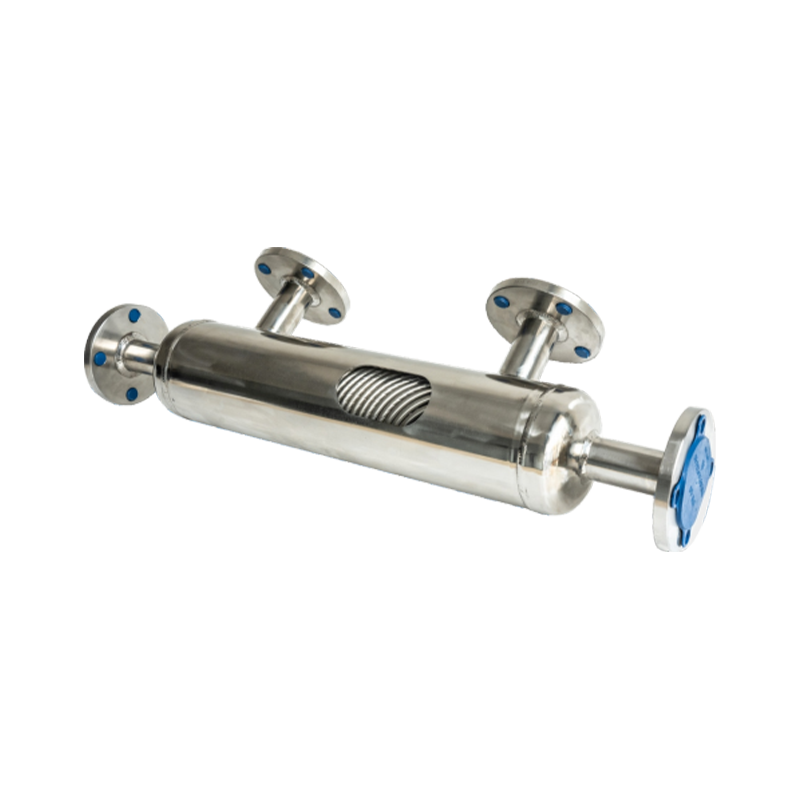
The flange-type shell and tube heat exchanger is a conventional design widely used in industrial systems requiring long-term continuous operation. Its connection method uses flanges secured with bolts, providing strong mechanical stability under standard industrial temperature and pressure conditions. This structure is often selected for applications where equipment does not require frequent opening or cleaning.
Compared with the Shell And Tube Heat Exchanger-Quick connect Type, flange-type models emphasize structural strength and fixed installation reliability rather than rapid maintenance. The flange connection creates a durable sealing system that is suitable for large processing systems, utility heating applications, and processes where equipment access frequency is relatively low.
Flange-type heat exchangers are generally applied in industrial heating and cooling systems, including water circulation, steam heating, and process fluid temperature control. Their robust design makes them suitable for environments where mechanical durability is a priority. However, when cleaning or inspection is required, operators need more time to remove bolts, separate connection surfaces, and reinstall seals.
| Comparison Item | Quick-connect Type | Flange Type |
| Connection Method | Hygienic clamp connection | Bolted flange connection |
| Maintenance Speed | Fast disassembly and cleaning | Requires more installation steps |
| Main Applications | Food, beverage, pharmaceutical processing | Industrial heating and cooling systems |
| Cleaning Method | CIP and disassembly cleaning | Mainly maintenance cleaning |
Shiloc (Shanghai) Industrial Trade Co., Ltd. also provides engineering and technical services for different process requirements. With a Shanghai production facility, professional technical specialists, and internal processing capabilities including welding and polishing, the company can support customized equipment solutions with traceable manufacturing processes.
3. Sanitary Shell and Tube Heat Exchanger Solutions for High-cleanliness Industries
Sanitary shell and tube heat exchangers represent a specialized product category developed for industries requiring strict control of contamination risks. These systems focus on hygienic structure, smooth internal surfaces, and compatibility with cleaning procedures. The Shell And Tube Heat Exchanger-Quick connect Type belongs to this category because it combines shell-and-tube heat transfer technology with quick maintenance capability.
The main technical feature of sanitary designs is the optimization of product-contact areas. The internal channels are designed to minimize dead spaces where materials may remain after processing. Together with stainless steel 304/316L contact materials and hygienic connections, the equipment supports stable operation in applications involving sensitive liquids.
Typical users include dairy manufacturers, beverage producers, pharmaceutical companies, and fine chemical processors. These industries require reliable heat transfer while maintaining strict hygiene standards. The quick-connect structure provides additional benefits because operators can quickly access internal components for inspection, seal replacement, and cleaning verification.
- Confirm process requirements including media type, cleaning method, and installation environment.
- Select suitable tube specifications and connection designs according to production conditions.
- Install and align quick clamps or flange connections correctly before operation.
- Perform regular inspection and cleaning procedures to maintain performance.
Technical Advantages of Quick-connect Hygienic Equipment
The quick-connect structure provides several practical improvements compared with traditional designs. It reduces installation time because no extensive flange bolt tightening is required. It also supports frequent process adjustments because operators can modify piping arrangements more conveniently. The combination of efficient heat transfer and flexible maintenance makes this solution suitable for modern hygienic production lines.
The product range developed by Shiloc (Shanghai) Industrial Trade Co., Ltd. follows strict quality control procedures. The company maintains ISO9001, environmental, and safety certification systems, ensuring that each unit meets hygiene and performance requirements before delivery. Through international supply resources and professional engineering capabilities, the company provides comprehensive solutions for customers requiring reliable process equipment.
Common Applications and Maintenance Considerations
Different shell and tube heat exchanger categories serve different production conditions. Quick-connect models are preferred where cleaning frequency is high, while flange-type systems are suitable for stable long-term operation. Regardless of the structure, proper maintenance is essential to maintain heat transfer performance and prevent unexpected downtime.
Common issues include reduced heat exchange efficiency caused by fouling, leakage from connection seals, and product residue after cleaning. Operators should regularly check tube surfaces, confirm stable media flow, inspect sealing components, and ensure cleaning procedures cover all contact areas.
- Align quick-clamp fittings and seals correctly during installation.
- Increase operating pressure and temperature gradually before full production.
- Carry out CIP procedures according to production requirements.
- Replace aged seals and remove accumulated fouling during inspection.
Frequently Asked Questions
Q1: What is the main difference between flange-type and quick-connect shell and tube heat exchangers?
The main difference is the connection structure. Flange-type models use bolted connections for strong fixed installation, while quick-connect models use hygienic clamps for faster assembly, cleaning, and maintenance.
Q2: Why is the Shell And Tube Heat Exchanger-Quick connect Type suitable for food and pharmaceutical industries?
The equipment uses hygienic connections, stainless steel contact materials, and dead-leg-free internal structures, which help reduce contamination risks and support CIP cleaning procedures.
Q3: Can quick-connect heat exchangers support different production capacities?
Yes. Different tube numbers, tube diameters, and shell-side configurations can be selected according to operating conditions and processing requirements.
Q4: What solutions does Shiloc (Shanghai) Industrial Trade Co., Ltd. provide for heat exchanger projects?
The company provides heat exchanger design, manufacturing support, import and export services, and engineering technical solutions for pharmaceutical, food, daily chemical, and fine chemical industries.


