

 English
 русский
 Português
 Français



What Is an Intelligent Industrial Heat Exchanger Unit and How Does It Work?
Modern industrial production depends heavily on stable and efficient heat transfer. Whether in chemical processing, pharmaceutical manufacturing, food production, energy systems, or precision manufacturing, maintaining the correct process temperature directly affects product quality, equipment reliability, and operating costs. As industries continue to pursue automation and digital transformation, the intelligent industrial heat exchanger unit has become an increasingly important solution for optimizing thermal management.
Unlike conventional heat exchange equipment that primarily focuses on transferring heat, intelligent systems combine advanced control technology, sensors, automation, and communication capabilities to continuously monitor and optimize thermal performance. This enables manufacturers to improve operational stability while reducing unnecessary energy consumption and maintenance requirements.
What Is an Intelligent Industrial Heat Exchanger Unit?
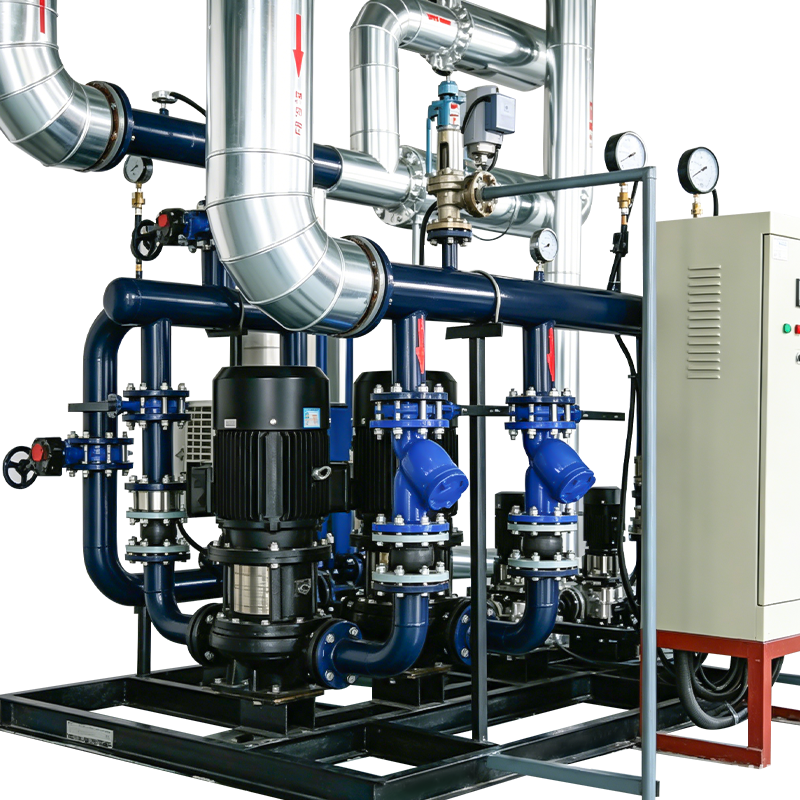
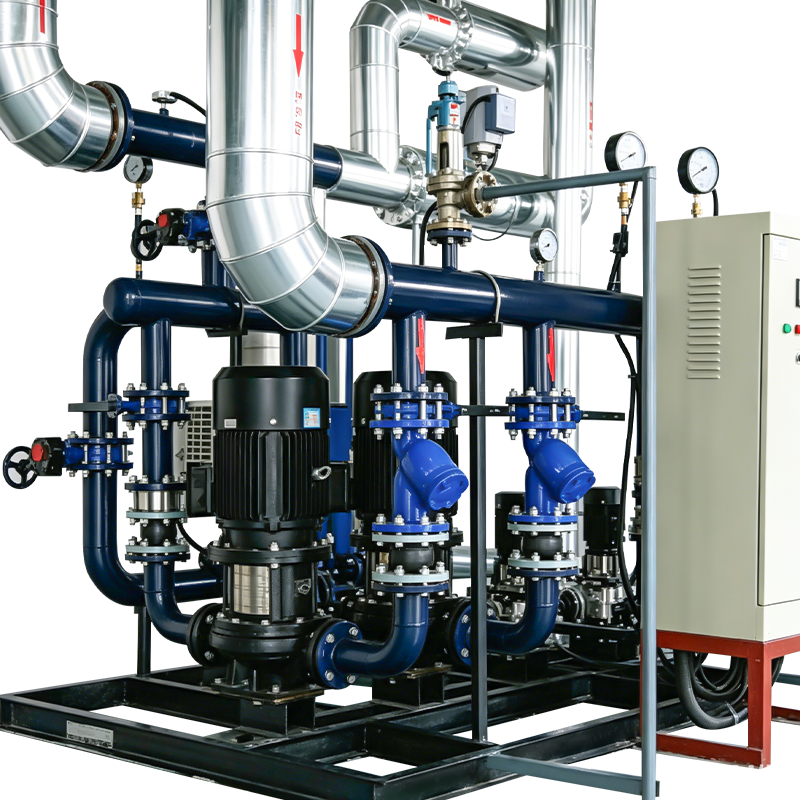
An intelligent industrial heat exchanger unit is an integrated thermal management system designed to transfer heat efficiently between two process media while automatically monitoring and controlling operating conditions in real time.
The system typically combines multiple functional components into one compact solution, including:
- Heat exchanger
- Intelligent control system
- Temperature sensors
- Pressure sensors
- Flow meters
- Automated control valves
- Circulation pumps
- PLC or industrial controller
- Human-machine interface (HMI)
- Safety protection devices
Instead of relying on manual adjustments, the intelligent controller continuously analyzes operating data and automatically regulates flow rates, temperatures, and valve positions to maintain optimal heat transfer efficiency.
This integrated design makes the unit suitable for both new installations and upgrades to existing industrial process lines.
How Does an Intelligent Industrial Heat Exchanger Unit Work?
The working principle is based on efficient heat transfer combined with intelligent process control.
First, two different fluids—typically a hot medium and a cold medium—flow through separate channels inside the heat exchanger. Heat passes through the metal surface without allowing the fluids to mix.
Meanwhile, sensors installed throughout the system continuously collect operating parameters such as:
- Inlet temperature
- Outlet temperature
- Flow rate
- Pressure
- Differential pressure
- Equipment status
The intelligent controller processes these measurements in real time. If process conditions change, the controller automatically adjusts pumps, valves, or flow rates to maintain the desired operating temperature.
The control process can be summarized as follows:
| System Function | Intelligent Operation | Industrial Benefit |
|---|---|---|
| Temperature monitoring | Continuous sensor feedback | Stable product quality |
| Flow regulation | Automatic valve adjustment | Optimized heat transfer |
| Pressure monitoring | Real-time protection | Improved equipment safety |
| Energy optimization | Adaptive operating strategy | Reduced energy consumption |
| Fault detection | Automatic alarm and diagnostics | Faster maintenance response |
| Data recording | Process history storage | Easier production management |
This closed-loop control significantly improves process consistency compared with conventional manually operated heat exchangers.
Key Components of an Intelligent Industrial Heat Exchanger Unit
Each component contributes to overall system performance.
Heat Exchanger Core
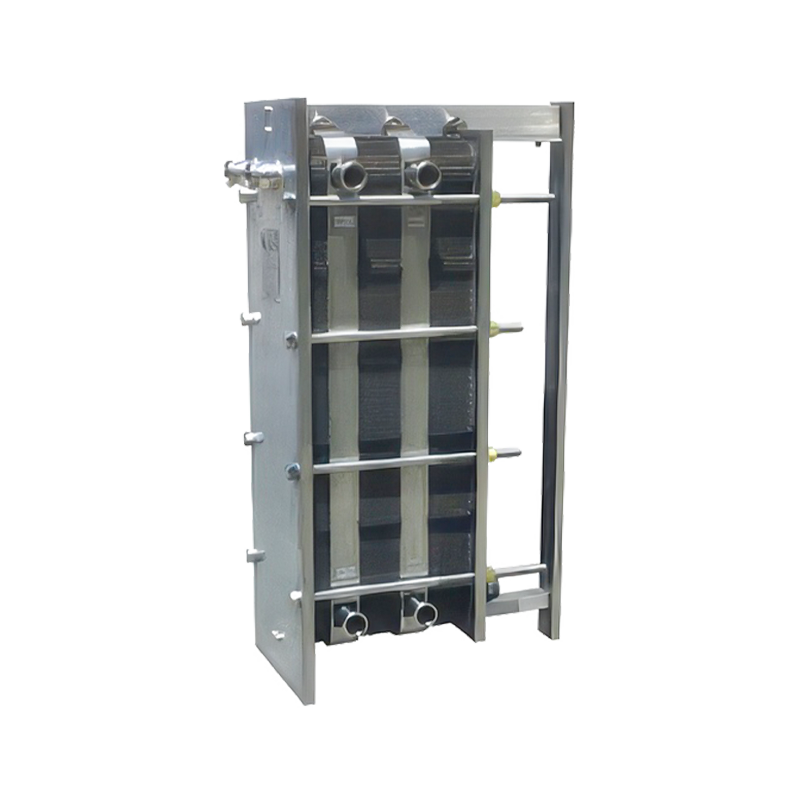
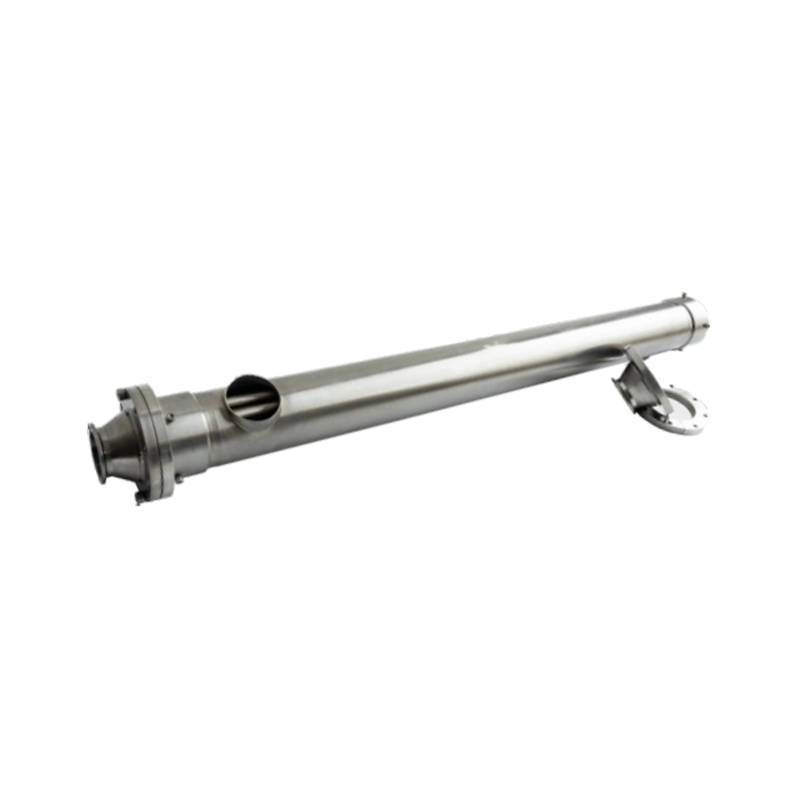
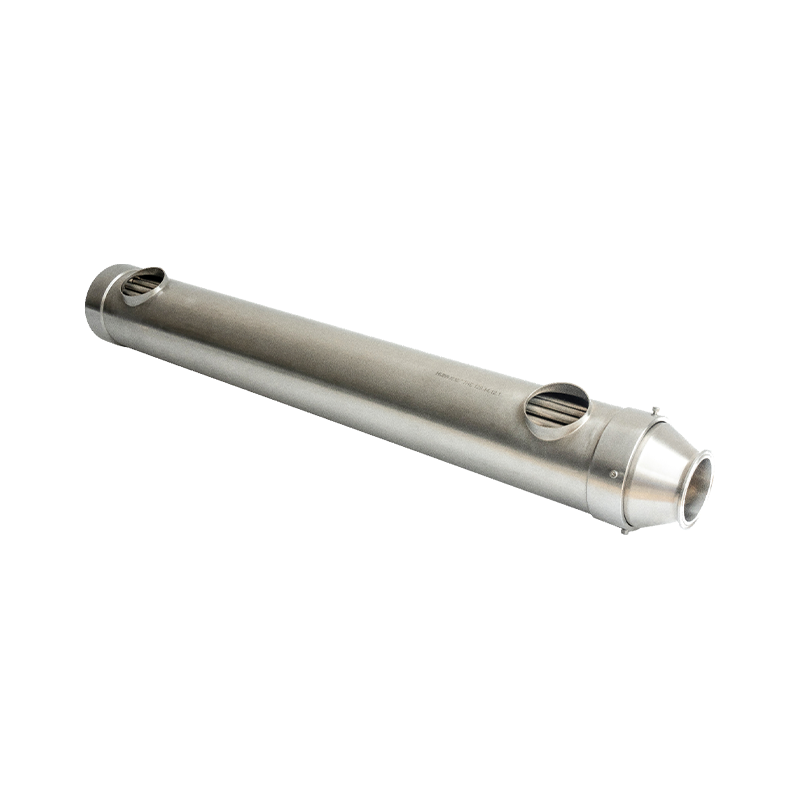
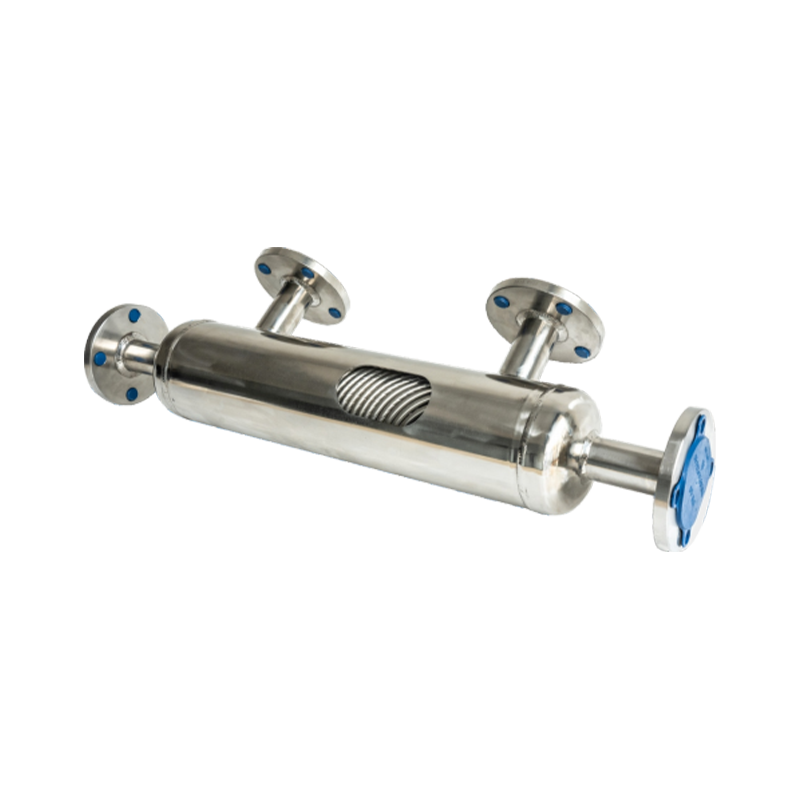
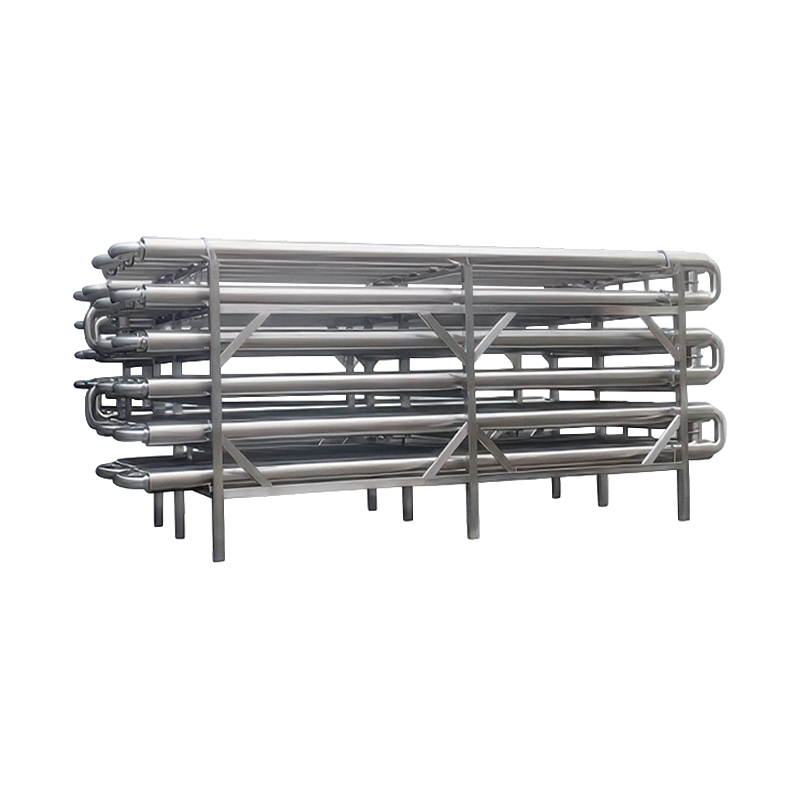
The heat exchanger serves as the thermal transfer element. Depending on application requirements, different configurations may be selected to achieve efficient heat recovery and precise temperature control.
Intelligent Control System
The PLC or industrial controller serves as the system’s “brain.” It receives sensor data, executes control algorithms, and coordinates equipment operation automatically.
Sensors
High-accuracy sensors continuously measure process variables to ensure the system responds quickly to changing production conditions.
Automated Valves
Control valves regulate the flow of heating or cooling media, allowing precise adjustment of heat transfer capacity.
Circulation Pumps
Efficient pumps maintain stable fluid circulation throughout the system while supporting variable operating loads.
Human-Machine Interface
Operators can monitor operating status, adjust parameters, review alarms, and analyze historical operating data through an intuitive interface.
Major Advantages of Intelligent Industrial Heat Exchanger Units
Compared with conventional heat exchange systems, intelligent solutions provide several operational improvements.
Higher Energy Efficiency
Real-time optimization minimizes unnecessary heating or cooling, allowing energy to be used more effectively throughout the production process.
Improved Temperature Stability
Continuous automatic adjustment keeps process temperatures within specified ranges, helping maintain consistent product quality.
Lower Maintenance Requirements
Predictive monitoring identifies abnormal operating conditions before they develop into serious equipment failures, reducing unexpected downtime.
Greater Process Automation
Automatic control reduces manual intervention, improves operational consistency, and simplifies daily equipment management.
Better Production Reliability
Stable thermal control helps reduce process fluctuations, resulting in smoother production and improved equipment utilization.
Common Materials Used in Heat Exchanger Construction
Material selection depends on operating temperature, pressure, corrosion resistance, and process media.
| Material | Characteristics | Typical Applications |
|---|---|---|
| Stainless Steel | Excellent corrosion resistance and hygiene | Food processing, pharmaceuticals |
| Carbon Steel | High strength and economical | General industrial processes |
| Titanium | Outstanding corrosion resistance | Marine and chemical industries |
| Copper Alloys | Excellent thermal conductivity | Cooling systems |
| Nickel Alloys | High-temperature and corrosion resistance | Harsh chemical environments |
Choosing appropriate materials ensures long-term equipment reliability and efficient thermal performance.
Typical Industrial Applications
The flexibility of an intelligent industrial heat exchanger unit allows it to support numerous industrial sectors.
Common applications include:
- Chemical processing
- Pharmaceutical production
- Food and beverage manufacturing
- Biotechnology
- Industrial refrigeration
- HVAC systems
- Power generation
- Petrochemical processing
- Electronic manufacturing
- Renewable energy systems
In each application, intelligent thermal management helps improve production efficiency while supporting stable operating conditions.
Why Intelligent Heat Exchanger Units Support Smart Manufacturing
Industry is moving toward digital production environments where equipment must communicate, analyze, and optimize operations continuously.
An intelligent industrial heat exchanger unit contributes to smart manufacturing by enabling:
- Real-time operational monitoring
- Automatic process optimization
- Remote equipment supervision
- Historical performance analysis
- Predictive maintenance planning
- Integration with factory automation systems
- Improved energy management
These capabilities allow manufacturers to make better operational decisions while improving overall production efficiency.
About Shiloc
Shiloc (Shanghai) Industrial Trade Co., Ltd. is a comprehensive trading company approved by the Ministry of Commerce, specializing in the import and export of goods, technology, equipment manufacturing, engineering technical services, and international trade solutions.
The company provides integrated support covering equipment supply, technology import and export, engineering services, and customized project coordination. Backed by extensive international resources and a broad network of partners, Shiloc (Shanghai) Industrial Trade Co., Ltd. delivers high-quality products and professional services tailored to diverse industrial requirements.
A comprehensive service system and strict quality control procedures help ensure that equipment is delivered safely and on schedule. Through close communication with customers, the company also develops personalized solutions that align with specific production processes and operational objectives.
Conclusion
An intelligent industrial heat exchanger unit represents the evolution of traditional heat exchange technology by integrating efficient thermal transfer with intelligent automation. Through continuous monitoring, automatic control, and optimized energy management, these systems improve process stability, reduce operating costs, and enhance production reliability across a wide range of industrial applications.
FAQ
1. What industries commonly use an intelligent industrial heat exchanger unit?
These systems are widely used in chemical processing, pharmaceutical manufacturing, food and beverage production, biotechnology, HVAC, energy, refrigeration, petrochemical processing, and many other industrial applications requiring precise thermal control.
2. How does an intelligent industrial heat exchanger unit improve energy efficiency?
By continuously monitoring operating conditions and automatically adjusting flow rates, temperatures, and control valves, the system minimizes energy waste while maintaining optimal heat transfer performance.
3. Can intelligent industrial heat exchanger units integrate with factory automation systems?
Yes. Most modern units support PLC control, HMI interfaces, industrial communication protocols, and remote monitoring, allowing seamless integration into automated production environments.
4. What factors should be considered when selecting a heat exchanger unit?
Important considerations include operating temperature, pressure, process media, corrosion resistance, required heat transfer capacity, control accuracy, material selection, and compatibility with existing production systems.
5. Why is predictive maintenance valuable for intelligent heat exchanger systems?
Continuous monitoring enables early detection of abnormal operating conditions, helping prevent unexpected equipment failures, reduce maintenance costs, and improve overall production reliability.


