

 English
 русский
 Português
 Français



How Does a Food-Grade CIP System Reduce Manual Cleaning Requirements in Food Processing?
In food processing industries, maintaining strict hygiene standards while improving production efficiency has become a critical requirement. Traditional manual cleaning methods often require significant labor input, longer downtime, and consistent human operation to achieve acceptable sanitation results. A food-grade CIP (clean-in-place) system provides an automated cleaning solution that allows processing equipment to be cleaned internally without extensive dismantling, helping manufacturers reduce manual cleaning requirements while improving hygiene control, operational consistency, and production continuity.
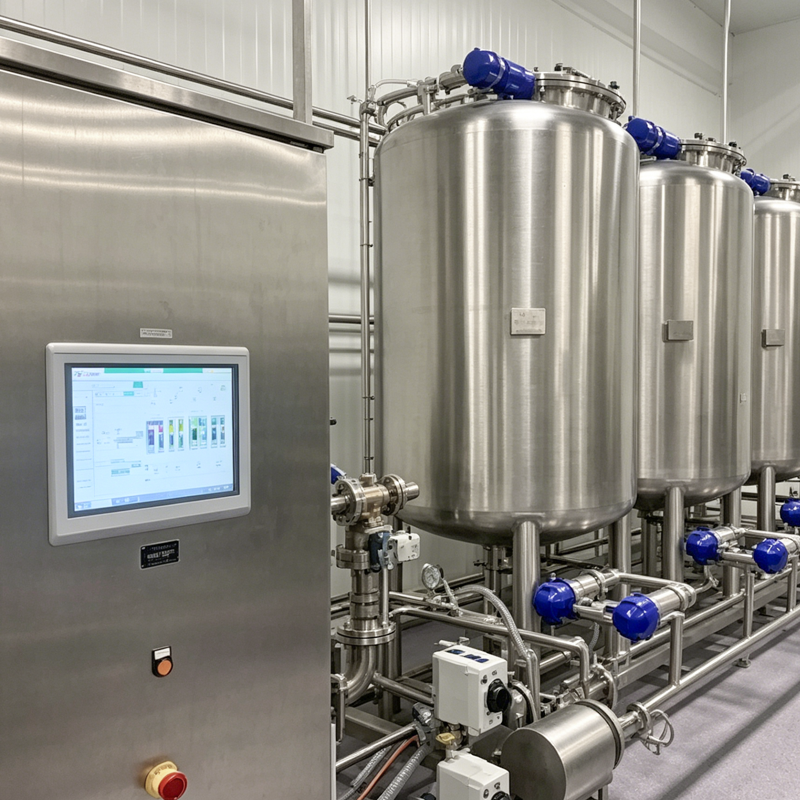
A CIP system is designed to circulate cleaning fluids through pipelines, tanks, heat exchangers, mixing vessels, and other process equipment. Through controlled cleaning cycles involving rinsing, chemical cleaning, and sterilization procedures, the system removes residues, microorganisms, and contaminants from food contact surfaces. This automated approach minimizes dependence on manual intervention and supports more efficient food production environments.
Why Does a Food-Grade CIP System Reduce Manual Cleaning Work?
The primary advantage of a food-grade CIP system is its ability to replace repetitive manual cleaning operations with programmed automated procedures. In conventional cleaning processes, operators may need to open equipment, remove components, scrub surfaces, and inspect cleanliness manually. This process can be time-consuming and may create variations caused by different operating methods.
With automated CIP technology, cleaning parameters such as flow rate, temperature, cleaning time, and chemical concentration can be accurately controlled. This ensures that each cleaning cycle follows a consistent procedure, reducing the need for continuous human supervision.
| Cleaning Aspect | Manual Cleaning Method | Food-Grade CIP System |
|---|---|---|
| Operation Mode | Requires equipment disassembly and manual operation | Automated cleaning through circulation |
| Labor Requirement | High dependence on operators | Reduced manual involvement |
| Cleaning Consistency | Depends on operator skills | Controlled by preset cleaning programs |
| Equipment Accessibility | Difficult for complex internal structures | Cleans pipelines and enclosed areas directly |
| Production Downtime | Longer cleaning preparation time | Faster transition between production cycles |
How Does CIP Automation Improve Food Processing Hygiene?
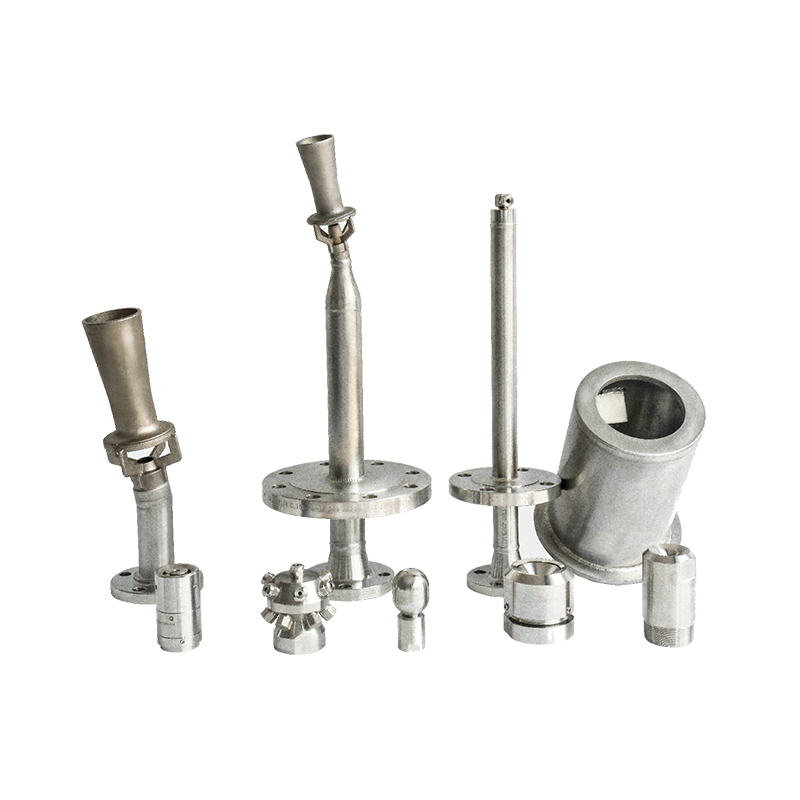
Food processing equipment often contains complex internal structures where product residues can accumulate. Areas such as pipelines, valves, heat exchangers, and mixing systems may be difficult to clean manually. A properly designed CIP system delivers cleaning solutions through these areas, ensuring comprehensive contact with internal surfaces.
A food-grade CIP (clean-in-place) system also improves hygienic performance by reducing the risk of cross-contamination. Since cleaning parameters are automatically controlled, manufacturers can establish standardized sanitation procedures and maintain stable cleaning results across different production batches.
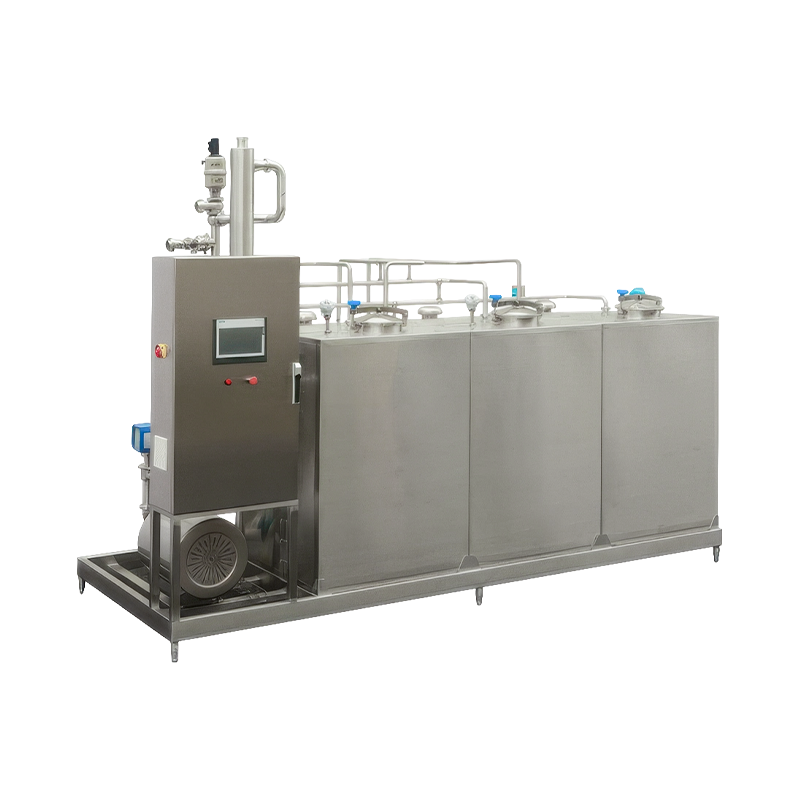
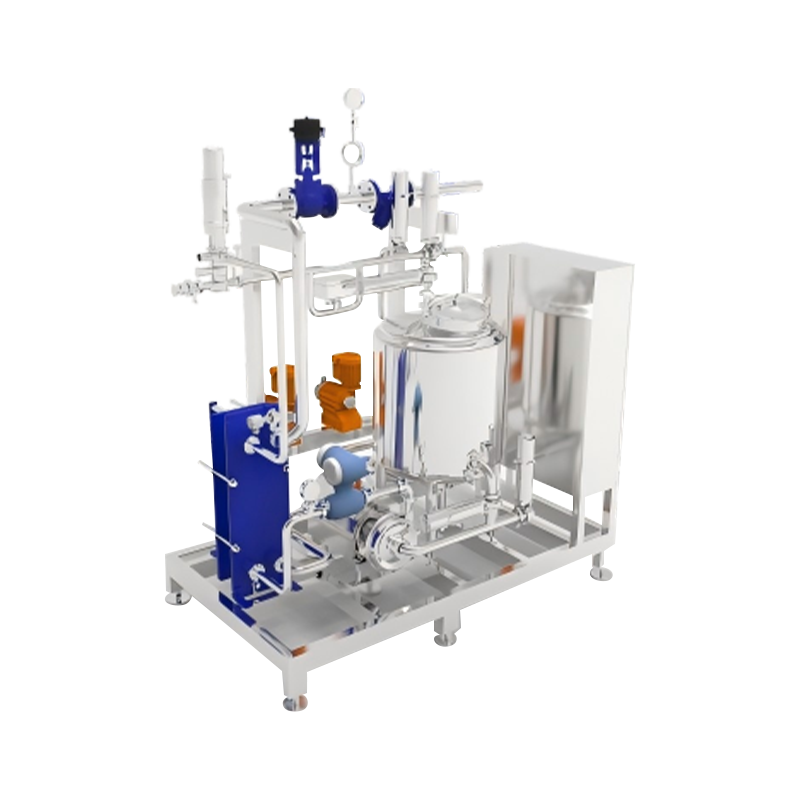
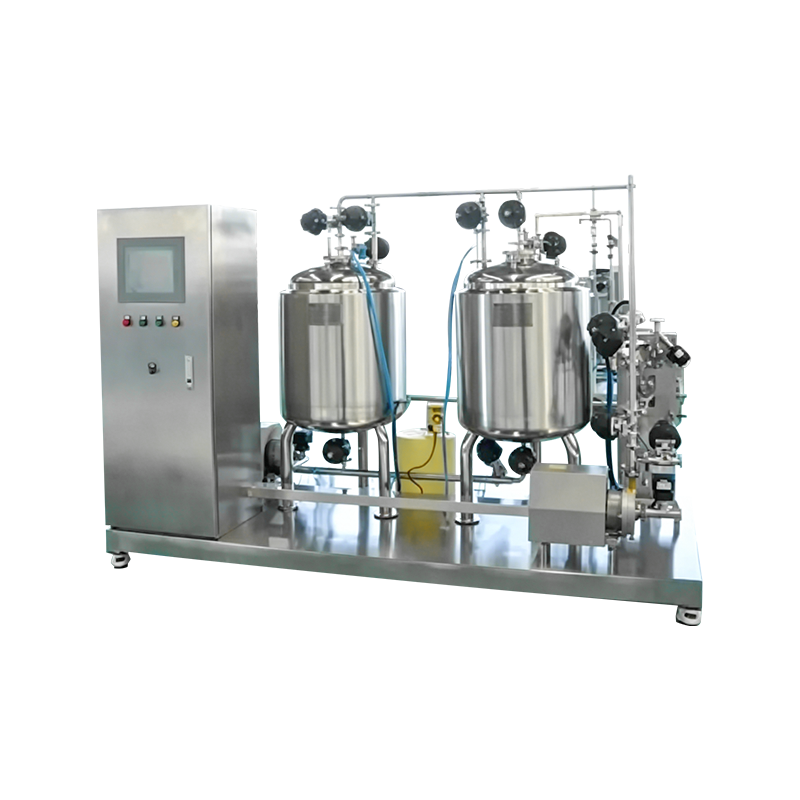
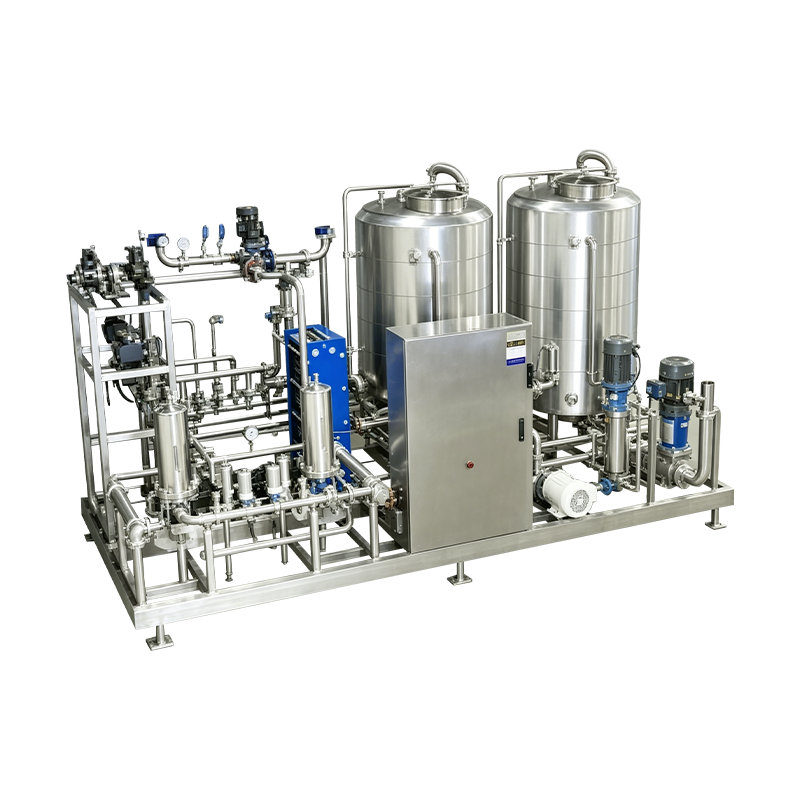
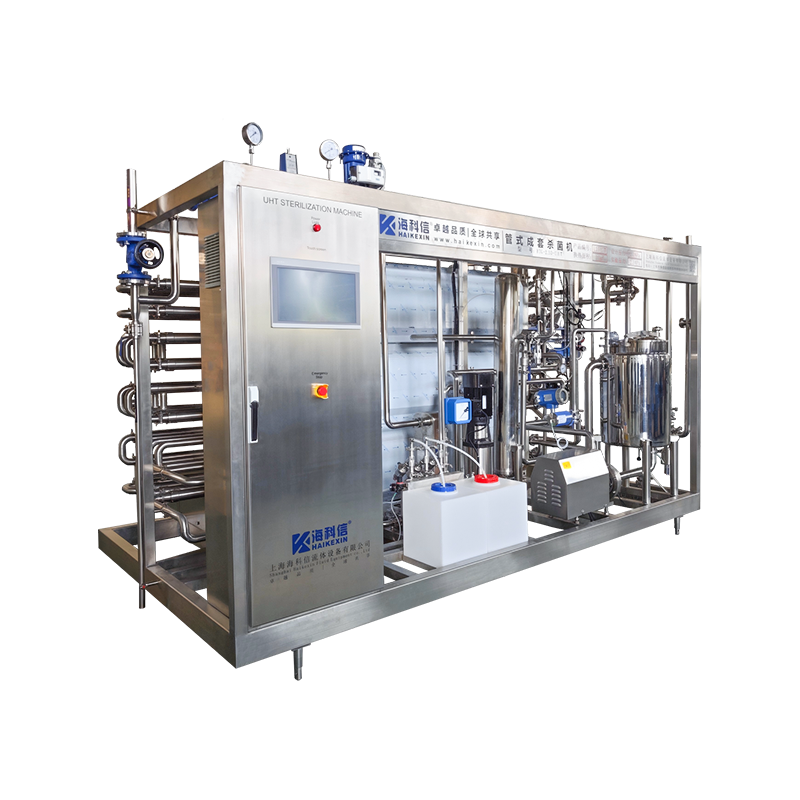
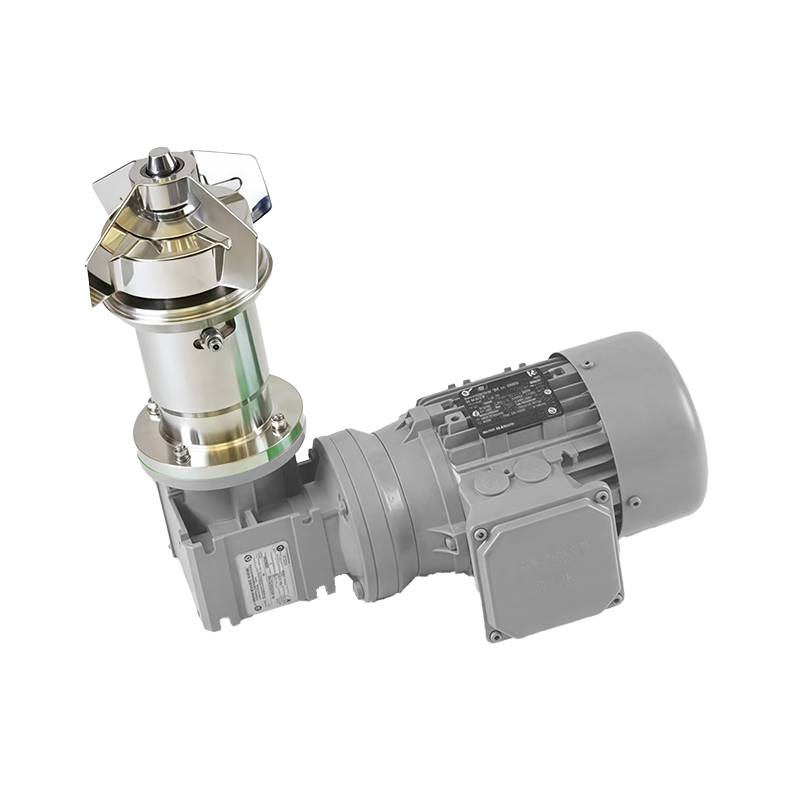
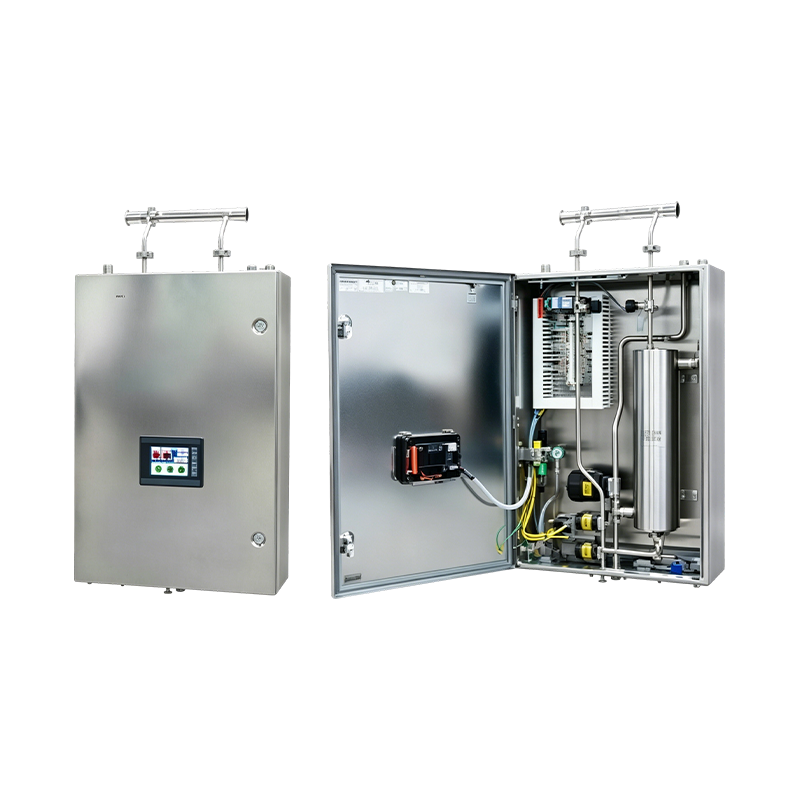
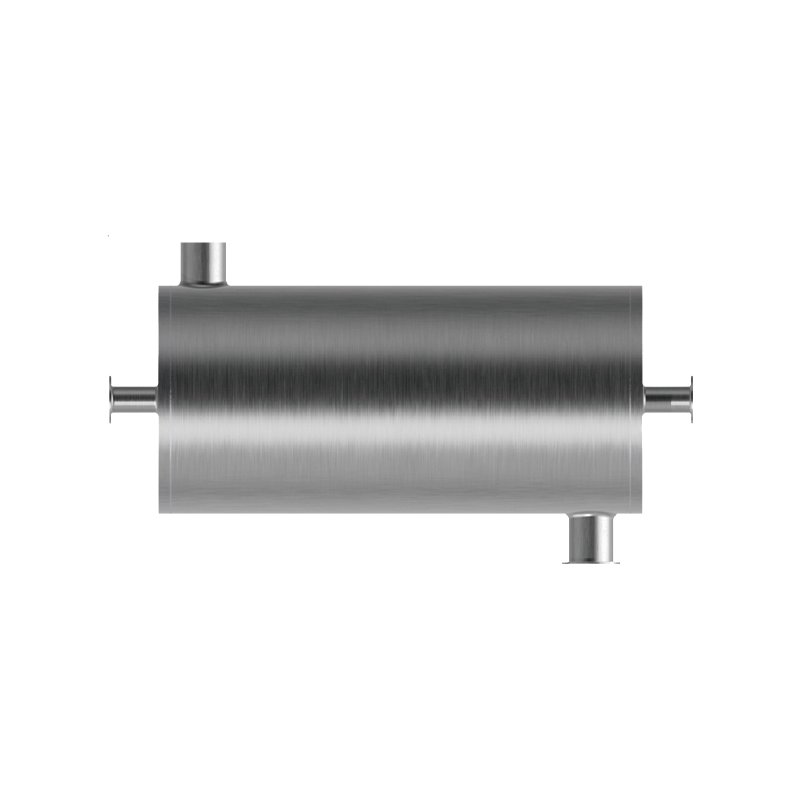
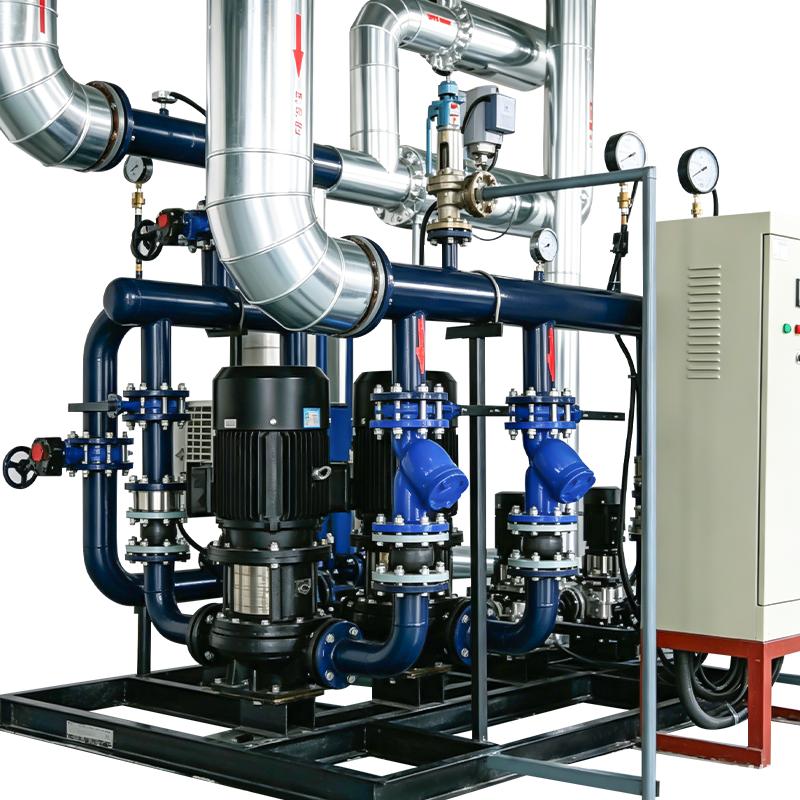
The system typically integrates pumps, storage tanks, control units, piping systems, and monitoring components to complete the cleaning process. These components work together to manage cleaning circulation and ensure that food contact equipment meets strict hygiene requirements.
What Are the Main Functions of a Food-Grade CIP System?
A CIP system is not only a cleaning device but also an integrated sanitation management solution. Its functions cover multiple stages of the cleaning process.
| Function | Purpose in Food Processing |
|---|---|
| Pre-rinsing | Removes remaining product residues before chemical cleaning |
| Detergent Circulation | Eliminates grease, proteins, and organic contaminants |
| Water Rinsing | Removes remaining cleaning agents |
| Sterilization Process | Helps control microbial contamination |
| Automated Monitoring | Maintains stable cleaning parameters |
By integrating these functions into a single system, food manufacturers can reduce manual cleaning steps and improve overall process efficiency.
How Does Equipment Design Affect CIP Cleaning Performance?
The effectiveness of a CIP system depends heavily on equipment design and material selection. Food-grade processing equipment must have smooth surfaces, corrosion resistance, and strong durability to support repeated cleaning cycles.
Shiloc (Shanghai) Industrial Trade Co., Ltd. provides engineering solutions for food, pharmaceutical, daily chemical, and fine chemical industries. The company focuses on the design and manufacturing of heat exchangers and aseptic mixing equipment, supporting hygienic processing requirements through professional engineering capabilities.
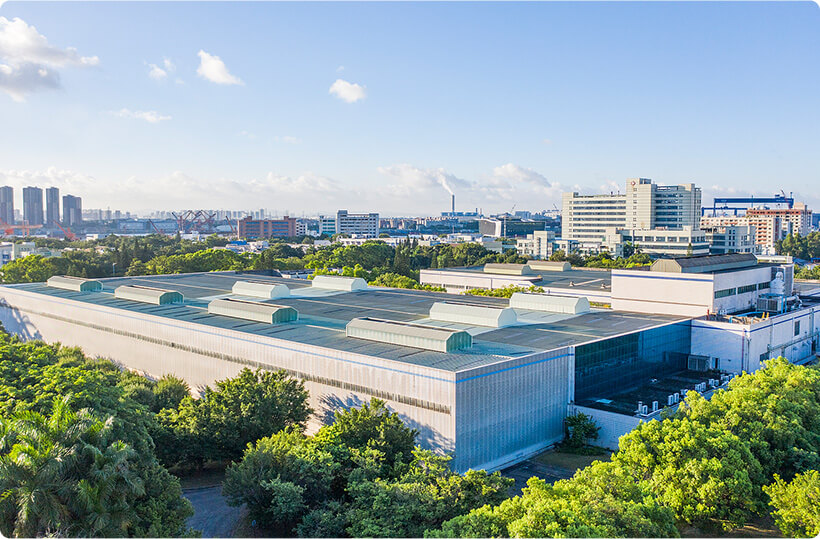
Built on European know-how and Danish design concepts, Shiloc operates a 3,000㎡ Shanghai facility with technical specialists responsible for equipment processing, welding, and polishing. The company applies strict quality control procedures to ensure that equipment meets hygiene and performance requirements before delivery.
| Material Characteristics | Importance in CIP Applications |
|---|---|
| Corrosion Resistance | Supports long-term exposure to cleaning chemicals |
| Smooth Surface Finish | Reduces residue accumulation and improves sanitation |
| High Strength | Ensures stable operation under repeated cleaning cycles |
| Hygienic Compatibility | Helps maintain food safety standards |
What Production Benefits Can CIP Systems Provide?
Reducing manual cleaning requirements does not only lower labor dependence but also improves overall production management. Automated cleaning allows operators to focus on production monitoring and quality control rather than repetitive sanitation tasks.
A food-grade CIP system can help achieve:
- Reduced cleaning preparation time
- More consistent sanitation results
- Improved equipment utilization
- Lower risk of human operation errors
- Better production scheduling flexibility
For food manufacturers handling beverages, dairy products, sauces, liquid foods, and other sensitive products, CIP technology provides an effective method to balance hygiene control and production efficiency.
Why Choose Shiloc?
Shiloc (Shanghai) Industrial Trade Co., Ltd. provides comprehensive international trade and engineering technical services, including equipment manufacturing, technology import and export, and customized engineering solutions. The company has established a complete supply and quality management system to support customers with reliable equipment delivery.
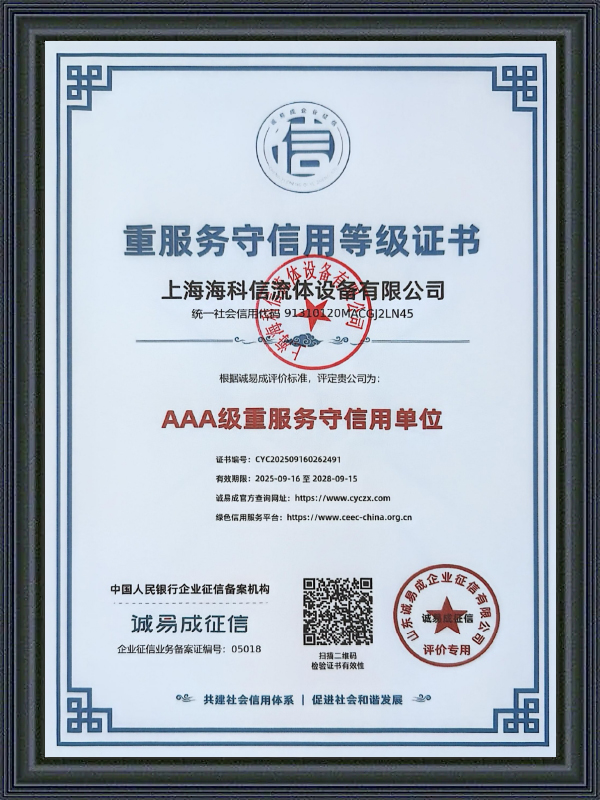
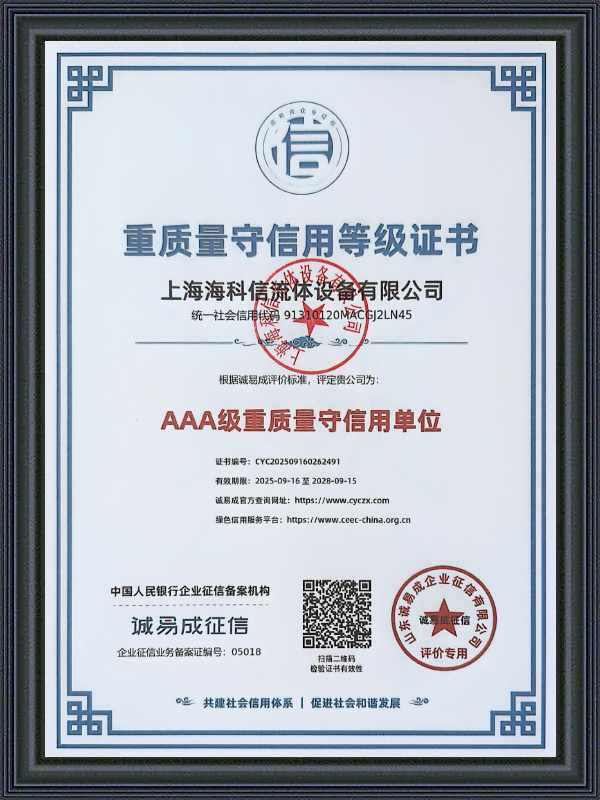
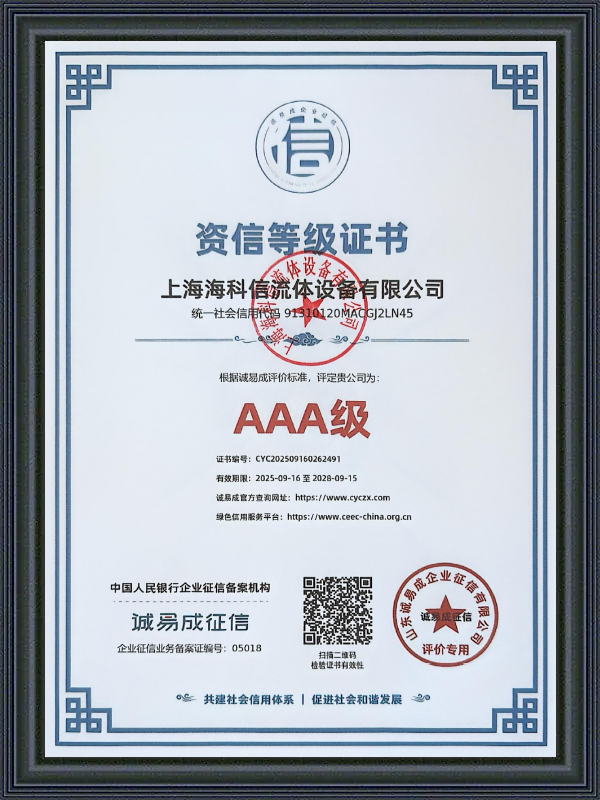
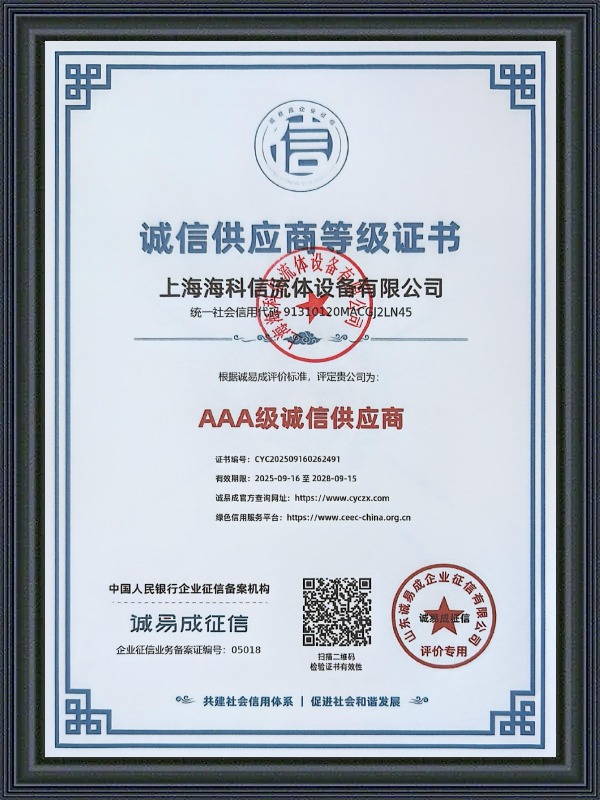
The company’s production capabilities include full in-house processing, welding, and polishing operations, ensuring equipment traceability and stable quality control. With ISO9001, environmental, and safety certifications, Shiloc focuses on providing hygienic equipment solutions that meet the requirements of modern processing industries.
Conclusion
A food-grade CIP (clean-in-place) system significantly reduces manual cleaning requirements by automating sanitation procedures, improving cleaning consistency, and minimizing the need for equipment disassembly. Through controlled circulation, precise parameter management, and hygienic equipment design, CIP technology helps food processors achieve safer, more efficient, and more reliable production operations.
FAQ
Q1: What is a food-grade CIP system used for?
A food-grade CIP system is used to automatically clean internal surfaces of food processing equipment, including tanks, pipelines, heat exchangers, and mixing systems, without requiring extensive manual disassembly.
Q2: How does a CIP system reduce labor requirements?
A CIP system replaces many manual cleaning steps with automated cleaning cycles, reducing the need for operators to perform repetitive washing, scrubbing, and equipment preparation tasks.
Q3: What industries commonly use CIP cleaning systems?
CIP systems are widely used in food processing, beverage production, dairy processing, pharmaceutical manufacturing, daily chemical production, and fine chemical industries.
Q4: What factors should be considered when selecting a CIP system?
Important factors include equipment structure, cleaning requirements, material compatibility, automation level, and compliance with hygiene standards.
Q5: Can CIP systems improve food safety?
Yes. By providing standardized and controlled cleaning procedures, CIP systems help reduce contamination risks and maintain consistent sanitation performance.


