

 English
 русский
 Português
 Français


Juice Pasteurization Equipment
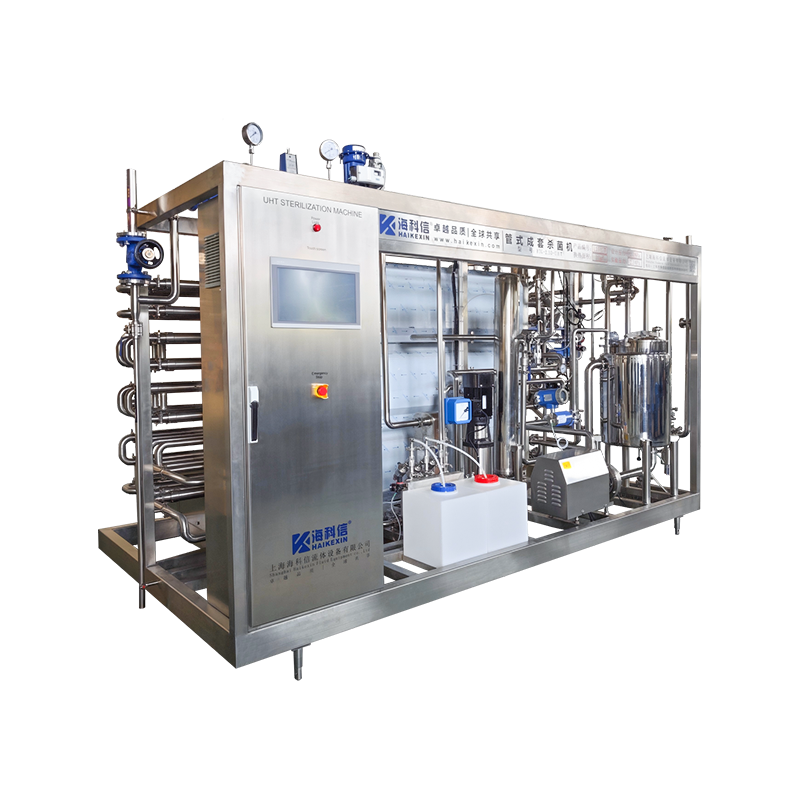
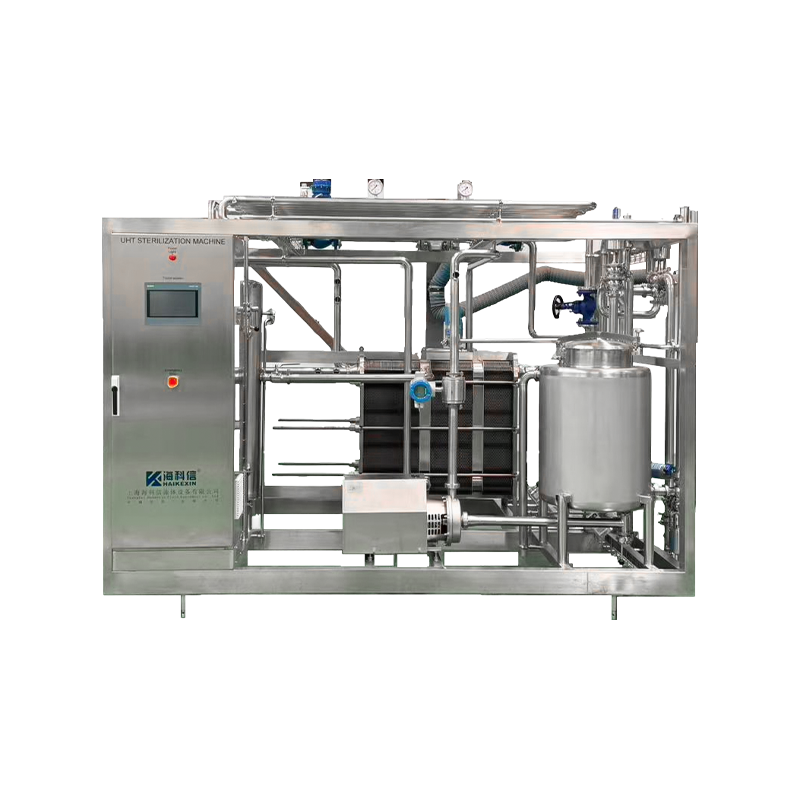
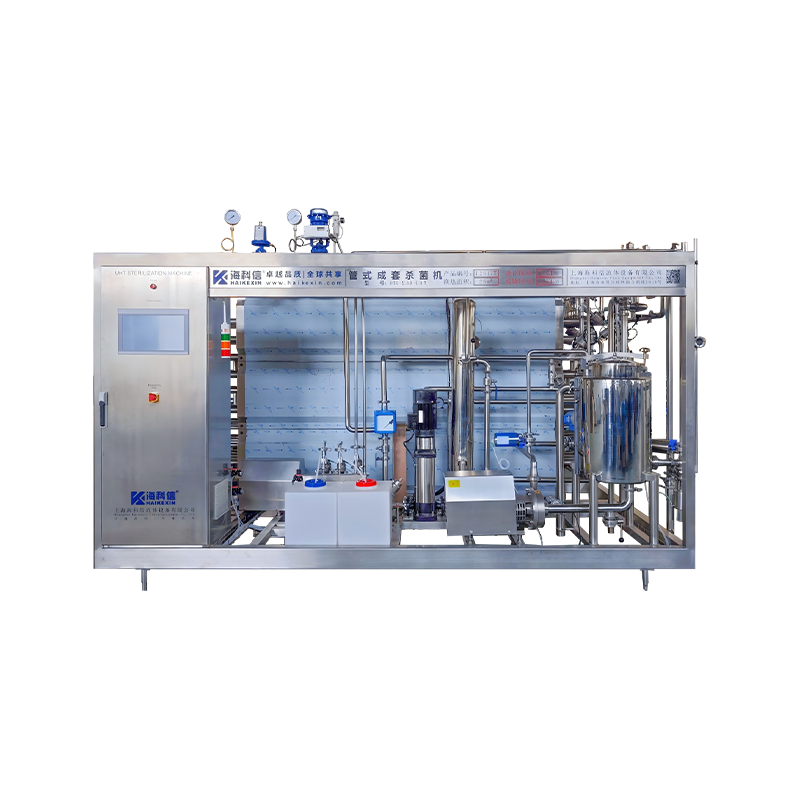
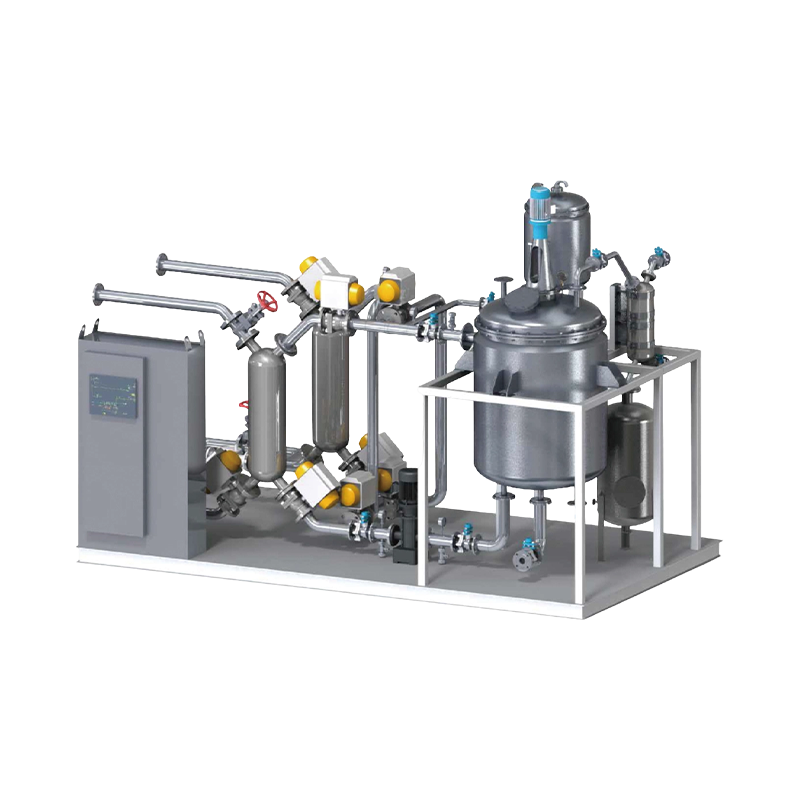
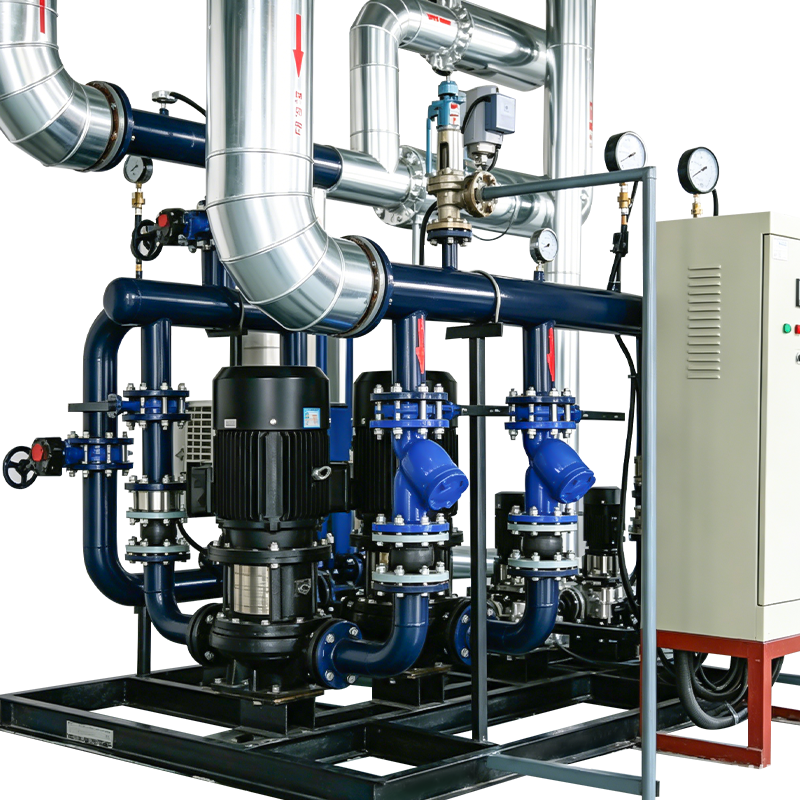
Juice Pasteurization Equipment is used to apply controlled thermal treatment to fruit and vegetable juice before filling, packaging, or further processing. The system regulates product temperature and treatment time to reduce microbial activity while maintaining process consistency. Depending on juice composition, production capacity, and packaging requirements, equipment can be configured with plate or tubular heat exchangers, holding sections, cooling units, pumps, and automated control components.
Integrated thermal treatment concept
Controlled Heat Treatment for Juice Production
Juice pasteurization equipment processes liquid products under defined thermal conditions. During operation, juice is transferred through a heating section, maintained at the specified treatment temperature for the required holding period, and then cooled to the target temperature for subsequent handling. The actual temperature and holding time must be established according to juice formulation, acidity, microbial targets, packaging conditions, and applicable food safety requirements.
Equipment selection is influenced by product viscosity, suspended pulp, fiber content, particle size, acidity, and sensitivity to heat. Clear juice and juice containing pulp may require different heat transfer structures and flow arrangements. A properly configured system helps coordinate thermal processing with filtration, blending, deaeration, storage, and filling operations.
Juice Types and Processing Considerations
Product characteristics influence heat exchanger selection, flow design, temperature control, and cleaning arrangements.
Clear Fruit Juice
Filtered apple juice, grape juice, and similar products with low suspended-solid content.
Juice with Pulp
Orange juice and other formulations containing suspended fruit particles or pulp.
Mixed Fruit Juice
Blended juice formulations with different fruit ingredients, soluble solids, and acidity profiles.
Vegetable Juice
Tomato juice and selected vegetable-based beverages with product-specific viscosity and solids content.
Reconstituted Juice
Juice prepared by blending concentrate with water and other permitted formulation ingredients.
Fruit-Based Drinks
Selected fruit beverages with adjusted sugar content, acidity, and additional ingredients.
Core Units in a Juice Pasteurization System
A complete system may combine several processing units. The actual equipment list depends on the product formulation, processing method, and required production capacity.
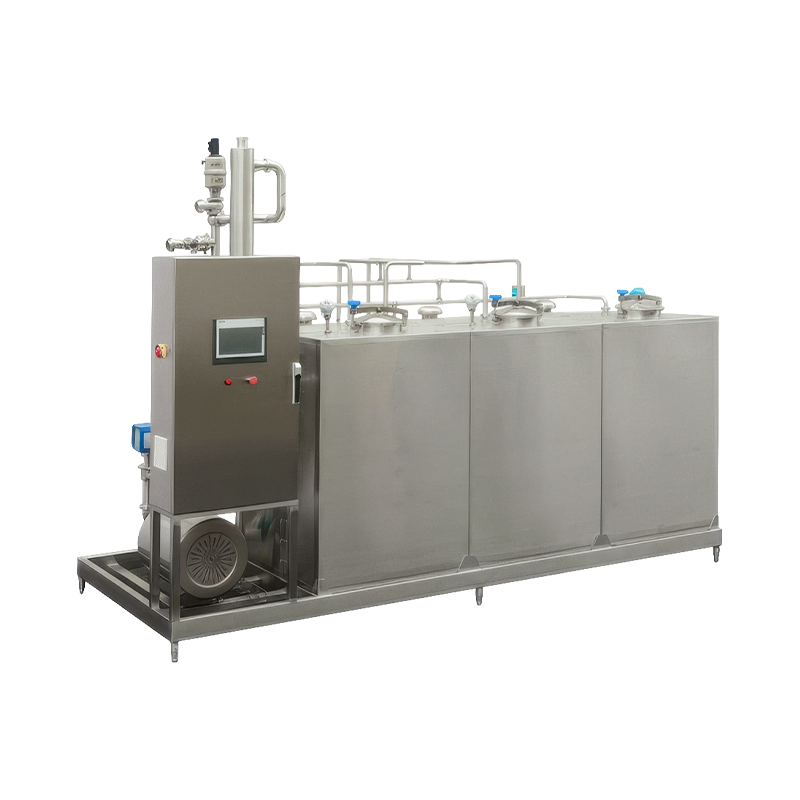
Product Balance Tank
Provides a controlled supply of juice to the pasteurization section and helps coordinate upstream product feeding.
Product Transfer Pump
Moves juice through the processing circuit at the flow conditions required by the equipment design.
Heating Heat Exchanger
Transfers heat from the selected heating medium to the juice. Plate or tubular structures may be considered according to product characteristics.
Holding Tube or Holding Section
Provides the designed residence time under the specified thermal treatment conditions in continuous processing systems.
Cooling Heat Exchanger
Reduces the product temperature using the selected cooling medium before downstream transfer or filling.
Electrical Control System
Coordinates operating sequences, monitors configured process parameters, and displays equipment status.
Plate or Tubular Heat Exchanger?
The selection should be based on juice composition and operating conditions rather than equipment type alone.
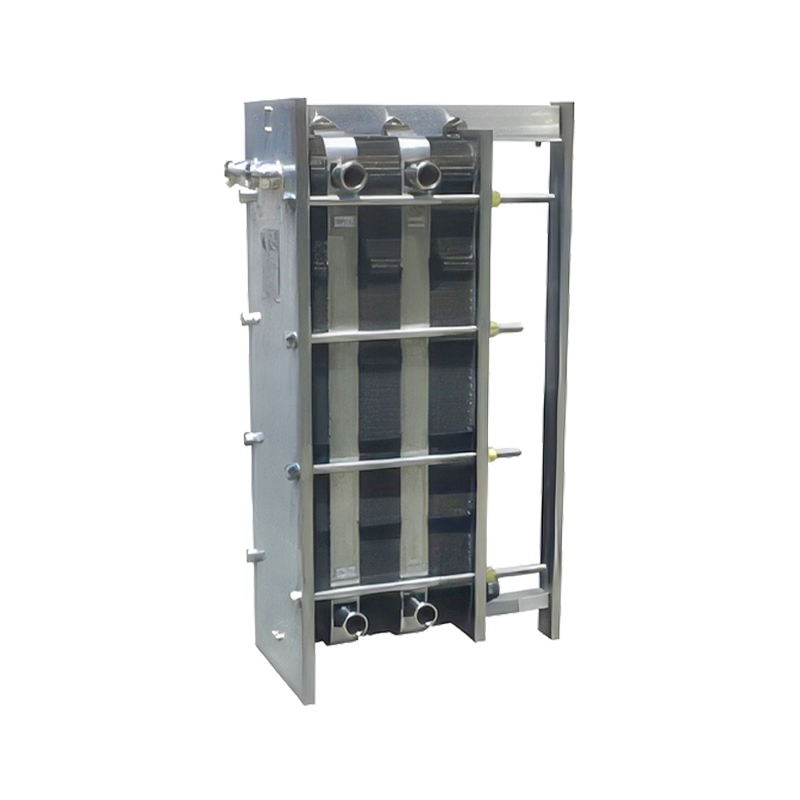
Plate Heat Exchanger
PLATE-BASED HEAT TRANSFERUses a series of plates to form product and heating or cooling medium channels. It is commonly considered for relatively low-viscosity juices with limited suspended particles.
- Compact heat exchange arrangement
- Suitable for selected clear juice applications
- Modular heat transfer area configuration
- Requires attention to channel clearance and product fouling characteristics
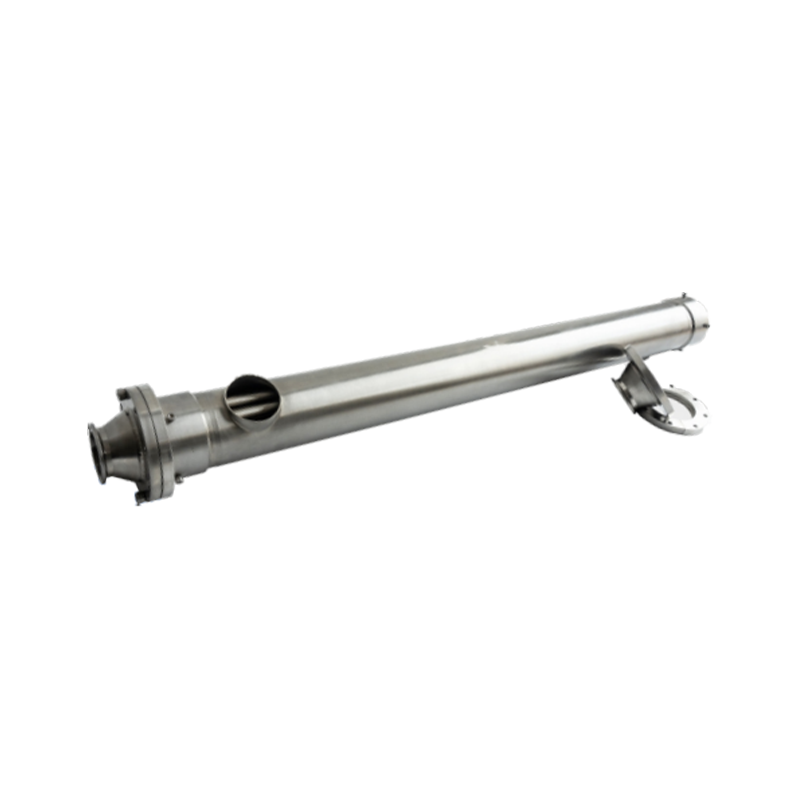
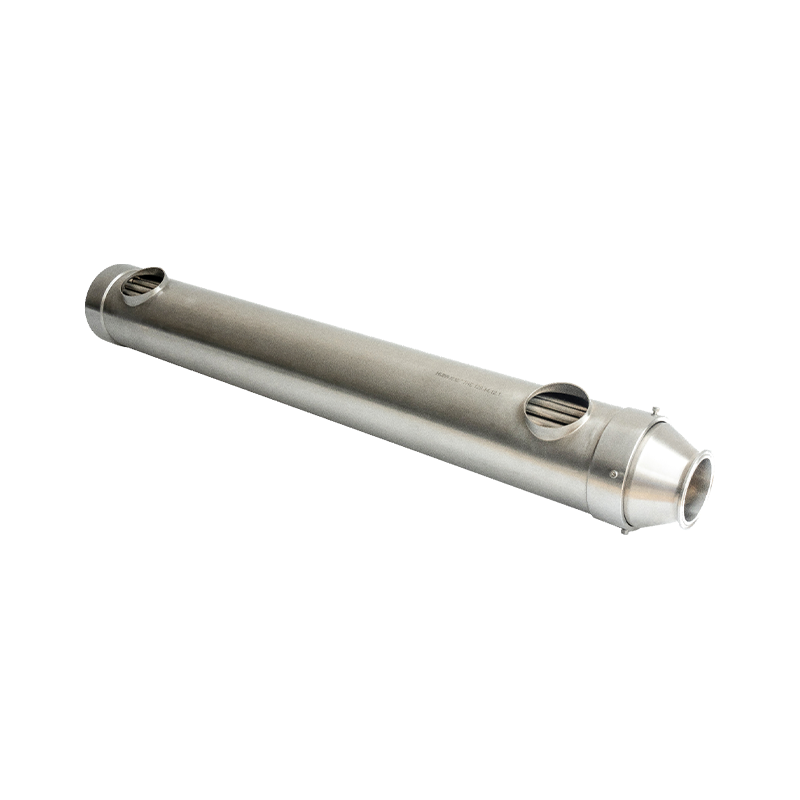
Tubular Heat Exchanger
TUBE-BASED HEAT TRANSFERMoves juice through product tubes while the heating or cooling medium circulates through a separate flow path. It may be considered for products with higher viscosity or suspended pulp, subject to particle dimensions and tube design.
- Product passage designed around tube geometry
- Can accommodate selected pulp-containing formulations
- Available in different tube arrangements
- Requires evaluation of product velocity and cleaning performance
Coordinating Temperature, Time, and Product Flow
Automatic control supports consistent operation by coordinating the main processing variables and responding to configured operating conditions.
COORDINATION Monitoring and operating logic
Monitors product temperature at designated process locations.
Coordinates the designed residence time with product flow conditions.
Coordinates product movement through the processing sections.
Indicates selected abnormal conditions and supports configured protective responses.
Connection with Upstream and Downstream Equipment
Pasteurization is one stage of juice manufacturing. The equipment should be coordinated with the surrounding production process.
Extraction, filtration, blending, and formulation
Heating, holding, and cooling
Buffer storage, filling, sealing, and packaging
For hot filling or aseptic filling applications, the pasteurization system must be designed as part of the complete processing and packaging arrangement. A conventional pasteurizer alone does not establish an aseptic processing environment.
Technical Details to Prepare for Equipment Selection
Providing the following information helps equipment manufacturers evaluate the process configuration and prepare a more accurate technical proposal.
Juice type, formulation, acidity, Brix, viscosity, pulp content, and particle size.
Required hourly processing rate or batch volume and expected operating schedule.
Target treatment temperature, holding time, cooling target, and process validation requirements.
Plate or tubular preference, product passage requirements, and fouling considerations.
Available steam, hot water, cooling water, chilled water, electrical supply, and site conditions.
Product-contact materials, cleaning-in-place requirements, drainage, and inspection access.
Control interface, recipe management, data recording, alarm functions, and communication needs.
Filling method, packaging format, transfer distance, buffer tank requirements, and line speed.
Maintenance and Sanitation Points
Heat Transfer Performance
Monitor heating and cooling performance. Product deposits or fouling can affect heat transfer and increase operating resistance.
Temperature Instrumentation
Inspect and calibrate temperature sensors and associated instruments according to the plant's maintenance and process verification schedule.
Product Pipeline Cleaning
Establish cleaning procedures that account for juice residues, pulp, sugar content, and the material compatibility of the processing circuit.
Seal and Valve Inspection
Check product-contact seals, valve seats, pump components, and pipeline connections for wear, leakage, and sanitation concerns.
Frequently Asked Questions
Common technical questions about juice pasteurization equipment, process selection, and production line configuration.
What does juice pasteurization equipment do?
It heats juice to a specified temperature and maintains the required treatment conditions for a defined period before cooling or transferring the product. The purpose is to reduce microbial activity and support the intended product safety and shelf-life objectives. Actual performance depends on the formulation, process validation, packaging, and storage conditions.
Can one pasteurizer process different types of fruit juice?
A system may be configured for multiple juice formulations, provided that their viscosity, pulp content, particle dimensions, thermal properties, and cleaning requirements fall within the equipment's design range. Product changeover procedures and process settings should be evaluated for each formulation.
Which heat exchanger is suitable for juice with pulp?
Tubular heat exchangers are often evaluated for pulp-containing products because the product passage can be designed around particle dimensions. However, the appropriate tube diameter, flow velocity, and cleaning method depend on pulp size, concentration, viscosity, and the required production rate.
What is the difference between juice pasteurization and sterilization?
Pasteurization generally uses a defined heat treatment to reduce relevant microorganisms, while commercial sterilization processes are designed to achieve a different level of microbial control for products intended for specific storage conditions. The required process depends on product acidity, formulation, packaging, distribution, and applicable regulations.
Can the pasteurizer be connected to a juice filling machine?
Yes. The pasteurizer can be designed to connect with downstream buffer tanks, transfer pumps, and filling equipment. The connection arrangement should account for product temperature, filling method, transfer capacity, hygienic requirements, and the operating sequence of the complete line.
Does juice pasteurization equipment support CIP cleaning?
CIP cleaning can be incorporated when supported by the equipment design. The cleaning circuit should be evaluated for flow coverage, cleaning solution compatibility, temperature, circulation time, drainage, and the characteristics of juice residues.
Can the equipment be customized for a specific juice production line?
The equipment configuration can be evaluated according to product type, processing capacity, heating and cooling utilities, automation requirements, installation space, and upstream or downstream connections. Detailed product and site information is needed to determine the appropriate design.
What determines the processing capacity of a juice pasteurizer?
Capacity is influenced by the required flow rate, product properties, heat exchanger area, heating and cooling capacity, holding section design, and operating conditions. For products containing pulp or with higher viscosity, the practical capacity may also depend on flow passage dimensions and pressure drop.