
 English
 русский
 Português
 Français


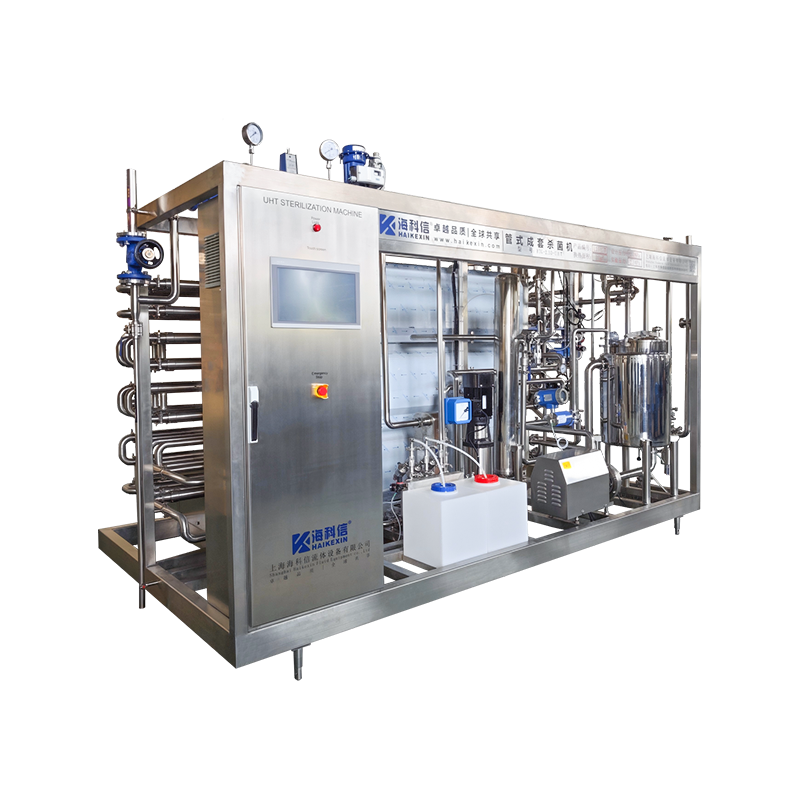
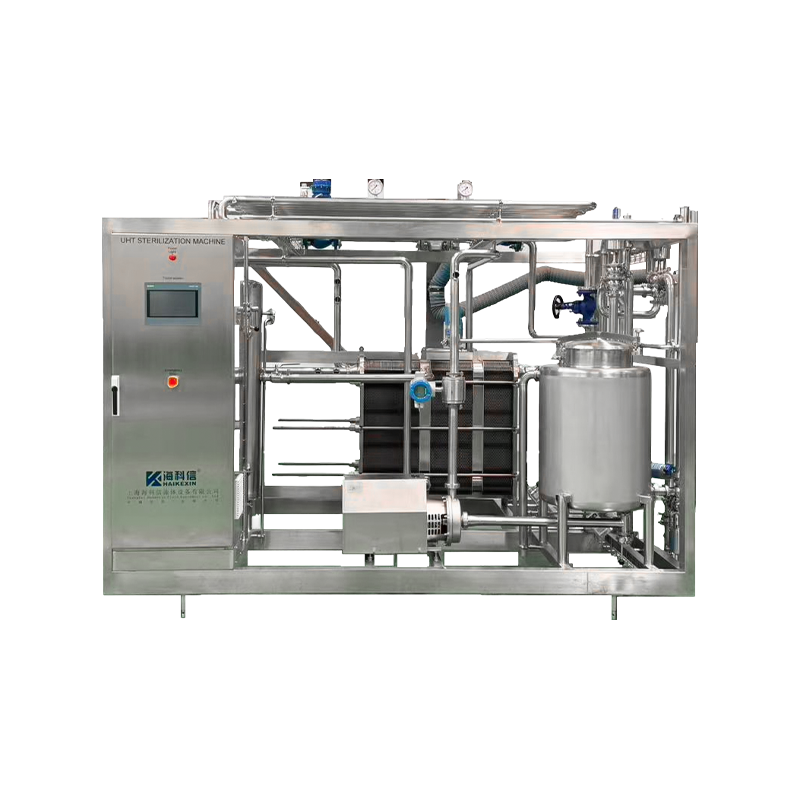
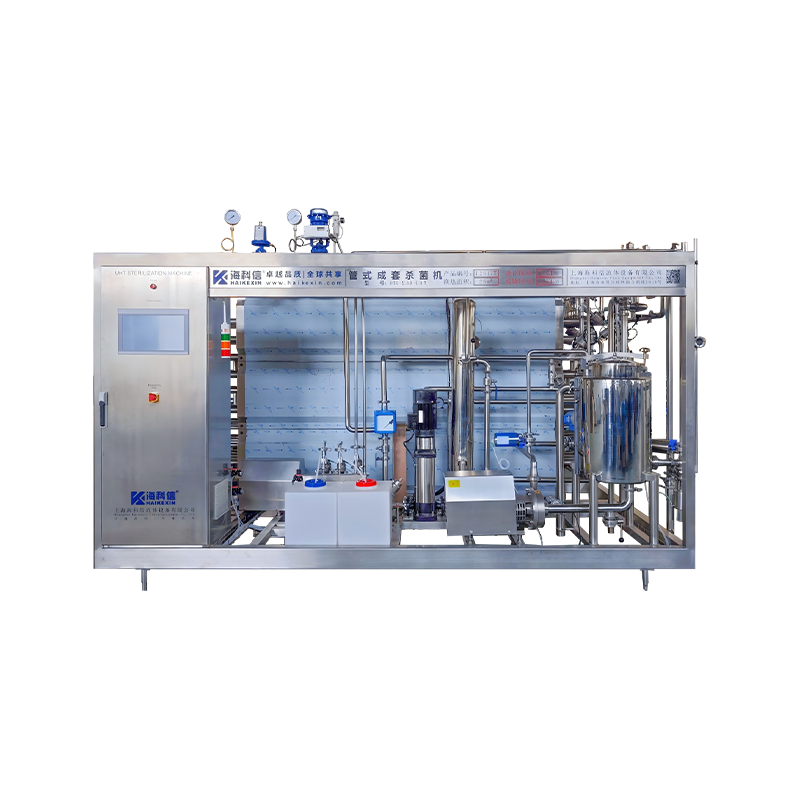
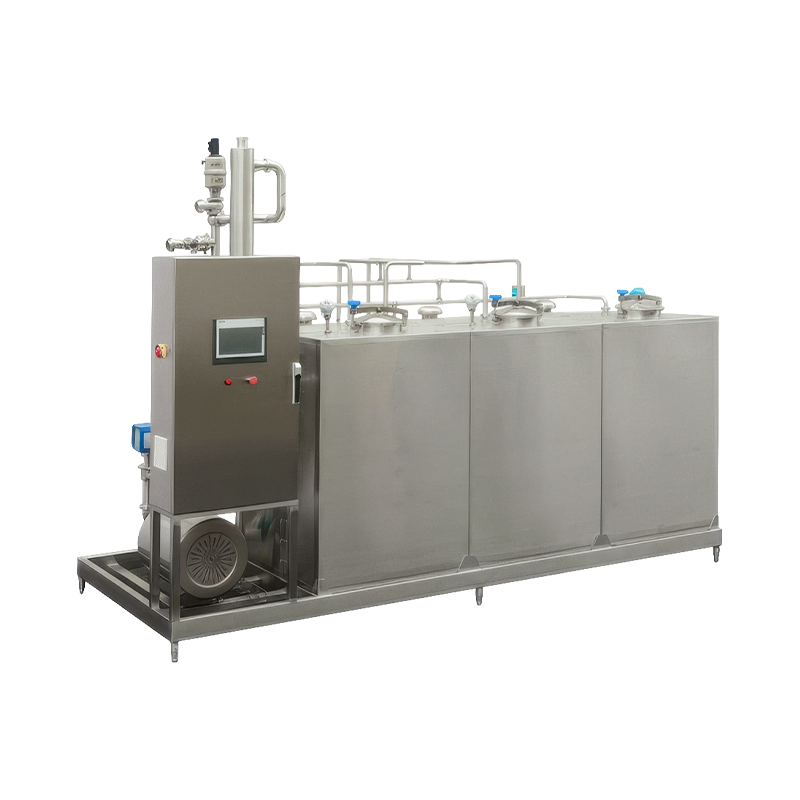
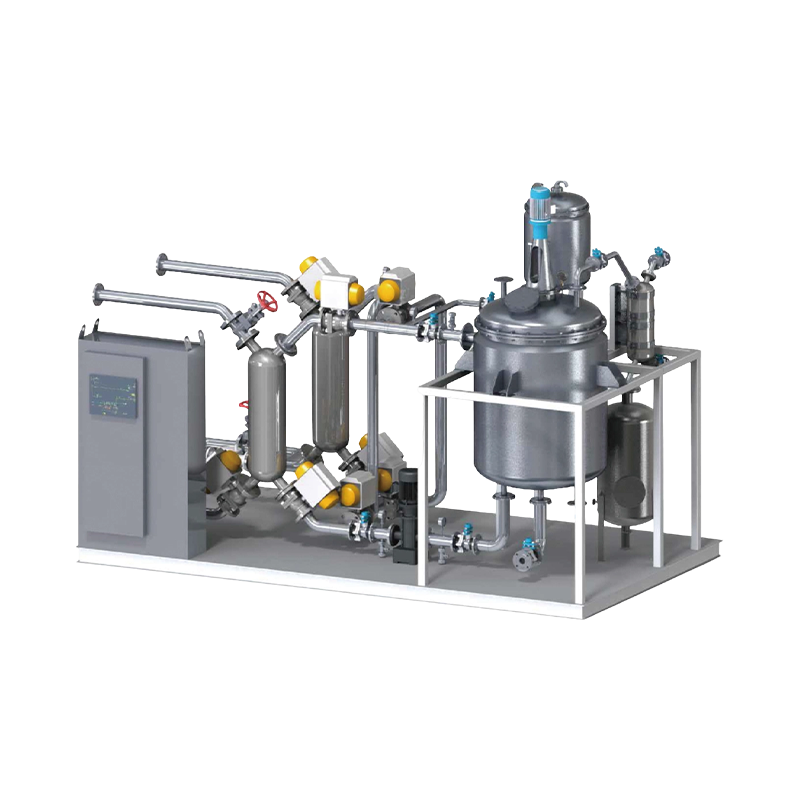
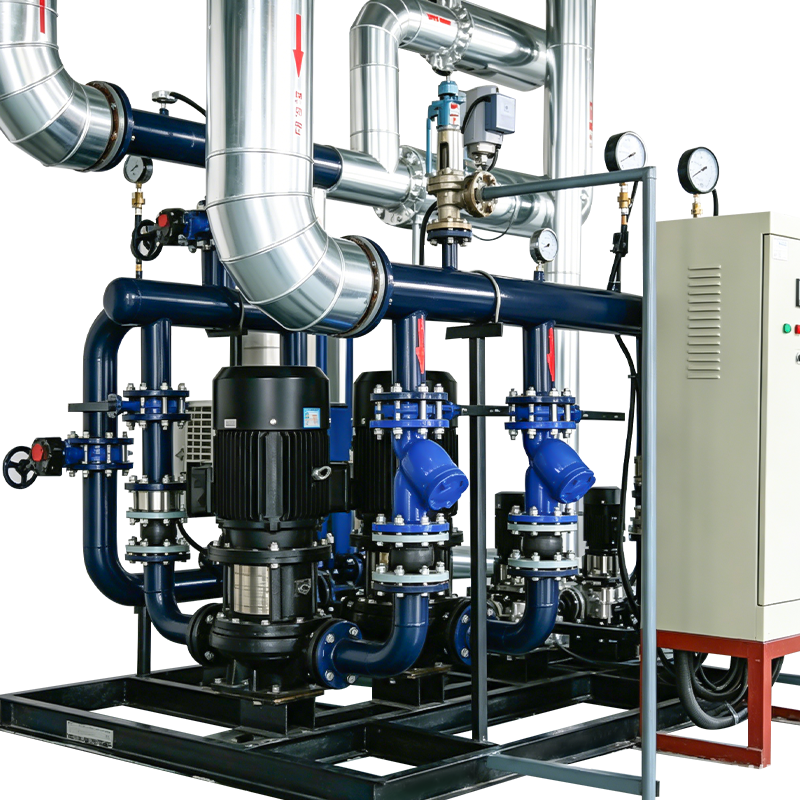
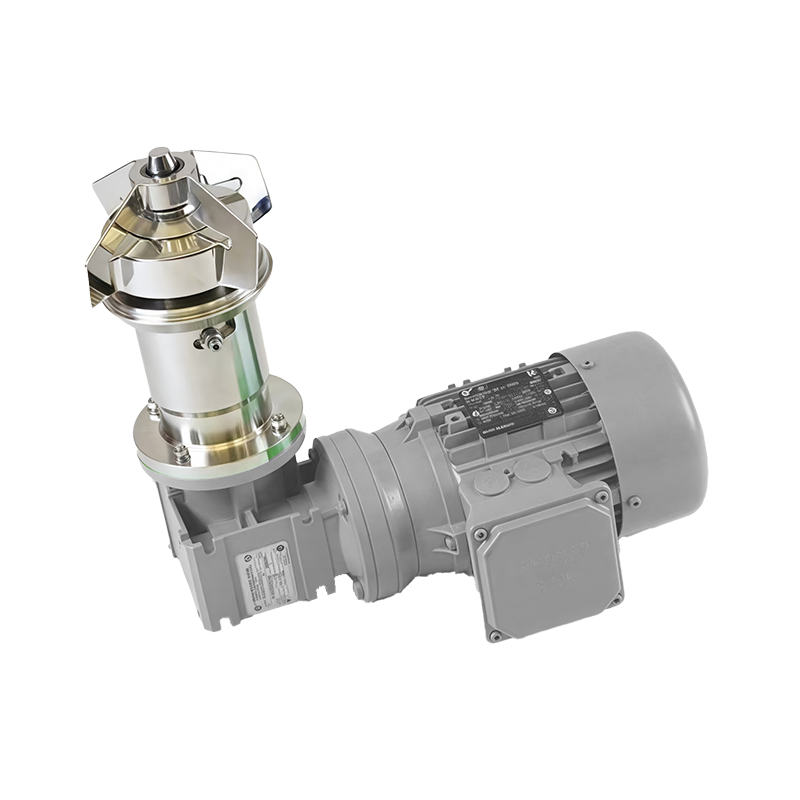
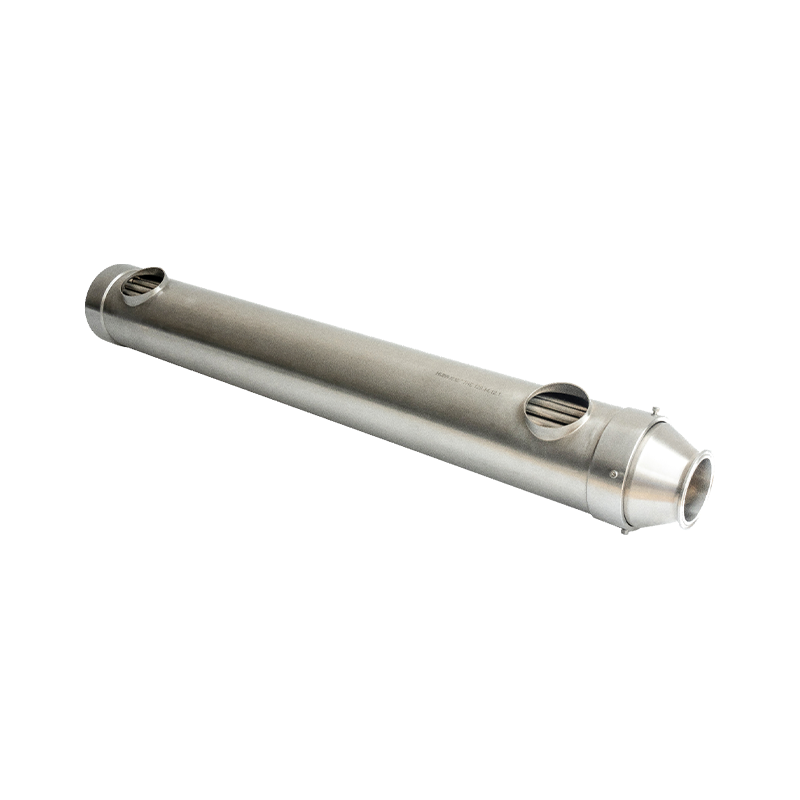
Industrial Liquid Food Sterilization Equipment
Industrial Liquid Food Sterilization Equipment is designed for the thermal treatment of liquid and semi-liquid food products under controlled processing conditions. It combines product feeding, heating, temperature maintenance, sterilization, cooling, and process control to support continuous or batch production. Equipment configuration can be adapted to product viscosity, particulate content, required processing temperature, production capacity, and packaging or aseptic filling requirements.
Final specifications are determined by the product formulation and validated process requirements.
Thermal Processing for Different Liquid Food Products
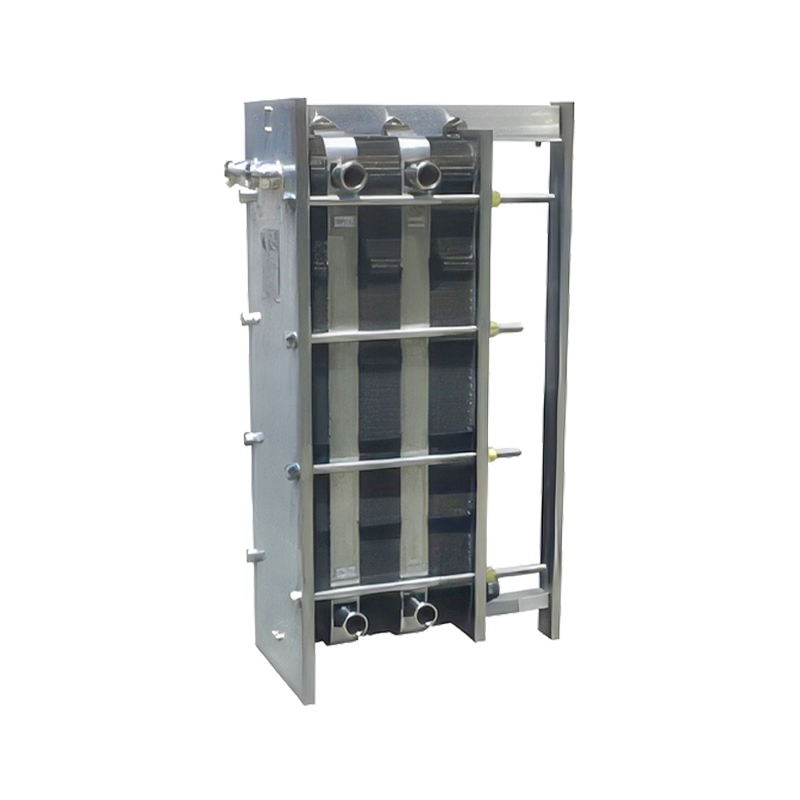
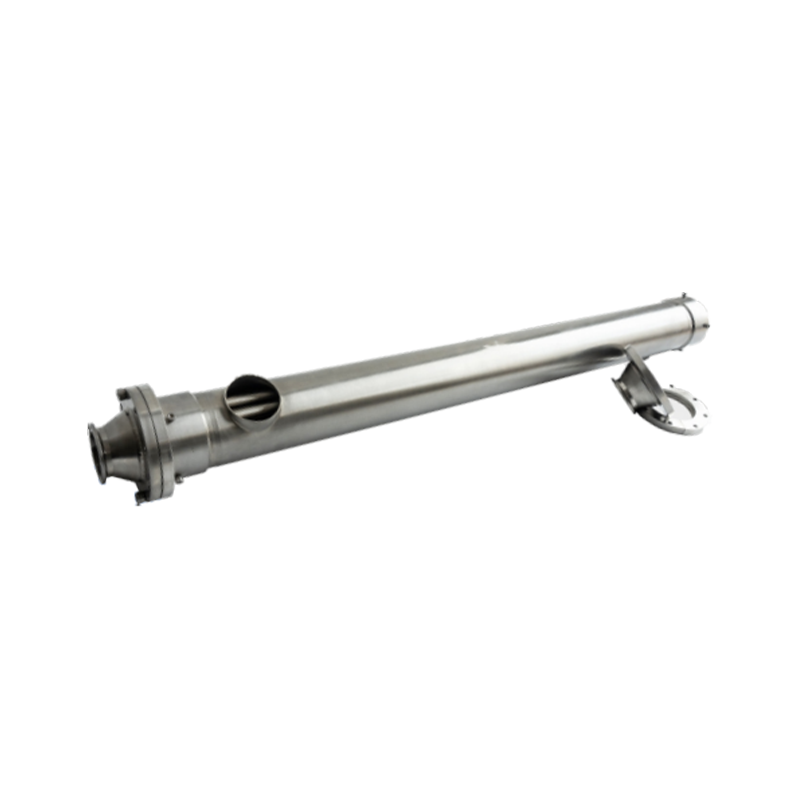
Industrial liquid food sterilization equipment is used to treat products such as milk, juice, plant-based beverages, liquid nutritional products, sauces, and other pumpable food materials. Depending on the product's formulation and microbial stability requirements, the system may use direct or indirect heating, tubular or plate heat exchangers, and different cooling arrangements.
For products intended for ambient distribution, the sterilization process may be combined with aseptic storage and filling equipment. Other applications may require refrigerated storage or further processing after thermal treatment. The equipment must therefore be selected according to the complete production process rather than temperature requirements alone.
Key design considerations include viscosity, acidity, suspended particles, heat sensitivity, fouling tendency, target shelf life, packaging format, and the required level of automation. These factors influence heat exchanger selection, product flow paths, holding section dimensions, and cleaning arrangements.
Liquid Food Applications and Processing Considerations
Different food formulations require different thermal treatment and equipment configurations.
Milk and Dairy Products
Milk, flavored milk, cream, and selected dairy-based beverages requiring controlled thermal processing.
Fruit and Vegetable Juices
Clear juice, cloudy juice, juice concentrates, and selected vegetable-based liquid products.
Plant-Based Beverages
Soy milk, oat beverages, nut-based drinks, and other formulated plant-derived liquids.
Liquid Sauces and Condiments
Tomato-based sauces, liquid seasonings, dressings, and other pumpable food formulations.
Liquid Nutritional Products
Selected nutritional beverages and formulated liquid food products with defined processing requirements.
Other Pumpable Food Products
Specialty liquid foods and semi-liquid materials that can be handled through a suitable processing circuit.
Compatibility must be confirmed for each formulation. Products containing large particles, highly viscous materials, or heat-sensitive ingredients may require specialized equipment and process testing.
Different Sterilization Methods for Different Production Requirements
The selected thermal method determines the heating structure, holding arrangement, cooling system, and downstream processing requirements.
Indirect Heating Sterilization
Product is heated through a heat transfer surface without direct contact between the product and the heating medium. Depending on product properties, the system may use tubular or plate heat exchangers.
Heat recovery, exchanger selection, product viscosity, and surface fouling.
Direct Steam Injection
Culinary steam is introduced directly into the liquid product to achieve rapid heating. A downstream flash cooling stage may be used to remove added water and reduce product temperature.
Steam quality, product dilution balance, rapid heating, and flash cooling.
Batch Thermal Sterilization
Product is processed in a vessel or suitable container-based system through a controlled heating and cooling cycle. This method can be considered for production arrangements that do not require continuous flow processing.
Batch size, heating uniformity, vessel design, and cycle management.
Continuous High-Temperature Processing
Product moves continuously through heating, holding, and cooling sections. This configuration can be integrated with aseptic tanks and filling systems when the complete process is designed for commercial sterility and aseptic handling.
Continuous flow, holding time, process control, and aseptic interfaces.
Equipment Modules and Their Functions
A complete processing system is assembled from functional modules selected according to the production process, product characteristics, and plant requirements.
Product Balance Tank
Receives product from upstream preparation equipment and supports a stable supply to the processing circuit.
Product Pumping Assembly
Transfers liquid food through the system at the required flow rate and operating pressure.
Heating Section
Raises product temperature using the selected indirect or direct heating arrangement.
Holding Section
Maintains product under specified time and temperature conditions as defined by the validated process.
Cooling Section
Reduces product temperature using the designated cooling medium or flash cooling arrangement.
Control and Instrumentation
Monitors process variables and coordinates pumps, valves, alarms, and operating sequences.
CIP Connection and Cleaning Circuit
Supports cleaning of product-contact surfaces through a defined circulation sequence and sanitation procedure.
Product Properties Determine the Equipment Design
Liquid food sterilization equipment cannot be specified by processing capacity alone. Product behavior under heating and cooling conditions affects heat transfer, flow characteristics, fouling, and the stability of the finished product.
Engineering evaluation should consider the complete formulation and the intended production sequence before the equipment structure is finalized.
Influences pump selection, pipeline dimensions, and heat exchanger type.
Helps determine the applicable thermal process and packaging strategy.
Particle size, distribution, and composition affect equipment selection and process validation.
Influences heating speed, treatment conditions, and cooling requirements.
May affect exchanger design, production run length, and CIP procedures.
Monitoring Functions for Controlled Production
Temperature Control
Monitors product temperature at designated process points and supports control of heating and cooling operations.
Flow Monitoring
Tracks product movement through the processing circuit and supports the required residence-time conditions.
Pressure Monitoring
Monitors operating pressure where required by the equipment arrangement and product protection strategy.
Valve Coordination
Coordinates product routing, process switching, and flow diversion functions according to the control design.
Alarm Management
Provides operator notifications for selected process deviations and equipment operating conditions.
Cleaning Sequence
Supports programmed CIP stages when the equipment is supplied with an integrated cleaning control arrangement.
Instrumentation, automatic control functions, data recording, and safety interlocks should be defined in the technical specification. Critical sterilization parameters require appropriate validation and verification.
From Raw Material Preparation to Finished Product
The sterilization unit can serve as one processing stage within a larger liquid food production facility.
Raw Material Receiving
Storage, transfer, and initial handling of liquid food ingredients.
Product Preparation
Filtration, mixing, blending, homogenization, or other required preparation.
Thermal Sterilization
Controlled heating, holding, and cooling according to the process design.
Product Buffering
Transfer to an appropriate storage or aseptic buffer tank, where required.
Filling and Packaging
Filling into the selected packaging format under the required hygienic conditions.
Aseptic processing requires a coordinated system covering product sterilization, sterile product transfer, sterile storage where applicable, packaging material treatment, and aseptic filling. A sterilization unit alone does not establish an aseptic production process.
Technical Information for Project Evaluation
Providing the following information helps establish the processing scope and equipment configuration for a new installation or production line upgrade.
Product Specifications
Product name, formulation, viscosity, acidity, particle size, and other relevant physical properties.
Required Processing Capacity
Target throughput per hour, production schedule, and expected operating duration.
Thermal Treatment Requirements
Required process temperature, holding time, microbial target, and applicable regulatory requirements.
Product Discharge Conditions
Target outlet temperature, cooling method, and connection to storage or filling equipment.
Utility Availability
Steam, hot water, electricity, compressed air, cooling water, and chilled water conditions.
Installation and Integration
Plant layout, available space, pipeline connections, upstream equipment, and downstream machinery.
Equipment Arrangement for Industrial Production Projects
Industrial liquid food sterilization equipment may be supplied as an individual processing unit or configured as part of a complete production line. The scope can be established according to product requirements, process capacity, plant utilities, and the customer's preferred automation level.
Equipment dimensions and flow arrangements matched to the required production throughput.
Selection of heating, holding, heat recovery, and cooling sections.
Product-contact materials, connection types, surface requirements, and cleaning arrangements defined by the project specification.
Instrumentation, valve functions, operating logic, and process monitoring selected for the required operation.
Connection planning with product preparation, storage, transfer, and filling equipment.
Industrial Liquid Food Sterilization Equipment FAQ
Technical answers to common questions about product compatibility, processing methods, and system configuration.
What products can be processed by industrial liquid food sterilization equipment?
Depending on the equipment configuration, applications may include milk, fruit juice, plant-based beverages, liquid nutritional products, sauces, and other pumpable food materials. Product viscosity, acidity, suspended particles, and heat sensitivity must be evaluated before confirming compatibility.
What is the difference between pasteurization and sterilization?
Pasteurization uses a defined heat treatment to reduce pathogenic microorganisms and other targeted microorganisms. Commercial sterilization applies a more intensive process designed to achieve commercial sterility under specified conditions. The appropriate process depends on product characteristics, packaging, distribution conditions, and regulatory requirements.
Can the equipment process products with different viscosities?
Equipment can be configured for different flow properties, but viscosity affects pump selection, heat exchanger design, flow velocity, and cleaning requirements. Highly viscous products may require specialized tubular heat exchangers, positive displacement pumps, or other product-specific arrangements.
Can liquid food sterilization equipment handle products containing particles?
Selected systems can be designed for products containing suspended particles. Particle size, shape, concentration, density, and heat transfer behavior must be considered when selecting the processing structure and determining the required thermal treatment conditions.
What is the difference between direct and indirect heating?
Indirect heating transfers energy through a heat exchange surface, keeping the heating medium separate from the product. Direct steam injection introduces suitable steam into the product for rapid heating and generally requires a downstream flash cooling stage to manage the added water and reduce temperature.
Can the sterilization equipment be integrated with an aseptic filling machine?
Yes, when the complete production line is designed for aseptic processing. The sterilization unit must be coordinated with sterile transfer pipelines, aseptic storage where applicable, packaging material treatment, and the filling machine. The entire system requires appropriate validation and operating controls.
Does the system support Clean-in-Place cleaning?
CIP functionality can be included according to the equipment design. The cleaning circuit should account for product-contact surfaces, pipeline routing, valve positions, flow conditions, cleaning agents, temperature, and cleaning time. The cleaning procedure must be established and verified for the actual product and installation.
What information should be provided when requesting equipment specifications?
Provide the product formulation, viscosity, acidity, particle characteristics, required throughput, target processing conditions, cooling requirements, packaging method, utility conditions, and plant layout. These details help determine the appropriate equipment type, processing arrangement, and system scope.