
 English
 русский
 Português
 Français


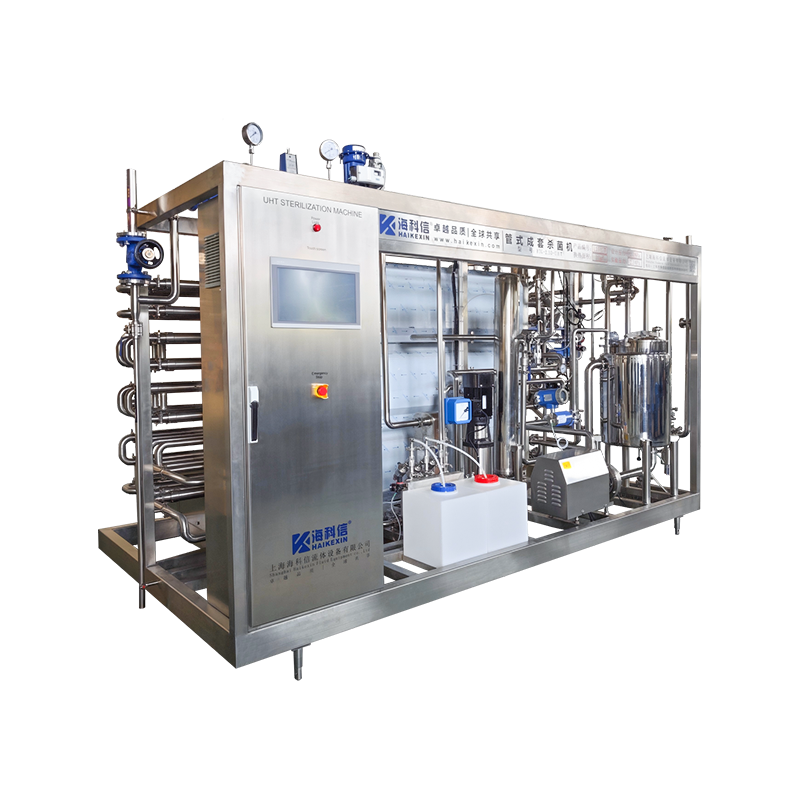
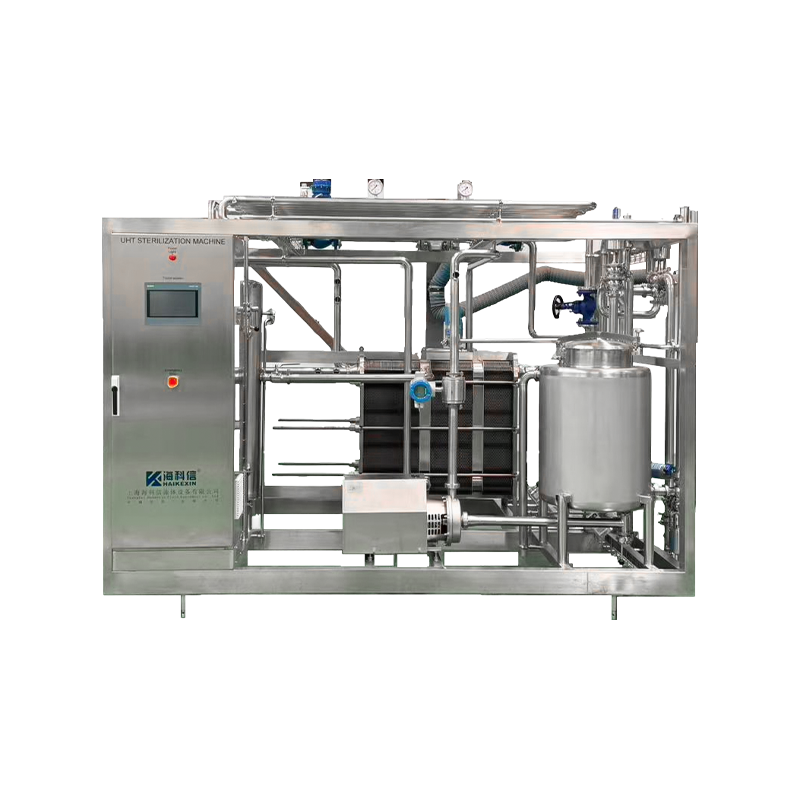
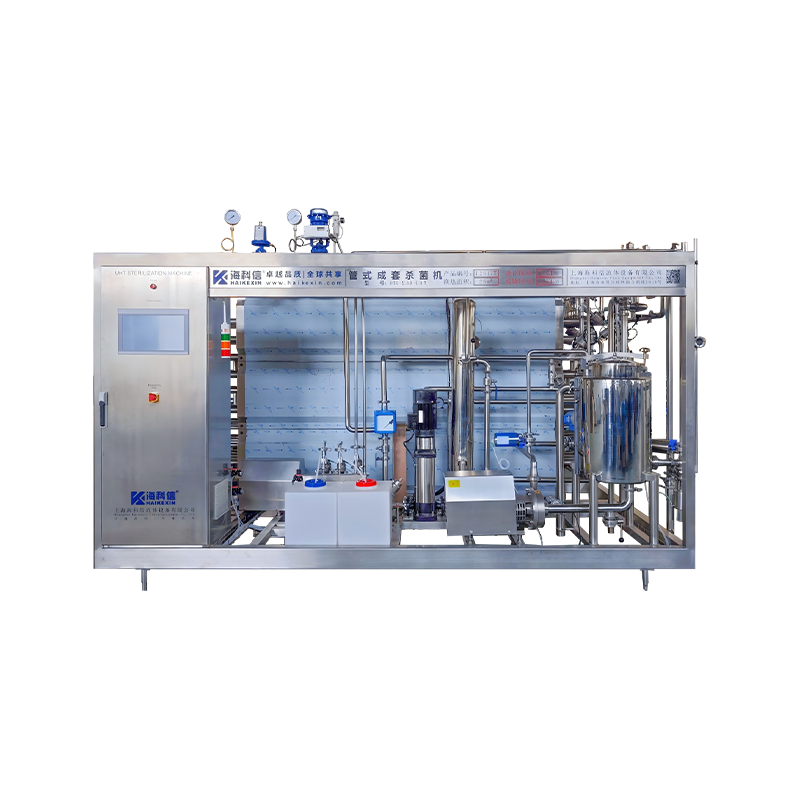
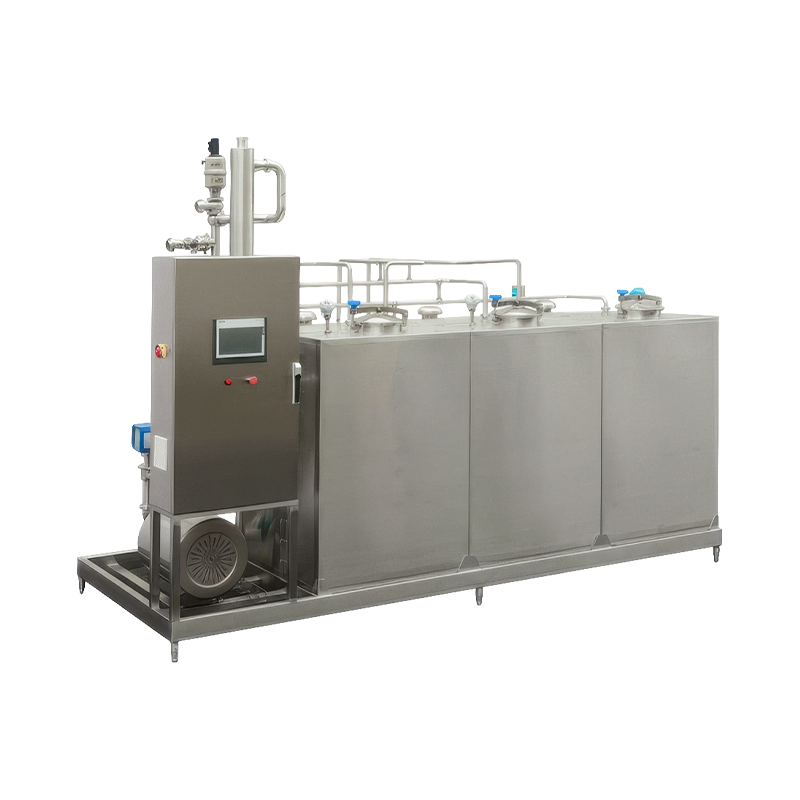
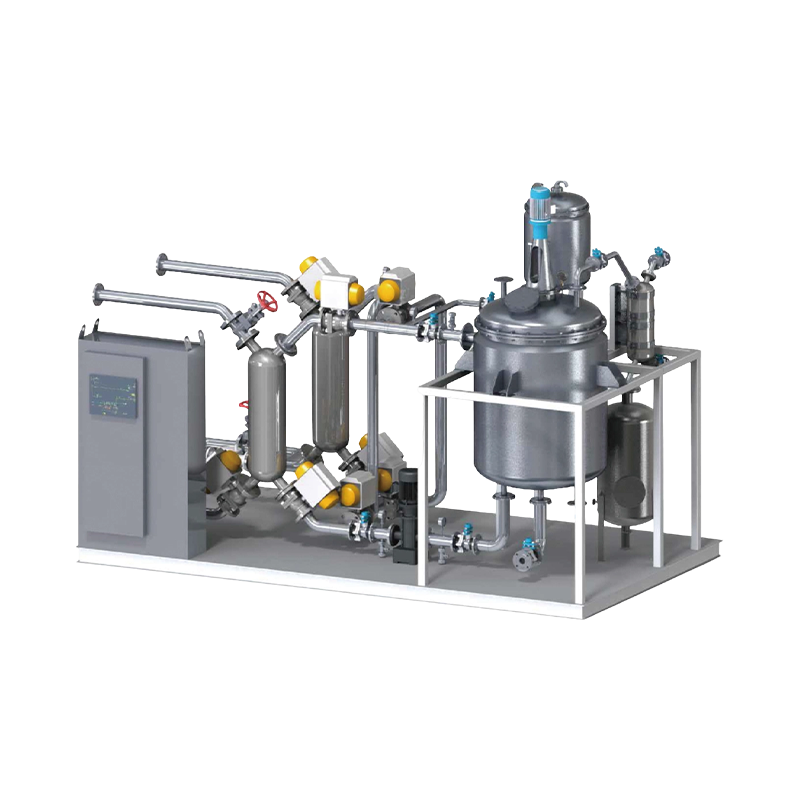
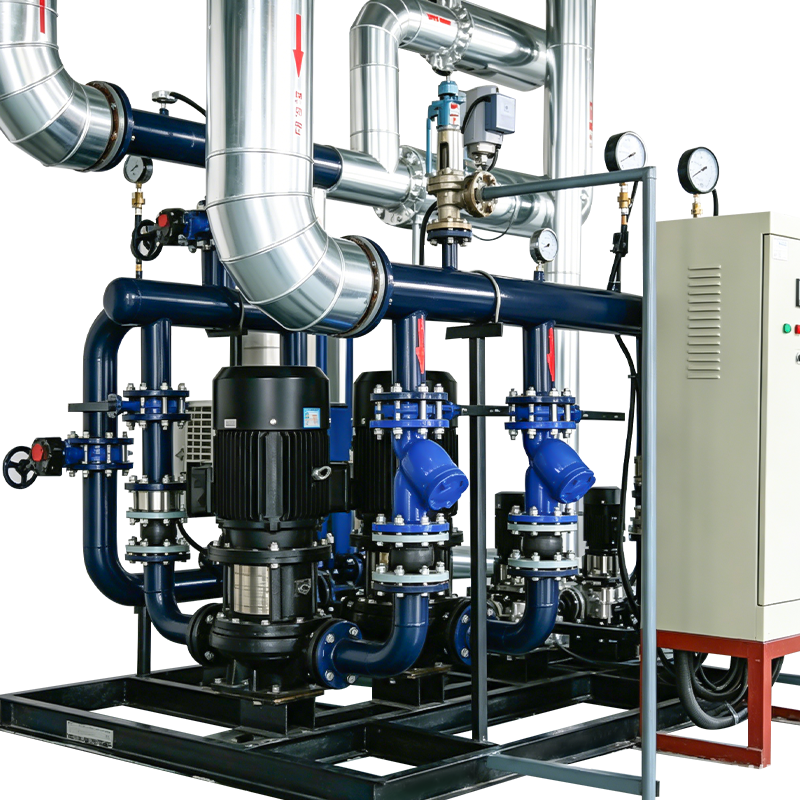
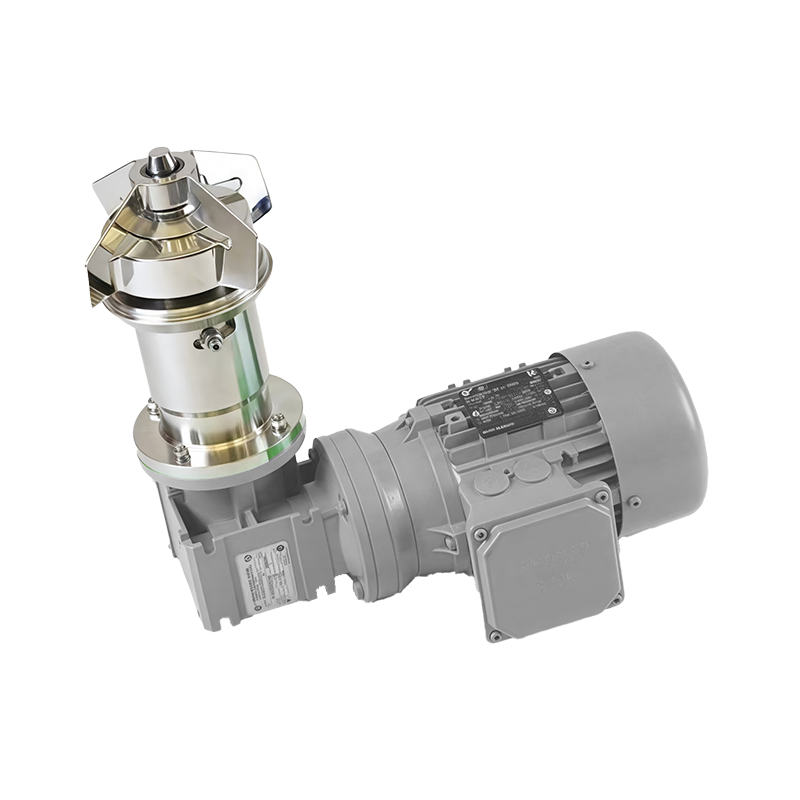
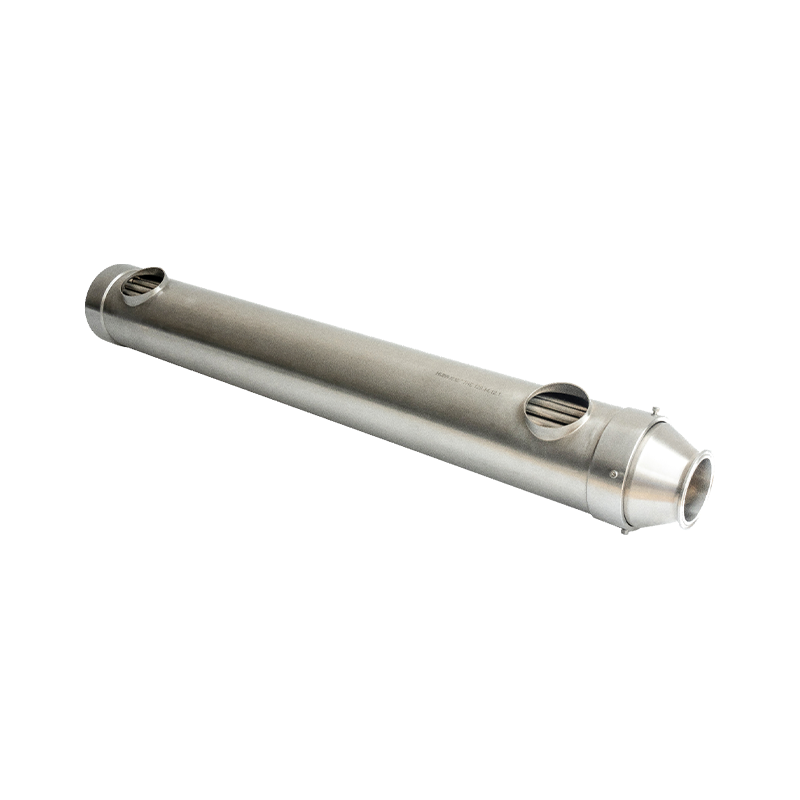
Beverage Flash Pasteurization System
A Beverage Flash Pasteurization System applies rapid, controlled heat treatment to liquid beverages before cooling, storage, or filling. It is designed to raise the product temperature to a specified level, maintain the required holding time, and reduce the temperature within a coordinated processing sequence. This arrangement is used in beverage production where thermal treatment, product flow, and downstream packaging need to operate as an integrated process.
The system can be configured for different liquid products, including fruit beverages, juice drinks, tea-based beverages, and other compatible formulations. Product acidity, pulp content, viscosity, heat sensitivity, and target processing capacity all influence the selection of heat exchangers, pumps, holding sections, and control instruments.
Rapid Heating with Controlled Residence Time
Flash pasteurization is based on a short, defined thermal treatment followed by rapid cooling. The product passes through a heat-transfer section, reaches the specified treatment temperature, and remains under controlled conditions for the required holding period. The cooling stage then prepares the beverage for its next processing or packaging operation.
Unlike a batch process that treats a fixed volume in a tank, a continuous flash pasteurization system processes beverage through a controlled flow path. Temperature, flow rate, holding volume, and product routing must be coordinated to maintain the validated process conditions.
Actual temperature, holding time, and cooling targets must be established according to beverage composition, applicable food-safety requirements, and the validated production process.
Five Stages of Beverage Flash Pasteurization
Each stage has a defined function within the continuous treatment sequence. The equipment arrangement can be adjusted to suit the product and factory process.
Product Feeding
Beverage enters the system from a preparation or balance tank. The feeding arrangement supports stable flow into the heat-treatment section.
Temperature Elevation
The heat exchanger transfers energy to the beverage until the specified treatment temperature is reached.
Thermal Exposure
The holding section provides the required residence time at the defined temperature under the specified flow conditions.
Product Cooling
The treated beverage passes through a cooling section to reach the temperature required by the next process stage.
Discharge and Transfer
Cooled beverage is routed to a storage tank, aseptic or non-aseptic filling system, or another downstream unit as specified.
Integrated Units Within the System
The configuration combines product-contact components, thermal exchange equipment, process instruments, and utility connections. Component specifications depend on the beverage and required production conditions.
Heat Exchanger Selection for Different Beverages
Heat exchanger selection affects thermal efficiency, pressure drop, cleaning frequency, and product handling. The suitable structure depends on beverage composition and operating conditions.
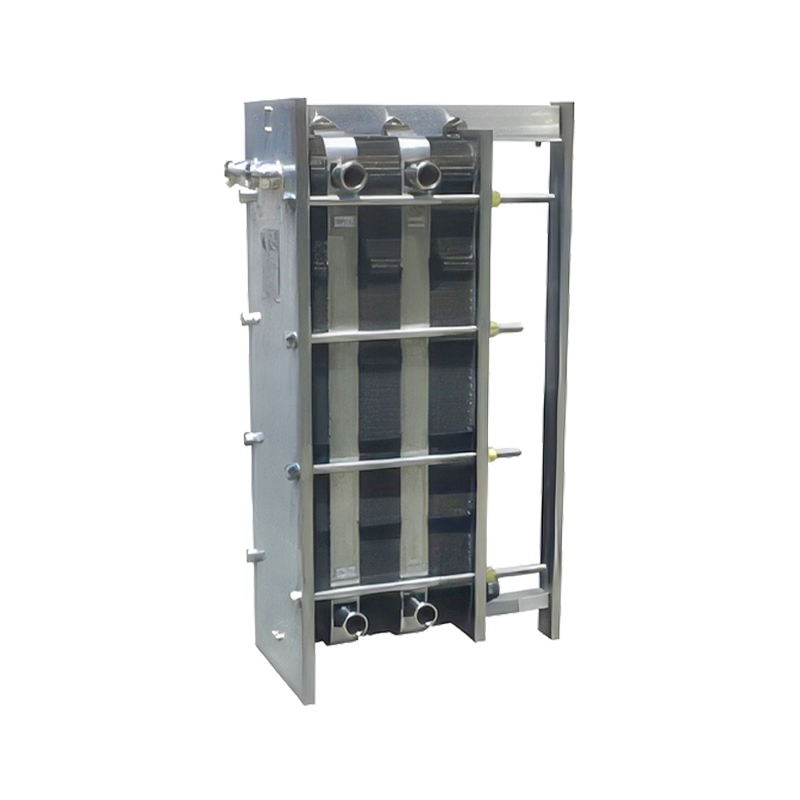
Uses a series of plates to create alternating product and heating or cooling medium channels. It can be considered for compatible liquid beverages with suitable flow and filtration conditions.
- Compact heat-transfer arrangement
- Suitable for many low-viscosity liquid products
- Plate configuration can be designed around process duty
- Requires evaluation of pulp size and fouling behavior
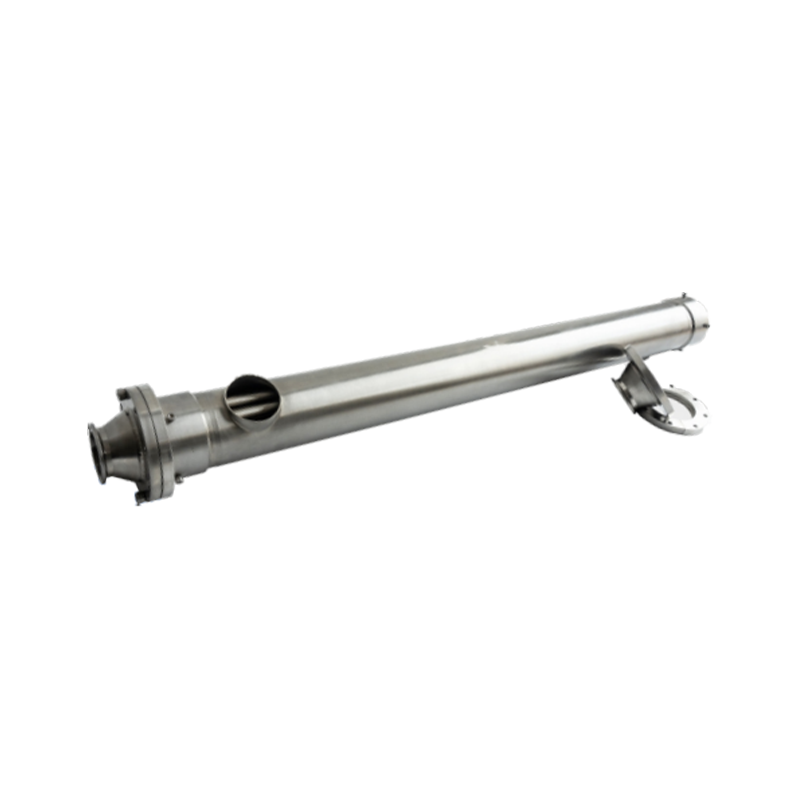
Transfers heat through product channels formed by tubes within a heat-exchange assembly. It may be evaluated for beverages with higher viscosity or suspended particles, depending on the design.
- Can accommodate selected particle-containing products
- Tube dimensions can be matched to product characteristics
- Suitable for specific higher-viscosity applications
- Requires assessment of pressure drop and cleaning access
Neither exchanger type is universally suitable for all beverages. Product viscosity, particle dimensions, flow behavior, thermal sensitivity, and sanitation requirements should be assessed before finalizing the design.
Liquid Beverage Processing Applications
The system can be configured for a range of beverage categories. Each application requires process parameters and equipment details suited to its formulation and intended shelf-life strategy.
Fruit Juice
Juice products with formulation and pulp characteristics compatible with the selected heat exchanger.
Fruit Drinks and Nectar
Fruit-based beverages with different soluble solids, acidity, and suspended-pulp levels.
Tea-Based Drinks
Ready-to-drink tea formulations requiring controlled thermal processing before packaging.
Flavored Water and Functional Drinks
Compatible formulated beverages with defined ingredient and thermal treatment requirements.
Other Liquid Food Products
Selected liquid formulations evaluated for viscosity, particle content, and heat-transfer behavior.
Temperature, Flow, and Product Routing Control
Continuous pasteurization relies on coordinated process variables. Monitoring and control functions should be specified according to the food-safety plan and operating requirements.
Measures product temperature at defined heating, holding, and cooling points.
Tracks product flow conditions used to establish the required holding time.
Can support product routing based on the specified process-control strategy.
Optional recording functions can document relevant operating values and process events.
Temperature display alone does not establish a validated pasteurization process. Holding time, actual flow rate, sensor accuracy, diversion logic, and process verification must be considered together.
Information Needed for System Configuration
Providing process and product information helps determine the equipment arrangement, heat-transfer capacity, and integration requirements.
Questions About Beverage Flash Pasteurization
Common technical considerations when planning a continuous beverage thermal treatment line.
What is a beverage flash pasteurization system?
It is a continuous thermal processing system that rapidly heats a liquid beverage to a specified treatment temperature, maintains it for a defined holding period, and then cools it. The process is designed around product composition, processing capacity, and applicable food-safety requirements.
Which beverages can be processed by this system?
Potential applications include fruit juice, fruit drinks, nectar, tea-based beverages, flavored water, and other compatible liquid food products. Final compatibility depends on acidity, viscosity, suspended particles, thermal sensitivity, and the selected heat exchanger.
What is the difference between flash pasteurization and batch pasteurization?
Flash pasteurization generally uses a continuous flow process with rapid heating, a defined holding section, and subsequent cooling. Batch pasteurization treats a measured quantity in a vessel over a processing cycle. The suitable method depends on production volume, product range, process design, and packaging requirements.
Can the system process beverages containing pulp?
Selected pulp-containing beverages may be processed when the exchanger channels, pipe dimensions, pump arrangement, and flow conditions are designed for the particle characteristics. Pulp size, concentration, and distribution should be provided before equipment selection.
Which heat exchanger is used in a flash pasteurizer?
Plate and tubular heat exchangers are possible configurations. Plate exchangers are often evaluated for compatible liquid products with suitable flow characteristics, while tubular designs may be considered for certain higher-viscosity or particle-containing beverages. The final selection requires product and process data.
Can the pasteurization system connect directly to a filling machine?
The system can be designed with transfer connections to downstream storage or filling equipment. Whether direct transfer is appropriate depends on the filling technology, product temperature, hygienic or aseptic requirements, buffer capacity, and the overall process layout.
Does flash pasteurization make a beverage shelf-stable?
Not by itself in every application. Shelf life depends on product acidity, validated thermal treatment, packaging hygiene, filling conditions, storage temperature, and the intended distribution method. Ambient-stable products may require additional aseptic processing or other validated preservation measures.
Can the system include automatic product diversion?
Automatic diversion can be included where required by the process design. The control logic should respond to defined process conditions and be validated as part of the complete pasteurization system, including sensor accuracy, flow control, and holding-time requirements.