

 English
 русский
 Português
 Français


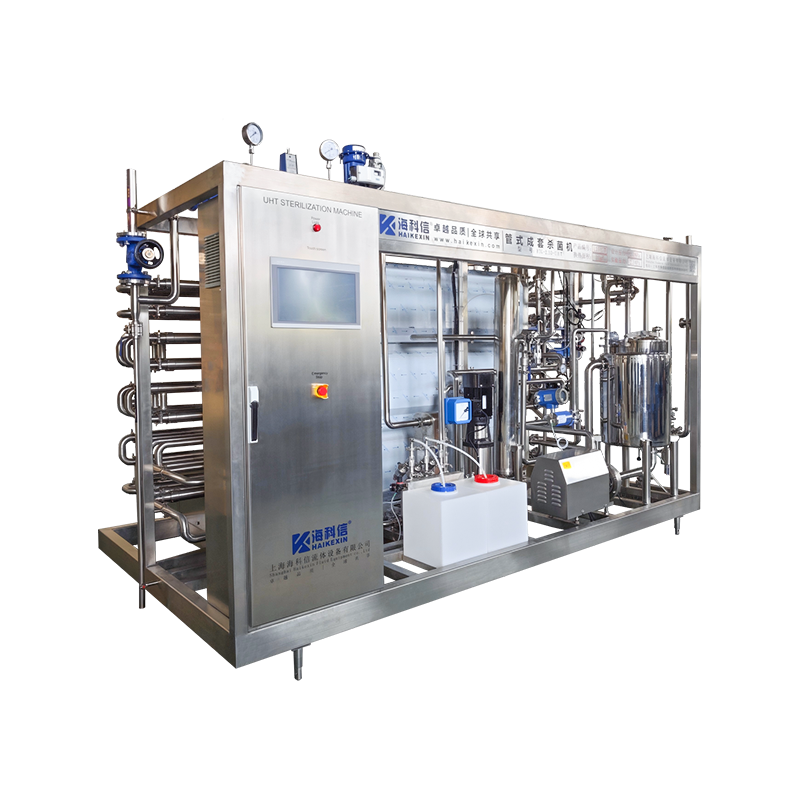
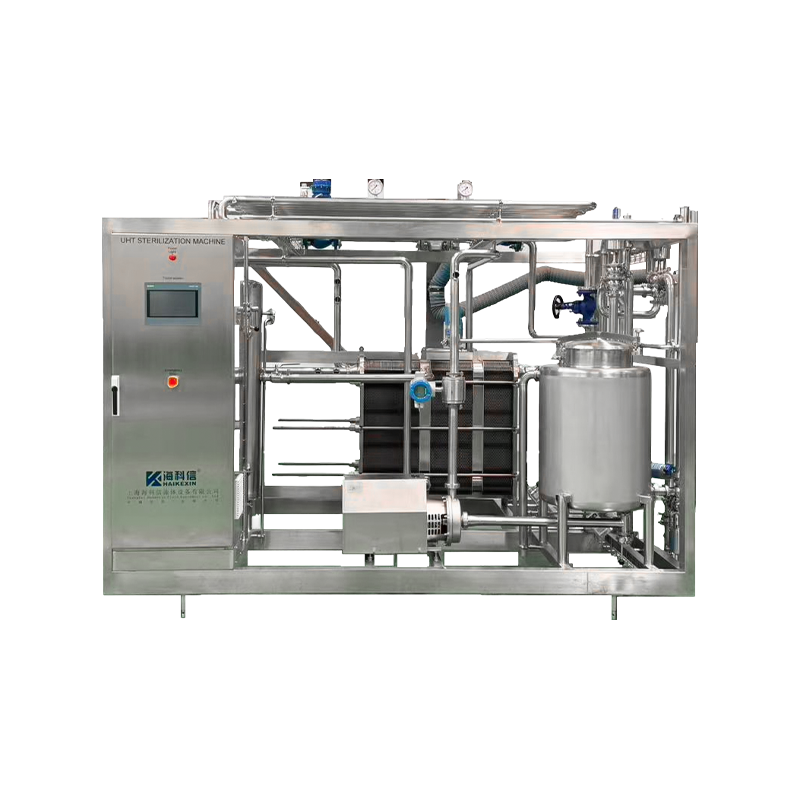
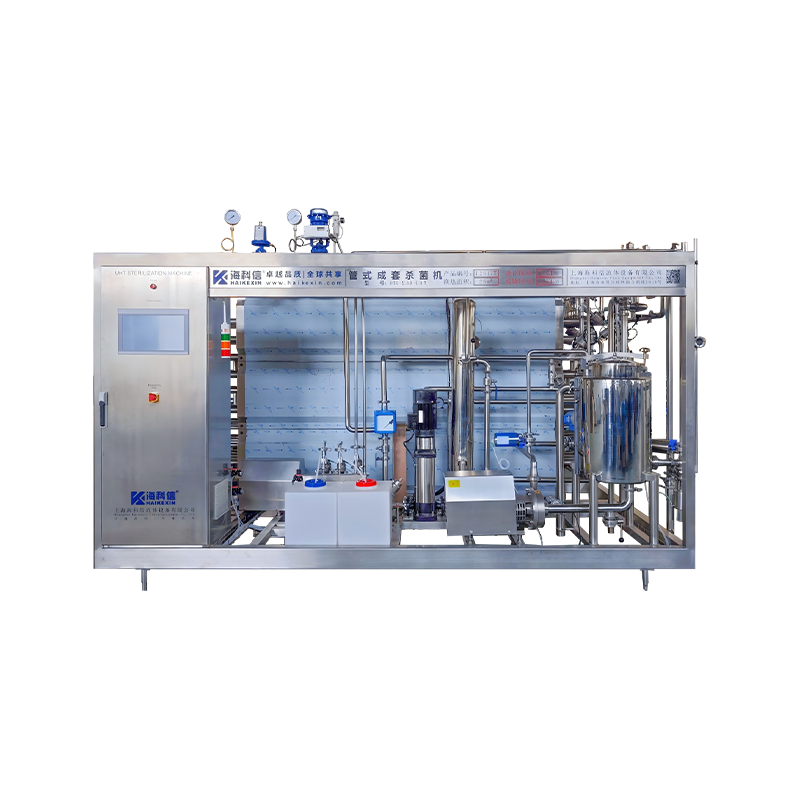
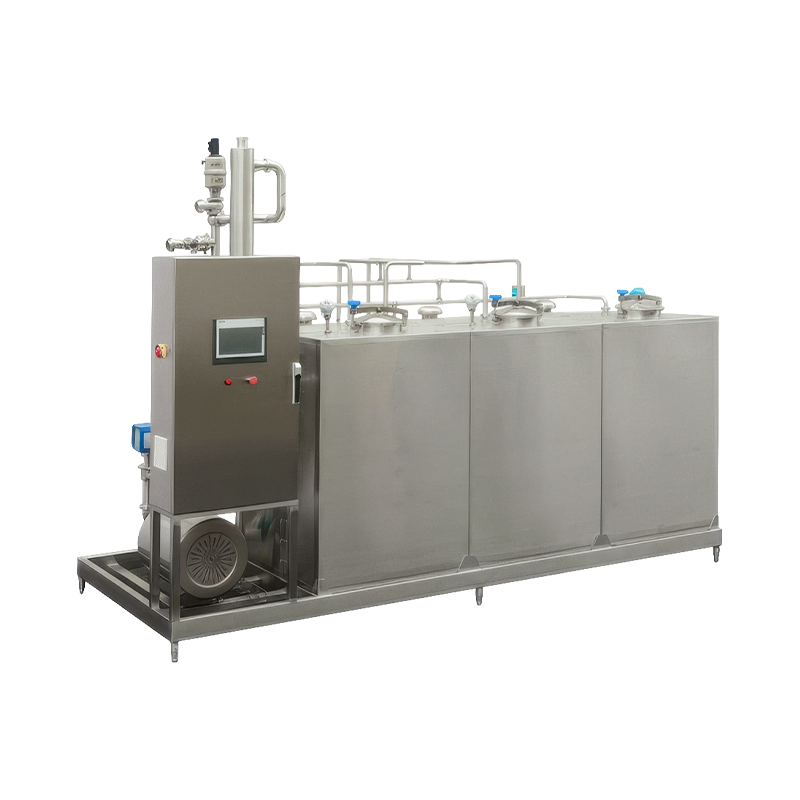
Cream Pasteurization Equipment
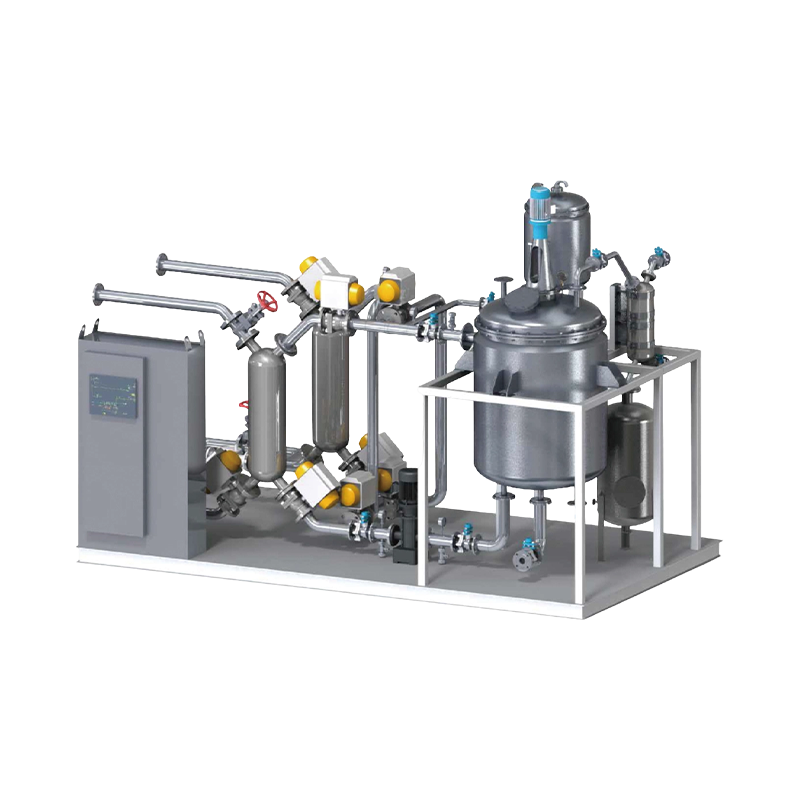
Cream Pasteurization Equipment is designed to apply controlled thermal treatment to dairy cream while maintaining the required product characteristics for subsequent processing, storage, and distribution. The system can integrate product heating, temperature holding, cooling, hygienic transfer, and automated process control according to the cream formulation and production requirements.
Cream differs from standard milk in fat content, viscosity, and heat-transfer behavior. Equipment selection therefore needs to account for product composition, processing temperature, flow characteristics, and the risk of fat separation or heat-related changes. A properly configured system helps processors maintain consistent treatment conditions across production batches or continuous processing runs.
Designed Around Cream Processing Conditions
Fat content and formulation influence how cream behaves during heating, holding, and cooling. These factors should be evaluated before defining the equipment structure and process parameters.
Fat Content
Different cream formulations have different fat concentrations. The selected heat-transfer arrangement should accommodate the intended product range and operating conditions.
Viscosity
Product viscosity affects flow behavior and heat exchange. Pump selection, pipe dimensions, and exchanger design should be assessed together.
Thermal Sensitivity
Heating intensity and exposure time can influence flavor, texture, and functional properties. Treatment conditions should follow the applicable process specification.
Cleaning Requirements
Fat residues and product deposits make cleanability an important design consideration. Hygienic piping and compatible CIP arrangements support routine sanitation.
How the Pasteurization Line Works
The process sequence can be adapted to batch or continuous production. The final arrangement depends on throughput, cream properties, required treatment conditions, and downstream equipment.
Product Feeding
Raw cream enters the system through a product transfer line and is directed to the treatment section.
Preheating & Heating
Heat exchange raises the product temperature according to the defined processing program.
Holding
A holding section provides the specified temperature exposure time under controlled flow conditions.
Cooling
The treated cream is cooled to the temperature required by the next production stage.
Product Discharge
Cooled cream is transferred to a storage tank, filling system, or subsequent processing equipment.
Pasteurization temperature and holding time are not universal settings. They must be established according to the cream formulation, applicable food-safety regulations, and the validated process design.
Equipment Modules and Their Functions
A cream pasteurization line is assembled from coordinated product-contact and control components. The exact module list varies with the selected processing method.
Product Balance or Feed Tank
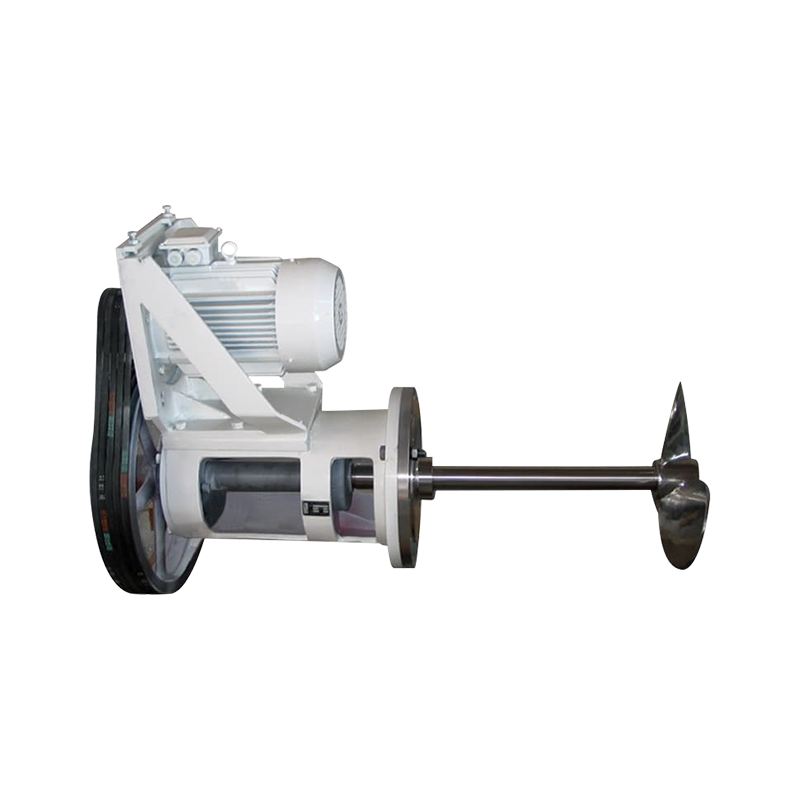
Provides a controlled product supply to the processing line. Tank design and agitation, where required, depend on the cream formulation and production arrangement.
Heat Exchanger
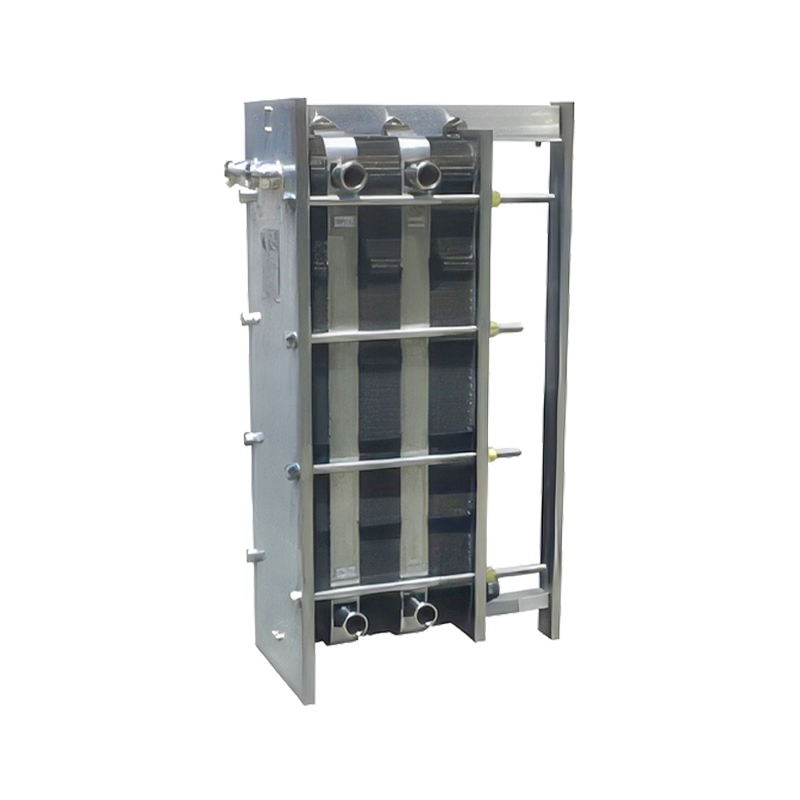
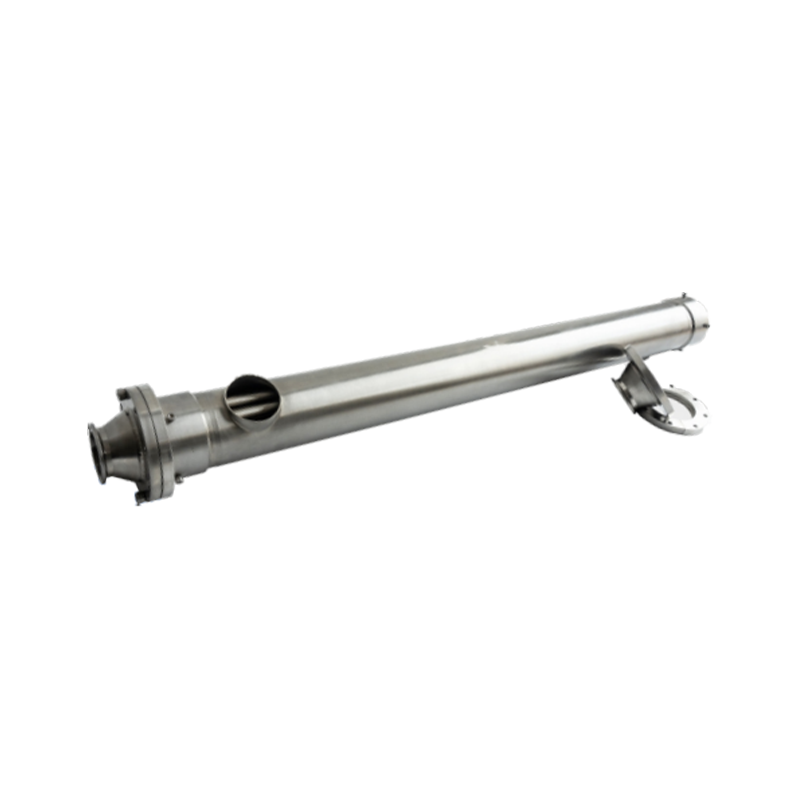
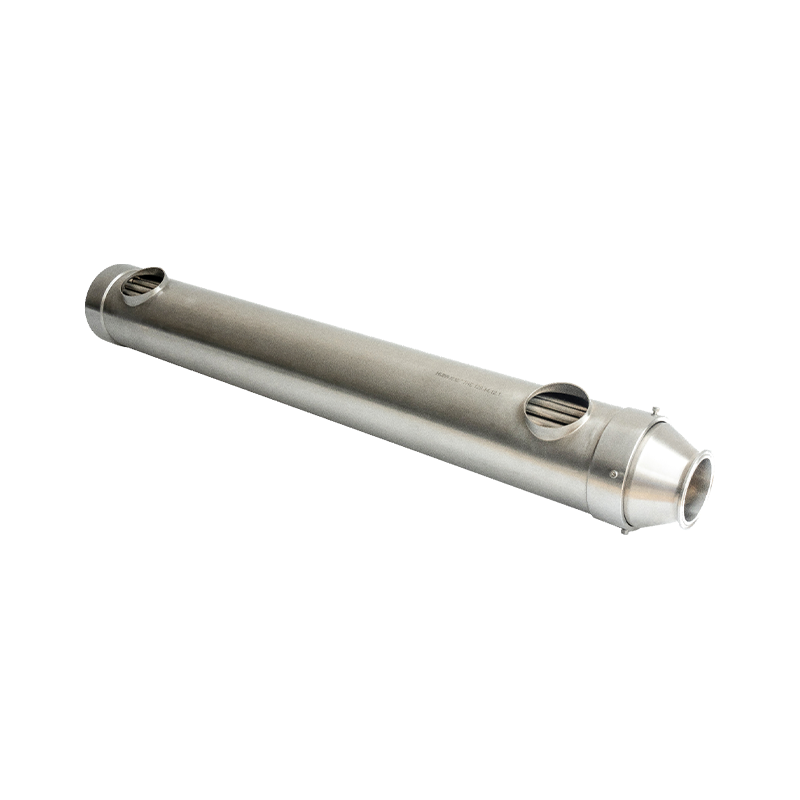
Transfers thermal energy to or from the cream. Plate or tubular designs may be considered according to viscosity, fouling behavior, pressure drop, and cleaning requirements.
Holding Section
Provides the required product residence time at the specified treatment temperature. Its design must correspond to the validated flow rate and process conditions.
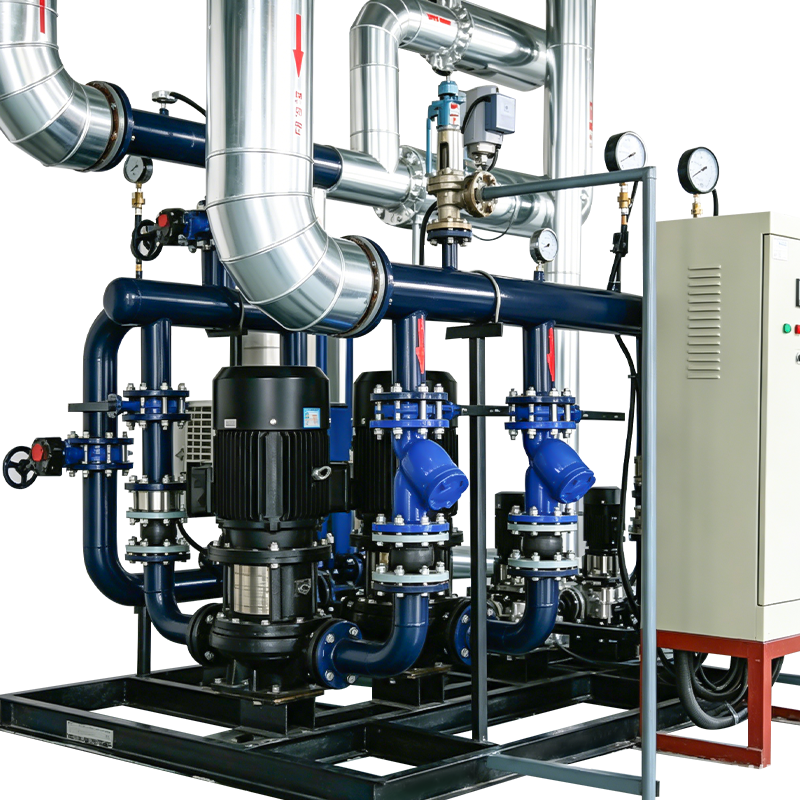
Product Pump and Valves
Move cream through the system and manage product routing. Pump type and valve arrangement should suit the product's flow characteristics and hygienic requirements.
Control and Monitoring Unit
Monitors relevant process variables such as temperature, flow, and operating status. Control functions can be configured around the required production sequence.
CIP Connection and Cleaning Circuit
Supports cleaning of compatible product-contact surfaces without routine manual disassembly. The cleaning sequence must be matched to the system design and cleaning chemicals.
Batch and Continuous Processing Arrangements
Production scale, operating schedule, and product range help determine whether a batch or continuous pasteurization arrangement is more suitable.
Batch Pasteurization
Cream is processed in a vessel through a controlled heating, holding, and cooling sequence.
- Suitable for production schedules organized around individual batches
- Can accommodate product changes with an appropriate cleaning procedure
- Requires attention to vessel mixing and temperature uniformity
- Batch capacity and cycle time influence overall production output
Continuous Pasteurization
Cream flows through coordinated heat-exchange and holding sections at a controlled production rate.
- Suitable for production lines with regular and sustained throughput
- Can integrate heating, holding, cooling, and automatic product routing
- Requires coordinated flow and temperature monitoring
- Exchanger selection should reflect product properties and cleaning needs
Applications in Dairy Manufacturing
Cream pasteurization equipment can be configured for different dairy processing operations. The treatment program and equipment arrangement should be matched to the intended product and its downstream use.
Whipping Cream
Thermal treatment before cooling, maturation, and subsequent whipping-related processing.
Cooking Cream
Processing cream formulations intended for food preparation and commercial kitchen supply.
Table Cream
Pasteurization of cream for packaging and distribution through refrigerated dairy channels.
Ice Cream Mix
Thermal processing of cream-containing mixes before homogenization, aging, or freezing, depending on the production sequence.
Industrial Dairy Ingredients
Controlled treatment of cream used as an ingredient in food manufacturing and further dairy processing.
Frequently Asked Questions
Key considerations when evaluating cream pasteurization equipment for a dairy processing facility.
How is cream pasteurization equipment different from milk pasteurization equipment?
Cream generally has a higher fat content and may have different viscosity and heat-transfer characteristics from standard milk. Equipment selection should therefore consider the cream formulation, flow behavior, exchanger design, pump capacity, and cleaning requirements rather than simply applying a standard milk-processing configuration.
Can one system process cream with different fat percentages?
A system may be designed to handle a defined range of cream formulations. The acceptable range depends on viscosity, flow characteristics, heat-transfer performance, pump selection, and the validated operating conditions. Product samples or detailed formulation data are useful during equipment specification.
Which heat exchanger is suitable for cream pasteurization?
Plate and tubular heat exchangers are both potential options. The selection depends on cream viscosity, product composition, required capacity, fouling behavior, pressure drop, temperature conditions, and cleaning strategy. A process review is needed before confirming the exchanger type.
Can the equipment include automatic temperature control?
Temperature sensors, control instruments, and an automated control unit can be incorporated according to the system specification. Additional functions may include flow monitoring, alarm handling, process recording, and automatic product diversion where required by the validated process design.
Can cream pasteurization equipment connect to a homogenizer or filling line?
Yes. The equipment layout can be planned around upstream and downstream machinery, including homogenizers, product storage tanks, aging systems, and filling lines. Connection points, transfer conditions, and the required process sequence should be confirmed during project planning.
What information is needed to select a suitable system?
Important information includes cream type, fat content, viscosity, processing capacity, target temperature, holding time, cooling requirement, operating mode, available utilities, and downstream connections. These details provide the basis for evaluating the process configuration and equipment specification.