
 English
 русский
 Português
 Français


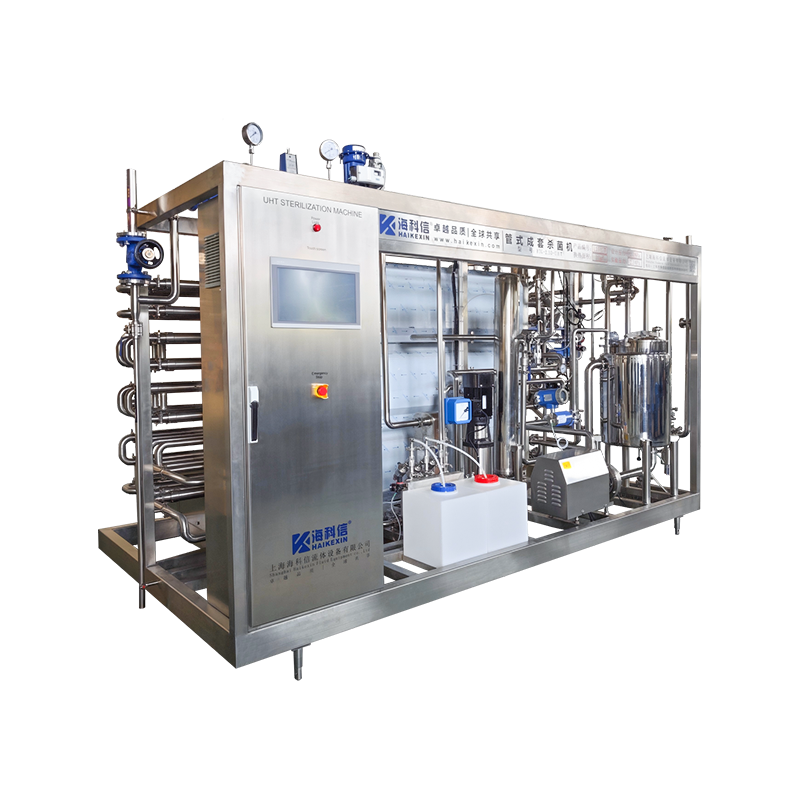
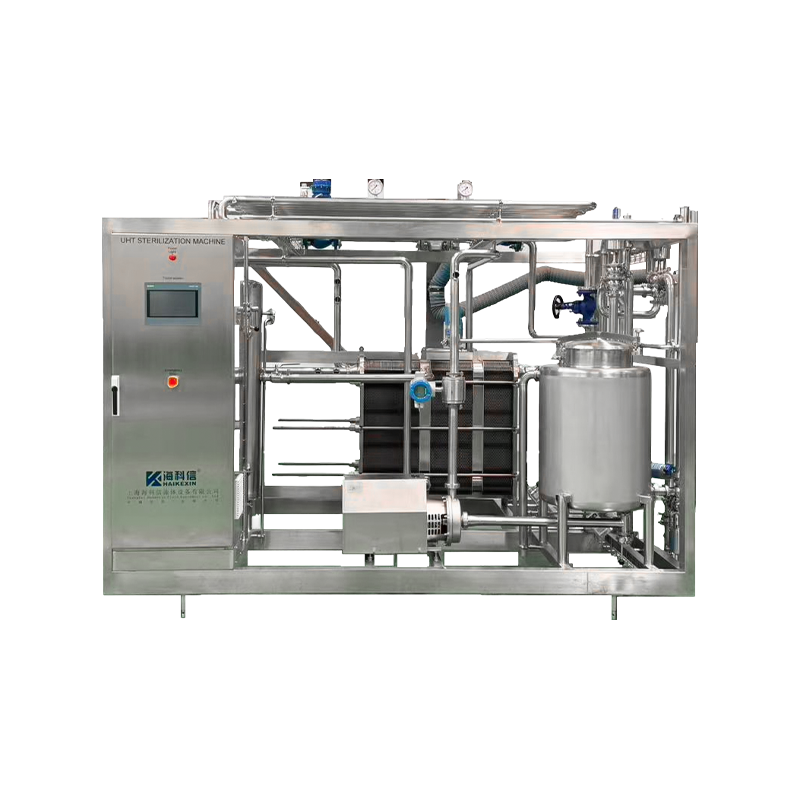
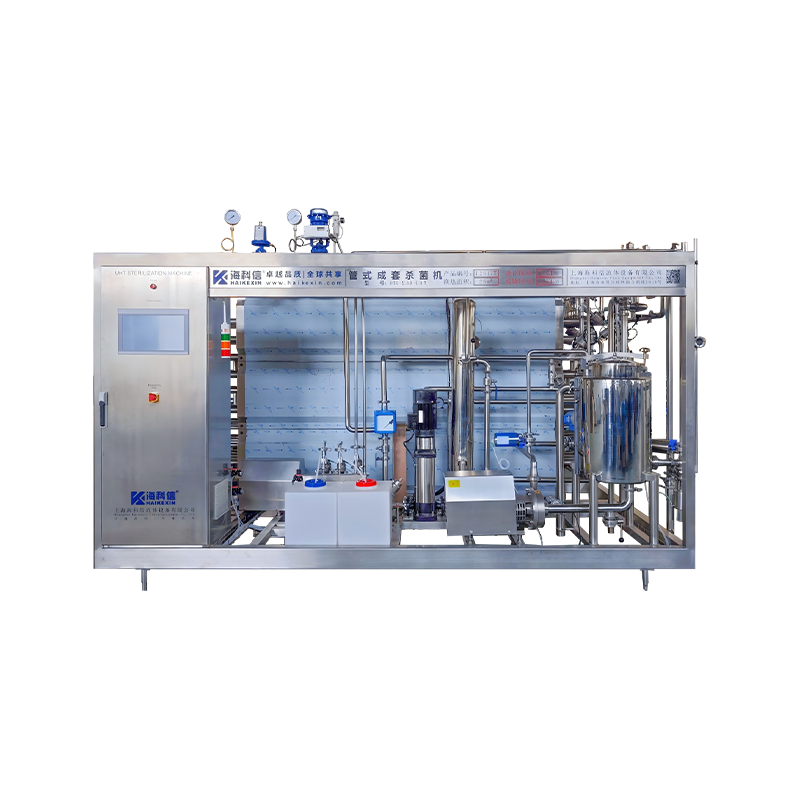
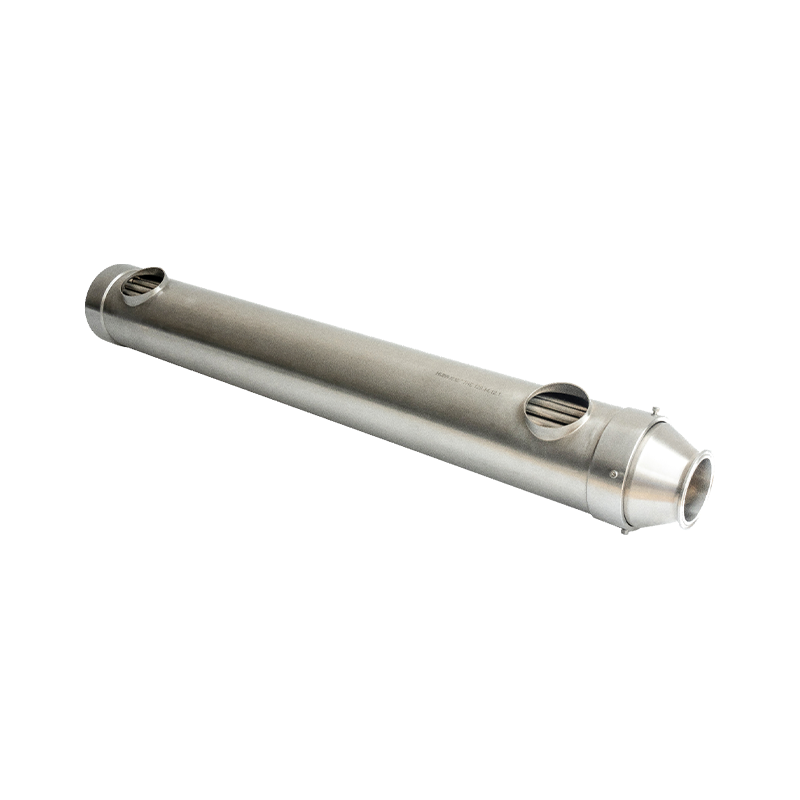
Batch Pasteurization Tank
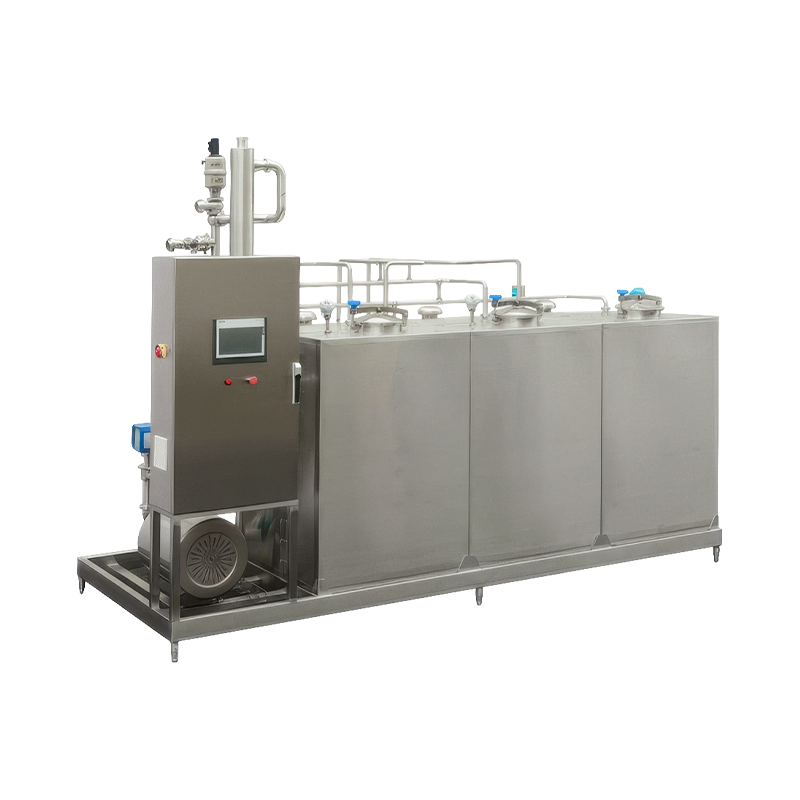
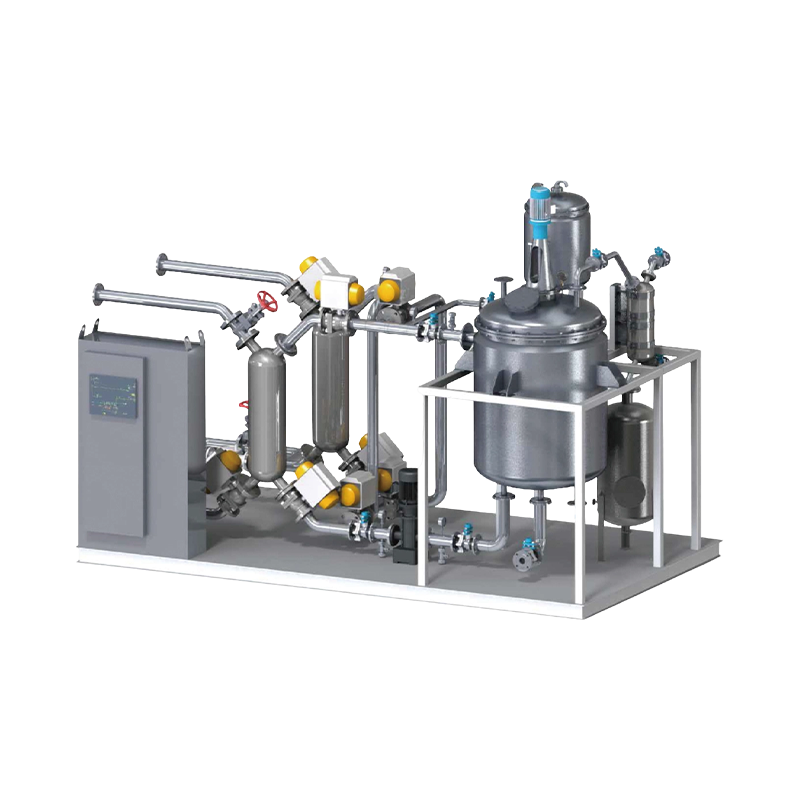
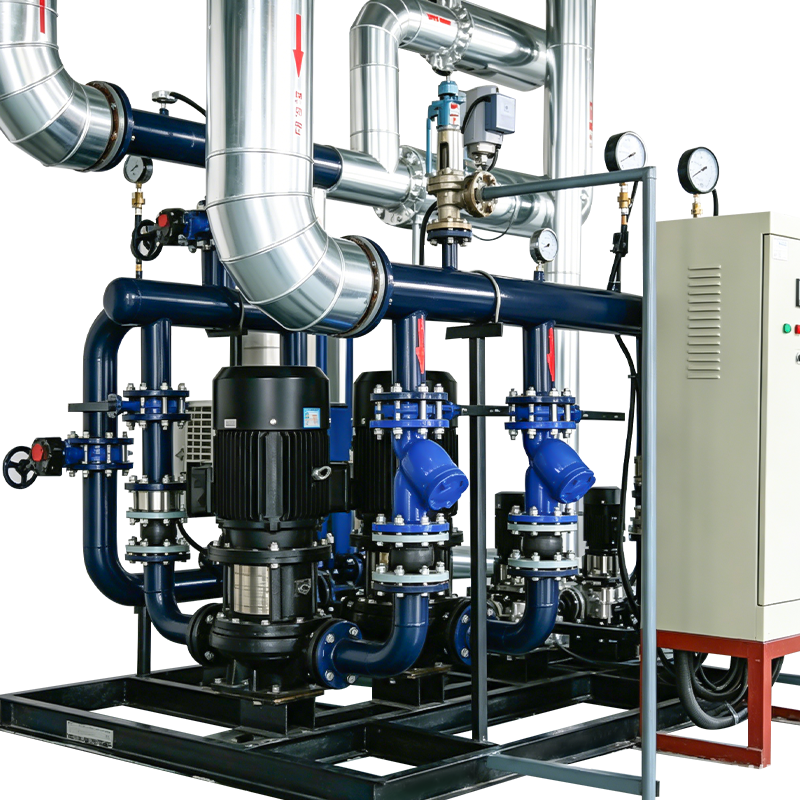
A Batch Pasteurization Tank is a jacketed processing vessel designed to heat a defined quantity of liquid food or beverage, maintain it at a specified temperature for a controlled period, and prepare it for subsequent cooling or transfer. Unlike continuous pasteurization equipment, which treats products as they flow through a processing line, a batch tank handles a fixed product volume within one vessel during each processing cycle.
The equipment can be configured for applications such as milk, cream, beverage bases, liquid dairy mixtures, and other compatible food formulations. Vessel capacity, agitation method, heating arrangement, temperature monitoring, insulation, and cleaning provisions should be selected according to product characteristics and the intended production process.
How a Batch Pasteurization Tank Works
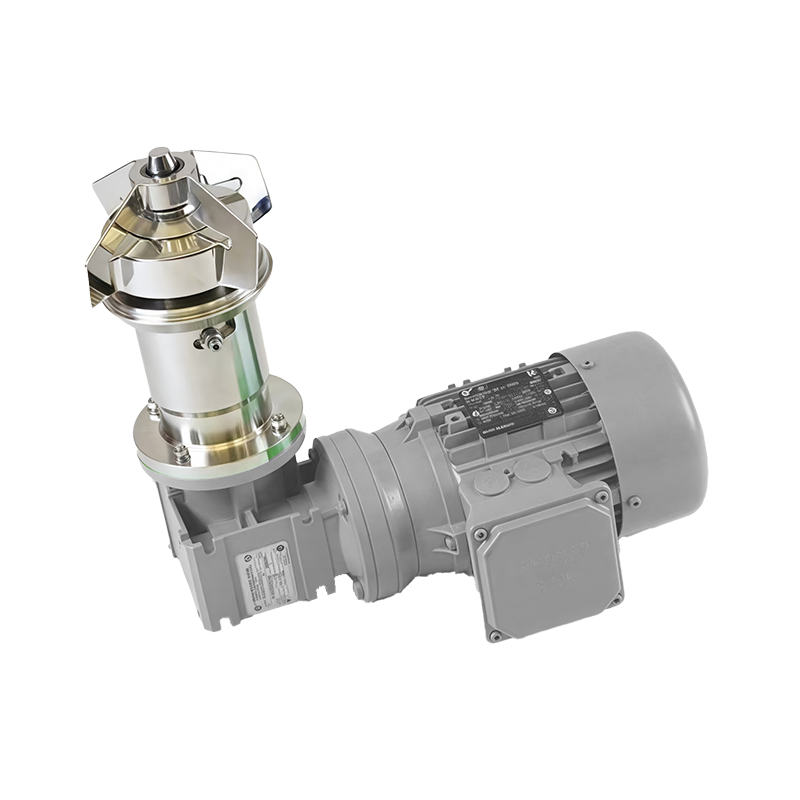
The tank receives a measured quantity of product through an inlet or transfer connection. A heating medium circulates through the jacket or another specified heat-transfer arrangement, allowing energy to pass into the vessel contents. Where required, an agitator helps distribute heat throughout the product and reduces temperature differences within the batch.
Temperature sensors monitor the process, while the control system manages the defined heating and holding stages. After the required treatment has been completed, the product can be cooled in the tank or transferred to a separate cooling unit, depending on the system configuration.
Heating time and temperature uniformity depend on batch volume, product viscosity, starting temperature, heating-medium conditions, vessel geometry, and agitation performance.
Four Operating Functions in One Vessel
A batch tank brings several processing operations together. The exact combination depends on whether the project requires heating only, heating and holding, or a complete heat-and-cool cycle.
Product Heating
Transfers heat from the selected heating medium to the product through the vessel jacket or specified heating arrangement.
Temperature Holding
Maintains the product under the specified treatment conditions for a defined period before the next processing stage.
Product Agitation
Circulates or mixes the batch to support temperature distribution and product consistency where agitation is required.
Product Cooling
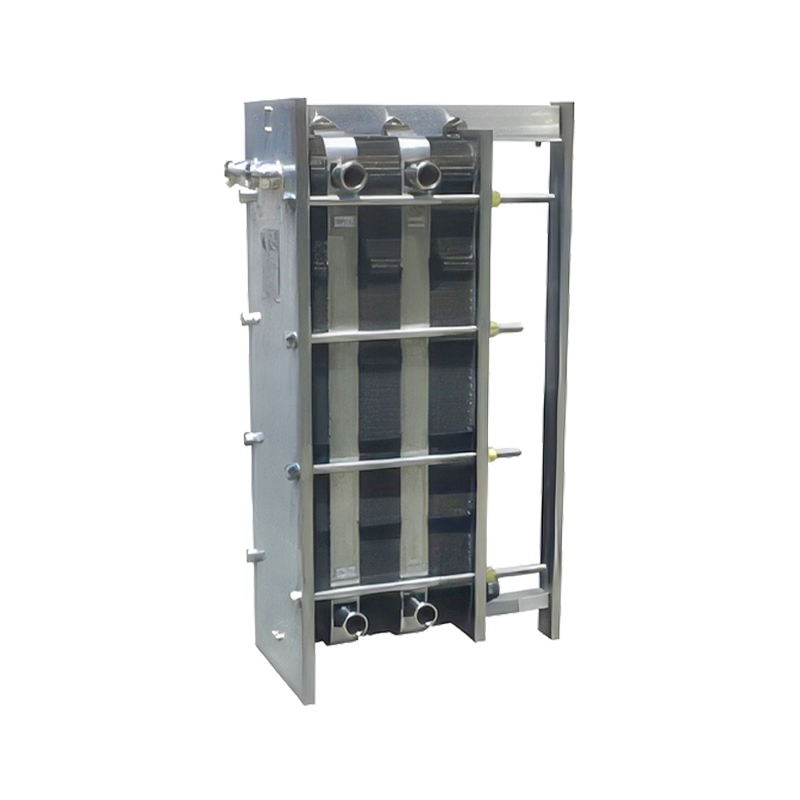
Uses a cooling jacket or a separate cooling arrangement to reduce product temperature after the holding stage.
Components That Define Tank Performance
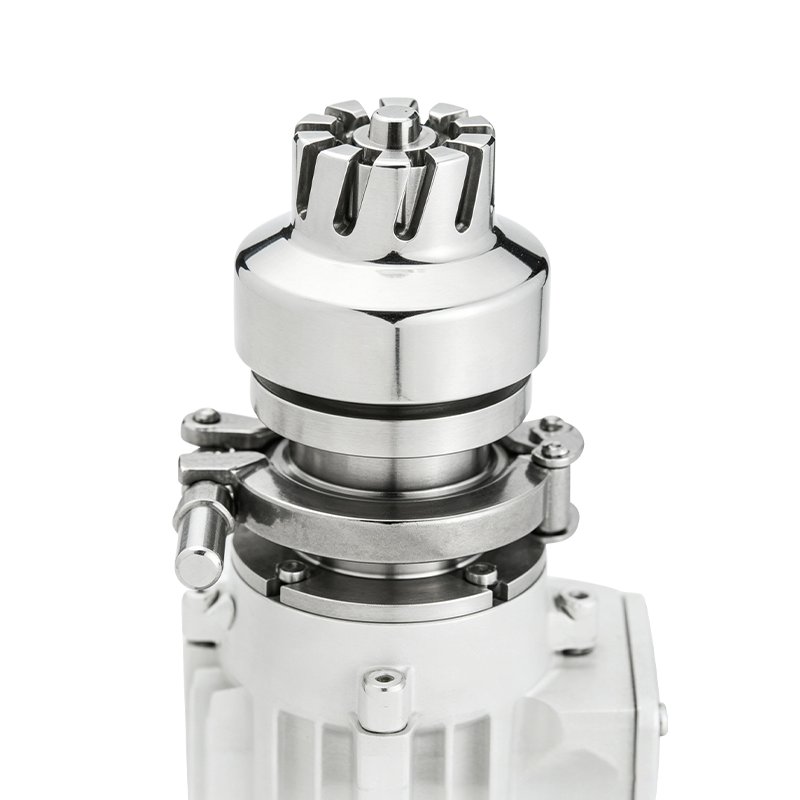
Mechanical construction and product-contact design influence heat transfer, cleaning access, operating stability, and maintenance. Components should be specified around the actual process rather than treated as a fixed standard package.
Contains the product during heating and holding.
Product-contact material, surface finish, volume, and operating conditions.
Provides the heat-transfer space around the vessel.
Heating medium, jacket structure, thermal duty, and pressure requirements.
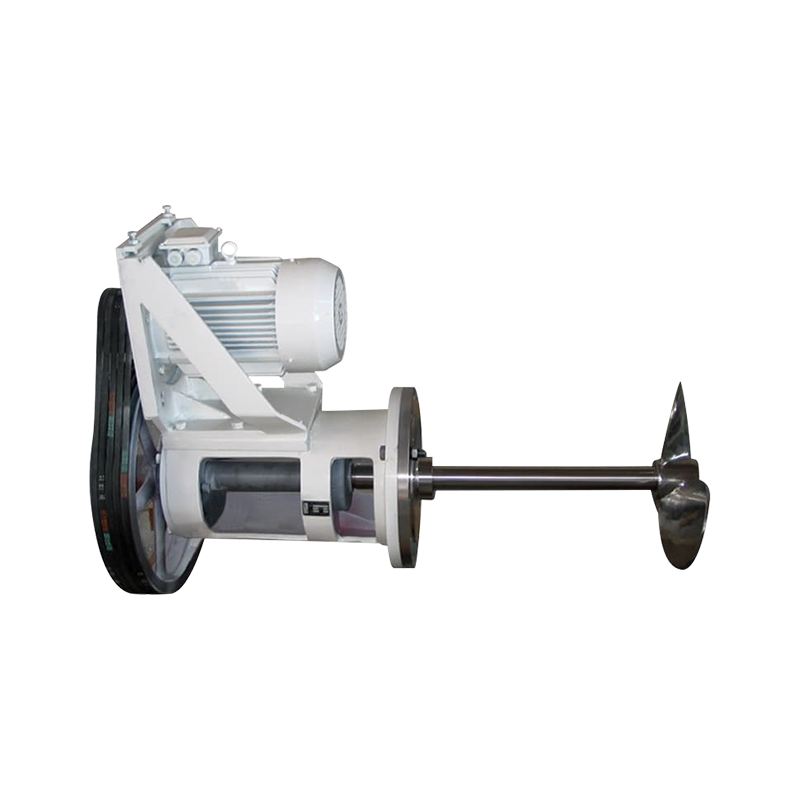
Moves the product to support mixing and heat distribution.
Impeller type, speed, viscosity, and sensitivity to shear.
Measures product or process temperature at defined locations.
Sensor position, measurement range, response, and calibration.
Reduces heat loss from the vessel during operation.
Insulation material, thickness, external finish, and cleaning environment.
Transfers treated product to the next process unit.
Outlet size, valve type, drainage, and product residue control.
Manages operating parameters and process sequences.
Temperature control, timing, alarms, recording, and operator interface.
Product-Contact Construction and Cleaning Access
For food and beverage applications, material selection and hygienic construction need to reflect the product, cleaning chemicals, temperature range, and sanitation procedures.
Product-Contact Material
Stainless steel grades such as 304 or 316L may be considered according to product chemistry, chloride exposure, cleaning agents, and project specifications. The required grade should be confirmed before fabrication.
Internal Surface Finish
Weld treatment, surface roughness, corners, and product-contact transitions should be evaluated for residue retention and cleaning accessibility.
Drainage and Outlet Design
Tank bottom geometry, outlet positioning, and pipe connections affect product discharge and the removal of residual liquid during cleaning.
Cleaning Arrangement
Manual cleaning or a CIP-compatible arrangement can be specified. Spray devices, return lines, cleaning coverage, and chemical compatibility require design review.
From Raw Product Loading to Process Discharge
A controlled batch sequence helps operators manage each processing stage and record the relevant conditions.
Product Loading
The prepared product is transferred into the tank according to the specified batch volume and operating procedure.
Controlled Heating
The heating medium supplies energy through the jacket or other specified heat-transfer arrangement. Agitation is used where required.
Temperature Holding
Once the required product temperature is reached, the holding stage begins according to the validated time-temperature process.
Product Cooling
The batch is cooled in the tank or transferred to a separate cooling unit, depending on the production layout.
Discharge and Next Operation
Treated product is transferred to a storage vessel, mixing tank, filling line, or another downstream process.
The required temperature and holding time depend on the product formulation, target microorganisms, applicable regulations, and intended shelf-life conditions. A tank configuration alone does not establish pasteurization effectiveness.
Batch Processing for Different Liquid Products
Batch pasteurization is applicable to production environments that process defined quantities of compatible liquid or semi-liquid food products.
Milk and Dairy Products
Milk, cream, and selected dairy mixtures requiring controlled batch heating and holding.
Ice Cream Mix
Prepared dairy or non-dairy mix before homogenization, aging, or subsequent production stages, depending on the process layout.
Juice and Beverage Bases
Selected fruit juice, beverage concentrates, and formulated liquid bases compatible with the tank design.
Liquid Food Formulations
Selected sauces, liquid ingredients, and other pumpable food products where batch thermal processing is appropriate.
How to Determine the Required Tank Capacity
Tank sizing should be based on the usable working volume and the complete batch cycle rather than nominal vessel volume alone.
Usable Volume
The actual product volume per batch, considering the vessel's working range and required operating space.
Heating Duration
Time required to raise the product from its initial temperature to the specified treatment temperature.
Holding Duration
The validated period for which the product must remain at the required treatment conditions.
Cooling and Discharge
Time required to cool and transfer the batch before the next production cycle begins.
Technical Information to Confirm Before Ordering
A clear project specification helps align tank construction, thermal capacity, controls, and factory connections.
Product Information
- Product name and formulation
- Viscosity and solids content
- Initial and target temperatures
- Required batch quantity
Thermal Requirements
- Heating temperature and holding time
- Heating and cooling cycle
- Required batch output
- Process monitoring and records
Mechanical Configuration
- Vessel capacity and dimensions
- Agitator type and operating speed
- Product-contact material
- Insulation and external finish
Installation Conditions
- Available heating and cooling utilities
- Electrical supply and control requirements
- Floor space and installation access
- Upstream and downstream connections
Batch Pasteurization Tank FAQ
Answers to common questions about tank operation, process configuration, and equipment selection.
What is the difference between a batch pasteurization tank and a continuous pasteurizer?
A batch pasteurization tank treats a fixed quantity of product in a vessel during each processing cycle. A continuous pasteurizer treats product as it flows through a heat exchanger and holding section. Batch systems can suit smaller production runs, multiple formulations, or facilities that require flexible batch scheduling, while continuous systems are commonly considered for steady, larger-volume production.
Can the tank heat and cool the product in the same vessel?
Yes, a tank can be designed with a suitable heating and cooling arrangement using the jacket or another specified thermal system. Some production layouts instead use a separate cooling unit or heat exchanger. The choice depends on cycle time, thermal duty, product characteristics, and production capacity.
Is an agitator necessary for batch pasteurization?
An agitator is often used when product circulation and temperature uniformity require mechanical mixing. The impeller type and speed should match product viscosity, solids content, and shear sensitivity. Some products or vessel configurations may require a different mixing arrangement.
Which stainless steel material is suitable for a pasteurization tank?
Stainless steel 304 and 316L are common materials considered for food-processing equipment. The appropriate grade depends on the product composition, chloride exposure, cleaning chemicals, temperature, and applicable project standards. Product-contact material requirements should be confirmed during specification.
Can a batch pasteurization tank be used for milk and cream?
It can be configured for milk and selected cream applications when the vessel, heating system, agitation, temperature control, and cleaning arrangement are suitable for the product. The treatment parameters must follow the applicable dairy processing requirements and validated process.
How is the capacity of a batch pasteurization tank selected?
Capacity selection starts with the required product volume per batch and the target hourly output. The total cycle time includes loading, heating, holding, cooling, discharge, and any cleaning or preparation time. The usable working volume should be distinguished from the tank's nominal volume.
Can the tank include a CIP cleaning system?
A CIP-compatible arrangement can be specified where required. The design may include spray devices, cleaning solution supply and return connections, suitable internal geometry, and compatible valves and seals. Cleaning coverage should be assessed for the complete product-contact assembly.
Does a batch pasteurization tank guarantee a specific shelf life?
No. Shelf life depends on the product formulation, validated time-temperature process, post-treatment handling, packaging conditions, storage temperature, and applicable microbiological requirements. The tank is one part of the overall food-processing system.