
 English
 русский
 Português
 Français


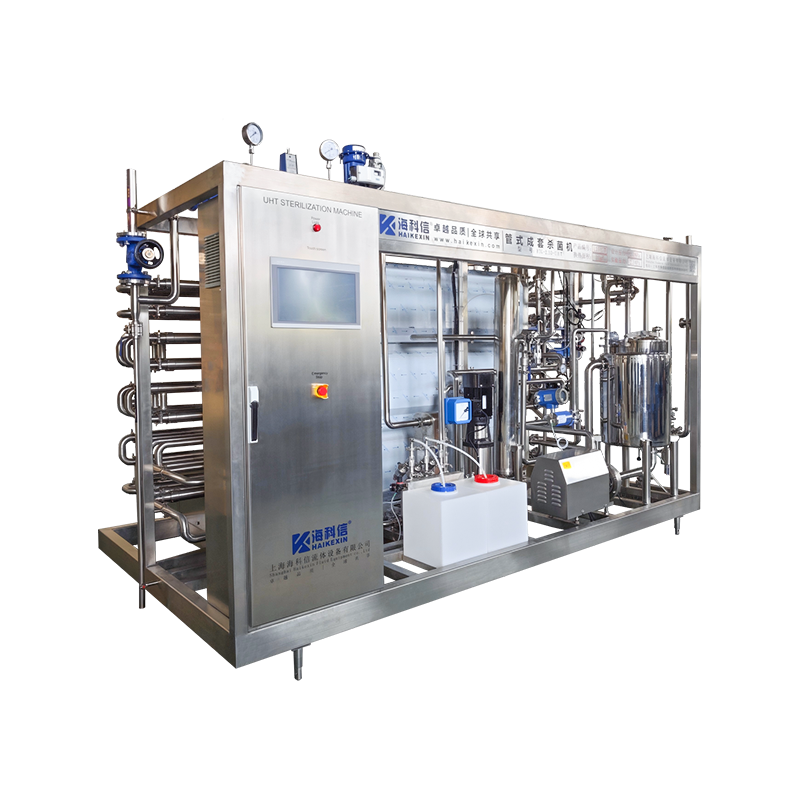
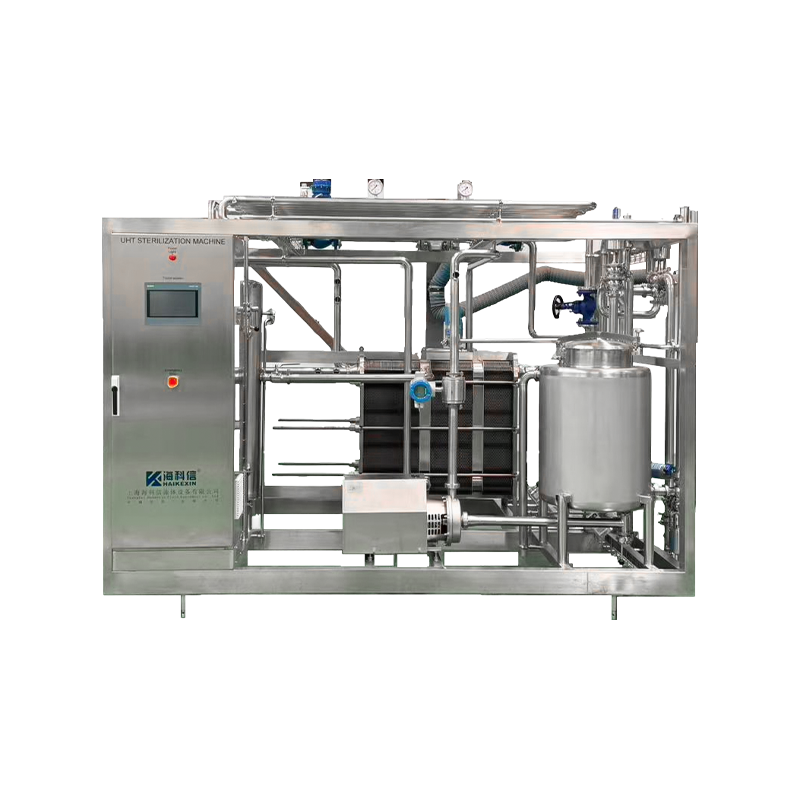
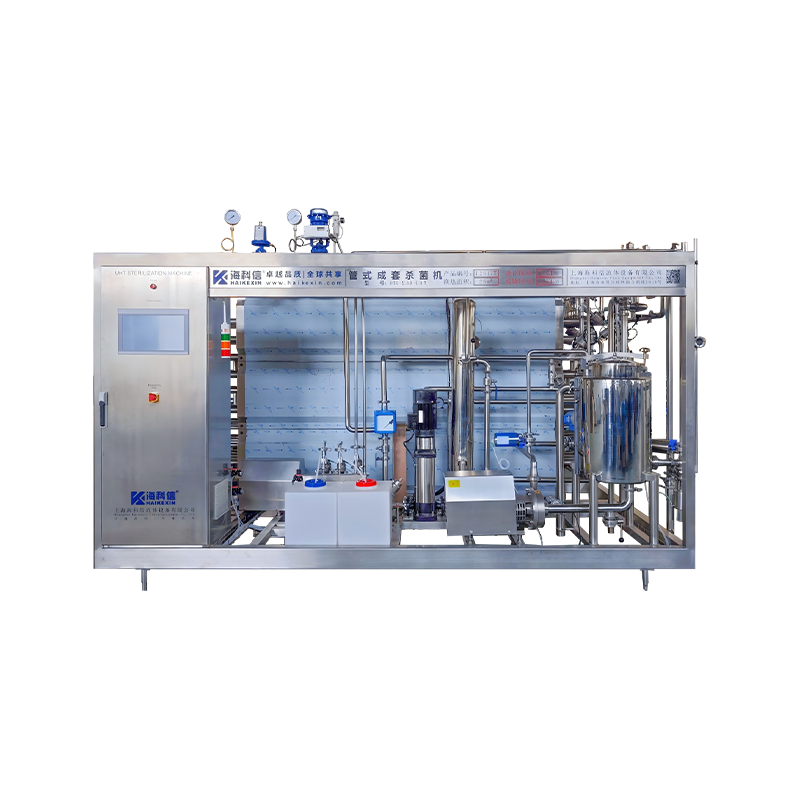
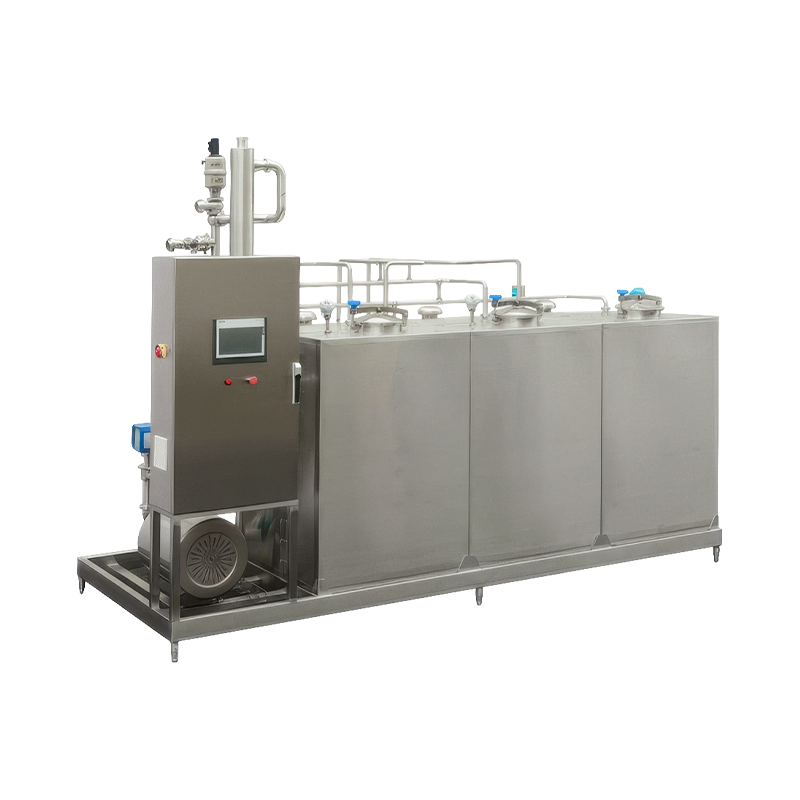
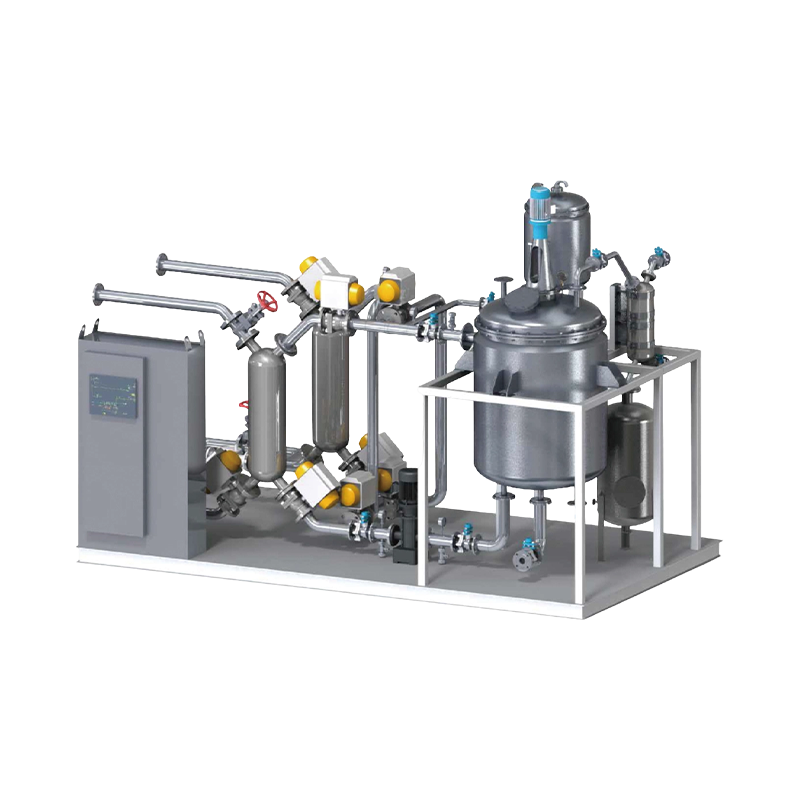
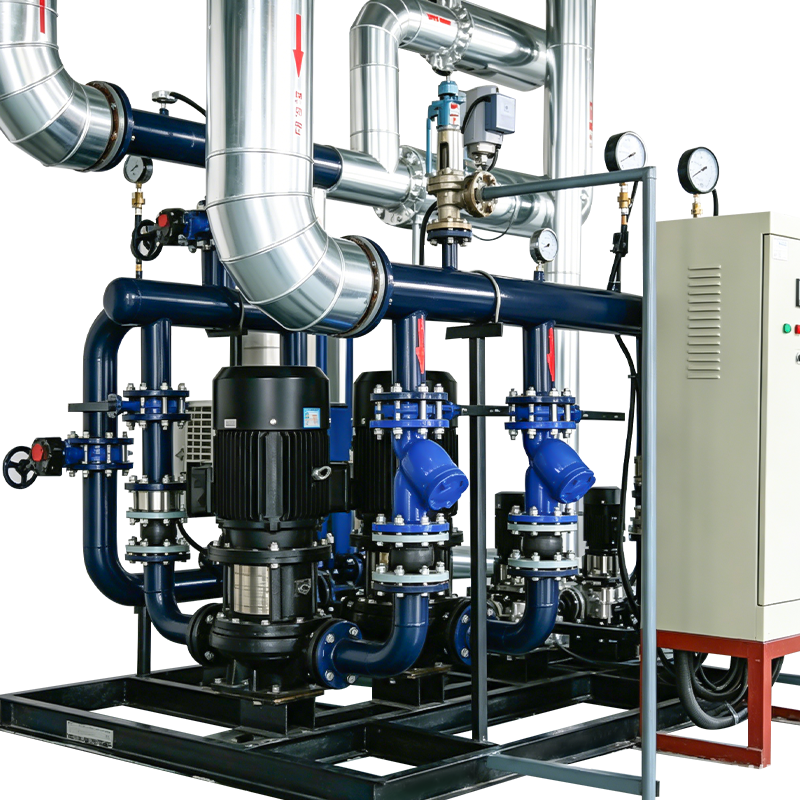
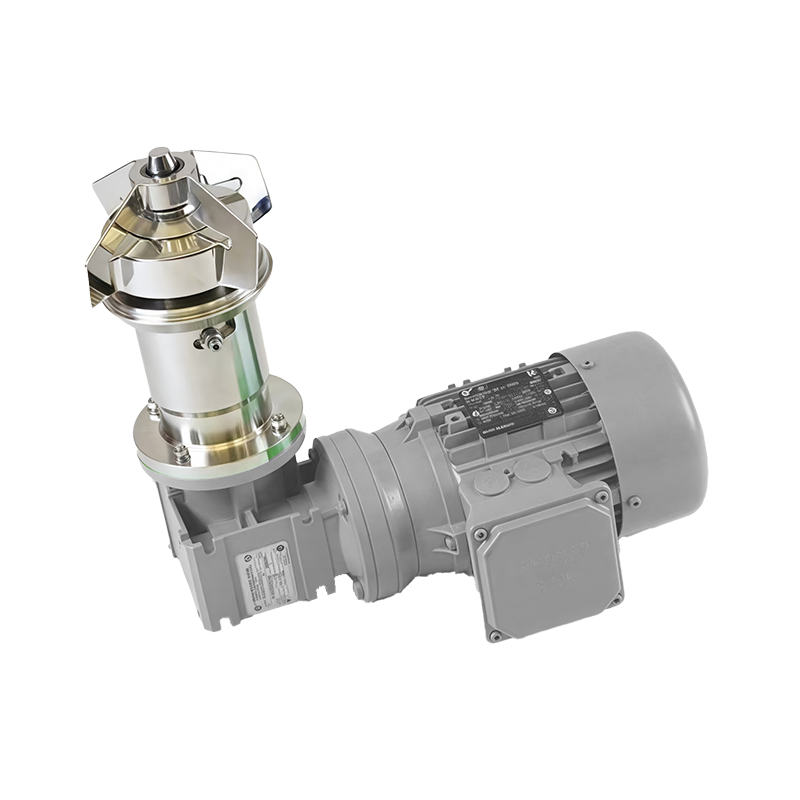
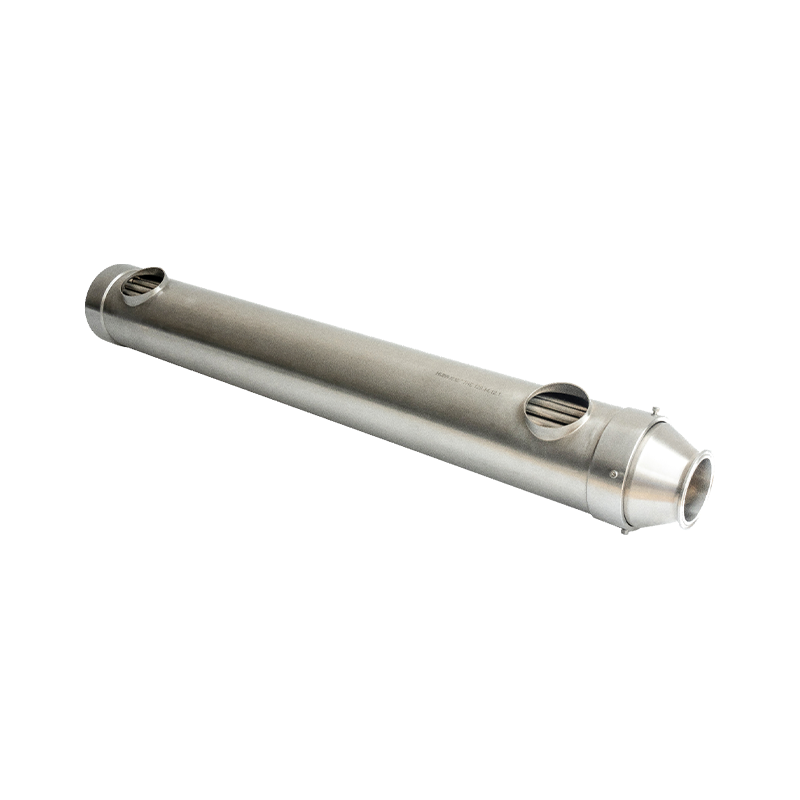
Continuous Pasteurization System
A Continuous Pasteurization System is designed to process liquid products through a controlled heating and holding sequence before cooling and transfer to the next production stage. Unlike batch processing, the system handles product flow continuously, making it suitable for production lines that require consistent thermal treatment, coordinated equipment operation, and repeatable processing conditions.
System configuration depends on the product's viscosity, composition, required pasteurization conditions, processing capacity, and downstream filling or storage arrangement. A typical installation may integrate product feeding, preheating, heating, holding, cooling, temperature monitoring, and automated process control. Heat exchangers, pumps, valves, and instrumentation are selected according to the process requirements and product characteristics.
How Continuous Pasteurization Works
The process maintains product movement through a sequence of connected thermal treatment stages.
Liquid product enters the processing line at a controlled flow rate. Depending on the system design, it may pass through a regenerative or preliminary heating section before reaching the main heating stage. The product then travels through a holding section designed to provide the specified residence time under the selected process conditions.
After the holding stage, the product is cooled to the required outlet temperature. A control system monitors relevant process variables, such as product temperature and flow conditions. Where required by the validated process design, diversion or interlock functions can be incorporated to manage operating conditions that fall outside the defined limits.
Temperature, holding time, flow rate, and product characteristics must be evaluated together. A heating temperature alone does not define a complete pasteurization process.
Five Connected Processing Stages
Each section performs a specific function within the continuous treatment line. The equipment arrangement can be adjusted to suit the product and production workflow.
Product Feeding and Flow Regulation
Raw liquid is supplied to the system through a suitable feed arrangement. Pumps, flow-control components, and product pipelines are selected to maintain the required operating flow and support stable processing.
Feed pump / Flow control / Inlet pipingProduct Heating
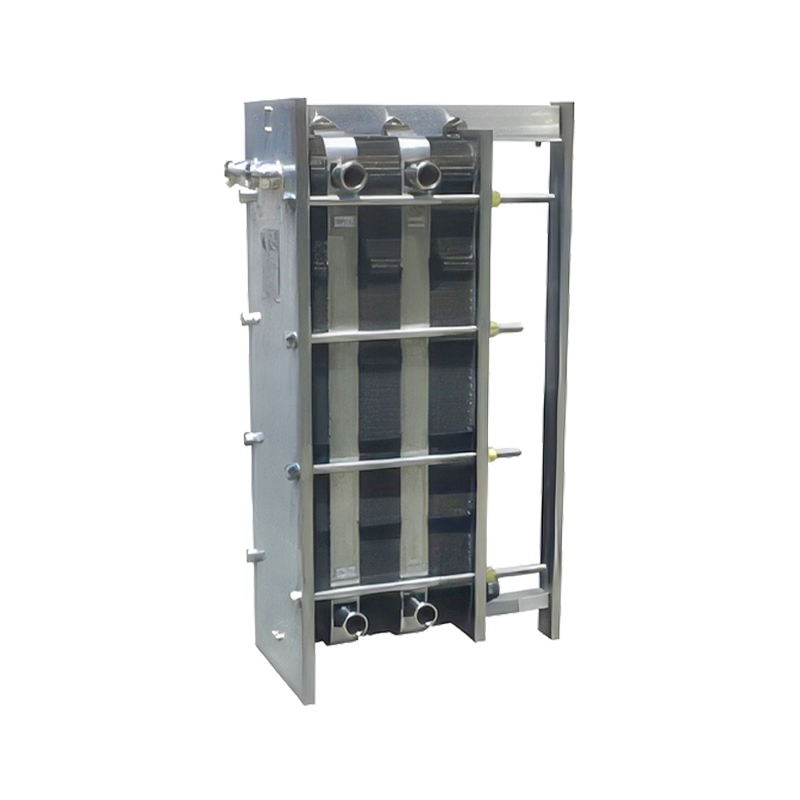
The product temperature is raised through a selected heat-transfer arrangement. Plate or tubular heat exchangers may be considered according to viscosity, suspended particles, fouling characteristics, and cleaning requirements.
Heat exchanger / Heating medium / Temperature sensorsHolding and Thermal Treatment
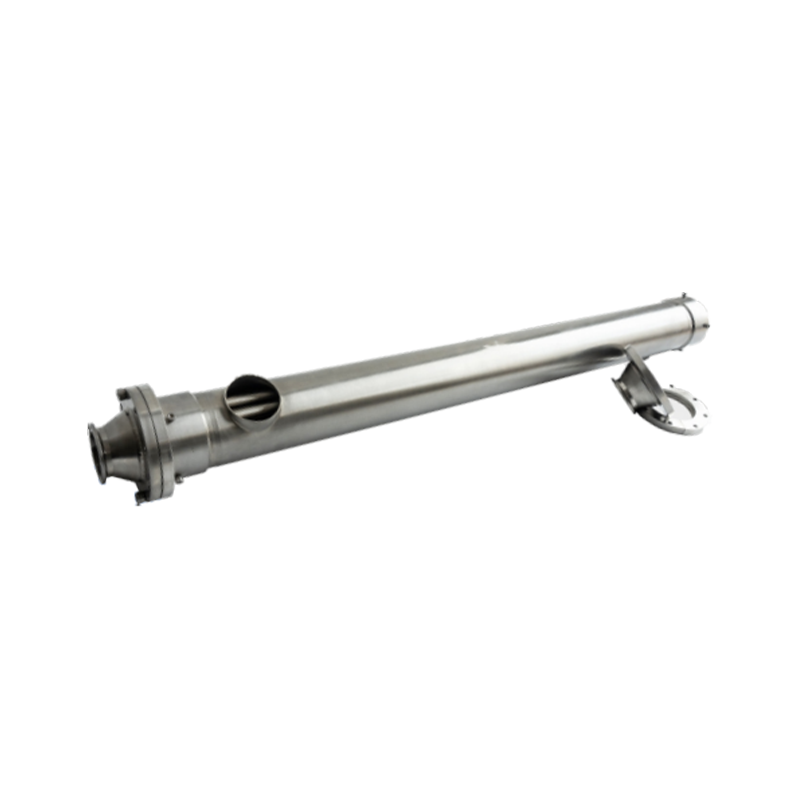
Heated product passes through a holding section designed around the required residence time and flow conditions. Holding tube dimensions and system settings should be established through process engineering and validation.
Holding tube / Residence time / Process monitoringProduct Cooling
Following thermal treatment, the product passes through a cooling section to reach the specified discharge temperature. Cooling arrangements depend on the product's temperature sensitivity and the requirements of subsequent processing.
Cooling exchanger / Cooling medium / Outlet temperature controlDischarge and Downstream Transfer
Treated product is transferred to a storage tank, blending process, filling machine, or another designated production unit. The discharge arrangement should account for hygienic handling and the required product-transfer conditions.
Outlet pump / Transfer pipeline / Downstream connectionEquipment Selection Around Product Behavior
A continuous pasteurization line should be engineered around the physical properties of the liquid, the required treatment conditions, and the operating environment. The following components are common configuration considerations rather than a fixed standard package.
Plate heat exchangers may suit many low-viscosity liquids. Tubular designs can be considered for products with higher viscosity or suspended particles, subject to product characteristics.
Viscosity, density, solids content, and sensitivity to shear influence pump selection, pipeline dimensions, and heat exchanger configuration.
Target temperature, holding time, flow rate, and cooling conditions must be defined as a coordinated process specification.
Product-contact materials, drainability, connection design, and clean-in-place compatibility should be considered in the equipment layout.
Coordinated Monitoring Across the Processing Line
Continuous operation depends on coordinated control of product movement and thermal conditions. A suitable control architecture can bring key process readings and equipment functions into a centralized operating interface.
Depending on the process specification, the system may include temperature monitoring at selected points, flow measurement, pump control, valve sequencing, alarms, and operating-status displays. Automatic product diversion or shutdown interlocks can be considered where required by the process safety and validation strategy.
Liquid Products That May Use Continuous Pasteurization
Application suitability depends on formulation, viscosity, particle size, thermal sensitivity, and the required microbiological treatment. Product-specific testing and process validation are necessary before establishing operating parameters.
Dairy Products
Milk, flavored milk, cream-based liquids, and selected dairy formulations.
Product composition and fat contentFruit and Vegetable Beverages
Fruit juices, vegetable juices, and formulated beverage bases.
Acidity, pulp, and suspended solidsLiquid Food Ingredients
Liquid egg products, syrups, sauces, and other process liquids where the treatment method is suitable.
Viscosity and heat sensitivityPlant-Based Beverages
Selected soy, oat, nut, and other plant-derived beverage formulations.
Suspension stability and fouling behaviorInformation for System Configuration
Providing the following information helps equipment engineers evaluate the process route, heating and cooling requirements, and connection points.
Define the Production Requirement
Initial project information can be used to establish a preliminary system arrangement. Final technical specifications should be confirmed through process evaluation and engineering review.
Product name, formulation, viscosity, acidity, solids content, and relevant thermal characteristics.
Required hourly throughput, operating schedule, and expected production volume.
Target treatment temperature, holding time, inlet temperature, and required outlet temperature.
Available steam, hot water, chilled water, cooling water, or other utility conditions.
Available installation space, pipeline direction, floor conditions, and equipment access requirements.
Connection requirements for storage tanks, homogenizers, aseptic systems, filling machines, or other process units.
Continuous Pasteurization System FAQ
Common questions from food processing companies, engineering teams, and equipment procurement departments.
01 What is the difference between continuous and batch pasteurization?
Continuous pasteurization processes liquid product through a connected line at a controlled flow rate. Batch pasteurization treats a defined product volume in a tank before discharge. Continuous systems are generally considered for production lines requiring ongoing throughput, while batch systems may suit smaller or more varied production schedules.
02 Which heat exchanger is suitable for a continuous pasteurization line?
Plate heat exchangers are commonly evaluated for relatively low-viscosity liquids with limited suspended solids. Tubular heat exchangers may be more suitable for certain viscous products or liquids containing particles. The decision depends on product composition, fouling behavior, cleaning requirements, and process conditions.
03 Can the system process different liquid products?
A system may be configured for multiple products when their processing requirements, flow characteristics, and cleaning procedures are compatible. Product changeover, temperature settings, flow range, and cleaning arrangements should be reviewed during the design stage.
04 How is the holding time determined?
Holding time is established from the required process conditions and product flow characteristics. The holding section must be engineered to provide the specified residence time under the defined operating conditions. Verification and validation should be carried out in accordance with the applicable process requirements.
05 Can a continuous pasteurization system be integrated with a filling line?
Yes, the discharge section can be designed to connect with suitable downstream equipment, including buffer tanks and filling systems. The interface depends on product temperature, transfer conditions, filling requirements, and whether additional hygienic or aseptic processing stages are needed.
06 Does continuous pasteurization automatically provide an aseptic process?
No. Pasteurization and aseptic processing are different process concepts. A pasteurization system provides a defined thermal treatment, while aseptic production also requires appropriate control of the product path, equipment sterilization, packaging materials, filling environment, and other relevant conditions. An aseptic configuration must be specifically engineered and validated.
07 What cleaning arrangement can be included?
A clean-in-place arrangement may be incorporated where compatible with the equipment design and product requirements. The cleaning sequence, chemical selection, temperature, flow conditions, and connection layout should be determined according to the product residue and the applicable hygiene procedures.