

 English
 русский
 Português
 Français


Ice Cream Mix Pasteurizer
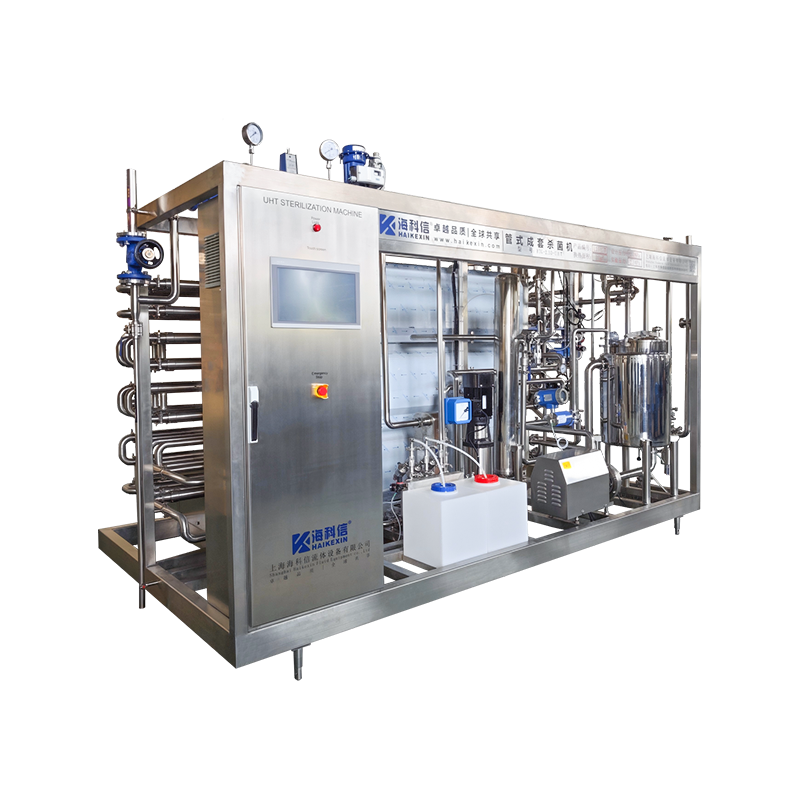
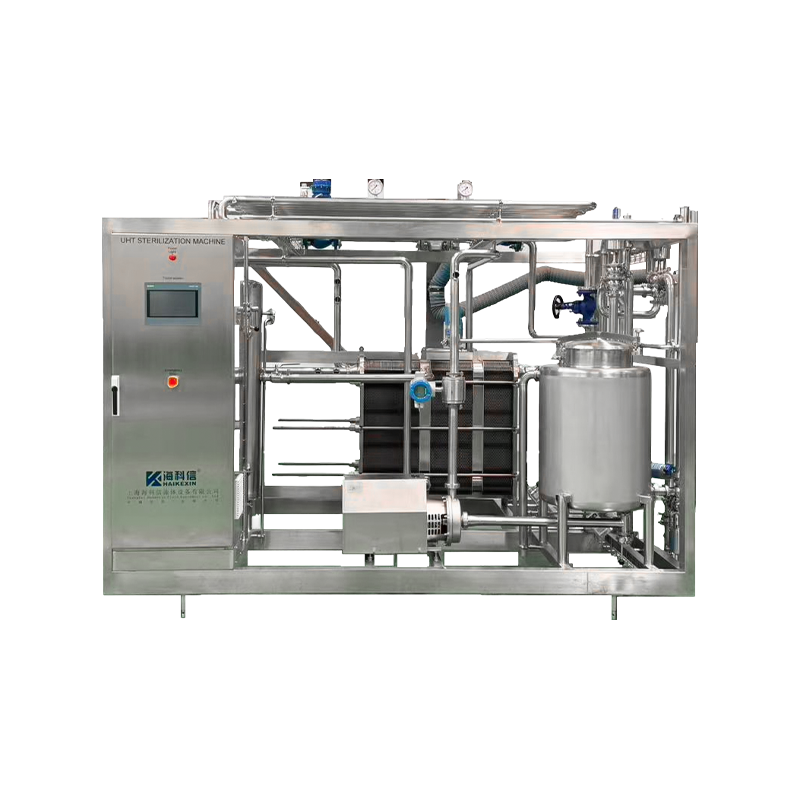
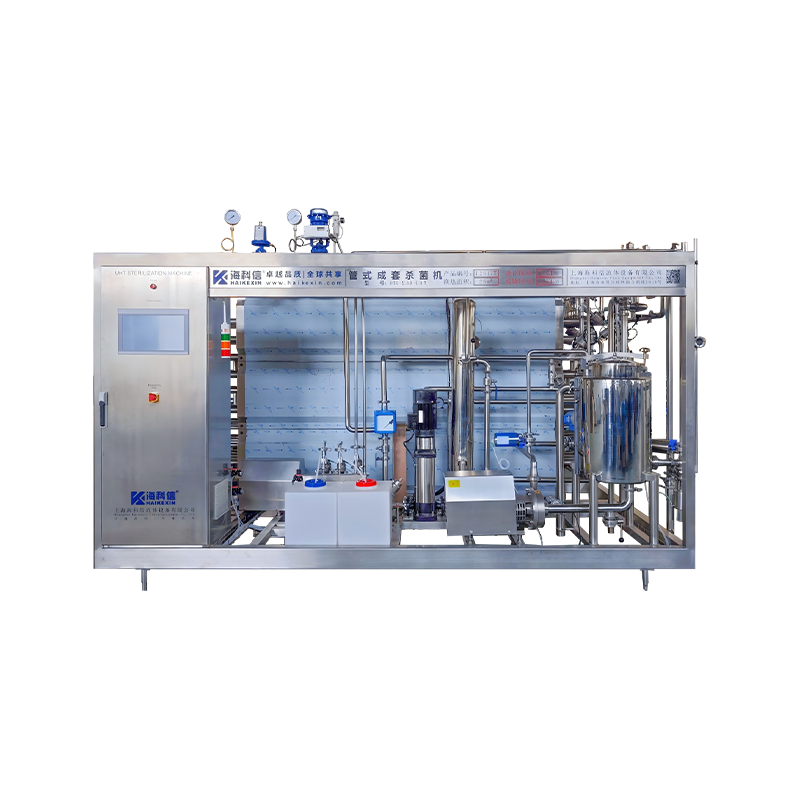
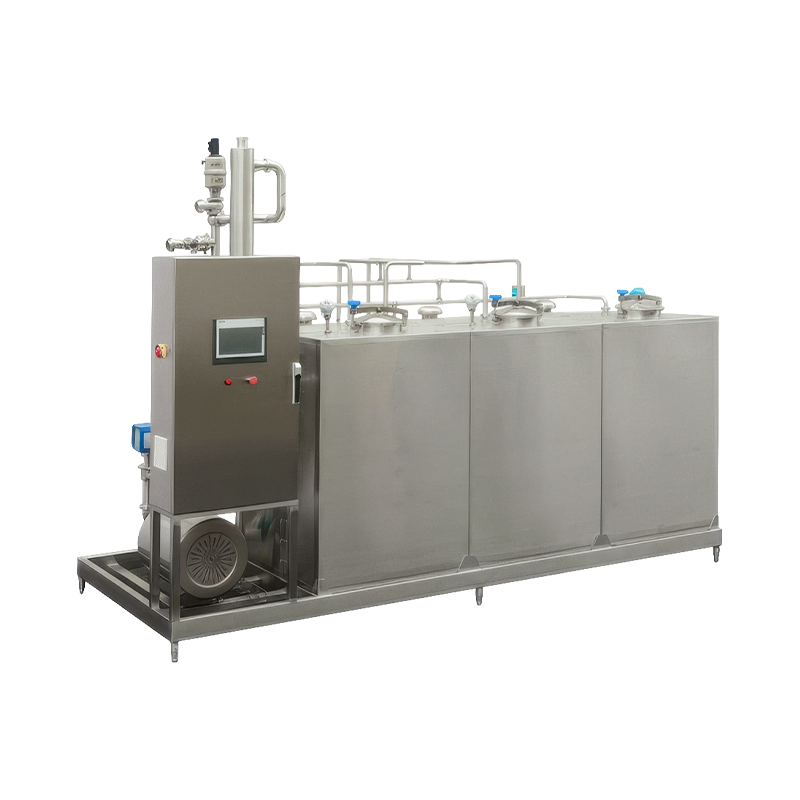
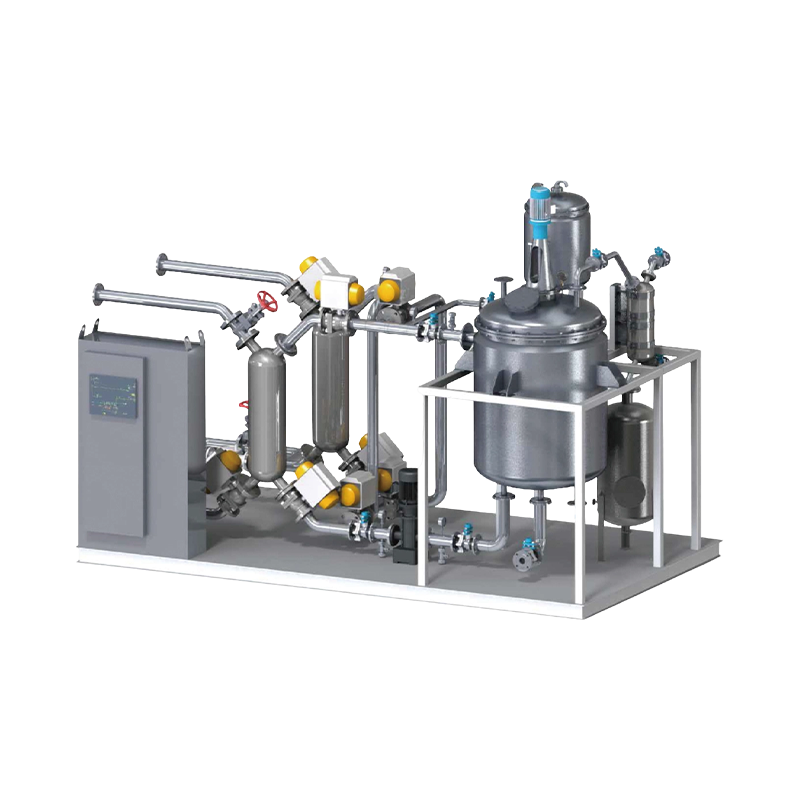
An Ice Cream Mix Pasteurizer is used to thermally treat the blended ingredients that form an ice cream base. It processes a mixture that may contain milk, cream, sugar, milk powder, stabilizers, emulsifiers, and other formulation components. The system controls heating, holding, and cooling stages to support the required microbiological treatment and prepare the mix for subsequent homogenization, aging, and freezing operations.
Thermal Processing for Ice Cream Base Formulations
Ice cream mix contains multiple ingredients with different physical properties. Fat, proteins, sugars, and stabilizing ingredients influence viscosity, heat transfer, and product behavior during processing. A pasteurizer must therefore be configured around the actual formulation rather than treated as a standard milk-heating unit.
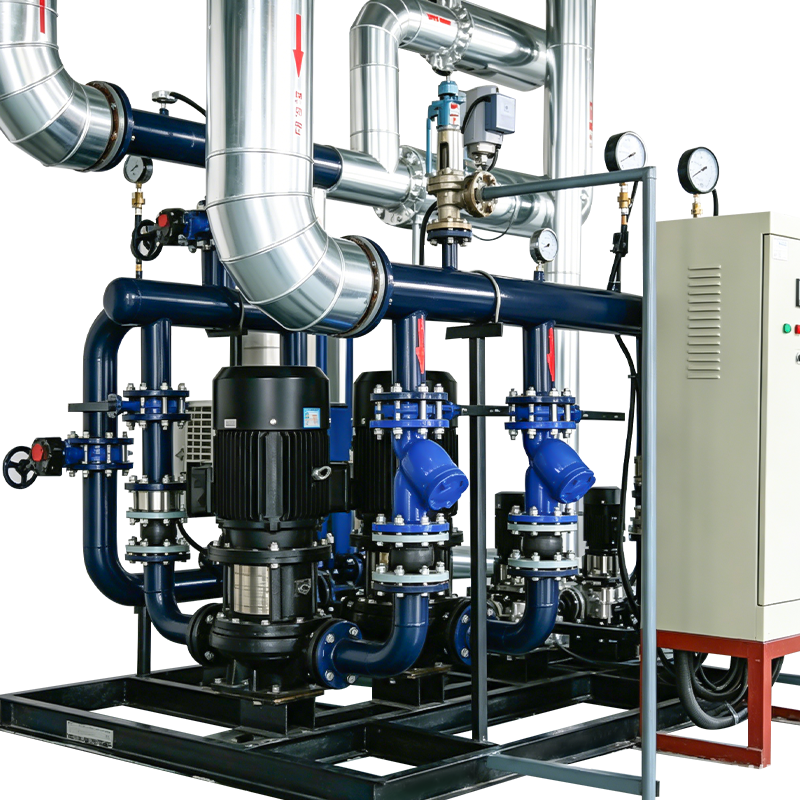
Depending on production capacity and process requirements, the equipment can use a batch vessel or a continuous heat-treatment arrangement. A typical system includes product feeding, heating, a holding stage, cooling, temperature monitoring, and hygienic transfer connections. It may also be integrated with ingredient mixing, homogenization, aging tanks, and downstream ice cream production equipment.
Equipment specification should consider the mix recipe, solids content, fat percentage, stabilizer system, operating temperature, holding time, and required output. These details help determine the suitable heating method, circulation arrangement, pump capacity, and cleaning configuration.
Why Formulation Matters in Pasteurizer Design
Ingredient composition affects the operating conditions and mechanical requirements of an ice cream mix pasteurizer. The following factors should be considered during process engineering.
Actual design parameters should be established using the complete recipe, expected production range, and validated thermal process.
From Prepared Mix to Cooled Product
The pasteurization process is organized into coordinated stages. The equipment layout may vary depending on whether the production facility uses batch or continuous processing.
Mix Feeding and Transfer
Prepared ice cream mix is transferred from the mixing or balance tank into the pasteurization system. Product flow is arranged according to the required processing capacity.
Controlled Heating
The mix is heated through a suitable thermal arrangement. Heating conditions are selected according to the formulation, process specification, and applicable food-safety requirements.
Temperature Holding
The product remains at the specified treatment temperature for the required period. Holding-section design must correspond to the validated flow rate and residence time.
Cooling and Temperature Reduction
After the treatment stage, the mix is cooled using the selected cooling medium and heat-exchange configuration to meet the next processing requirement.
Transfer to Homogenization or Aging
The cooled mix is directed to a homogenizer, aging tank, or another downstream unit according to the production process design.
Core Units Within the Pasteurization System
Each unit contributes to product movement, thermal treatment, process monitoring, or sanitation. The final component list is determined by the selected equipment configuration.
Mixing or Balance Tank
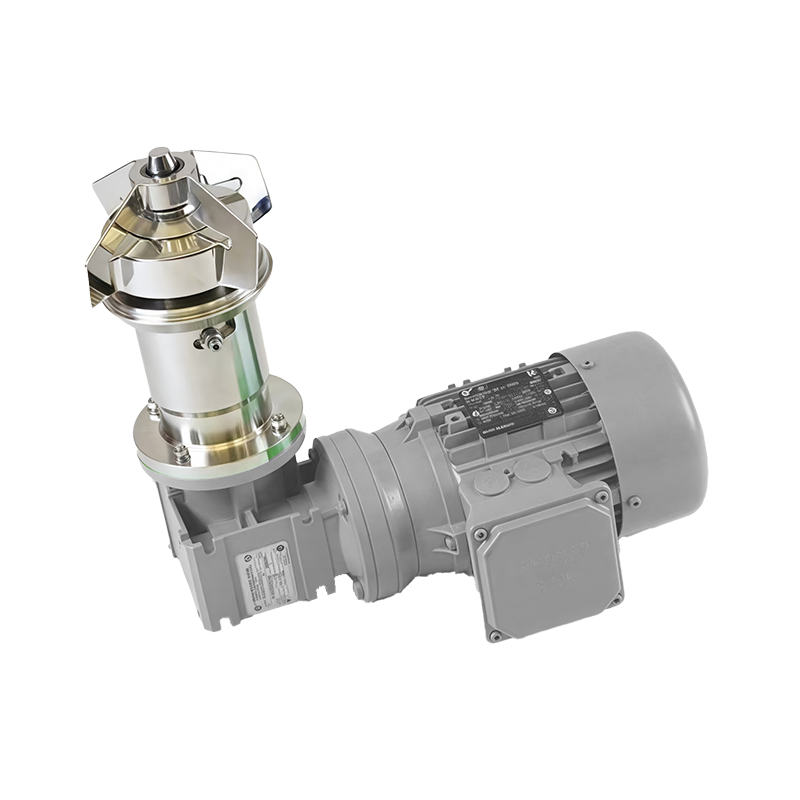
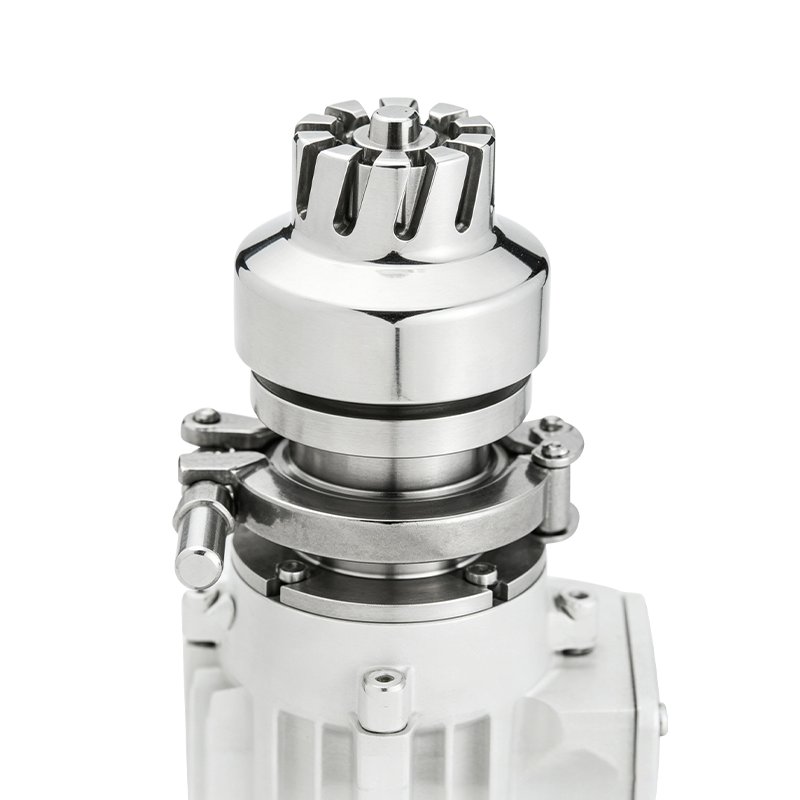
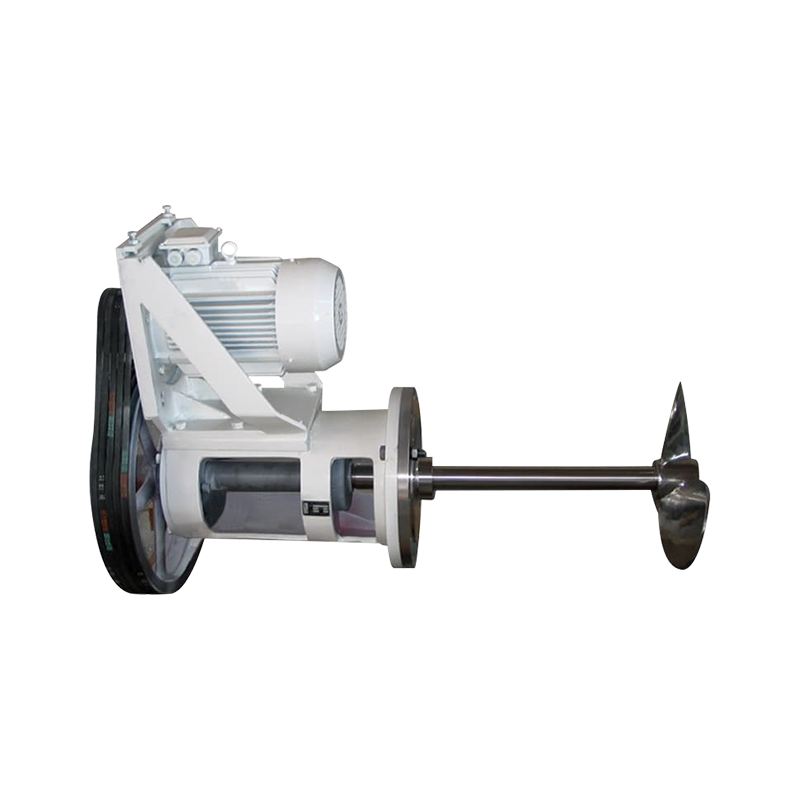
Receives the prepared mix and provides a controlled feed to the pasteurization process. Agitation can be considered where formulation requirements call for it.
PRODUCT HANDLINGHeat Exchanger
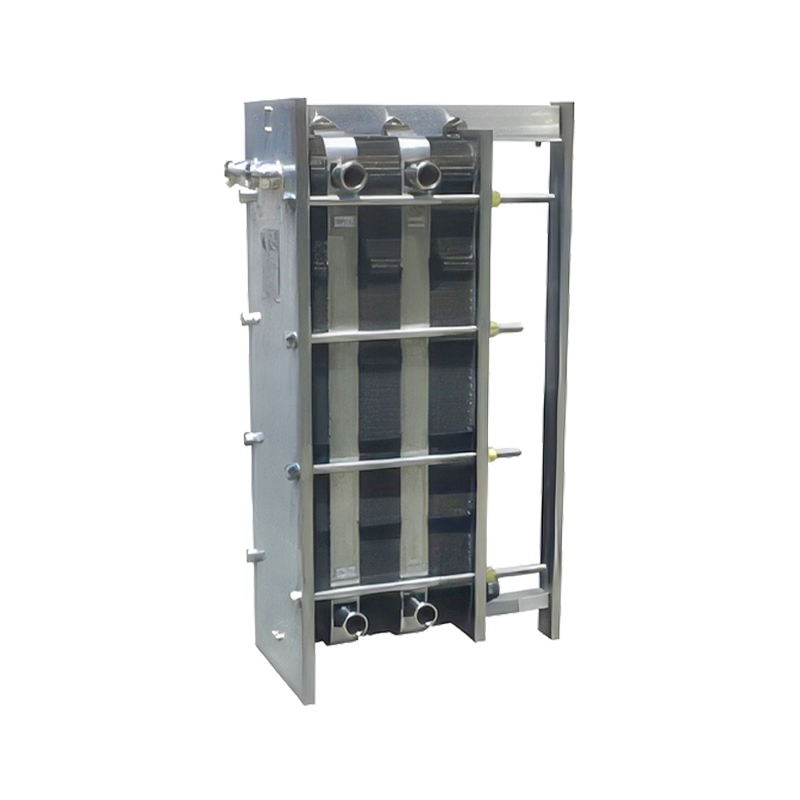
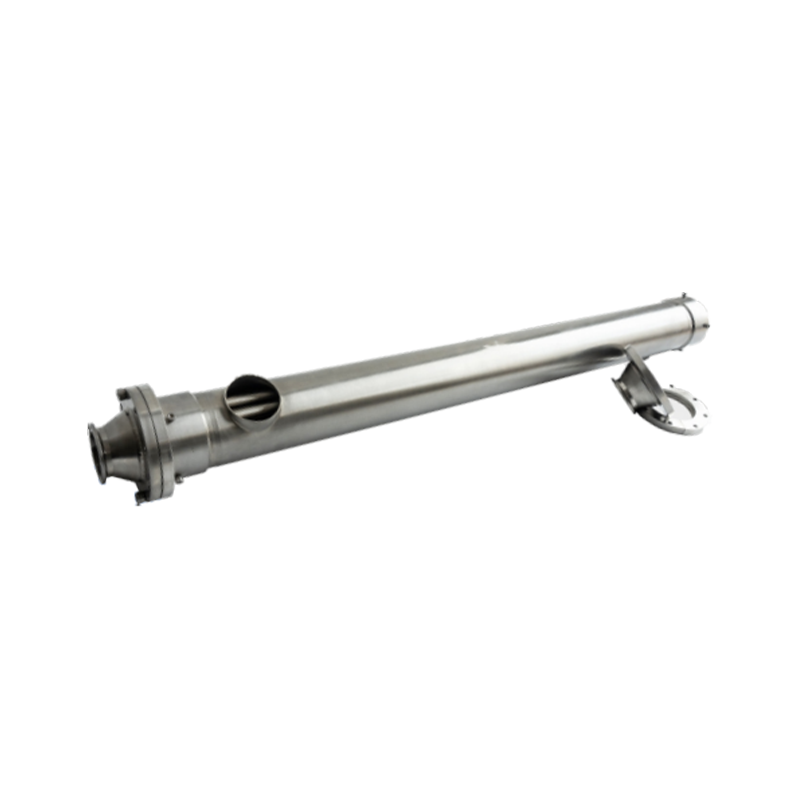
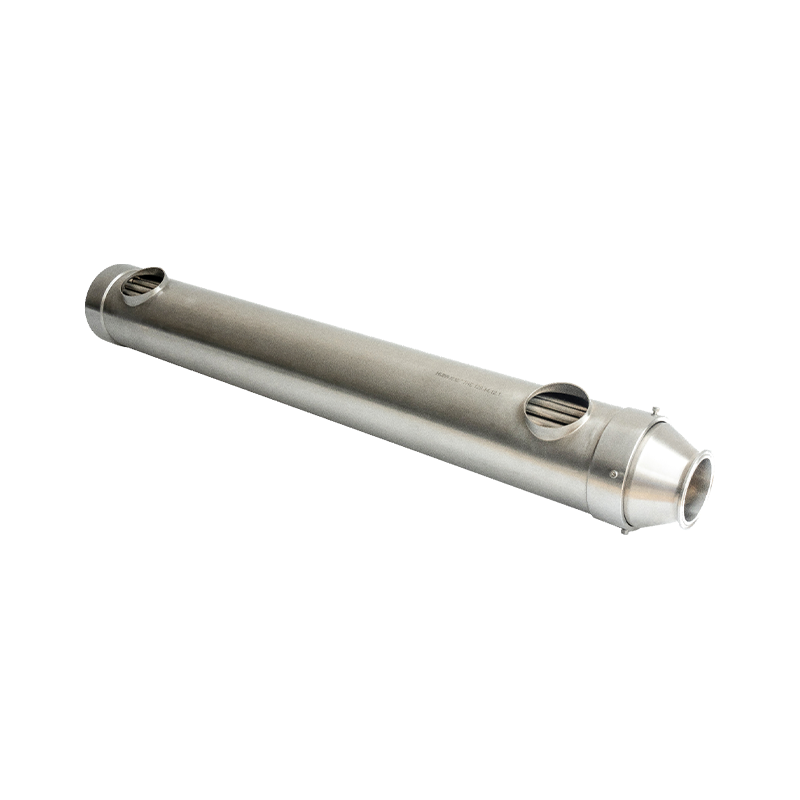
Transfers thermal energy during heating and cooling. Plate or tubular designs can be evaluated according to viscosity, product composition, fouling behavior, and cleaning requirements.
THERMAL EXCHANGEHolding Tube or Section
Provides the required residence time under specified processing conditions. Its dimensions and operating arrangement must be matched to the validated process.
TREATMENT CONTROLProduct Pump
Transfers the mix through the system. Pump selection should account for product viscosity, flow rate, pressure requirements, and hygienic design.
PRODUCT TRANSFERControl Instrumentation
Monitors relevant operating variables, including temperature and flow. Additional functions can be specified for alarms, process records, and automatic routing.
PROCESS MONITORINGCleaning Connections
Support cleaning of compatible product-contact surfaces through an appropriate CIP arrangement. The cleaning program must suit the equipment and mix residues.
HYGIENE MANAGEMENTBatch or Continuous Ice Cream Mix Pasteurization
Different dairy plants have different output targets, product ranges, and production schedules. Selecting the operating mode helps define the equipment structure and process-control requirements.
Connection with the Ice Cream Production Line
The pasteurizer is one stage in a larger production sequence. Equipment interfaces should be planned to maintain suitable product flow and process coordination.
Actual line sequences vary. Homogenization may be positioned at different points depending on the process design, and additional ingredient dosing, filtration, storage, or flavor-mixing units may be required.
Ice Cream and Frozen Dessert Manufacturing
Equipment can be specified for different mix formulations and production programs, subject to product compatibility and process validation.
Dairy Ice Cream
Mixes formulated with milk, cream, milk solids, sugars, and stabilizing ingredients.
Gelato Base Mix
Dairy-based formulations requiring controlled thermal treatment before aging and batch or continuous freezing.
Soft Serve Mix
Liquid formulations prepared for subsequent refrigeration, storage, and soft-serve freezing operations.
Frozen Dairy Dessert Mix
Formulations using dairy and other permitted ingredients, with equipment conditions matched to the recipe.
Specialty Ice Cream Formulations
Mixes with different fat levels, solids content, stabilizer systems, or ingredient combinations.
What to Confirm Before Equipment Selection
Accurate process information helps determine the appropriate equipment capacity, heat-transfer arrangement, and control functions.
| Specification | Information to Provide | Design Relevance |
|---|---|---|
| Mix formulation | Fat content, total solids, sugar, stabilizer, and ingredient composition | Product compatibility, viscosity, and thermal behavior |
| Processing capacity | Batch volume or required hourly output | Equipment sizing and production cycle planning |
| Thermal parameters | Target temperature, holding time, and cooling temperature | Heating duty, holding section, and cooling demand |
| Operating mode | Batch or continuous production | Vessel arrangement or continuous processing layout |
| Plant utilities | Heating medium, cooling supply, electrical power, and compressed air if required | Utility connections and energy-system configuration |
| Downstream equipment | Homogenizer, aging tank, storage, freezing, and filling equipment | Transfer connections and production-line integration |
| Cleaning requirements | CIP availability, cleaning chemicals, and sanitation procedures | Hygienic design and cleaning-system compatibility |
Technical Questions About Ice Cream Mix Pasteurizers
Review the main process and equipment considerations before defining a pasteurization system for an ice cream production facility.
What is the purpose of an ice cream mix pasteurizer?
It applies a controlled heat-treatment process to the prepared ice cream mix. The process is designed to meet applicable microbiological requirements and prepare the mix for subsequent operations such as homogenization, aging, and freezing.
Can the pasteurizer process different ice cream recipes?
A system can be engineered for a defined range of formulations. However, recipes with different fat levels, solids content, stabilizers, or viscosity may require adjustments to operating conditions, pumping, mixing, and heat-transfer design. The acceptable formulation range should be confirmed during technical evaluation.
What is the difference between batch and continuous pasteurization?
Batch pasteurization treats a measured quantity of mix in a vessel through a heating and cooling cycle. Continuous pasteurization moves the mix through connected processing sections at a controlled flow rate. Selection depends on production capacity, scheduling, formulation range, and the overall factory layout.
Is homogenization included in the pasteurizer?
Homogenization is generally performed by a separate homogenizer. The pasteurizer can be designed with the necessary product-transfer and control interfaces to connect with the homogenization stage. Its position in the process sequence depends on the selected production design.
Which heat exchanger is suitable for ice cream mix?
Plate and tubular heat exchangers may both be considered. Selection depends on mix viscosity, ingredient particles, fouling characteristics, processing capacity, pressure drop, and cleaning requirements. Product formulation and operating data should be reviewed before confirming the exchanger type.
Can the system include CIP cleaning?
Yes, a compatible CIP arrangement can be incorporated according to the system design. The cleaning circuit, flow conditions, cleaning sequence, and chemical compatibility should be evaluated for the product-contact components and expected ingredient residues.
What information is required for a pasteurizer quotation?
Useful information includes the ice cream mix recipe, fat percentage, total solids, viscosity range, required production capacity, thermal treatment parameters, operating mode, available utilities, and downstream equipment connections. These details support a more accurate equipment configuration and quotation.