
 English
 русский
 Português
 Français


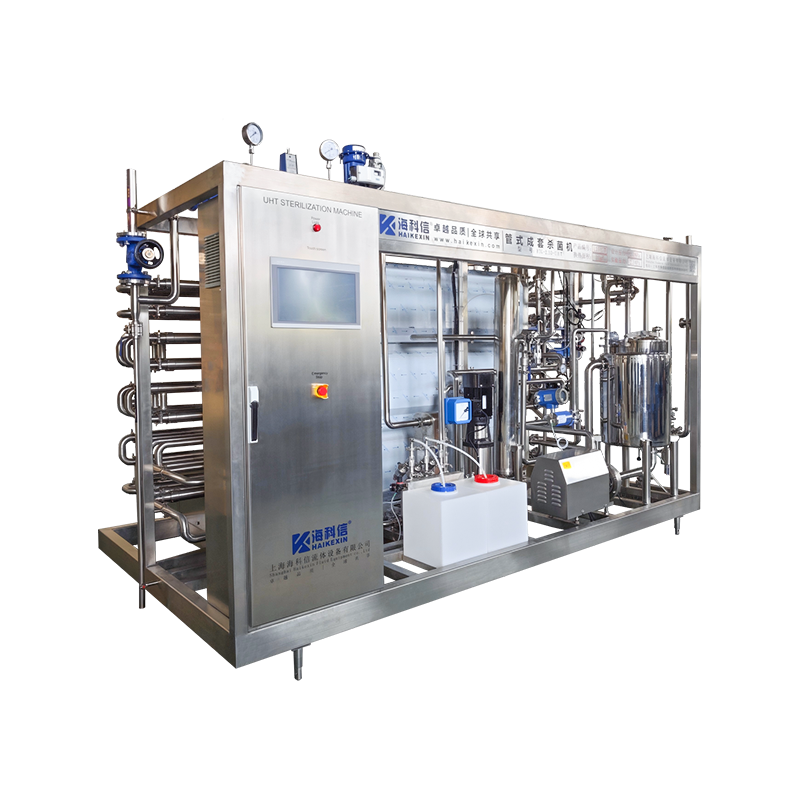
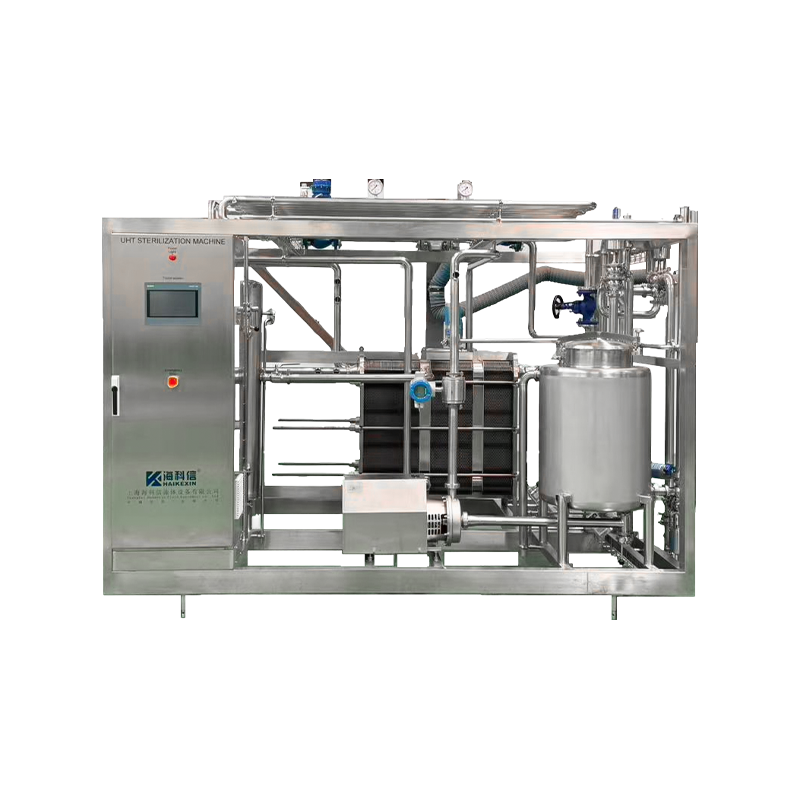
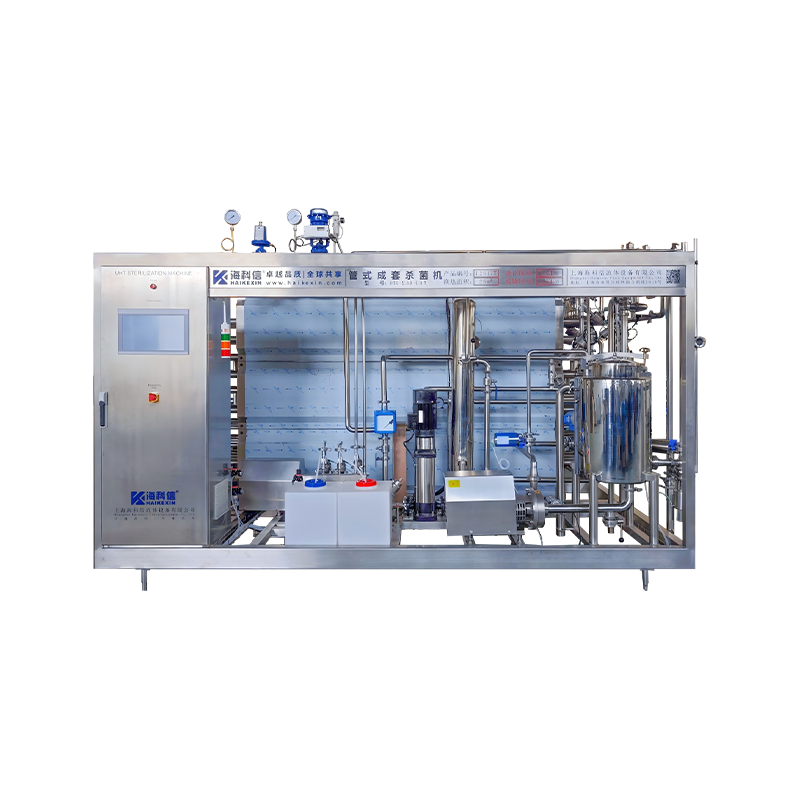
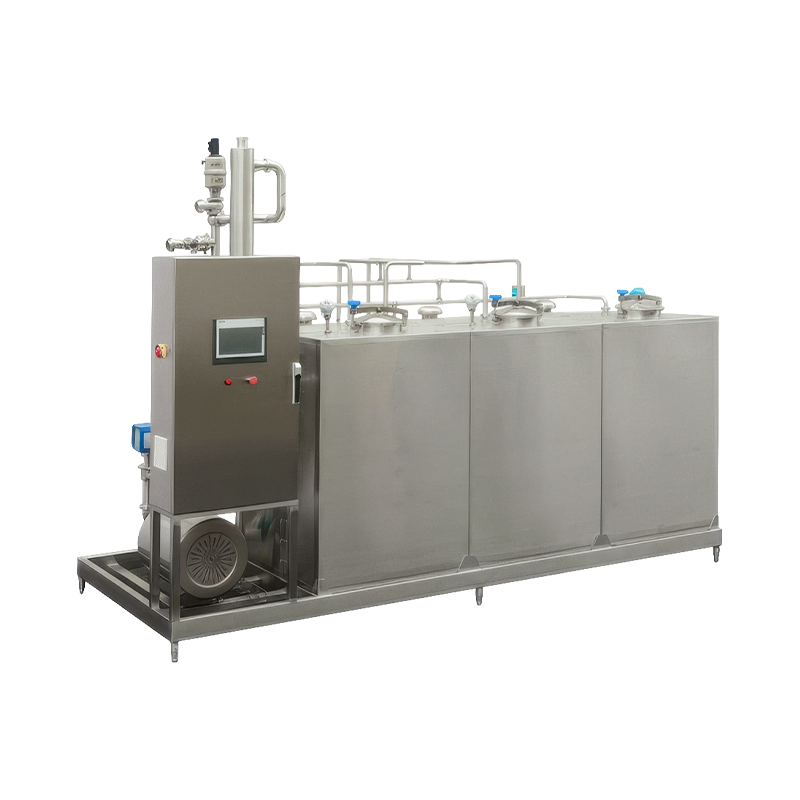
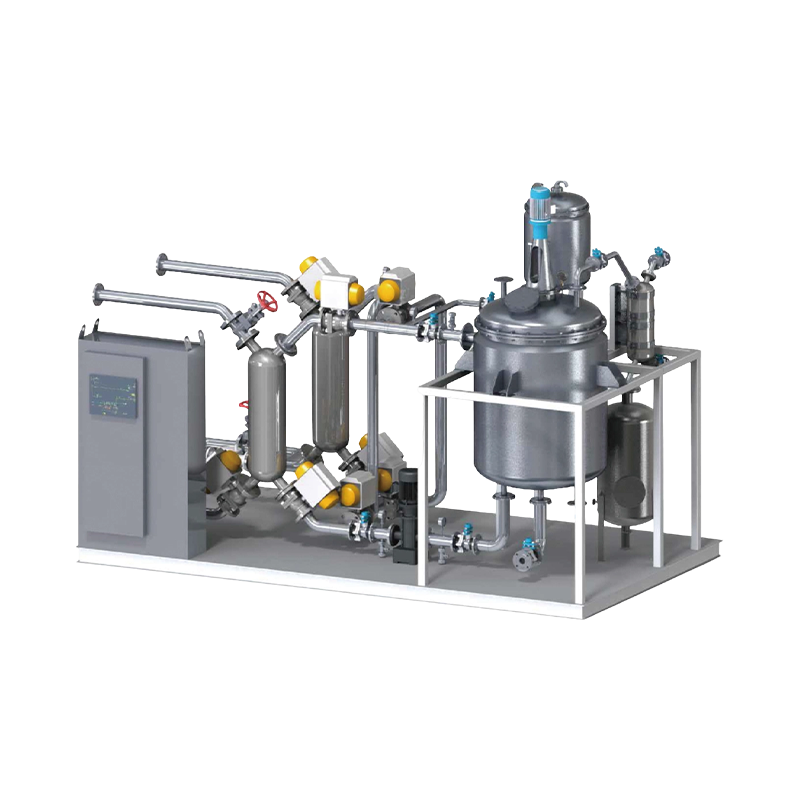
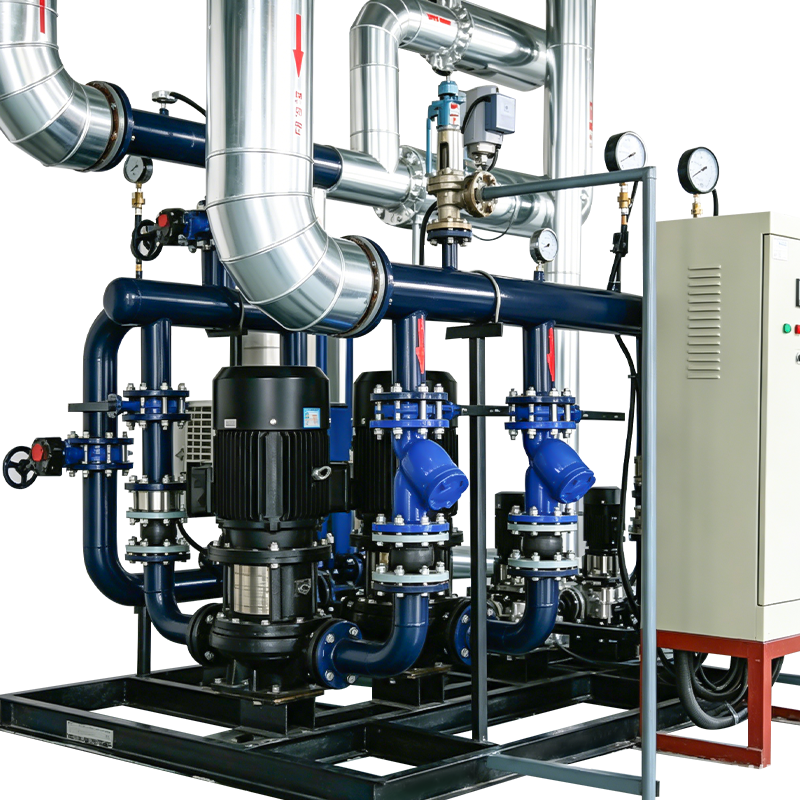
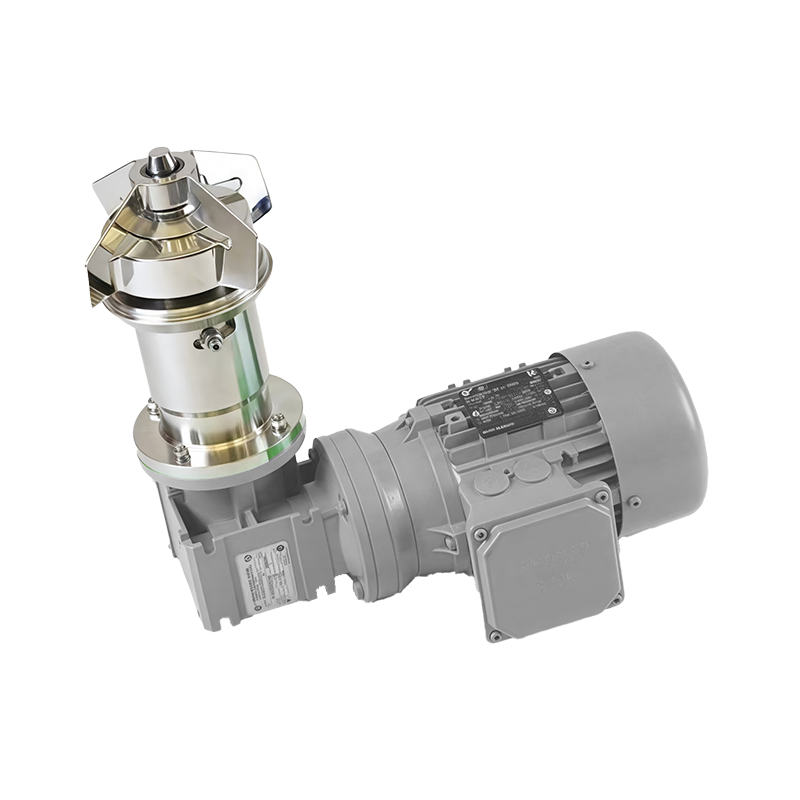
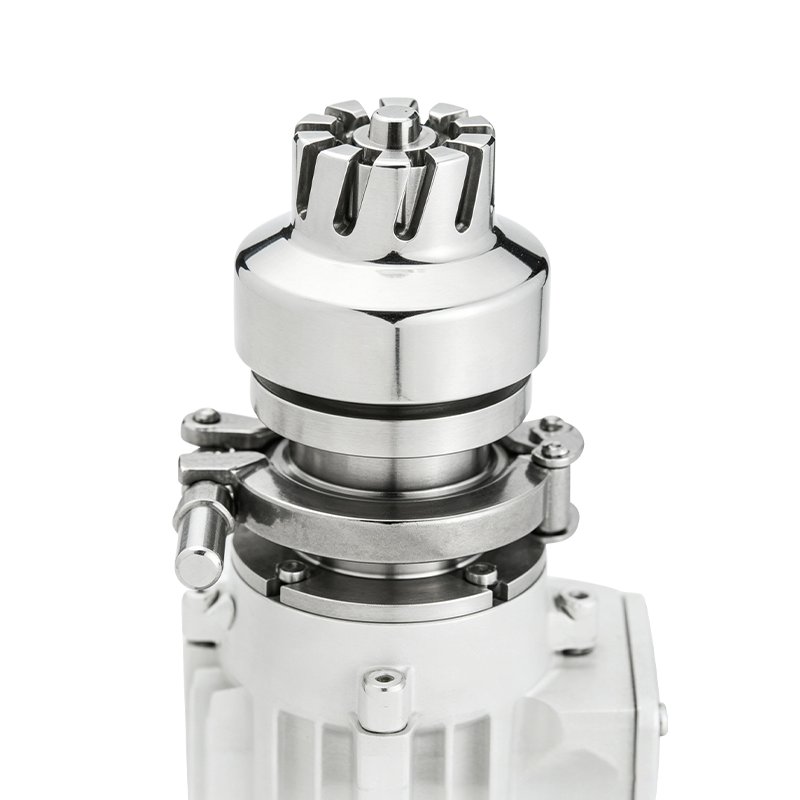
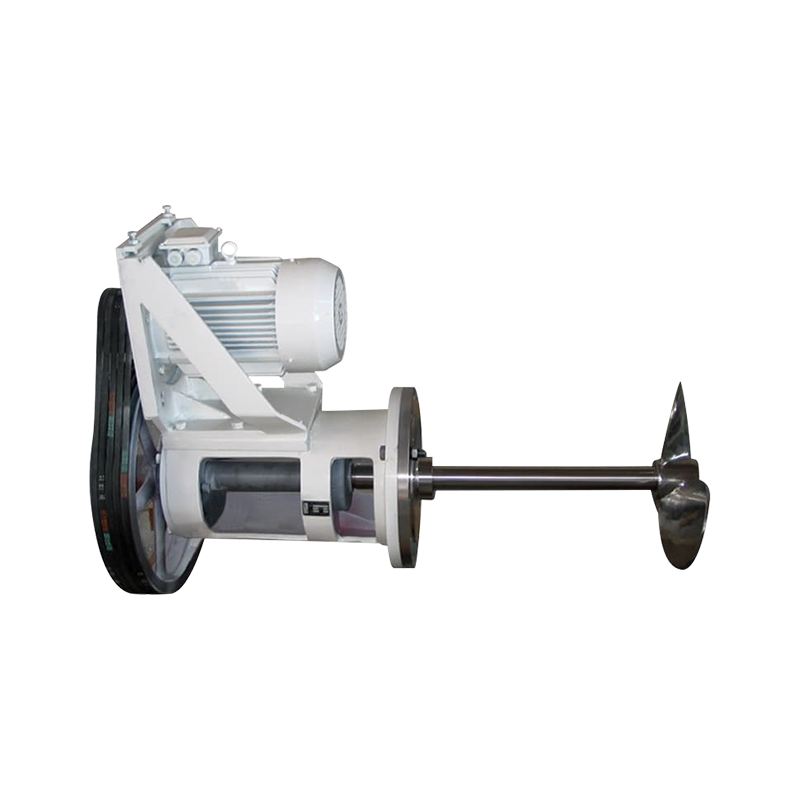
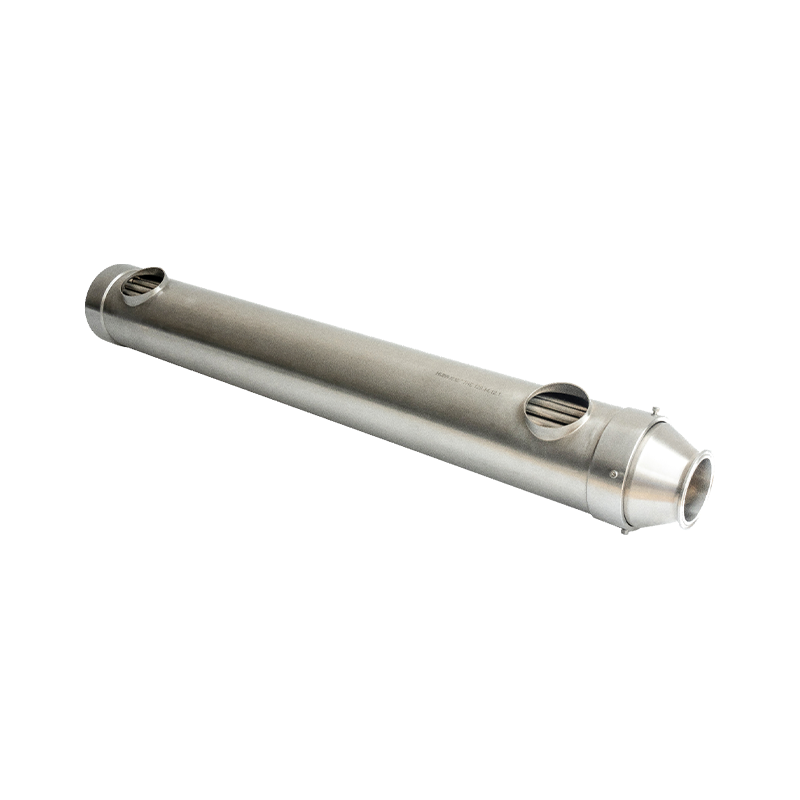
Continuous Liquid Food Sterilizer
A continuous liquid food sterilizer is designed to apply controlled thermal treatment to liquid and pumpable food products flowing through a processing system. It integrates product feeding, heating, holding, cooling, and process monitoring to support continuous production.
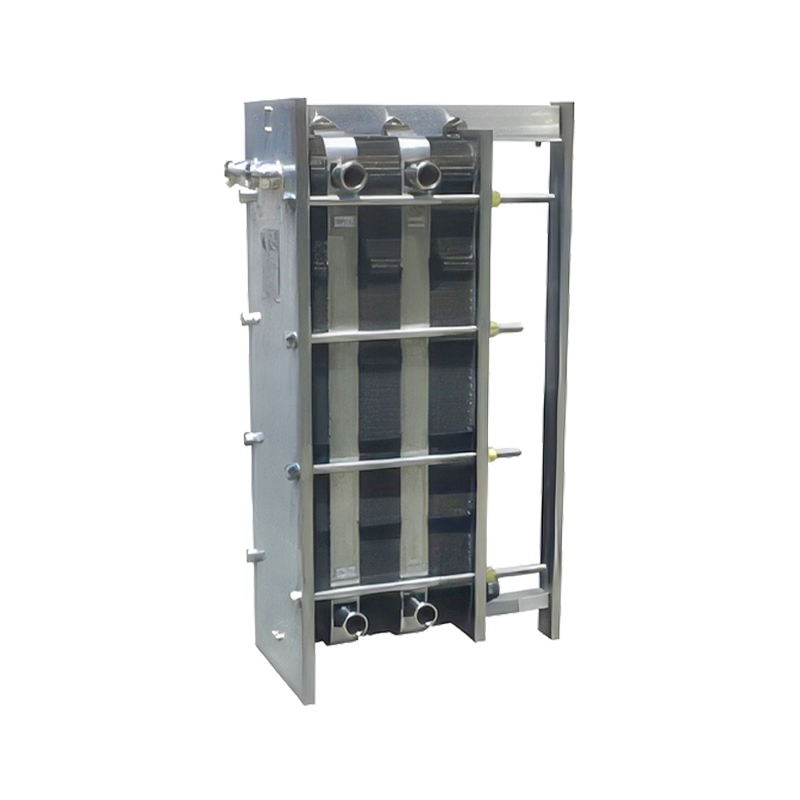
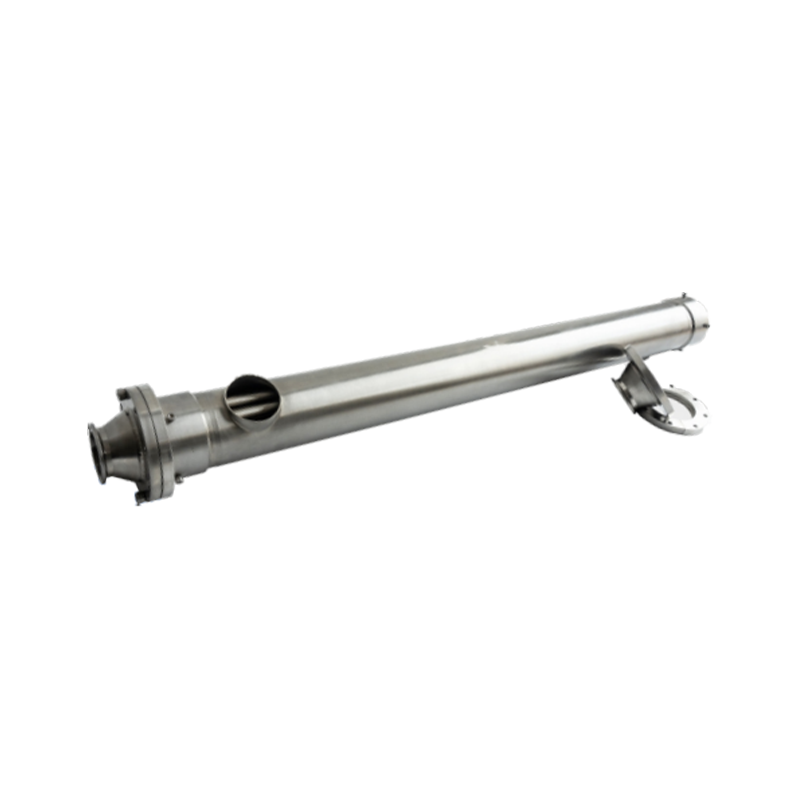
Depending on the product formulation and processing objectives, the system can be configured with tubular or plate heat exchangers, direct steam heating, or other suitable thermal processing arrangements. Equipment design must account for product viscosity, suspended particles, flow characteristics, heat sensitivity, and the required sterilization process.
Controlled product flow through defined heating and holding stages
PRODUCT OVERVIEW
Thermal Processing for Continuous Liquid Food Production
Unlike batch sterilization equipment, a continuous liquid food sterilizer processes product through a controlled flow path rather than treating separate quantities in individual vessels. The system maintains defined operating conditions while product moves through the heating section and holding tube before entering the cooling stage.
Continuous processing can be integrated into beverage, dairy, sauce, puree, and other liquid food production facilities. The actual application depends on product properties and the validated process requirements. For formulations containing fibers, pulp, or suspended particles, the flow passage, pump selection, heat transfer surface, and holding arrangement require particular attention.
Core Sections of a Continuous Sterilization System
Each section performs a specific function within the overall thermal process. The configuration and equipment combination are determined by the product and production requirements.
Feed Tank and Product Pump
Receives prepared liquid food and supplies it to the processing section at a controlled flow rate. Pump type and operating range should match product viscosity and particle characteristics.
Preheating Heat Exchanger
Raises product temperature before the final heating stage. Where suitable, heat recovery can be incorporated to transfer energy from the processed product to incoming product.
Final Heating Section
Brings the product to the specified processing temperature using an appropriate heating medium and heat transfer arrangement.
Holding Tube
Provides the required residence time at the designated processing conditions. Its design is related to flow rate, tube dimensions, flow behavior, and the validated process schedule.
Cooling Heat Exchanger
Reduces product temperature after the holding stage. The cooling arrangement is selected according to downstream transfer, storage, or aseptic filling requirements.
Instrumentation and Control Panel
Monitors operating parameters such as product temperature, flow rate, pressure, and process status. Control logic can manage alarms, interlocks, and process diversion according to system design.
How Continuous Liquid Food Sterilization Works
The processing sequence maintains a controlled relationship between product flow, heating temperature, holding time, and cooling conditions.
Product Feeding
Prepared liquid food enters the system from a feed tank. The supply arrangement maintains the required flow conditions for the processing section.
Temperature Increase
The product passes through preheating and final heating stages. The heating method is selected according to the formulation and process specification.
Holding Time Control
Product remains in the holding section for the specified residence time. Flow rate and holding tube design are important factors in determining the actual treatment conditions.
Cooling and Heat Recovery
Processed product is cooled to the required downstream temperature. Depending on system design, heat recovery can reduce the external heating and cooling demand.
Product Discharge
The treated product is transferred to a storage tank, aseptic buffer, or subsequent packaging process according to the required production arrangement.
Available Thermal Processing Arrangements
Heat transfer technology should be selected according to product composition, flow behavior, heat sensitivity, and the required operating conditions.
Indirect Heat Exchange
Product is heated through a heat transfer surface that separates it from the heating medium. Plate and tubular heat exchangers are possible options depending on the product and system design.
Direct Steam Heating
Food-grade steam is introduced directly into the liquid product to raise its temperature. A flash cooling stage can remove the added water and bring the product to the specified temperature.
Not every liquid food is suitable for every heating arrangement. Product viscosity, particle size, thermal sensitivity, fouling tendency, and the required process validation should guide the final configuration.
Liquid Food Products Suitable for Continuous Processing
Continuous sterilization systems can be engineered for a range of liquid and pumpable foods. Suitability depends on the product's physical properties and processing requirements.
Dairy Products
Milk and compatible dairy-based liquid formulations requiring controlled thermal processing.
Product factors: fat content, protein stability, viscosityFruit and Vegetable Juices
Juice products and liquid vegetable preparations with formulation-specific particle and pulp characteristics.
Product factors: acidity, pulp, suspended solidsLiquid Sauces and Condiments
Pumpable sauces and condiment formulations where flow behavior and heat transfer need careful evaluation.
Product factors: viscosity, texture, solids contentPlant-Based Beverages
Compatible liquid formulations made from plant-derived ingredients, including products requiring dispersion control.
Product factors: sedimentation, particle size, formulation stabilityLiquid Food Concentrates
Selected concentrated food products that can be pumped and processed within the system's operating range.
Product factors: concentration, viscosity, heat sensitivityOther Pumpable Food Products
Specialty liquid foods requiring continuous thermal processing based on an established process specification.
Product factors: flow characteristics, composition, process targetTechnical Factors Affecting Equipment Design
Equipment dimensions and operating conditions should be established through process calculations and product evaluation. The following parameters are particularly relevant to continuous sterilizer selection.
| Design Parameter | Engineering Consideration | Impact on the System |
|---|---|---|
| Processing Capacity | Required product flow rate and production schedule | Determines equipment sizing and holding section design |
| Product Viscosity | Flow behavior under operating temperature and pressure | Affects pump selection and heat transfer performance |
| Particle Characteristics | Particle dimensions, concentration, and distribution | Influences pipeline passage and exchanger selection |
| Thermal Conditions | Required processing temperature and holding time | Defines heating duty and process control requirements |
| Heat Recovery | Available temperature difference and process arrangement | Influences energy use and exchanger configuration |
| Cooling Requirement | Target product temperature and downstream conditions | Determines cooling duty and utility demand |
| Cleaning Procedure | CIP circulation conditions and cleaning sequence | Affects piping layout and equipment accessibility |
Monitoring, Hygiene, and Operational Control
Continuous thermal processing requires coordinated monitoring of product conditions and equipment operation. A well-defined control strategy helps maintain the specified process sequence and supports repeatable production.
Temperature Monitoring
Temperature measurement points track product conditions through the heating, holding, and cooling stages.
Flow Rate Regulation
Flow monitoring and control support the intended residence time and process operating conditions.
Pressure Monitoring
Pressure instruments help monitor product transfer and operating conditions across process equipment.
Automatic Process Diversion
Where specified, control logic can divert product when monitored conditions fall outside defined process limits.
CIP Compatibility
Clean-in-place design considers circulation paths, cleaning coverage, drainage, and access to product-contact areas.
Data and Operating Records
Control systems can be configured to record relevant operating parameters, alarms, and process events.
Information Needed for a Continuous Sterilizer Proposal
Before equipment configuration and quotation, the product and plant conditions should be reviewed. Providing the following information helps define the processing scope and technical requirements.
Product name, formulation, viscosity, acidity, fat content, particle size, and suspended solids.
Required hourly throughput, operating hours, and expected production schedule.
Required sterilization objective, temperature and holding conditions, and selected heating method if known.
Required discharge temperature and connection to downstream storage, aseptic tanks, or filling equipment.
Available steam, cooling water, electricity, compressed air, and water supply.
Factory layout, existing equipment, automation requirements, cleaning arrangements, and project delivery boundaries.
Frequently Asked Questions
What is the difference between continuous and batch sterilization?
A batch sterilizer treats a defined quantity of product in a vessel during each cycle. A continuous sterilizer processes product as it flows through a controlled heating, holding, and cooling path. The choice depends on production scale, product characteristics, process requirements, and plant operating strategy.
Can a continuous liquid food sterilizer process products with particles?
Some systems can be designed for liquid foods containing pulp, fibers, or suspended particles. The allowable particle characteristics depend on pipeline dimensions, exchanger passage, pump design, flow behavior, and the required heat treatment. Product details should be reviewed before equipment selection.
Which heat exchanger is suitable for liquid food sterilization?
Plate and tubular heat exchangers are both used in liquid food processing. Plate designs may suit products with appropriate flow and particle characteristics, while tubular designs can be considered for other viscosity and suspended-solid requirements. Selection should be based on process calculations and product properties.
How is holding time determined in a continuous sterilizer?
Holding time is related to the holding tube volume and the actual product flow behavior. Engineering design must account for flow rate, tube dimensions, residence-time distribution, and the validated thermal process. Nominal volume alone is not sufficient to establish process compliance.
Does a continuous sterilizer include aseptic filling equipment?
Not necessarily. A continuous sterilizer may discharge to a downstream storage or aseptic handling system, with the filling machine supplied separately. If aseptic packaging is required, the sterile transfer arrangement and filler interface must be included in the overall process design.
Can the system be integrated with a CIP unit?
Yes, a continuous sterilization system can be designed with CIP-compatible product-contact equipment and pipeline connections. The cleaning sequence, circulation conditions, cleaning solution, and required coverage should be specified according to the equipment and product.
What determines the capacity of a continuous liquid food sterilizer?
Capacity is determined by the required product throughput, thermal duty, heating and cooling performance, holding time, product viscosity, and the operating limits of the equipment. The capacity should be confirmed against the intended product and process conditions rather than selected from flow rate alone.