

 English
 русский
 Português
 Français


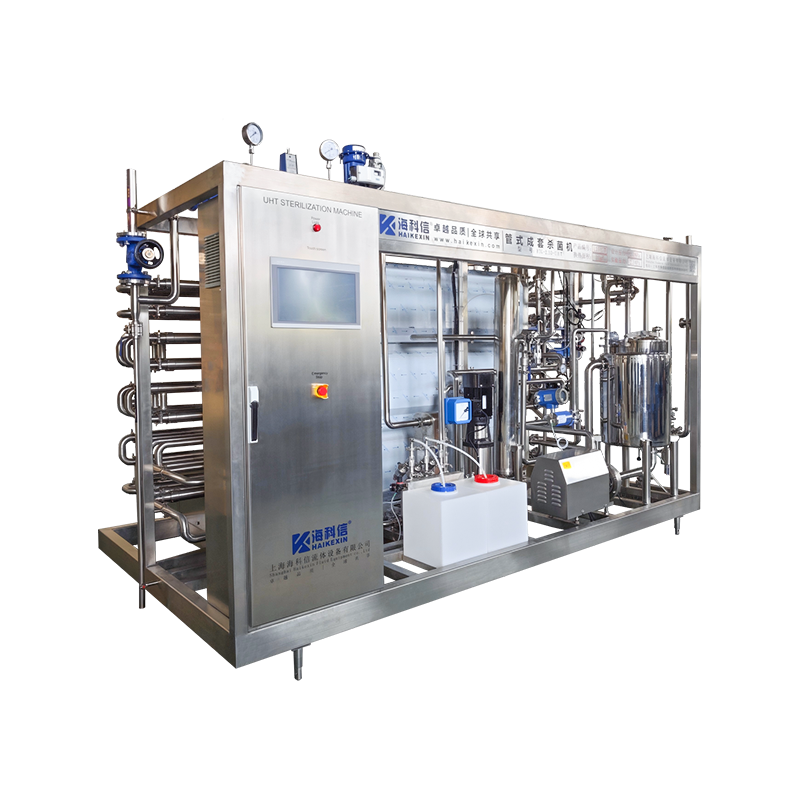
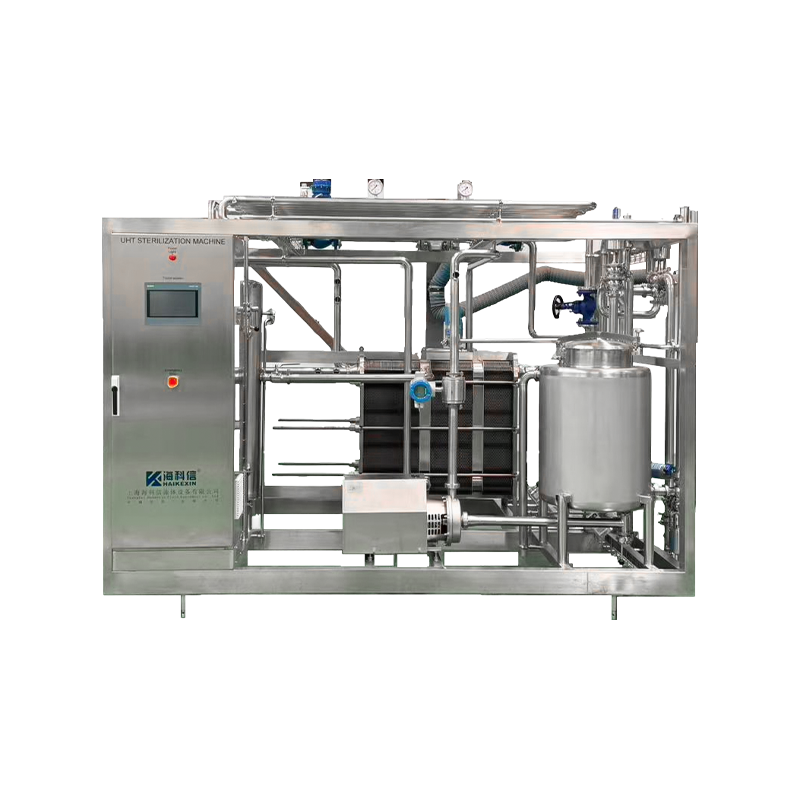
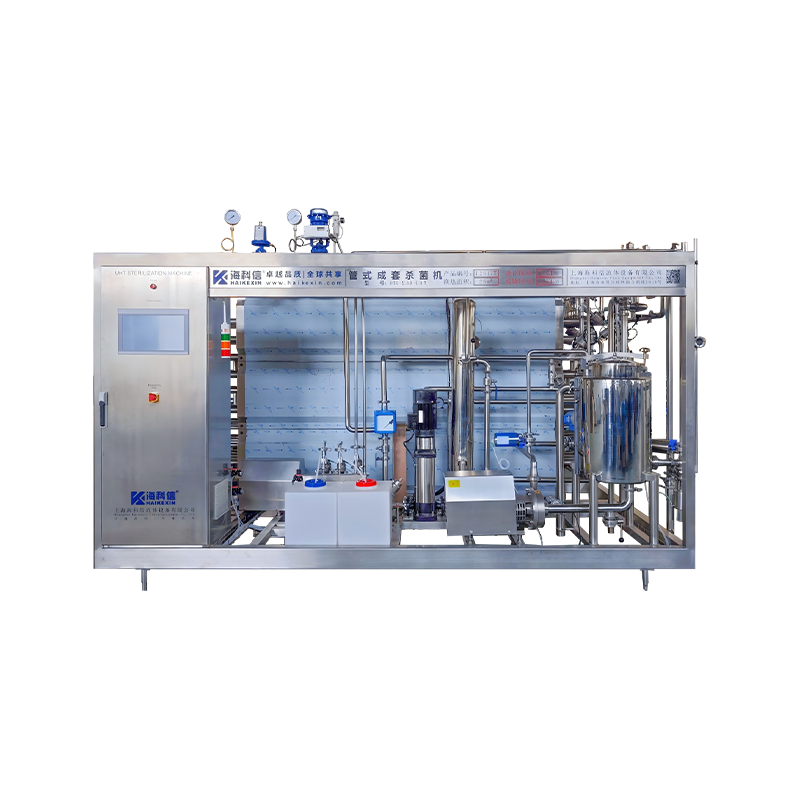
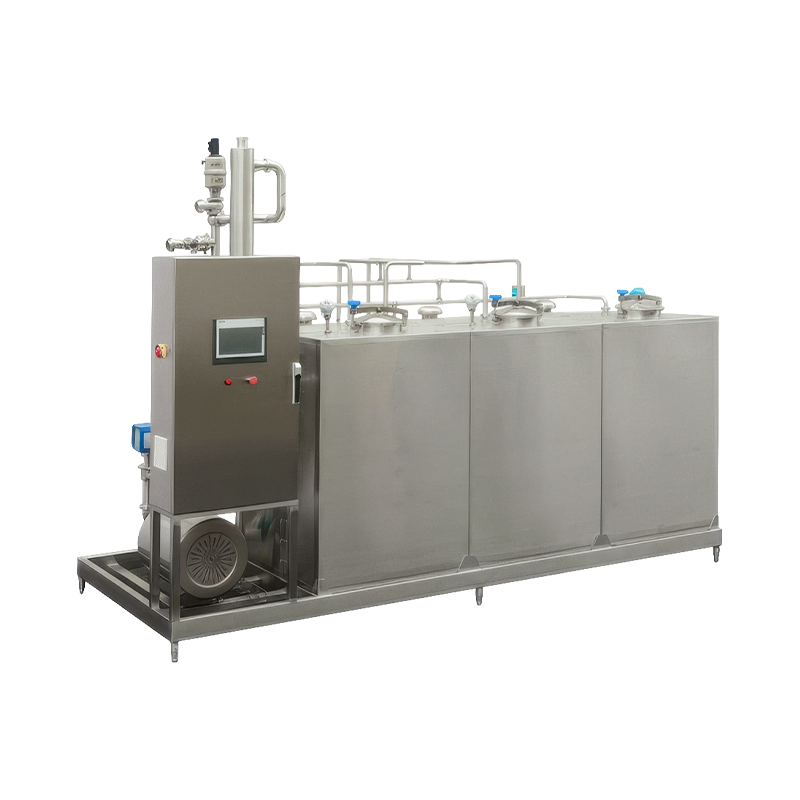
Tubular Pasteurizer for Fruit Puree
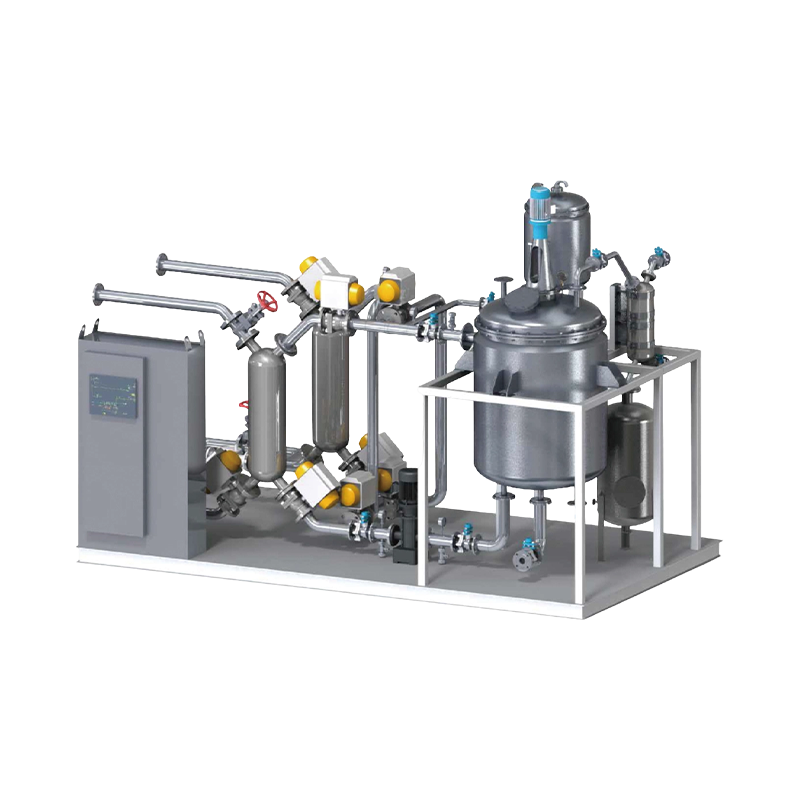
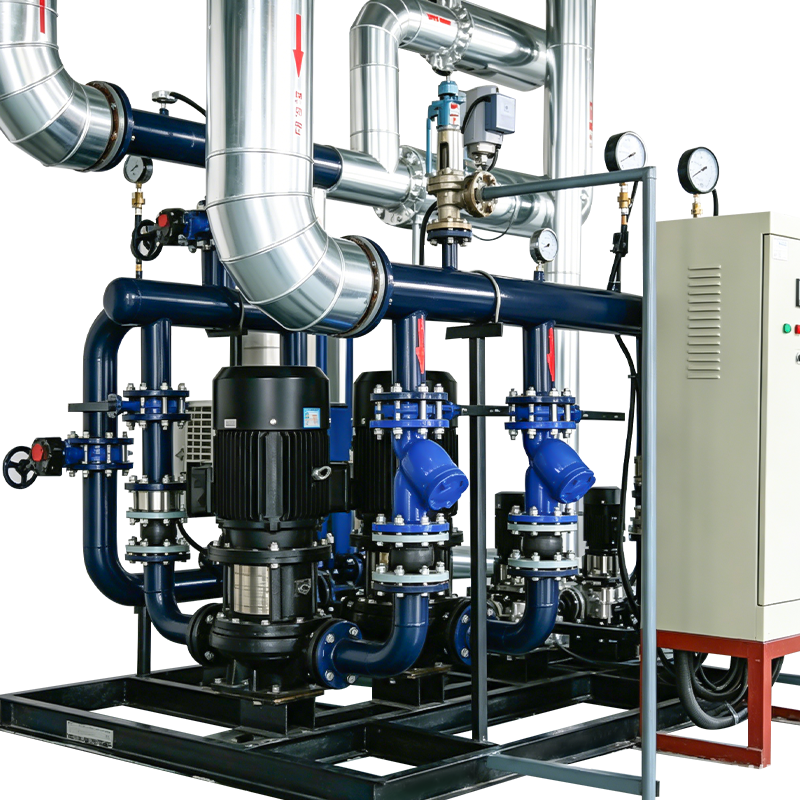
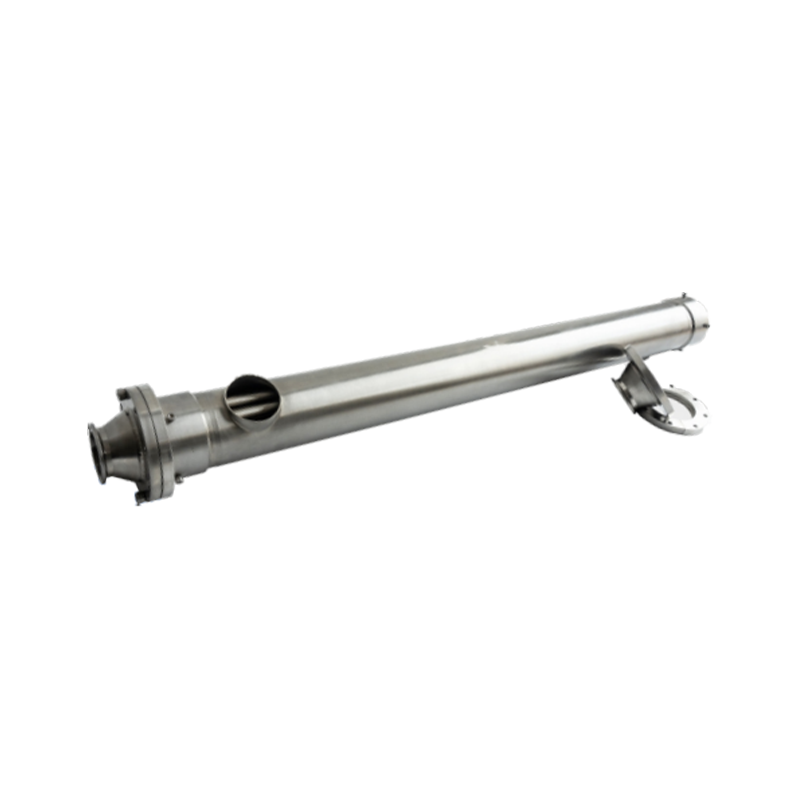
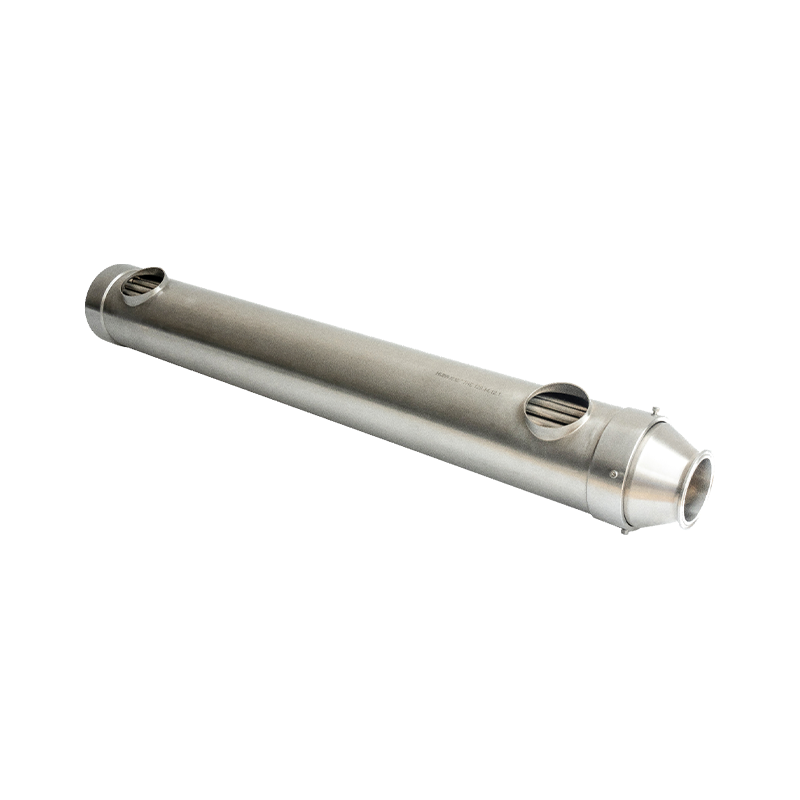
A tubular pasteurizer for fruit puree is a continuous thermal processing system designed to heat, hold, and cool viscous fruit-based products under controlled conditions. Its tubular heat exchange structure supports the processing of puree with varying solids content and flow characteristics, making it suitable for applications where product consistency, temperature control, and hygienic handling are important.
The system transfers heat through product channels inside tubular heat exchangers. Depending on the puree formulation and processing requirements, the equipment can be configured with suitable tube diameters, heating sections, holding tubes, pumping arrangements, and cooling stages. Product temperature and residence time are coordinated to achieve the specified pasteurization process while managing thermal exposure.
For food processors, beverage manufacturers, and fruit ingredient suppliers, system selection should consider viscosity, particle size, pulp content, processing capacity, filling temperature, and the intended packaging or downstream production line.
Designed Around the Flow Characteristics of Fruit Puree
Fruit puree can vary considerably in viscosity, fiber content, suspended pulp, and particle distribution. The heat exchange arrangement must therefore be matched to the product rather than selected only by nominal processing capacity.
Tubular Heat Exchange Section
Product passes through enclosed tubes while a heating or cooling medium circulates through the surrounding heat transfer passages. Tube dimensions and flow arrangement can be selected according to the puree's physical properties and required thermal duty.
- Suitable tube geometry for viscous product transfer
- Controlled heating and cooling stages
- Product-contact surfaces designed for hygienic processing
Holding Tube
Provides the required product residence time at the specified processing temperature.
Transfer Pump
Moves puree through the processing circuit at a controlled flow rate appropriate to its viscosity.
Control Assembly
Monitors relevant process variables, including temperature, flow, and operating status.
Cooling Section
Reduces product temperature before transfer to a filling or subsequent processing stage.
Processing Different Fruit Puree Formulations
System configuration depends on the product's composition and required final process conditions. The following examples represent common puree categories that may be evaluated during equipment specification.
Apple and Pear Puree
Processing considerations include soluble solids, natural pulp content, viscosity variation, and the temperature requirements of the intended product formulation.
Mango and Banana Puree
Higher viscosity may require careful selection of pump type, tube dimensions, and product flow conditions to maintain stable continuous operation.
Peach and Apricot Puree
Equipment selection should account for pulp distribution, product consistency, and any specified particle-size limits.
Berry and Mixed Fruit Puree
Formulations containing seeds, skins, or mixed fruit components require an assessment of particle passage, flow resistance, and cleaning requirements.
Key Factors Affecting Pasteurization Performance
Stable processing depends on the relationship between product characteristics, heat transfer, flow rate, and holding time. These factors should be reviewed together during system design.
Viscosity
Puree viscosity affects pumping resistance, flow distribution, and heat transfer behavior. Product data at relevant operating temperatures helps determine the required transfer arrangement.
Particle Size
Suspended pulp, fruit fibers, and other particles influence tube passage requirements. The maximum particle size should be confirmed before selecting the exchanger configuration.
Thermal Conditions
Heating temperature, holding duration, and cooling target must be established according to the product formulation and validated processing requirements.
Flow Stability
Consistent flow supports repeatable residence time and temperature control. Pump selection and process monitoring should reflect changes in product viscosity.
Configuration Parameters for Equipment Selection
Final specifications should be established from actual product samples, process targets, and plant utilities. The following table outlines the information normally required for engineering evaluation.
| Parameter | Information to Confirm | Design Consideration |
|---|---|---|
| Product Type | Single-fruit puree or mixed-fruit formulation | Determines product handling and process configuration |
| Processing Capacity | Required output per hour | Influences exchanger size, pump selection, and holding section |
| Product Viscosity | Viscosity range and measurement temperature | Guides tube geometry and transfer equipment selection |
| Particle Characteristics | Maximum particle size and pulp distribution | Determines passage clearance and equipment suitability |
| Thermal Process | Target temperature and holding time | Defines heating duty and holding tube configuration |
| Cooling Requirement | Required discharge or filling temperature | Determines cooling section and utility demand |
| Cleaning Method | CIP requirements and cleaning solution conditions | Influences piping, valves, and hygienic circuit design |
| Installation Conditions | Available floor space, utilities, and connection standards | Guides equipment arrangement and plant integration |
Cleaning, Material Selection, and Product Contact Design
Fruit puree processing equipment requires attention to hygienic construction because pulp and product residues can accumulate in areas with insufficient flow or difficult access. Product-contact components, connection points, valves, and drain arrangements should be considered as part of the complete processing circuit.
Stainless steel is commonly used for food-processing product-contact equipment. The appropriate grade and surface finish should be confirmed against the product characteristics, cleaning chemicals, operating temperature, and applicable food-processing requirements.
Specify material grade and surface finish according to process and regulatory requirements.
Evaluate cleaning flow, chemical concentration, temperature, and circulation duration.
Review piping slopes, low points, and product retention areas in the complete system.
Provide access for routine inspection of pumps, seals, valves, and heat exchange components.
From Puree Preparation to Filling
The tubular pasteurizer can be evaluated as part of a larger fruit processing line. Its inlet and outlet arrangements should correspond to upstream preparation equipment and downstream storage or packaging systems.
Puree Preparation
Washing, sorting, pulping, refining, and formulation as required.
Buffer Feeding
Product collection and controlled transfer to the thermal processing section.
Tubular Pasteurization
Heating, holding, and cooling according to the specified process.
Product Transfer
Transfer to a suitable tank, aseptic system, or downstream process.
Filling and Packaging
Filling into the selected container format under the required hygienic conditions.
For aseptic packaging applications, the pasteurizer must be engineered as part of a compatible aseptic processing and filling system. A conventional pasteurization configuration alone does not establish aseptic processing capability.
Frequently Asked Questions
Review common equipment and process considerations before preparing a technical specification or requesting a quotation.
Why use a tubular pasteurizer for fruit puree?
A tubular heat exchanger can be configured for continuous processing of viscous liquid products and puree formulations. Its tube dimensions and flow arrangement can be selected to accommodate the product's viscosity and particle characteristics, subject to engineering evaluation.
Can the system process puree containing fruit pulp?
It may be suitable for pulp-containing puree when the particle size, concentration, and flow behavior are compatible with the selected tube passages and pumping system. Product samples and particle specifications should be reviewed before confirming the configuration.
How are pasteurization temperature and holding time determined?
They depend on the fruit formulation, acidity, initial microbial condition, target shelf life, packaging method, and applicable food safety requirements. The process schedule should be established and validated by qualified process specialists rather than selected from a generic equipment specification.
Is the tubular pasteurizer suitable for high-viscosity puree?
Suitability depends on the actual viscosity range, temperature-dependent flow behavior, and required throughput. Pump type, tube diameter, pressure drop, and heat transfer performance should be assessed together during system design.
Can the equipment be connected to a CIP system?
A CIP-compatible configuration can be considered during engineering. Cleaning effectiveness depends on circuit design, flow velocity, cleaning solution, temperature, and the characteristics of product residues. The required cleaning sequence should be defined for the specific puree.
What information is needed to request a quotation?
Provide the fruit puree type, processing capacity, viscosity, pulp or particle size, inlet temperature, target pasteurization conditions, outlet temperature, heating and cooling utilities, cleaning requirements, and downstream filling arrangement. Product samples and process flow information can further support equipment evaluation.
Specify the Tubular Pasteurizer Around Your Puree
Share your product formulation, throughput target, particle characteristics, and thermal processing requirements to support a suitable equipment configuration for your fruit puree production line.