
 English
 русский
 Português
 Français

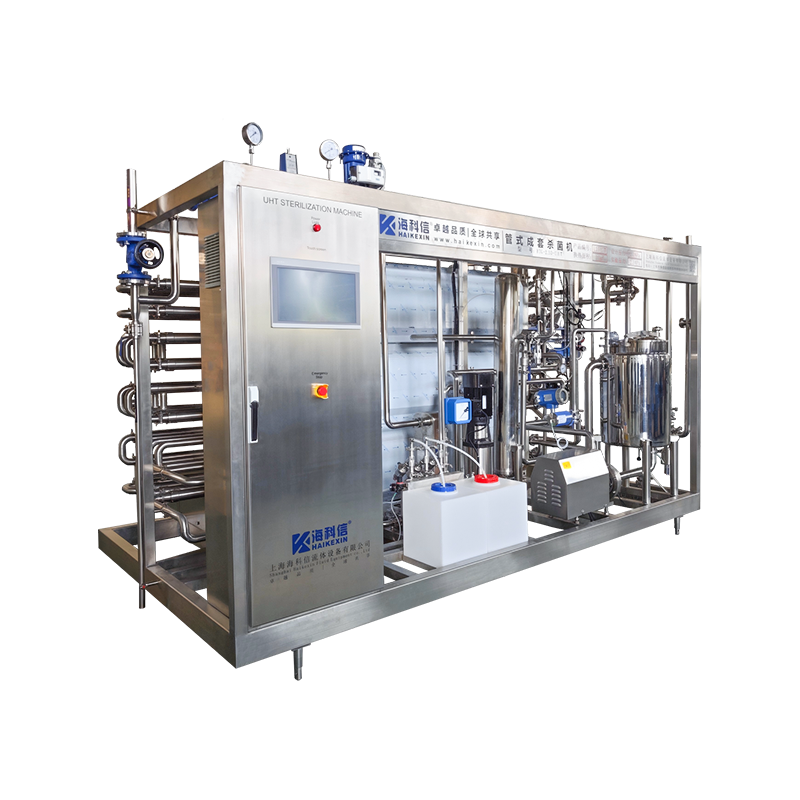
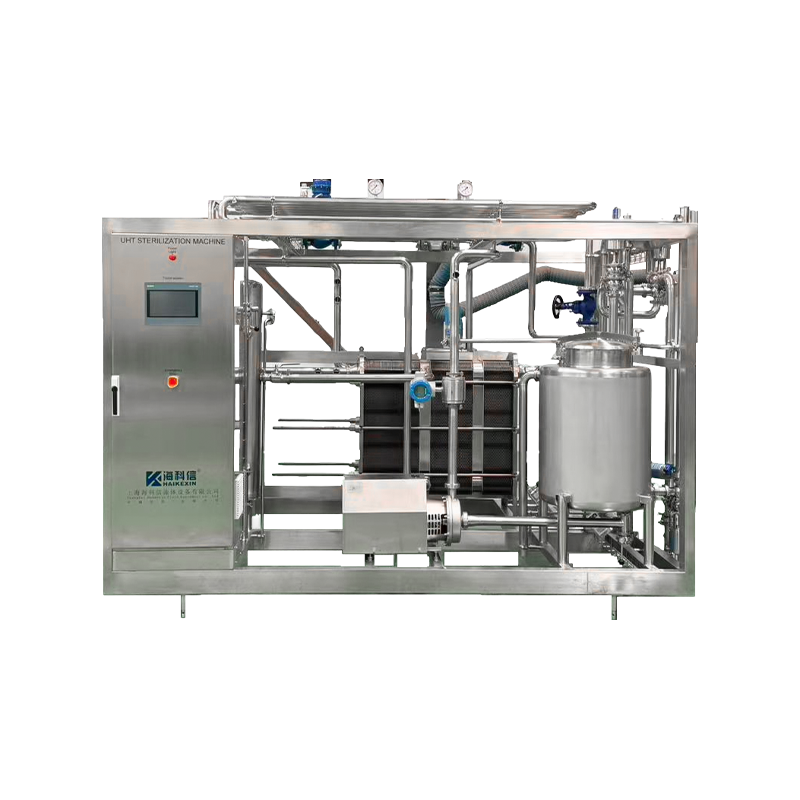
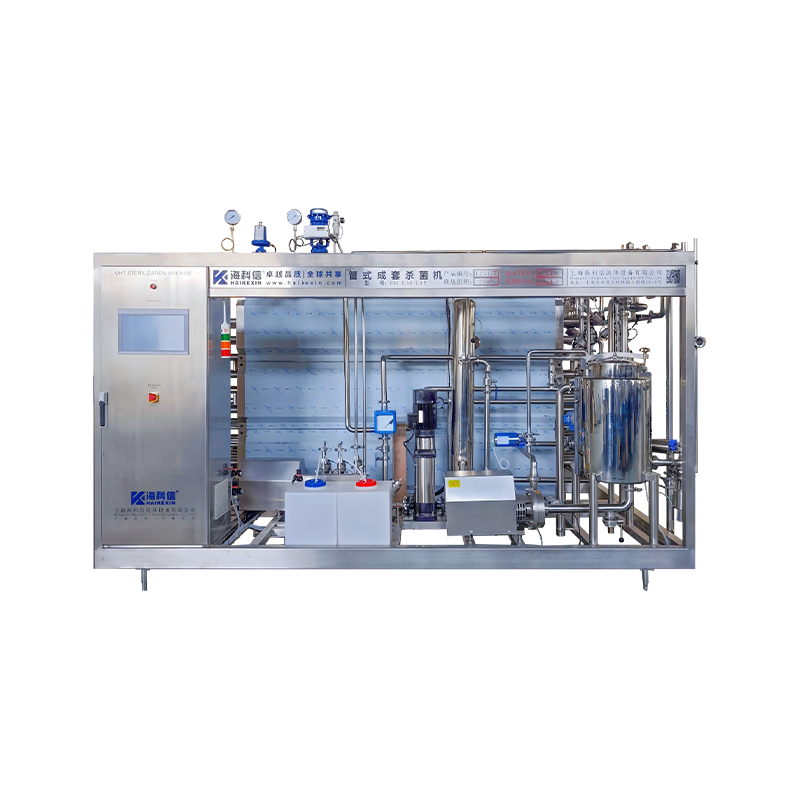
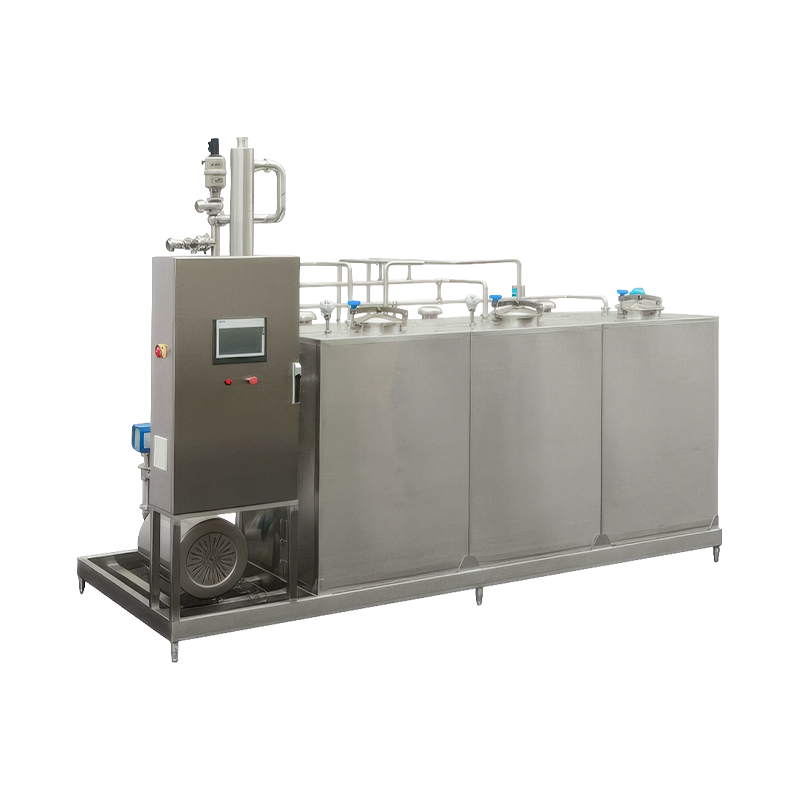
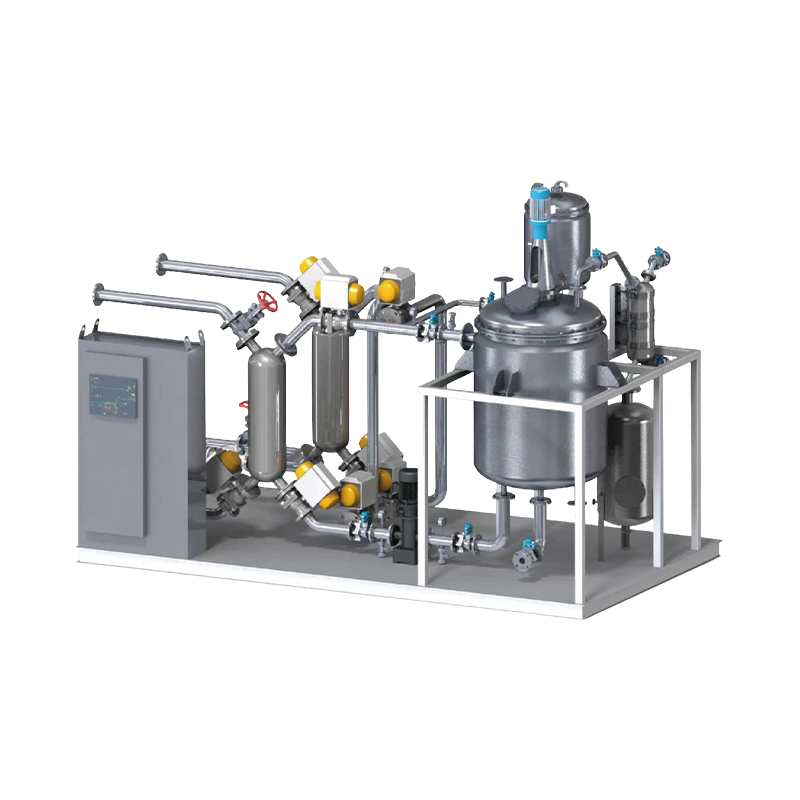
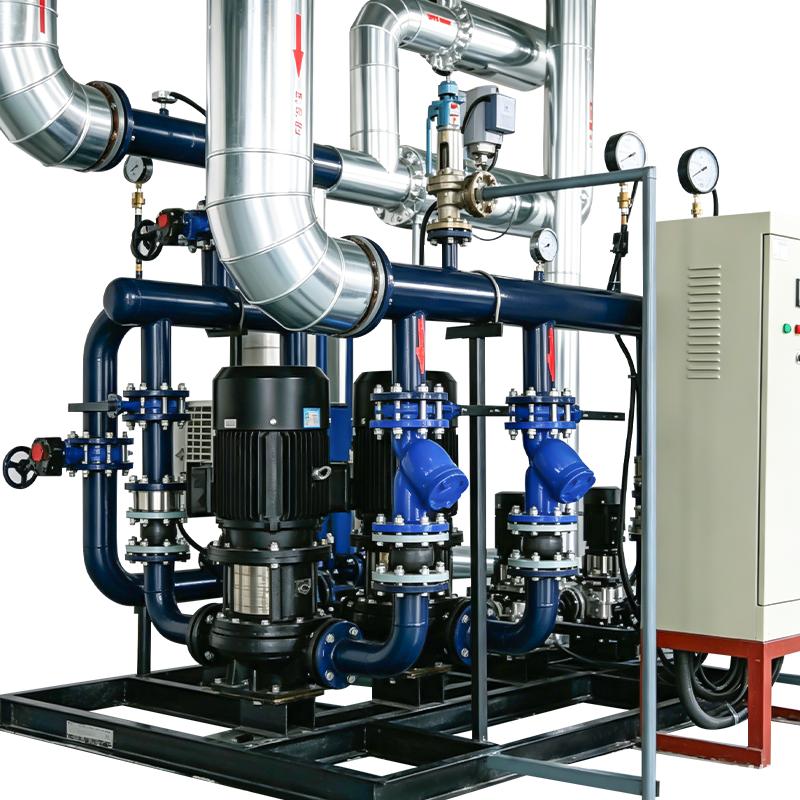
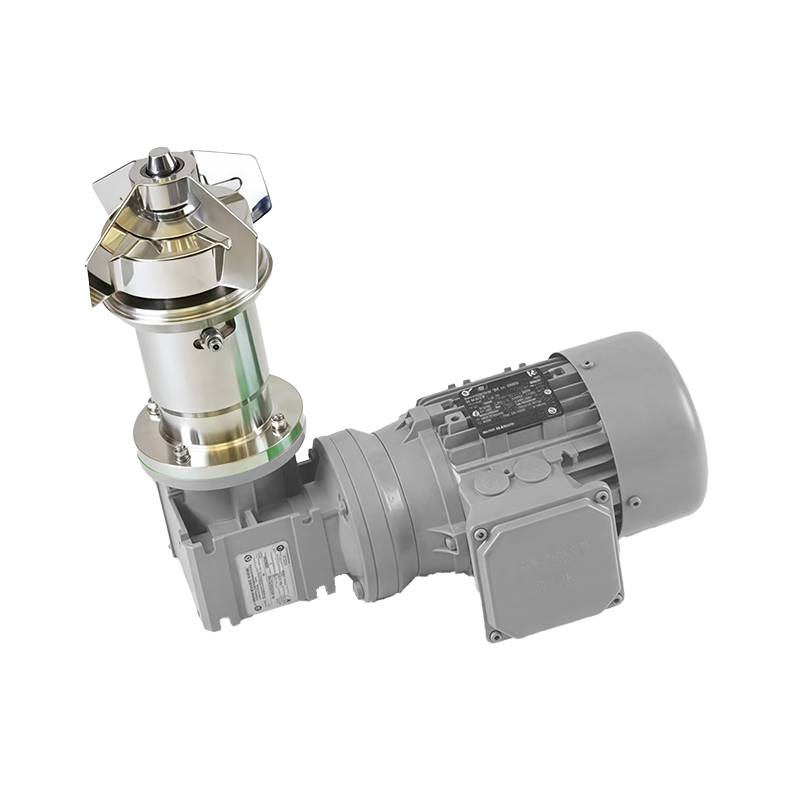
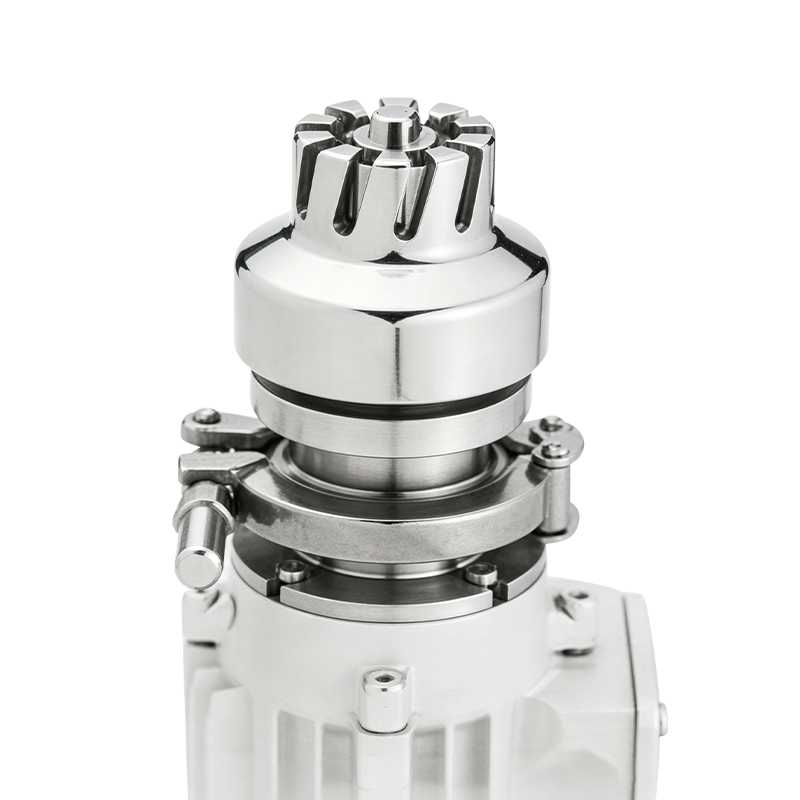
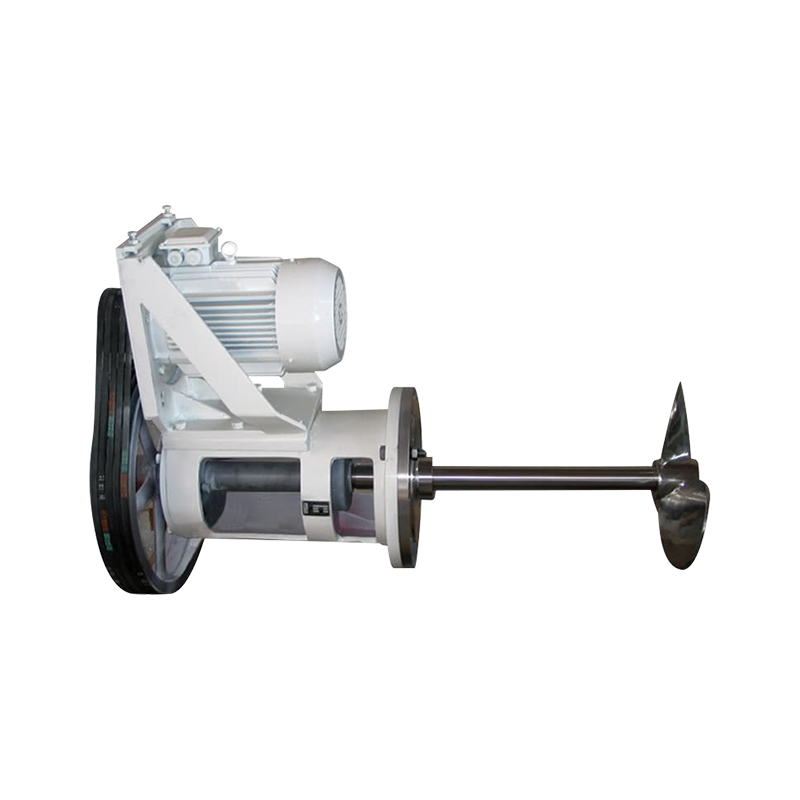
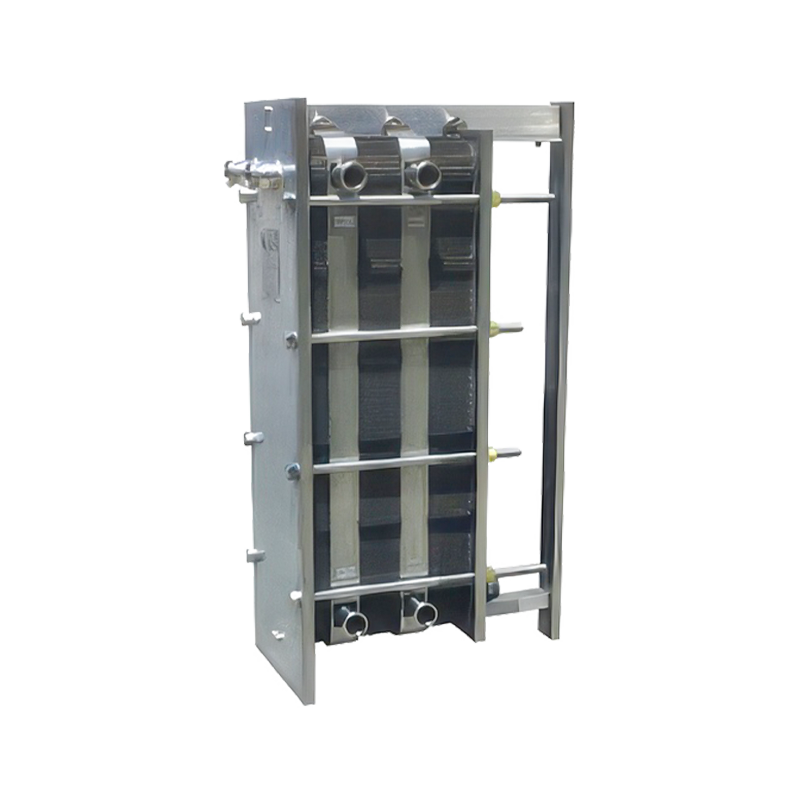
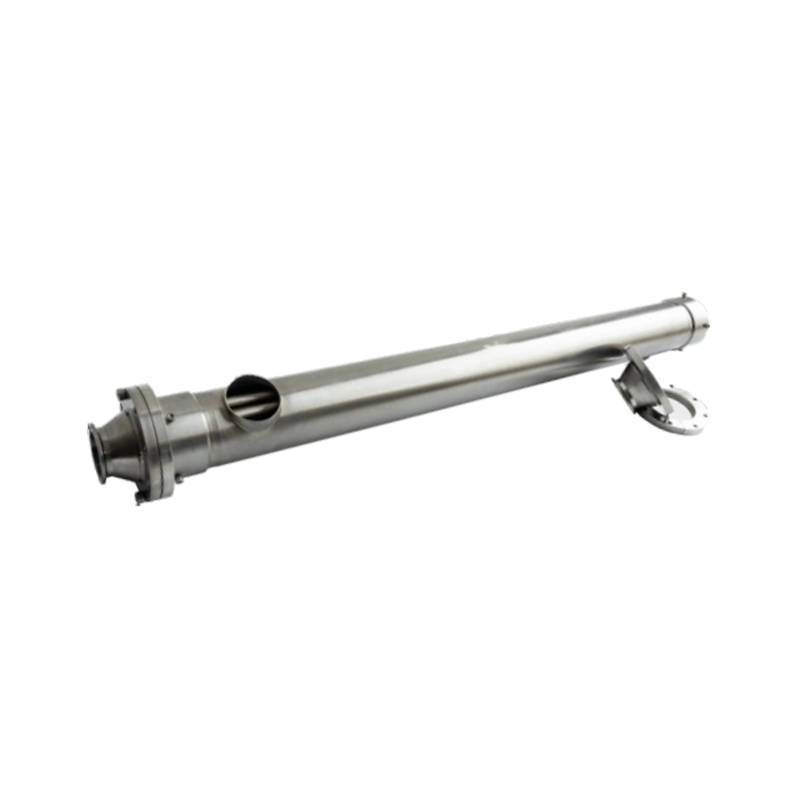
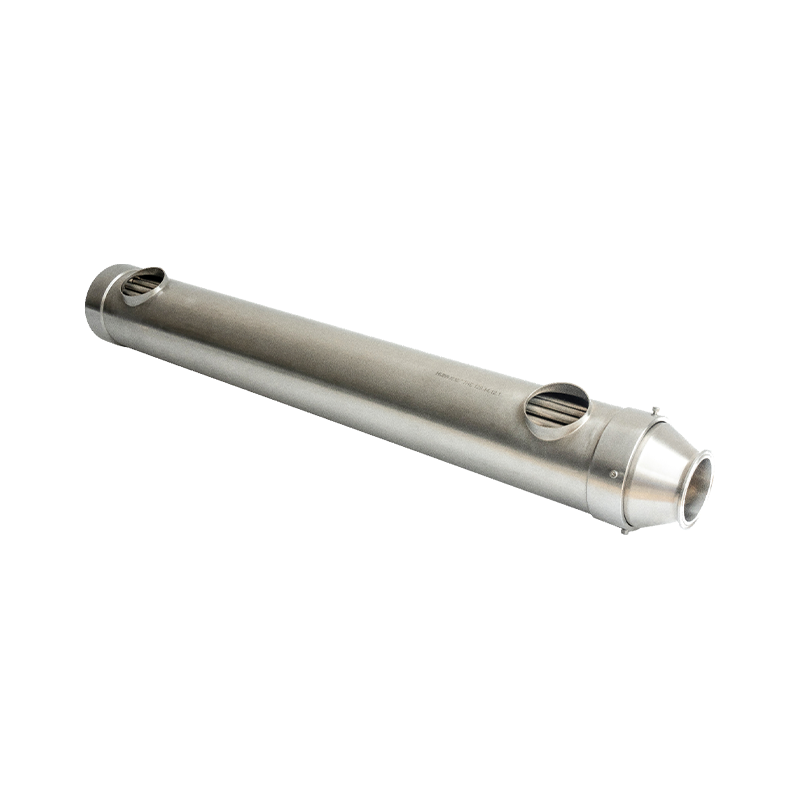
Automatic UHT Sterilizer for Milk
A continuous ultra-high-temperature sterilization platform built for dairy producers who need ambient-stable milk at industrial throughput. The system pairs regenerative heat recovery with full automatic control, delivering validated sterility while preserving the sensory and nutritional profile of the product.
Core Advantages
Continuous sterilization with consistent lethality and minimal nutrient degradation.
- Automated closed-loop control of temperature, flow, and holding time
- Regenerative heat recovery reduces steam and cooling water demand
- Automatic diversion of under-processed product protects sterility
- Continuous operation supports high-volume production schedules
Product Characteristics
Constructed for dairy hygiene with instrumentation that supports regulatory documentation.
- 316L stainless steel with sanitary welds and dairy-grade finishes
- Tubular or plate heat exchangers matched to product viscosity
- Integrated homogenization and aseptic cooling sections
- PLC control with HMI, batch logging, and CIP integration
Application Scenarios
Deployed across dairy operations requiring ambient-stable milk and extended distribution reach.
- UHT white milk for ambient retail distribution
- Flavored milk and dairy beverage production
- Cream and dairy-based liquid concentrates
- Aseptic filling lines for extended shelf life products
Frequently Asked Questions
Technical and procurement questions raised during UHT sterilizer evaluation.
Deployment Considerations
Confirm raw milk quality parameters before finalizing thermal treatment profiles, as fat and protein content affect fouling rates and holding time requirements.
Verify clean steam quality and supply capacity against SIP cycle requirements, as inadequate steam is a common cause of validation failure.
Plan aseptic filler compatibility early. The sterilizer and filler must share a validated sterile boundary and a reliable communication handshake.
Establish a fouling monitoring and cleaning schedule. Heat exchanger fouling is the primary driver of reduced runtime and increased energy consumption.