
 English
 русский
 Português
 Français


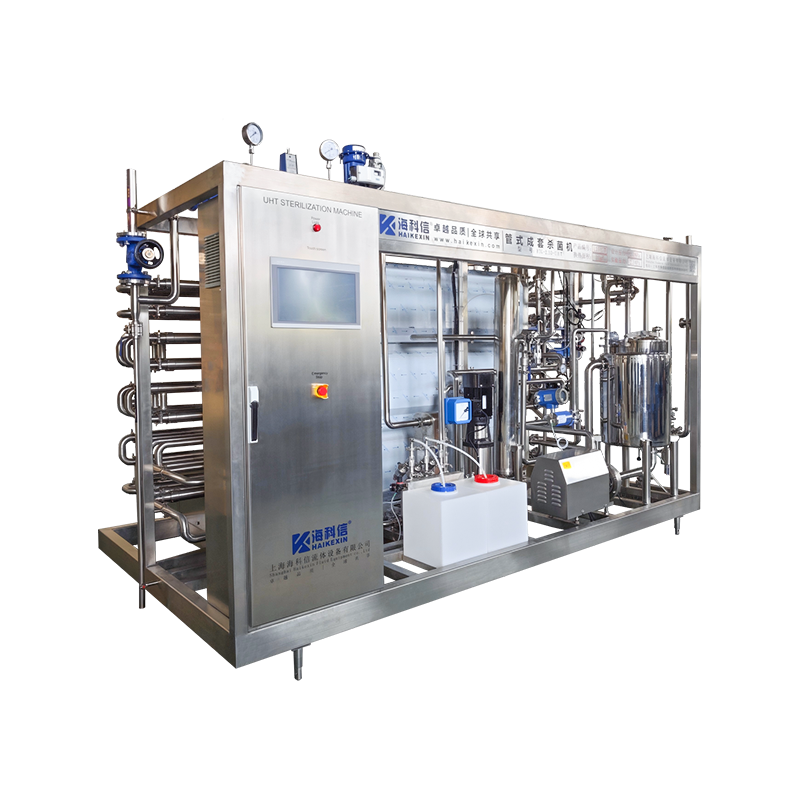
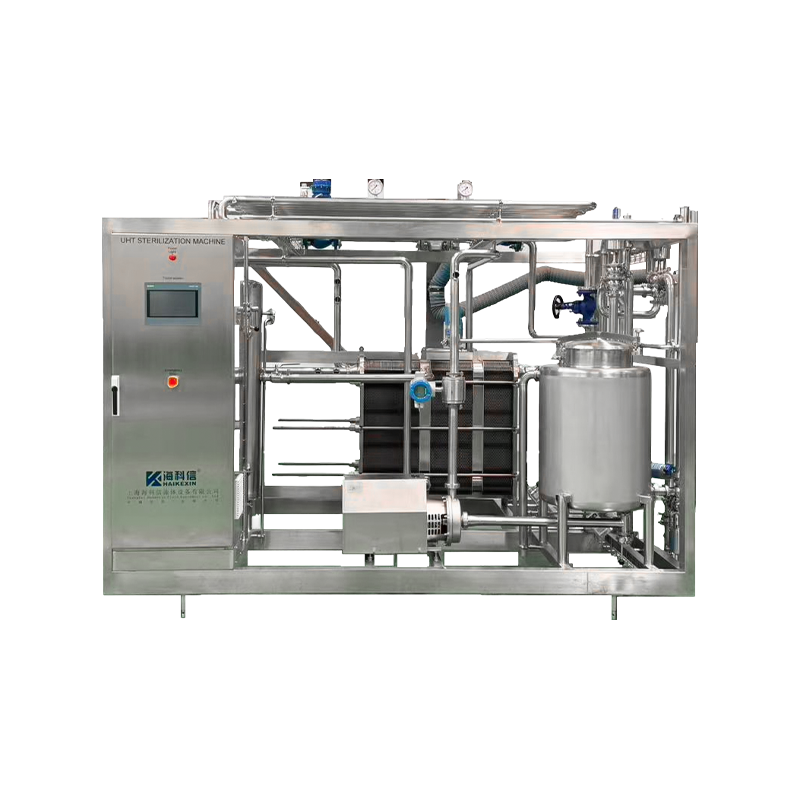
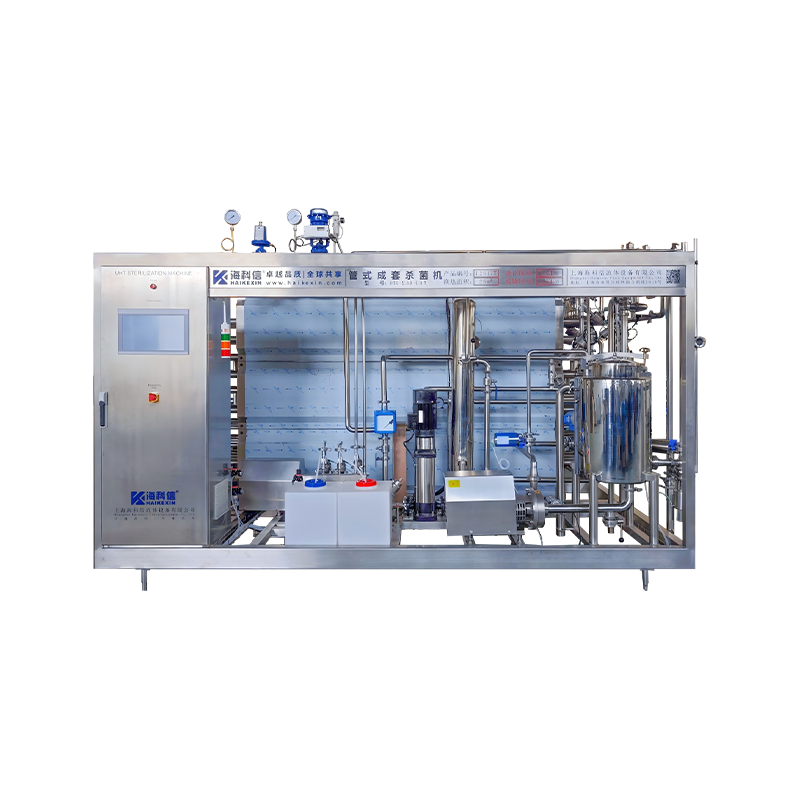
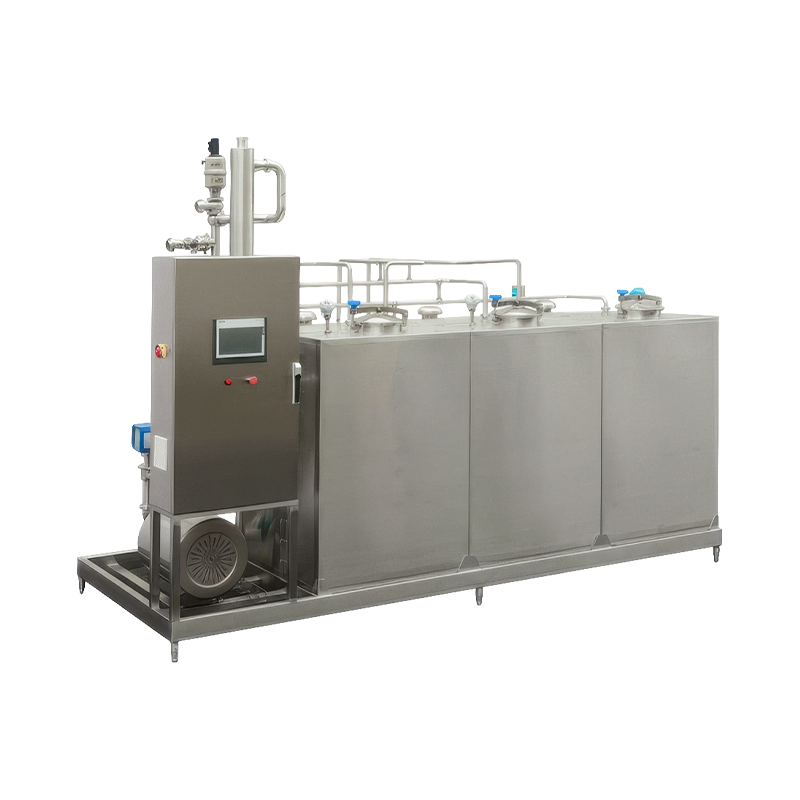
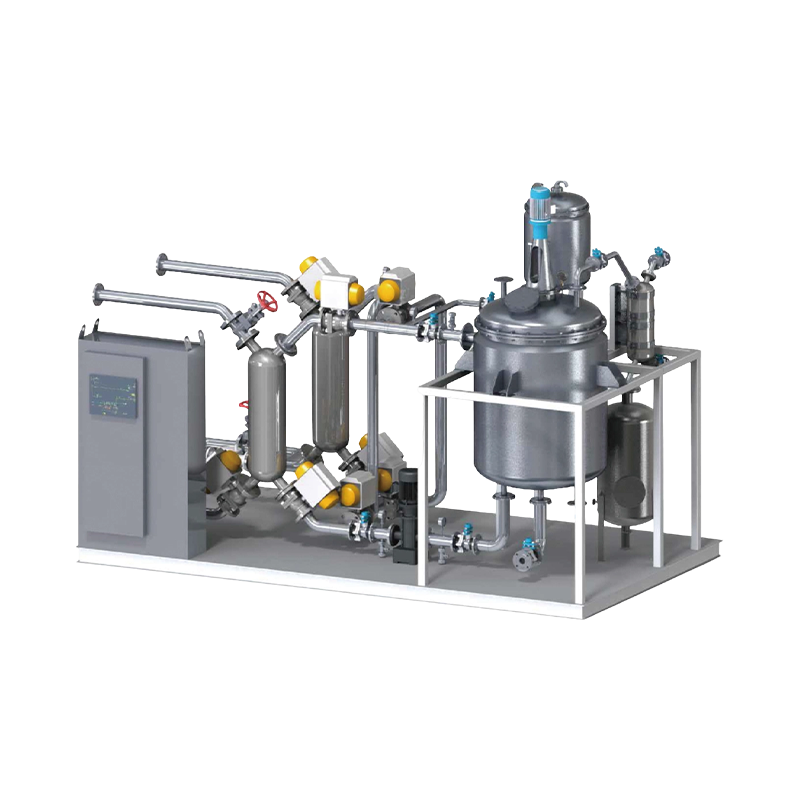
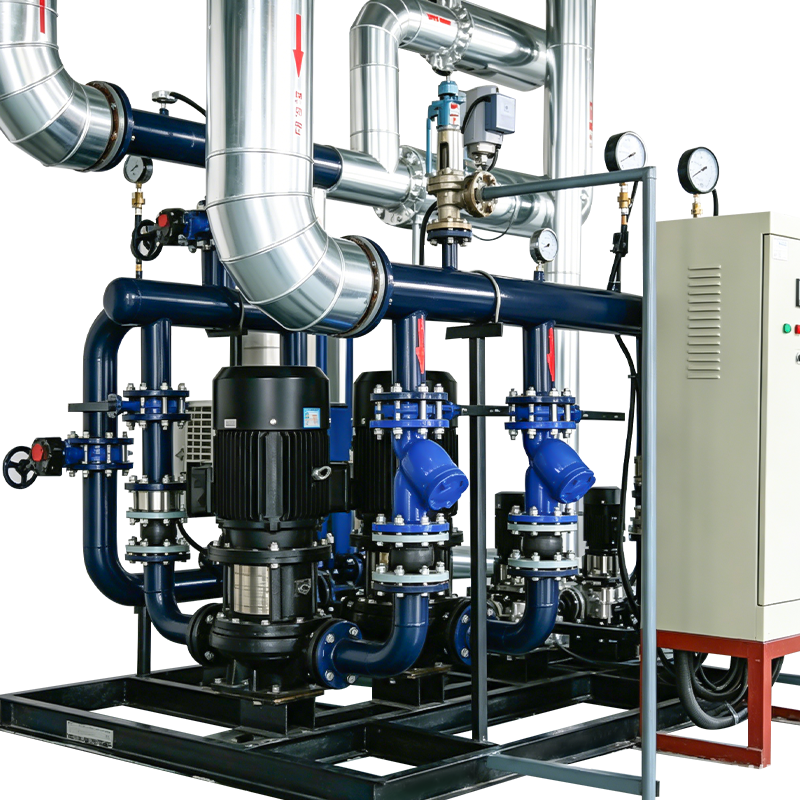
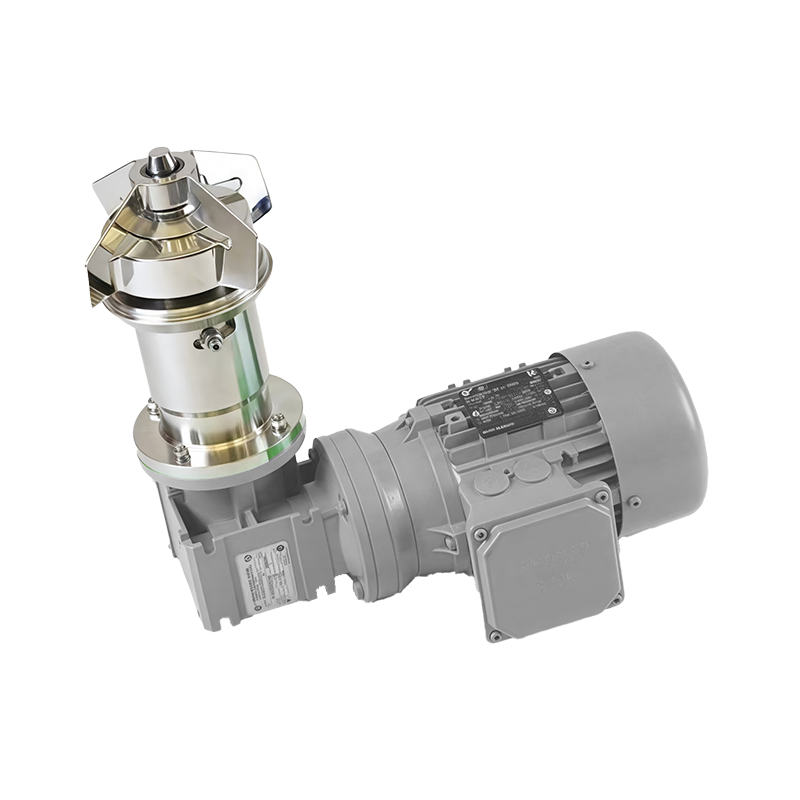
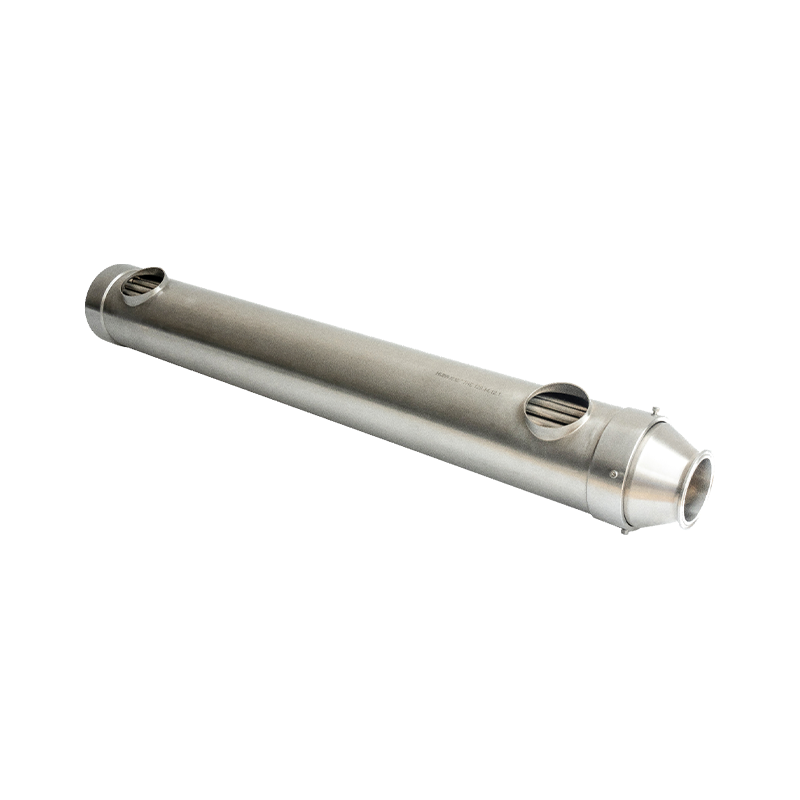
Tubular UHT Sterilization System
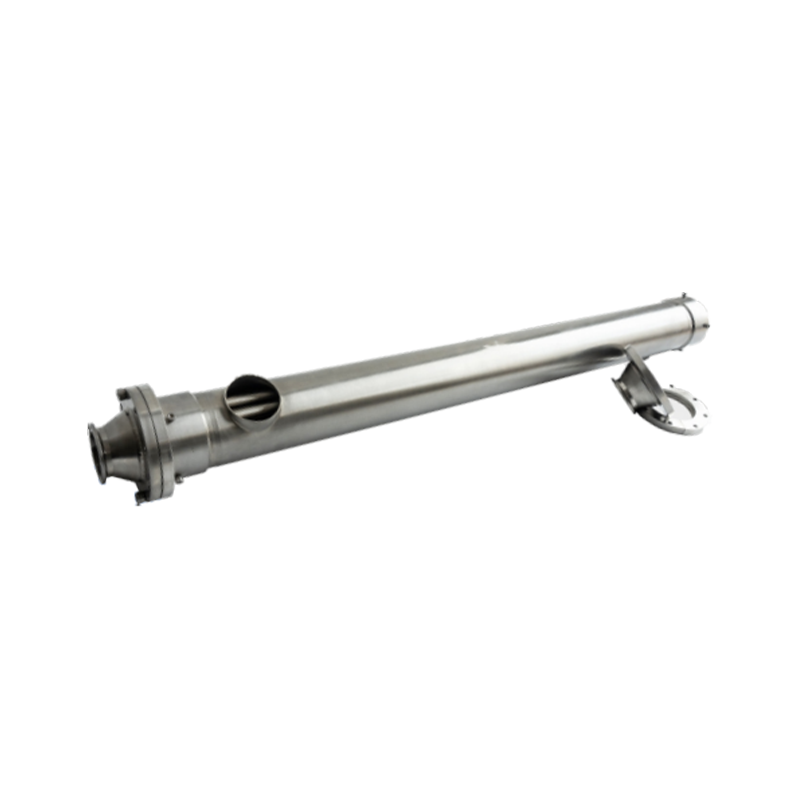
A Tubular UHT Sterilization System is an industrial thermal processing unit that uses tubular heat exchangers to heat liquid food products to specified ultra-high-temperature conditions, maintain the required holding time, and cool the treated product before downstream processing. Product and heating medium flow through separate passages divided by heat transfer tube walls. This configuration supports continuous thermal processing of dairy beverages, plant-based drinks, and other suitable liquid food formulations. Tube diameter, exchanger arrangement, heating surface area, product flow rate, and holding section dimensions are selected according to the physical properties of the product and the required processing conditions. The system can be configured as part of an integrated production line with product preparation, homogenization, aseptic transfer, and filling equipment.
Tubular Heat Exchanger Structure and Operating Principle
The main heat transfer component of a tubular UHT sterilization system consists of product flow passages and heating-medium passages separated by metal tube walls. Depending on the equipment configuration, the exchanger may use single-tube, multi-tube, or tube-in-tube arrangements. The product moves through the designated product channel while thermal energy passes through the tube wall from the heating circuit.
During operation, the system controls product circulation, heating temperature, holding conditions, and cooling. The tubular configuration is particularly relevant when the product's viscosity, suspended particles, flow behavior, and fouling characteristics need to be considered in the heat exchanger design.
Dedicated flow channel for the liquid product.
Separating metal surface for indirect thermal energy transfer.
Circulation channel for the heating fluid surrounding or adjacent to the product passage.
Actual tube arrangement, flow direction, number of passes, and heating-medium circulation depend on the selected exchanger design.
Thermal Processing Sequence
From product feeding to aseptic transferProduct Feeding and Preparation
Liquid food enters the system through the product feeding circuit. Filtration, blending, or other upstream preparation may be completed according to the production formulation.
Preheating and Main Heating
Thermal energy is transferred through tubular heat exchanger surfaces to increase product temperature according to the defined process schedule.
Holding and Thermal Treatment
The product passes through a holding section designed to provide the required residence time at the specified processing temperature.
Cooling and Temperature Reduction
The treated product passes through the cooling section to reach the required downstream transfer temperature.
Aseptic Product Transfer
Where an aseptic configuration is specified, the processed product is transferred through a compatible sterile circuit to downstream storage or filling equipment.
Key Capabilities of Tubular UHT Processing Equipment
Tubular Heat Transfer Configuration
The tube-based heat exchange structure provides separate product and heating-medium passages. Tube geometry and exchanger arrangement can be evaluated according to product properties, thermal load, and operating conditions.
Adaptation to Different Product Characteristics
Tube diameter, flow passage design, and product circulation conditions influence the suitability of the system for products with different viscosities and suspended particle characteristics.
Controlled Temperature and Holding Conditions
Heating temperature, flow rate, and holding section dimensions can be coordinated to achieve the specified thermal treatment conditions under the designed operating parameters.
Continuous Production Operation
The system processes product through a continuous flow path, supporting integration with upstream product preparation and downstream processing equipment.
Cleaning and Maintenance Considerations
Tube geometry, pipeline layout, valve selection, and cleaning circuit configuration can be assessed according to product residue, cleaning solution circulation, and plant hygiene requirements.
Production Line Integration
Product feeding, pumping, homogenization, aseptic transfer, buffer tanks, and filling interfaces can be considered when defining the overall processing system.
Product Features and Engineering Specifications
The specifications of a tubular UHT sterilization system are determined by product characteristics, required throughput, heating and cooling conditions, and the target thermal treatment schedule. The following technical categories form the basis for equipment configuration and engineering evaluation.
| Specification Category | Technical Description | Selection Consideration |
|---|---|---|
| Heat Exchanger Type | Single-tube, multi-tube, or tube-in-tube configurations, subject to design. | Product characteristics and required heat transfer duty. |
| Tube Geometry | Tube diameter, length, number of passes, and flow passage arrangement. | Viscosity, particle size, flow velocity, and pressure drop. |
| Contact Material | Product-contact material selected according to hygienic and compatibility requirements. | Product composition, cleaning chemicals, temperature, and pressure. |
| Processing Temperature | Specified product heating temperature and temperature control arrangement. | Product formulation and validated thermal process. |
| Holding Section | Holding tube dimensions and residence time arrangement. | Processing temperature, flow rate, and required holding time. |
| Processing Capacity | Rated product flow rate under defined operating conditions. | Production target and heat exchanger sizing. |
| Cooling Configuration | Heat exchange arrangement for reducing product temperature after treatment. | Cooling utility conditions and downstream process requirements. |
| Cleaning System | CIP-compatible piping and circulation arrangement where specified. | Product residue, cleaning procedure, and hygiene management. |
| Control System | Temperature, flow, pressure, and other process monitoring functions as specified. | Automation requirements and process validation. |
Numerical specifications such as processing capacity, tube dimensions, working pressure, product temperature, and utility consumption must be confirmed against the actual project design. They should not be inferred from the general equipment category.
Applications of Tubular UHT Sterilization Systems
Milk Processing Plants
Dairy manufacturers use tubular UHT equipment for suitable milk and dairy beverage formulations. Equipment configuration takes into account product viscosity, protein and fat composition, heat sensitivity, and fouling tendency.
DAIRY PRODUCTIONPlant-Based Beverage Production
Suitable soy, oat, and other plant-based liquid products can be evaluated for tubular thermal processing. Particle characteristics, formulation stability, and flow behavior are important selection factors.
PLANT-BASED DRINKSLiquid Food Manufacturing
Industrial food processors may use the system for pumpable liquid formulations that require continuous high-temperature treatment. The product must be compatible with the selected tube passage and thermal conditions.
FOOD PROCESSINGDairy Ingredient Processing
Selected liquid dairy ingredients can be processed using tubular heat exchange arrangements where the required thermal schedule, flow characteristics, and cleaning requirements can be accommodated.
DAIRY INGREDIENTSCommercial Aseptic Filling Lines
Tubular UHT equipment can be integrated with aseptic buffer tanks, sterile transfer pipelines, and filling machines. The processing and packaging sections must be engineered as a coordinated aseptic system.
ASEPTIC PACKAGINGFood Processing Equipment Projects
Equipment integrators and engineering contractors may specify tubular UHT units as part of larger liquid food production projects. Interfaces, utilities, installation space, and control requirements need to be coordinated.
ENGINEERING PROJECTSManufacturing and Supply Capabilities
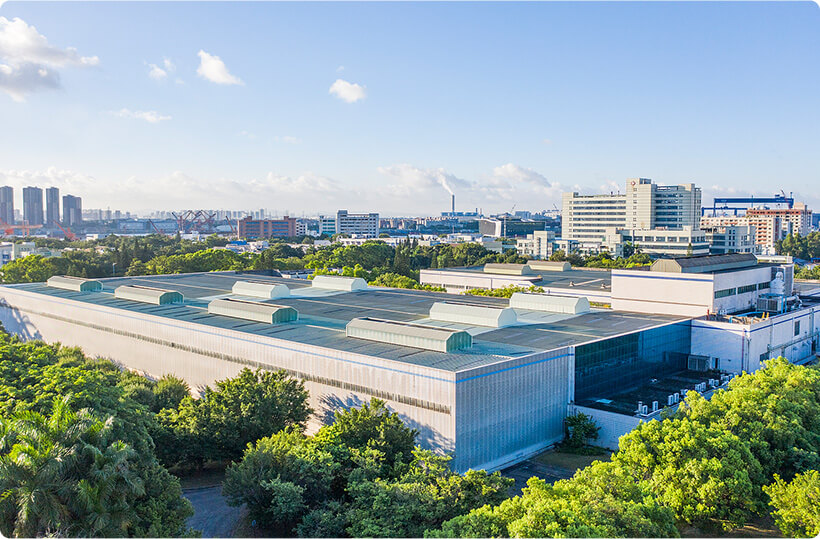
Manufacturing a tubular UHT sterilization system involves coordinated engineering and assembly of heat exchange components, product pipelines, holding sections, process valves, instrumentation, and control equipment. The final manufacturing scope should be established according to the approved process specification and project requirements.
System Configuration Development
Equipment design can be based on product flow rate, viscosity, suspended particle characteristics, target processing temperature, holding time, and available utilities.
Tubular Exchanger and Pipeline Fabrication
Tube dimensions, heat transfer arrangements, product-contact connections, and pipeline layouts are determined according to the equipment drawings and technical specifications.
Equipment Integration and Installation
The exchanger, pumps, valves, holding section, cooling components, and instrumentation are assembled according to the approved system configuration.
Inspection and Functional Testing
Inspection scope can include material verification, connection checks, pressure-related testing where applicable, instrument verification, and functional checks against agreed specifications.
Production Scheduling and Export Preparation
Manufacturing schedules, component procurement, assembly progress, technical documentation, and export packaging should be coordinated with the confirmed project scope and delivery agreement.
Technical and Repeat Order Support
Equipment documentation, spare parts identification, maintenance information, and repeat equipment configuration can be coordinated according to the agreed supply scope.
What Buyers Should Confirm Before Ordering
For dairy processors, beverage manufacturers, and engineering contractors, selecting a tubular UHT sterilization system requires more than comparing equipment dimensions. The following information helps establish the appropriate heat exchanger structure and processing configuration.
Product Composition and Physical Properties
Provide the product type, formulation, viscosity, solids content, suspended particle size, and heat sensitivity. These details affect tube passage selection and fouling assessment.
Required Processing Throughput
Specify hourly production capacity, operating hours, and expected production variations. The information is necessary for exchanger sizing, pump selection, and system layout.
Temperature and Holding Requirements
Confirm product inlet temperature, target processing temperature, holding time, and cooling requirements based on the validated process schedule.
Heating, Cooling, and Installation Conditions
Review available steam or hot water, cooling water, electrical supply, compressed air where needed, drainage, and available installation space.
Material and CIP Requirements
Confirm product-contact material requirements, cleaning chemical compatibility, CIP procedures, drainage conditions, and inspection access.
Integration and Delivery Documentation
Define whether the order includes only the sterilizer or also upstream preparation, homogenization, aseptic storage, filling interfaces, installation support, and technical documents.
Technical Information Checklist
- Product name and formulation
- Target hourly processing capacity
- Viscosity and suspended particle information
- Required processing temperature and holding time
- Available heating and cooling utilities
- Required tube exchanger configuration, if known
- Existing production line connection details
- Destination market and packaging requirements
Frequently Asked Questions About Tubular UHT Systems
1. What is a tubular UHT sterilization system?
A tubular UHT sterilization system is continuous thermal processing equipment that uses tubular heat exchangers to transfer heat to liquid food products. The product is heated to a specified ultra-high-temperature condition, held for a defined period, and then cooled. The system is used in suitable dairy, beverage, and liquid food production applications where tube-based heat exchange is appropriate for the product's physical properties and processing requirements.
2. What is the difference between tubular and plate UHT heat exchangers?
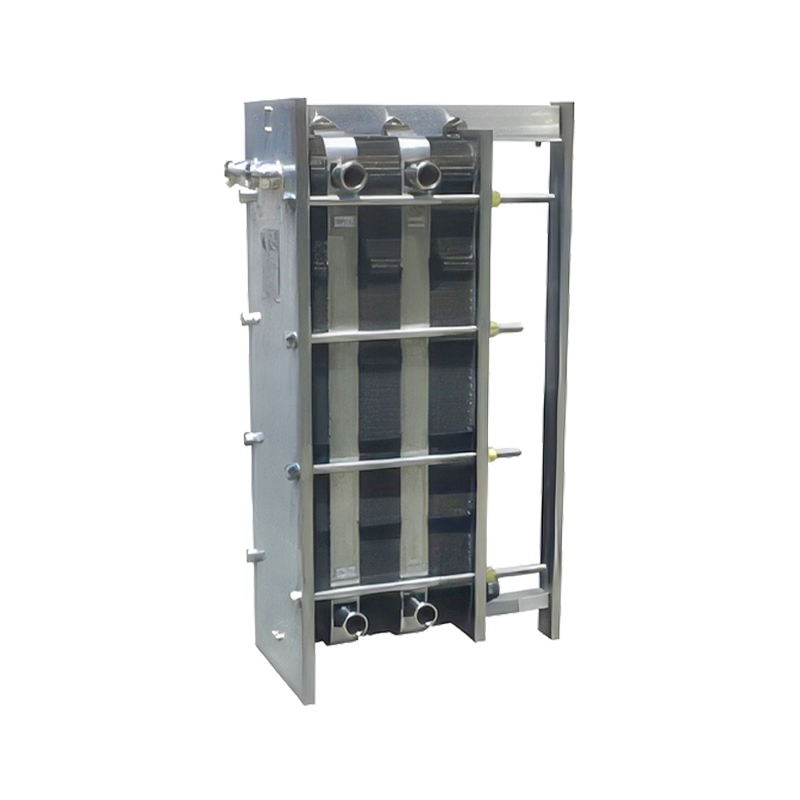
Tubular heat exchangers use tube-based flow passages, while plate heat exchangers use channels formed between plates. Tubular designs can be considered for products with certain viscosities or suspended particles, depending on the passage dimensions and design. Plate exchangers are generally considered for suitable fluid products with compatible particle characteristics. Selection depends on product properties, flow rate, pressure drop, fouling behavior, heat transfer duty, and cleaning requirements.
3. Can a tubular UHT system process products containing suspended particles?
Some tubular configurations can process products containing suspended particles, but suitability depends on particle size, concentration, shape, product viscosity, and tube passage dimensions. The product must be evaluated to determine whether it can flow through the selected exchanger without unacceptable blockage, pressure drop, or processing instability. Particle characteristics should be provided during equipment selection.
4. How is the capacity of a tubular UHT sterilizer determined?
Processing capacity is determined by the required product flow rate and the heat transfer duty needed to reach the target thermal conditions. Engineering calculations consider product inlet temperature, specific heat, viscosity, exchanger surface area, tube geometry, flow velocity, holding time, and cooling requirements. Buyers should provide their required hourly output and product data for equipment sizing.
5. What causes fouling in tubular UHT heat exchangers?
Fouling can result from the accumulation of proteins, minerals, fats, sugars, and other product components on heat transfer surfaces. Its development depends on formulation, temperature, flow velocity, surface conditions, and operating duration. Fouling may reduce heat transfer performance and increase pressure drop. Appropriate tube configuration, process control, and cleaning procedures are necessary to manage these effects.
6. Does a tubular UHT sterilization system support CIP cleaning?
A CIP-compatible configuration can be specified according to the equipment design. The cleaning circuit must provide suitable solution circulation through the product-contact tubes, pipelines, valves, and other relevant components. Cleaning temperature, chemical concentration, flow conditions, and cleaning duration should be established based on product residues and the plant's hygiene procedures.
7. Can the tube dimensions and equipment structure be customized?
Tube dimensions, exchanger arrangement, number of passes, holding section configuration, pipeline connections, and equipment layout can be evaluated according to project requirements. Customization must be based on engineering calculations and product characteristics. Buyers should provide flow rate, product viscosity, particle size, target temperature, holding time, and available installation space.
8. Can a tubular UHT sterilization system connect to an existing filling machine?
Integration is possible when the sterilizer and filling line meet the required capacity, product transfer, aseptic interface, and control requirements. The connection design should consider downstream filling speed, sterile buffer capacity, pipeline routing, pressure conditions, and control signal compatibility. A complete technical review is necessary to confirm whether the existing filling equipment can operate with the proposed UHT system.
Configure a Tubular UHT System Around Your Product Requirements
The selection of a tubular UHT sterilization system should begin with the product formulation, required processing capacity, and validated thermal treatment conditions. Tube geometry, exchanger arrangement, holding section design, cleaning configuration, and downstream aseptic interfaces must be considered together to establish an equipment specification suitable for the intended production line.