

 English
 русский
 Português
 Français


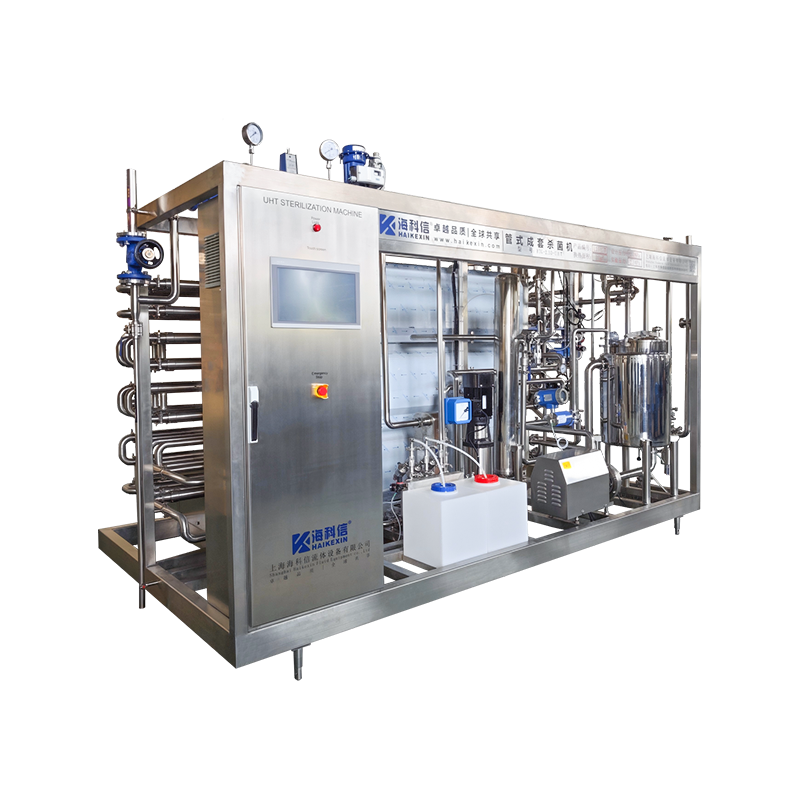
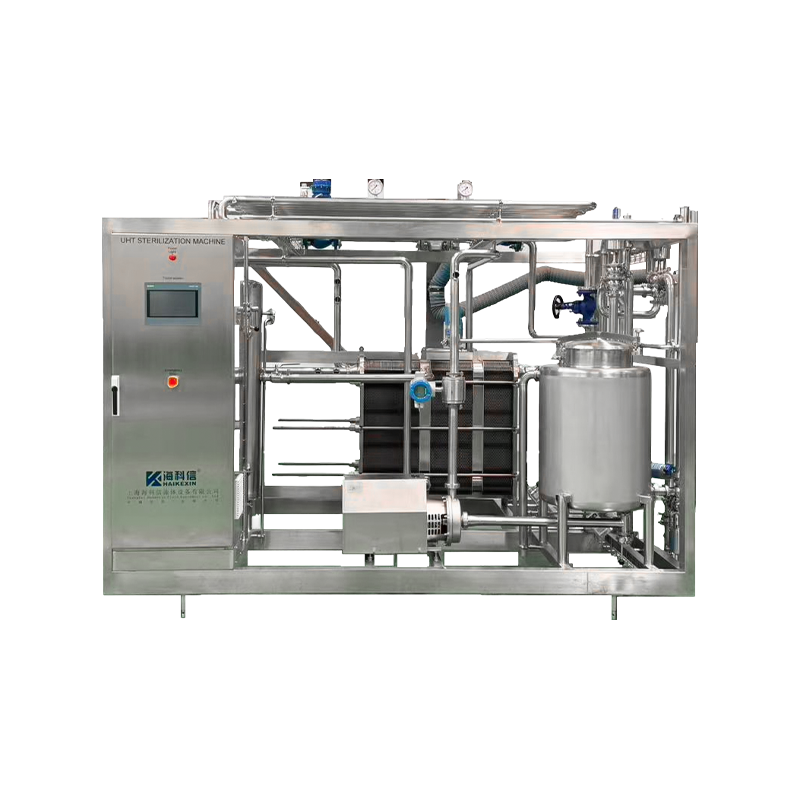
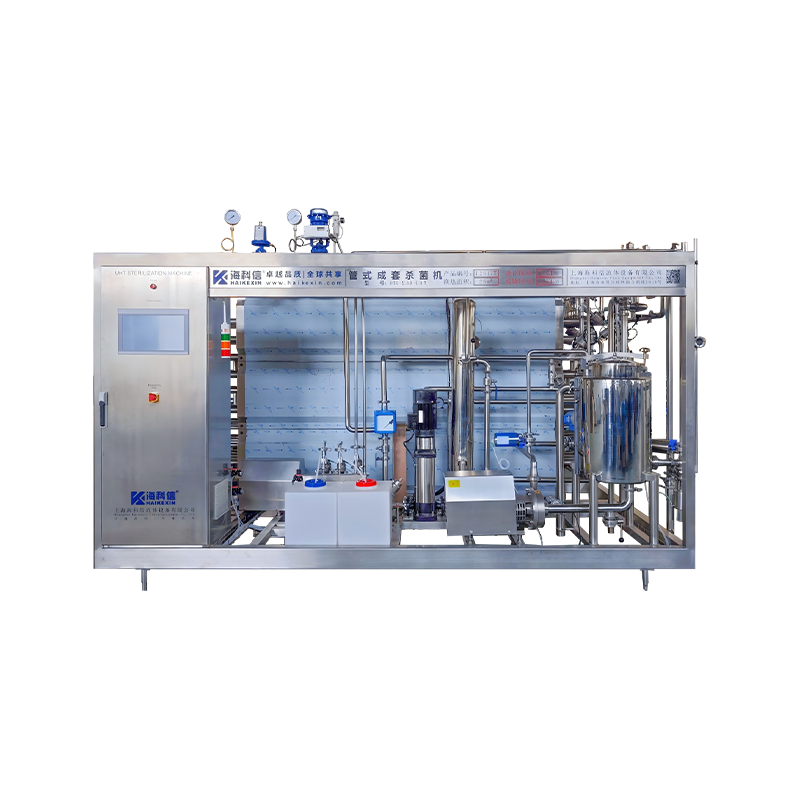
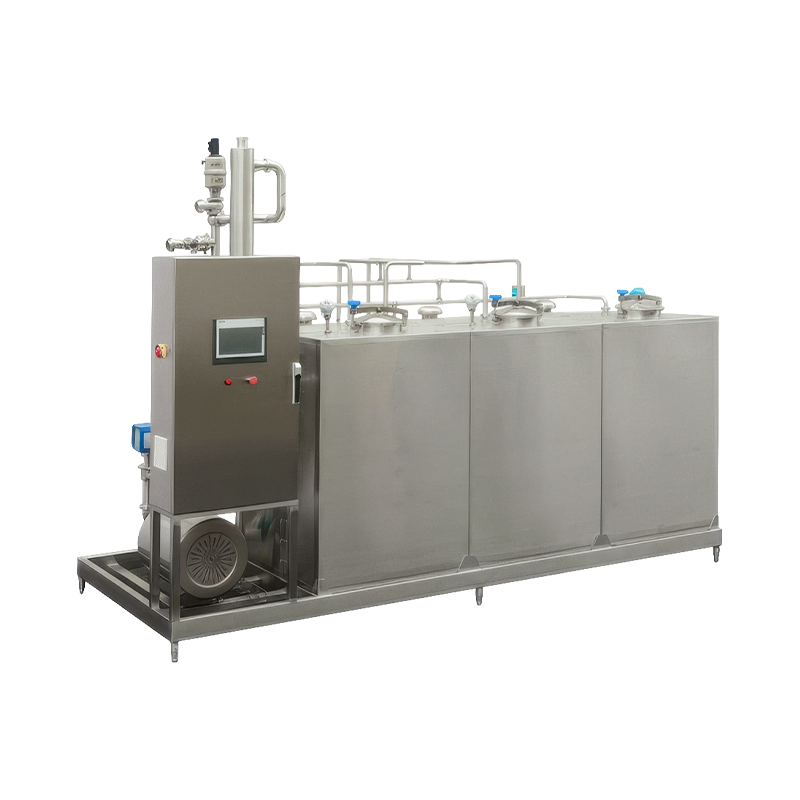
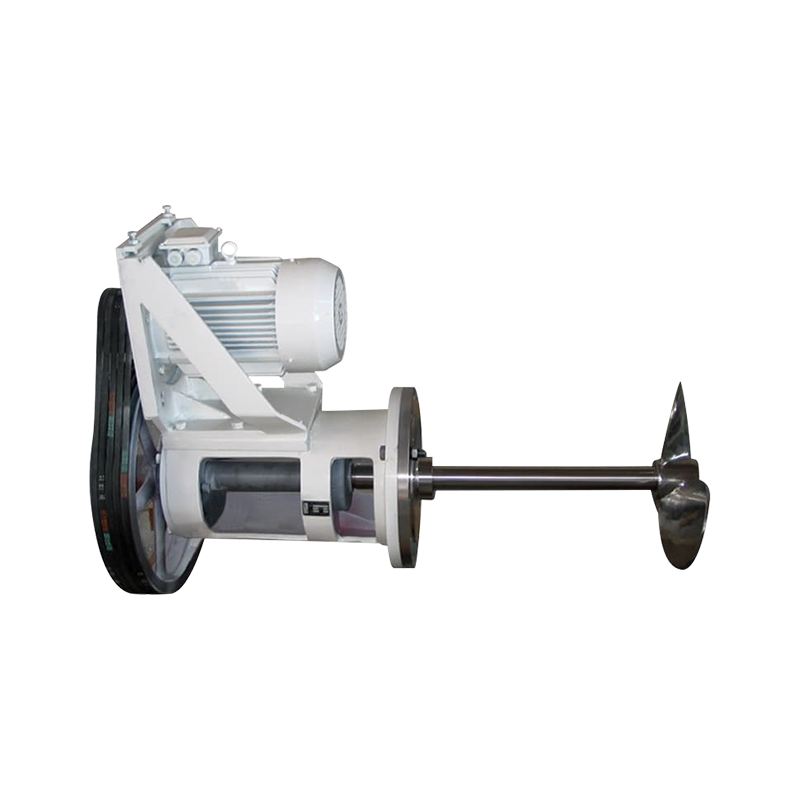
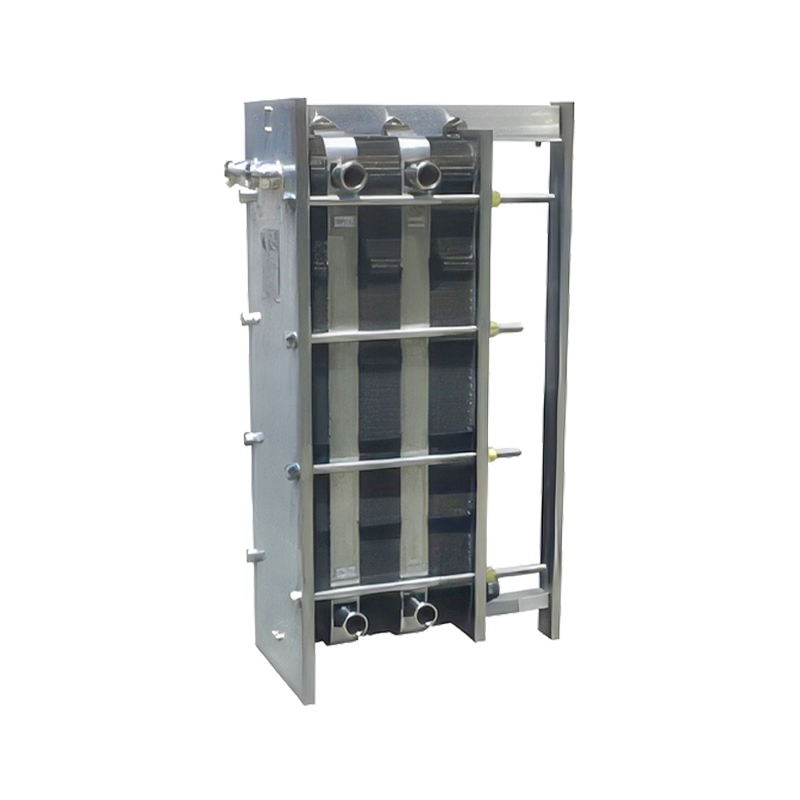
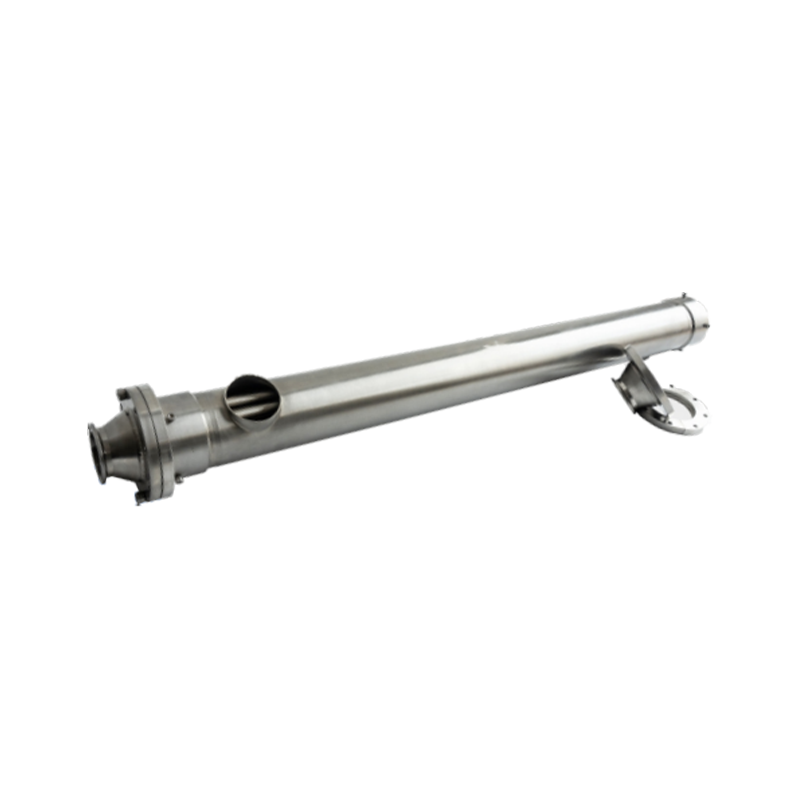
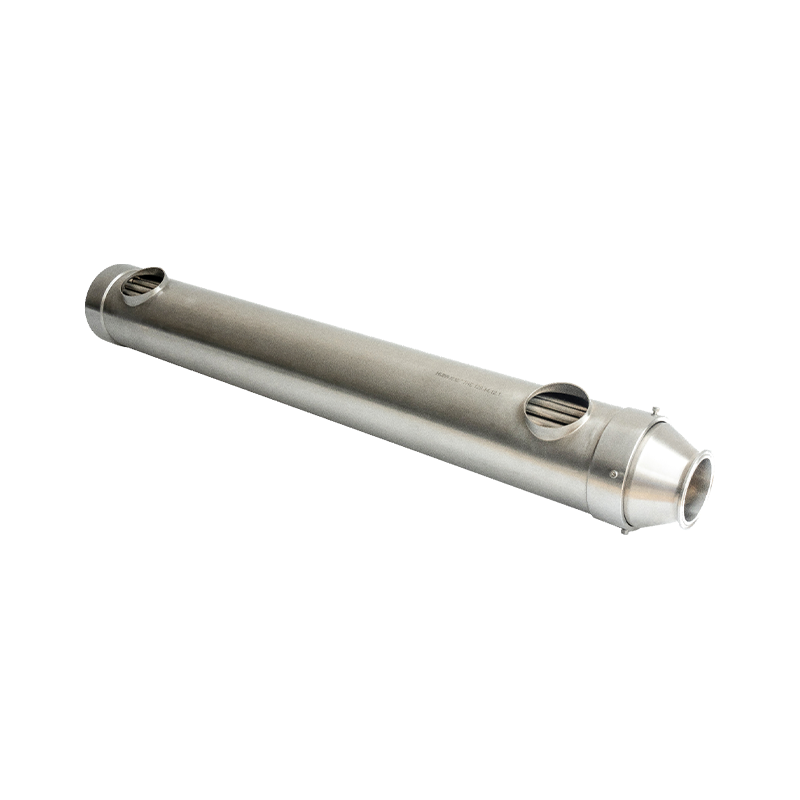
Direct Steam Injection UHT System
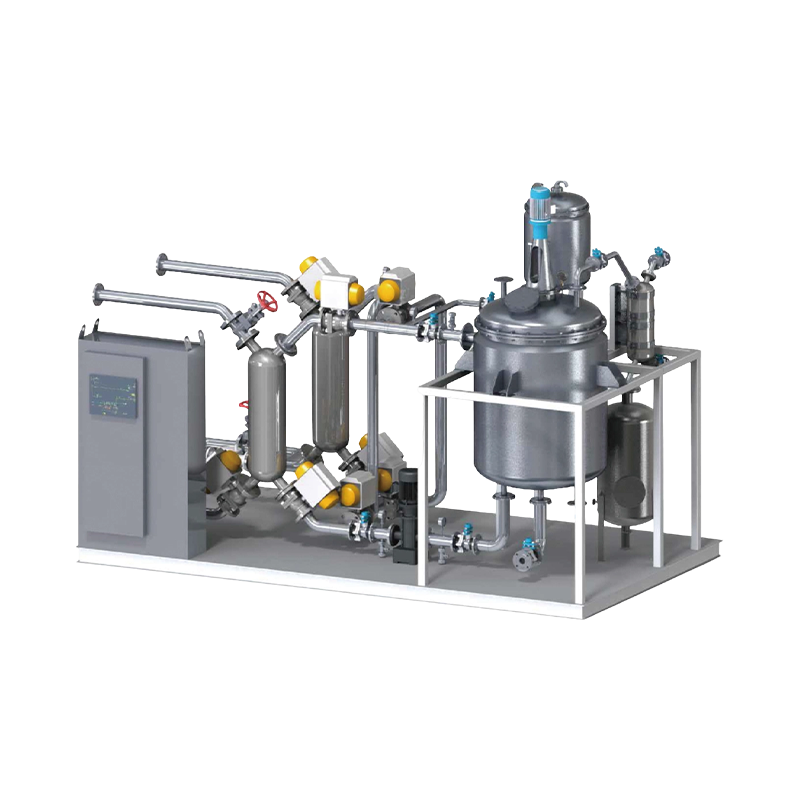
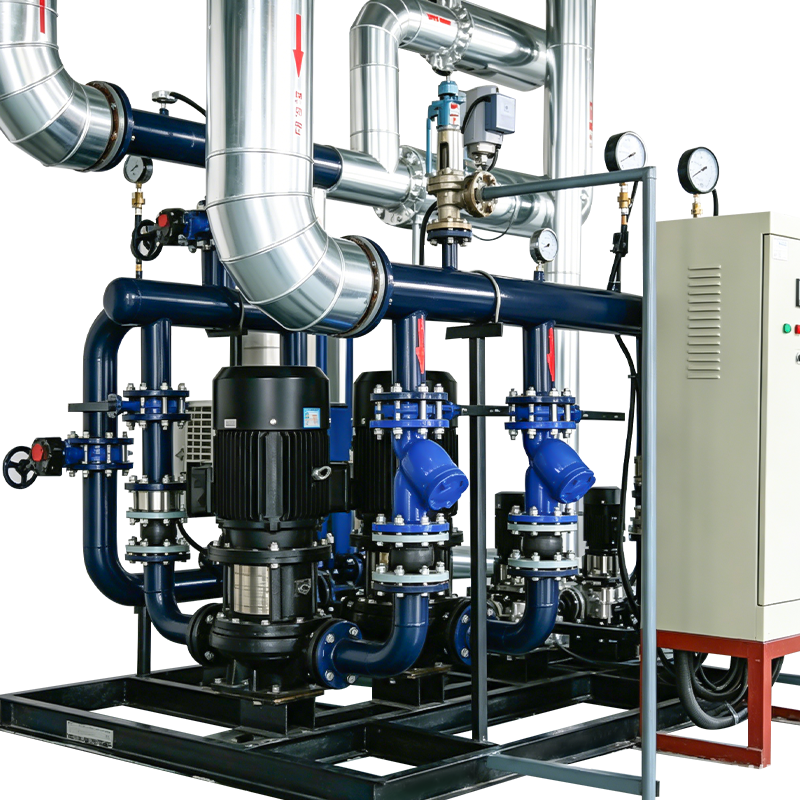
A direct steam injection UHT system uses high-temperature steam to heat liquid food products rapidly before a controlled holding stage and subsequent cooling. By transferring thermal energy through direct contact between steam and the product, the system supports continuous ultra-high-temperature processing for liquid food and beverage applications. Its process configuration can be adapted to product characteristics, processing requirements, production capacity, and downstream aseptic handling systems.
What Is a Direct Steam Injection UHT System?
A Direct Steam Injection UHT System is an industrial thermal processing solution designed to heat liquid food products to ultra-high temperatures through the direct introduction of culinary steam. Unlike indirect heating equipment, which transfers heat through a metal surface, direct injection brings steam into contact with the flowing product, enabling rapid temperature elevation within a relatively short processing period.
During operation, the product is transported through a controlled injection chamber or mixing section, where steam transfers thermal energy directly into the liquid. The heated product then passes through a holding tube to maintain the specified processing temperature for the required time. A downstream flash cooling stage can reduce the product temperature under vacuum conditions while removing the additional water introduced by steam condensation.
Depending on the process design, the system can be integrated with product feeding, preheating, homogenization, vacuum cooling, aseptic transfer, and filling equipment. It is used in industrial production of liquid foods and beverages where rapid thermal treatment, controlled processing conditions, and compatibility with aseptic production lines are important purchasing considerations.
Typical Direct Steam Injection Processing Sequence
Controlled delivery of the liquid product into the processing line.
Direct contact between steam and the product for rapid heating.
Maintenance of the specified temperature for the required processing time.
Vacuum-assisted cooling and removal of condensed steam water.
Transfer through a suitable aseptic processing and filling arrangement.
Core Advantages of Direct Steam Injection Processing
Rapid Heat Transfer
Direct contact between steam and liquid allows thermal energy to be transferred without relying on an intermediate heat exchange surface. This enables rapid product heating and helps reduce the time required to reach the target processing temperature.
Controlled Thermal Processing
The injection stage, holding section, and cooling stage work together to establish defined processing conditions. Temperature and residence time can be determined according to the product formulation and required thermal process.
Shorter Heating Exposure
Rapid temperature elevation can help limit unnecessary exposure to elevated temperatures. This is relevant when processing products where heat-related changes in flavor, color, or functional characteristics need to be considered.
Integrated Vacuum Cooling
A flash cooling chamber can remove the additional water introduced through steam condensation while reducing product temperature. The operating conditions need to be calculated according to the formulation and required final product concentration.
Continuous Production Compatibility
The system can be arranged as part of a continuous liquid food processing line. Product feeding, thermal treatment, cooling, and downstream aseptic operations can be coordinated according to the production process.
Product Features and Technical Characteristics
Direct Steam Injection
Steam is introduced directly into the liquid product, allowing heat transfer through direct contact rather than through an indirect heating surface.
Ultra-High-Temperature Treatment
Processing temperature and holding time are established according to the product formulation, applicable process requirements, and validated thermal treatment schedule.
Direct Product and Steam Mixing
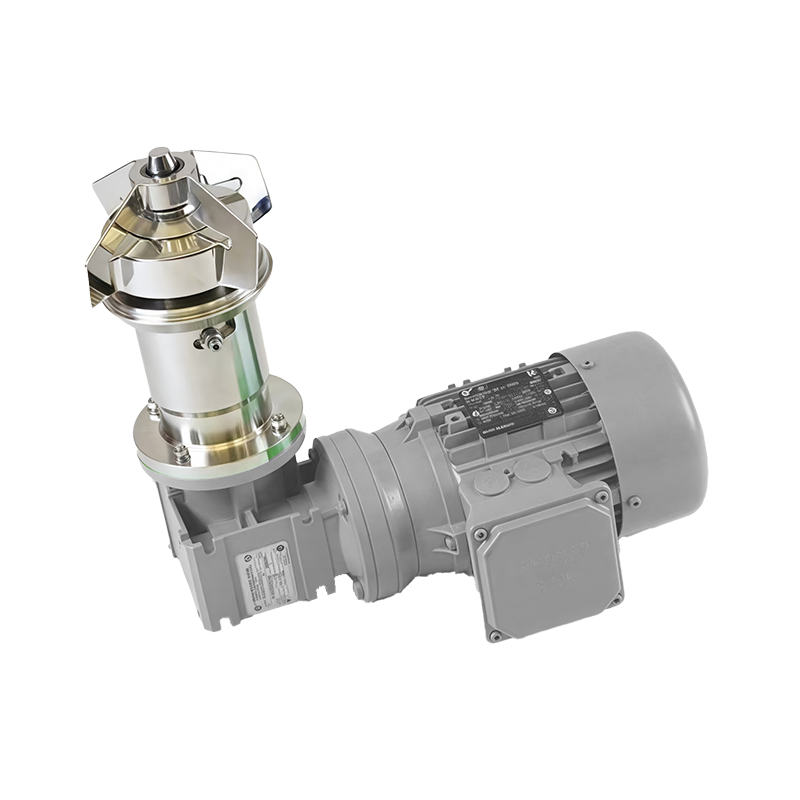
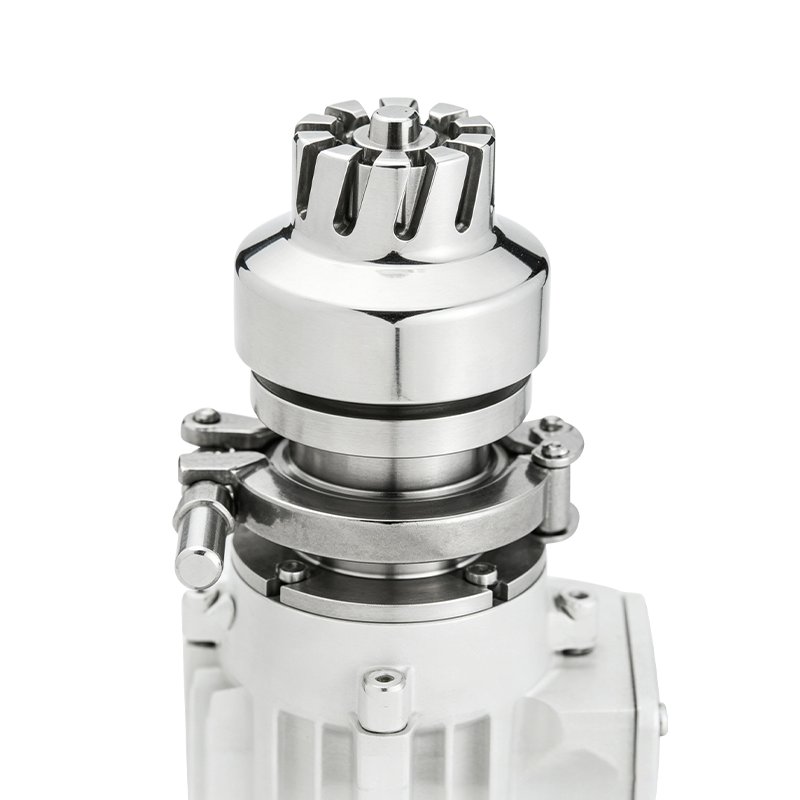
The injection assembly is designed to introduce steam into the product flow. Steam quality, pressure, injection conditions, and mixing performance are important process considerations.
Controlled Residence Time
A holding tube or equivalent processing section maintains the product at the specified thermal conditions. Its configuration depends on the required flow rate and residence time.
Vacuum Flash Cooling
The heated product enters a vacuum chamber, where rapid evaporation helps reduce temperature and remove the water added during direct steam injection.
Food Processing Contact Materials
Materials for product-contact components should be selected according to food contact requirements, cleaning procedures, product chemistry, temperature, and operating conditions. Specific material grades require confirmation in the equipment specification.
Process Parameter Management
The control arrangement can be designed to manage relevant operating variables, such as product flow, steam supply, processing temperature, holding conditions, and vacuum cooling parameters.
Downstream Aseptic Processing
The processing line can be configured for connection with compatible aseptic transfer and filling equipment. Integration requirements depend on the complete production layout.
Applications of Direct Steam Injection UHT Systems
Direct steam injection technology is used in liquid food processing where rapid heating and controlled thermal treatment are required. Product suitability depends on viscosity, composition, suspended solids, steam compatibility, and the overall process design.
Dairy Processing
Used in the thermal processing of suitable milk-based liquid products. Dairy manufacturers evaluate heating conditions, formulation stability, steam quality, and downstream homogenization and aseptic filling requirements when selecting a system.
Plant-Based Beverages
Applicable to selected soy-based, oat-based, and other plant-derived liquid beverages. Product viscosity, suspended particles, protein behavior, and formulation stability must be considered when establishing the processing configuration.
Liquid Food Manufacturing
Suitable formulations of liquid food products can be processed through direct steam heating when their physical and chemical characteristics are compatible with the injection and flash cooling process.
Food and Beverage Production Lines
Food and beverage manufacturers can incorporate the UHT processing unit into continuous production lines. The system arrangement is determined by upstream preparation, processing throughput, cooling, and packaging requirements.
Aseptic Product Manufacturing
When combined with a validated aseptic processing and filling system, direct steam injection UHT equipment can support the production of commercially sterile packaged products under specified processing and packaging conditions.
Manufacturing and Supply Capabilities
Manufacturing a direct steam injection UHT system involves coordinating the thermal processing unit, steam injection assembly, product-contact pipeline, holding section, cooling arrangement, and relevant control components. The equipment configuration should be determined by the intended product, process flow, and integration requirements rather than by a standard equipment layout alone.
Processing Configuration
Equipment configuration can be evaluated according to the product type, required thermal treatment, processing sequence, and downstream equipment arrangement.
Material and Component Selection
Product-contact materials, pipeline components, valves, seals, and other relevant parts need to match the operating temperature, product characteristics, and applicable hygienic requirements.
Equipment Assembly and Integration
The processing unit can be evaluated for integration with feeding equipment, homogenizers, vacuum systems, aseptic transfer arrangements, and compatible filling lines according to project scope.
Project-Based Configuration
Relevant design parameters may include product flow rate, steam requirements, processing temperature, holding time, cooling conditions, and pipeline connections. Final customization depends on engineering evaluation.
Manufacturing and Inspection
Equipment inspection can cover component specifications, fabrication quality, connection integrity, assembly conditions, control functions, and applicable testing requirements. The inspection scope should be defined in the project documentation.
Delivery and Repeat Orders
Equipment configuration, manufacturing schedules, packaging arrangements, and delivery requirements can be coordinated according to the confirmed project specification and purchase agreement.
B2B Buyer Considerations Before Purchasing
Product Formulation and Compatibility
Buyers should provide product information, including composition, viscosity, solids content, temperature sensitivity, and other relevant physical properties. These factors influence steam injection performance, product mixing, and flash cooling requirements.
Processing Capacity and Operating Conditions
Required hourly throughput, target processing temperature, holding time, inlet conditions, and expected operating hours should be clarified before equipment selection. These parameters affect system sizing and configuration.
Steam Supply and Utility Requirements
Direct injection requires an appropriate steam supply. Buyers should confirm available steam pressure, flow requirements, steam quality, utility conditions, and the applicable food-contact requirements for the steam source.
Hygienic Design and Cleaning Requirements
Product-contact surfaces, pipeline connections, drainage arrangements, and cleaning procedures should be evaluated as part of the complete processing system. CIP compatibility and cleaning sequences need to be confirmed according to the actual equipment configuration.
Installation and Aseptic Line Integration
Buyers should review equipment dimensions, installation space, electrical and utility connections, upstream product feeding, downstream cooling, and aseptic filling interfaces. These details help reduce integration problems during project installation.
Information to Prepare for an Equipment Quotation
To evaluate a suitable system configuration, buyers should prepare the following information:
- Product type and formulation characteristics
- Required processing capacity per hour
- Target processing temperature and holding time
- Available steam supply and utility conditions
- Required cooling and aseptic filling arrangements
- Installation environment and project requirements
Frequently Asked Questions About Direct Steam Injection UHT Systems
1. How does a direct steam injection UHT system work?
A direct steam injection UHT system introduces steam directly into a flowing liquid food product to raise its temperature rapidly. The heated product passes through a holding section to maintain the required processing conditions. It then enters a flash cooling chamber, where vacuum-assisted evaporation reduces the temperature and removes the additional water introduced by steam condensation. Depending on the complete production line, the treated product is subsequently transferred to an aseptic filling system.
2. What is the difference between direct steam injection and indirect UHT heating?
Direct steam injection transfers heat through direct contact between steam and the product. Indirect UHT heating transfers thermal energy through a separating heat exchange surface, such as a tubular or plate heat exchanger. Direct injection provides rapid heat transfer but introduces condensate into the product, which must be accounted for during flash cooling. Indirect heating does not introduce steam condensate into the product but relies on heat transfer through the equipment surface. The selection depends on product properties, processing requirements, utilities, and the overall production process.
3. Why is a vacuum flash cooling chamber required?
Steam condenses during direct injection and adds water to the original product. A vacuum flash cooling chamber reduces product temperature through controlled evaporation and helps remove the introduced condensate. The flash cooling conditions must be designed according to the product's original concentration, formulation, thermal process, and required final composition.
4. Which liquid products can be processed using direct steam injection technology?
Potential applications include suitable dairy products, plant-based beverages, and other pumpable liquid food formulations. However, not every liquid product is automatically compatible with direct steam injection. Viscosity, suspended particles, solids content, protein composition, steam compatibility, and sensitivity to thermal treatment must be evaluated before confirming the processing method.
5. Can the direct steam injection UHT system be customized for different production capacities?
The system configuration can be evaluated according to the required processing throughput and operating conditions. Important design factors include product flow rate, steam consumption, injection assembly sizing, holding tube configuration, vacuum cooling capacity, and downstream equipment requirements. Buyers should provide their expected hourly production capacity so that the appropriate configuration can be assessed.
6. What steam quality is required for direct steam injection UHT processing?
Steam used for direct food contact must meet the applicable food safety and steam quality requirements for the intended application and target market. Buyers should evaluate steam source conditions, treatment arrangements, potential contamination risks, pressure, and condensate characteristics. The required specification should be established before finalizing the equipment and utility design.
7. Can a direct steam injection UHT system operate with an aseptic filling line?
Yes, a properly designed direct steam injection UHT processing system can form part of an aseptic production line. However, commercial sterility depends on the complete validated process, including thermal treatment, product transfer, aseptic holding where applicable, sterile barriers, packaging material treatment, and filling operations. The UHT processing unit and filling equipment must be compatible in terms of capacity, pressure conditions, product characteristics, and hygienic design.
8. What information is needed to determine the production lead time and equipment quotation?
A quotation and production schedule generally require confirmation of the product type, processing capacity, target temperature, holding time, steam supply, cooling arrangement, control requirements, material specifications, and integration scope. Installation location, packaging requirements, and applicable export documentation may also affect project planning. The actual manufacturing lead time should be confirmed after the technical configuration and order requirements have been reviewed.
Discuss Your Direct Steam Injection UHT Processing Requirements
Selecting a direct steam injection UHT system requires a clear understanding of product characteristics, processing capacity, steam conditions, thermal treatment parameters, and downstream aseptic requirements. Providing these details helps establish an equipment configuration that matches your production process and project specifications.
For equipment evaluation, prepare your product information, target output, processing conditions, and production line requirements for technical review.