
 English
 русский
 Português
 Français


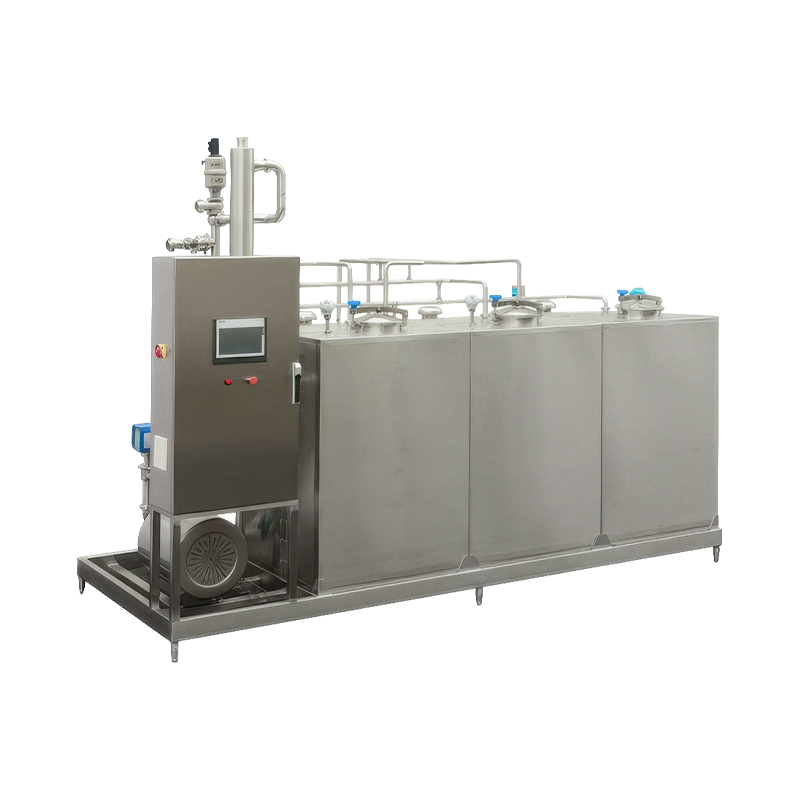
 Read More

Product Category
NEW Category
Contact us
Contact Us
We specialise in the research, development and manufacture of electrical wires and cables.
 +86-21-57560276
How Integrated Process Skids for Food Improve Production Efficiency and Hygienic Processing
Content
- 1 01What Are Integrated Process Skids for Food?
- 2 02How Integrated Skids Improve Production Efficiency
- 3 03How Integrated Skids Support Hygienic Processing
- 4 04Key Components in a Food Process Skid
- 5 05Applications Across Food and Beverage Production
- 6 06Common Mistakes to Avoid
- 7 Frequently Asked Questions
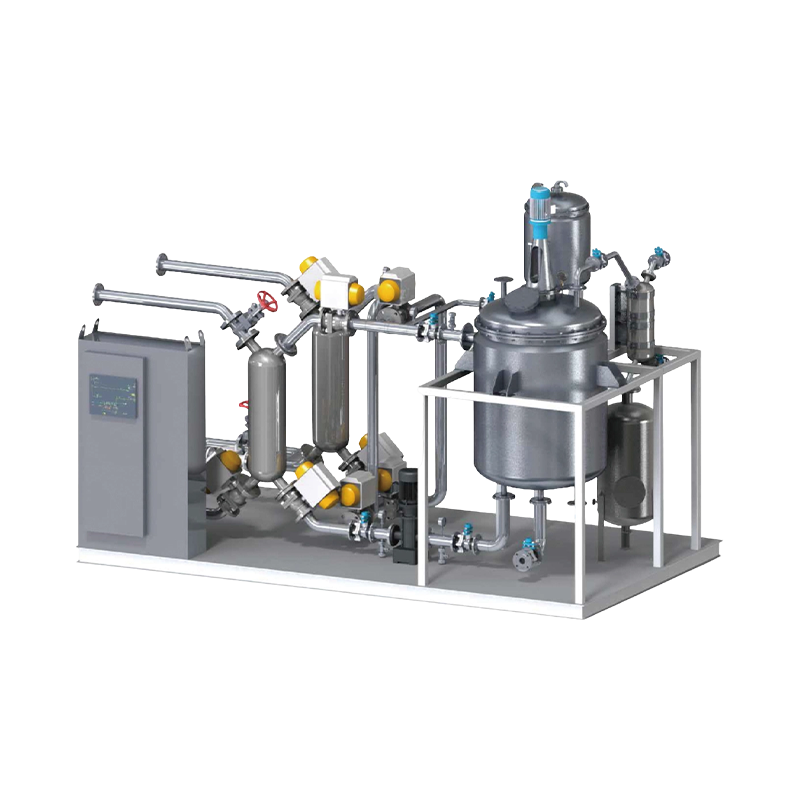
Integrated Process Skids for Food combine pumps, tanks, valves, piping, heat exchangers, sensors, and control systems into a single pre-assembled unit built around a specific food process. Instead of installing and connecting each piece of equipment on site, Integrated Process Skids for Food arrive largely built and tested, which changes both how fast a line goes into production and how consistently it stays hygienic once running.
Definition
A process skid is a pre-engineered, pre-assembled system — the equipment, piping, and controls a specific food process needs, mounted and wired as one unit rather than built piece by piece on site.
01What Are Integrated Process Skids for Food?
Skid-Mounted Equipment
Pumps, tanks, valves, piping, heat exchangers, sensors, and control systems configured around the specific food process.
Pre-Engineered Systems
Factory pre-assembly and testing reduce the amount of construction and connection work needed on site.
Process-Specific Design
Configured for the mixing, heating, cooling, blending, transfer, or cleaning steps a given product actually requires.
02How Integrated Skids Improve Production Efficiency
- Faster installation: equipment and piping arrive pre-assembled, cutting on-site build time.
- Simplified integration: multiple process components ship as one coordinated system instead of separate parts to connect.
- Reduced commissioning time: factory pre-testing catches piping, connection, and instrumentation issues before delivery.
- Centralized process control: integrated sensors, control valves, and PLC automation give one control point instead of many.
- Better space utilization: compact layouts help factories make better use of limited production floor space.
Reported Time Savings vs Field-Built Systems by Project Phase
Illustrative efficiency gains reported when using pre-assembled skids instead of field-built process lines.
03How Integrated Skids Support Hygienic Processing
Hygienic design covers smooth surfaces, sanitary connections, proper drainage, and reduced dead legs, following the standards relevant to the target market. Together with a well-planned layout, this reduces product residue, bacterial growth risk, and cross-contamination opportunities. Skids can integrate CIP systems, cleaning valves, sanitary piping, and drainage arrangements to simplify sanitation, while automated control keeps temperature, flow, pressure, and mixing conditions consistent batch to batch.
Hygienic Design Priorities by Frequency of Buyer Requirement
Relative frequency with which buyers name each hygienic design factor as a requirement.
04Key Components in a Food Process Skid
Fluid Handling
- Sanitary pumps for transfer and recirculation
- Sanitary tanks and vessels with proper drainability
- Sanitary piping and valves with hygienic connections
Process Control
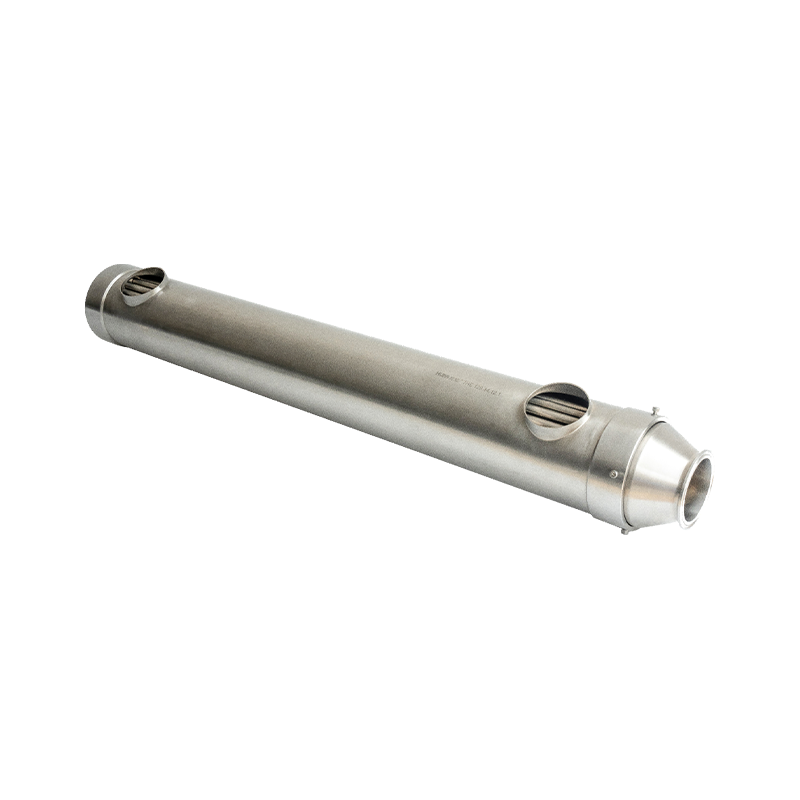
- Heat exchangers for heating, cooling, temperature holding
- Temperature, pressure, and flow instrumentation
- PLC-based automation and monitoring
05Applications Across Food and Beverage Production
- Dairy processing: milk processing, yogurt production, dairy ingredient handling.
- Beverage processing: juice, soft drinks, functional beverages, liquid food products.
- Sauce and condiment processing: sauces, dressings, syrups, liquid seasonings.
- Liquid and semi-liquid food: concentrates, purees, and other pumpable food products.
4 Selection factors: hygienic materials, CIP needs, automation level, plant layout
4 Supplier checks: hygienic engineering, fabrication quality, factory testing, custom capability
| Selection Factor | What to Define |
| Process requirements | Product type, flow rate, batch size, temperature, timing |
| Hygienic materials | Stainless steel grade, surface finish, gaskets, seals |
| CIP requirements | Circulation, solution compatibility, automated sequences |
| Automation level | Manual, semi-automatic, PLC-based, data monitoring |
| Plant layout | Footprint, connection points, maintenance access |
06Common Mistakes to Avoid
Focusing only on equipment capacity ignores whether the full process flow actually matches production needs. Ignoring hygienic design — dead legs, drainability, surface finish, sanitary connections — creates cleaning and contamination problems later. Overlooking CIP compatibility increases cleaning time and maintenance work, and choosing a skid without confirming utility connections, footprint, and electrical requirements against the existing plant causes integration headaches. Buyers who skip future capacity planning also tend to face costly retrofits when production needs to expand.
Frequently Asked Questions
What is included in an integrated process skid for food?
A typical skid combines sanitary pumps, tanks, piping, valves, heat exchangers, instrumentation, and control systems configured around a specific food process.
How do process skids reduce commissioning time?
Factory pre-assembly and pre-testing catch piping, connection, and instrumentation issues before the skid ships, reducing the problems that would otherwise surface during on-site commissioning.
What hygienic design features matter most for food process skids?
Smooth surfaces, sanitary connections, proper drainage, and reduced dead legs are the most consistently required hygienic design features across food applications.
What is the most common mistake when selecting a process skid?
Focusing only on equipment capacity without confirming hygienic design, CIP compatibility, and integration with existing plant utilities and layout.
PREV:Bottom-Entry High-Shear Magnetic Emulsifier: Key Shear and Emulsification
NEXT:Bottom-Mounted Multi-Impeller Magnetic Mixers: Key Mixing and Process Control Factors
NEXT:Bottom-Mounted Multi-Impeller Magnetic Mixers: Key Mixing and Process Control Factors
Interested in cooperation or have questions?
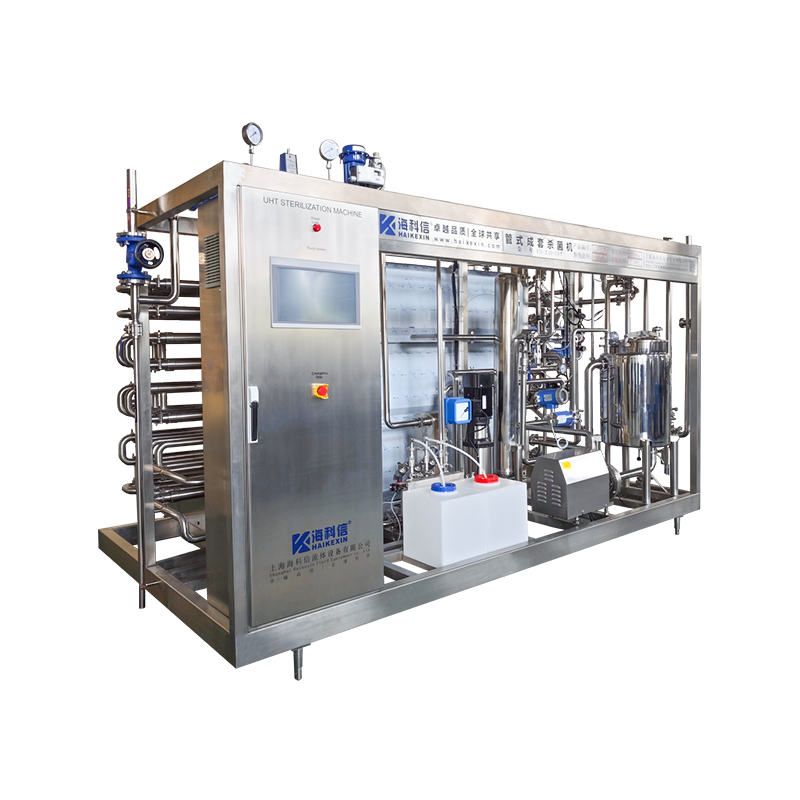
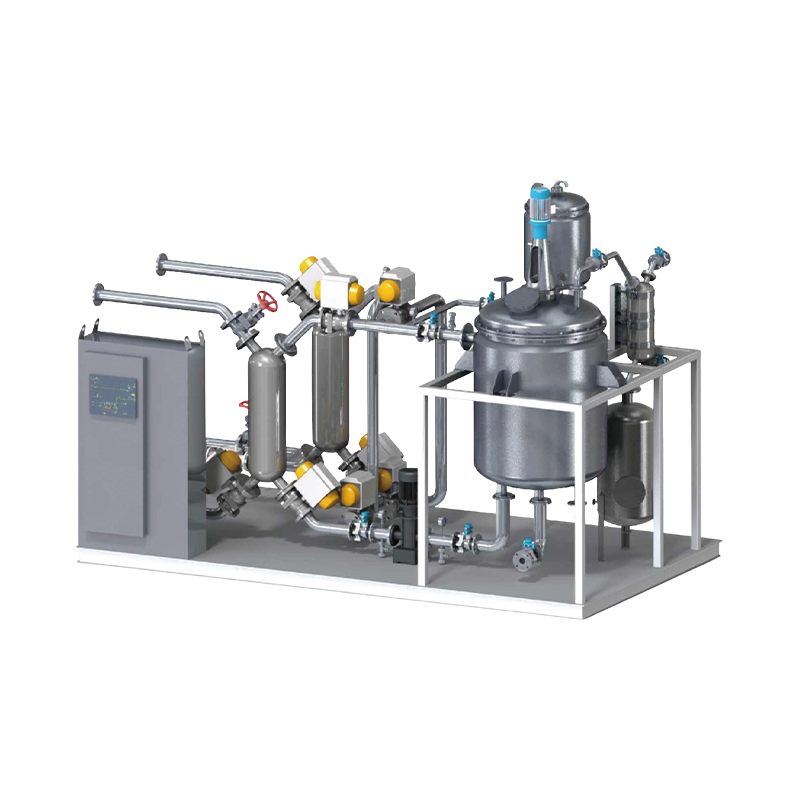
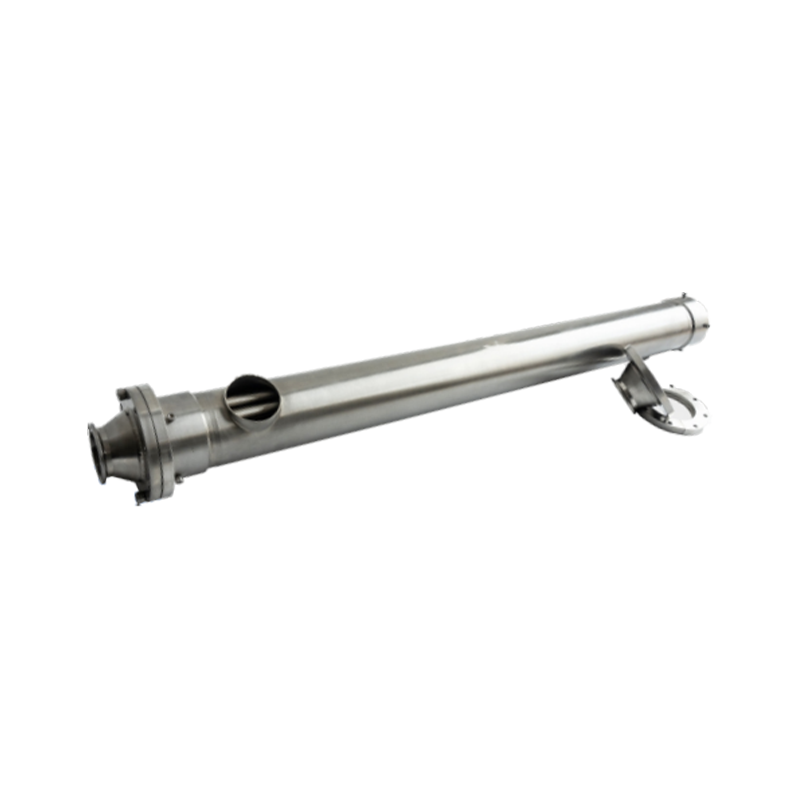
Recommended LINKS
✦
Food Processing Skid System
Aseptic Processing Equipment for Liquid Foods
Food and Beverage Process System
UHT Processing Equipment for Plant Based Milk
UHT Processing System for Dairy Products
Process Skid System
Milk Processing Heat Exchanger
CIP Skid System for Food Industry
Aseptic Beverage Processing Line
Aseptic Milk Processing Equipment
Let'S Work Together Welcome Aboard!
-

haikexin@haikexin.com
+8613391278930
-
 +86-21-57560276
-
 No. 2819, Sihu Road,Fengxian District, Shanghai, China
Join Our Mailing List
Copyright © Shiloc (Shanghai) Industrial Trading Co., Ltd. All Rights Reserved.
Process Systems & Equipment For Food & Biopharma Manufacturers
