
 English
 русский
 Português
 Français


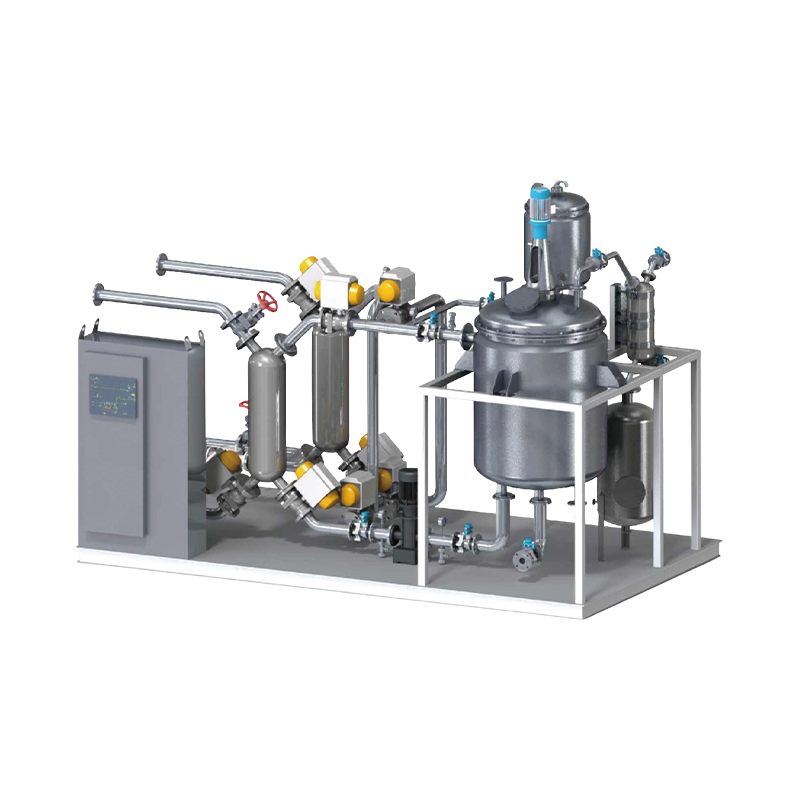
 Read More

Product Category
NEW Category
Contact us
Contact Us
We specialise in the research, development and manufacture of electrical wires and cables.
 +86-21-57560276
Bioprocess Skids for Upstream Processing: Design, Selection, and Benefits
Content
The transition from 200 L clinical batches to 2,000 L production runs exposes a hidden bottleneck in many biopharma facilities: upstream support operations. Media and buffer preparation that worked at bench scale becomes labor-intensive and error-prone. Bioreactor heating and cooling loops struggle to keep temperature ramps inside their target windows. Batch records accumulate audit findings, and every delay pushes back the campaign schedule.
Bioprocess skids for upstream processing address exactly these problems. Instead of assembling individual pumps, heat exchangers, and sensors on the plant floor, you bring in a compact, pre-engineered module that integrates them into a single process unit. The result is faster installation, more reproducible conditions, and a clearer path from process definition to validated operation.
This article explains what upstream bioprocess skids do, the design choices that separate reliable systems from chronic maintenance problems, and how to select a configuration that matches your process instead of over-engineering it.
What Are Bioprocess Skids for Upstream Processing?
Upstream processing covers every step before product recovery: cell bank thawing, seed train expansion, media and buffer preparation, sterilization, fermentation or cell culture, and harvest. Each step depends on accurate liquid delivery, tight temperature control, and hygienic conditions. Any variability introduced here propagates through the entire downstream train.
A bioprocess skid is a factory-assembled module that packages the components needed for one or more of these tasks: heat exchangers, pumps, valves, sensors, piping, and control logic, all mounted on a common frame. The skid arrives tested and documented, so plant installation is mostly a matter of connecting utilities and process interfaces. For readers new to the concept, our guide to bioprocess integrated skids explains the structural difference between a skid and a loose set of process equipment. In upstream facilities, three skid families do most of the work.
Media and Buffer Preparation Skids
Media and buffers make up most of the liquid volume in a facility. A preparation skid typically transfers purified water or water for injection into a mixing vessel, adds concentrated stock solutions, tempers the batch to the required temperature, and recirculates until the mixture is homogeneous. The flow path must be fully drainable and cleanable to prevent cross-contamination between formulation batches, and the skid should support both cold and hot mixing, depending on your media type.
Bioreactor Temperature Control and Heat Transfer Skids
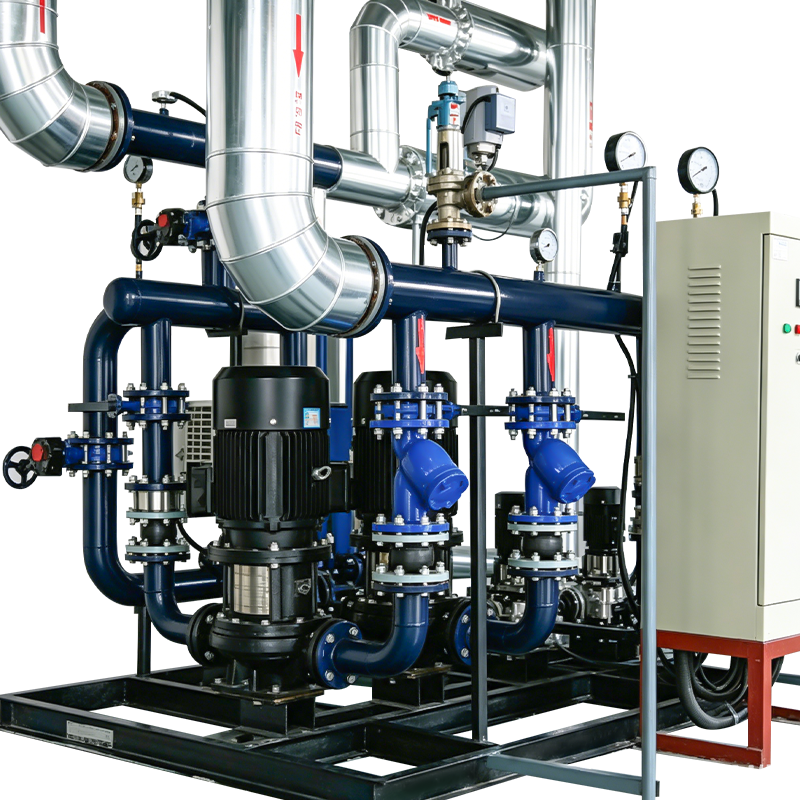
Temperature directly influences cell growth kinetics and product quality. Bioreactor jackets need a utility skid that can respond without overshoot or oscillation. An intelligent bioprocess heat transfer skid unit combines heat exchange capacity with feedforward control so that setpoint ramps are delivered predictably across the operating range.
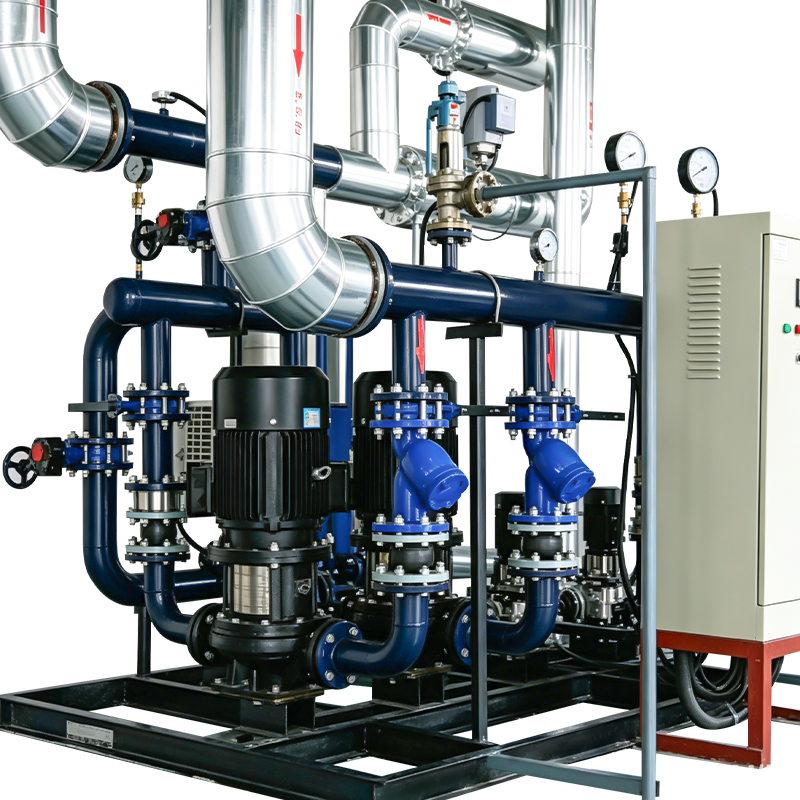 Custom Intelligent Bioprocess Heat Transfer Skid/Units Manufacturers, FactoryShiloc (Shanghai) Industrial Trading Co., Ltd. Is China Custom Intelligent Bioprocess Heat Transfer Skid/Units Manufacturers, Factory, Th...View Product →
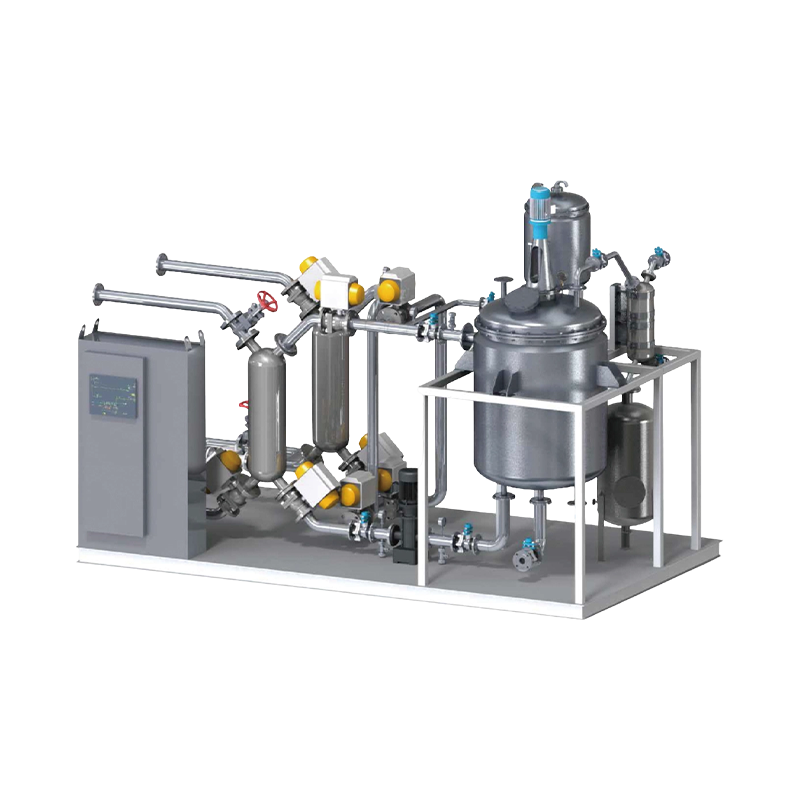
For smaller vessels, seed trains, or single-use bioreactors, a precision temperature control unit for biopharma provides the same heating and cooling stability in a more compact form. Both approaches avoid oversized central utilities and eliminate the need for bespoke pipework fabricated in the field.
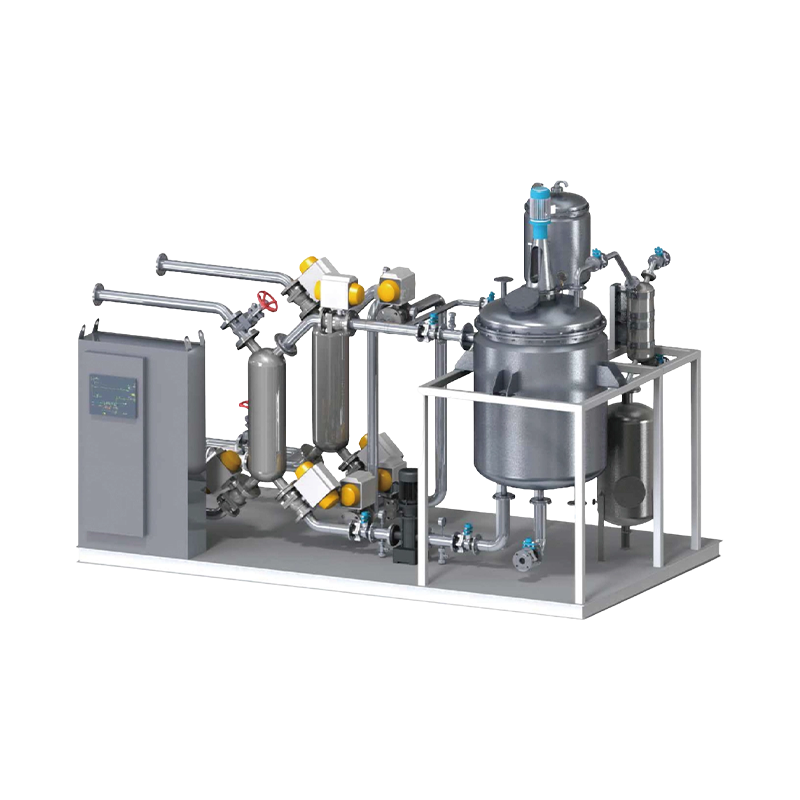 Custom Precision Temperature Control Unit (TCU) For Biopharma Manufacturers, FacShiloc (Shanghai) Industrial Trading Co., Ltd. Is China Custom Precision Temperature Control Unit (TCU) For Biopharma Manufacturers, Fact...View Product →
Harvest and Recovery Support Skids
Harvest shifts the process from maintaining cells to separating them from the broth. Centrifuges, depth filters, and tangential flow filtration systems usually need a support skid that manages flow, pressure, and temperature during the transfer. Harvest skids are less standardized than formulation or culture skids, but they follow the same logic: define the unit operation, then package the required instruments and valves into a documented module.
Design Considerations That Determine Upstream Reliability
The right skid specification is the one that matches your process conditions, contamination risk profile, and operating philosophy. A few engineering details have an outsized effect on performance.
Hygienic Design and Material Finish
For upstream duty, 316L stainless steel with electropolished wetted surfaces is the default, typically with a surface roughness of Ra 0.4 to 0.8 μm. Sloped lines, self-draining manifolds, and diaphragm valves with zero dead legs minimize product hold-up and microbial niches. If you plan to use single-use bags or filters, the skid should also provide clean connection points that preserve the sterile boundary.
Temperature Accuracy and Heat Transfer Margin
Most upstream skids exist to move heat: sterilizing, heating media, or cooling a culture. The control strategy, whether on/off, proportional, or cascade, determines both accuracy and energy consumption. A properly sized temperature control unit maintains jacket temperature within a narrow band while rejecting disturbances from the process side. Heat transfer margin matters just as much; an undersized exchanger will always fight the control loop, no matter how good the controller is.
Automation and Data Integrity
Upstream processes generate a dense stream of batch data. The skid controls should record setpoints, actual values, alarms, and operator actions in a format compatible with your data integrity policy. Look for audit trails, recipe management, and controller configurations that support FDA 21 CFR Part 11 workflows. Running the same stored recipe across multiple batches reduces operator-dependent variability and simplifies deviation investigations.
Choosing the Right Configuration for Your Process
Skid configuration should follow function. Start by listing the unit operations, volumes, temperature ranges, and utility supplies available in your facility. Then decide whether a multi-purpose skid or several dedicated skids fit your layout and shift schedule.
Multi-purpose skids save floor space and reduce interconnecting piping, but they require careful changeover planning between duties. Dedicated skids are simpler to operate and qualify, and they allow one line to keep running while another undergoes maintenance. The table below summarizes common upstream duties and the equipment families that suit them.
| Duty | What the skid must deliver | Matching equipment family |
|---|---|---|
| Media and buffer preparation | Mixing, transfer, temperature conditioning | Intelligent bioprocess heat transfer skid units |
| Bioreactor heating and cooling | Stable jacket temperature with fast response | Precision temperature control units for biopharma |
| Utility isolation and containment | Leak-proof separation between process and utility | Sanitary DTS double tube sheet heat exchangers |
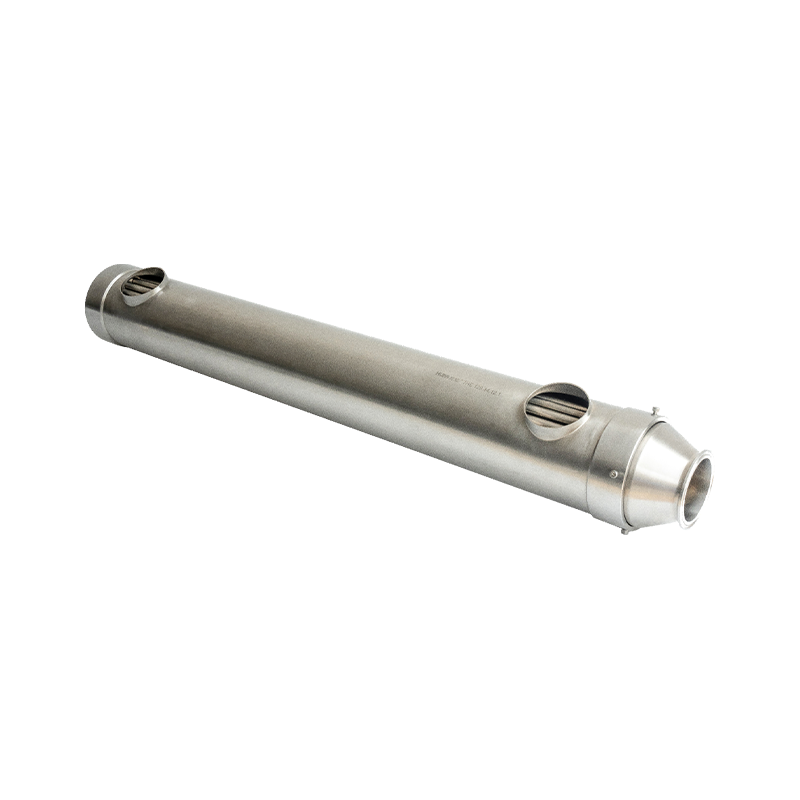
| Large-volume heat exchange | High flow capacity with low pressure drop | Sanitary tube-in-tube heat exchangers |
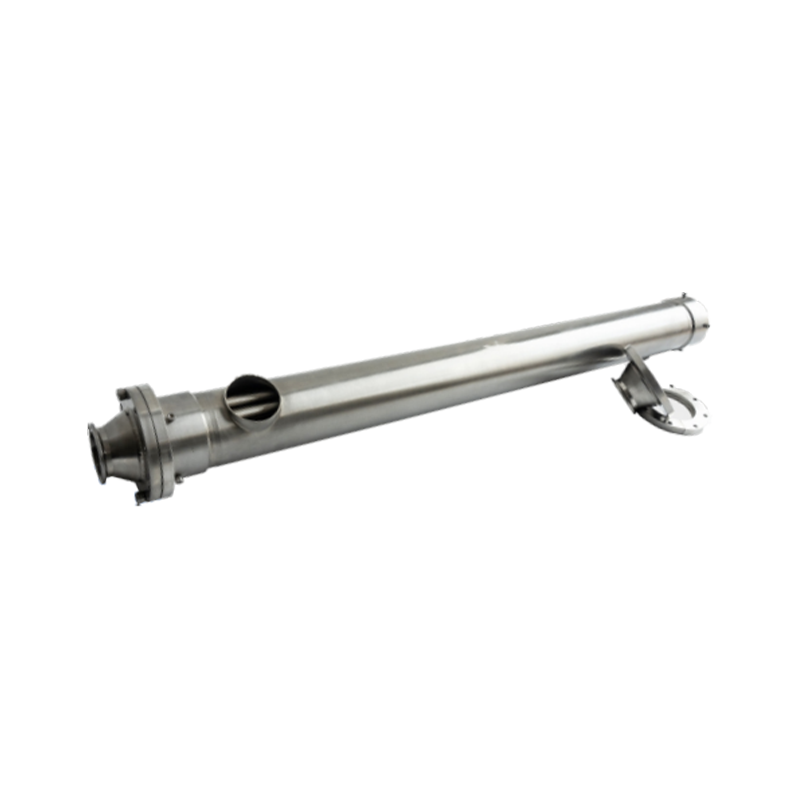
The last two rows highlight a point that is often overlooked in skid selection: the heat exchanger is the workhorse of the module. For utility-side duties where a leak would contaminate the process, a sanitary DTS double tube sheet heat exchanger is the conservative choice because it places a second physical barrier between utility and process fluids. For high-flow media duty, tube-in-tube designs offer uncomplicated operation and generous capacity. Once the equipment family is clear, refine the selection with the checklist below.
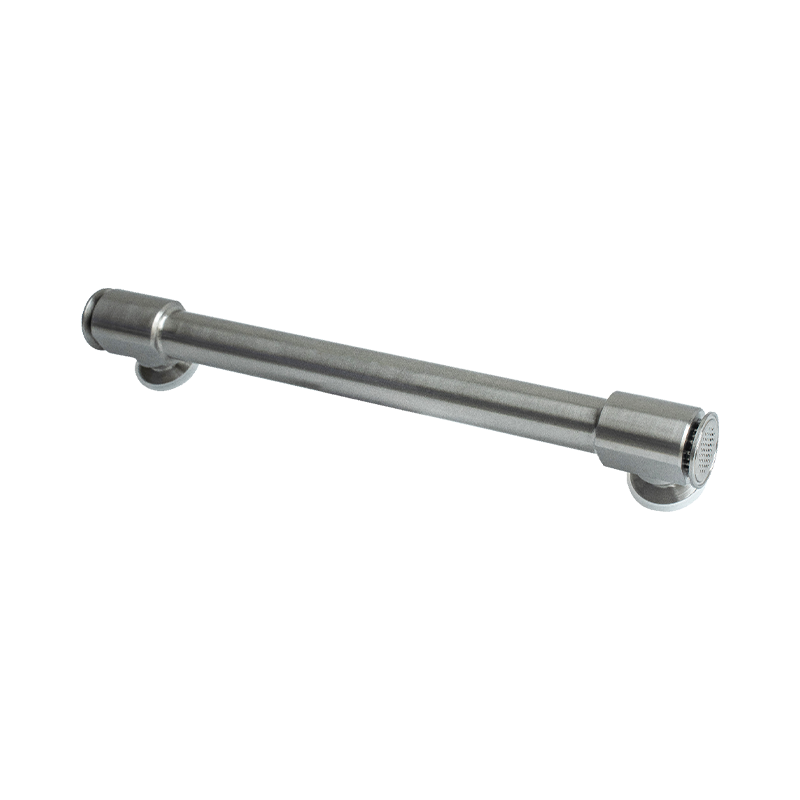 Custom Sanitary DTS (Double Tube Sheet) Heat Exchanger Manufacturers, FactoryShiloc (Shanghai) Industrial Trading Co., Ltd. Is China Custom Sanitary DTS (Double Tube Sheet) Heat Exchanger Manufacturers, Factory, 1....View Product →
A Practical Specification Checklist
- Define the process boundary: list exactly which unit operations the skid must cover, including cleaning and sterilization steps.
- Characterize the fluids: record media components, viscosity, solids content, and temperature sensitivity.
- Set temperature and flow requirements: operating ranges, ramp rates, and acceptable overshoot.
- Confirm utility availability: steam pressure, chilled water or glycol temperature, and electrical supply.
- Review safety and containment needs: pressure relief, leak detection, and area classification.
- Agree on the automation level: local manual control, recipe-driven operation, or integration with your distributed control system.
Working with a Skid Partner That Understands Upstream
Supplier selection is part of skid performance, because documentation and process ownership are embedded in the equipment. A manufacturer that builds heat exchangers and skids together controls weld quality, surface finish, and testing in one place. You receive material certificates, weld traceability, and factory acceptance test reports that become part of your validation package.
At Shiloc, bioprocess skids are built around European heat transfer technology with a focus on hygienic design, control accuracy, and documented quality. Whether you are equipping a new upstream suite or upgrading an existing line, the engineering team adapts the skid format to your process parameters rather than forcing a standard design. You can see how this approach fits into broader facility planning in our article on integrated skids for modern bioprocess manufacturing, and our experience across biopharmaceutical process applications. When you are ready to discuss your process details, contact our engineering team.
Upstream processing sets the productivity ceiling for a biopharma plant. Well-designed bioprocess skids remove the most common sources of variability: manual handling, field-fabricated piping, and inconsistent heating and cooling. Start from a clear process definition, apply the design principles above, and choose a partner that can document every component. The result is a simpler validation, a faster ramp-up, and a process that produces the same quality batch after batch.
PREV:Biopharma Process Heat Transfer Units: Key Material and Hygienic Requirements
NEXT:How to Choose a Reliable Bioprocess Integrated Skid Manufacturer | Expert Guide
NEXT:How to Choose a Reliable Bioprocess Integrated Skid Manufacturer | Expert Guide
Interested in cooperation or have questions?
Recommended LINS
✦
UHT Processing Equipment for Plant Based Milk
UHT Processing System for Dairy Products
CIP process skid system for food industry
UHT Sterilizer for Fruit Juice
Automatic UHT Sterilizer for Milk
CIP Skid System for Food Industry
Food Processing Skid System
hygienic process skid for food industry
food and beverage process skid system
Food and Beverage Process System
Let'S Work Together Welcome Aboard!
-

haikexin@haikexin.com
+8613391278930
-
 +86-21-57560276
-
 No. 2819, Sihu Road,Fengxian District, Shanghai, China
Join Our Mailing List
Copyright © Shiloc (Shanghai) Industrial Trading Co., Ltd. All Rights Reserved.
Process Systems & Equipment For Food & Biopharma Manufacturers
