
 English
 русский
 Português
 Français


 Read More

Product Category
NEW Category
Contact us
Contact Us
We specialise in the research, development and manufacture of electrical wires and cables.
 +86-21-57560276
Bioprocess Skids for Pharmaceutical R&D: Design, Selection & Procurement Guide
Content
- 1 Why R&D Demands a Different Kind of Skid
- 2 Core Functions of a Bioprocess Skid in R&D
- 3 Heat Exchanger Selection: The Component That Decides Performance
- 4 Specification Criteria for an R&D Bioprocess Skid
- 5 Common Procurement Risks and How to Avoid Them
- 6 Scale-Up Considerations for R&D Skids
- 7 What to Prepare Before Contacting a Vendor
- 8 Final Recommendation
When a pharmaceutical R&D team scales a candidate molecule from a laboratory flask to a pilot bioreactor, the first equipment question is rarely about fermentation capacity alone. It is about utilities: how to deliver sterile heat, hold a culture at a defined temperature for hours, and clean the loop before the next run without breaking the sterile boundary. Bioprocess skids are engineered to answer exactly these questions, and their role in research and development is more decisive than many procurement plans credit.
This article explains what bioprocess skids for pharmaceutical research and development actually do, which design features distinguish an R&D-ready skid from a production-oriented unit, and how to evaluate a supplier before committing budget.
Why R&D Demands a Different Kind of Skid
Production-scale bioprocess skids are optimized for long campaigns, fixed product recipes, and minimal operator intervention. An R&D skid has a different priority: it must be flexible enough to support changing process parameters while remaining hygienic and traceable enough to generate data that regulators will eventually accept.
In practical terms, that means an R&D skid should deliver the same level of cleanliness and control accuracy as a production unit, but with wider operating windows. A temperature control unit used in process development, for example, should be able to shift between a 15 °C hold for a feed stream and a 55 °C heat step for viral inactivation within the same day. Fixed, narrowly tuned equipment will slow down an R&D program.
Another important distinction is documentation. In research, engineers often tolerate manually recorded data. But if the developed process moves to clinical manufacturing, audit trails, calibration records, and material certificates become mandatory. Choosing a skid with high-quality instrumentation and tag documentation from day one avoids a painful retrofit later.
Core Functions of a Bioprocess Skid in R&D
Although skid architectures vary by vendor and application, most bioprocess skids used in pharmaceutical R&D integrate one or more of the following functions:
- Heat transfer for heating, cooling, and maintaining process media at target temperatures.
- Temperature control for bioreactors, storage vessels, and hold tanks.
- Clean-in-place (CIP) and sterilize-in-place (SIP) cycles to maintain hygiene between runs.
- Flow and pressure management to support downstream operations such as clarification or chromatography.
The most common configuration in early-stage development is a heat-transfer skid with an integrated control loop. The skid receives process fluid from a bioreactor or vessel, passes it through a sanitary heat exchanger, and returns it at the setpoint temperature while logging data continuously.
Heat Transfer Skid Units
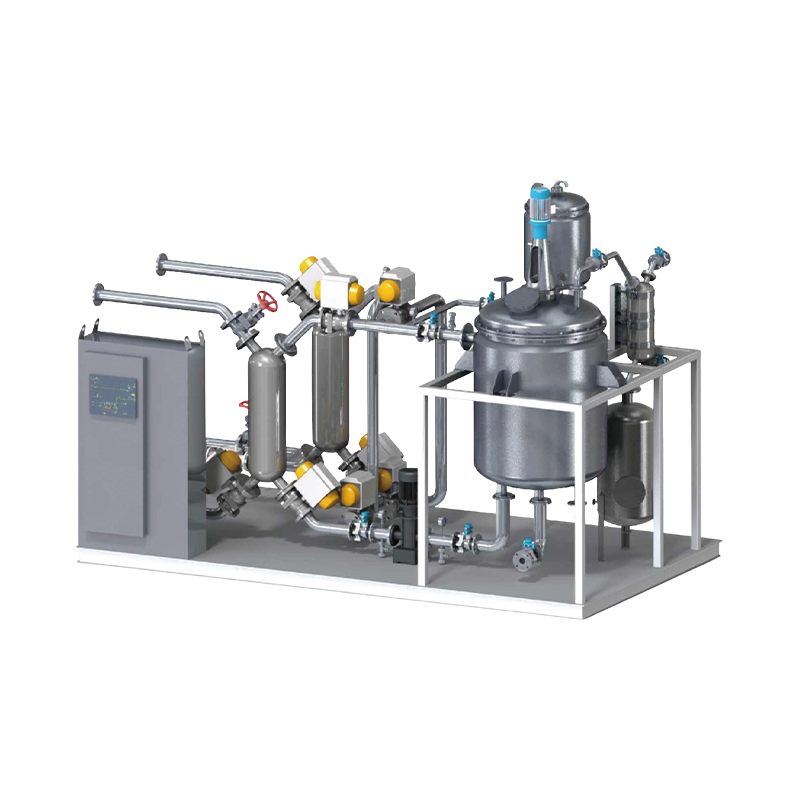
For R&D teams that need reliable, reproducible heating and cooling, an intelligent bioprocess heat transfer skid unit brings together sanitary pumps, control valves, sensors, and heat exchangers on a single frame. These units are configured for the modest flow rates and batch volumes typical of development work while keeping materials and finishes consistent with later scale-up.
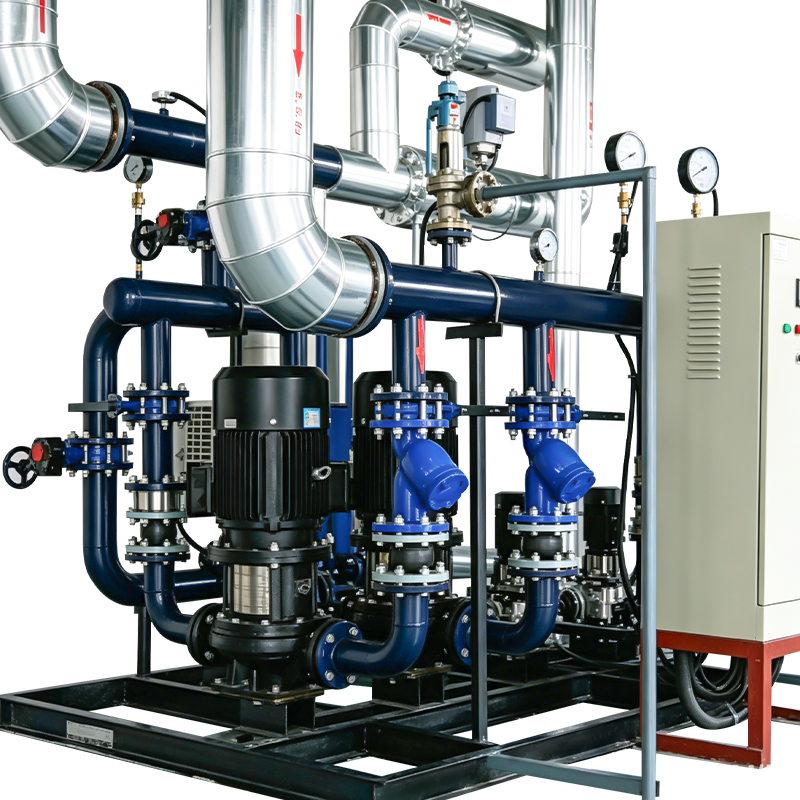 Custom Intelligent Bioprocess Heat Transfer Skid/Units Manufacturers, FactoryShiloc (Shanghai) Industrial Trading Co., Ltd. Is China Custom Intelligent Bioprocess Heat Transfer Skid/Units Manufacturers, Factory, Th...View Product →
Because the entire loop is factory-tested and pressure-verified, installation is a matter of connecting process ports and utilities rather than assembling dozens of individual components on site. That shortens commissioning time and reduces the risk of leaks or dead legs in a system meant to stay sterile.
Precision Temperature Control in R&D
Temperature excursions are one of the most common causes of failed bioprocess runs. A culture that drifts a few degrees outside its setpoint may produce lower yields or inconsistent product quality, which is especially damaging when the goal of a study is to define a robust operating range.
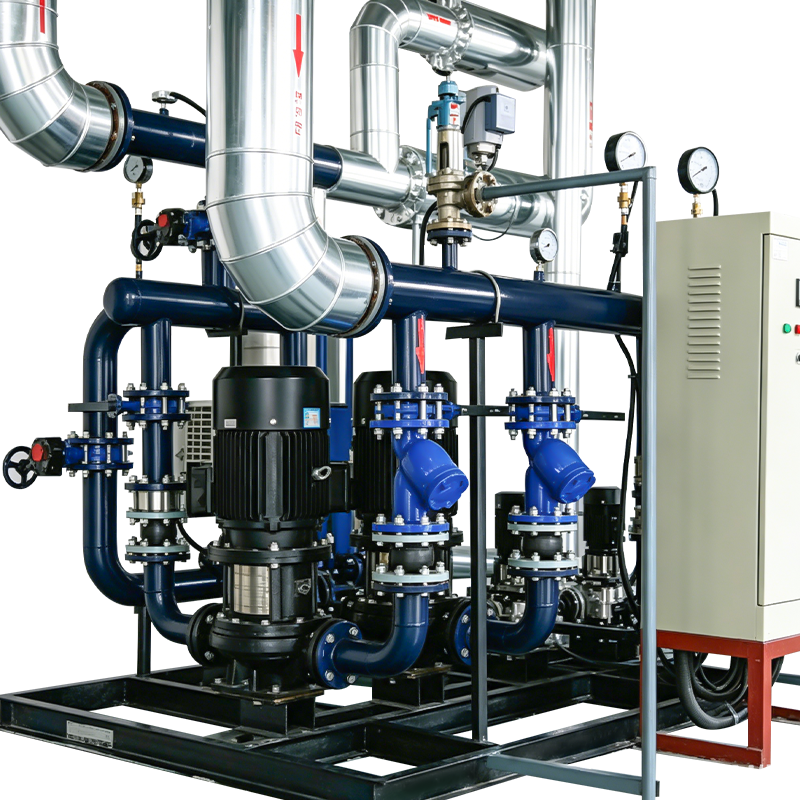
A dedicated precision temperature control unit for biopharma addresses this with tight setpoint control, cascade temperature sensing, and response tuning suited to bioreactor thermal loads. In R&D, this type of unit is typically specified when a project involves mammalian cell culture, microbial fermentation, or vaccine intermediates where thermal history directly affects product attributes.
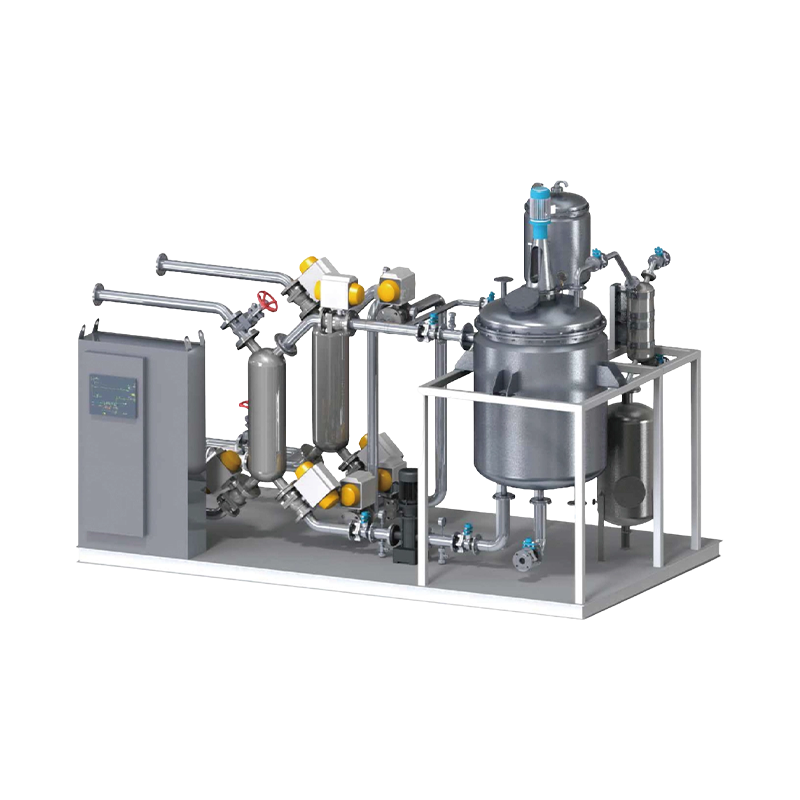 Custom Precision Temperature Control Unit (TCU) For Biopharma Manufacturers, FacShiloc (Shanghai) Industrial Trading Co., Ltd. Is China Custom Precision Temperature Control Unit (TCU) For Biopharma Manufacturers, Fact...View Product →
Heat Exchanger Selection: The Component That Decides Performance
The heat exchanger is the heart of any bioprocess skid. Its material, geometry, and weld quality determine not only thermal efficiency but also the risk of product contamination. For pharmaceutical R&D, where product volumes are small and analytical data is scarce, selecting the wrong heat exchanger type can generate misleading results that are later corrected at significant cost.
Three sanitary heat exchanger designs are common in bioprocess applications:
| Type | Typical Use | Key Characteristic |
|---|---|---|
| Double-tube-sheet (DTS) | Heating or cooling of process media where leakage cannot be tolerated | Two tube sheets create a vented chamber that contains any leak |
| Capillary | Low-volume, high-precision temperature control | Small-diameter channels; efficient with viscous or sensitive fluids |
| Tube-in-tube | Simple, flexible layouts and low flow rates | Concentric tubes; easy to inspect and clean |
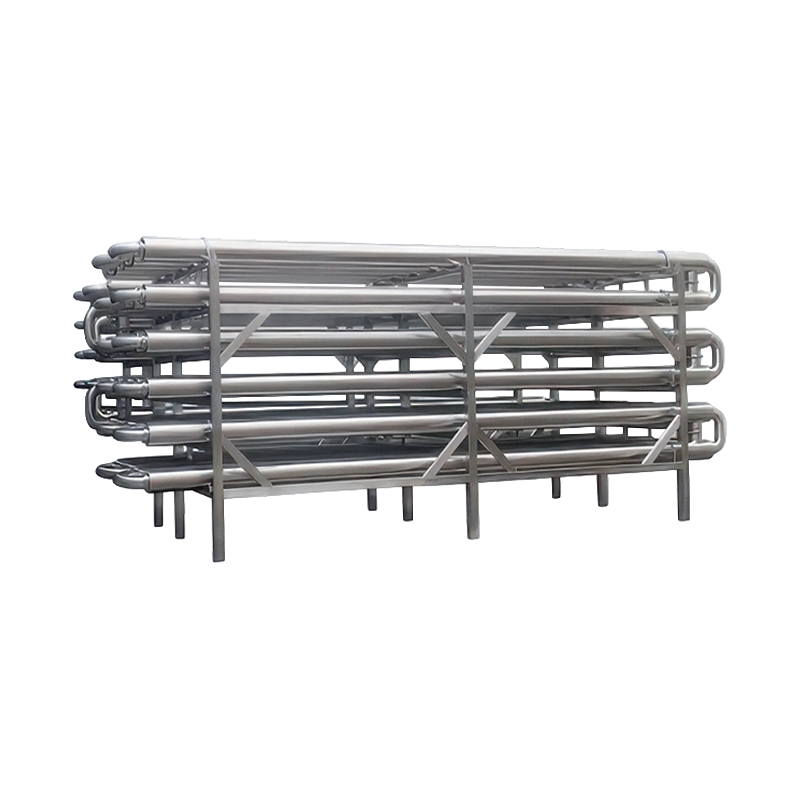
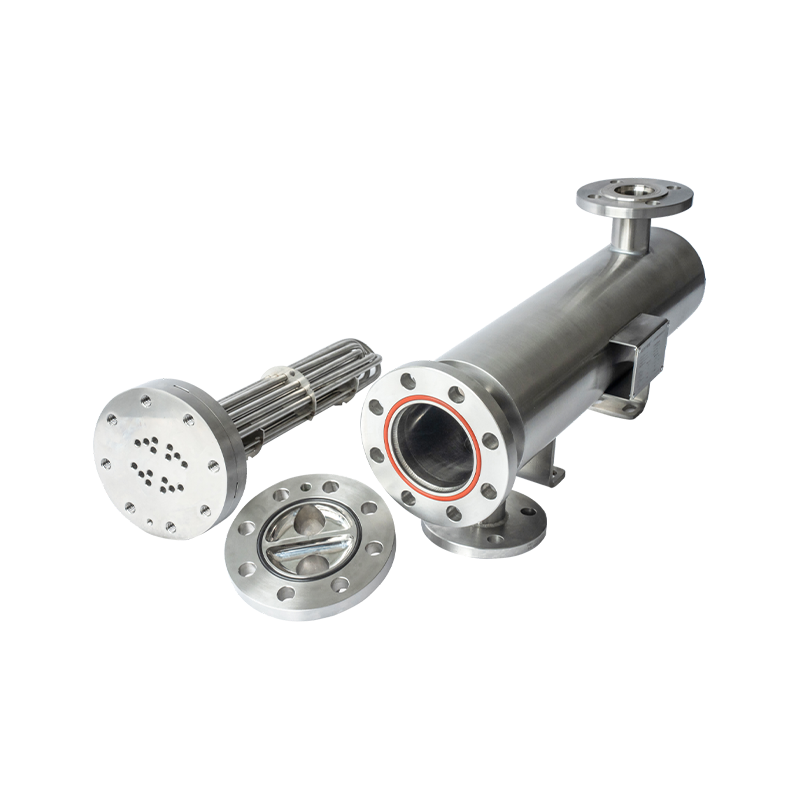
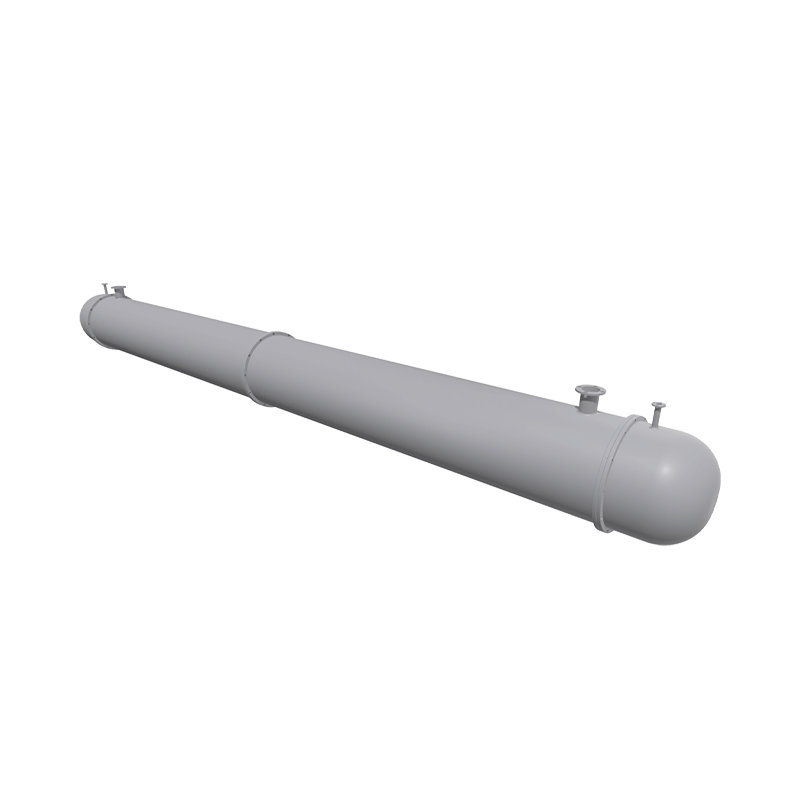
For R&D scientists and engineers who are designing a skid layout, the sanitary DTS double-tube-sheet heat exchanger is often the safest choice because it eliminates the single-point failure mode of a standard shell-and-tube design: if an inner tube develops a leak, the process side and utility side remain separated by the second tube sheet. This is especially relevant when the skid is used with cell culture media, viral vectors, or other high-value process fluids where a contamination event cannot be tolerated.
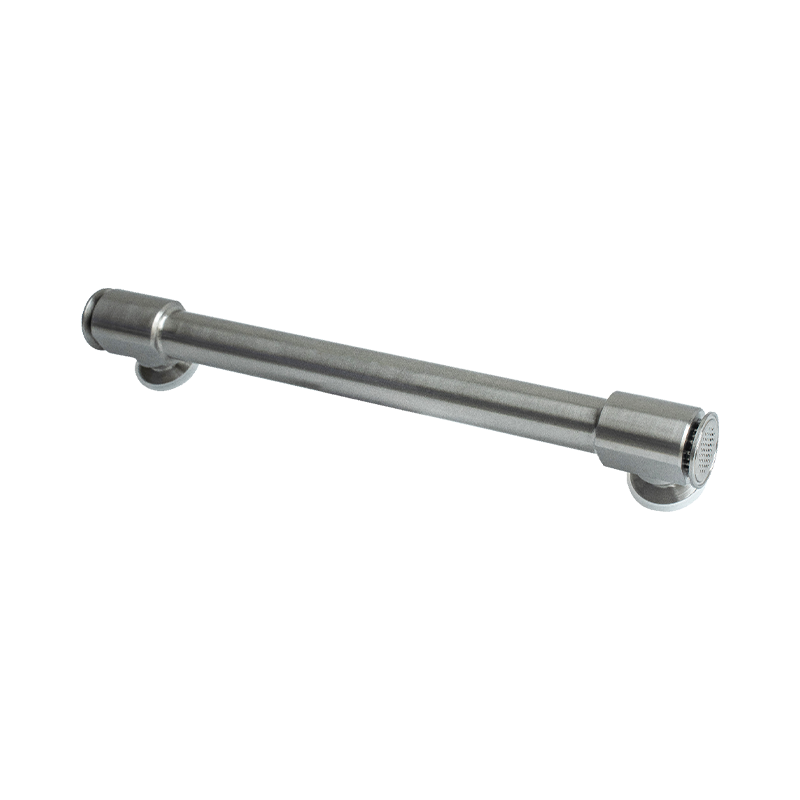 Custom Sanitary DTS (Double Tube Sheet) Heat Exchanger Manufacturers, FactoryShiloc (Shanghai) Industrial Trading Co., Ltd. Is China Custom Sanitary DTS (Double Tube Sheet) Heat Exchanger Manufacturers, Factory, 1....View Product →
Specification Criteria for an R&D Bioprocess Skid
Buyers evaluating bioprocess skids for pharmaceutical research and development should document their requirements before approaching suppliers. A precise specification protects both the R&D timeline and the procurement budget. Six criteria matter most:
- Material and surface finish. Wetted parts should be 316L stainless steel with an interior surface finish of Ra 0.4 µm or finer, and electro-polishing where product contact occurs.
- Temperature range and response. State the minimum and maximum process temperatures, expected ramp rates, and allowable overshoot.
- Flow rate and pressure drop. Define the flow range at the R&D scale, including turndown conditions.
- Cleaning validation. Confirm that the skid supports CIP with the cleaning agents your facility already uses; a skid that can only be cleaned with a proprietary solution will lock you into that vendor.
- Instrumentation and data output. Look for calibrated temperature, pressure, and flow sensors with analog or digital outputs that your process historian can read.
- Documentation package. A qualified skid vendor should provide material certificates, weld maps, pressure test reports, and an I/O list with the first delivery.
These criteria apply even when the skid is intended purely for exploratory research. The price difference between a well-documented skid and a minimally documented one is modest relative to the cost of re-qualifying equipment when a process enters GMP use.
Common Procurement Risks and How to Avoid Them
Procurement mistakes in this category tend to follow a few recurring patterns. A team might select a skid based only on thermal capacity, only to discover that the cleaning circuit is undersized. Another team might receive a high-quality skid but no calibration documentation, delaying process transfer. A third common issue is delivery of a skid whose electrical cabinet does not comply with local standards, requiring costly rework.
Mitigation is straightforward. Ask the vendor for a complete data sheet before purchase. Verify that the skid has been factory-tested with water or a surrogate fluid at the specified flow rates. Confirm the certificate of conformity and the inspection plan. And if the vendor offers engineering consultation before the order, use it, because the same engineers will also respond to issues after delivery.
Choosing a supplier with both manufacturing and engineering experience, such as the approach described in the company overview grounded in European fluid-processing technology, reduces the likelihood of these gaps.
Scale-Up Considerations for R&D Skids
An R&D skid is not just an analysis device; it is also the first physical embodiment of a future production process. When the developed process moves to clinical batches, the skid design should be convertible or at least serve as a reference for the production-scale version.
Maintain the same sanitary design principles at both scales: similar flow velocity in critical lines, equivalent hold-up volume ratios, and identical heat exchanger designs in terms of channel geometry. If you pilot with a DTS exchanger at R&D scale, moving to a DTS unit at production scale is a smaller risk than changing to a different exchanger architecture entirely.
Process development teams should also record the performance characteristics of the R&D skid itself, including response time and thermal dead zones. That data becomes the basis for later scale-up calculations.
What to Prepare Before Contacting a Vendor
Before reaching out to a supplier, prepare a short process description that covers at least the following items:
- Process fluid composition and viscosity at operating temperature.
- Target temperature setpoints and control tolerance.
- Batch volume, flow rate, and number of runs per day.
- Available utilities, including steam pressure, cooling water temperature, and electrical supply.
- Existing automation platform or the need for a standalone control system.
With these details in hand, a qualified manufacturer can provide a skid layout, a preliminary thermal calculation, and a priced proposal in the first round of discussion. Vendors who ask the right follow-up questions are usually the ones who understand the difference between a research skid and a production skid.
For further context on how integrated skids are applied in current bioprocess manufacturing, see the article on bioprocess integrated skids for modern manufacturing.
Final Recommendation
Bioprocess skids for pharmaceutical research and development are not a commodity purchase. They are the delivery mechanism for heat transfer and temperature control decisions that will shape process reproducibility, cleanability, and scale-up success. Start with a written process specification, demand documentation at the level of GMP-ready equipment, and select the heat exchanger and control architecture based on the specific media and operations the skid will serve.
A supplier that combines engineering references, in-house manufacturing, and international trade experience is better positioned to support both the initial skid project and the maintenance, spare parts, and future scale-up needs. For project-specific consulting, use the contact page to begin the conversation.
PREV:Automatic UHT Sterilizer: Key Temperature & Process Control Requirements
NEXT:Bioprocess Skid Problems and Solutions: Common Failures, Root Causes and Maintenance
NEXT:Bioprocess Skid Problems and Solutions: Common Failures, Root Causes and Maintenance
Interested in cooperation or have questions?
Recommended LINS
✦
UHT Processing System for Dairy Products
UHT Processing Equipment for Plant Based Milk
UHT Sterilizer for Fruit Juice
CIP Skid System for Food Industry
Automatic UHT Sterilizer for Milk
hygienic process skid for food industry
CIP process skid system for food industry
automated process skid system for food processing
food ingredient mixing skid system
skid mounted food processing system
Let'S Work Together Welcome Aboard!
-

haikexin@haikexin.com
+8613391278930
-
 +86-21-57560276
-
 No. 2819, Sihu Road,Fengxian District, Shanghai, China
Join Our Mailing List
Copyright © Shiloc (Shanghai) Industrial Trading Co., Ltd. All Rights Reserved.
Process Systems & Equipment For Food & Biopharma Manufacturers
