
 English
 русский
 Português
 Français


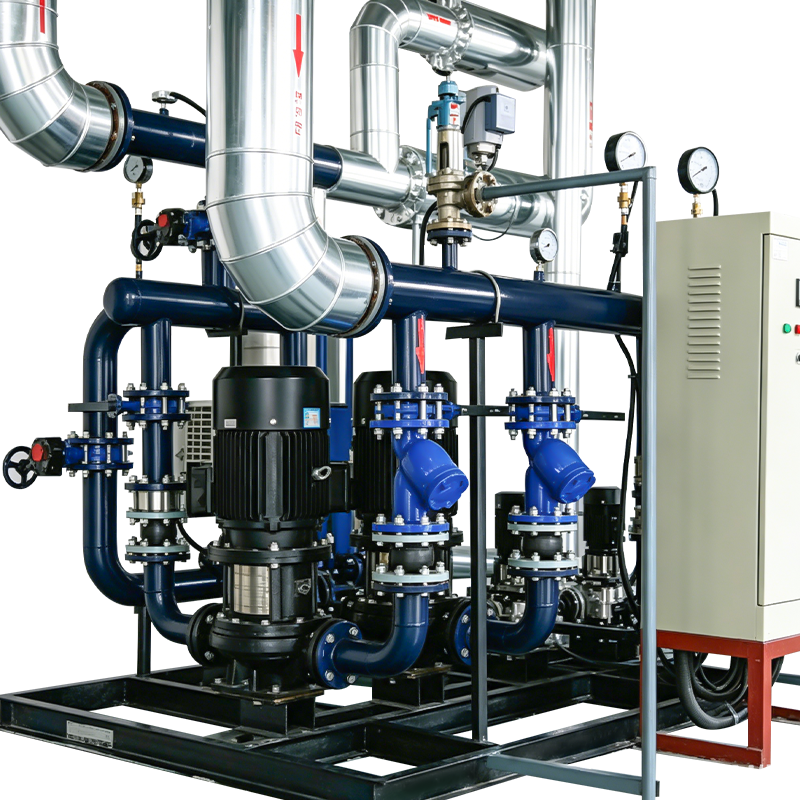
 Read More

Product Category
NEW Category
Contact us
Contact Us
We specialise in the research, development and manufacture of electrical wires and cables.
 +86-21-57560276
Bioprocess Skid Problems and Solutions: Common Failures, Root Causes and Maintenance
Content
- 1 What Is a Bioprocess Skid and Where Do Failures Begin
- 2 Temperature Drift and Heat Transfer Degradation
- 3 CIP and SIP Validation Failures
- 4 Sensor Drift and Instrument Malfunction
- 5 Mechanical Wear in Pumps, Valves, and Seals
- 6 Integration, Commissioning, and Data Integrity
- 7 Preventive and Predictive Maintenance Strategy
- 8 Frequently Asked Questions
- 9 Build the Failure Modes Out of the Skid
A perfusion bioreactor in a biologics facility overshoots its 37°C jacket setpoint by 4°C for less than two minutes during harvest. Cell viability drops, aggregates form, and the batch — worth more than a million dollars in clinical material — is rejected. The failure is not in the bioreactor. It is in the bioprocess skid: a fouled heat exchange surface and a control valve with 30% hysteresis turned a routine harvest into a costly loss.
Bioprocess skids are the mechanical backbone of modern biopharmaceutical manufacturing. They pre-integrate pumps, heat exchangers, valves, sensors, and automation on a single frame to execute critical unit operations. Reliability of the skid directly determines batch reliability. This article covers the most common problems with bioprocess skids — temperature drift, cleaning validation failures, sensor drift, mechanical wear, and integration errors — and the engineering solutions behind them.
Where skid-related production deviations originate
Heat transfer / TCU 32%
CIP / SIP validation 27%
Instrument drift 18%
Mechanical wear 14%
Integration / data 9%
What Is a Bioprocess Skid and Where Do Failures Begin
A bioprocess skid is a pre-engineered, self-contained module that combines pumps, heat exchangers, valves, sensors, and programmable logic control on a single frame to perform a defined biopharmaceutical function — temperature conditioning, buffer preparation, harvest clarification, or clean-in-place supply. This definition captures an essential fact: the skid is a complete process system, not a collection of parts.
Because a skid concentrates so much equipment in a tight footprint, failure analysis must address the whole system rather than a single component. Practical field experience across biomanufacturing facilities shows that problems cluster into five groups:
- Heat transfer performance degradation and temperature drift
- Cleaning and sterilization validation failures
- Sensor drift and control loop instability
- Mechanical wear in pumps, valves, and seals
- Integration, commissioning, and data integrity gaps
Core definition: A bioprocess skid is a self-contained, pre-assembled process module that delivers a defined function — temperature control, buffer dilution, CIP supply, or harvest — in a reproducible, GMP-compliant manner.
Reviewing what bioprocess integrated skids are and why they are essential is the correct starting point for any failure investigation. The patterns described below apply to virtually every skid configuration in clinical and commercial biologics production.
Temperature Drift and Heat Transfer Degradation
Temperature drift is the most common bioprocess skid failure mode because every process variable — media composition, cell density, harvest flow rate, ambient conditions — changes the thermal load the skid must absorb or reject. The control loop is chasing a moving target, and it fails first where heat transfer is weakest.
Root causes fall into four categories:
- Fouling on heat exchange surfaces reduces the overall heat transfer coefficient progressively over a campaign
- An oversized temperature control unit operating at low output causes repeated on-off cycling instead of smooth modulation
- Control valve hysteresis above roughly 5% of stroke introduces oscillation rather than a simple offset
- Poorly tuned PID loops amplify transient deviations during load changes
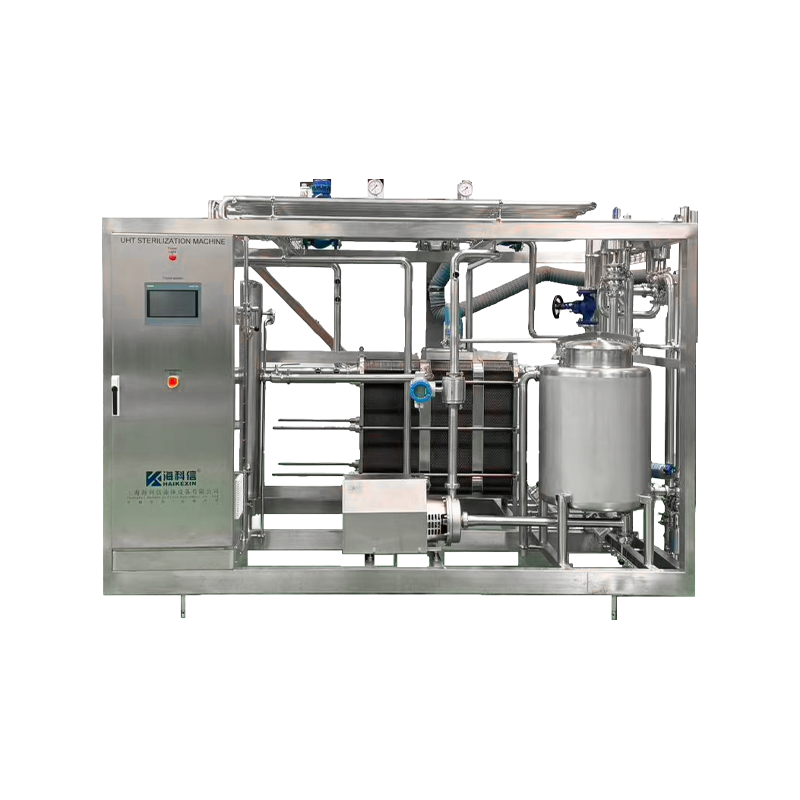
The practical impact is a process outlet temperature that swings 2-4°C — enough to trigger product aggregation, viability loss, and unexpected pH movement in perfusion cultures and protein purification. The solution starts with correct heat exchanger selection and a control strategy matched to the duty cycle. A precision temperature control unit for biopharma with fast-responding valves and cascaded PID control holds the process outlet within 0.5°C of setpoint, even as cell density and harvest flow change.
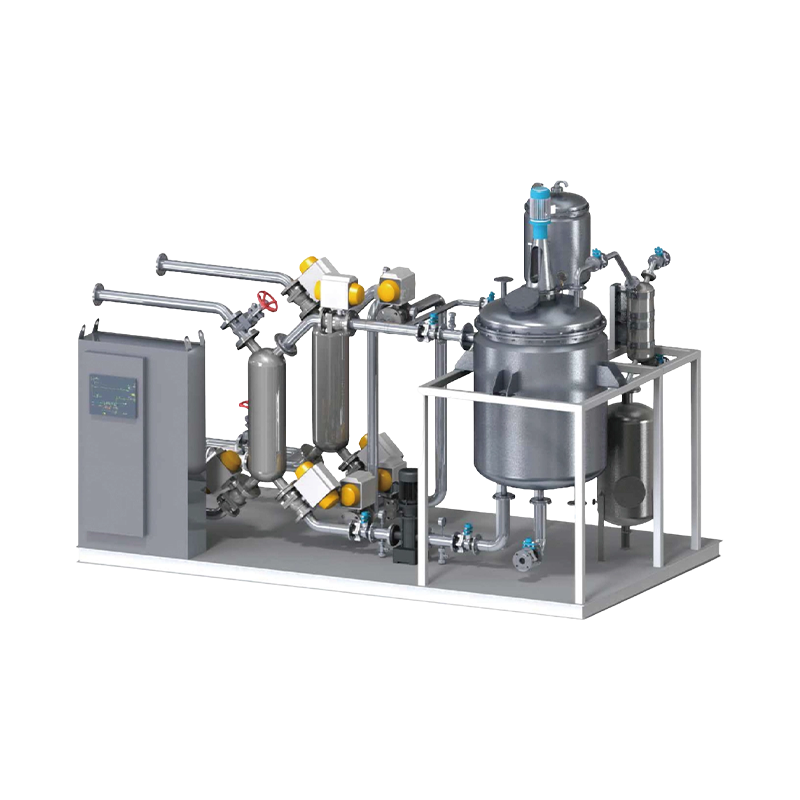 Custom Precision Temperature Control Unit (TCU) For Biopharma Manufacturers, FacShiloc (Shanghai) Industrial Trading Co., Ltd. Is China Custom Precision Temperature Control Unit (TCU) For Biopharma Manufacturers, Fact...View Product →
CIP and SIP Validation Failures
Cleaning and sterilization failures are the second-largest class of bioprocess skid problems and carry the highest regulatory risk. A skid that cannot be cleaned reproducibly cannot be validated, and a skid that cannot be validated cannot run a GMP campaign.
Hygienic design defects are the usual root cause: dead legs longer than 2D, contact surface roughness above 0.5 µm Ra, insufficient slope for drainage, and heat exchanger passages that trap solids. The table below summarizes the failures observed most often in biopharma skids and the engineering fixes that resolve them.
| Observed Failure | Root Cause | Engineering Fix |
| Residual protein after CIP | Dead leg above 2D traps media | Redesign manifold with zero-dead-leg valves |
| Condensate pooling after SIP | Bottom drain with insufficient slope | Increase slope to 2-3% and relocate drain |
| Low flow through heat exchanger | Pressure drop exceeds CIP pump curve | Install dedicated CIP pump or bypass loop |
| Microbial retention after cleaning | Surface roughness above 0.5 µm Ra | Specify electropolished 316L at 0.4 µm Ra |
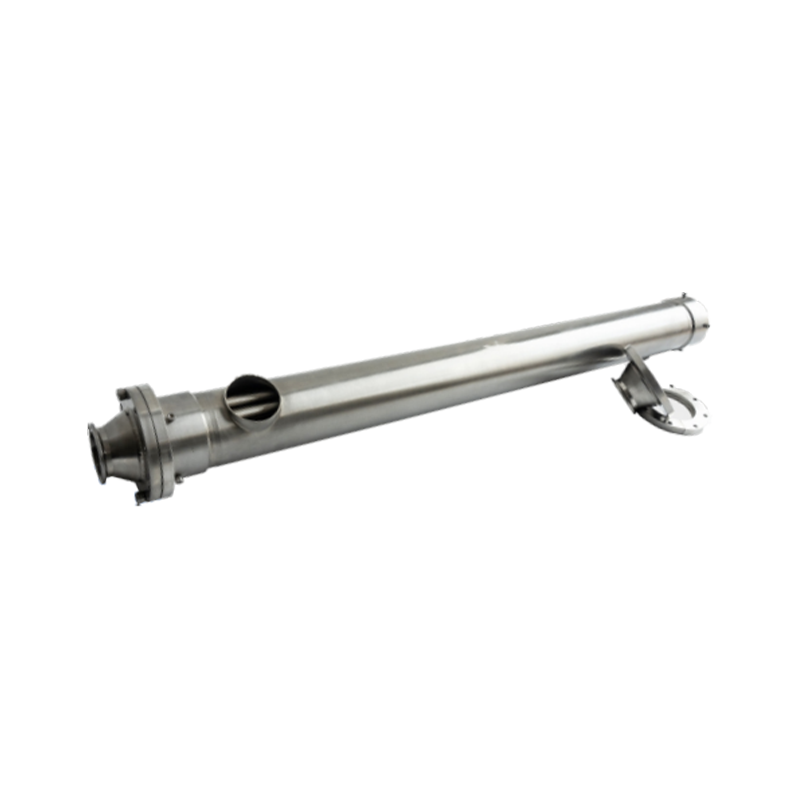
Heat exchanger design directly affects cleanability. Fully drainable sanitary capillary heat exchangers present a single continuous flow path with no stagnation zones, so cleaning fluid sweeps every wetted surface at design velocity — a decisive advantage in CIP validation.
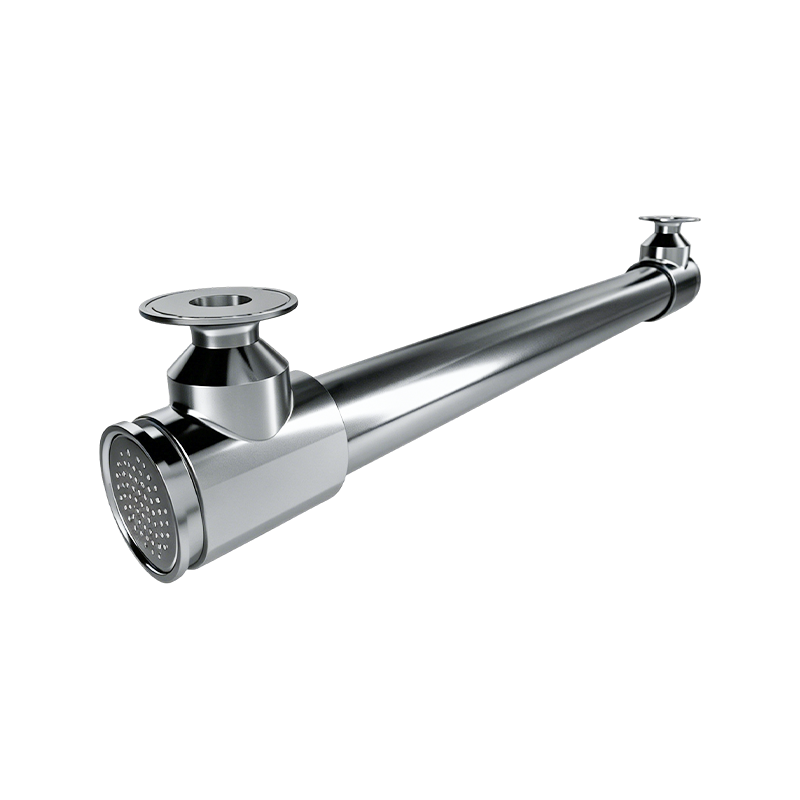 Custom Sanitary Capillary Heat Exchanger Manufacturers, FactoryShiloc (Shanghai) Industrial Trading Co., Ltd. Is China Custom Sanitary Capillary Heat Exchanger Manufacturers, Factory, The Sanitary Cap...View Product →
Validation risk: A single dead leg longer than 2D can harbor enough residual protein to fail a rinse test. Address dead legs in the mechanical design review, not after validation starts.
Sensor Drift and Instrument Malfunction
Instrument drift is the quiet skid failure. The process looks stable on the HMI while actual pH, dissolved oxygen, or pressure moves outside specification. Because the display reads correctly, operators may notice the fault only at the next sampling point.
Critical instruments — pH, dissolved oxygen (DO), conductivity, pressure, and temperature — require a documented calibration program. Redundant sensors with independent analog inputs let the control logic detect drift automatically and alarm before the product is affected. In sterile processes, thermowell response time matters as much as accuracy: a slow thermowell can mask a temperature excursion for several minutes.
Data integrity is inseparable from instrumentation. 21 CFR Part 11 in the United States and EU GMP Annex 11 in Europe require audit trails, time-stamped records, and controlled user access for instrument configuration. A skid with uncalibrated sensors fails both process control and digital compliance expectations.
Preventive rule: Calibrate every critical instrument on a fixed 30-day cycle and use a second independent sensor for any measurement that directly controls a patient-safety parameter.
Mechanical Wear in Pumps, Valves, and Seals
Mechanical wear is the most predictable class of bioprocess skid failure, which makes it the easiest to manage. A diaphragm pump diaphragm in continuous service typically lasts 6-12 months; PTFE diaphragms can fail without warning once microcracks form. Soft-seal sanitary valves lose shutoff integrity as the seal material degrades, and clamp-connection O-rings harden after repeated SIP cycles.
Cavitation is another common cause of pump damage. When the net positive suction head (NPSH) margin drops below roughly 1.5 meters, vapor bubbles collapse against the impeller and erode material. The fix is in the skid layout: verify static head, suction line losses, and pump curve selection before installation, not after erosion appears.
Wear Indicators
- Rising motor current with steady flow
- Longer valve actuation time
- Visible cracks on diaphragm surfaces
- Leakage at clamp connections
Preventive Measures
- Motor current trending and vibration check
- Quarterly valve seat inspection
- Annual diaphragm and O-ring replacement
- NPSH margin verification at commissioning
Integration, Commissioning, and Data Integrity
Most skid problems labeled equipment failure during the first year of operation are actually integration errors: a swapped 4-20 mA signal, an incorrect thermocouple type, a pump started before its outlet valve opened, or a missing interlock between CIP and process modes.
Rigorous factory acceptance testing (FAT) and site acceptance testing (SAT) catch these issues before production. The FAT should exercise all I/O points, sequence logic, recipe phases, alarm conditions, and fail-safe states with the same control platform used in production. During commissioning, mapping the skid control strategy to the specific biopharma process application requirements prevents the most common equipment-process mismatches.
Data integrity also belongs on the commissioning checklist. Setpoint changes, calibration timestamps, and alarm acknowledgements must be recorded in a validated system to satisfy 21 CFR Part 11 and EU GMP Annex 11 inspection expectations.
Commissioning hint: Run a full loop check on every analog input before placing the skid in GMP mode. A single thermocouple wired to the wrong channel has caused more than one false batch deviation.
Preventive and Predictive Maintenance Strategy
A disciplined maintenance program organized around thermal performance, cleanliness, calibration, and mechanical wear prevents the large majority of bioprocess skid failures before they affect a batch. The sequence below represents a baseline program for a production-scale skid.
- Installation baseline: record heat transfer coefficients, valve response times, and instrument calibration values
- Daily: check temperature setpoint deviation, CIP cycle alarms, and pump discharge pressures
- Monthly: recalibrate critical pH, DO, conductivity, and temperature instruments; review alarm history
- Quarterly: run a heat transfer performance test and compare with baseline; inspect valve seals and diaphragm surfaces
- Annual: replace diaphragms, soft seals, and wear parts; re-validate CIP and SIP cycles; run a full loop check
0.5°C TCU outlet stability target
2D Maximum dead-leg ratio
0.4 µm Contact surface roughness
1.5 m/s Minimum CIP flow velocity
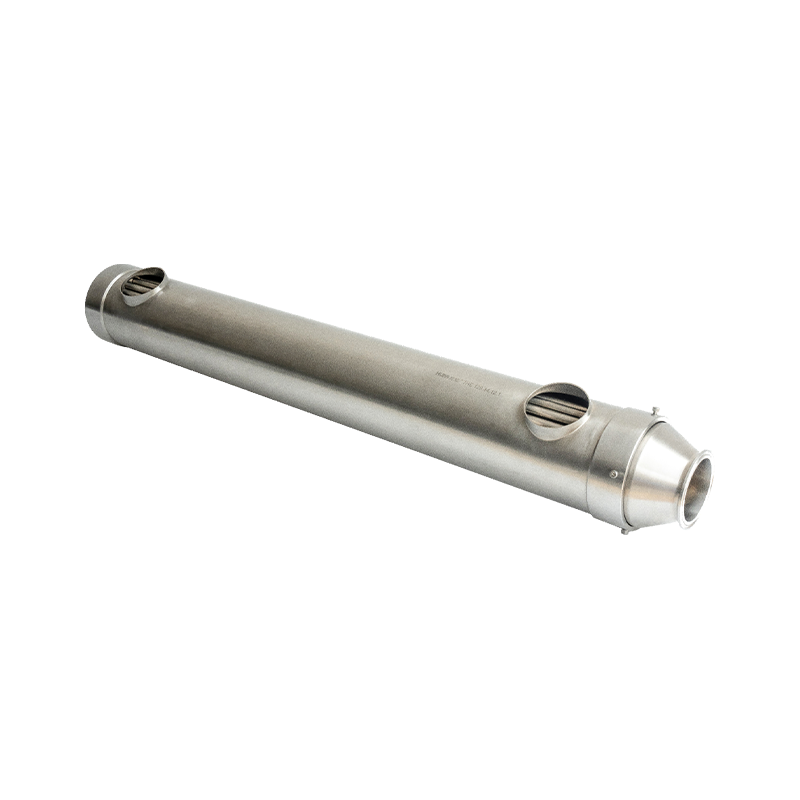
Newer skid architectures build these checks into the automation layer. Intelligent bioprocess heat transfer skid units monitor heat transfer coefficient decay, valve stroke response, and pump efficiency continuously, converting maintenance from a calendar-based activity into a condition-based one. Combined with a precision TCU and hygienic heat exchanger design, this approach keeps unplanned skid downtime at a low single-digit share of total operating time.
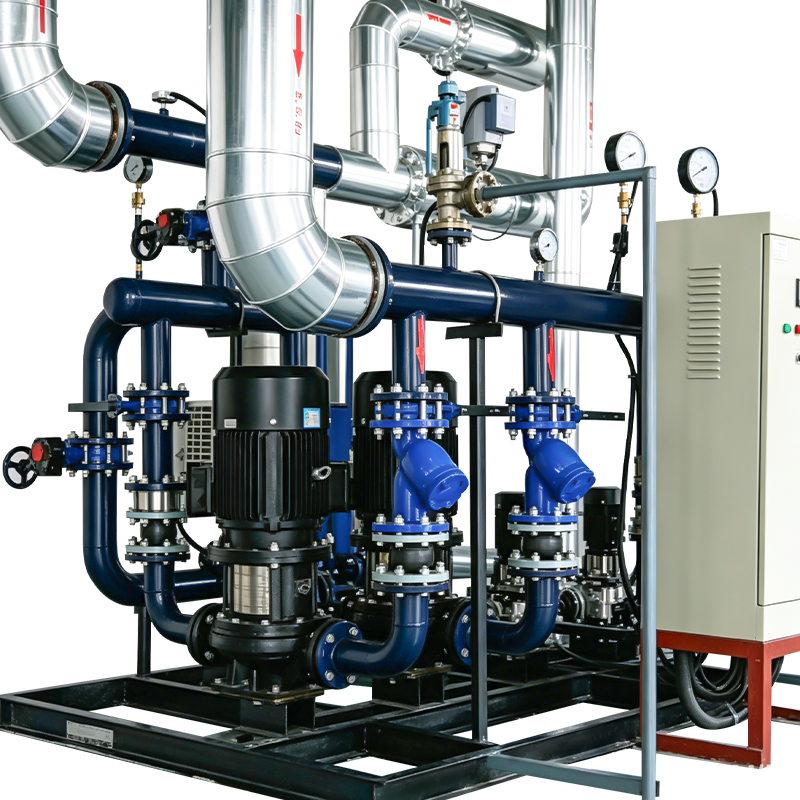 Custom Intelligent Bioprocess Heat Transfer Skid/Units Manufacturers, FactoryShiloc (Shanghai) Industrial Trading Co., Ltd. Is China Custom Intelligent Bioprocess Heat Transfer Skid/Units Manufacturers, Factory, Th...View Product →
Frequently Asked Questions
Below are the questions process engineers ask most often about bioprocess skid reliability.
What is the most common failure in a bioprocess skid?
Temperature drift and heat transfer degradation rank first, driven by fouling, valve hysteresis, and undersized temperature control units. Thermal performance testing is the fastest way to detect this failure class before it affects a batch.
How does fouling affect a bioprocess skid?
Fouling reduces the heat transfer coefficient and narrows the skid's effective operating window. It increases utility demand, slows ramp rates, and can push outlet temperature outside specification when the control loop can no longer compensate. A quarterly thermal performance test identifies fouling before it becomes a batch risk.
What is a precision temperature control unit (TCU) for biopharma?
A precision TCU is a closed-loop heating and cooling system that supplies heat transfer fluid at a tightly controlled temperature and flow rate to the skid's heat exchangers. In biopharma duty, a high-quality TCU maintains the process outlet within 0.5°C of setpoint under changing load conditions.
How often should a bioprocess skid be maintained?
Monthly calibration of critical instruments, quarterly thermal performance tests, and annual replacement of diaphragms, seals, and valve seats form a solid baseline. Exact intervals depend on campaign intensity, media characteristics, and how aggressively the skid is operated.
Bottom line: A skid designed for cleanability, tuned for thermal stability, and maintained on a fixed schedule will outperform one that only meets the piping drawing.
Build the Failure Modes Out of the Skid
Bioprocess skid failures follow identifiable patterns. Fouling, cleaning flaws, instrument drift, mechanical wear, and integration oversights each have a known root cause and a proven engineering countermeasure. The most effective approach addresses them in the design phase, validates them during FAT and SAT, and manages them through a disciplined maintenance schedule.
Shiloc (Shanghai) Industrial Trading Co., Ltd. supplies bioprocess integrated skids, precision temperature control units, and sanitary heat transfer components for biopharmaceutical manufacturing, combining European-based engineering with a global supply chain. If you are specifying a new skid platform or troubleshooting an existing one, contact the Shiloc engineering team for a root-cause assessment and a practical remediation plan.
Key takeaway: Address thermal stability, cleanability, calibration, and wear in the design phase, and the skid will spend its life running product instead of waiting for repairs.
PREV:Bioprocess Skids for Pharmaceutical R&D: Design, Selection & Procurement Guide
NEXT:How to Improve Bioprocess Skid System Efficiency: Key Engineering Levers
NEXT:How to Improve Bioprocess Skid System Efficiency: Key Engineering Levers
Interested in cooperation or have questions?
Recommended LINS
✦
Let'S Work Together Welcome Aboard!
-

haikexin@haikexin.com
+8613391278930
-
 +86-21-57560276
-
 No. 2819, Sihu Road,Fengxian District, Shanghai, China
Join Our Mailing List
Copyright © Shiloc (Shanghai) Industrial Trading Co., Ltd. All Rights Reserved.
Process Systems & Equipment For Food & Biopharma Manufacturers
