

 English
 русский
 Português
 Français



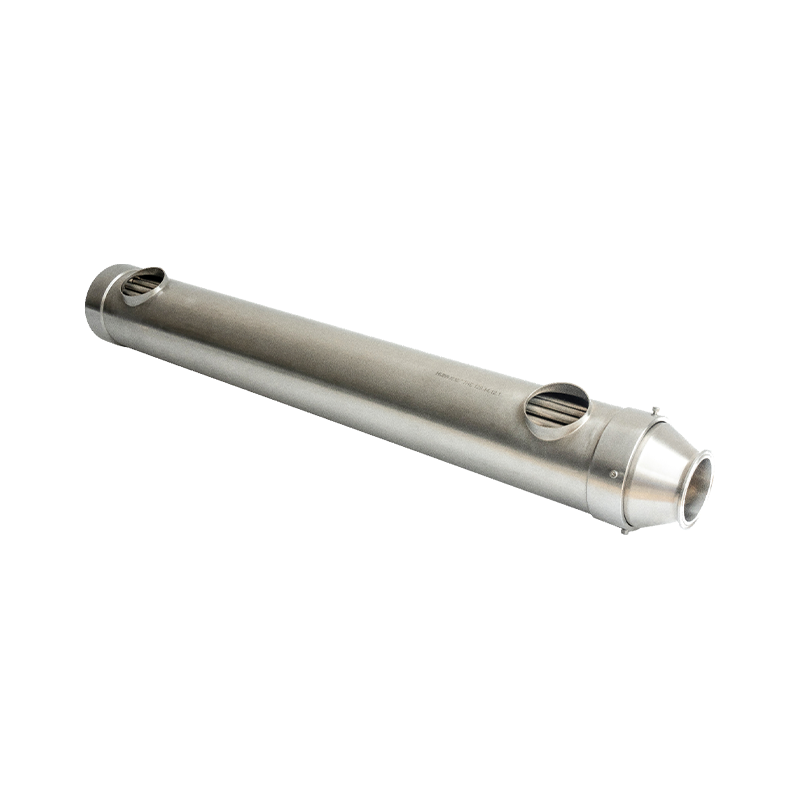
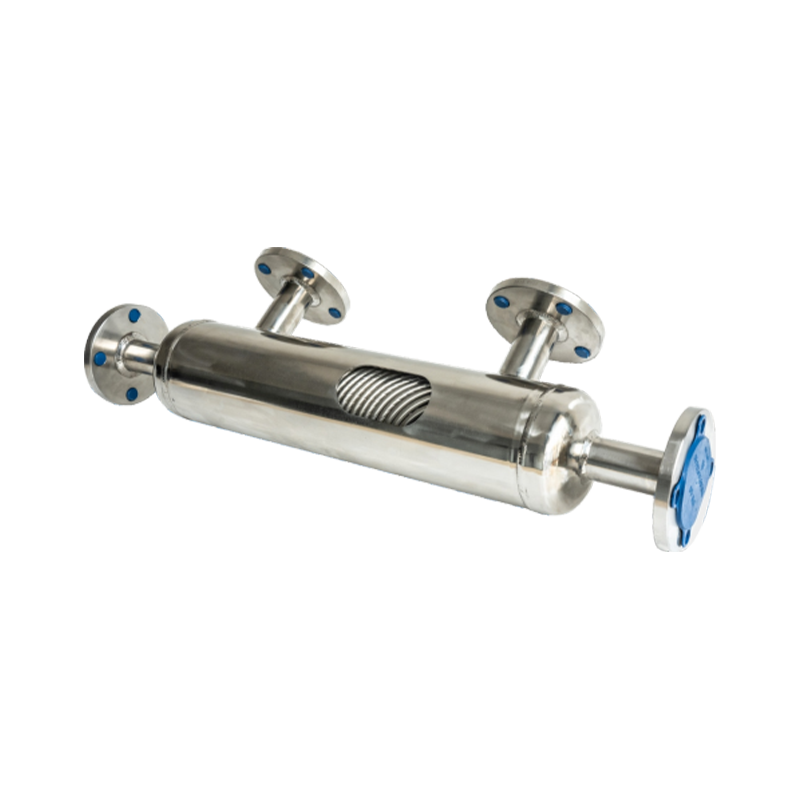
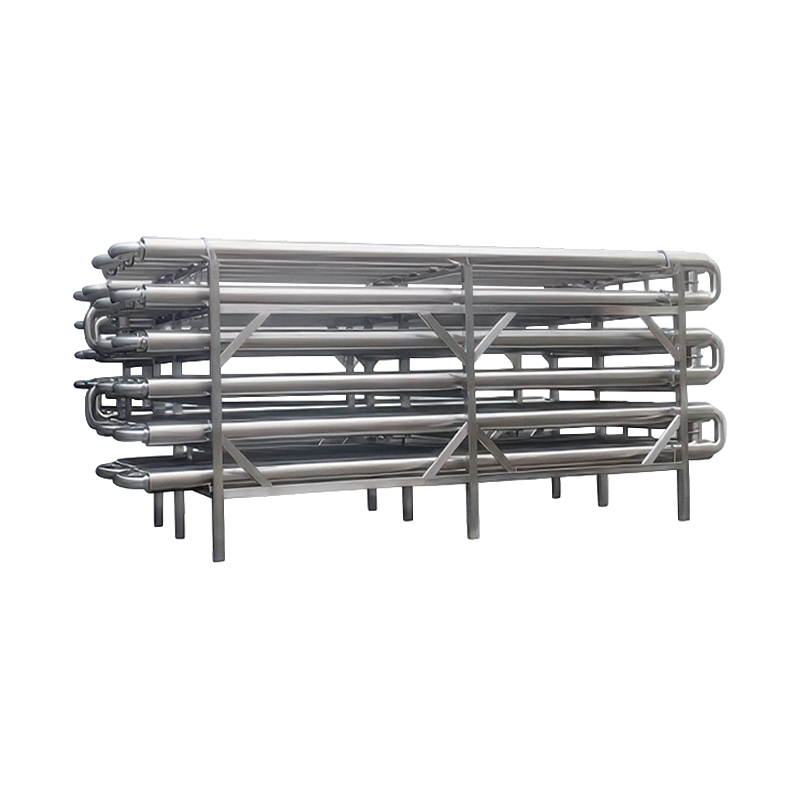
How Does a Hybrid/Direct Contact Heat Exchanger Redefine the Development Direction of High-Efficiency Heat Exchange Technology?
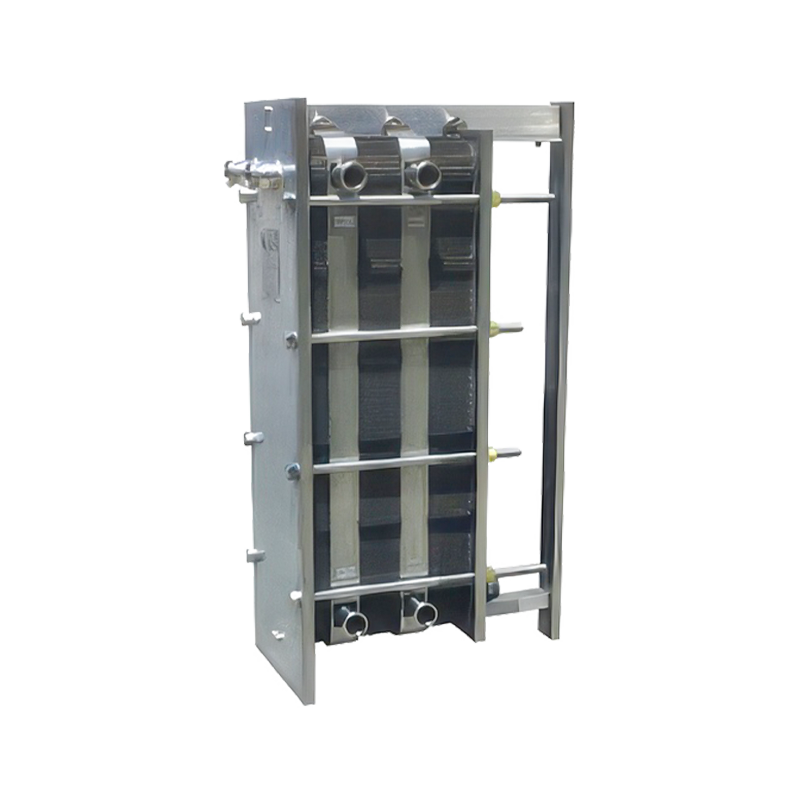
In modern industrial production processes, heat exchange equipment has always played an irreplaceable role. From the chemical, energy, and pharmaceutical industries to food processing and environmental engineering, companies are continually raising their requirements for heat-exchange efficiency, equipment reliability, and operating costs. While traditional indirect contact heat exchangers are widely used, they still face problems such as limited heat transfer efficiency, large equipment size, and high maintenance costs under some complex operating conditions.
Against this backdrop, Hybrid/Direct Contact Heat Exchangers are gradually becoming an important development direction in the field of industrial heat exchange. Optimizing the heat transfer method between fluids, it provides new solutions for efficient energy utilization and process upgrades.
What is a Hybrid/Direct Contact Heat Exchanger?
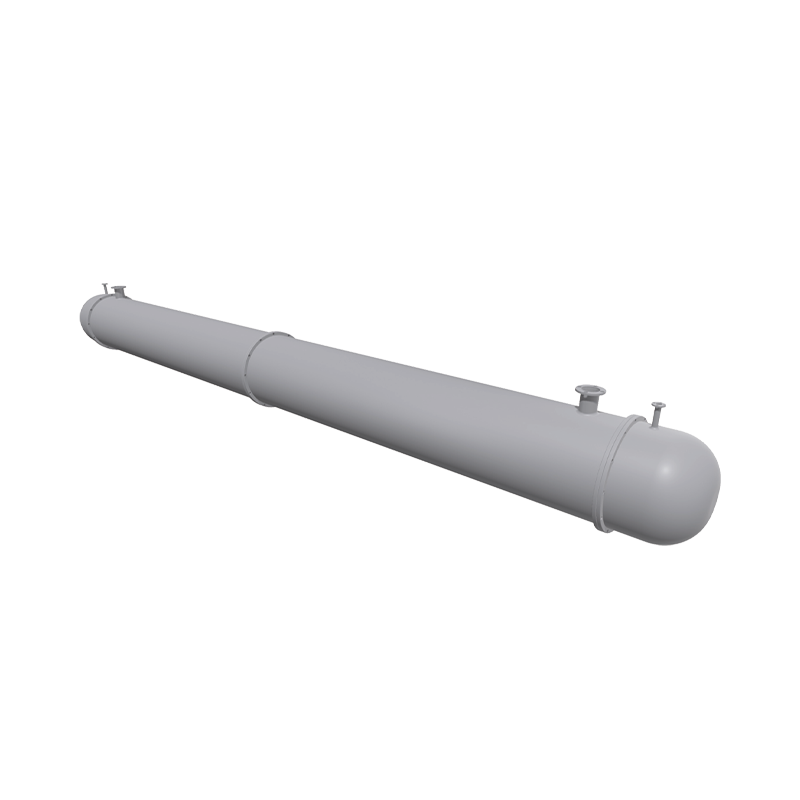
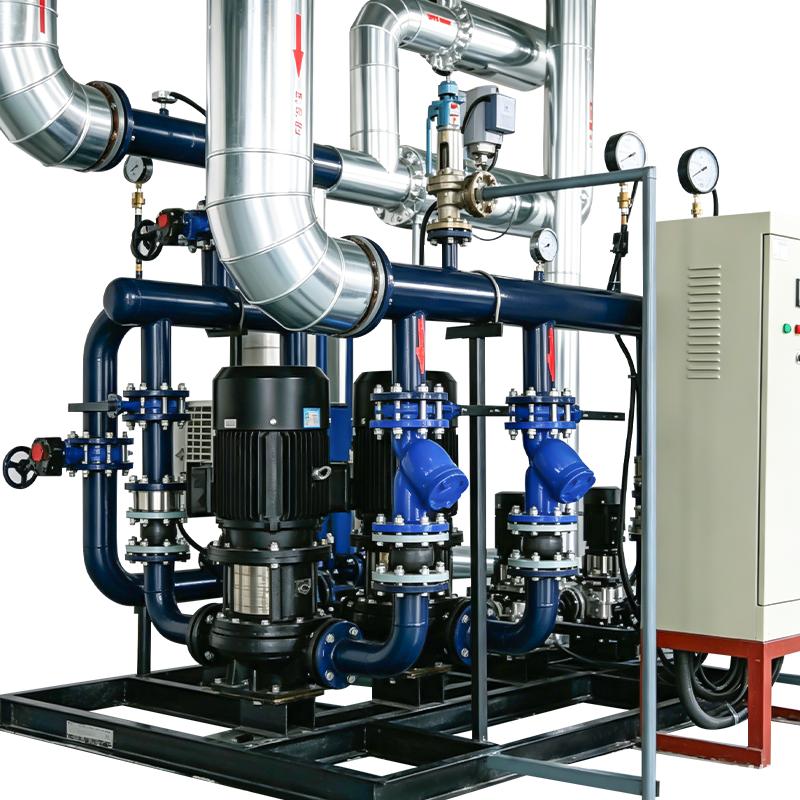
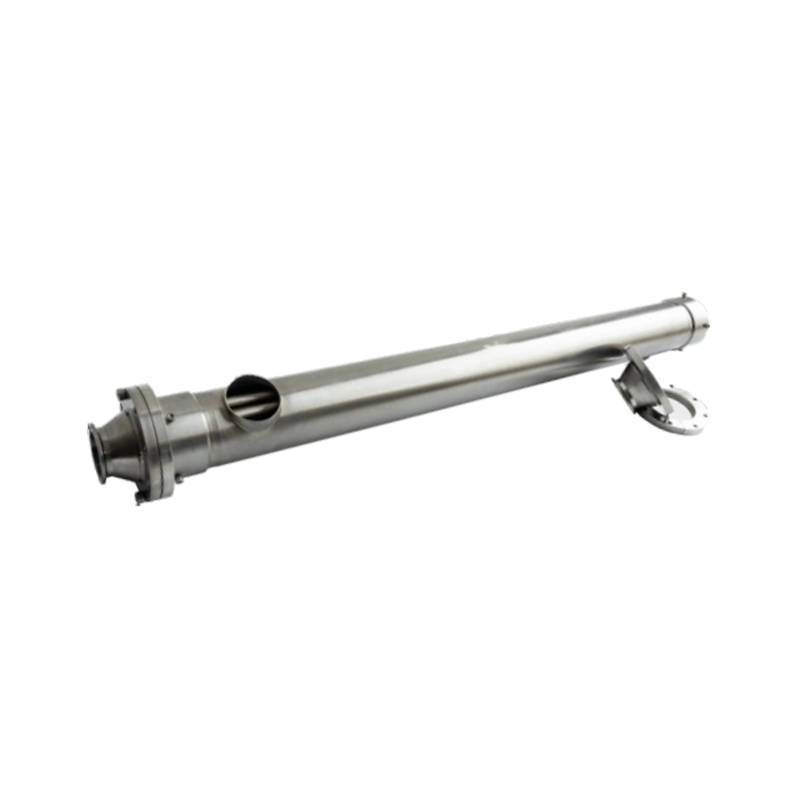
A Hybrid/Direct Contact Heat Exchanger is a new type of equipment that combines direct contact heat exchange technology with traditional heat exchange concepts. Unlike conventional heat exchangers that rely on metal tube walls or plates for heat transfer, direct contact heat exchangers allow two fluids at different temperatures to come into direct contact under specific conditions, achieving rapid heat transfer through mixing, spraying, and gas-liquid exchange.
The Hybrid design further integrates the advantages of different heat exchange modes, combining direct contact heat exchange with indirect heat exchange structures according to actual process requirements to improve equipment adaptability and operational stability.
The core advantage of this technology lies in reducing thermal resistance in traditional heat exchange processes, enabling heat exchange to be completed more quickly. Therefore, Hybrid/Direct Contact Heat Exchangers demonstrate strong application value in industrial environments requiring high heat transfer efficiency, large flow rates, or handling of special media.
Why Are More and More Industries Focusing on Direct Contact Heat Exchange Technology?
The demand for energy conservation and emission reduction in the industrial sector is constantly increasing. Traditional heat exchange equipment may be affected by factors such as scaling, corrosion, and decreased heat transfer efficiency during long-term operation, while Hybrid/Direct Contact Heat Exchangers have certain advantages in structural design.
By reducing the limitations of some heat transfer walls, direct contact heat exchange can achieve higher heat transfer rates. At the same time, this technology can also provide more flexible solutions in process environments containing particulate matter, high-viscosity fluids, or special media.
For example, in energy recovery systems, Hybrid/Direct Contact Heat Exchangers can help companies utilize waste heat resources more effectively. In chemical production processes, they can improve heat exchange efficiency between different media. In the environmental protection field, they can be applied to gas treatment, evaporation concentration, and resource recycling.
With the continuous improvement of industrial automation, companies are not only focusing on equipment performance but also paying more attention to long-term operating costs. High-efficiency, easy-to-maintain, and adaptable heat exchange equipment is becoming an important trend in market development.
How Can Design Flexibility Meet the Needs of Different Industries?
Different industries have significantly different requirements for heat exchange equipment. Some companies need to handle high-temperature fluids, some face corrosive media, and some applications require equipment with a compact structure and high processing capacity.
One of the advantages of Hybrid/Direct Contact Heat Exchangers is their ability to be customized according to specific application environments. By adjusting the fluid contact method, equipment structure, material selection, and operating parameters, the process requirements of different customers can be met.
Professional Heat Exchange Solutions from Shiloc
As a leading Chinese supplier of Hybrid/Direct Contact Heat Exchangers, Shiloc (Shanghai) Industrial Trade Co., Ltd. is committed to providing reliable heat exchange equipment solutions to global clients.
Leveraging a professional import/export agency team and a deep understanding of international trade processes, Shiloc offers clients a one-stop solution, from product consultation and solution communication to international procurement and technical service support.
As a Chinese manufacturer of Hybrid/Direct Contact Heat Exchangers and a custom Hybrid/Direct Contact Heat Exchanger factory, the company focuses not only on product supply but also on helping clients achieve efficient and stable industrial applications.
For businesses, choosing the right heat exchange equipment not only affects production efficiency but also directly impacts long-term operating costs. Therefore, in the procurement process, in addition to focusing on equipment price, it is crucial to consider the supplier's technical capabilities, customization capabilities, and international service experience.
Shiloc (Shanghai) Industrial Trade Co., Ltd. boasts an experienced international trade service team capable of helping clients resolve communication, logistics, and technical coordination issues during cross-border procurement. The company adheres to a foundation of professional knowledge and efficient service, striving to become a trusted international trade partner for its clients.
What Value Can Businesses Gain by Choosing a Hybrid/Direct Contact Heat Exchanger?
From improved energy efficiency to optimized production processes and reduced maintenance burdens, Hybrid/Direct Contact Heat Exchangers are creating more possibilities for modern industry. It is not just a heat exchange device, but a technological solution for future industrial needs.
For companies looking to improve production efficiency and optimize energy management, choosing a partner with professional manufacturing capabilities and international service experience is crucial. Through reasonable equipment design and reliable technical support, companies can fully leverage the value of advanced heat exchange technology and gain a more stable competitive advantage in a highly competitive market.
FAQ: Frequently Asked Questions About Hybrid/Direct Contact Heat Exchangers
Q1: Which industries are suitable for Hybrid/Direct Contact Heat Exchangers?
A: This equipment can be widely used in chemical, energy, environmental protection, food, pharmaceutical, and industrial waste heat recovery industries, and is especially suitable for industrial scenarios requiring efficient heat exchange or handling special media.
Q2: What are the advantages of direct contact heat exchangers compared to traditional heat exchangers?
A: Direct contact heat exchange reduces the limitations of heat transfer walls, typically resulting in higher heat exchange efficiency and adaptability to some complex operating conditions.
Q3: Can Hybrid/Direct Contact Heat Exchangers be customized?
A: Yes. The structure and parameters can be customized based on the customer's media type, temperature requirements, flow conditions, and process flow.


