
 English
 русский
 Português
 Français


 Read More

Product Category
NEW Category
Contact us
Contact Us
We specialise in the research, development and manufacture of electrical wires and cables.
 +86-21-57560276
Bioprocess Skids for Cell Culture: Design, Validation, and Procurement Essentials
Content
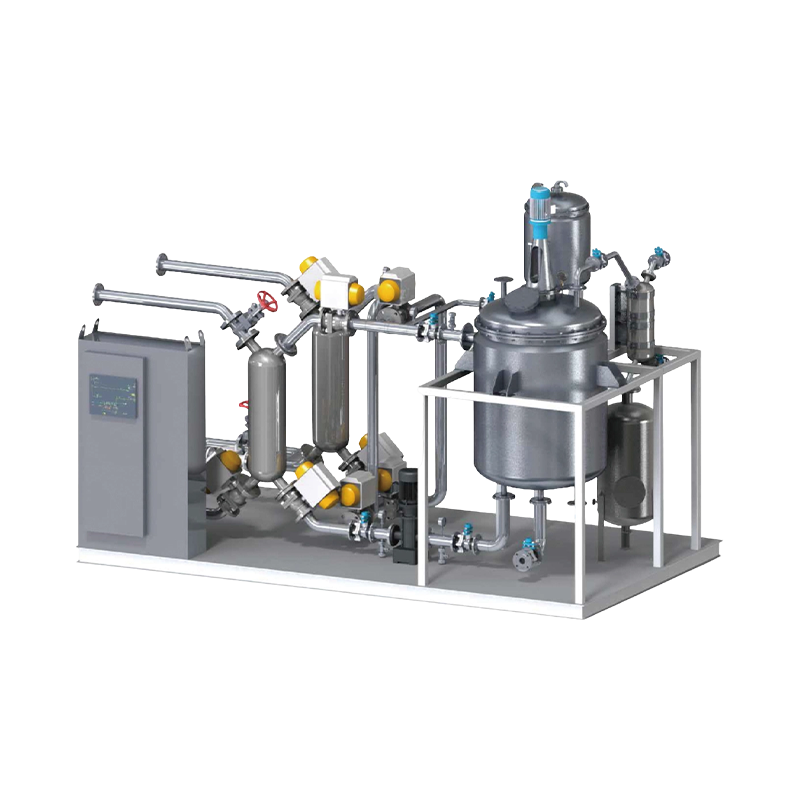
When a process team scales up from fed-batch to perfusion culture, or moves from a 200 L to a 2,000 L single-use bioreactor, the support systems often become the bottleneck before the bioreactor itself does. Media preparation, buffer conditioning, harvest cooling, and jacket temperature control suddenly need to deliver larger volumes with tighter tolerances inside the same cleaning window. Bioprocess skids are built to solve exactly this problem: they package pumps, heat exchangers, valves, sensors, and automation for a defined process function into one factory-tested module that connects to bioreactors and utilities through known interfaces. Understanding what these skids contain, how they are fabricated, and what to verify before ordering can save months of commissioning time and reduce risk in GMP production.
Why Cell Culture Processes Depend on Well-Designed Bioprocess Skids
Cell culture differs from microbial fermentation in ways that directly affect skid design. Mammalian cells grow slowly, tolerate limited shear, and produce heat-sensitive products. Media formulations are complex and expensive. A temperature excursion above 40 °C, even for a short period, can degrade vitamins and growth factors; an improperly cleaned transfer path can contaminate an entire batch. Skids used in cell culture duty therefore need to be engineered around gentle thermal control, full drainability, and demonstrated cleanability.
A bioprocess skid for cell culture typically handles one or more of the following duties:
- Media and buffer preparation and conditioning
- Heating and cooling of liquid streams before and after sterile filtration
- Temperature maintenance in hold, harvest, and surge vessels
- Circulation of thermal fluid through a bioreactor jacket or heat exchanger
- Support for cleaning-in-place (CIP) and sterilization-in-place (SIP) sequences
The value of the skid approach is that a well-executed skid is more than the sum of its parts. Because the system is assembled and tested by one party, the interfaces between the heat exchanger, valves, controls, and pumps are validated before the unit reaches the facility. That reduces installation time, commissioning effort, and the number of parties the project team needs to coordinate.
Core Systems on a Bioprocess Skid for Cell Culture
Heat Transfer and Temperature Control
The most common thermal duties in cell culture are media heat-up, cool-down after heat sterilization, and temperature control during culture. Culture media contains proteins, amino acids, and lipids that are sensitive to high wall temperatures and mechanical shear. Direct steam injection is rarely appropriate. Instead, designers select heat exchangers with moderate velocity and controlled surface temperatures.
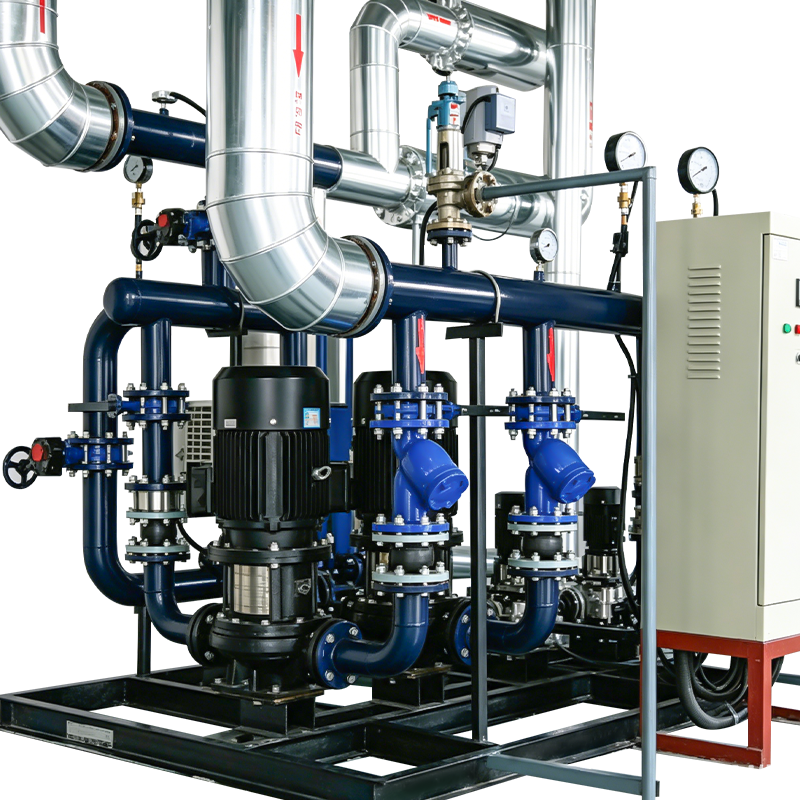
When the duty requires a complete preassembled system, the intelligent bioprocess heat transfer skid units combine heat exchangers, control valves, pumps, and instrumentation on a single frame. These units are configured around the specific flow, temperature, and cleanability requirements of the process, and they arrive with a documented test protocol.
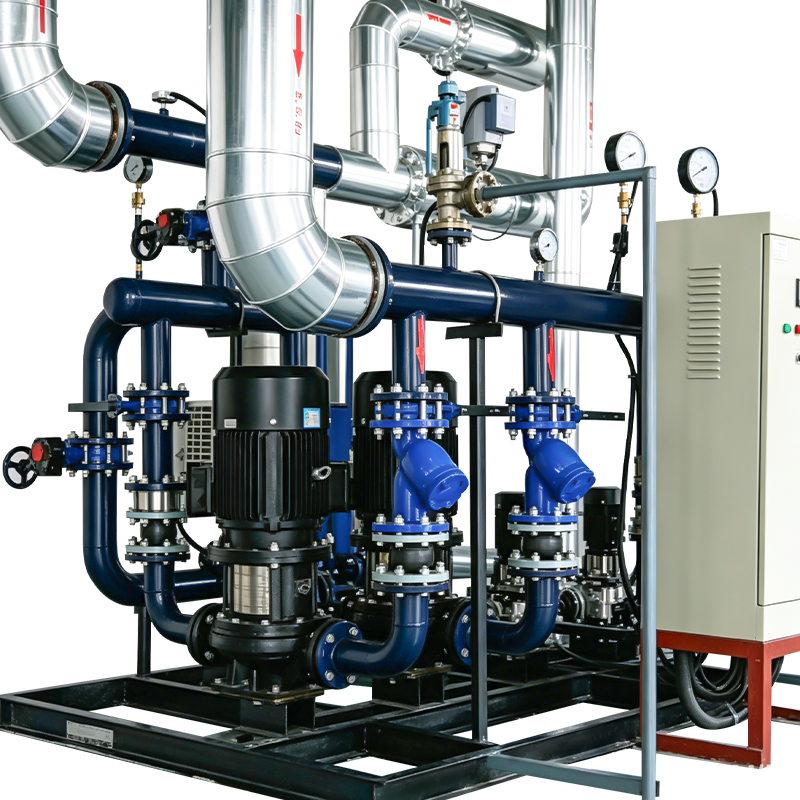 Custom Intelligent Bioprocess Heat Transfer Skid/Units Manufacturers, FactoryShiloc (Shanghai) Industrial Trading Co., Ltd. Is China Custom Intelligent Bioprocess Heat Transfer Skid/Units Manufacturers, Factory, Th...View Product →
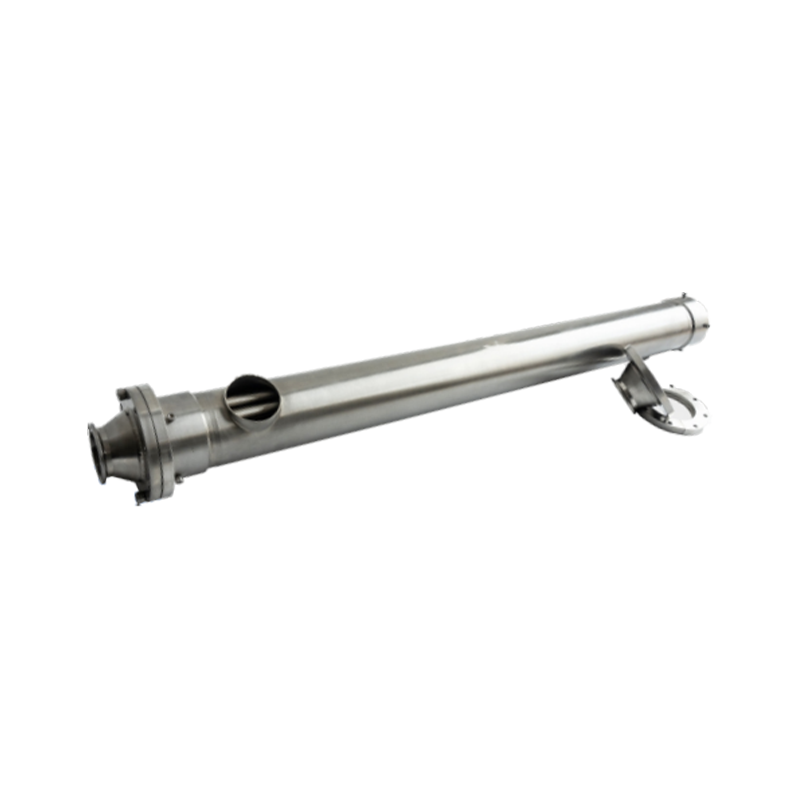
For applications where temperature must be held with tight tolerance, such as maintaining a harvest vessel at 4 °C or controlling a bioreactor jacket at 37 °C, the precision temperature control unit for biopharma provides responsive, stable control. This type of module matters when facility heating and cooling water alone cannot maintain process temperatures independently of utility fluctuations.
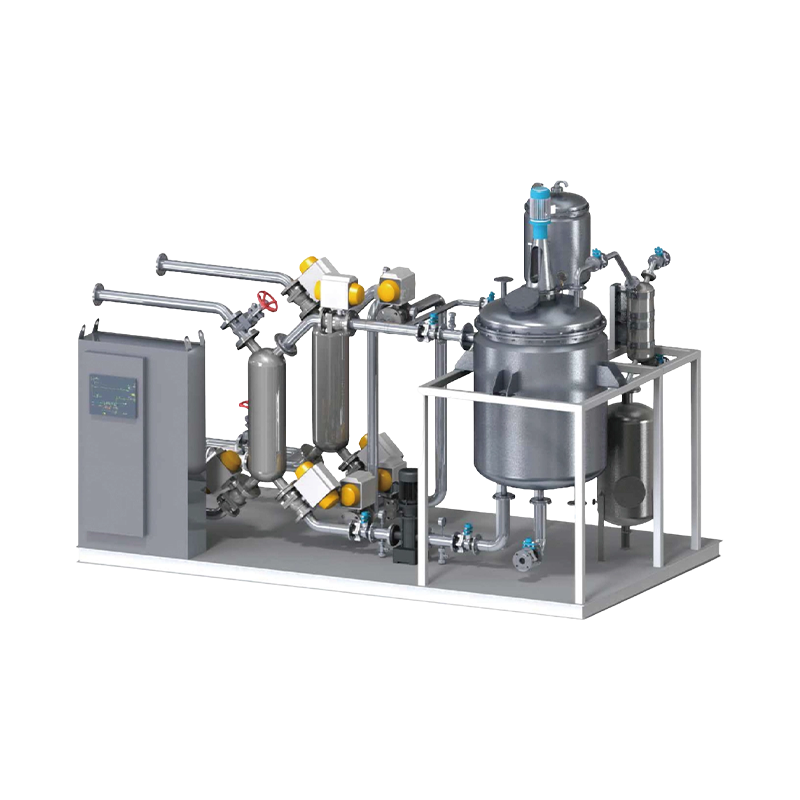 Custom Precision Temperature Control Unit (TCU) For Biopharma Manufacturers, FacShiloc (Shanghai) Industrial Trading Co., Ltd. Is China Custom Precision Temperature Control Unit (TCU) For Biopharma Manufacturers, Fact...View Product →
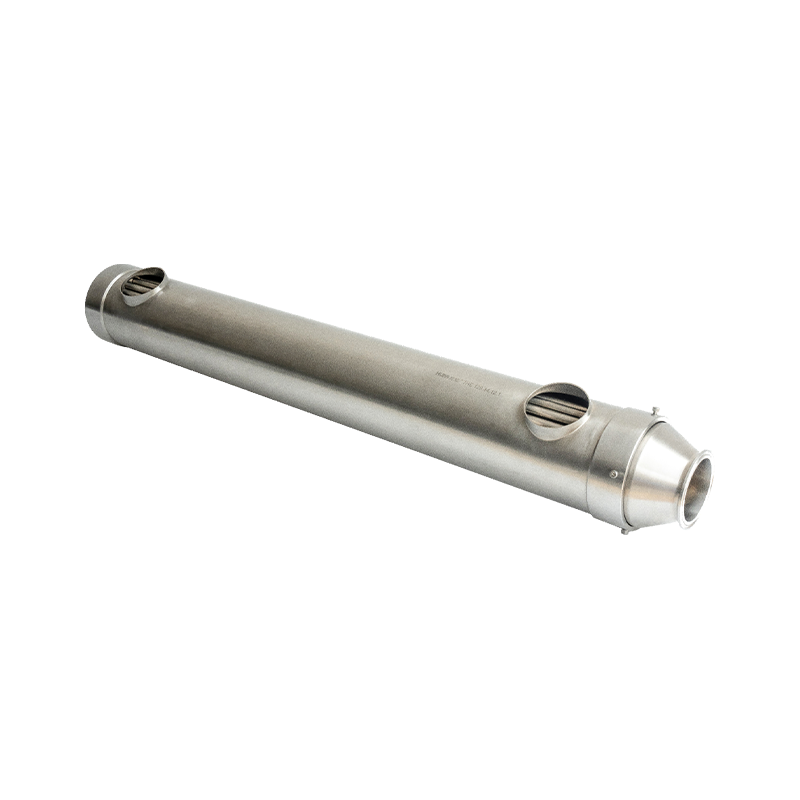
For heat exchange in a closed aseptic loop, the sanitary capillary heat exchanger is worth evaluating. Its narrow channels achieve effective heat transfer at low flow rates, which minimizes product hold-up and reduces the risk of overheating valuable, shear-sensitive media.
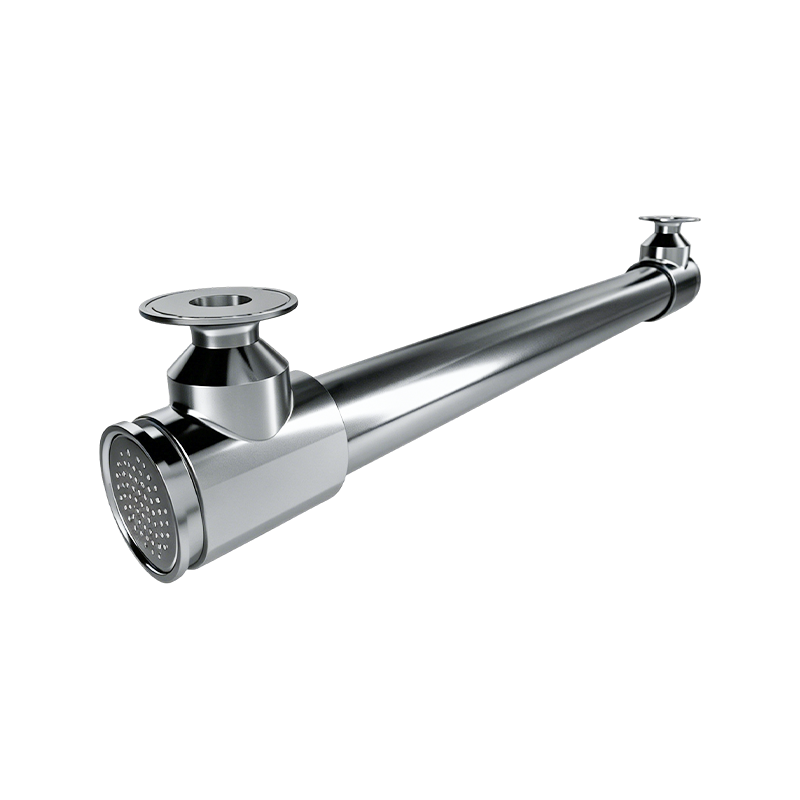 Custom Sanitary Capillary Heat Exchanger Manufacturers, FactoryShiloc (Shanghai) Industrial Trading Co., Ltd. Is China Custom Sanitary Capillary Heat Exchanger Manufacturers, Factory, The Sanitary Cap...View Product →
Fluid Handling and Media Preparation
Many cell culture skids include fluid handling functions beyond heat transfer. A media preparation skid typically contains a mixing tank or recirculation loop, addition ports for powders and liquids, a low-shear transfer pump, and connections for sterile filter housings. The piping layout must be self-draining, with no low points where liquid can collect. Centrifugal pumps with low-shear impellers are preferred for culture media. Positive-displacement pumps can be used for precise dosing or for viscous fluids, but they must avoid over-pressurizing filters or damaging cells and proteins.
Automation, Control, and Data Integration
Modern bioprocess skids run under PLC control, with recipe-based or sequence-based automation. In GMP settings, the automation system should support batch reports, alarm history, and electronic records that meet 21 CFR Part 11 where applicable. It should communicate with the plant's DCS or SCADA environment through a standard protocol, and it should include interlocks that prevent unsafe operation. The level of automation should be decided in the design phase, not because more automation is always better, but because the chosen level must match the plant's operating philosophy and validation capabilities.
Materials and Sanitary Design Requirements
Product-contact parts are almost always 316L stainless steel with a surface finish of Ra ≤ 0.4 µm, and electropolishing on wetted surfaces where required. Welds should be fully penetrated, free of crevices, and documented in a weld map that traces each weld to a welder qualification and inspection record. Process connections should use hygienic clamp fittings or similar designs that allow disassembly for inspection. Dead legs must be minimized; where unavoidable, they should be short and validated for their flushing and steaming behavior.
Diaphragm valves with radial or weir designs are common because they offer clean shut-off with the diaphragm serving as the process barrier. The skid frame should be made from stainless steel with no horizontal surfaces that trap dust or fluids. Utilities such as steam, cooling water, and instrument air should be labeled and routed so that maintenance access does not require entering the product path.
Key Specifications to Define Before You Request a Quote
A bioprocess skid is designed around a process, not the other way around. Before requesting a quote, define at least the following parameters:
- Fluid characteristics: composition, viscosity, temperature sensitivity, and solids content
- Flow rates and batch volumes: minimum, normal, and maximum values
- Required temperature ranges and heating or cooling ramp rates
- Process connections: port sizes, fitting types, and utility specifications
- Cleanability and sterilization requirements: CIP temperatures, SIP cycles, and pressure ratings
- Space constraints: footprint, height, and access requirements for maintenance
- Documentation requirements: material certificates, weld maps, hydrostatic test reports, and FAT/SAT protocols
Clear process definition lets the supplier deliver a skid that fits the operation rather than a compromise that costs time and money during installation. It also helps compare proposals on the same basis, because design decisions such as line sizing, exchanger duty, and control accuracy are all affected by these inputs.
Why Supplier Experience Matters for Cell Culture Skids
Purchasing a bioprocess skid is not like purchasing a pump. Cell culture processes demand experience in aseptic design, thermal performance, and the validation lifecycle. A supplier familiar with biopharma can flag issues such as insufficient drainage slopes, dead-leg traps, condensate removal, or control interactions that a general fabricator may miss. Ask prospective suppliers for reference installations in cell culture or similar aseptic processes, and ask about their in-house capability for P&ID development, control design, and documentation.
Shiloc positions itself as an engineering-oriented supplier grounded in European technology, offering integrated skids and a broader biopharmaceutical process equipment portfolio. For projects that require European-style engineering documentation, factory acceptance testing participation, and commissioning support, the company can act as a single accountable partner.
Conclusion
Bioprocess skids turn the support systems of cell culture into a managed, validated asset. Instead of assembling heat exchangers, pumps, valves, and controllers in the plant, you receive a pre-engineered unit that matches your process, arrives tested, and comes with documentation you can use for validation. The keys to a successful purchase are simple: define the process precisely, inspect the sanitary design, and select a supplier with real bioprocess engineering experience.
Start by specifying the thermal and hydraulic duty, check the material and weld quality, and confirm that the documentation package supports your validation plan. If those parts are right, the skid will deliver value across many batches, not just at start-up. For a closer look at how integrated skids fit into modern bioprocess manufacturing, read our guide to bioprocess integrated skids in modern manufacturing, or contact our process engineering team to discuss your cell culture application.
PREV:Bioprocess Skid Engineering and Fabrication Services Explained | Shiloc
NEXT:Automatic UHT Sterilizer: Key Temperature & Process Control Requirements
NEXT:Automatic UHT Sterilizer: Key Temperature & Process Control Requirements
Interested in cooperation or have questions?
Recommended LINS
✦
CIP Skid System for Food Industry
Food and Beverage Process System
food and beverage process skid system
hygienic process skid for food industry
CIP process skid system for food industry
automated process skid system for food processing
Automatic UHT Sterilizer for Milk
UHT Sterilizer for Fruit Juice
UHT Processing System for Dairy Products
UHT Processing Equipment for Plant Based Milk
Let'S Work Together Welcome Aboard!
-

haikexin@haikexin.com
+8613391278930
-
 +86-21-57560276
-
 No. 2819, Sihu Road,Fengxian District, Shanghai, China
Join Our Mailing List
Copyright © Shiloc (Shanghai) Industrial Trading Co., Ltd. All Rights Reserved.
Process Systems & Equipment For Food & Biopharma Manufacturers
