

 English
 русский
 Português
 Français



How Do Double-pipe/Multi-tube Heat Exchangers Become an Efficient Solution for Industrial Heat Exchange?
In modern industrial production, thermal management efficiency directly impacts a company's production costs, equipment performance, and environmental performance. Whether in chemical, pharmaceutical, food processing, energy, oil and gas, or emerging new energy industries, efficient, safe, and stable heat exchange equipment is a crucial component for ensuring continuous production.
Among various types of heat exchange equipment, double-pipe/multi-tube heat exchangers, with their flexible structure, high pressure resistance, convenient maintenance, and adaptability to complex operating conditions, are gradually becoming the ideal choice for many industrial applications.
What is a Double-pipe/Multi-tube Heat Exchanger?
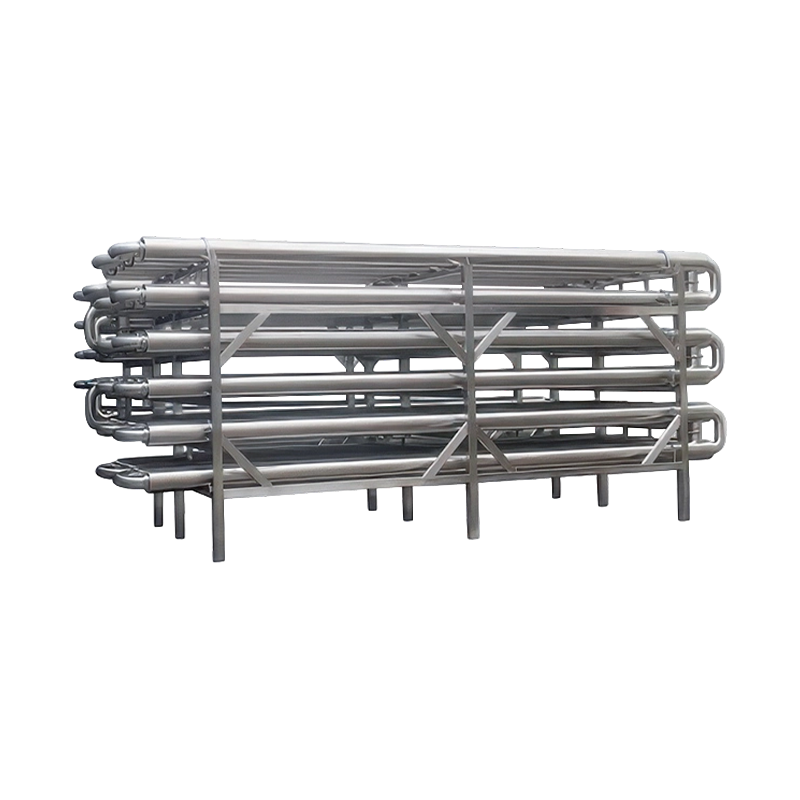
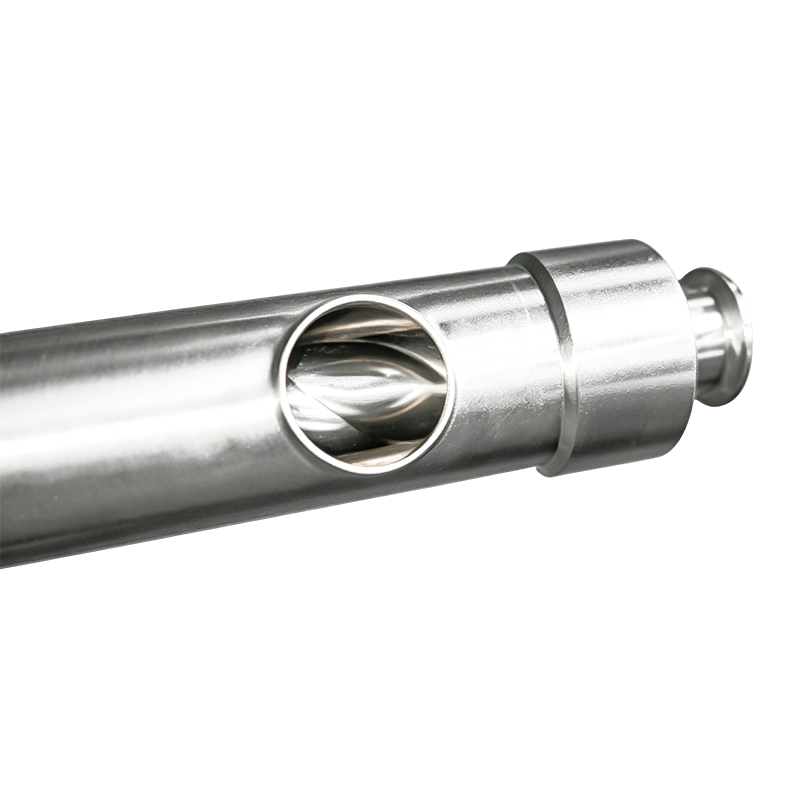
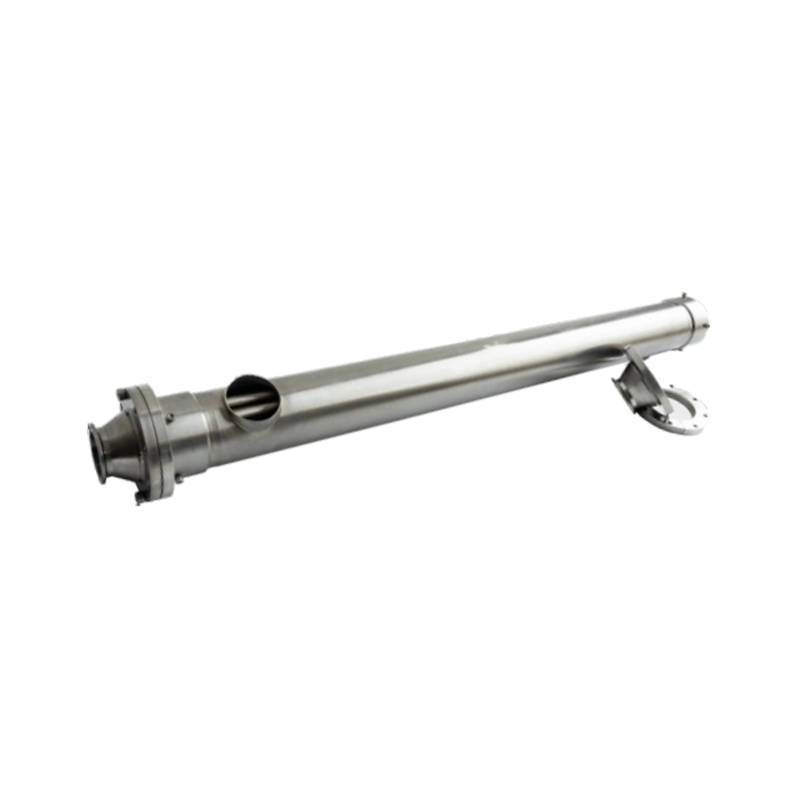
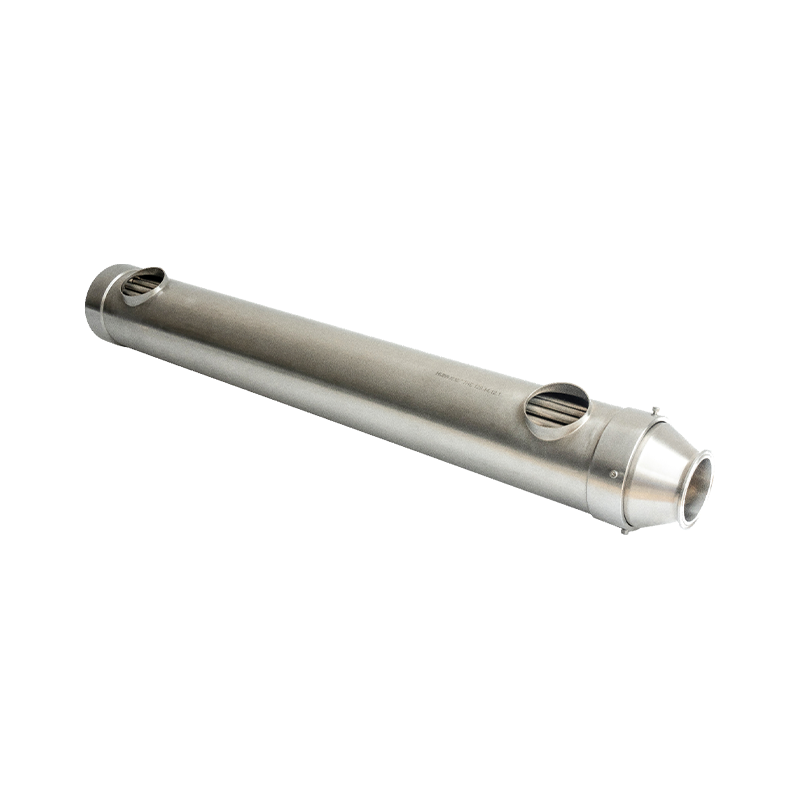
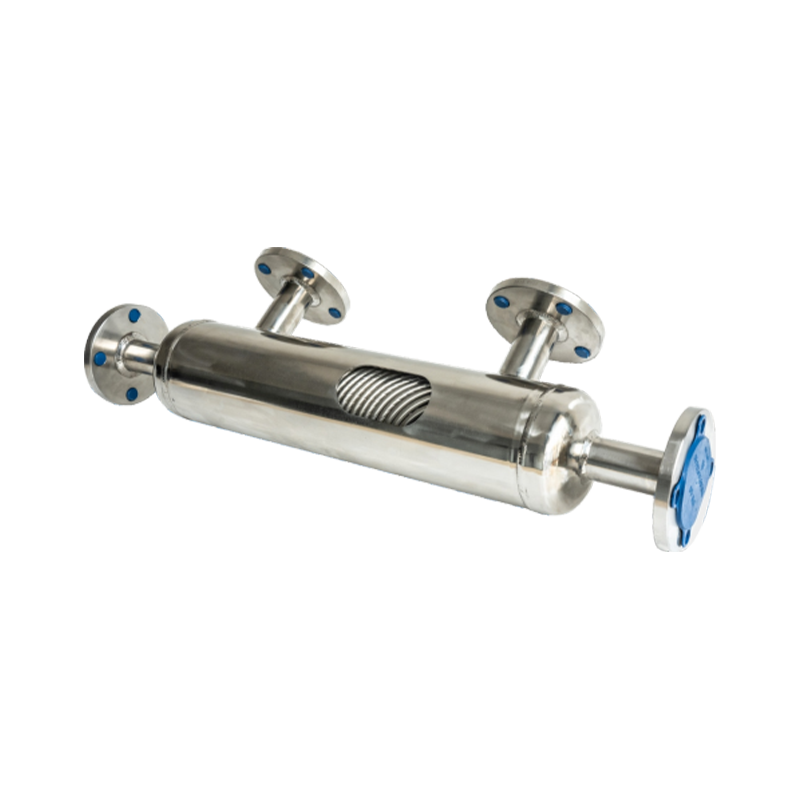
A double-pipe heat exchanger is a classic tubular heat exchange device. Its basic structure consists of an inner tube and an outer tube. Two fluids at different temperatures flow in the inner tube and an annular space, respectively, exchanging heat through the tube walls.
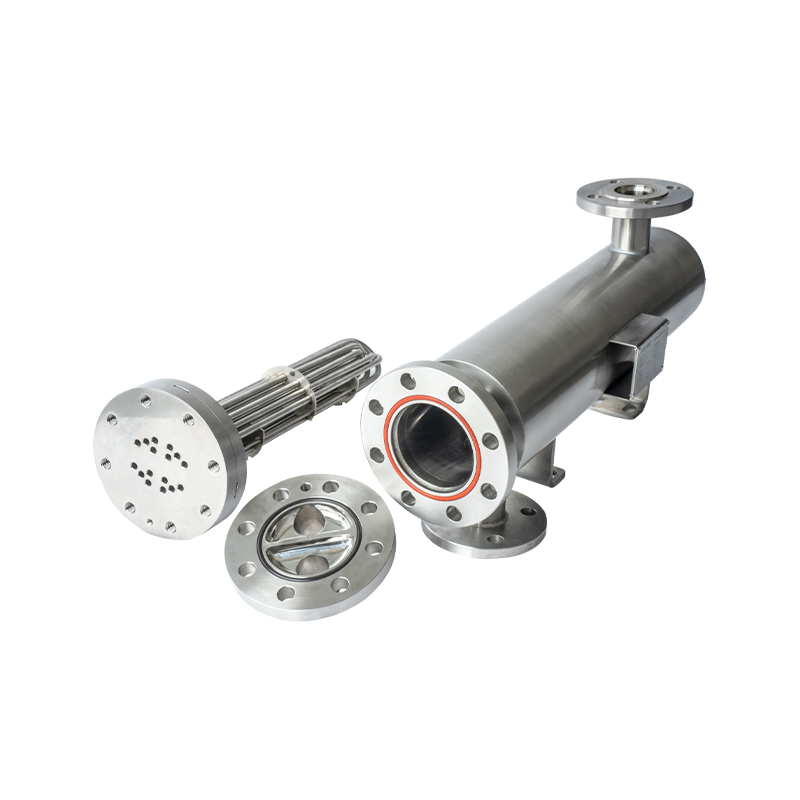
Multi-tube heat exchangers are an upgraded design based on the double-tube structure. By adding multiple heat exchange tubes, they increase the heat exchange area and processing capacity, enabling the equipment to meet the demands of larger flow rates and higher efficiency in industrial applications.
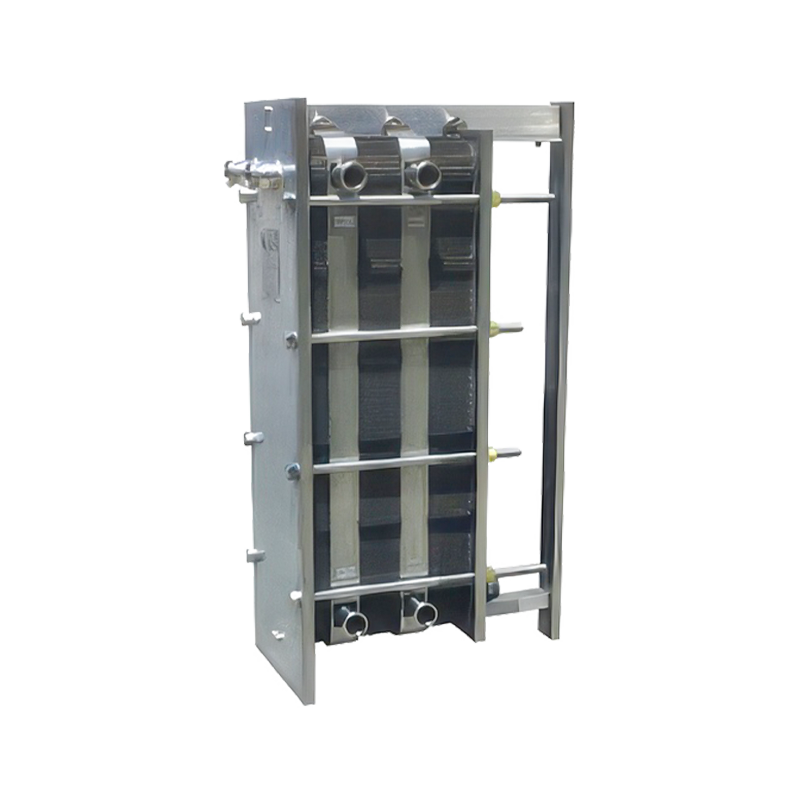
Compared to traditional plate heat exchangers, double-pipe/multi-tube heat exchangers offer stronger pressure resistance and wider media adaptability; compared to large shell-and-tube heat exchangers, they have a more compact structure and are more flexible in installation and maintenance.
This makes double-pipe/multi-tube heat exchangers an important equipment choice for small and medium-sized industrial systems, special processes, and high-reliability heat exchange scenarios.
What are the Core Advantages of Double-pipe/Multi-tube Heat Exchangers?
1. Reliable Structure, Adaptable to High-pressure and High-temperature Environments
Heat exchange processes in industrial production often involve high-temperature, high-pressure, or corrosive media, placing high demands on equipment materials and structural design.
The Double-pipe/Multi-tube Heat Exchanger uses metal tube walls as the heat transfer interface. Its simple structure offers high strength, and various materials such as stainless steel, carbon steel, and titanium alloys can be selected to meet the operational requirements of different media environments.
Especially in fields such as chemical reactions, steam condensation, and oil heating, this type of heat exchanger can maintain long-term stable operation, reducing the risk of equipment failure.
2. High Heat Exchange Efficiency, Supports Flexible Customization
Heat exchange efficiency is a crucial indicator of heat exchange equipment performance. The Double-pipe/Multi-tube Heat Exchanger effectively improves heat transfer efficiency through optimized tube diameter, flow velocity, fluid path, and heat exchange area design.
For production environments with limited space or special process requirements, the multi-tube design can increase processing capacity by increasing the number of heat exchange tubes while maintaining a relatively compact equipment size.
This high degree of flexibility allows the Double-pipe/Multi-tube Heat Exchanger to better match different industrial processes.
3. Simple Maintenance, Reduced Long-term Operating Costs
Industrial equipment not only requires high performance but also excellent ease of maintenance.
Double-pipe/multi-tube heat exchangers have a relatively clear structure, and their internal flow channels are easy to inspect and clean. When dirt accumulates after long-term operation or maintenance is required, maintenance personnel can more easily disassemble, clean, and replace parts.
For continuous production companies, reduced downtime translates to higher production efficiency and lower operating costs.
In Which Industries Are Double-pipe/Multi-tube Heat Exchangers Primarily Used?
Due to their reliability and adaptability, these heat exchangers are widely used in multiple industrial sectors.
Chemical and Petroleum Industry
In chemical production processes, continuous heating, cooling, or heat recovery is required between different process media. Double-pipe/multi-tube heat exchangers can handle various liquids, gases, and high-temperature media, making them an important component of reaction systems and auxiliary equipment.
Food and Pharmaceutical Industry
The food and pharmaceutical industries have stringent requirements for hygiene, safety, and material stability. Stainless steel multi-tube heat exchangers meet clean production needs while achieving precise temperature control.
Energy and New Energy Sector
With ever-increasing demands for energy efficiency, heat recovery and system optimization have become key industry priorities. Double-pipe/multi-tube heat exchangers can be used in waste heat recovery, cooling systems, and energy conversion equipment to improve overall energy utilization.
HVAC and Industrial Cooling Systems
These heat exchangers also play a crucial role in industrial cooling, air conditioning systems, and thermal management equipment due to their compact design and stable performance.
How to Choose the Right Double-pipe/Multi-tube Heat Exchanger for Your Business Needs?
Choosing the right heat exchanger is not simply a matter of comparing prices; it requires a comprehensive consideration of actual operating conditions.
First, the properties of the medium need to be clearly defined, including fluid type, corrosiveness, viscosity, and whether it contains particulate matter. Second, operating parameters need to be determined, such as:
Inlet and outlet temperatures;
Operating pressure;
Flow rate requirements;
Required heat exchange capacity;
Installation space limitations.
Furthermore, the manufacturer's technical capabilities and supply chain service capabilities are equally important. Professional equipment suppliers not only provide products but also offer design support and engineering solutions tailored to customer process requirements.
How Does Shiloc Provide Professional Heat Exchange Equipment and International Trade Services?
As a company specializing in international trade and engineering services, Shiloc (Shanghai) Industrial Trade Co., Ltd. is committed to providing high-quality industrial products and comprehensive solutions to global clients.
As a Chinese manufacturer of double-pipe/multi-tube heat exchangers and a factory producing custom double-pipe/multi-tube heat exchangers, Shiloc emphasizes product quality, technical compatibility, and responsiveness to customer needs.
To meet the complex procurement needs of clients in different countries and regions, the company has an experienced import and export agency team that can provide comprehensive international trade solutions, including product consultation, supply chain coordination, technical communication, and export service support.
With its expertise, efficient service, and deep understanding of industrial product application needs, Shiloc strives to be a trusted international trade partner for its clients, helping them more efficiently obtain the double-pipe/multi-tube heat exchanger products and engineering support that meet their requirements.
FAQ: Frequently Asked Questions about Double-pipe/Multi-tube Heat Exchangers
Q1: What is the difference between a Double-pipe Heat Exchanger and a Multi-tube Heat Exchanger?
A: A Double-pipe Heat Exchanger uses an inner and outer dual-tube structure, suitable for small to medium flow rates and simple heat exchange needs; a Multi-tube Heat Exchanger, by adding multiple heat exchange tubes, increases the heat exchange area and processing capacity, making it more suitable for large-scale or high-efficiency heat exchange applications.
Q2: Can Double-pipe/Multi-tube Heat Exchangers be customized?
A: Yes. The equipment can be customized according to the customer's medium type, temperature, pressure, flow rate, and installation requirements, including material, size, structure, and heat exchange parameter design.
Q3: What media is this heat exchanger suitable for?
A: Depending on the materials and design, Double-pipe/Multi-tube Heat Exchangers can be used for a variety of industrial media, including water, oil, steam, chemical liquids, and gases.
Q4: Why Choose Shiloc as Your Supply Partner?
A: Shiloc not only provides Double-pipe/Multi-tube Heat Exchanger products, but also has a professional import and export agency team and engineering and technical service capabilities, which can help customers solve problems such as international procurement, technical communication and supply chain management.


