

 English
 русский
 Português
 Français

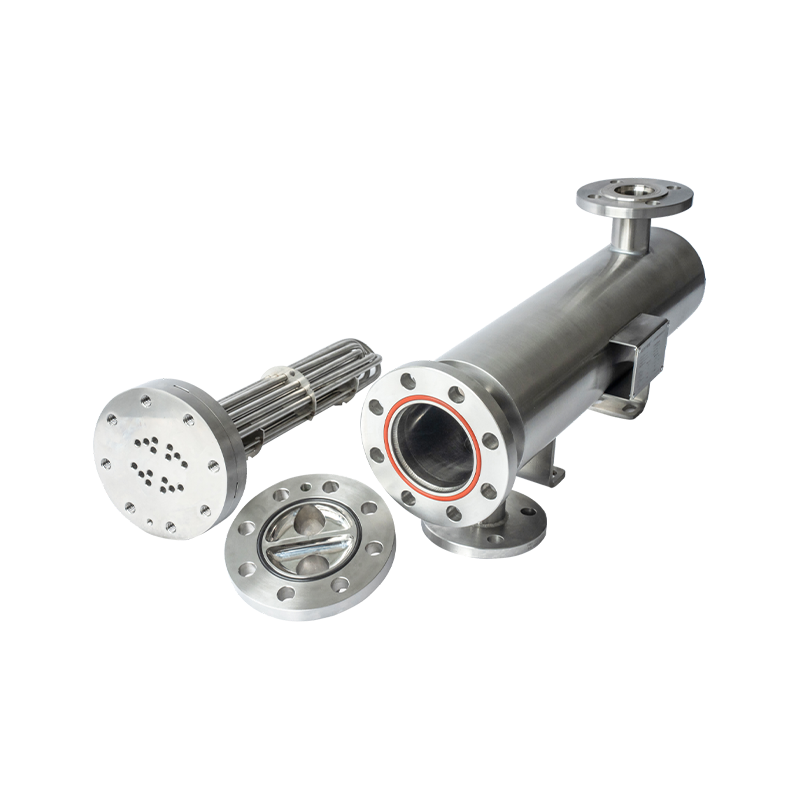
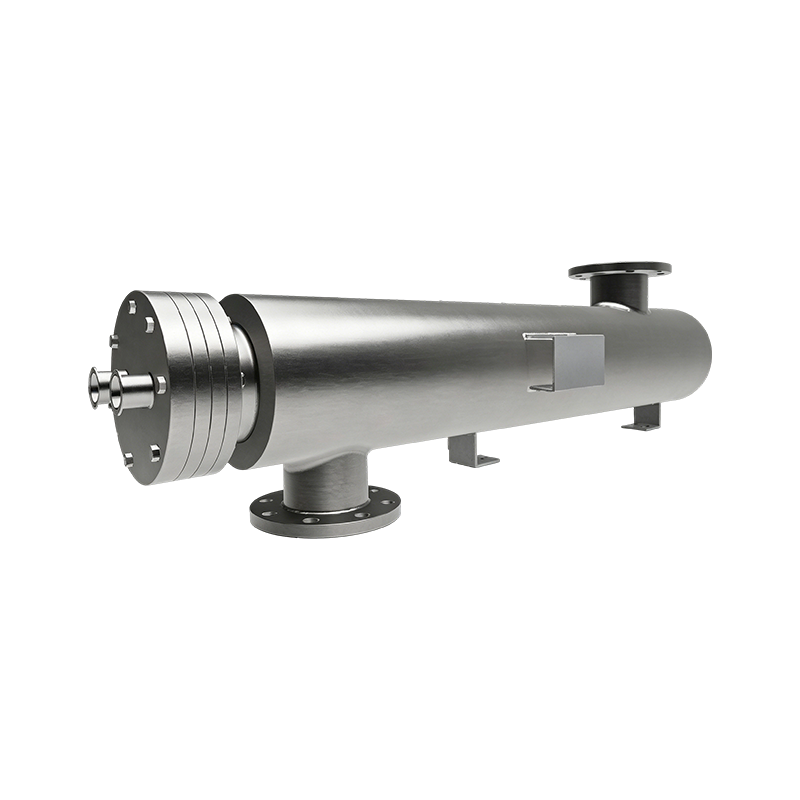
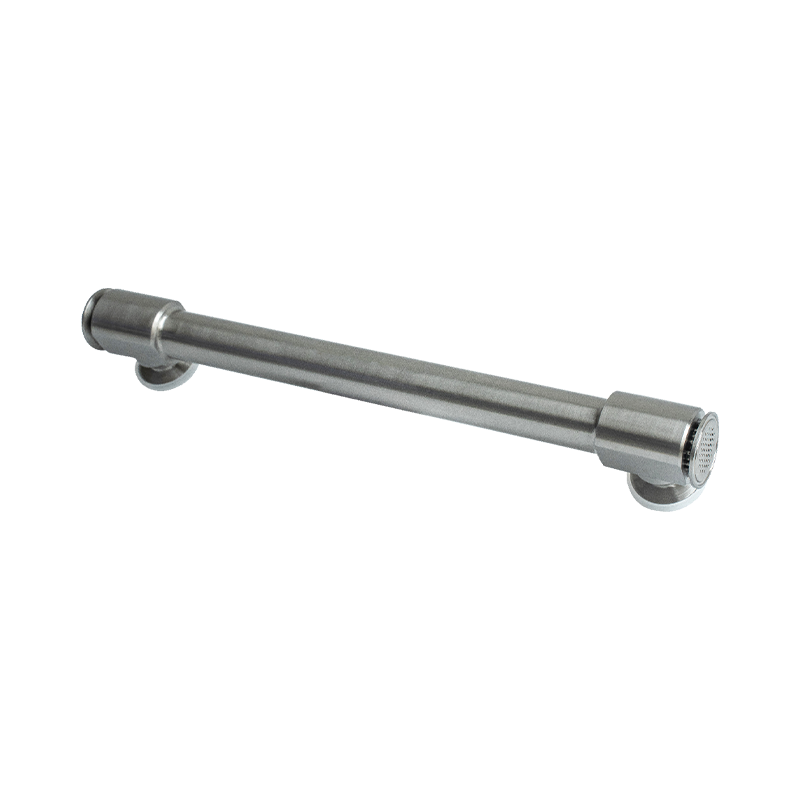


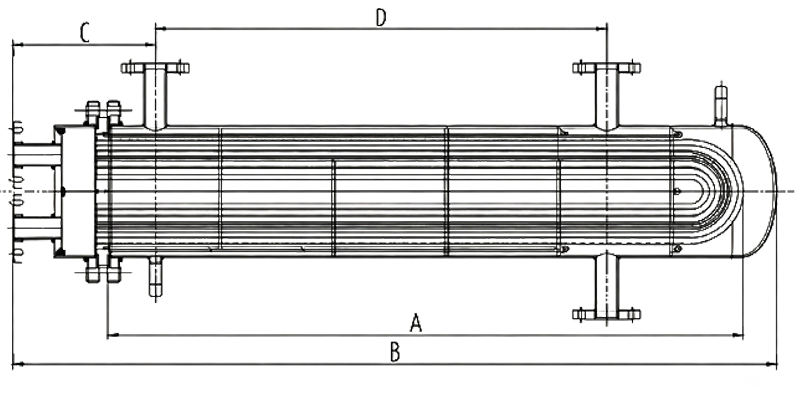
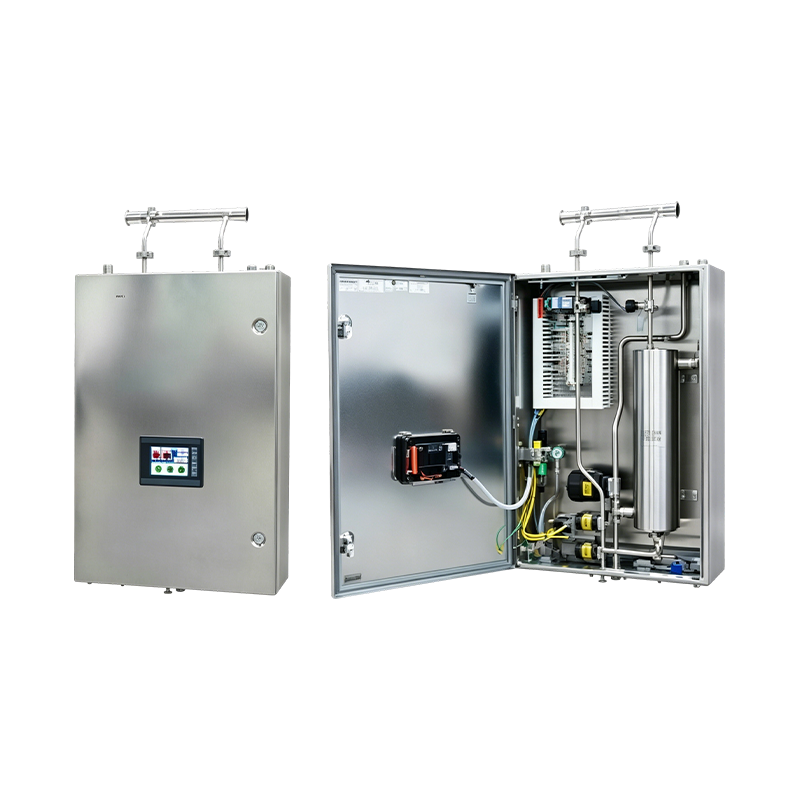
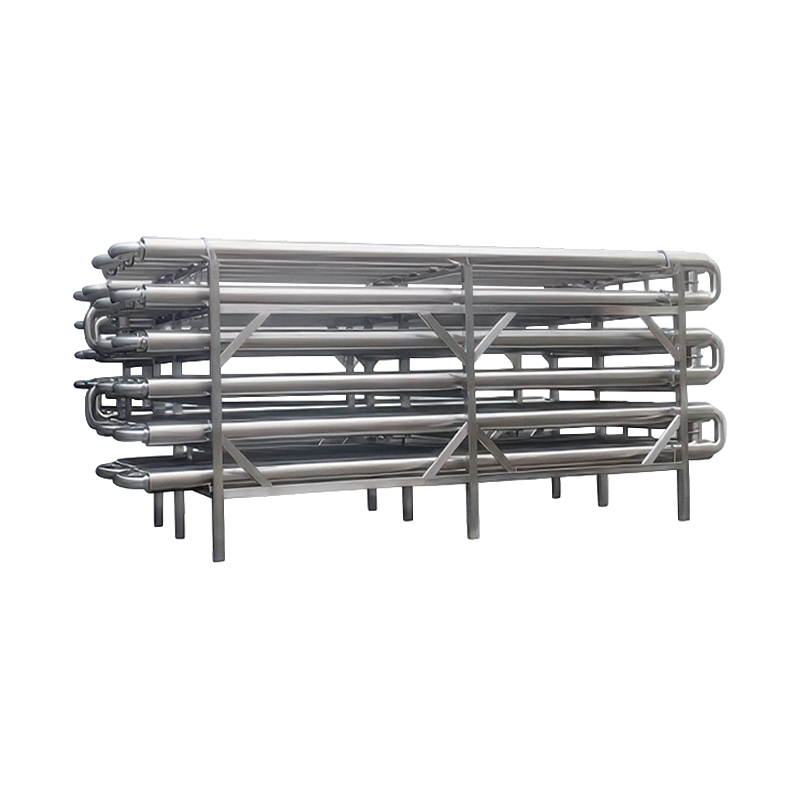
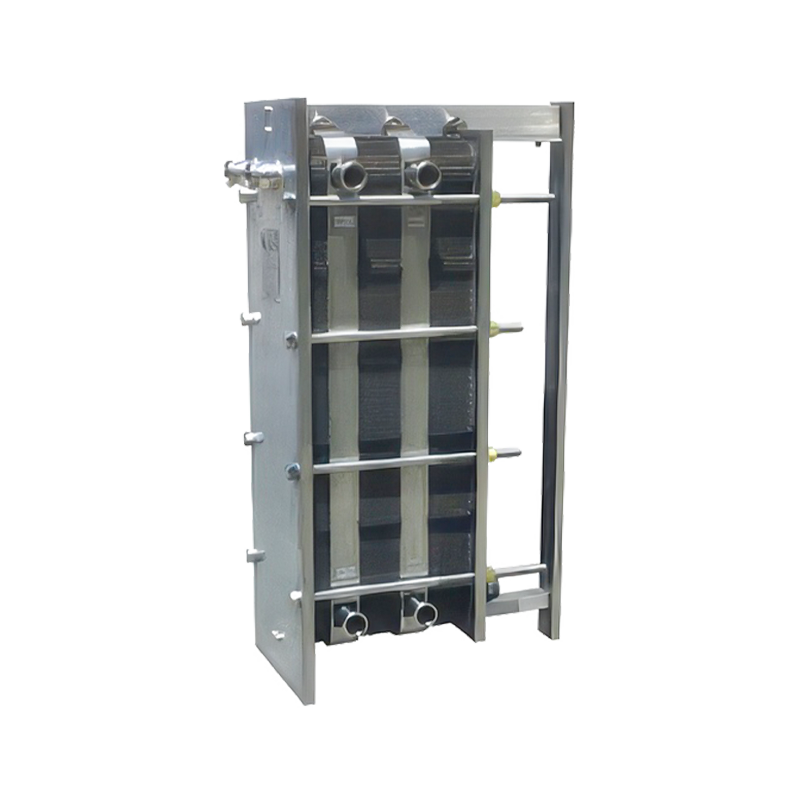
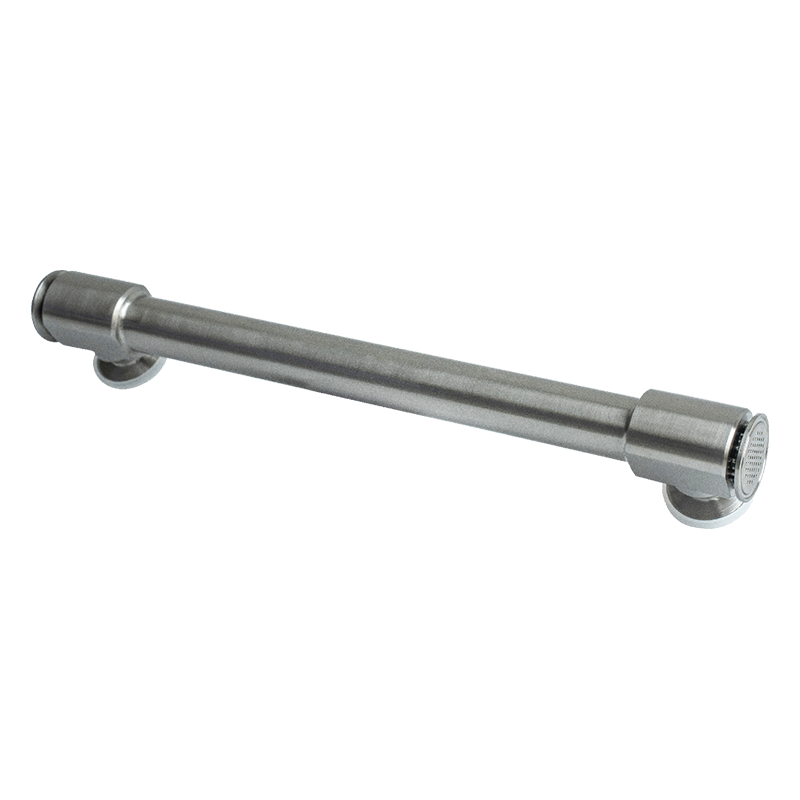
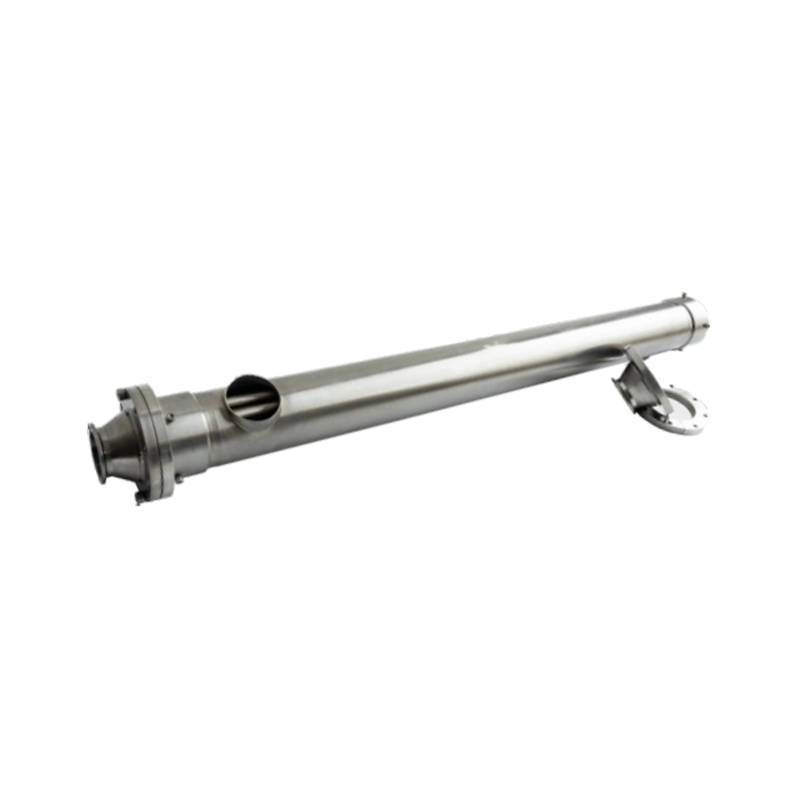
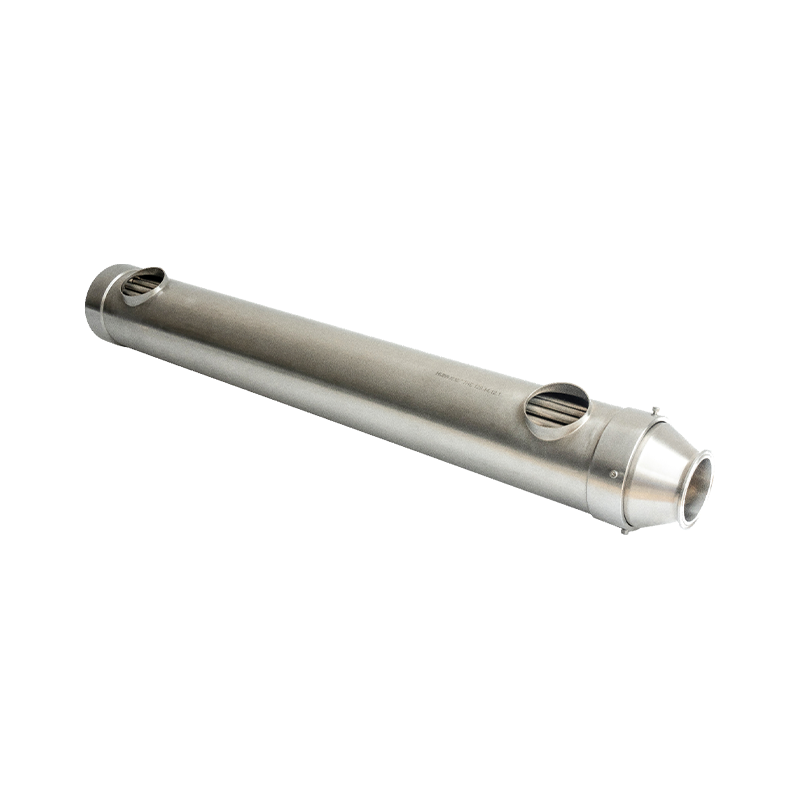
Why is the Sanitary DTS (Double Tube Sheet) Heat Exchanger redefining the standards for hygienic heat exchange equipment?
In modern industrial production, heat exchangers may seem like mere auxiliary equipment on the production line, but in reality, they often impact product stability, production continuity, and the company's quality management system. Especially in industries with extremely high requirements for hygiene, safety, and process control, a standard heat exchanger may not be able to meet increasingly stringent production demands.
Therefore, the Sanitary DTS (Double Tube Sheet) Heat Exchanger is gradually becoming a focus of attention in high-standard industrial sectors. It is not just a heat exchange device, but also represents a more reliable concept of production safety.
For companies undergoing equipment upgrades, production line renovations, or overseas projects, choosing a hygienic heat exchange solution that meets future development needs has become a crucial issue.
From "Heat Exchange Efficiency" to "Production Safety," Companies Are Demanding New Requirements for Equipment
In the past, companies typically focused on heat exchange area, heat transfer efficiency, and equipment price when selecting heat exchangers. However, with increasing industry competition and rising quality standards, the safety risks during equipment operation are receiving more and more attention.
In continuous production environments, any abnormal mixing of media, internal equipment contamination, or production downtime can lead to economic losses. Therefore, high-end manufacturing companies are increasingly focusing on whether equipment structure can mitigate risk, rather than simply fulfilling basic functions.
The Sanitary DTS Heat Exchanger was developed to meet this need.
By employing a Double Tube Sheet structure, this equipment adds an extra safety barrier at the design level, providing more reliable isolation and protection between different media. This structural concept is particularly suitable for production processes where contamination risks are unacceptable.
The DTS Double Tube Sheet Design Offers Not Only Protection but Also Long-Term Stability
The core value of the sanitary double tube sheet heat exchanger lies not merely in adding a tube sheet, but in establishing a more comprehensive safety control system within the equipment.
During long-term operation, the heat exchange tube connection area may be affected by factors such as pressure changes, temperature cycling, and material fatigue. The double tube sheet structure helps companies detect potential anomalies earlier and reduce maintenance costs once problems escalate.
For manufacturing companies, this means:
More controllable equipment operation;
More stable production plans;
Easier quality management;
More efficient maintenance processes.
Especially in modern factories with increasingly higher levels of automation, equipment reliability has become a crucial factor affecting overall production efficiency.
Why Is Customization Becoming the Development Direction for Sanitary DTS Heat Exchangers?
Different companies have significantly different production processes, media characteristics, and site conditions, making it increasingly difficult for "one-size-fits-all" equipment solutions to meet actual needs.
For example, even for sanitary heat exchange applications, different customers may face different temperature ranges, pressure conditions, flow requirements, and installation space limitations.
Therefore, professional Sanitary DTS Heat Exchanger manufacturers typically need to adjust the design according to project requirements, including matching heat exchange capacity, material selection, interface configuration, and overall structural optimization.
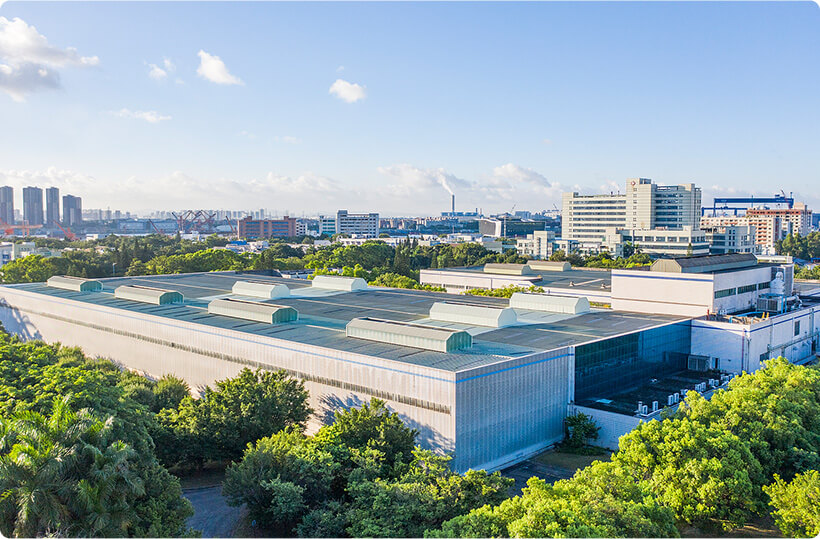
As a Custom Sanitary DTS (Double Tube Sheet) Heat Exchanger Factory, Shiloc (Shanghai) Industrial Trade Co., Ltd. focuses on providing matching solutions based on the actual project needs of customers, rather than simply providing standardized products.
How Can China's Manufacturing Supply Chain Help Global Customers Reduce Procurement Difficulties?
For overseas customers, procuring industrial equipment involves not only the product itself but also multiple stages such as technical verification, supplier communication, quality coordination, and international logistics.
Many companies don't face the problem of not being able to find equipment, but rather the lack of a partner who understands their technical needs and can coordinate the supply chain.
Shiloc (Shanghai) Industrial Trade Co., Ltd. provides customers with a smoother procurement experience through its professional international trade services. The company has an experienced import and export agency team that can help customers handle process coordination issues in cross-border procurement and, combined with engineering and technical service capabilities, provide customers with more comprehensive solutions.
From product consultation to project cooperation, Shiloc aims to become a trusted Chinese industrial equipment partner for global customers through professional knowledge, efficient communication, and reliable service.
How Will the Sanitary DTS Heat Exchanger Drive Future Industrial Upgrades?
As global manufacturing moves towards high quality, high safety, and intelligence, the importance of sanitary equipment will continue to increase.
Future heat exchange equipment will not only need excellent heat transfer capabilities but also need to meet higher reliability requirements, easier maintenance needs, and stricter hygiene standards.
As a high-hygiene-grade heat exchange solution, the Sanitary DTS Heat Exchanger will continue to serve industries with high production safety requirements.
For businesses, choosing the right heat exchange equipment is not just a purchase, but an investment in future production stability.
Shiloc (Shanghai) Industrial Trade Co., Ltd. will continue to leverage its strengths in international trade, engineering services, and supply chain integration to provide global customers with more professional and efficient Sanitary DTS Heat Exchanger solutions.
FAQ: Sanitary DTS (Double Tube Sheet) Heat Exchanger Frequently Asked Questions
Q1: Why is the Sanitary DTS Heat Exchanger suitable for industries with high hygiene requirements?
A: This equipment uses a double tube sheet structure design, which can improve the isolation reliability between different media and meet the application environment with high production safety requirements.
Q2: Does the Sanitary DTS Heat Exchanger support non-standard customization?
A: Yes. The equipment can be customized according to the customer's process parameters, installation environment, and production needs.
Q3: What factors should be considered when purchasing sanitary double tube sheet heat exchangers?
A: In addition to heat exchange performance, factors to consider include material grade, structural design, manufacturing capabilities, supplier technical support, and after-sales service capabilities.


