

 English
 русский
 Português
 Français


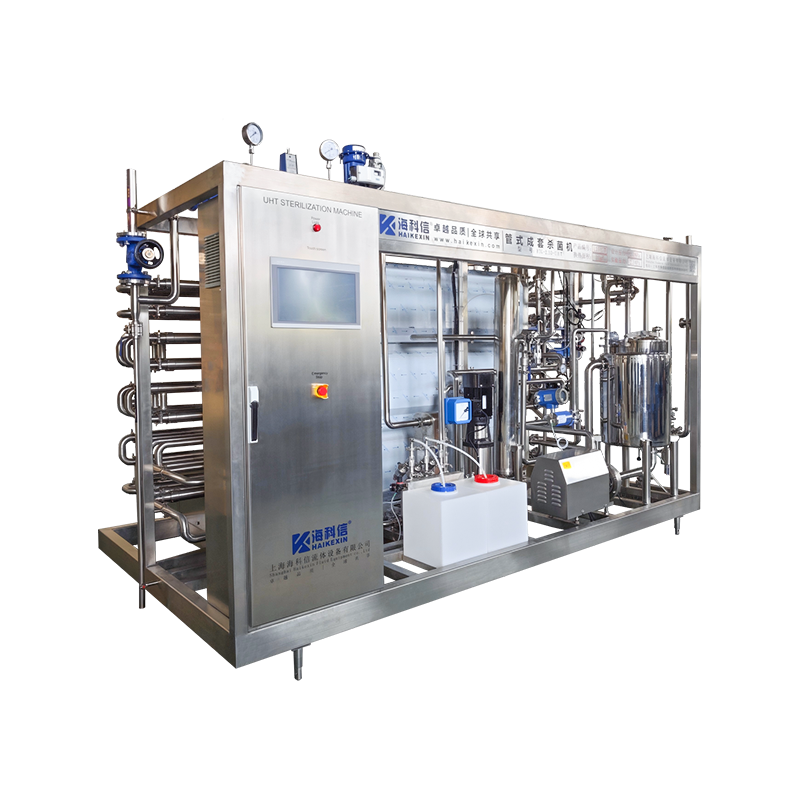
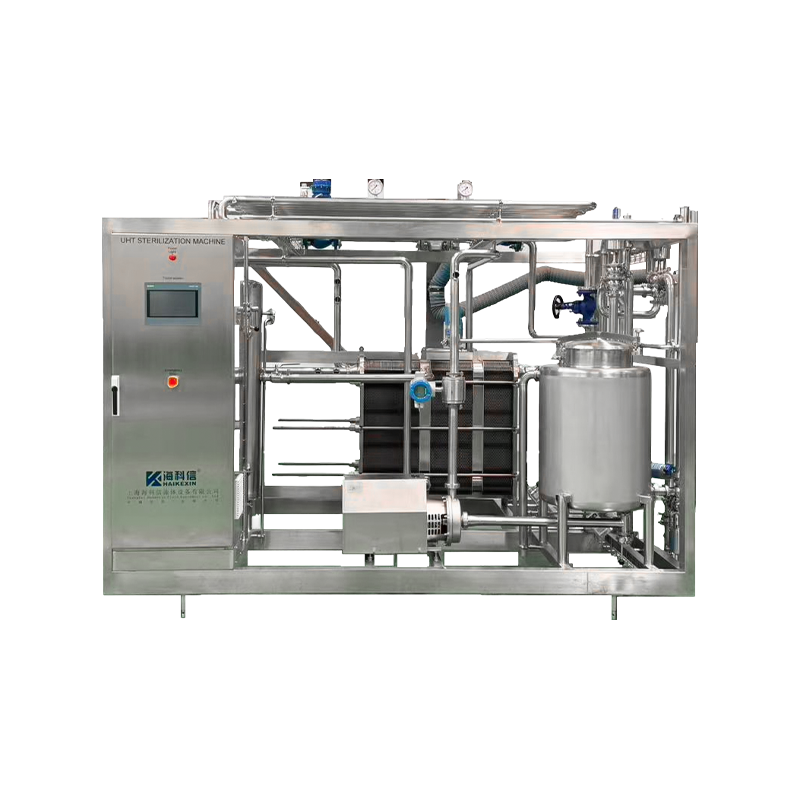
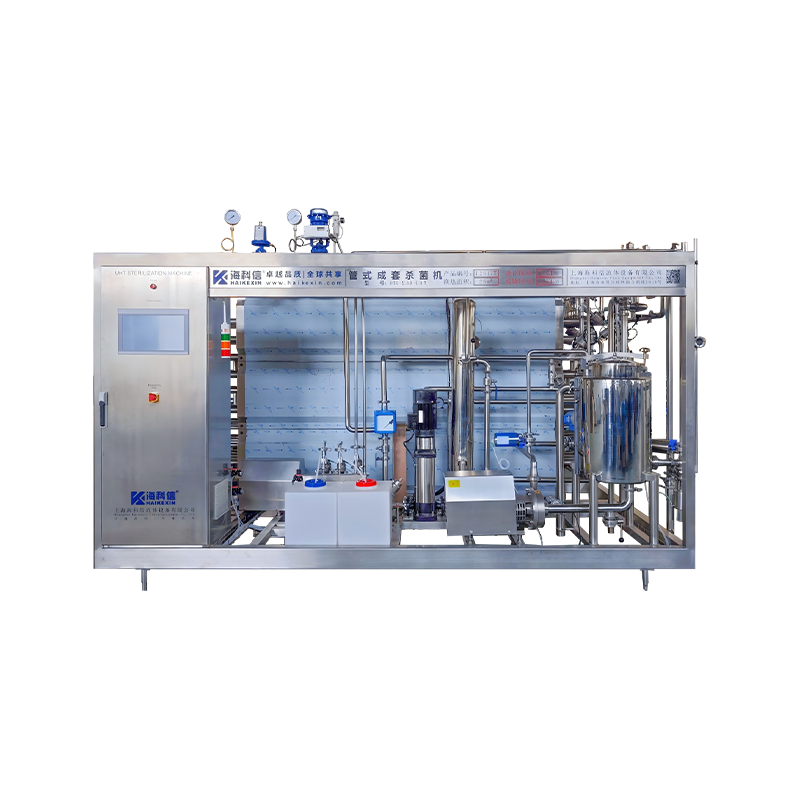
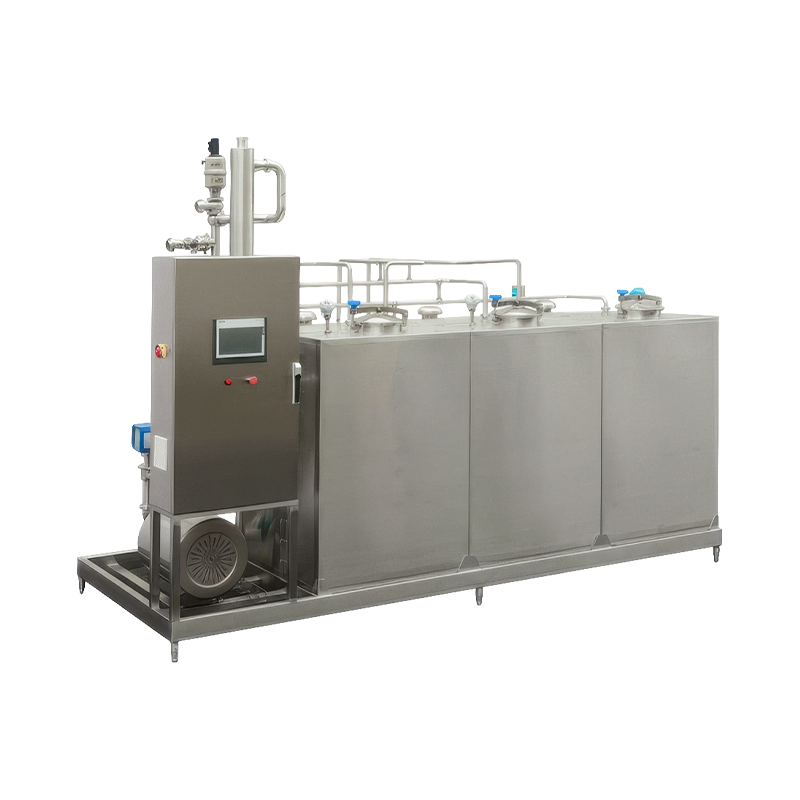
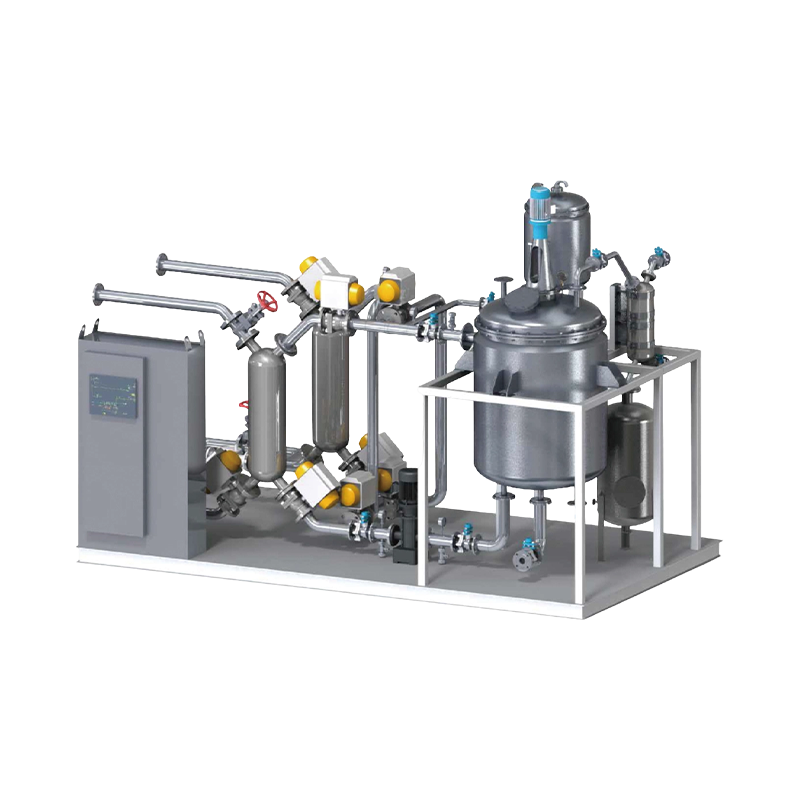
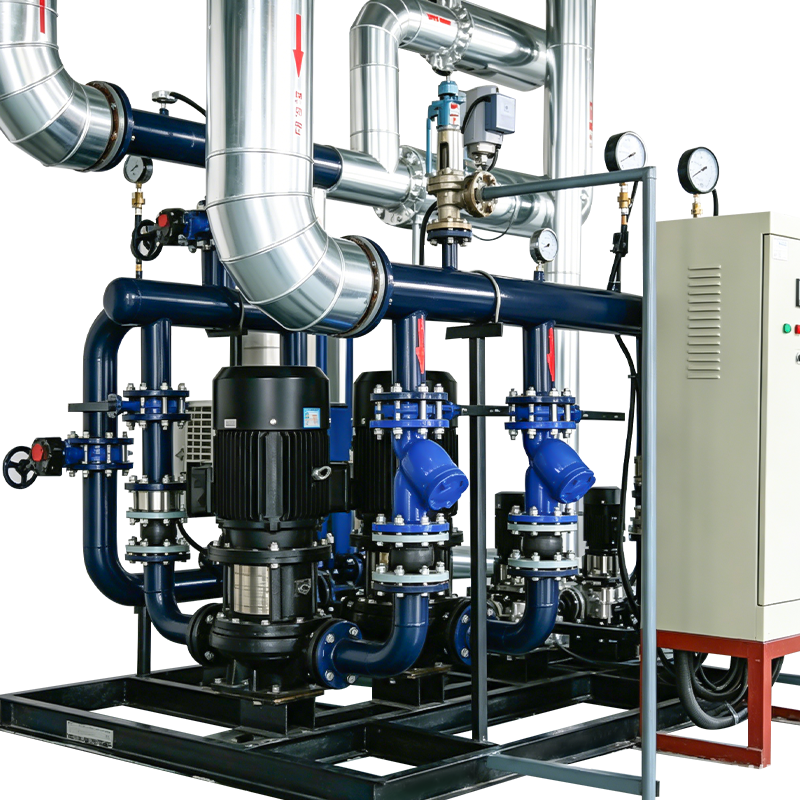
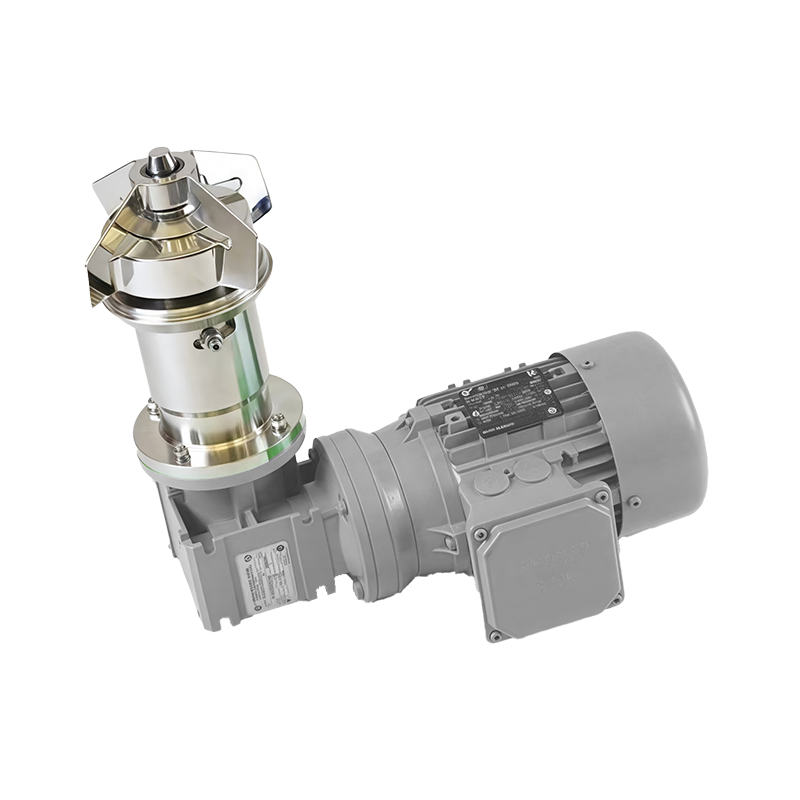
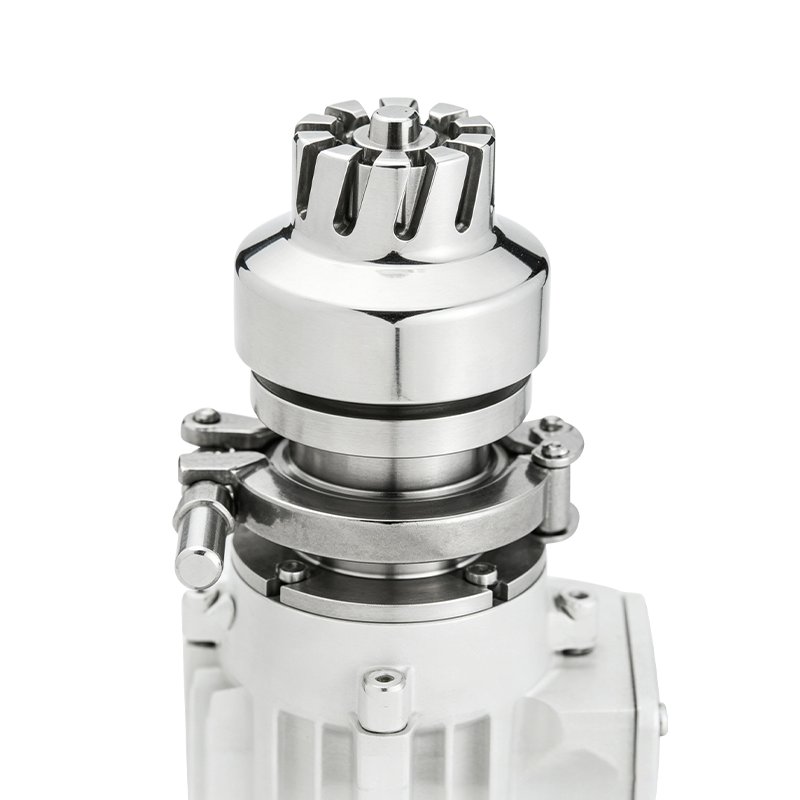
High Temperature Short Time Sterilizer
A High Temperature Short Time (HTST) Sterilizer is designed to heat liquid food products to a specified elevated temperature for a controlled holding period, followed by rapid cooling. The system supports continuous thermal processing for products that require defined time-temperature treatment.
Controlled Heat Treatment Within a Continuous Production Process
HTST sterilization equipment applies a defined thermal process to liquid or pumpable food products. Product is transferred through a heating section, brought to the target temperature, maintained under specified holding conditions, and then cooled before downstream processing.
The HTST approach uses a relatively high processing temperature combined with a short holding period. The actual temperature and time requirements are product-specific and must be established through appropriate process design and validation. They depend on formulation, acidity, viscosity, microbial targets, packaging conditions, and the intended product shelf life.
Understanding the HTST Processing Principle
HTST equipment coordinates thermal intensity and residence time. The objective is to deliver the required treatment throughout the product flow while controlling product quality and process consistency.
Illustrative process profile only. Actual temperature, holding time, heating rate, and cooling conditions must be determined for the specific product and validated process.
Temperature Increase
Product passes through a heating section until it reaches the specified processing temperature.
Short-Time Holding
The holding section provides the required residence time under controlled flow conditions.
Rapid Cooling
Product temperature is reduced to the required outlet condition for subsequent handling or filling.
Equipment Components and Their Functions
The complete equipment arrangement is selected according to the product, required processing conditions, production capacity, and downstream packaging method.
Product Balance Tank
Receives prepared product and provides a controlled supply to the processing line. Tank capacity, level control, and inlet arrangements are determined by production requirements.
Feed Pump and Flow Control
Transfers product through the system at the required operating rate. Pump selection considers viscosity, product composition, pressure conditions, and flow stability.
Heating Heat Exchanger
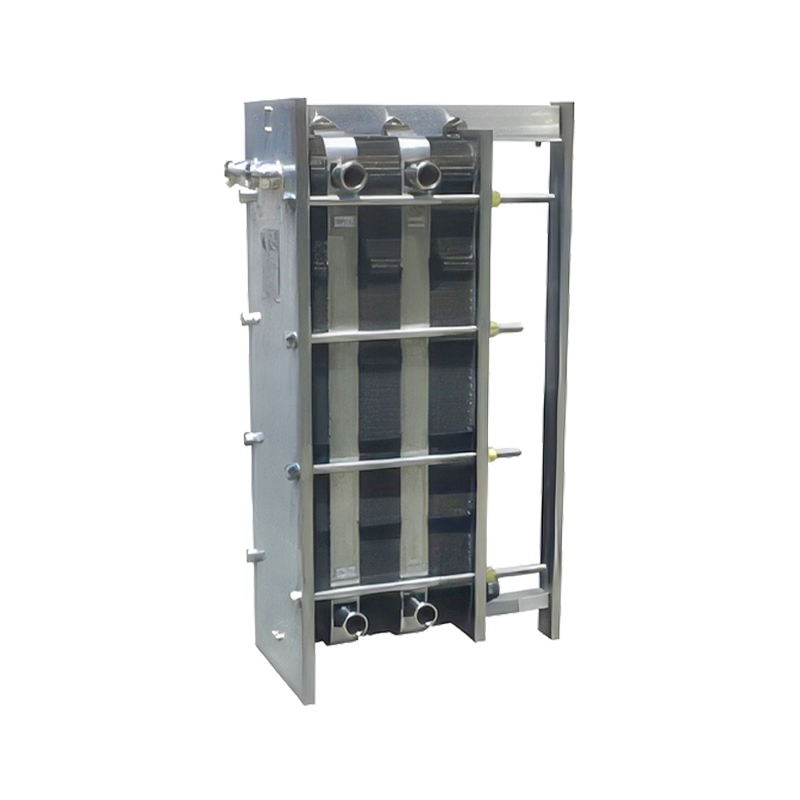
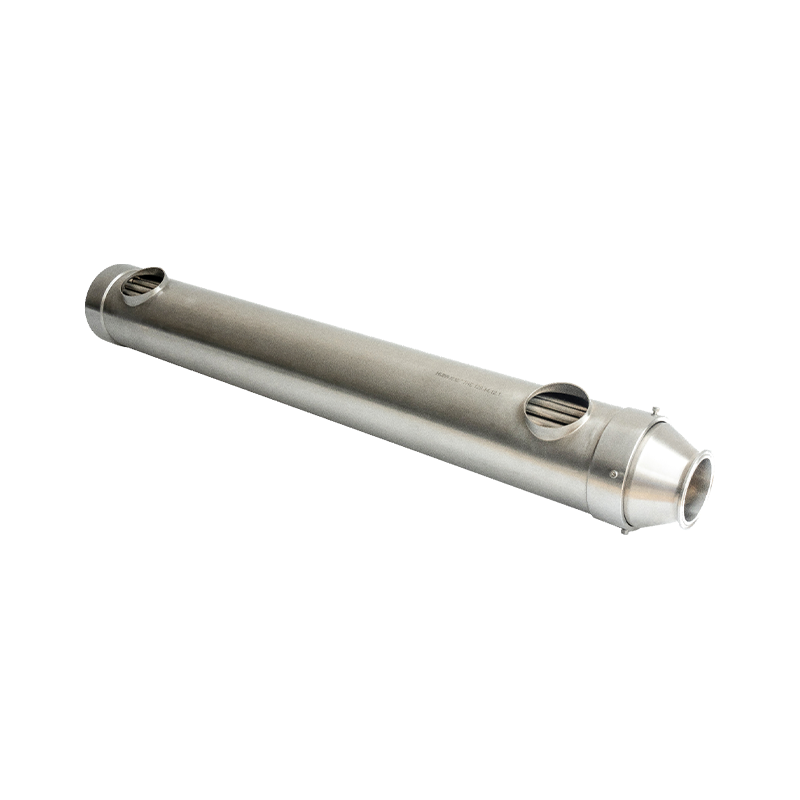
Raises product temperature using the selected heating medium. Plate or tubular exchanger arrangements can be evaluated according to product properties and heat transfer requirements.
Holding Tube Assembly
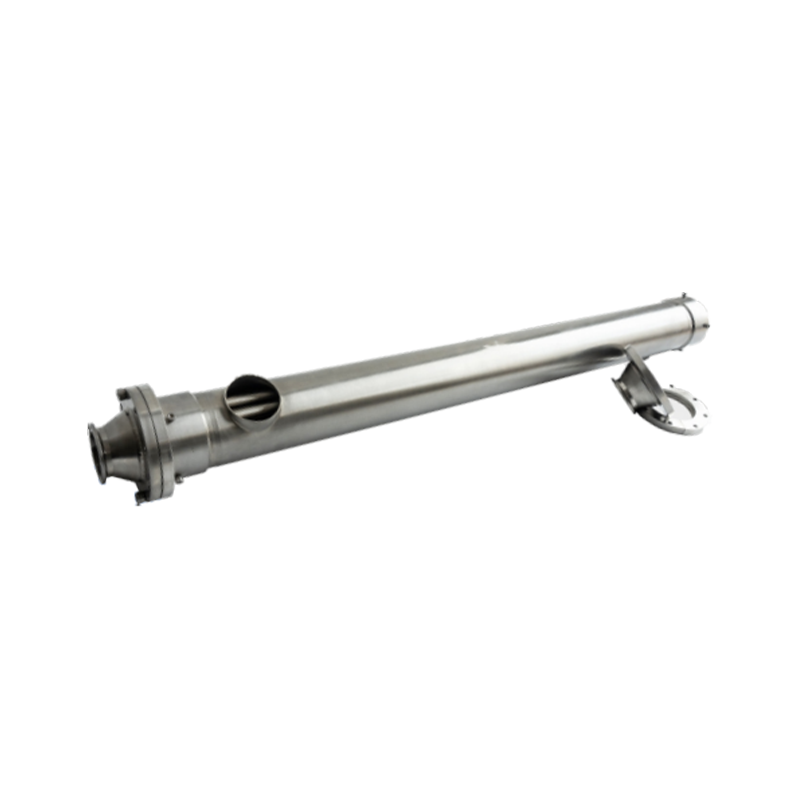
Maintains product under the specified thermal conditions for the required residence time. Tube dimensions and flow conditions are established through process engineering.
Cooling Section
Reduces the temperature of treated product through an appropriate cooling medium and heat exchanger arrangement.
Process Valves and Instrumentation
Coordinates product routing and monitors relevant conditions, including temperature, pressure, and flow rate. Automated diversion can be incorporated where required by the process design.
Electrical Control System
Manages equipment operation, process settings, alarms, interlocks, and operating status according to the specified automation scope.
Heating Methods for HTST Equipment
The choice of heating technology affects heat transfer, equipment configuration, product handling, and utility requirements.
Heat Exchanger Processing
Product receives heat through a metal heat transfer surface, keeping the product separated from the heating medium. Plate and tubular heat exchangers are common options for liquid food processing.
- Separate product and heating-medium circuits
- Suitable exchanger selected by viscosity and particle properties
- Can be arranged with regenerative heat recovery
- Requires consideration of fouling and cleaning conditions
Steam Injection or Infusion
Food-grade steam directly contacts the product to increase its temperature. A suitable flash cooling arrangement can remove the condensed steam and restore the specified product concentration.
- Direct contact between steam and product
- Requires controlled steam quality and pressure
- Rapid temperature increase can be achieved
- Condensate and concentration balance must be managed
Heating method selection must reflect product formulation, viscosity, thermal sensitivity, fouling behavior, process requirements, and the available utilities. Not every product is suitable for every heating arrangement.
Liquid Food Processing Applications
HTST systems can be configured for different liquid food categories when the required thermal process and product characteristics are compatible with the equipment design.
Milk and Dairy-Based Products
Liquid dairy formulations requiring controlled heat treatment. Product composition and the intended microbial reduction target determine the processing conditions.
Fruit Juices and Beverages
Juice and beverage formulations where acidity, pulp content, suspended solids, and flavor stability are considered during system configuration.
Plant-Based Drinks
Selected soy, oat, nut, and other plant-based beverage formulations with attention to dispersion, sedimentation, and heat-induced changes.
Liquid Egg Products
Suitable liquid egg formulations requiring carefully controlled time-temperature processing to address product-specific safety and functional requirements.
Sauces and Liquid Condiments
Pumpable sauce products where viscosity, ingredient distribution, and heat transfer behavior influence equipment selection.
Other Pumpable Food Formulations
Specialty liquid food products evaluated according to composition, thermal properties, flow behavior, and process specifications.
Factors That Determine HTST Sterilizer Design
Equipment selection should be based on actual product and production data rather than a nominal capacity alone. The following engineering factors affect the system layout and operating range.
Product Composition
Fat, protein, sugar, acidity, salt, and other ingredients influence thermal behavior and product stability.
Viscosity and Flow
Product viscosity and flow characteristics affect pump sizing, heat transfer, and holding-time calculations.
Required Throughput
Hourly production capacity determines the flow range and sizing of heating, holding, and cooling sections.
Thermal Process Target
Required temperature, holding time, microbial target, and process validation define the thermal treatment requirements.
Product Particles
Particle dimensions, concentration, and distribution influence exchanger passages and product transfer arrangements.
Downstream Handling
Product outlet temperature and packaging conditions determine the required connection to filling or storage equipment.
Temperature, Holding Time, and Product Safety Management
HTST processing depends on maintaining the specified operating conditions. Monitoring and control functions should be designed around the validated process requirements.
Temperature Measurement
Temperature sensors monitor product conditions at defined points, including the heating outlet and other critical process locations.
Holding-Time Verification
Holding tube dimensions and actual flow conditions must provide the required residence time under the specified processing conditions.
Flow and Pressure Monitoring
Flow and pressure instruments help verify operating conditions and support the correct operation of pumps, valves, and heat exchangers.
Automatic Flow Diversion
Where required, a diversion arrangement routes product away from the normal outlet when critical process conditions are not met.
CIP and Hygienic Design
Product-contact surfaces, piping, valves, and equipment connections should be considered in the cleaning and sanitation design.
Manufacturing and System Integration Considerations
For equipment suppliers and processing projects, the technical scope extends beyond the main heat exchanger. Mechanical design, process instrumentation, hygienic piping, and utility connections all influence system performance.
Mechanical Configuration
- Selection of product-contact equipment and heat exchanger type
- Pipeline routing, connection dimensions, and valve arrangement
- Holding tube sizing based on process calculations
- Equipment accessibility for inspection and maintenance
Automation and Utilities
- Temperature, pressure, and flow instrumentation
- Control panel and operating sequence definition
- Steam, cooling water, and electrical supply requirements
- CIP interface and downstream equipment coordination
What to Prepare Before Requesting an HTST Sterilizer Quotation
Providing clear technical information allows the equipment supplier to evaluate the product, calculate the thermal duty, and propose a suitable system configuration.
Product type, formulation, viscosity, acidity, fat content, and suspended particle information.
Target throughput per hour, production schedule, and expected operating hours.
Target temperature, holding time, intended microbial reduction, and applicable process requirements.
Available steam conditions, cooling water temperature, electrical supply, and other site utilities.
Filling method, packaging format, product outlet conditions, and required connection points.
Factory layout, existing equipment interfaces, CIP requirements, control preferences, and project delivery scope.
Frequently Asked Questions
Common technical questions about high temperature short time sterilization equipment, processing conditions, and system configuration.
What is a High Temperature Short Time Sterilizer?
A High Temperature Short Time Sterilizer is a thermal processing system that heats liquid food to a specified elevated temperature for a controlled short holding period before cooling. The process is designed around product properties, microbial targets, and validated time-temperature requirements.
What is the difference between HTST and UHT processing?
HTST and UHT differ in their processing temperature, holding time, product application, and intended preservation outcome. HTST uses a high-temperature, short-time treatment, while UHT uses a higher-temperature process designed for commercial sterility when combined with appropriate aseptic handling and packaging. The required process depends on the product and its distribution conditions.
Can HTST equipment process milk and juice?
HTST systems can be configured for suitable dairy products, juices, and other liquid foods. However, product acidity, composition, viscosity, particle content, and microbial targets must be evaluated before determining the processing conditions and equipment arrangement.
How is the holding time calculated?
Holding time is determined by the effective holding volume and product flow conditions. The calculation must consider tube dimensions, actual flow rate, flow profile, and residence-time distribution. The final design should be verified against the validated process requirement.
Does an HTST sterilizer require a holding tube?
A continuous HTST system generally uses a defined holding section to maintain the product at the required temperature for the specified residence time. Its dimensions and operating conditions are established through engineering calculations and process validation.
Can the equipment use a plate heat exchanger?
Yes, a plate heat exchanger can be used for compatible liquid food products. Product viscosity, particle size, flow behavior, fouling tendency, pressure requirements, and cleaning conditions should be reviewed before selecting the exchanger type. Tubular exchangers may be more suitable for certain products.
Is HTST equipment suitable for aseptic filling?
HTST thermal treatment alone does not establish an aseptic production process. Where aseptic filling is required, the complete system must include suitable sterile product transfer, aseptic holding arrangements where applicable, and a compatible aseptic filling machine.
Can the HTST system be integrated with CIP?
Yes. CIP compatibility can be incorporated into the system design through suitable piping, valves, equipment connections, and cleaning circulation arrangements. Cleaning parameters and sequences should be defined according to the product, equipment materials, and hygiene requirements.