
 English
 русский
 Português
 Français


 Read More

Product Category
NEW Category
Contact us
Contact Us
We specialise in the research, development and manufacture of electrical wires and cables.
 +86-21-57560276
How to Choose a Reliable Bioprocess Integrated Skid Manufacturer | Expert Guide
Content
- 1 What a Reliable Skid Manufacturer Must Prove
- 2 Verify Regulatory Compliance and Documentation First
- 3 Assess Engineering Depth Beyond the Drawing
- 4 Check Manufacturing Control, Testing Depth, and Supply Chain Transparency
- 5 Recognize the Red Flags Early
- 6 Build a Weighted Scorecard and Stick to It
- 7 Frequently Asked Questions
Two bioprocess skids can share the same P&ID and still behave like different machines. One passes factory acceptance with complete weld records, verified surface finish, and calibrated instruments; the other arrives on site with mismatched valves and undocumented changes. For any biopharma project, the manufacturer is the difference. This guide explains how to evaluate bioprocess integrated skid manufacturers on documented evidence, engineering depth, and test discipline - not on sales material.
What a Reliable Skid Manufacturer Must Prove
A reliable bioprocess integrated skid manufacturer is one that can prove what it built, how it was built, and how it will perform before the skid leaves the factory floor.
Core definition
Bioprocess integrated skids are pre-assembled, factory-tested process modules that combine pumps, valves, heat exchangers, sensors, and control logic onto a single frame, performing a defined biopharmaceutical process step such as buffer preparation, media heating, or chromatography feed control.
Five areas separate a dependable manufacturer from a component assembler:
- Documentation completeness: material certificates, weld maps, and test reports follow the skid
- Engineering ownership: thermal and hydraulic performance is calculated, not estimated
- Fabrication control: surface finish, weld quality, and hygienic design follow written standards
- Test discipline: factory acceptance produces data, not a signature
- Post-delivery stability: drawings, spare parts, and service support outlive the project
Ask for the documentation package before you ask for the price. A manufacturer that has the documents ready is usually a manufacturer that has nothing to hide.
Verify Regulatory Compliance and Documentation First
Compliance evidence decides whether a skid can be used in a regulated process at all, so documentation should be the first filter, not the final paperwork.
For biopharmaceutical applications, the relevant references are ASME BPE for hygienic design, PED or CE for pressure equipment sold into Europe, and the cGMP expectations of the end user. A credible manufacturer states which standard applies to each part of the skid rather than presenting a generic certification.
At minimum, the following documents must be available at the quotation stage:
- Material certificates to EN 10204 3.1 for product-contact components
- Weld maps with welder qualifications and welding procedure specifications
- Surface finish reports showing roughness values on hygienic surfaces
- P&ID and isometric drawings under revision control
- A FAT protocol with acceptance criteria defined in advance
| Document | What to verify | Why it matters |
| Material certificates | Heat numbers, steel grade, mill source per EN 10204 3.1 | Confirms traceability from raw metal to installed component |
| Weld map | Welder codes, WPS numbers, joint locations | Proves weld integrity and repeatability |
| Surface finish report | Roughness values and measurement method | Controls cleanability and product-contact behavior |
| P&ID and isometric drawings | Revision numbers and component tags | Protects FAT execution and future maintenance |
| FAT protocol | Test sequence and acceptance limits | Defines whether the skid is ready to ship at all |
Audit reality
A missing 3.1 certificate for a single valve is not a paperwork issue. In a regulated biopharma plant it can stop installation, delay validation, and create a permanent audit finding.
Assess Engineering Depth Beyond the Drawing
Engineering depth shows up in thermal performance, hydraulics, and automation behavior - not in how clean the P&ID looks.
A skid is a process unit, not a piping assembly. Give the manufacturer real process data: flow rates, inlet and outlet temperatures, batch hold-up, viscosity, and cleaning cycles. The engineering response should come back as a thermal design with heat-transfer area, approach temperatures, pressure drops, and control response - not as a standard layout.
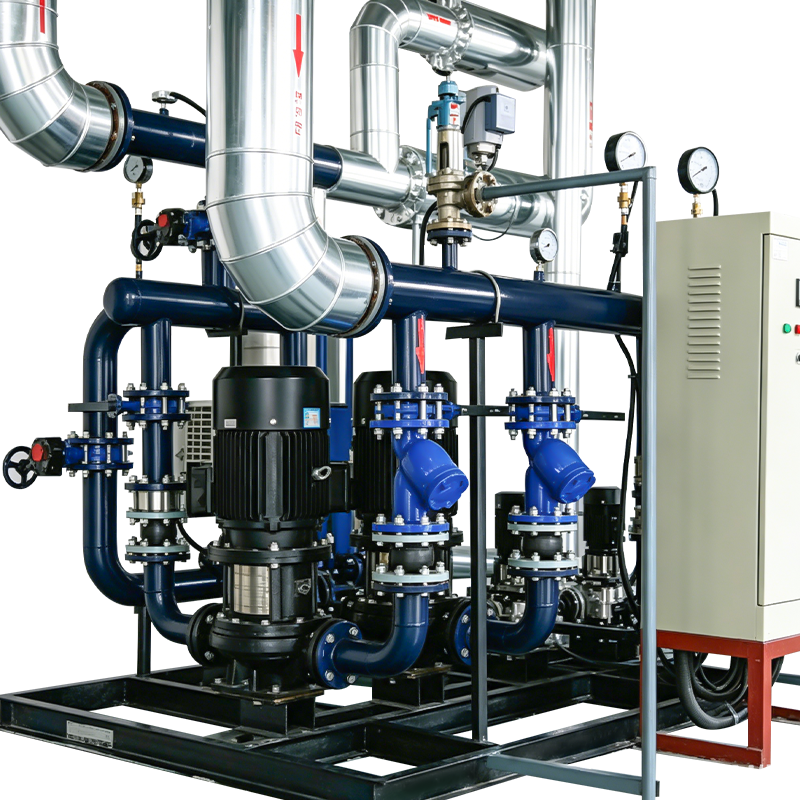
For integrated heat transfer and temperature control, factory-tested options such as intelligent bioprocess heat transfer skid units combine the exchanger, valves, instrumentation, and automation on one hygienic frame, with the thermal calculations documented before fabrication.
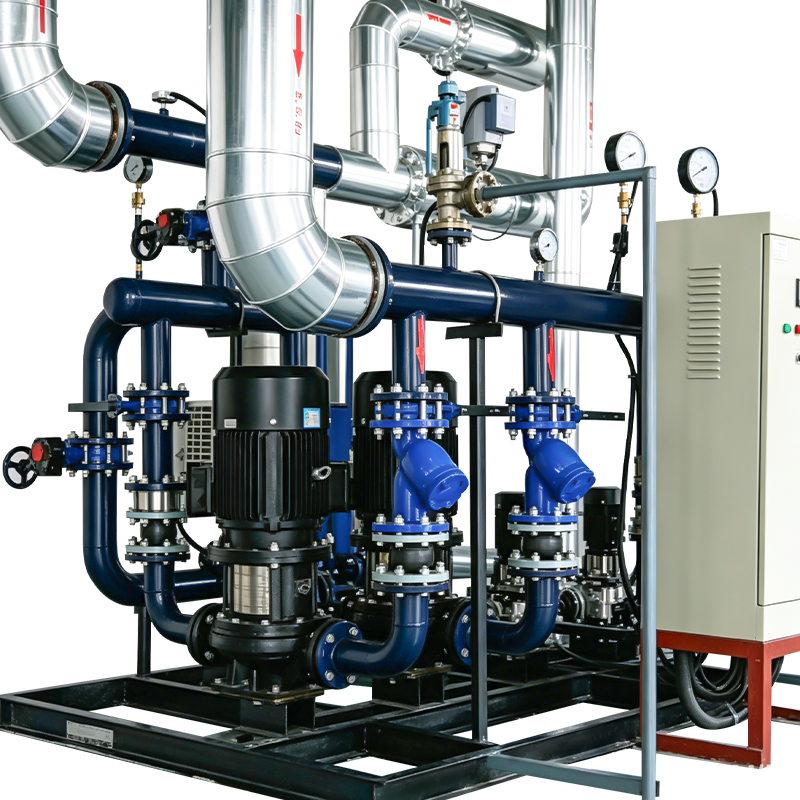 Custom Intelligent Bioprocess Heat Transfer Skid/Units Manufacturers, FactoryShiloc (Shanghai) Industrial Trading Co., Ltd. Is China Custom Intelligent Bioprocess Heat Transfer Skid/Units Manufacturers, Factory, Th...View Product →
When a process step demands fast and accurate temperature transitions, a precision temperature control unit for biopharma maintains setpoint with the control response that perfusion, viral inactivation, and chromatography operations depend on.
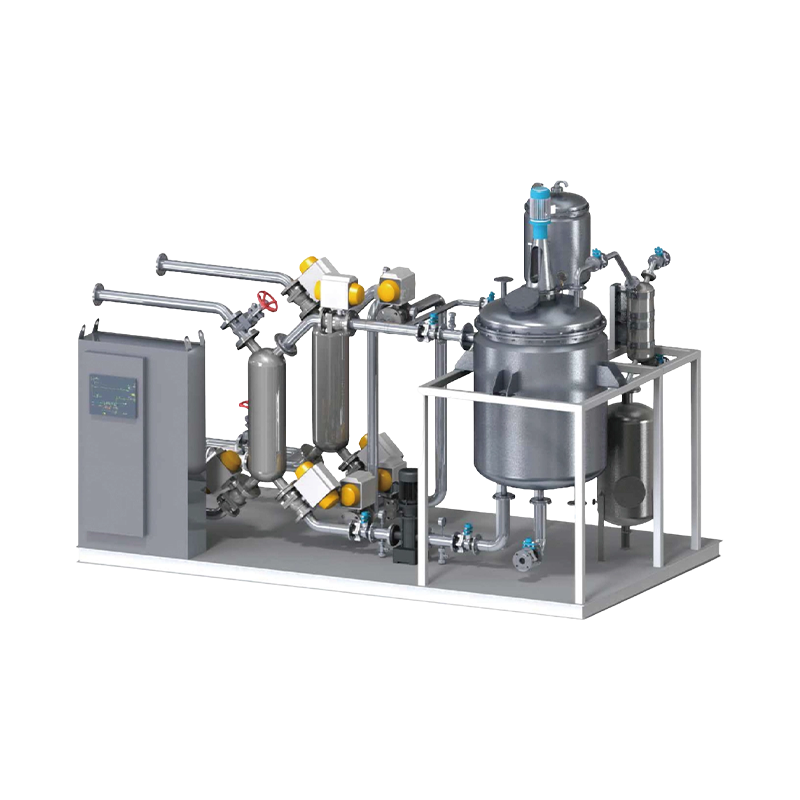 Custom Precision Temperature Control Unit (TCU) For Biopharma Manufacturers, FacShiloc (Shanghai) Industrial Trading Co., Ltd. Is China Custom Precision Temperature Control Unit (TCU) For Biopharma Manufacturers, Fact...View Product →
A practical baseline for expected design features appears in this overview of modern bioprocess integrated skid manufacturing.
Design check
Ask how every low point drains during CIP and SIP. If the manufacturer cannot explain dead-leg elimination and slope requirements for each line, the skid will cause cleaning and contamination problems regardless of how well it heats and cools.
Check Manufacturing Control, Testing Depth, and Supply Chain Transparency
The factory audit and the FAT reveal more about a skid manufacturer than any brochure, so treat both as mandatory steps.
Quality manufacturing for bioprocess skids means orbital welding on hygienic piping, controlled surface finishing, passivation, and documented inspection at each stage. When a supplier can show weld rejection rates and inspection records, fabrication quality is a managed process rather than a promise.
A meaningful FAT on a fully automated bioprocess skid covers:
- Pressure and leak tests on hygienic circuits
- Functional tests of every valve, pump, and instrument
- I/O verification against the control system
- Alarm and interlock testing
- CIP and SIP cycle simulation where required
Paper-compliant supplier
- Certification list in the proposal but no supporting files
- Standard skid layout offered for every application
- Component brands confirmed only after order placement
- FAT reduced to a half-day mechanical inspection
- No thermal or hydraulic calculation report
Proven manufacturer
- Full documentation package included with the RFQ response
- Process-specific thermal and hydraulic design
- Component brands named with alternates agreed upfront
- Multi-day FAT with full data logging
- Engineers available on site during start-up
For low-hold-up duties such as chromatography feed cooling or viral inactivation, a sanitary capillary heat exchanger keeps product volume down and temperature gradients tight, which simplifies validation inside an integrated skid.
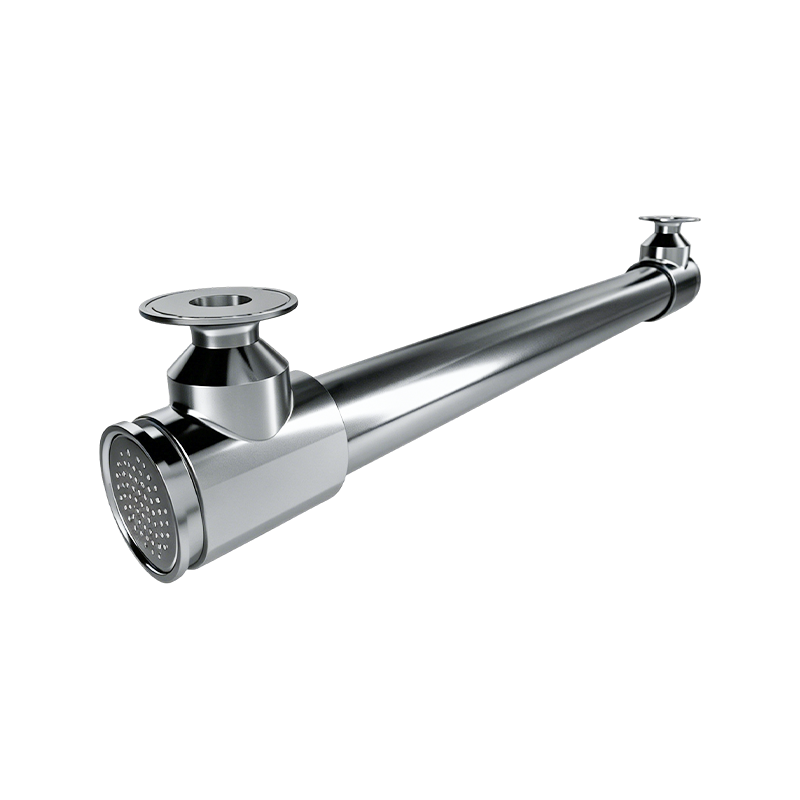 Custom Sanitary Capillary Heat Exchanger Manufacturers, FactoryShiloc (Shanghai) Industrial Trading Co., Ltd. Is China Custom Sanitary Capillary Heat Exchanger Manufacturers, Factory, The Sanitary Cap...View Product →
A manufacturer that documents its engineering and quality structure openly is easier to audit. Shiloc (Shanghai) Industrial Trading Co., Ltd. publishes exactly this type of background in its company profile, which covers the fabrication and service structure behind its skid program.
Component brands matter because they define replacement cost and lead time. If a skid uses a pump or valve that cannot be sourced in your region, every future shutdown becomes more expensive.
Recognize the Red Flags Early
Certain behaviors appear during the quotation phase and reliably separate serious manufacturers from the rest.
- Delivery dates that ignore the manufacturer's production queue
- Refusal to disclose component brands until after the order
- No in-house process engineering; all design questions are forwarded
- FAT scheduled after the shipping date or reduced to a visual check
- A standard skid template offered for every process condition
- No service presence or spare-parts plan for your region
Contract risk
If a supplier changes component brands after order confirmation without a documented engineering review, treat it as a contract breach risk, not a commercial convenience.
Build a Weighted Scorecard and Stick to It
Use a weighted scorecard that ranks documentation, engineering, fabrication, testing, and after-sales, and set a minimum pass score before price enters the conversation.
- Shortlist four to six manufacturers with skid references in the same application class.
- Send a detailed RFQ with process data and require the documentation package back with the quote.
- Score the technical response using the weighting chart below.
- Schedule a factory audit and a FAT with your own engineers or a third party.
- Verify component sourcing, spare-parts availability, and local service coverage.
- Negotiate acceptance criteria, delivery penalties, and documentation deadlines into the contract.
Suggested weighting for a bioprocess skid supplier scorecard
Points out of 100, assigned before commercial review
0.4 micron
Typical roughness limit on product-contact surfaces
100%
Of product-contact welds mapped and traceable
3.1
EN 10204 certificate level expected for wetted parts
5-10 days
Realistic FAT duration for a complex automated skid
Leave the commercial discussion until the technical evaluation is complete. The cheapest skid becomes expensive when it arrives without documents, fails inspection, or delays a plant that is already scheduled to produce revenue.
To get a fabrication review before you commit, contact the Shiloc engineering team with your process data and request a documented proposal.
Frequently Asked Questions
What is the most important document to request from a bioprocess skid manufacturer?
The FAT protocol with defined acceptance criteria, together with material certificates and weld maps. Together these documents prove what was built, how it was built, and whether it performs to specification.
How long should a bioprocess skid FAT take?
For a fully automated skid with multiple process loops, plan for five to ten days including documentation review. A one-day mechanical check is not a meaningful FAT for a process skid.
Does ASME BPE compliance guarantee a reliable skid?
ASME BPE defines design and fabrication expectations for hygienic equipment, but it does not replace process engineering. The manufacturer must still prove thermal performance, control behavior, and cleanability for your specific process.
Should we compare bioprocess skid suppliers mainly on price?
No. Differences in documentation, testing, and after-sales support can cost more than the entire skid price during validation and start-up. Evaluate technical evidence first, then negotiate price within the qualified shortlist.
PREV:Bioprocess Skids for Upstream Processing: Design, Selection, and Benefits
NEXT:Bioprocess Skid Engineering and Fabrication Services Explained | Shiloc
NEXT:Bioprocess Skid Engineering and Fabrication Services Explained | Shiloc
Interested in cooperation or have questions?
Recommended LINS
✦
automated process skid system for food processing
Sanitary Process Skid
Skid Mounted Process System
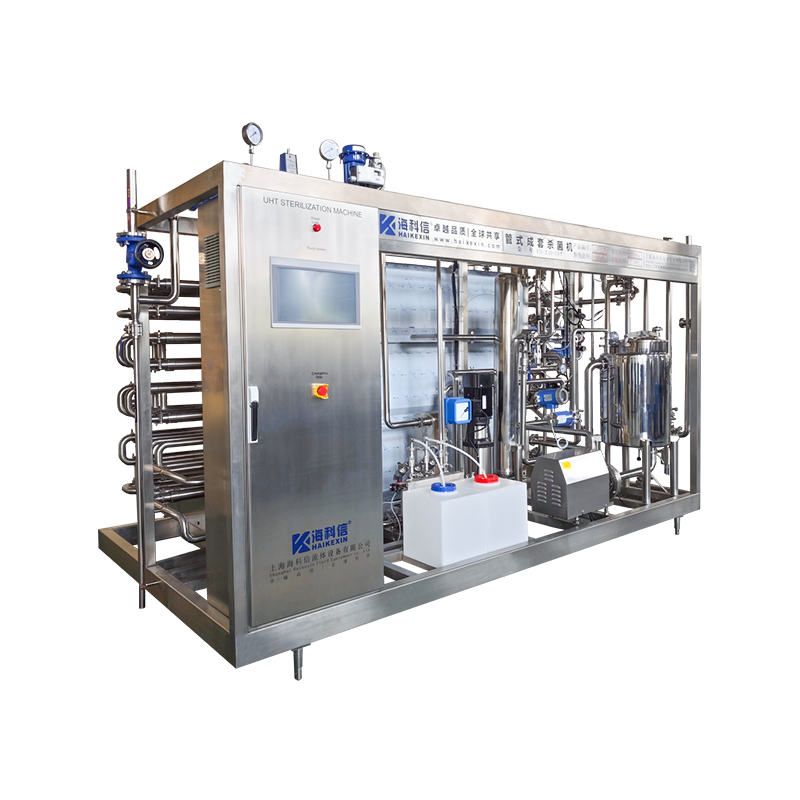
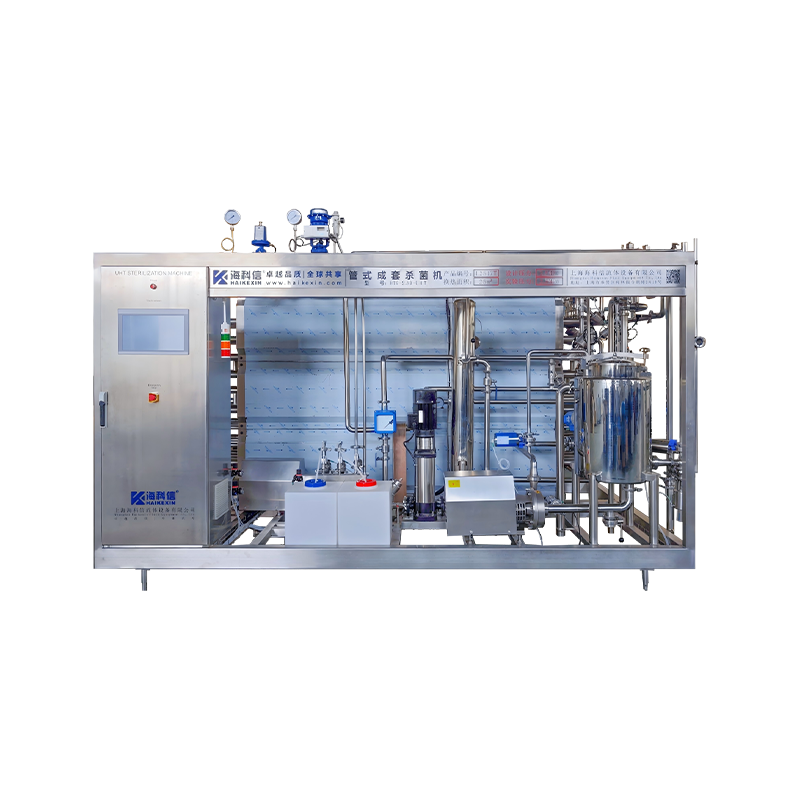
Automatic UHT Sterilizer for Milk
aseptic process skid system
Food Processing Skid System
UHT Processing System for Dairy Products
modular beverage processing system
CIP cleaning skid system
sanitary stainless steel process skid
Let'S Work Together Welcome Aboard!
-

haikexin@haikexin.com
+8613391278930
-
 +86-21-57560276
-
 No. 2819, Sihu Road,Fengxian District, Shanghai, China
Join Our Mailing List
Copyright © Shiloc (Shanghai) Industrial Trading Co., Ltd. All Rights Reserved.
Process Systems & Equipment For Food & Biopharma Manufacturers
