
 English
 русский
 Português
 Français

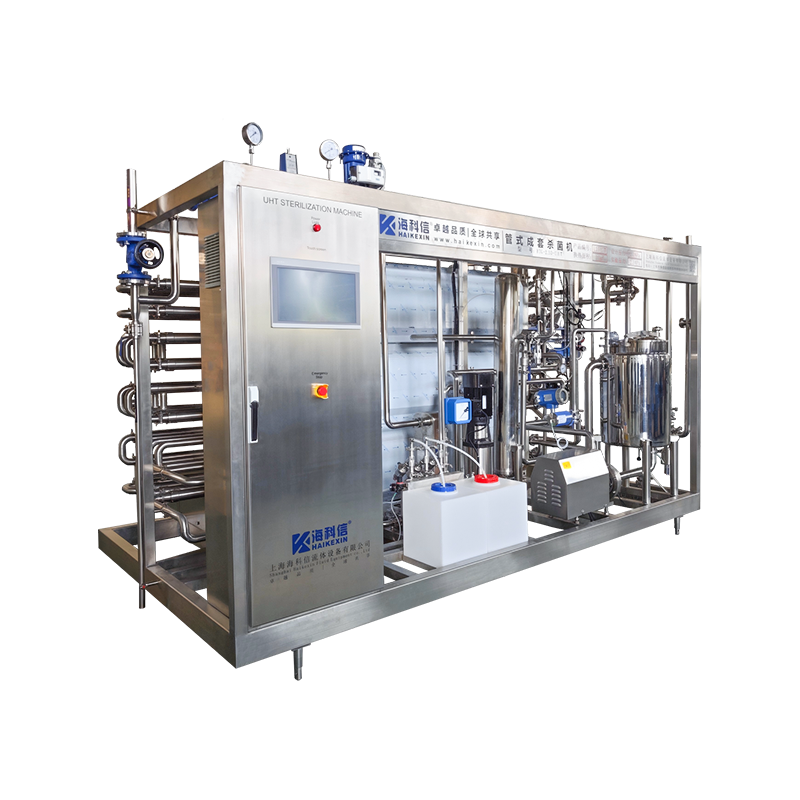
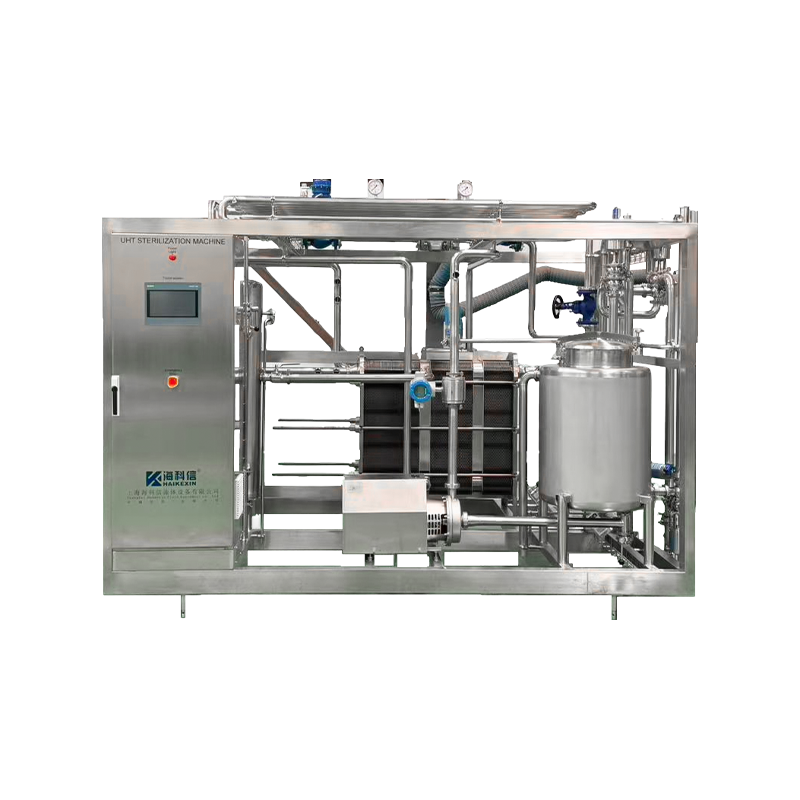
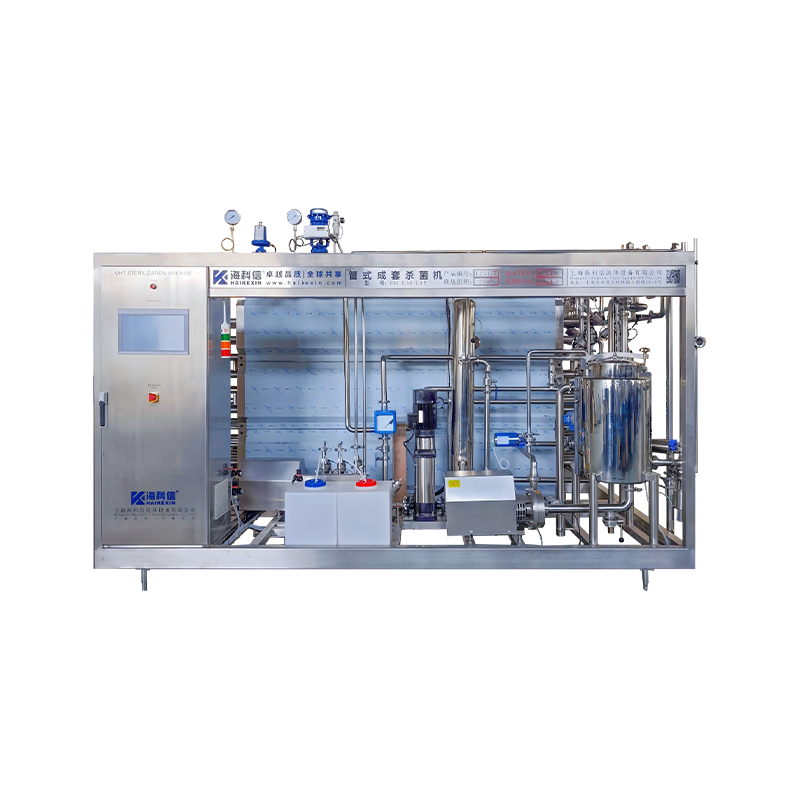
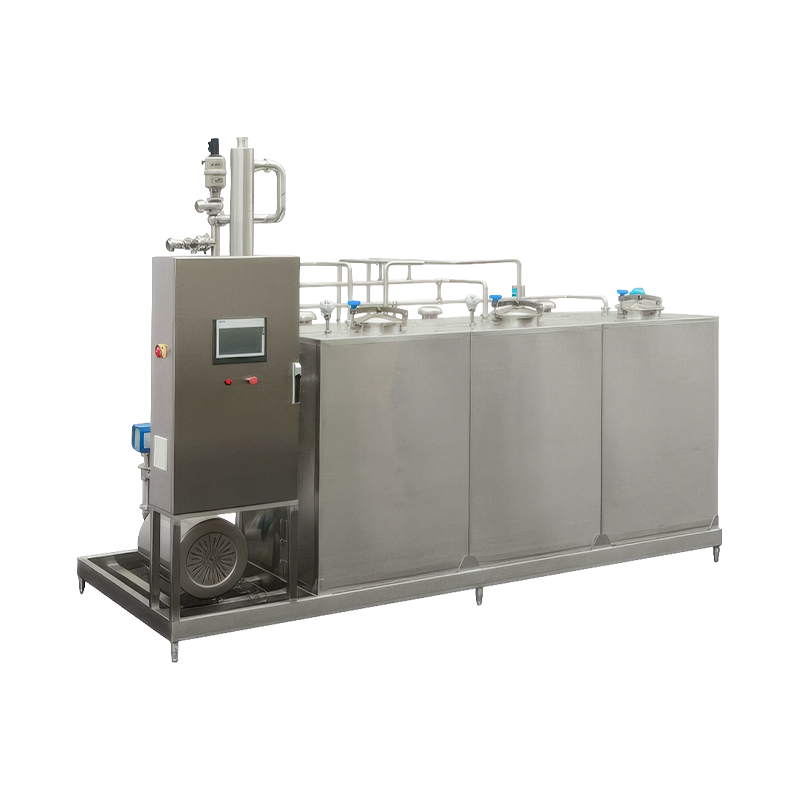
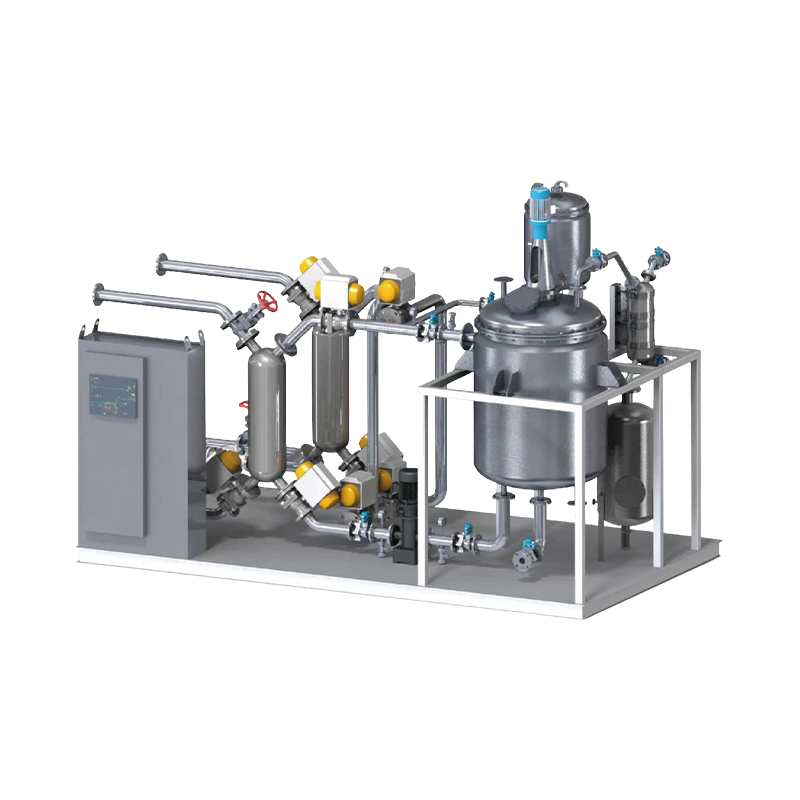
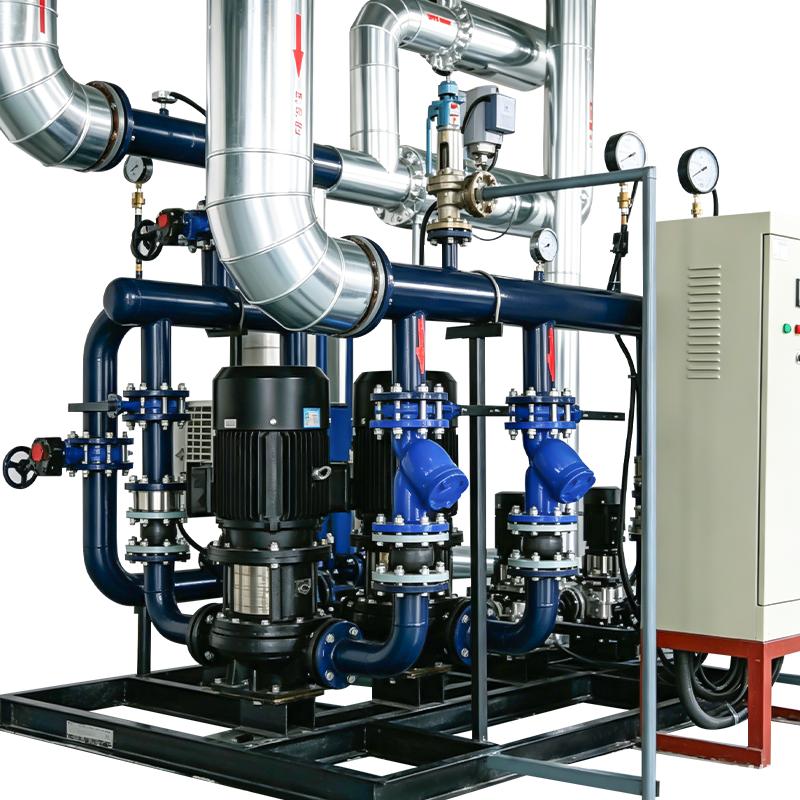
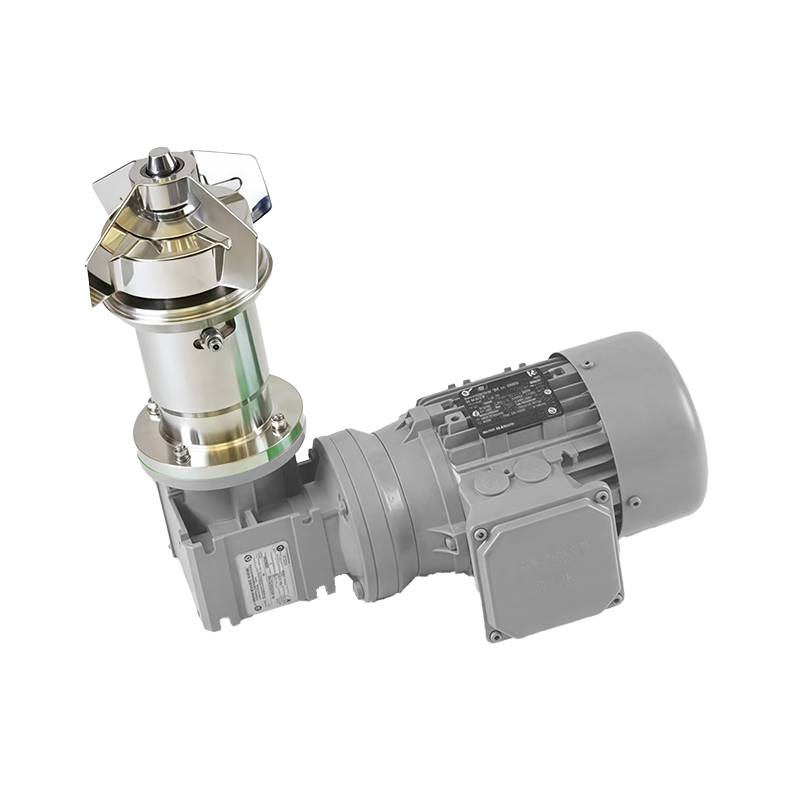
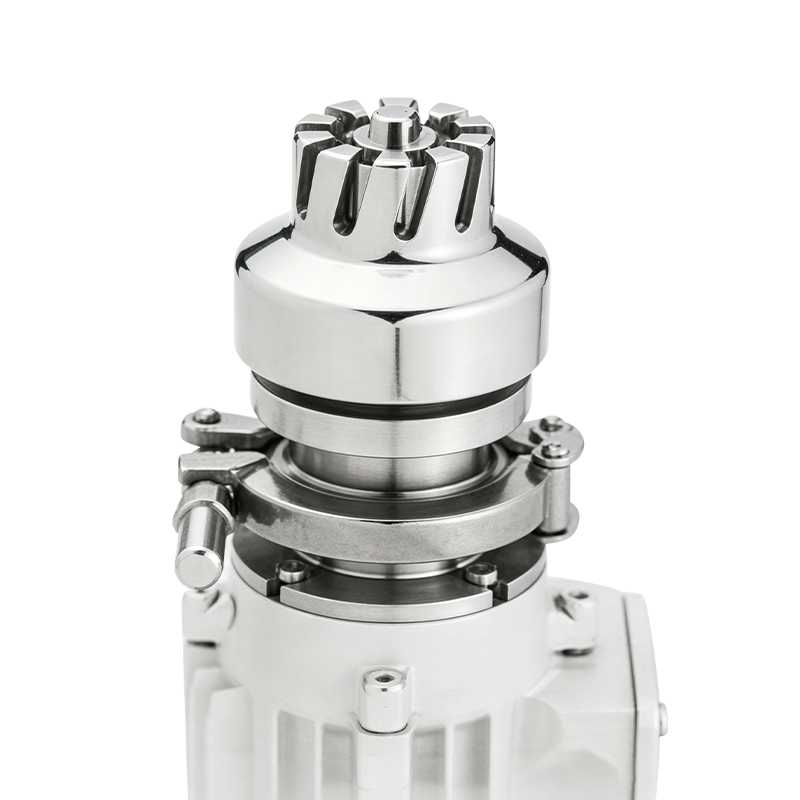
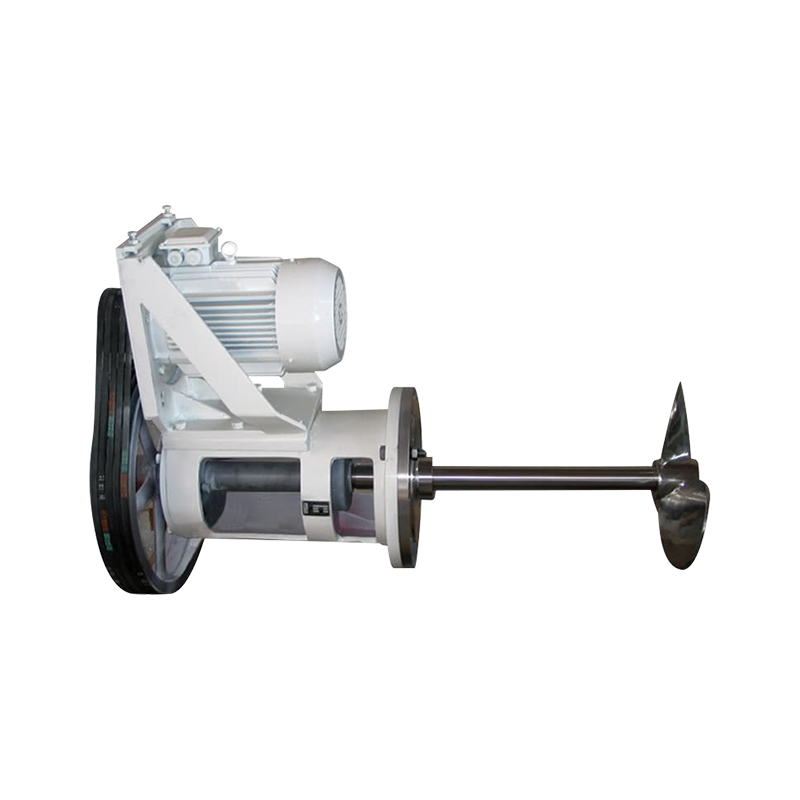
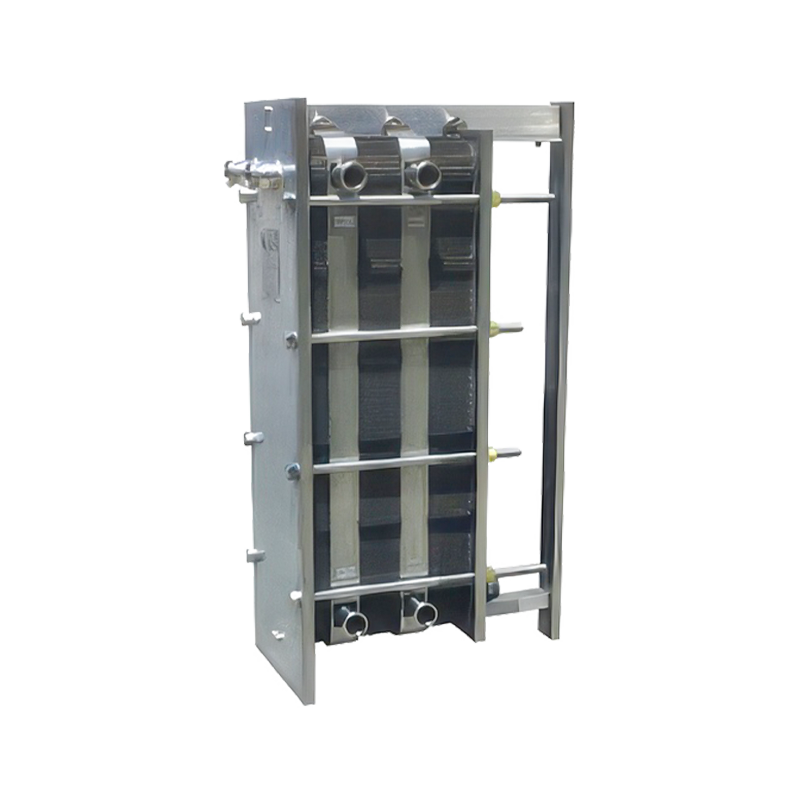
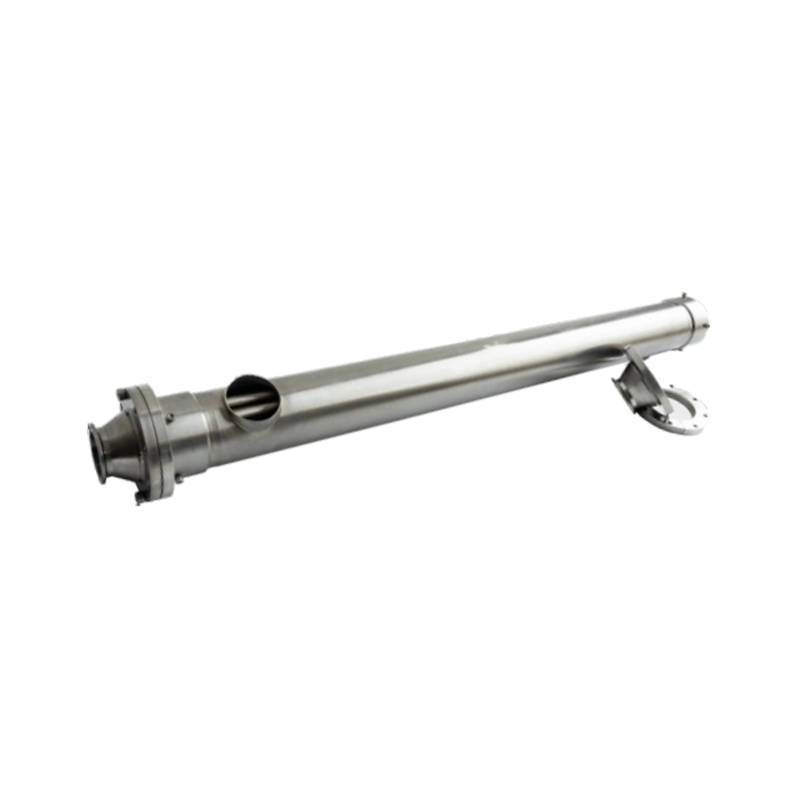
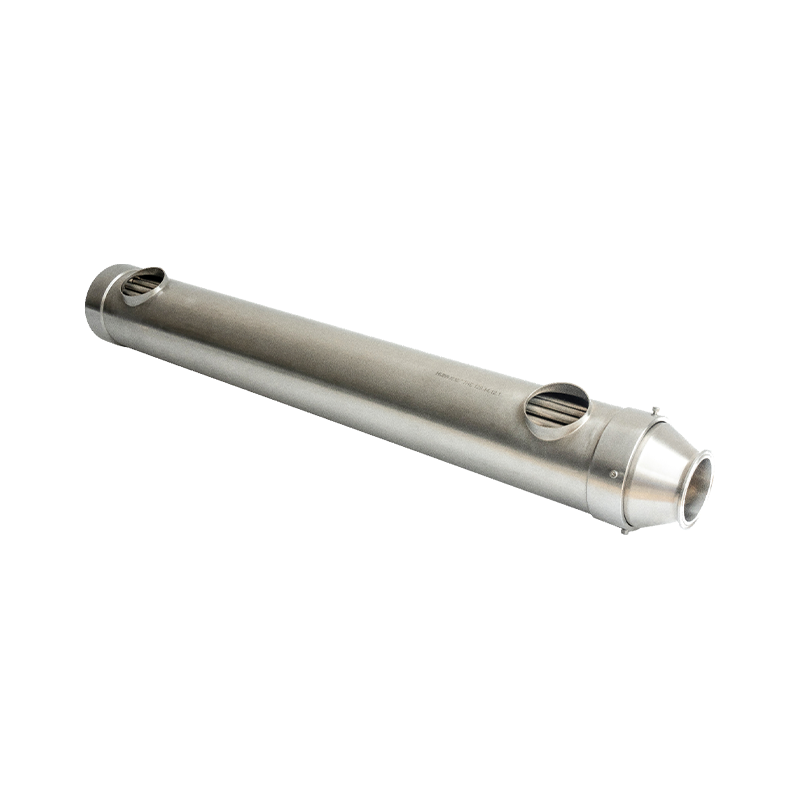
Modular Beverage Processing System
Reconfigurable beverage production architecture built from validated process modules. Each module performs a discrete unit operation, allowing producers to assemble, expand, or relocate capacity in step with demand rather than committing to a fixed line layout.
Core Advantages
Capital is deployed in stages. Capacity follows demand instead of forecast. Every module arrives pre-validated, so expansion does not restart the qualification process from zero.
Scale Without Rebuilding
Add blending, carbonation, or thermal modules to an existing footprint. No structural changes, no new utility headers, no production shutdown beyond the tie-in window.
Validated Interfaces
Standardized mechanical, electrical, and control interfaces mean each new module integrates without bespoke engineering or revalidation of adjacent units.
Product Flexibility
Swap carbonation for still-fill processing, or add a deaeration module for premium lines. The same base architecture serves multiple beverage categories.
Relocation Capability
Modules are self-contained and skid-mounted. Production can move between facilities or between lines without dismantling process infrastructure.
Product Characteristics
Engineered for hygienic beverage service with instrumentation and control that supports multi-product scheduling.
Application Scenarios
Production Environments
- Contract beverage manufacturing with frequent product changeovers
- Co-packing facilities serving multiple brand owners
- Emerging brands scaling from pilot to regional distribution
- Established plants adding capacity without new building construction
Product Categories
- Carbonated soft drinks and sparkling water
- Still juices, teas, and functional beverages
- Plant-based and dairy alternative drinks
- Concentrates, syrups, and premix production
Frequently Asked Questions
Deployment Considerations
Define the maximum anticipated line configuration before specifying the base system. Utility headers and floor space should account for the full expansion envelope, even if only a fraction is installed initially.
Confirm module interface standards with your engineering team early. Standardization only delivers value if future modules are specified against the same interface definition.
Plan changeover procedures around the module swap sequence. Operator training should cover both routine product changeover and physical module replacement.
Maintain module-level maintenance records rather than system-level records. This preserves traceability when modules are moved between lines or facilities.