

 English
 русский
 Português
 Français




How to Choose the Right Sanitary Capillary Heat Exchanger?
In industries such as food processing, pharmaceuticals, bioengineering, fine chemicals, and high-end beverage production, heat exchange equipment not only needs to meet the requirements of efficient heat transfer but also must comply with stringent hygiene standards. As production processes continue to upgrade, traditional heat exchange equipment is increasingly facing challenges in terms of cleaning and maintenance, fluid residue, and hygiene safety. Sanitary Capillary Heat Exchangers, with their unique structural design and excellent hygiene performance, are becoming an ideal solution for an increasing number of demanding applications.
What is a Sanitary Capillary Heat Exchanger?
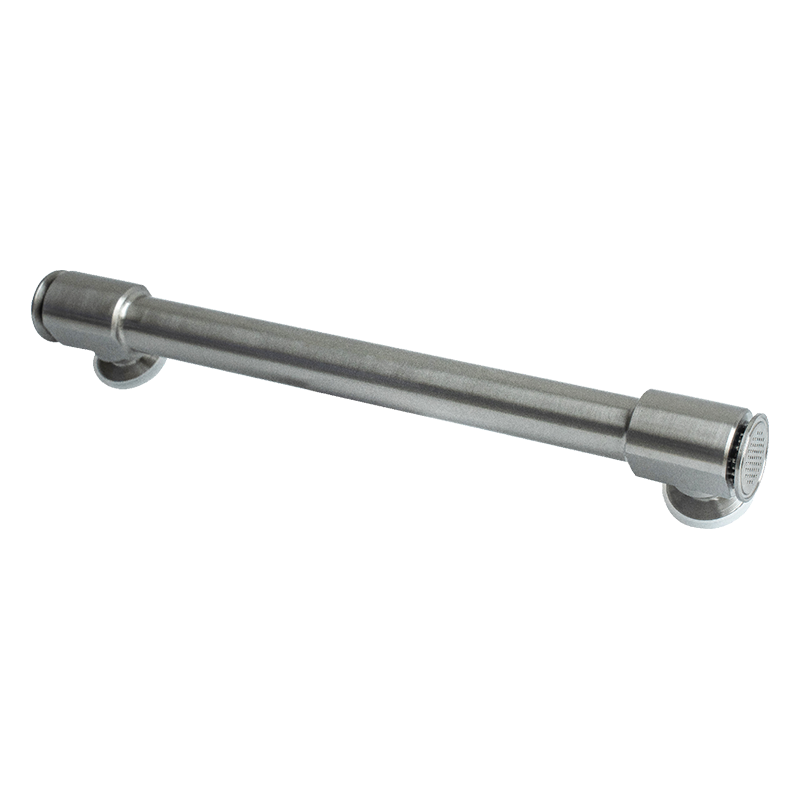
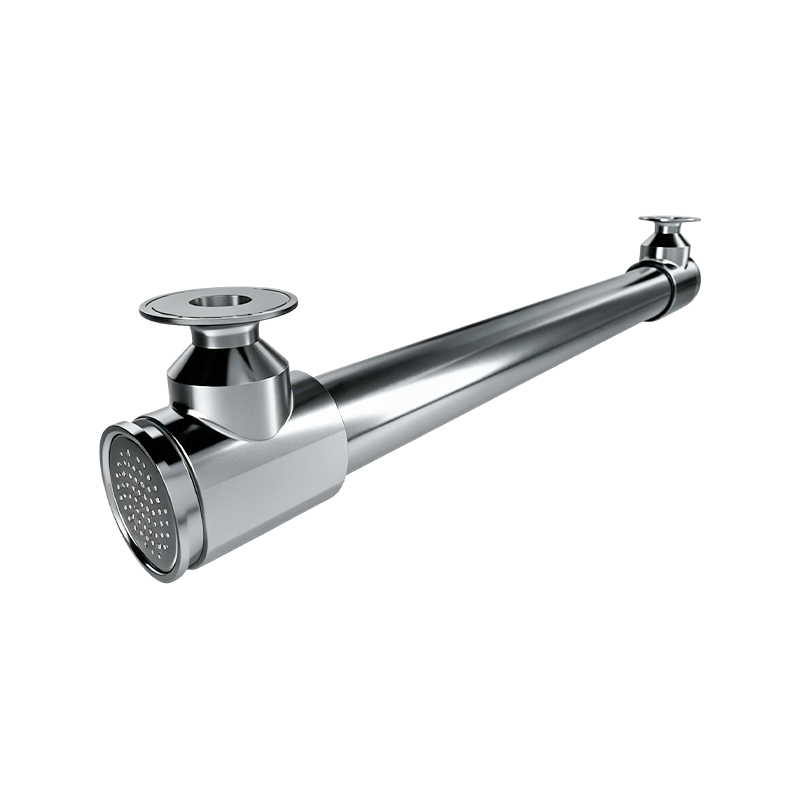
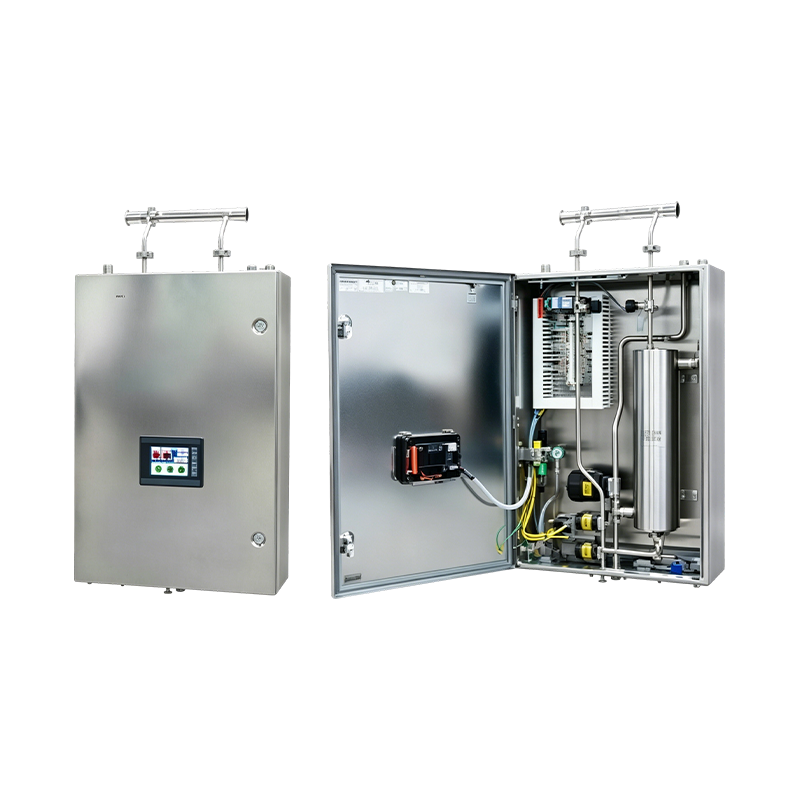
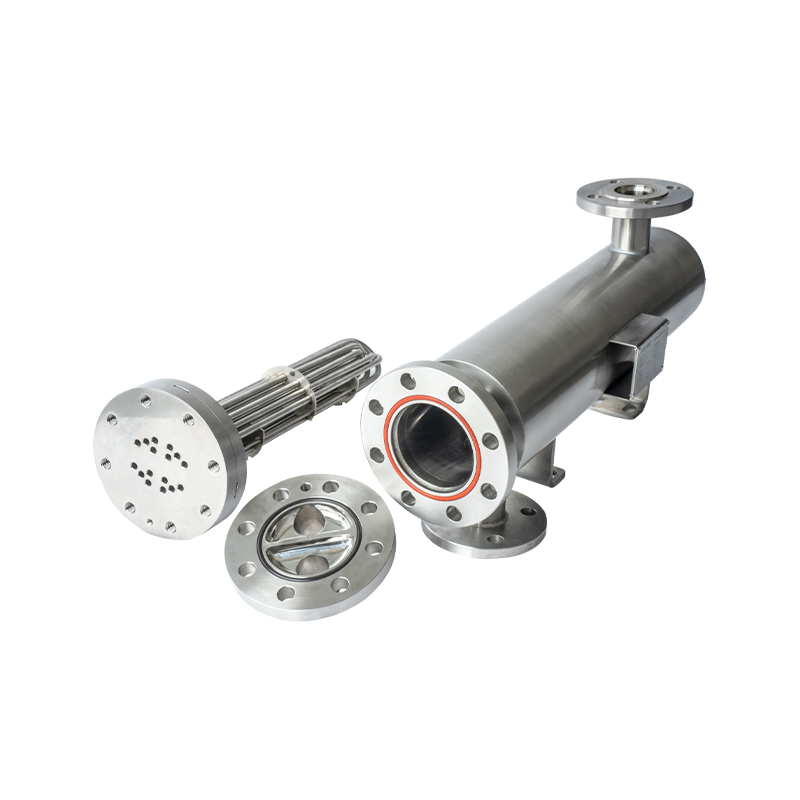
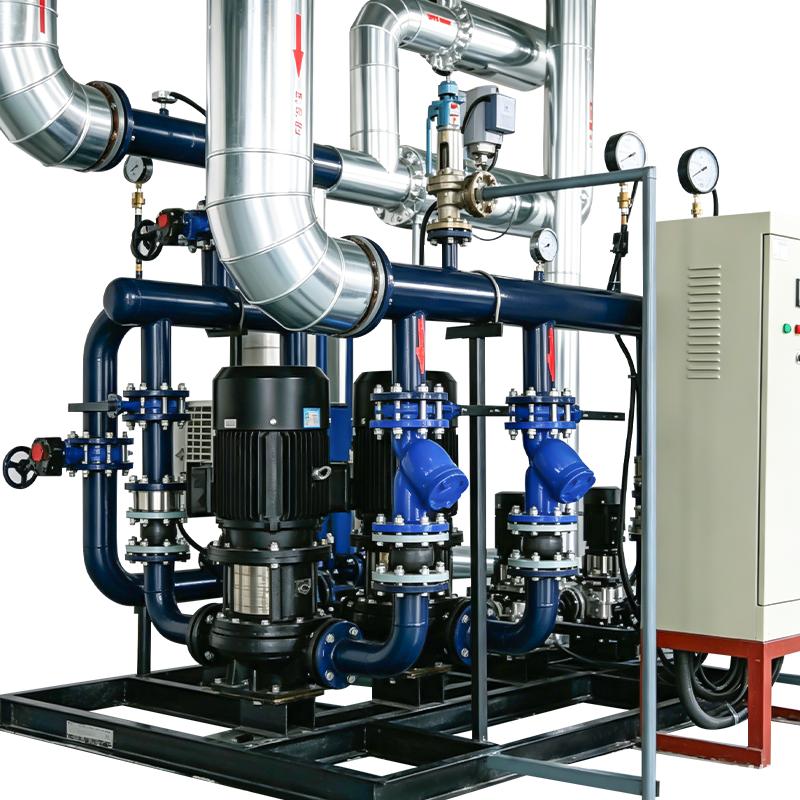
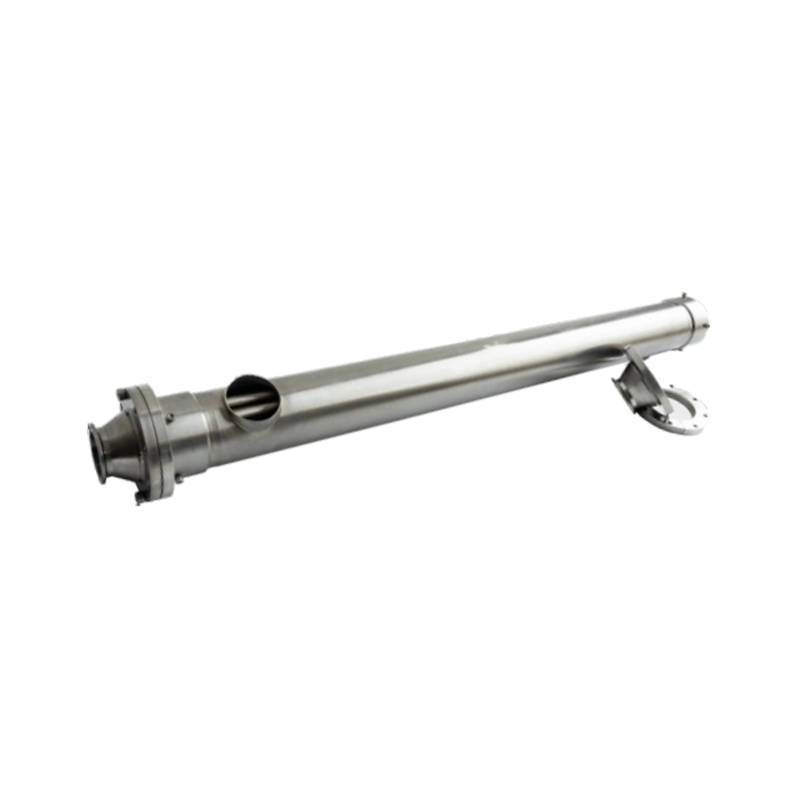
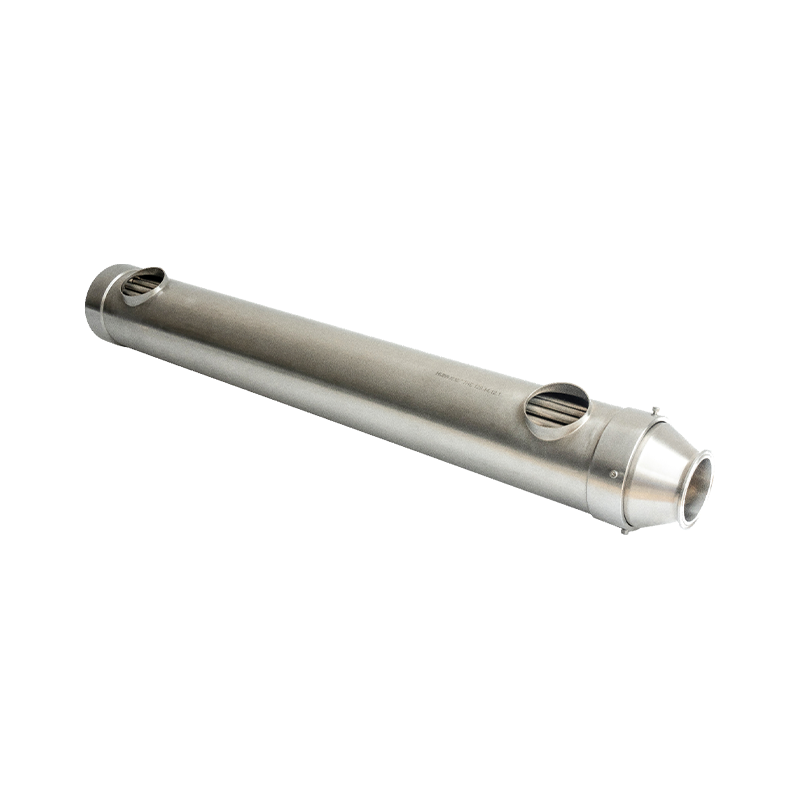
A Sanitary Capillary Heat Exchanger is a heat exchange device specifically designed for hygienic production environments. Unlike ordinary heat exchangers, this device uses a capillary heat exchange structure, achieving heat exchange between hot and cold media through a large number of tiny pipes, providing a large heat exchange area within a limited space.
Its design philosophy focuses on hygiene and fluid handling capacity, typically using stainless steel materials that meet food-grade and pharmaceutical-grade standards, and optimizing the internal structure to reduce fluid stagnation areas, thereby reducing the risk of contamination.
In the production of dairy products, juices, beverages, vaccines, and biological agents, the product media are often highly sensitive to temperature control and hygiene conditions. Sanitary Capillary Heat Exchangers help companies achieve precise temperature control while maintaining a clean and stable production process.
Why Is Hygienic Design Becoming Increasingly Important?
Modern industrial production no longer simply pursues output; it focuses more on product quality, safety standards, and traceability of the production process. Especially in the food and pharmaceutical industries, even the smallest risk of contamination can affect product quality and even cause economic losses.
Sanitary Capillary Heat Exchangers are designed with hygiene requirements in mind. For example, their internal flow channels are typically smoother, reducing material adhesion; a rational piping layout helps improve CIP (Clean-In-Place) efficiency, making equipment maintenance easier.
Hygienic heat exchangers reduce the frequency of manual disassembly and cleaning, improving production continuity. For production lines requiring long-term stable operation, this not only reduces maintenance costs but also improves overall production efficiency.
The Practical Value of Efficient Heat Transfer and Compact Structure
Besides hygiene performance, heat transfer efficiency is also a crucial factor for companies choosing heat exchange equipment.
Sanitary Capillary Heat Exchangers utilize a capillary structure to increase the heat exchange area per unit volume, enabling efficient heat exchange within a smaller footprint. This offers a significant advantage for companies with limited factory space and compact production processes.
Simultaneously, optimized fluid flow improves heat exchange uniformity, preventing localized overheating or underheating that could negatively impact product quality. For example, stable temperature control is crucial for maintaining product taste, active ingredients, and safety standards in beverage sterilization, pharmaceutical temperature control, and food processing cooling.
Expanding Applications and Growing Market Demand
As global hygiene standards continue to rise, the application scope of Sanitary Capillary Heat Exchangers is constantly expanding.
In the food industry, it can be used for heating, cooling, and heat recovery processes in products such as milk, dairy products, juices, and condiments. In the pharmaceutical industry, it is suitable for clean fluid handling, pharmaceutical temperature control, and biopharmaceutical production. In the chemical industry, it provides a more reliable heat exchange solution for certain high-purity or sensitive media.
Different customers may have varying needs regarding equipment size, materials, pressure ratings, and connection methods, making customization a key competitive advantage for suppliers.
How Does Shiloc Provide Reliable Heat Exchange Solutions for Its Customers?
As a China Sanitary Capillary Heat Exchanger Manufacturer and Custom Sanitary Capillary Heat Exchanger Factory, Shiloc (Shanghai) Industrial Trade Co., Ltd. is committed to providing high-quality sanitary heat exchange equipment and related technical services to global customers.
Leveraging its professional international trade experience and engineering service capabilities, Shiloc helps customers connect with reliable manufacturing resources and provides more flexible solutions tailored to different market demands.
In sanitary capillary heat exchanger project collaborations, Shiloc not only focuses on product supply but also emphasizes communication efficiency throughout the customer's entire procurement process. From confirming technical requirements and coordinating the supply chain to international transportation and import/export services, the company has an experienced import and export agency team to provide customers with more comprehensive international trade support.
For overseas customers, choosing an equipment supplier is not just about choosing products, but also about choosing a long-term partner. Shiloc strives to become a trustworthy partner for its customers through its professional knowledge, efficient service, and understanding of international trade processes.
How to Choose the Right Sanitary Capillary Heat Exchanger?
When selecting a sanitary capillary heat exchanger for different production environments, companies need to consider multiple factors.
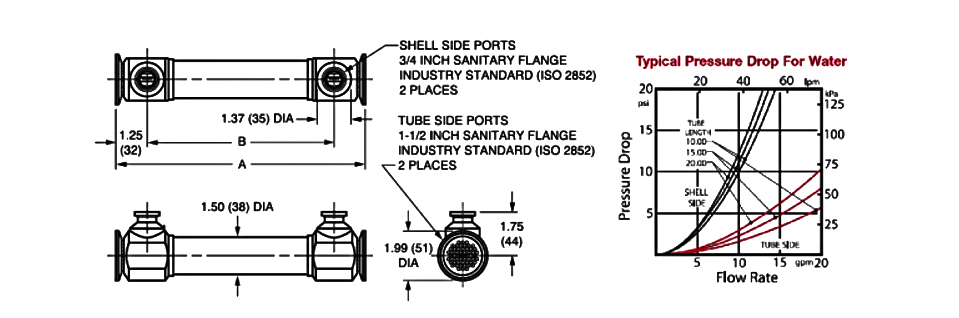
First, the characteristics of the medium must be clearly defined, including fluid viscosity, corrosiveness, temperature range, and sanitary grade requirements. Second, the heat exchange area and equipment specifications should be determined based on production capacity to ensure the equipment meets actual process requirements.
Equipment materials, manufacturing standards, cleaning methods, and after-sales support are also crucial factors. An excellent sanitary capillary heat exchanger supplier should not only provide standard equipment but also have the ability to adjust and optimize according to customer needs.
In the future, with the development of intelligent manufacturing, green production, and high sanitary standards, sanitary capillary heat exchangers will play an important role in more industries. Efficient, safe, and easy-to-maintain heat exchange equipment will become a crucial foundation for companies to enhance their competitiveness.
FAQ
Q1: In Which Industries Are Sanitary Capillary Heat Exchangers Mainly Used?
A1: It is widely used in the food, beverage, dairy, pharmaceutical, bioengineering, and some high-purity chemical industries, and is particularly suitable for production environments with high hygiene requirements.
Q2: What Are the Differences Between a Sanitary Capillary Heat Exchanger and a Regular Heat Exchanger?
A2: The main differences lie in hygienic design, optimized internal structure, and ease of cleaning and maintenance. Sanitary capillary heat exchangers place greater emphasis on reducing contamination risks and meeting stringent production standards.
Q3: Does Shiloc Support Customized Sanitary Capillary Heat Exchangers?
A3: Yes. As a Custom Sanitary Capillary Heat Exchanger Factory, Shiloc can provide customized services based on customers' process requirements, application environments, and technical parameters.
Q4: What Support Can Overseas Customers Receive When Purchasing Sanitary Capillary Heat Exchangers?
A4: Shiloc has a professional import and export agency team that can provide customers with international trade process support, including supply chain coordination, technical communication, and related import and export services.


