
 English
 русский
 Português
 Français

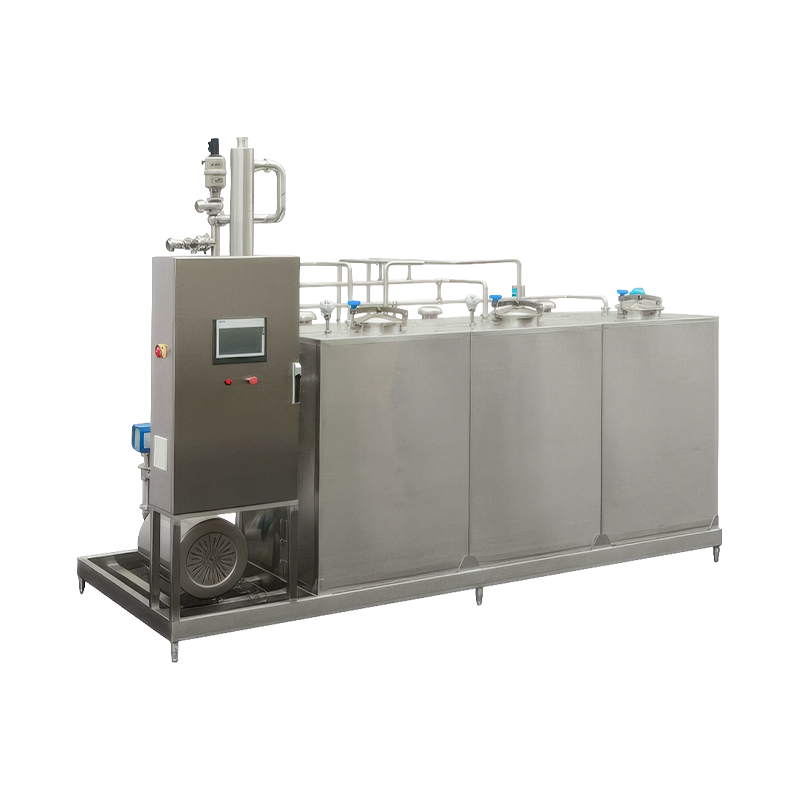
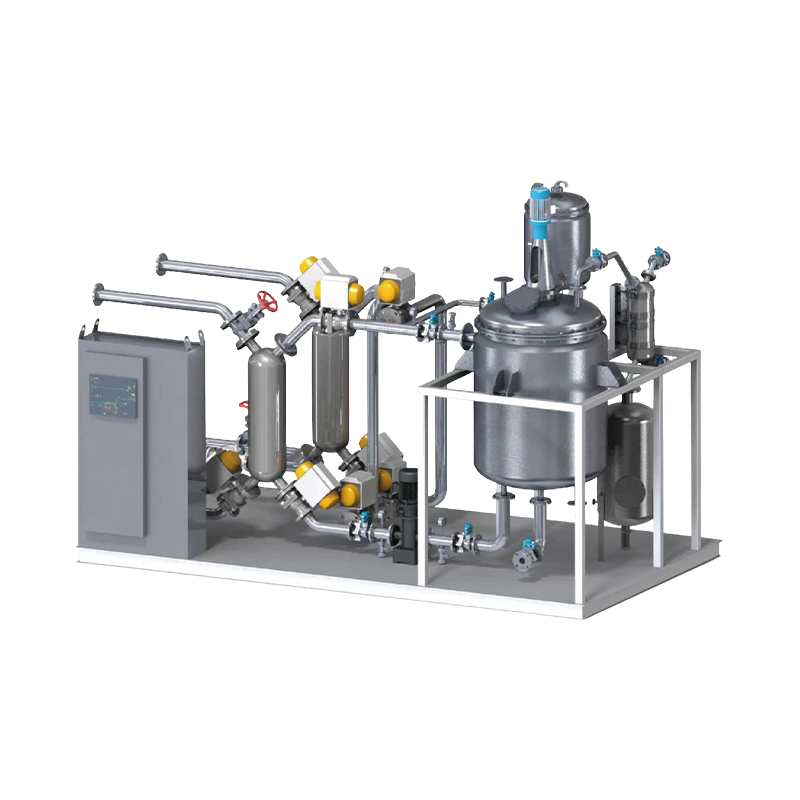
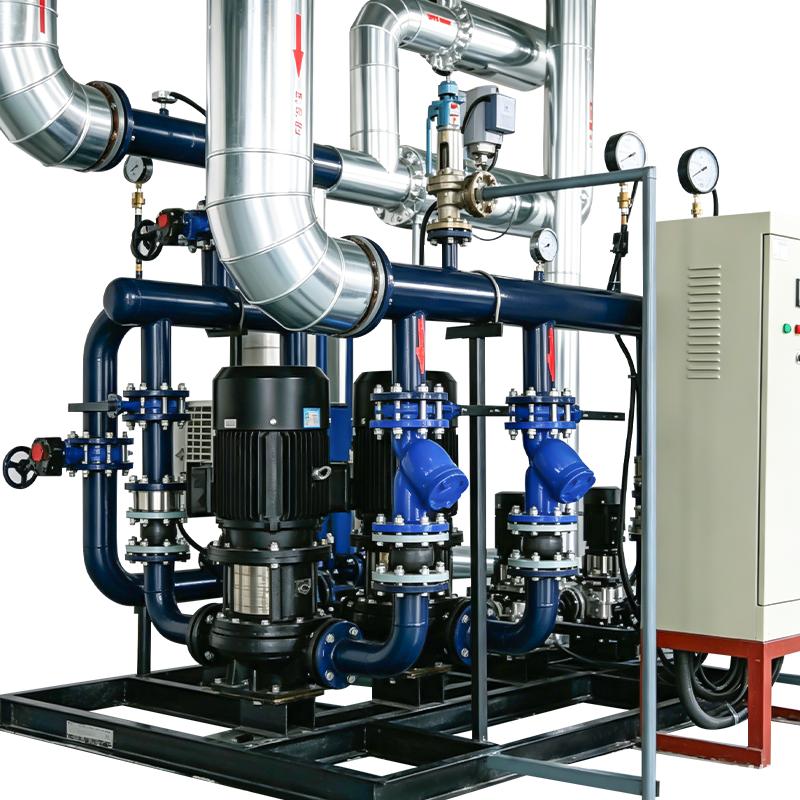
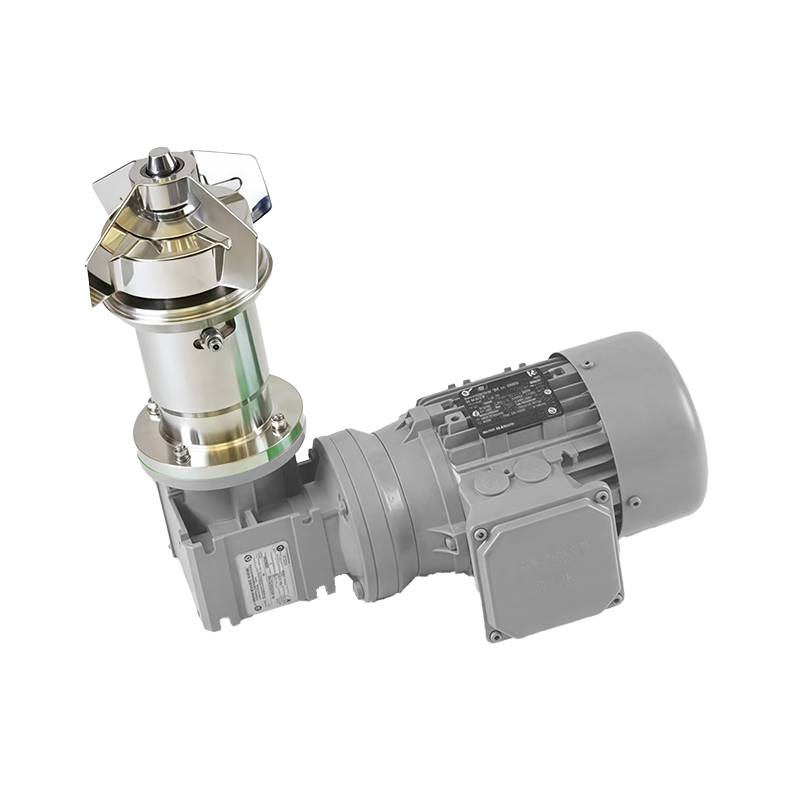
±0.5°C Thermal Control Accuracy
45% Changeover Time Reduction
99.5% Product Yield Retention
24/7 Continuous Operation
- Consistent product quality through closed-loop thermal and flow control
- Reduced labor dependency with automated sequencing and recipe recall
- Lower energy cost per unit through regenerative heat recovery design
- Faster product changeover with validated CIP and rinse sequences
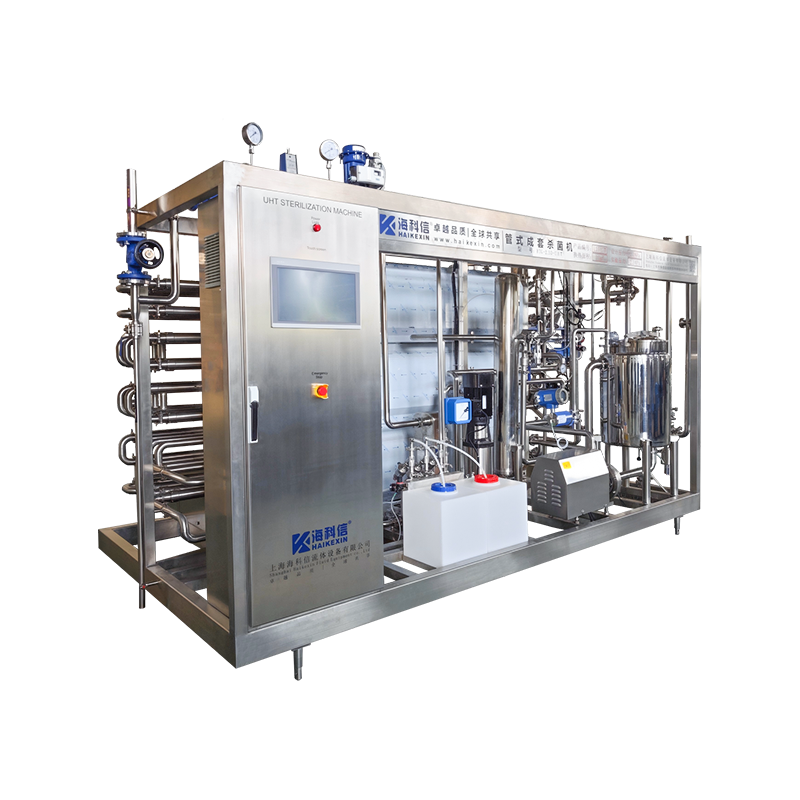
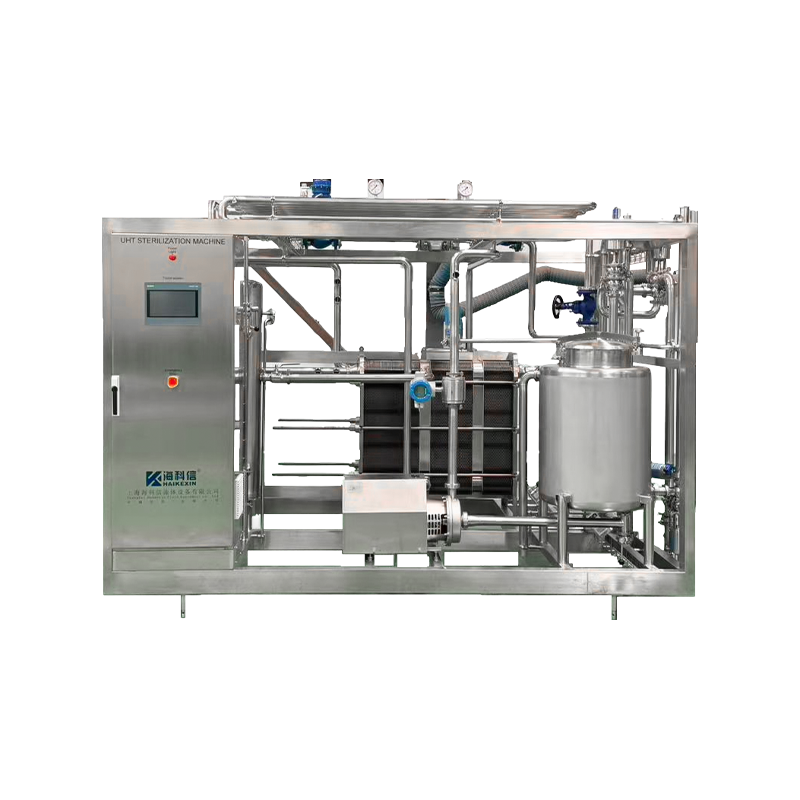
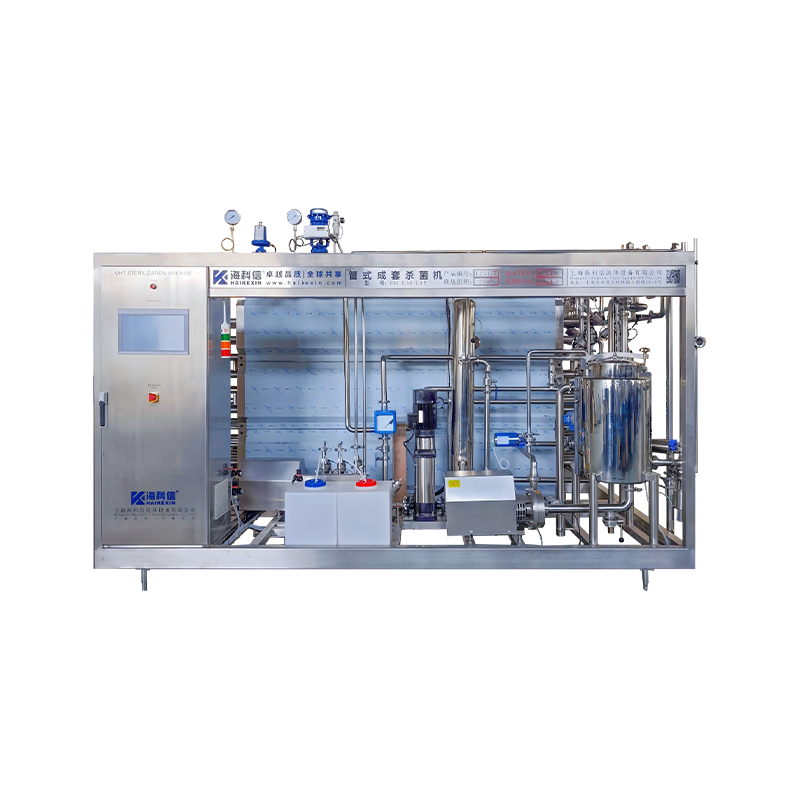
- 316L stainless steel with sanitary welds and electropolished contact surfaces
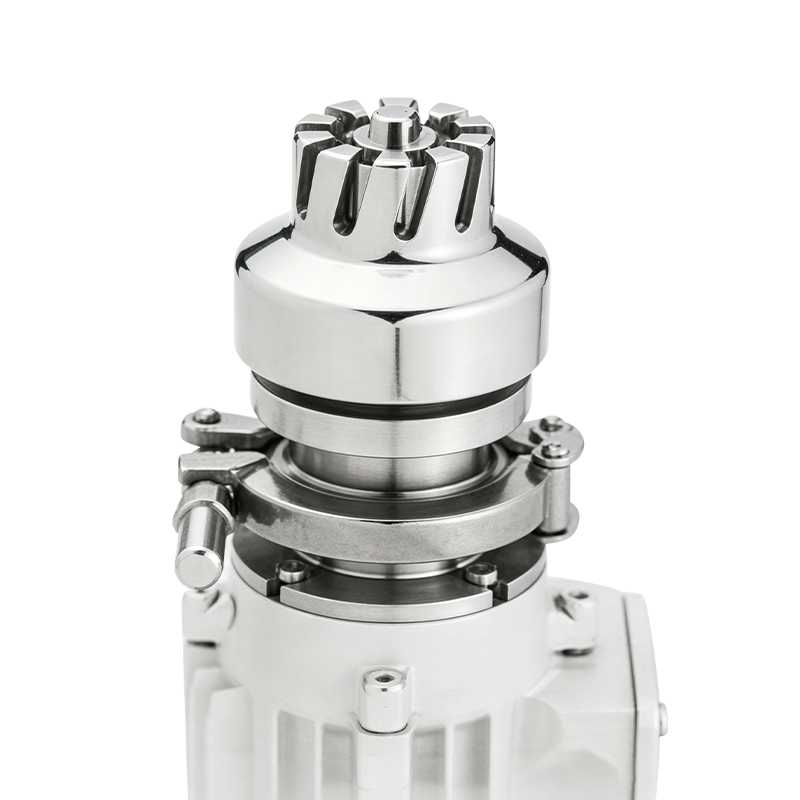
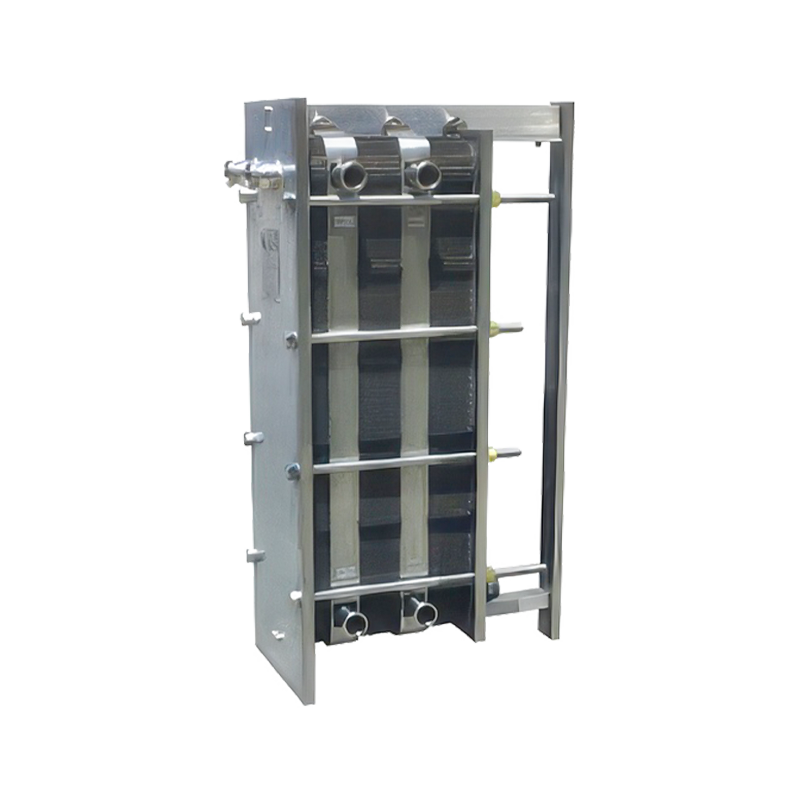
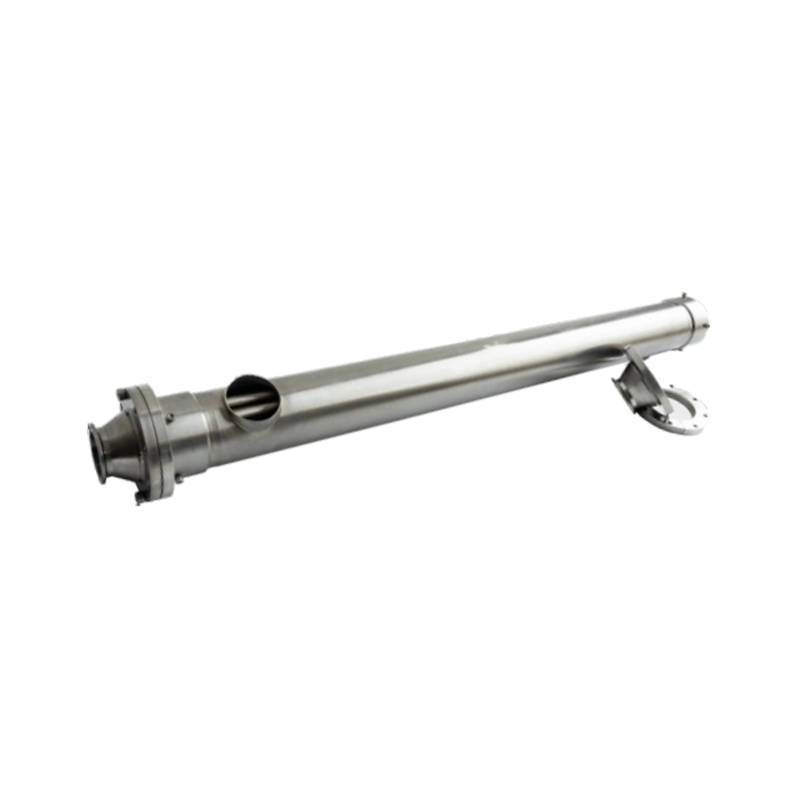
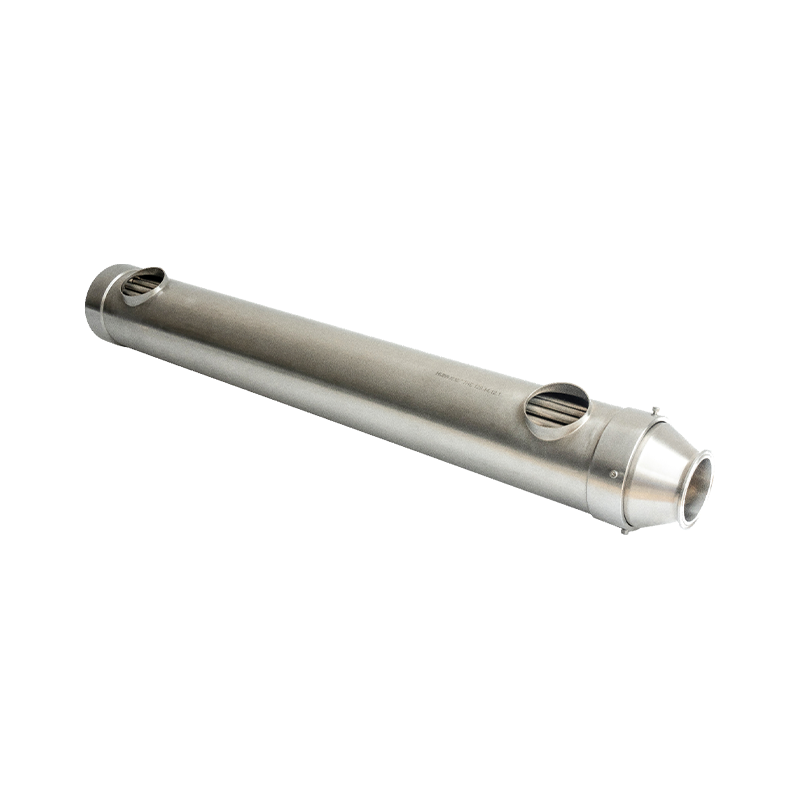
- Plate and tubular heat exchangers for viscosity-appropriate thermal treatment
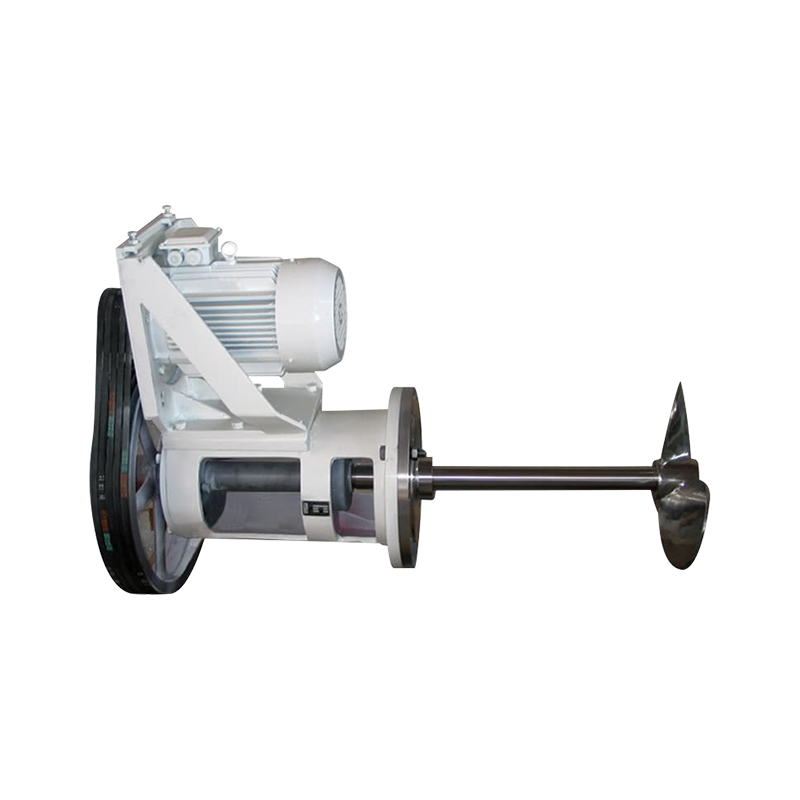
- Inline homogenization and deaeration modules for emulsion stability
- PLC control with HMI, batch reporting, and MES connectivity
- Sauces, soups, and gravies requiring controlled viscosity and particle integrity
- Dairy alternatives, plant-based beverages, and functional drinks
- Liquid egg products, syrups, and confectionery bases
- Ready-to-drink formulations and concentrate processing
Frequently Asked Questions
Procurement and engineering questions from food manufacturers evaluating liquid processing skids.
The skid supports products from low-viscosity liquids up to 50,000 cP. Pump and heat exchanger selection is matched to your specific viscosity profile during engineering.
For products with particles, we specify low-shear pumps, tubular heat exchangers, and appropriately sized valves to preserve particle integrity throughout processing and transfer.
Standard automation includes PLC control, touchscreen HMI, recipe management, and automated CIP. Integration with plant SCADA or MES is available through standard industrial protocols.
Changeover uses a validated sequence of product recovery, water rinse, and CIP. Recipe-specific parameters are stored in the control system and recalled with a single command.
Documentation includes P&ID, GA drawings, material certifications, surface finish reports, FAT/SAT protocols, O&M manuals, and batch record templates for HACCP and BRC compliance.
Deployment Considerations
- Define product viscosity, particle size, and temperature sensitivity before equipment selection
- Confirm utility capacities for steam, chilled water, compressed air, and power
- Plan floor drainage and effluent handling for CIP discharge volumes
- Establish instrument calibration schedule for temperature, flow, and pressure devices
- Validate cleaning effectiveness for allergen and microbial control requirements
- Develop operator training for recipe management and alarm response procedures