

 English
 русский
 Português
 Français




What are the key advantages of using wound tube technology in high-pressure gas processing?
High-pressure gas processing requires heat exchange equipment that can maintain stable performance under demanding temperature, pressure, and flow conditions. Traditional heat exchangers may face challenges such as limited heat transfer efficiency, large installation space requirements, and frequent maintenance when handling complex industrial processes. Wound tube technology provides an advanced solution by using spirally arranged tubes inside a shell structure to enhance turbulence and maximize heat transfer performance. The Wound Tube Heat Exchanger has become an important choice for industries that require reliable thermal management, especially in chemical processing, energy recovery, food production, and HVAC applications.
Shiloc (Shanghai) Industrial Trade Co., Ltd. specializes in providing professional equipment solutions for pharmaceutical, daily chemical, food, and fine chemical industries. Based on European technical experience and Danish design concepts, the company develops and manufactures heat exchange equipment and aseptic mixing systems. With a 3,000㎡ production facility in Shanghai and a team of more than 20 technical specialists, Shiloc (Shanghai) Industrial Trade Co., Ltd. integrates engineering capability, manufacturing experience, and quality management to deliver reliable industrial solutions.
1. Spiral Wound Heat Exchanger for High-Efficiency Heat Transfer
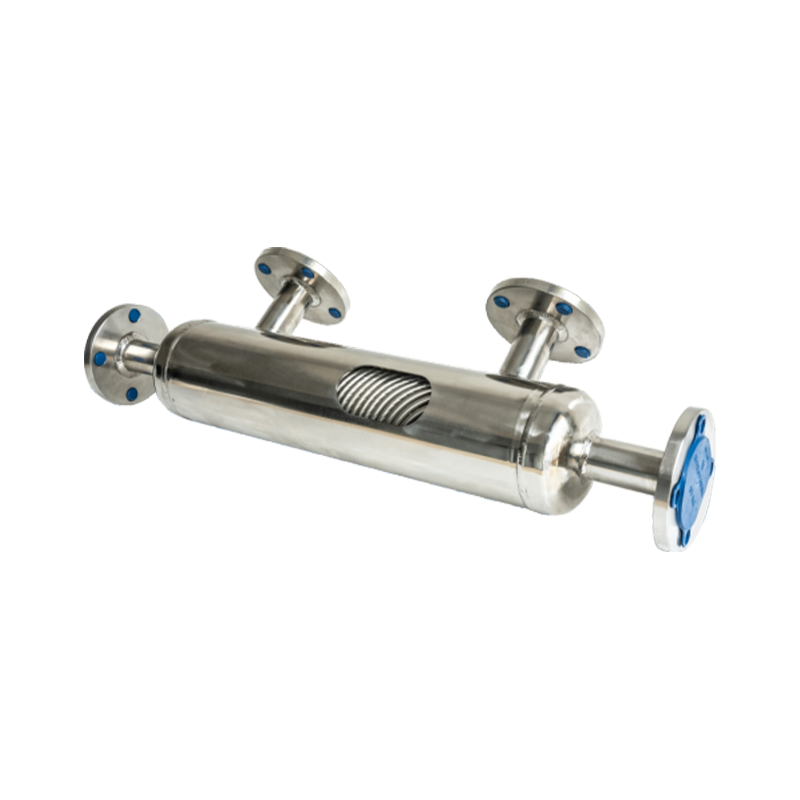
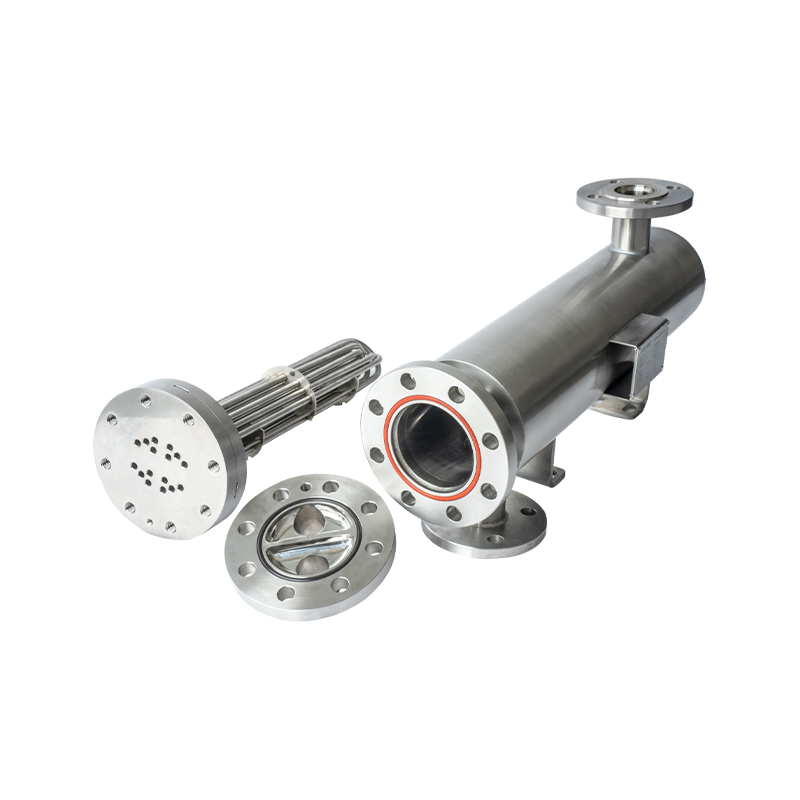
The spiral wound type is the core category of wound tube technology. It uses a shell-and-tube structure where heat exchange tubes are spirally arranged inside the shell. This design creates a longer and more optimized flow path, allowing the hot and cold media to exchange energy effectively. Compared with conventional straight-tube structures, the spiral arrangement improves fluid turbulence and reduces stagnant areas, which helps maintain stable heat transfer performance during continuous operation.
The Wound Tube Heat Exchanger is designed for industrial environments where efficiency and reliability are critical. Stainless steel 304 or 316L materials are commonly selected for the shell and heat exchange tubes, providing corrosion resistance and compatibility with different industrial media. The countercurrent flow arrangement between the tube side and shell side improves temperature control and supports heating, cooling, condensation, and heat recovery operations.
This category is particularly suitable for high-pressure gas processing because the compact spiral structure provides a large heat exchange area within a limited volume. The equipment can adapt to high-temperature and high-pressure conditions while reducing heat loss during operation. Shiloc (Shanghai) Industrial Trade Co., Ltd. combines material traceability, professional welding processes, and strict inspection procedures to ensure that each unit meets industrial performance requirements.
- Enhanced turbulence: Spiral flow improves media mixing and increases heat transfer efficiency.
- Compact structure: A smaller footprint reduces installation requirements.
- Stable operation: The design without expansion joints improves fatigue resistance.
- Flexible maintenance: Online cleaning and chemical cleaning methods can be applied.
2. High-Pressure Shell-and-Tube Heat Exchange Solutions
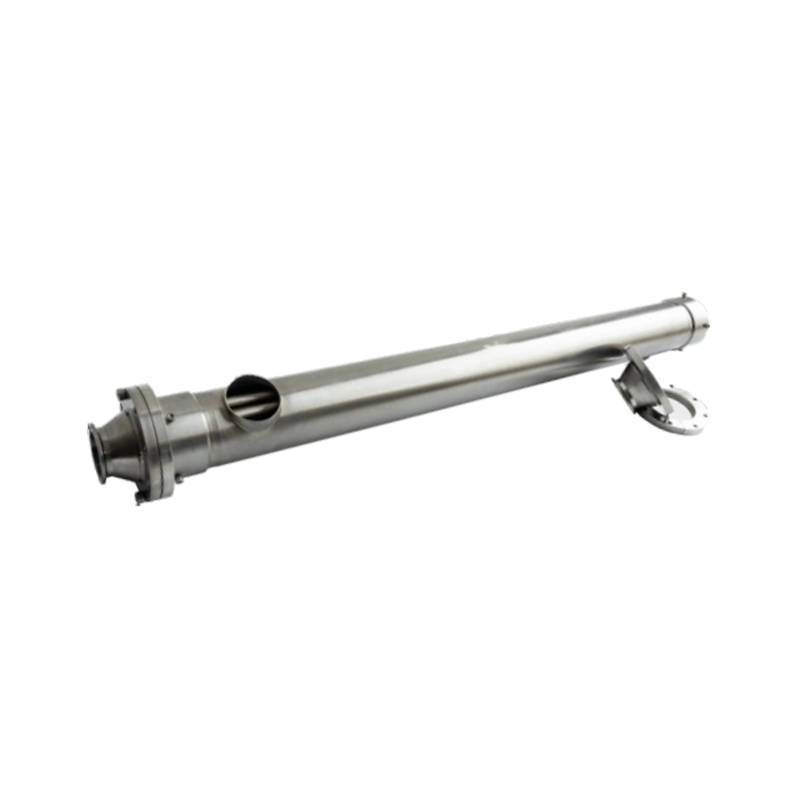
High-pressure shell-and-tube heat exchangers are designed for industries where pressure resistance and long-term reliability are essential. The shell-and-tube configuration separates two different media while allowing efficient thermal transfer. In gas processing applications, this structure helps manage temperature changes during compression, cooling, condensation, and recovery processes.
The wound tube heat exchanger technology provides additional advantages in this category because the spiral tube arrangement strengthens the internal flow characteristics. The equipment can handle media containing minor impurities more effectively because the continuous flow movement reduces deposition and slows fouling formation. This makes it suitable for applications requiring extended operating cycles and reduced maintenance frequency.
Compared with standard heat exchange equipment, high-pressure shell-and-tube solutions emphasize mechanical strength and operational stability. The flanged connection method allows integration with standard industrial piping systems, while stainless steel construction supports demanding working environments. In chemical industries, these units are commonly used for process heating, cooling, and condensation. In energy systems, they support steam condensation and high-temperature waste heat recovery.
| Product Category | Main Structure | Main Advantages | Typical Applications |
| Spiral Wound Type | Spirally arranged tubes inside shell | High efficiency, compact design, reduced fouling | Gas processing, heat recovery, industrial cooling |
| High-Pressure Shell-and-Tube Type | Separated shell and tube flow channels | Strong pressure resistance and stable operation | Chemical processes, condensation systems |
| Food and HVAC Heat Exchange Type | Sanitary or industrial heat transfer structure | Easy cleaning and reliable temperature control | Sterilization, beverage cooling, heating systems |
Shiloc (Shanghai) Industrial Trade Co., Ltd. provides engineering support throughout equipment selection, manufacturing, and delivery. The company maintains strict quality control systems, including ISO9001, environmental, and safety management standards. Through professional processing, welding, and polishing capabilities, the company ensures consistent product quality for customers requiring dependable high-pressure thermal equipment.
3. Sanitary and Industrial Heat Recovery Applications
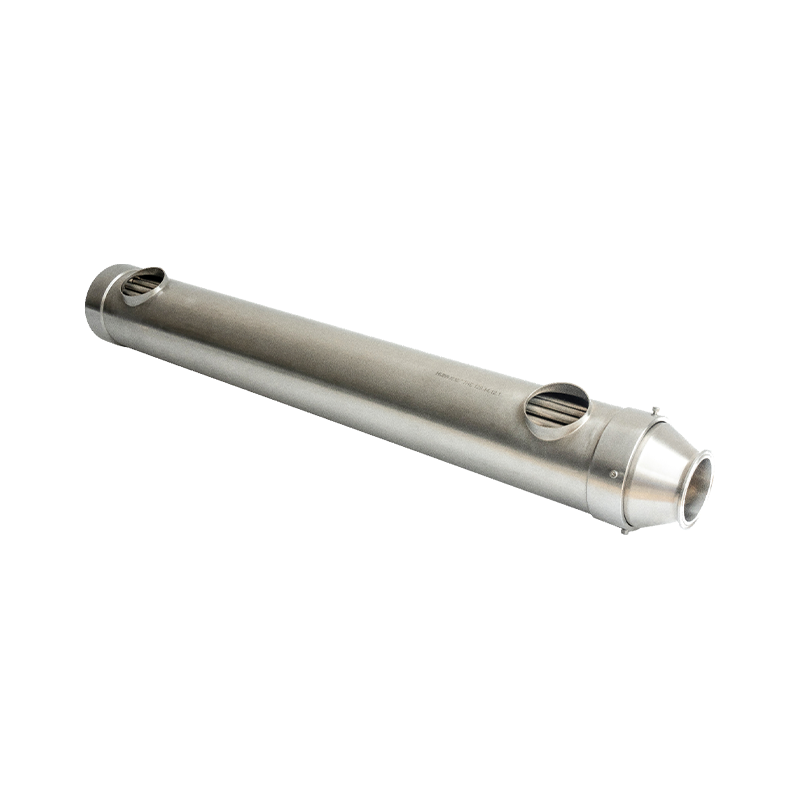
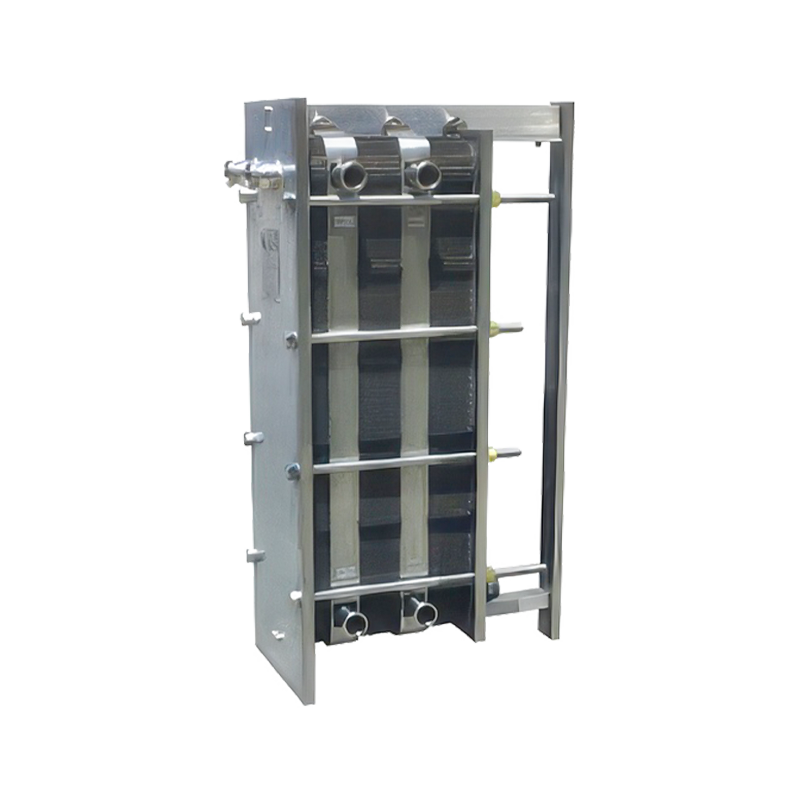
Another important application category of wound tube technology is sanitary and industrial heat recovery. Industries such as food production require efficient heating and cooling systems while maintaining hygiene standards. The spiral tube structure helps improve heat transfer performance while supporting cleaning procedures, making it suitable for processes involving sterilization, beverage cooling, and thermal treatment.
In HVAC and energy recovery systems, the Wound Tube Heat Exchanger provides an effective method for recovering energy from high-temperature media. Its compact design reduces equipment space requirements while maintaining strong thermal performance. The countercurrent flow structure helps control temperature differences between hot and cold ends, improving overall system efficiency.
The difference between this category and traditional industrial heat exchangers is the combination of efficiency, cleanliness, and operational flexibility. For food applications, stainless steel materials provide excellent hygiene performance. For HVAC applications, the equipment supports continuous operation with low maintenance requirements. For energy systems, the ability to recover heat from industrial streams contributes to reduced energy consumption.
- Confirm the operating conditions, including media characteristics, temperature requirements, and pressure levels.
- Select suitable stainless steel materials and connection methods according to the application environment.
- Perform installation inspection, gradual pressure increase, and regular cleaning procedures.
- Monitor operation performance and maintain stable flow conditions for long service life.
Technical Advantages in Continuous Industrial Operation
Long-term industrial operation requires equipment that minimizes unexpected downtime. Wound tube designs reduce the risk of mechanical failure by avoiding unnecessary expansion structures and improving fatigue strength. The spiral flow path also helps reduce material accumulation, allowing the equipment to maintain heat transfer performance over longer periods.
Shiloc (Shanghai) Industrial Trade Co., Ltd. focuses on providing customized engineering solutions according to different customer requirements. From equipment manufacturing to international trade services, the company offers complete support for customers seeking efficient heat exchange systems. Its supply network includes high-quality material sourcing and internal processing capabilities to improve delivery reliability.
Frequently Asked Questions
Q1: What are the main advantages of a Wound Tube Heat Exchanger in high-pressure gas processing?
A Wound Tube Heat Exchanger provides improved heat transfer efficiency, compact installation size, strong pressure adaptability, and reduced fouling compared with many conventional designs. Its spiral flow structure improves turbulence and supports stable operation under demanding conditions.
Q2: Which industries can use spiral wound heat exchange equipment?
Spiral wound heat exchange equipment is widely used in chemical processing, food production, HVAC systems, and energy recovery applications. It is suitable for heating, cooling, condensation, and waste heat utilization processes.
Q3: How does Shiloc (Shanghai) Industrial Trade Co., Ltd. support equipment customization?
Shiloc (Shanghai) Industrial Trade Co., Ltd. provides engineering consultation, equipment manufacturing, quality control, and international delivery services. The company uses professional technical resources and manufacturing capabilities to develop solutions according to different industrial requirements.
Q4: What maintenance methods are recommended for wound tube heat exchangers?
Recommended maintenance includes regular inspection of flange connections, cleaning of flow channels, checking media conditions, and preventing corrosion during long shutdown periods. Online cleaning and chemical cleaning can help maintain stable performance.


