

 English
 русский
 Português
 Français

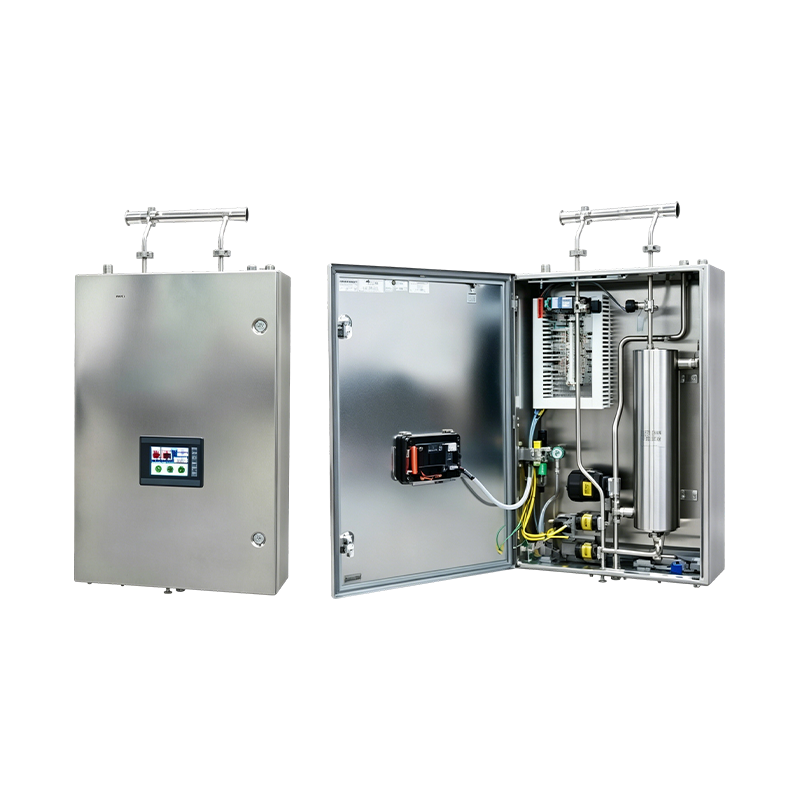
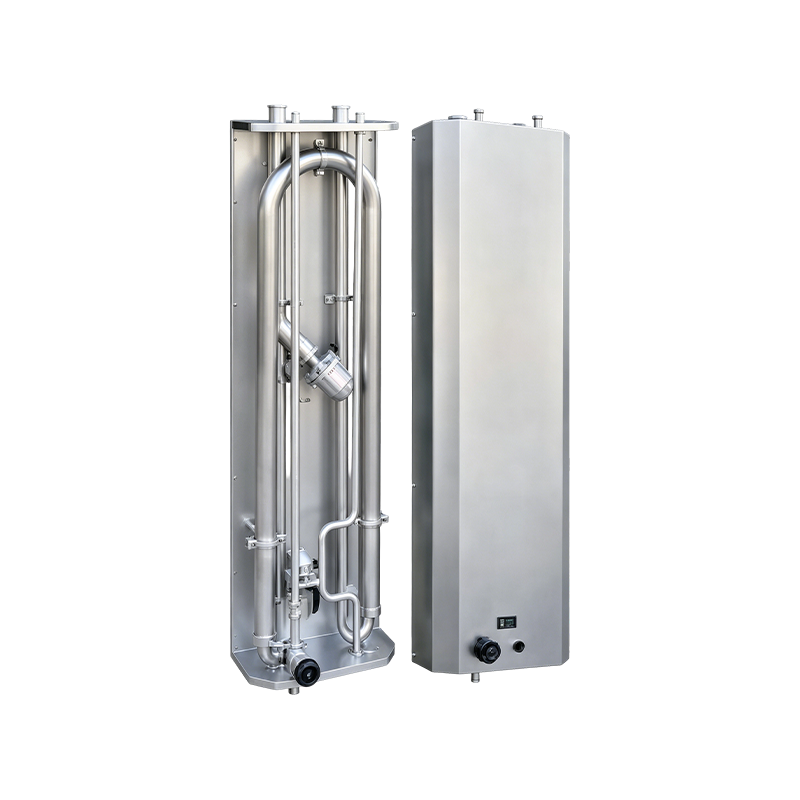
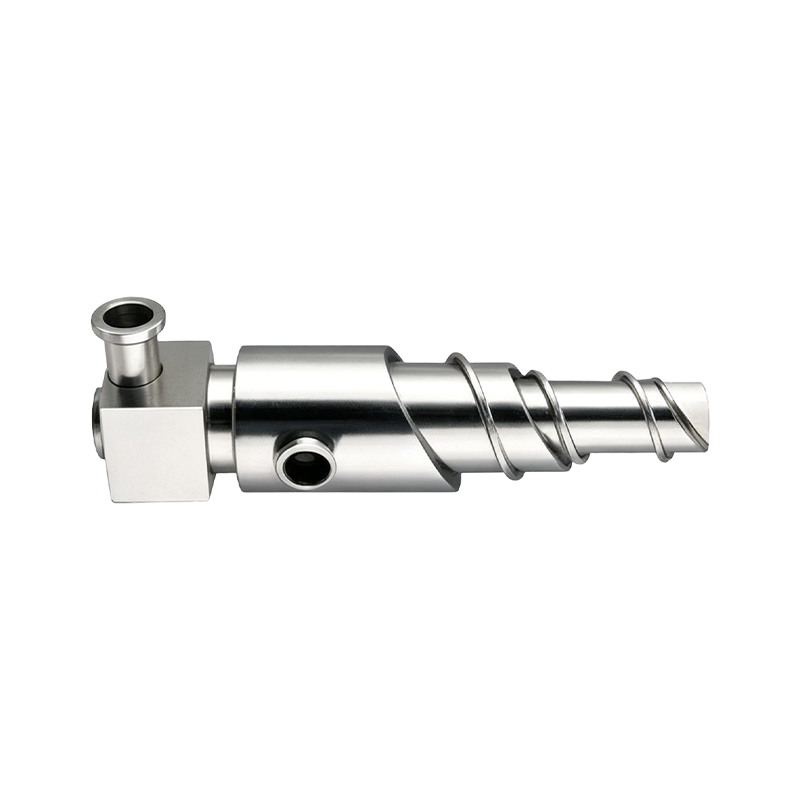
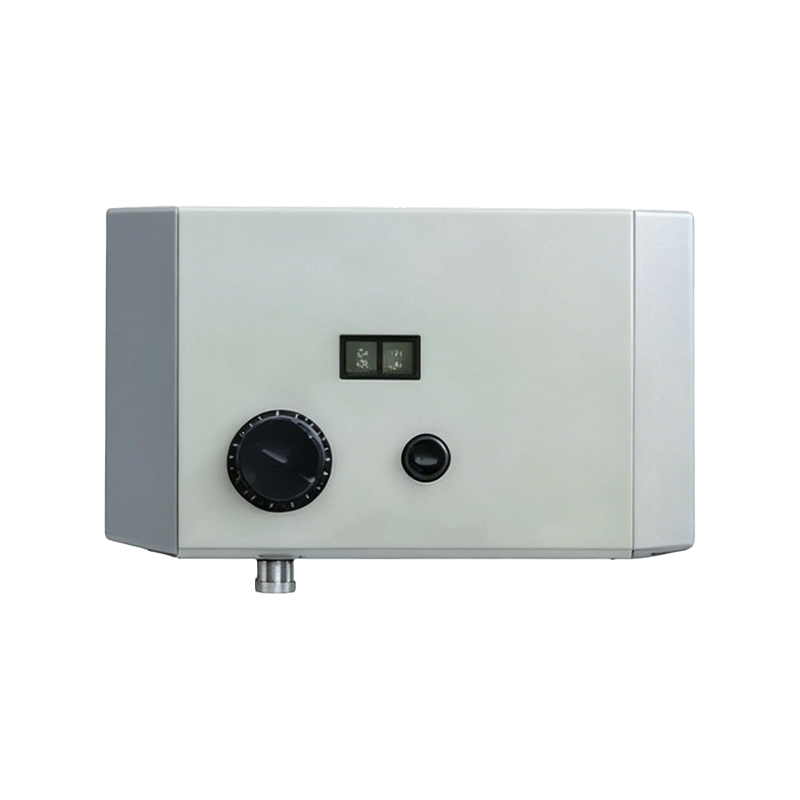


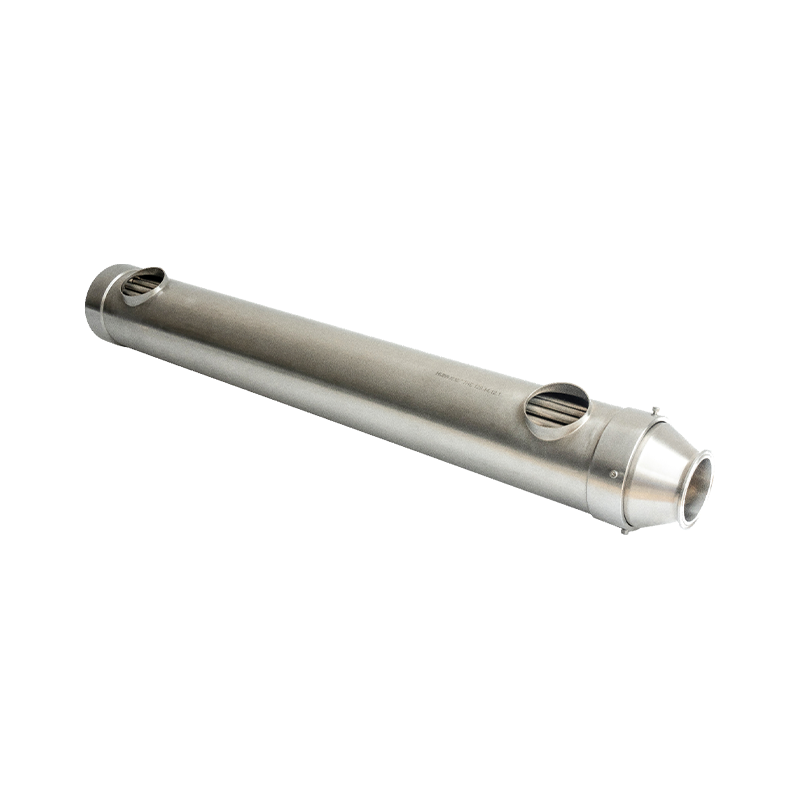
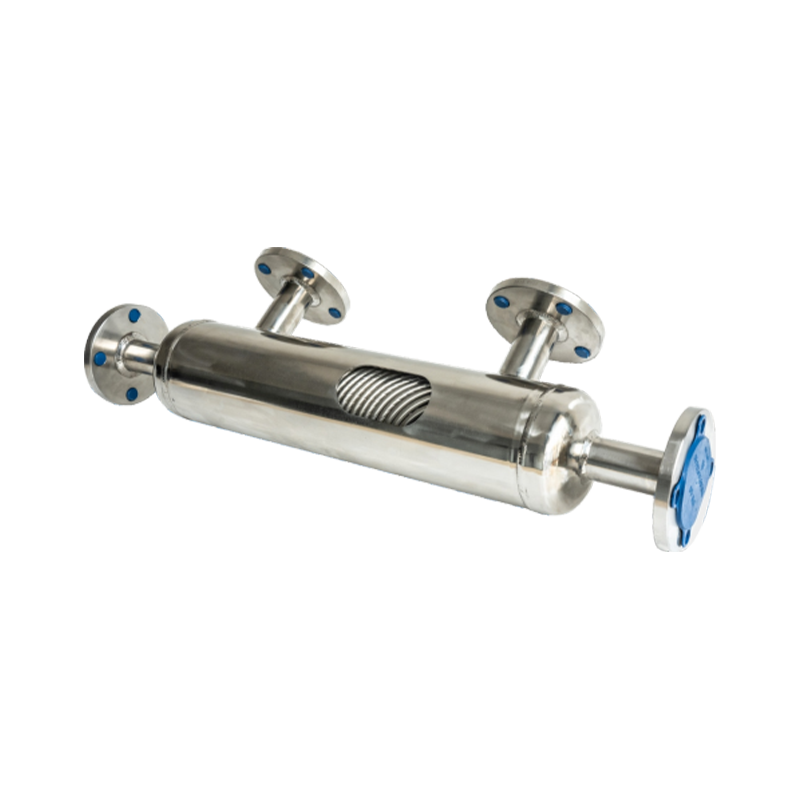
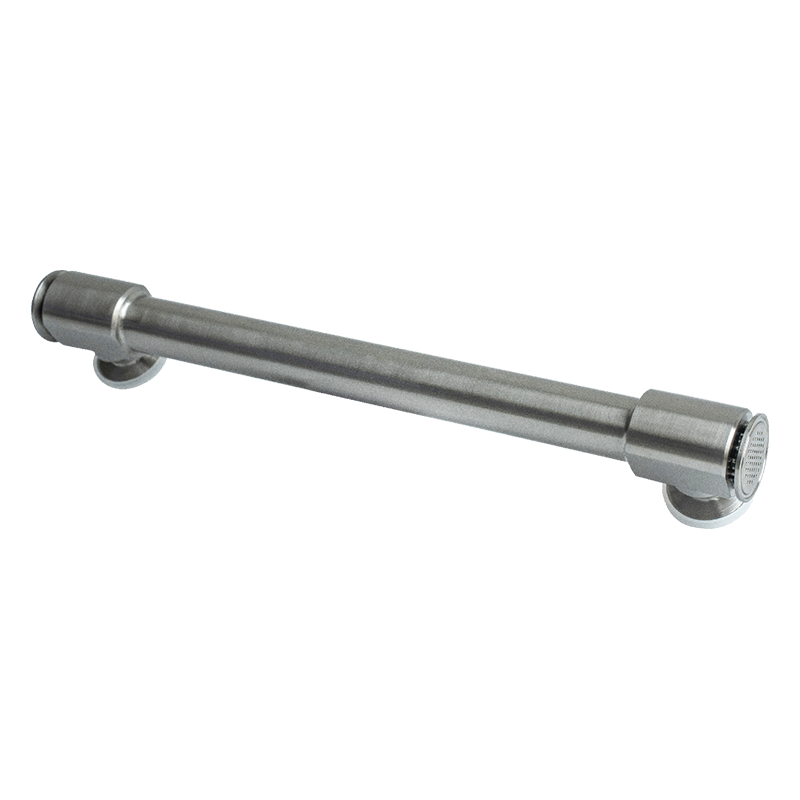
Why is the Sanitary Tube-in-Tube Heat Exchanger the Ideal Choice for Industries with High Hygiene Standards?
In industries such as food, beverage, dairy, biopharmaceuticals, and fine chemicals, heat exchange equipment not only needs efficient heat transfer capabilities but also must meet stringent hygiene requirements. With continuous upgrades in production processes, traditional heat exchange equipment is facing new challenges in terms of cleanliness and maintenance, corrosion resistance, and continuous production stability. The Sanitary Tube-in-Tube Heat Exchanger, with its unique tube-in-tube structure design, high hygiene standards, and reliable operation, is becoming an increasingly important equipment choice for demanding industrial sectors.
As a heat exchanger specifically designed for hygienic production environments, the Sanitary Tube-in-Tube Heat Exchanger not only solves the problem of fluid heat exchange efficiency but also considers equipment safety, maintainability, and long-term operating costs.
How does the tube-in-tube structure improve heat exchange efficiency?
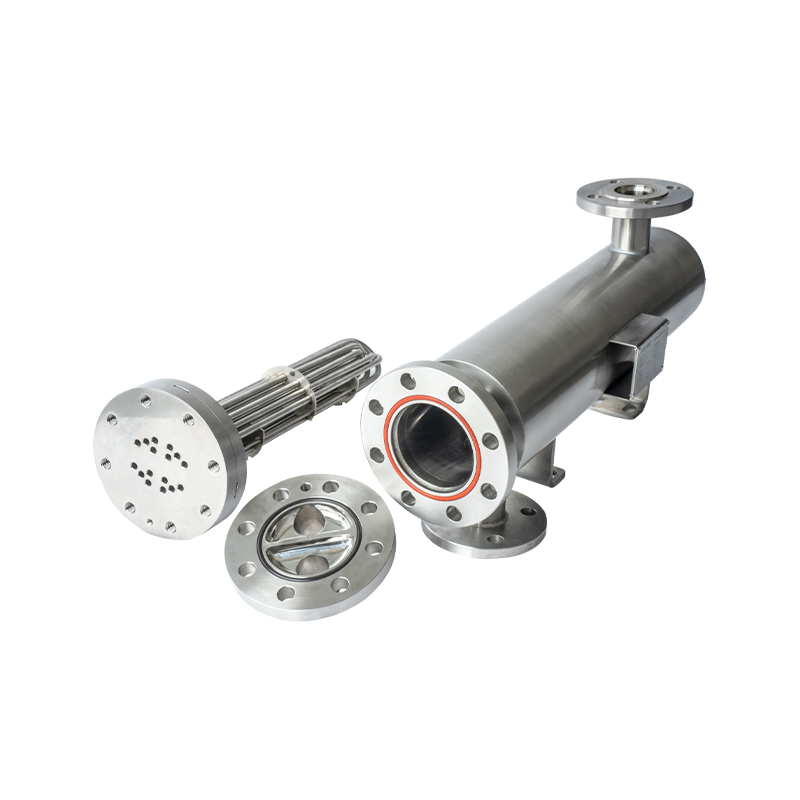
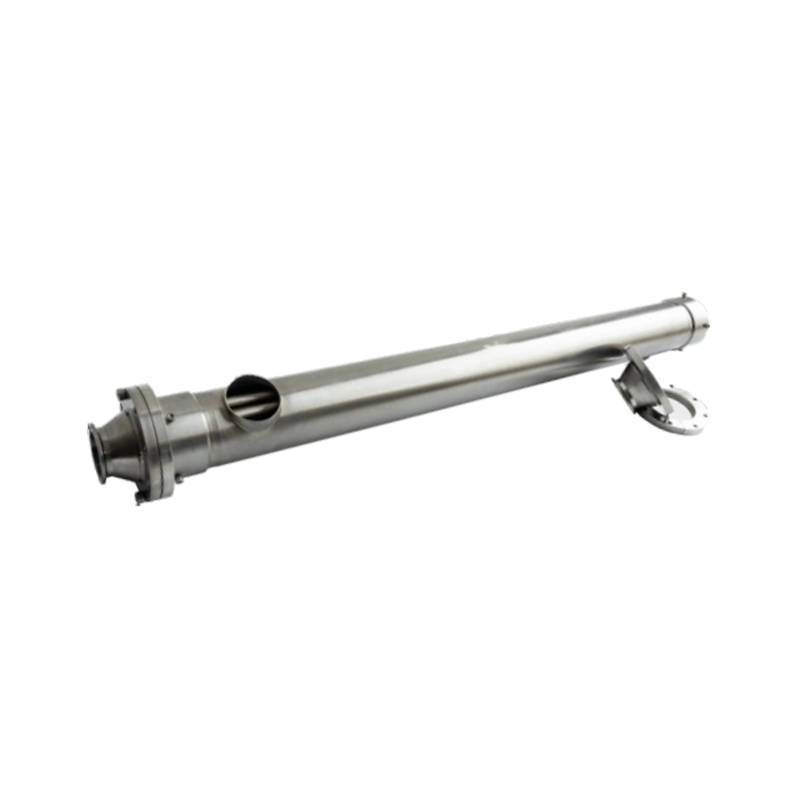
The Sanitary Tube-in-Tube Heat Exchanger employs an inner and outer double-tube structure. One medium flows in the inner tube, while another medium flows in the channel between the inner and outer tubes, achieving heat exchange between the hot and cold media. Compared to conventional heat exchange methods, this structure effectively controls the fluid path, making the heat exchange process more stable.
In actual production processes, some materials may have high viscosity or contain particulate matter, such as jams, dairy raw materials, and some food slurries. If the internal flow channel design of the equipment is not properly designed, it can easily lead to increased flow resistance or cleaning difficulties. The tube-in-tube structure provides a larger flow space, reducing the risk of blockage, while also facilitating online cleaning and maintenance.
This structure also offers strong flexibility, allowing for adjustments to the tube diameter, length, and material configuration according to different process requirements, thereby meeting the temperature control and production efficiency requirements of different customers.
Why is hygiene performance a key focus in the industry?
For the food and pharmaceutical industries, the hygiene level of equipment is directly related to product quality and production safety. Sanitary Tube-in-Tube Heat Exchangers are typically made of stainless steel that meets hygiene standards, and the inner walls undergo fine treatment to reduce material residue and the possibility of bacterial growth.
Good surface treatment processes not only extend the service life of the equipment but also make daily cleaning more efficient. For manufacturing companies that frequently switch product types, easy-to-clean and easy-to-maintain equipment designs can reduce downtime and improve overall production efficiency.
Meanwhile, sanitary tube-in-tube heat exchangers can withstand higher temperature and pressure environments, maintaining stable performance during long-term continuous operation, providing companies with more reliable production assurance.
Expanding Applications and Growing Market Demand
Currently, sanitary tube-in-tube heat exchangers are widely used in multiple industries. In dairy processing, they can be used for heating and cooling milk, cream, and other products; in the beverage industry, they can be used for temperature control of juices, syrups, and functional drinks; and in the pharmaceutical and bioengineering fields, they can meet the stringent requirements for clean production environments and precise temperature control.
As global manufacturing moves towards automation and intelligence, companies' requirements for heat exchange equipment are shifting from simply pursuing performance to focusing more on equipment reliability, energy efficiency, and overall solution capabilities. Therefore, suppliers who can provide customized services will have a greater competitive advantage in the market.
How does Shiloc provide professional support to its customers?
Shiloc (Shanghai) Industrial Trade Co., Ltd. is a comprehensive trading company specializing in the import and export of goods, technology, and engineering technical services. As a China Sanitary Tube-in-Tube Heat Exchanger Manufacturer and Custom Sanitary Tube-in-Tube Heat Exchanger Factory, the company is committed to providing global customers with high-quality sanitary tube-in-tube heat exchanger products and professional solutions.
Leveraging its experienced import and export agency team, Shiloc can help customers solve problems related to communication, logistics, technical coordination, and trade processes in international procurement, providing customers with a more complete international trade service system.
Whether it's standardized product procurement or customized heat exchanger solutions for special process requirements, the company focuses on providing more suitable product support based on the customer's actual application scenario.
With professional knowledge, efficient service, and an understanding of international market demands, Shiloc aims to become a trusted international trade partner for its customers, building a more stable and efficient supply chain connection for global clients.
FAQ
Q1: Which industries are sanitary tube-in-tube heat exchangers mainly suitable for?
This equipment is primarily used in industries with high hygiene requirements, such as food, beverage, dairy, biopharmaceuticals, and chemicals, and is especially suitable for production processes requiring stable temperature control and strict cleanliness standards.
Q2: Can sanitary tube-in-tube heat exchangers be customized?
Yes. The materials, dimensions, and structural designs can be adjusted based on the material characteristics, flow requirements, temperature range, and installation environment of different customers.
Q3: Why choose Shiloc as a partner?
Shiloc possesses a professional import/export service team and engineering technical service capabilities, enabling it to provide customers with integrated solutions from product supply to international trade support, helping them improve procurement efficiency and reduce communication costs.


