
 English
 русский
 Português
 Français

 Read More

Product Category
NEW Category
Contact us
Contact Us
We specialise in the research, development and manufacture of electrical wires and cables.
 +86-21-57560276
Automatic Pasteurization System Guide for Dairy & Beverage
Content
A single degree of temperature drift during heat treatment can mean the difference between a shelf-stable batch and a recalled one. An Automatic Pasteurization System removes that risk by holding heating, holding time, and cooling within tight, sensor-verified tolerances, so every liter of milk, juice, or functional drink that leaves the line meets the same safety and quality standard.
What an Automatic Pasteurization System Actually Does
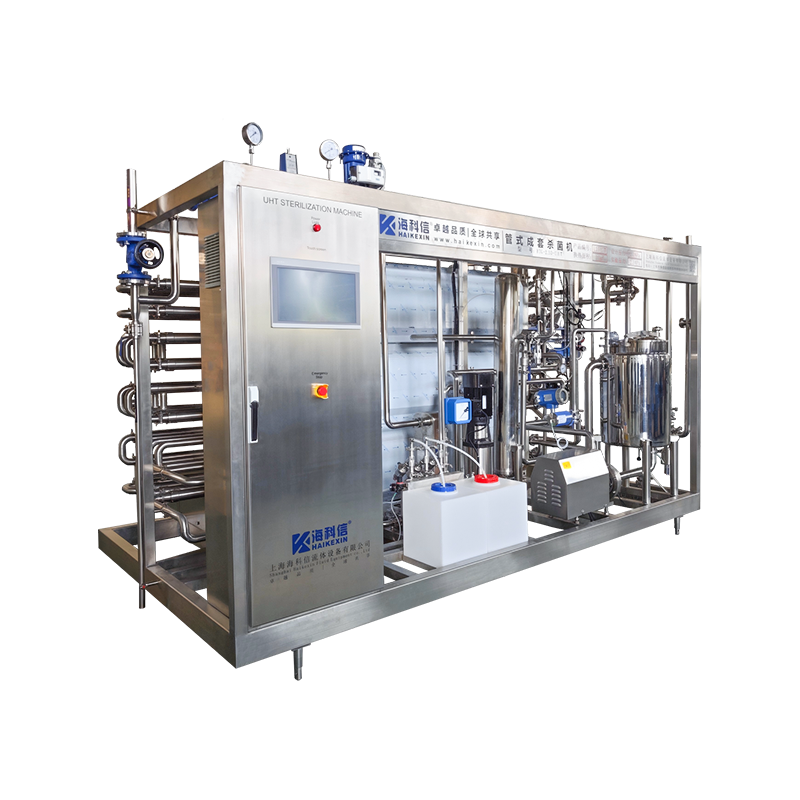
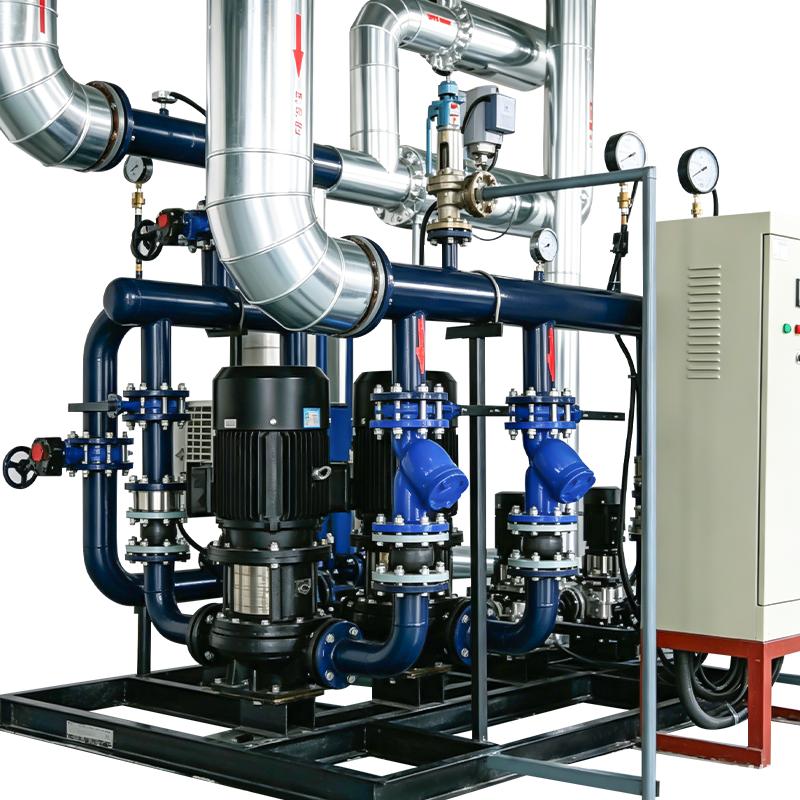
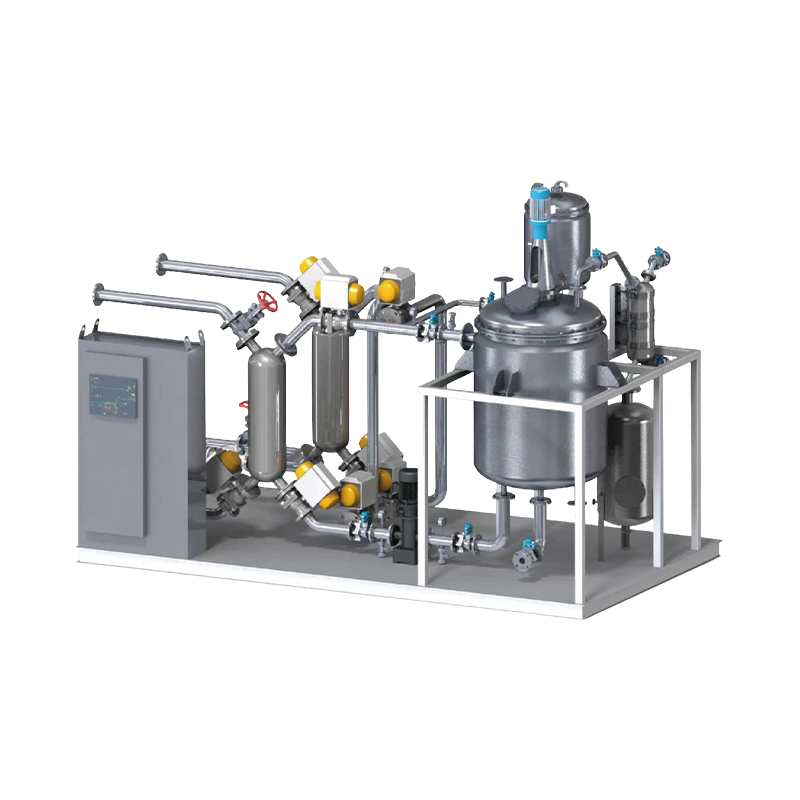
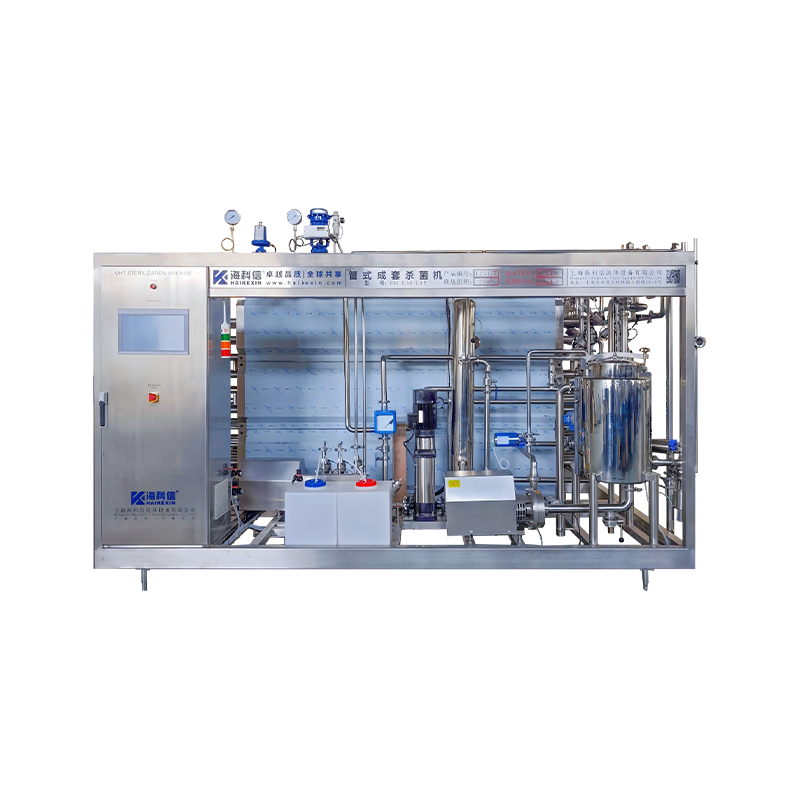
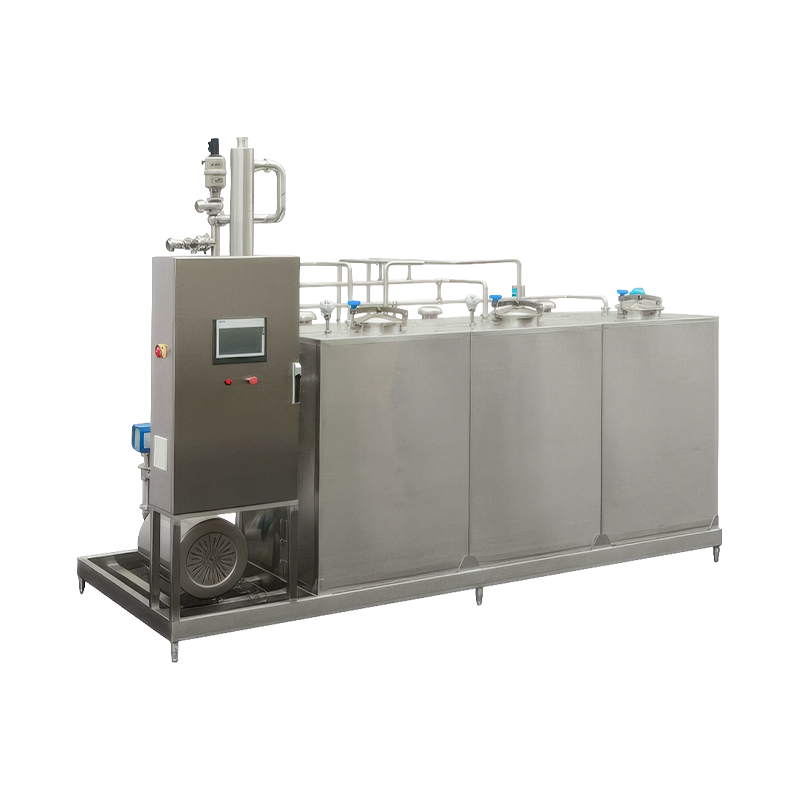
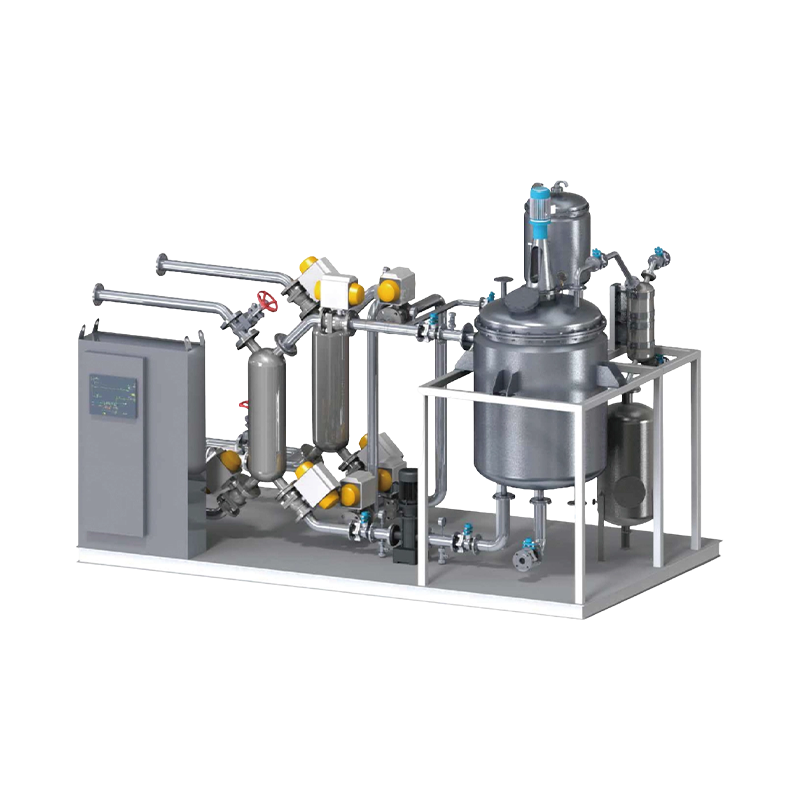
An automatic pasteurization system is a closed processing skid that heats a liquid product to a defined temperature, holds it there for a set duration, then cools it rapidly, all under automated control rather than manual valve and gauge operation. The goal is microbial reduction with minimal impact on flavor, color, and nutrients. Unlike batch kettles run by hand, the system logs every heating and holding cycle, which gives plants a verifiable record for audits and recalls.
- SensorsDigital temperature sensors track product at multiple points along the pipeline, not just at the outlet.
- DiversionDiversion valves automatically reroute under-processed product back through the heater instead of into filling.
- CoolingRapid cooling stages drop product temperature fast enough to prevent bacterial regrowth in the danger zone.
How the System Locks In Food Safety
Pathogenic bacteria, yeasts, and molds are inactivated within narrow time-temperature windows. A pasteurization skid manages four variables at once: heating rate, holding time, cooling rate, and product flow rate. Programmable logic controllers adjust these in real time as flow or viscosity changes, something a human operator watching a dial cannot do consistently across an eight-hour shift. The process unfolds in three connected stages.
-
Heat to target
Product is raised to the required pasteurization temperature through a regenerative heat exchanger, recovering energy from the outgoing hot stream.
-
Hold for the set duration
Flow rate and holding-tube length are matched so every particle of product spends the same minimum time at temperature, with no shortcuts for faster-moving product near pipe walls.
-
Cool and release
Product is rapidly cooled to storage or filling temperature, and only released downstream once the full cycle is confirmed by the controller.
Where Dairy and Beverage Plants Use It
Fresh milk, flavored milk, and UHT pre-treatment all rely on tight thermal control to protect both safety and nutritional value. Yogurt producers use the same equipment upstream of fermentation to stabilize the milk base before cultures are added. On the beverage side, fruit juice, ready-to-drink tea, and functional sports drinks pass through the same class of equipment to extend shelf life without cooking off flavor compounds.
Pasteurization is not sterilization. It reduces pathogenic and spoilage organisms to a safe level while leaving the product's sensory qualities intact, which is exactly why time-temperature precision, not just peak heat, determines whether a batch succeeds.
Shelf Life, Throughput, and the Business Case
Reducing microbial load is only half the value. Consistent thermal treatment also stabilizes shelf life across every batch, which matters more as distribution distances grow. Plants running continuous automated lines report fewer product holds, faster changeovers between SKUs, and less product lost to rejected batches compared with kettle-based manual runs.
| Dairy | Milk, yogurt base, cream | Food safety and consistent texture |
| Juice | Fruit and vegetable juice | Extended shelf life |
| Beverage | Tea, functional drinks | Stable flavor and clarity |
| Liquid food | Sauces, liquid concentrates | Reliable heat penetration |
What's Next for Automated Pasteurization
Newer installations pair an Automatic Pasteurization System with remote monitoring dashboards, heat-recovery loops that cut energy use, and modular skids designed to switch between product types without a full changeover. For plants running multiple SKUs on one line, that flexibility is becoming as important as the core heat treatment itself.
What temperature does an automatic pasteurization system typically hold milk at?
Most dairy lines use high-temperature short-time treatment, commonly around 72 to 75°C for roughly 15 to 20 seconds, though exact settings depend on the product and local regulations.
How is an automatic system different from a batch pasteurizer?
A batch pasteurizer heats a fixed volume in a tank and holds it for a set time, while an automatic continuous system processes flowing product through heating, holding, and cooling stages without stopping, which suits higher-volume lines.
Can one system handle both dairy and juice products?
Many modern skids are built with adjustable programs and sanitary changeover procedures so the same equipment can switch between dairy, juice, and functional beverage runs.
Does pasteurization affect nutritional value?
Some heat-sensitive nutrients are reduced, but precise time-temperature control minimizes that loss compared with prolonged or uneven heating, which is why control accuracy matters as much as peak temperature.
 |
 |
PREV:Standalone Process Equipment for Food: A Comprehensive Selection and Application Guide
NEXT:What Are Bioprocess Integrated Skids and Why Are They Essential for Modern Biopharmaceutical Manufacturing?
NEXT:What Are Bioprocess Integrated Skids and Why Are They Essential for Modern Biopharmaceutical Manufacturing?
Interested in cooperation or have questions?
Recommended LINS
✦
CIP Skid System for Food Industry
Food and Beverage Process System
Process Skid System
CIP process skid system for food industry
Skid Mounted Process System
hygienic process skid for food industry
Food Processing Skid System
automated process skid system for food processing
beverage blending skid system
dairy process skid system
Let'S Work Together Welcome Aboard!
-

haikexin@haikexin.com
-
 +86-21-57560276
 -
 No. 2819, Sihu Road,Fengxian District, Shanghai, China
Join Our Mailing List
Copyright © Shiloc (Shanghai) Industrial Trading Co., Ltd. All Rights Reserved.
Process Systems & Equipment For Food & Biopharma Manufacturers
