
 English
 русский
 Português
 Français

 Read More

Product Category
NEW Category
Contact us
Contact Us
We specialise in the research, development and manufacture of electrical wires and cables.
 +86-21-57560276
What Are Bioprocess Integrated Skids and How Do They Support Modern Biomanufacturing?
Content
Standing up a new biomanufacturing line the traditional way means months of on-site piping, equipment integration, and testing before a single batch runs. Bioprocess Integrated Skids compress that timeline by combining process vessels, automation, and fluid handling into one pre-engineered, factory-tested platform. Here is how they work and why biopharmaceutical manufacturers are standardizing around them.
4 workflow stages inside every skid
100% factory tested before site delivery
5 core application areas in production use
What a Bioprocess Integrated Skid Actually Is
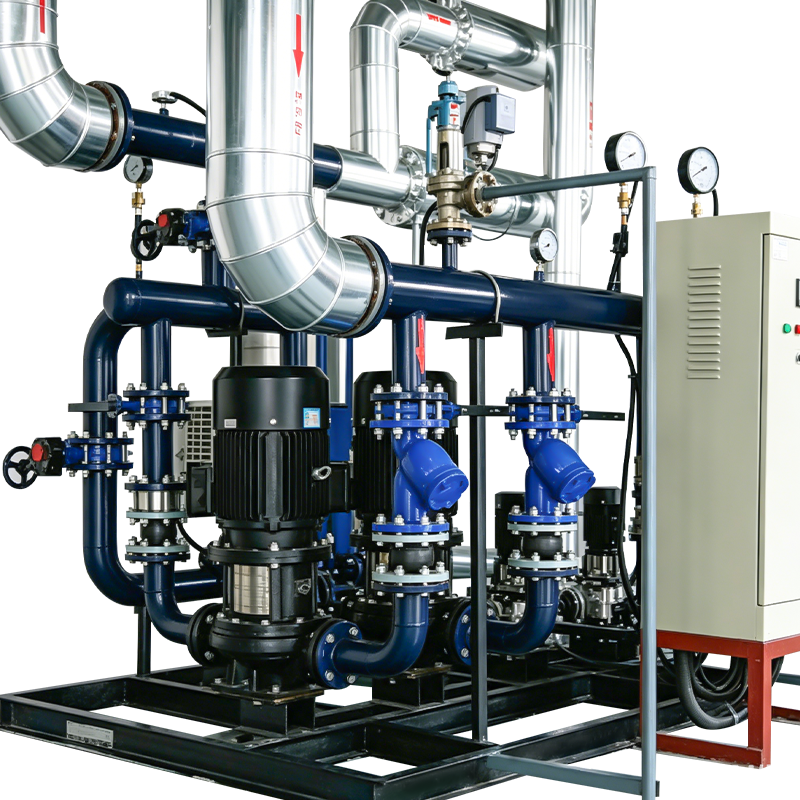
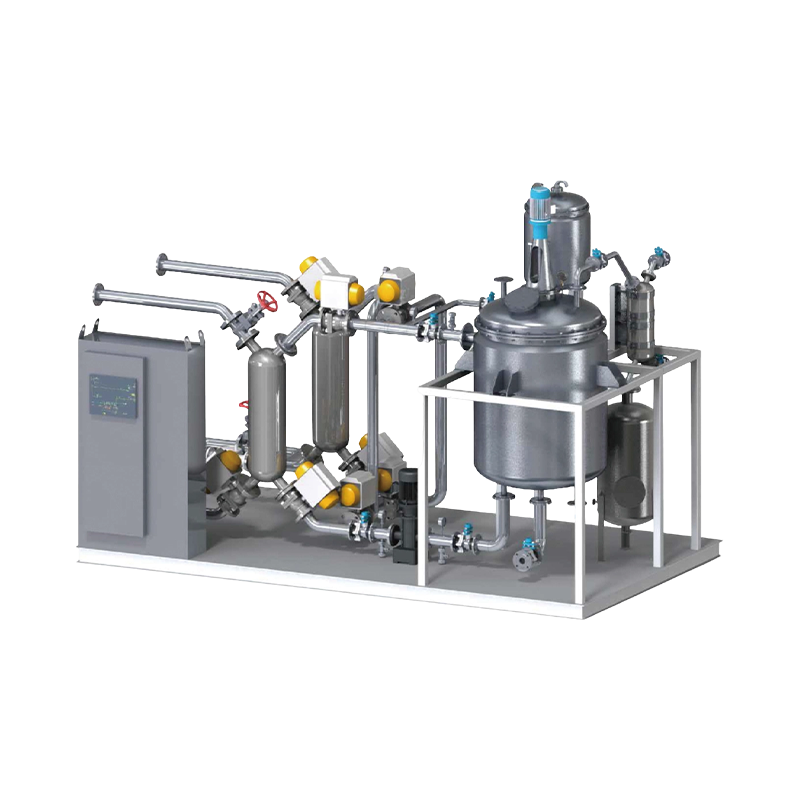
A Bioprocess Integrated Skid is a modular process system that mounts process vessels, pumps, heat exchangers, filters, valves, sensors, control panels, and stainless steel piping onto a single skid platform, pre-configured for a specific process instead of assembled piece by piece on site.
The real advantage is not the equipment itself, it is that everything arrives already tested as one working system instead of a pile of parts to integrate on the plant floor.
How a Bioprocess Integrated Skid Operates
Every skid follows the same operational logic regardless of the specific application it supports.
1
Material Preparation
Culture media, buffers, and process fluids enter the system.
2
Process Control
Sensors track temperature, pressure, flow rate, pH, and conductivity.
3
Processing
Mixing, filtration, sterilization, or fluid transfer runs automatically.
4
Data Recording
Process data logs support validation and regulatory compliance.
Five Ways Skids Support Modern Biomanufacturing
01
Faster Production Startup
Factory pre-assembly and standardized design shorten project timelines significantly compared with on-site builds.
02
GMP Compliance Support
Sanitary design and traceable process data help meet hygiene and validation requirements for biologics and vaccine production.
03
Flexible, Scalable Capacity
Manufacturers add process units or expand capacity without rebuilding core infrastructure, valuable for CDMOs and growing biotechs.
04
Lower Installation Risk
Testing happens before delivery, reducing on-site errors and easing commissioning at the production facility.
Where Bioprocess Integrated Skids Are Deployed
A Bioprocess Integrated Skid supports vaccine manufacturing through media and buffer preparation, biologics production for protein purification and antibody manufacturing, and fermentation processes across microbial and cell culture systems. Pharmaceutical formulation lines and pilot-scale research facilities use the same modular approach to move from process development to production without redesigning core infrastructure.
ComparisonIntegrated Skids vs Traditional Process Systems
| Feature | Bioprocess Integrated Skid | Traditional System |
| Installation | Faster modular installation | Longer site construction |
| Testing | Factory tested | Mainly site tested |
| Flexibility | High | Lower |
| Automation | Integrated | Requires additional setup |
What to Check Before Choosing a Skid System
- Process requirements: production capacity, process steps, fluid characteristics
- Material compatibility: stainless steel grade, surface finish, sanitary requirements
- Automation needs: control system compatibility and data recording capability
- Regulatory requirements: GMP standards and validation documentation
What equipment is typically included in a bioprocess skid?
A complete system usually integrates process vessels, pumps, heat exchangers, filters, valves, sensors, control panels, and sanitary stainless steel piping on one platform.
Are integrated skids suitable for GMP-regulated production?
Yes. Their sanitary design, validated operating procedures, and traceable process data are built to support GMP compliance in biologics and vaccine manufacturing.
Can a skid system scale as production needs grow?
Yes. Modular design allows manufacturers to add process units or expand capacity without rebuilding the entire production line.
How does factory testing reduce installation risk?
Because the full system is assembled and tested before shipment, fewer integration errors surface on site, which simplifies commissioning at the production facility.
 |
 |
PREV:How Bioprocess Skids Are Designed and Manufactured | Engineering Guide
NEXT:Integrated Process Skids: How to Choose the Right Solution for Complex Food & Beverage Applications
NEXT:Integrated Process Skids: How to Choose the Right Solution for Complex Food & Beverage Applications
Interested in cooperation or have questions?
Recommended LINS
✦
Let'S Work Together Welcome Aboard!
-

haikexin@haikexin.com
-
 +86-21-57560276
 -
 No. 2819, Sihu Road,Fengxian District, Shanghai, China
Join Our Mailing List
Copyright © Shiloc (Shanghai) Industrial Trading Co., Ltd. All Rights Reserved.
Process Systems & Equipment For Food & Biopharma Manufacturers
