
 English
 русский
 Português
 Français

 Read More

Product Category
NEW Category
Contact us
Contact Us
We specialise in the research, development and manufacture of electrical wires and cables.
 +86-21-57560276
Hybrid and Direct Contact Heat Exchangers for Efficient Food, Beverage, and Biopharmaceutical Processing
Content
- 1 Understanding the Hybrid / Direct Contact Heat Exchanger
- 2 How Direct Contact Heat Transfer Works
- 3 Key Advantages Compared with Conventional Heat Exchangers
- 4 Applications in Food and Beverage Processing
- 5 Applications in Biopharmaceutical Manufacturing
- 6 Design Configuration and Operating Principle
- 7 Engineering Factors for Equipment Selection
- 8 Manufacturing Strengths and Process Control
- 9 Why a Customized Equipment Approach Matters
- 10 Comparison of Direct Contact and Conventional Heat Exchange
- 11 Operational Reliability and Troubleshooting
- 12 Installation, Commissioning, and Maintenance Recommendations
- 13 Shiloc’s Integrated Supply and Engineering Strengths
- 14 Economic and Sustainability Considerations
- 15 Project Development Process
- 16 Frequently Asked Questions
- 16.1 Q1: What is the primary difference between a direct contact and an indirect heat exchanger?
- 16.2 Q2: Is the Hybrid / Direct Contact Heat Exchanger suitable for food production?
- 16.3 Q3: Can the equipment be used in biopharmaceutical facilities?
- 16.4 Q4: Does direct contact heat exchange eliminate fouling completely?
- 16.5 Q5: What materials are available?
- 16.6 Q6: Can the shell dimensions and connection positions be customized?
- 16.7 Q7: What information is needed for a quotation?
- 16.8 Q8: How can water hammer and vibration be prevented?
- 16.9 Q9: What makes Shiloc suitable for international equipment projects?
- 16.10 Q10: Can the equipment be integrated into an existing production line?
- 17 Conclusion
- 18 References
- 19 Product: Hybrid / Direct Contact Heat Exchanger
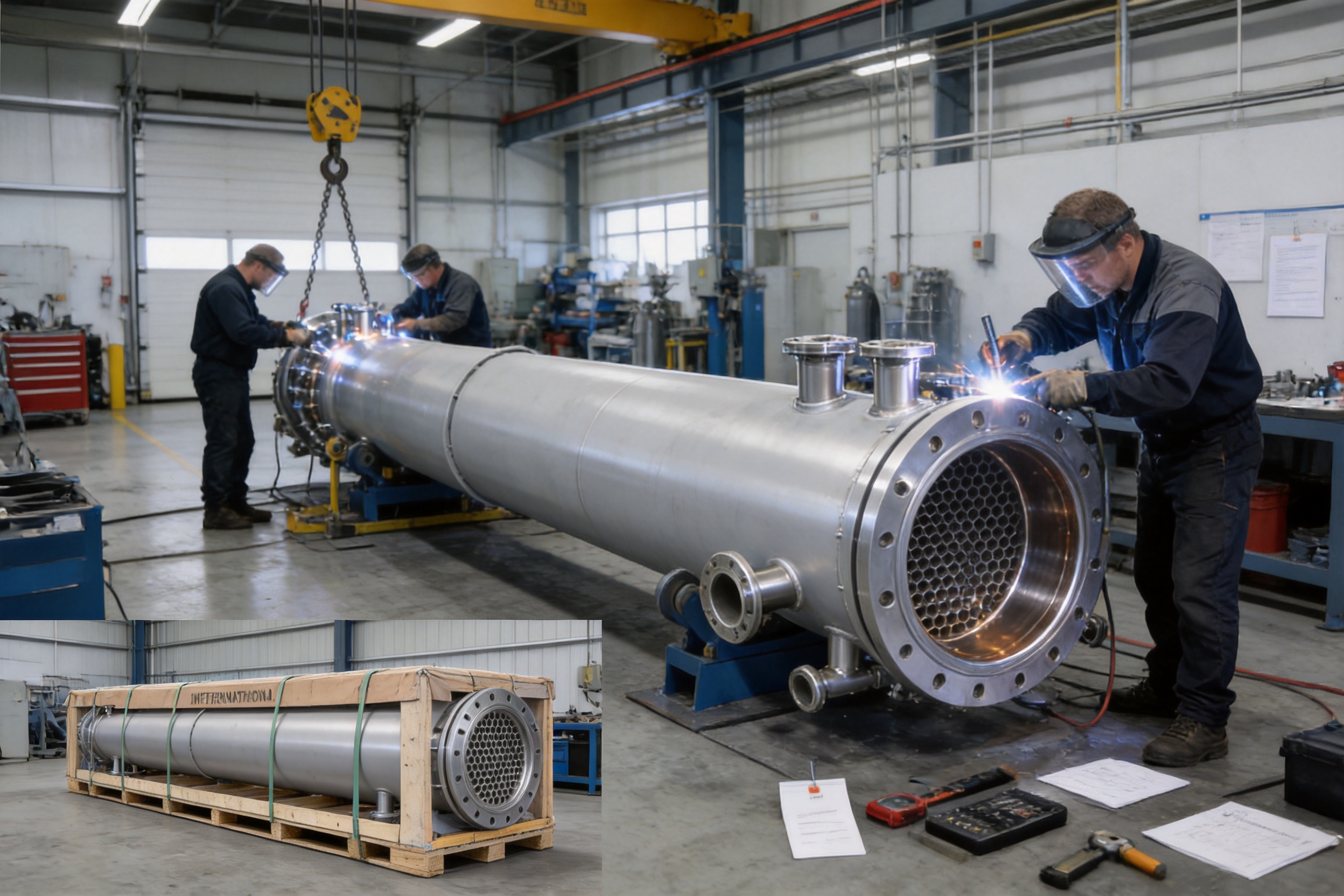
Modern food, beverage, and biopharmaceutical manufacturers operate under growing pressure to improve energy efficiency, maintain hygienic production conditions, reduce downtime, and control the total cost of ownership of process equipment. Heating, cooling, condensation, gas treatment, and waste-heat recovery are essential operations across these industries. However, conventional heat exchangers are not always the most suitable solution for every process. Fouling, scaling, corrosion, high thermal resistance, difficult cleaning procedures, and large equipment footprints can reduce performance over time.
The Hybrid / Direct Contact Heat Exchanger provides an alternative approach. Instead of relying exclusively on a metal tube wall or plate to separate hot and cold media, this equipment enables selected media to come into direct contact. Heat is transferred through mixing, spraying, gas-liquid interaction, or other controlled contact methods. By eliminating the thermal resistance of conventional heat-transfer walls in suitable applications, the equipment can achieve rapid heat transfer while combining heating, cooling, condensation, and media mixing in one process step.
This design is particularly valuable when the process permits direct mixing of the media. It can support process water heating, steam condensation, condensate recovery, high-temperature waste-gas cooling, scrubbing, chemical processing, and selected food, beverage, and biopharmaceutical applications. The equipment is configured as a horizontal cylindrical shell, with process media entering through engineered inlets and contacting one another inside a pressure-resistant chamber.
Shiloc (Shanghai) Industrial Trading Co., Ltd. supplies customized fluid-processing equipment and international procurement services for manufacturers in the food and beverage, biopharmaceutical, daily chemical, and fine chemical sectors. Drawing on European process know-how and Danish design principles, the company combines equipment engineering, manufacturing coordination, quality control, and global trade support to help customers implement reliable process systems.
Understanding the Hybrid / Direct Contact Heat Exchanger
A Hybrid / Direct Contact Heat Exchanger is a process vessel designed to transfer heat through direct interaction between two or more media. In a traditional shell-and-tube heat exchanger, hot and cold fluids remain separated by tube walls. Heat must pass through the fluid film, the tube material, and another fluid film. These layers create thermal resistance and can reduce heat-transfer efficiency, particularly when deposits form on the heat-transfer surfaces.
In a direct contact design, the media are allowed to mix under controlled conditions. A hot medium may be injected into a colder liquid, or a hot gas may be brought into direct contact with a cooling liquid. Steam can condense directly into process water, transferring its latent heat efficiently while becoming part of the resulting liquid stream. Similarly, a hot waste gas can be cooled and treated through direct contact with a liquid scrubbing medium.
The term “hybrid” refers to the ability to combine direct contact principles with other process functions or, where required, indirect heat-transfer structures. The precise arrangement can be adapted to the properties of the media, the required temperature profile, the permitted degree of mixing, and the overall process flow. This makes the equipment more versatile than a single-purpose heat exchanger.
The equipment does not depend on tube bundles or complex internal assemblies to perform its primary function. Its horizontal cylindrical shell provides a controlled space for media injection, contact, mixing, heat transfer, separation, and discharge. Depending on the application, the shell may be manufactured from carbon steel or stainless steel, with material selection based on temperature, pressure, chemical compatibility, hygiene requirements, and corrosion risk.
How Direct Contact Heat Transfer Works
When two media at different temperatures meet directly, heat flows from the hotter medium to the colder medium until the desired thermal balance is reached. The rate of heat transfer depends on the temperature difference, the flow rates, the physical properties of the media, the contact area, the degree of turbulence, and the residence time inside the vessel.
For example, when steam is injected into water, the steam condenses rapidly. The latent heat released during condensation is transferred directly to the water. Compared with an indirect steam heater, the process does not require a metal tube wall between the steam and water. This can reduce thermal resistance and allow a compact installation for applications where the condensate can remain in the water stream.
In gas cooling, a hot process gas may enter the shell while cooling water or another liquid is introduced through a separate inlet. Direct gas-liquid contact promotes rapid cooling. If the liquid is selected to absorb or remove contaminants, the same operation can also provide scrubbing or partial gas treatment. In this configuration, heating or cooling is integrated with mass transfer and process conditioning.
Controlled mixing is essential. Direct contact heat exchangers are suitable only when the media can be mixed safely and when the resulting mixture is acceptable for the downstream process. If the media must remain completely separate, a conventional indirect heat exchanger is normally more appropriate. Proper process evaluation is therefore required before equipment selection.
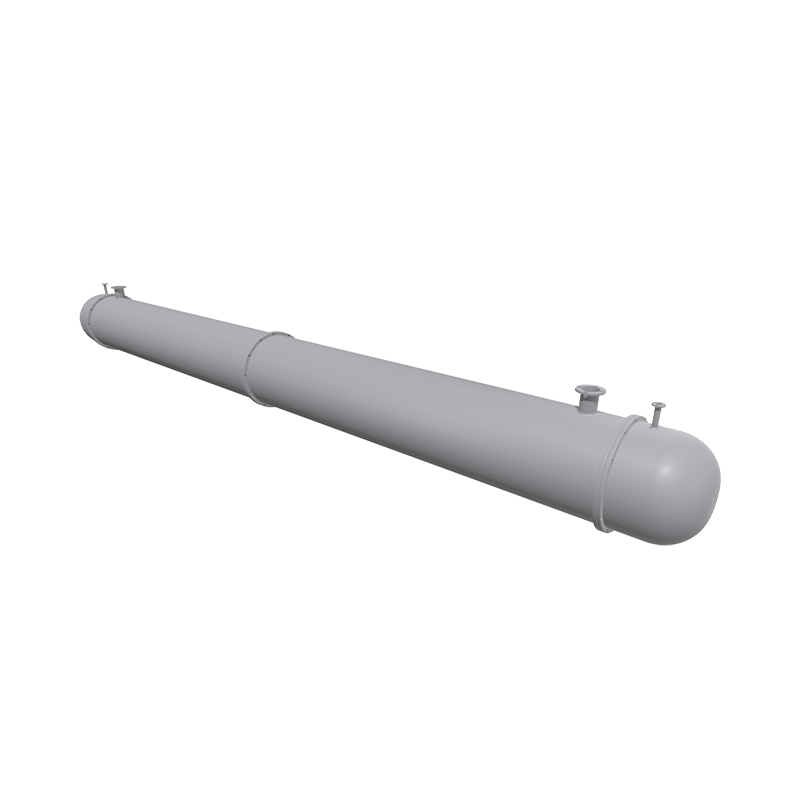
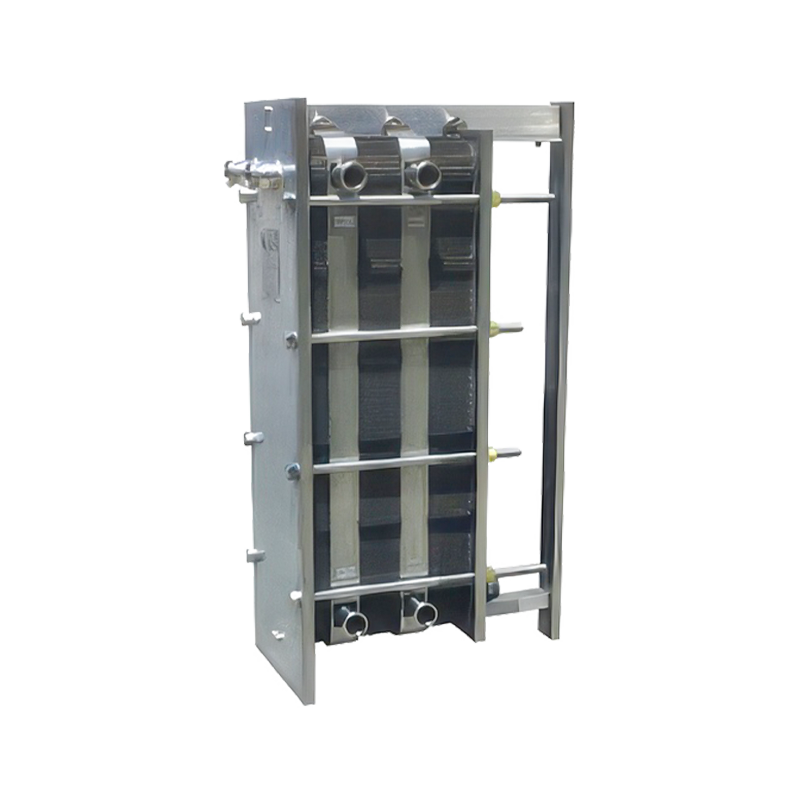
Hybrid / Direct Contact Heat Exchanger
Key Advantages Compared with Conventional Heat Exchangers
Reduced Thermal Resistance
The most important advantage of direct contact heat exchange is the reduction of thermal resistance associated with tube walls, plates, welds, and fouling layers. When hot and cold media contact one another directly, heat can be transferred rapidly through the interface between the fluids. This can improve thermal response and reduce the temperature approach required for some operations.
Lower thermal resistance may also allow the equipment to achieve a required heating or cooling duty with a more compact process arrangement. The actual size and performance depend on the flow rate, operating temperatures, media characteristics, and contact method, but direct contact technology can be highly effective in high-flow and high-temperature applications.
Integrated Mixing and Heat Transfer
Conventional equipment often requires a separate mixer, heater, cooler, condenser, or gas scrubber. A direct contact unit can combine several of these functions. For example, it can simultaneously mix steam with water and heat the water, or cool a waste gas while bringing contaminants into contact with a scrubbing liquid.
This integrated functionality may reduce the number of process units, valves, connections, pumps, and control points. A simpler process line can reduce installation complexity and make plant layout more efficient. It can also simplify process control because mixing and heat transfer occur in the same vessel.
Fewer Internal Components
The equipment does not require a tube bundle as its primary heat-transfer surface. This eliminates many internal tubes that can be vulnerable to blockage, vibration, leakage, and fouling. In applications involving impurities, suspended particles, or difficult-to-clean media, the reduction in internal components can be a significant operational advantage.
A simpler internal configuration may also make inspection and maintenance more straightforward. Operators can focus on the shell, inlets, outlets, supports, gaskets, injection devices, and instrumentation instead of maintaining a large number of individual tubes or plates.
Adaptability to Challenging Media
Some industrial fluids contain solids, fibers, suspended particles, viscous substances, or corrosive compounds. These media can create problems for narrow channels and dense heat-transfer surfaces. A properly designed direct contact vessel can provide a more open flow path and reduce the risk of blockage caused by small internal passages.
This does not mean that every contaminated or viscous medium is automatically suitable. The fluid properties, solids loading, particle size, viscosity, chemical compatibility, and cleaning method must be evaluated. Nevertheless, the absence of a dense tube bundle can provide greater flexibility than conventional designs in selected operating conditions.
Pressure- and Temperature-Resistant Construction
The horizontal shell is designed to withstand the pressure and temperature requirements of the process. Carbon steel may be suitable for general industrial services, while stainless steel can provide improved corrosion resistance and a more hygienic surface for compatible food, beverage, and pharmaceutical applications.
Pressure ratings, shell thickness, flange standards, support design, welding procedures, surface treatment, and inspection requirements can be configured according to the process specification. This allows the equipment to serve a broad range of industrial conditions rather than being limited to one standard operating point.
Potentially Lower Maintenance Burden
Traditional heat exchangers can experience declining performance when scaling, fouling, or corrosion accumulates on heat-transfer surfaces. Cleaning may require chemical circulation, mechanical tube cleaning, plate disassembly, or extended production stoppage. A direct contact heat exchanger has fewer heat-transfer surfaces that can become coated, and its open shell design can simplify access and inspection.
Maintenance requirements still depend on the media and the process. Impurities and sediments must be removed regularly, and the shell, injection devices, flanges, gaskets, and supports require inspection. However, the simplified structure can help reduce the frequency and complexity of certain maintenance activities.
Applications in Food and Beverage Processing
Food and beverage production includes many processes involving water heating, steam use, condensation, cooling, evaporation, washing, and waste-gas management. The Hybrid / Direct Contact Heat Exchanger can be considered for applications where direct mixing is compatible with product quality and hygiene requirements.
Process Water Heating
Water heating is common in beverage production, ingredient preparation, cleaning operations, washing systems, and utility circuits. Direct steam heating can transfer energy quickly when the steam is suitable for the application and the process permits the condensate to enter the water stream.
The equipment can support rapid temperature adjustment and may reduce the need for a separate indirect heater and mixing vessel. Flow control, steam quality, water quality, injection geometry, and final temperature stability must be carefully evaluated. For applications involving direct product contact, the steam and all wetted materials must meet the applicable hygiene and regulatory requirements.
Steam Condensation and Condensate Recovery
Steam condensation is a major source of recoverable energy. A direct contact unit can condense steam into a liquid stream while transferring its heat. When the condensate is compatible with the receiving process, this arrangement can improve energy utilization and reduce the amount of heat lost through discharge.
Condensate recovery can also reduce the demand for fresh water and lower the energy required for subsequent heating. The appropriate design depends on the steam pressure, condensate quality, non-condensable gases, flow fluctuations, and downstream water requirements.
Cooling and Treatment of Process Gases
Food and beverage plants may generate hot exhaust gases from boilers, ovens, dryers, roasting systems, and thermal processing equipment. Direct gas-liquid contact can cool these gases while allowing the liquid to absorb selected soluble compounds or particulate matter.
The same equipment may therefore contribute to waste-gas conditioning, heat recovery, and preliminary scrubbing. The selection of liquid, residence time, gas velocity, pressure drop, and discharge arrangement should be based on the composition and temperature of the gas.
Cleaning and Utility Systems
Utility systems frequently require controlled heating and mixing of water, cleaning solutions, or process additives. A direct contact unit may be used where the materials are compatible and where the combined heating and mixing operation improves process efficiency.
For hygienic applications, the surface finish, drainage characteristics, dead-leg prevention, gasket materials, weld quality, and cleaning strategy must be addressed during engineering. Shiloc can coordinate equipment specifications according to the customer’s process requirements and applicable quality expectations.
Applications in Biopharmaceutical Manufacturing
Biopharmaceutical manufacturing requires strict control over temperature, contamination risk, material compatibility, cleanability, and process traceability. Direct contact heat exchange is not appropriate for every pharmaceutical operation, especially where media separation is mandatory. However, it can be useful in selected utility, support, and waste-treatment applications.
Utility Water and Support Systems
Facilities may need heated utility water for cleaning, equipment preparation, facility services, or non-product-contact operations. Where the water quality and heating medium are compatible, direct steam heating can provide a responsive and compact solution.
For product-contact or high-purity water systems, the design must be reviewed carefully. Steam quality, material grade, surface finish, weld documentation, drainability, sanitization, and validation requirements should be defined before equipment selection.
Waste-Gas Cooling and Scrubbing
Biopharmaceutical facilities may handle process exhaust, fermentation gases, solvent-related vapors, or other streams requiring cooling or treatment. A direct contact unit can cool a gas stream and, when appropriate, transfer soluble contaminants into a liquid phase.
The system must be designed around the gas composition, biological safety requirements, chemical compatibility, pressure conditions, and waste-liquid handling arrangements. The ability to combine heat transfer with scrubbing may reduce the number of separate process units in a support system.
Heat Recovery from Utility and Waste Streams
Energy recovery is increasingly important in pharmaceutical manufacturing because heating, ventilation, sterilization, cooling, and clean utility systems can consume substantial energy. Direct contact heat exchange may help recover heat from compatible waste streams or condensate flows.
Any recovery system must protect product quality and prevent cross-contamination. In many cases, the direct contact equipment will be used on the utility or waste side rather than directly in the product stream. This distinction allows manufacturers to pursue energy savings while maintaining appropriate process segregation.
Design Configuration and Operating Principle
The standard equipment form is a horizontal cylindrical shell. Media enter through flanged connections positioned according to the required flow pattern. The inlet arrangement, injection angle, nozzle configuration, and internal distribution devices influence the quality of mixing and the uniformity of heat transfer.
One medium may enter from one end of the shell while the second medium is introduced through a separate inlet or distribution assembly. The media contact one another inside the vessel, exchange heat, and leave through designated outlets. The equipment may be arranged for co-current or counter-current behavior where the process design permits.
The shell length and diameter are selected according to the required capacity, residence time, pressure rating, flow velocity, and installation conditions. Larger flow rates may require increased cross-sectional area or multiple units. Temperature sensors, pressure instruments, flow meters, control valves, drains, vents, and safety devices can be incorporated into the system design.
Flanged connections allow the equipment to connect with standard industrial piping. Flange dimensions, pressure classes, gasket materials, and facing types should be specified according to the customer’s piping standards and service conditions. Proper alignment during installation is important because external piping loads can place stress on the shell or flanges.
The shell may be manufactured from carbon steel or stainless steel. Stainless steel is often selected when corrosion resistance, cleaning compatibility, or hygienic performance is important. Material selection should consider chloride exposure, cleaning chemicals, temperature cycling, pressure, dissolved gases, and the possibility of galvanic interaction with connected piping.
Engineering Factors for Equipment Selection
Media Compatibility
Direct contact heat exchange requires a clear understanding of whether the media may safely mix. Engineers must determine whether the mixture is acceptable, whether one medium contaminates the other, and whether the combined stream can be handled by downstream equipment.
For steam and water applications, the quality of the steam and the intended use of the water are critical. For gas cooling, the liquid may become contaminated and require treatment or disposal. For chemical processes, reaction risks, concentration changes, and material compatibility must be considered.
Flow Rate and Temperature Difference
Flow rates determine the residence time, mixing intensity, pressure drop, and required shell dimensions. The temperature difference between the media provides the driving force for heat transfer. Large flow fluctuations may lead to uneven mixing, unstable outlet temperatures, vibration, or water hammer.
Equipment sizing should therefore be based on normal, minimum, maximum, and upset conditions. Control valves and instrumentation should be selected to maintain stable operation across the expected range.
Pressure and Vacuum Conditions
The shell must be designed for the maximum operating pressure, design pressure, pressure surges, and possible vacuum conditions. Steam condensation can create pressure changes, while rapid valve operation may produce water hammer. The design should include appropriate vents, drains, relief protection, and control procedures.
Pressure ratings can be configured according to process requirements. The final specification should address design codes, welding standards, inspection levels, pressure testing, and documentation required by the installation location.
Hygiene and Cleanability
Food and biopharmaceutical applications require special attention to hygienic design. Relevant factors include stainless-steel material selection, internal surface finish, smooth welds, drainage, accessibility, gasket selection, and cleaning-in-place compatibility.
The cleanability strategy must reflect the actual service. A unit used for utility water may have different requirements from equipment handling a product ingredient or a high-purity process stream. The customer should define the cleaning chemicals, temperature, circulation velocity, sanitization method, and validation expectations during the design phase.
Installation and Maintenance Access
A horizontal shell requires suitable support structures, access clearance, pipe routing, drainage, and lifting arrangements. The equipment should be installed in the correct media-flow direction, with inlet and outlet positions verified against the approved process drawings.
Maintenance access should be provided around flanges, instruments, inspection openings, drains, supports, and injection devices. Adequate clearance can reduce the time required for inspection and component replacement.
Manufacturing Strengths and Process Control
The performance of a pressure-resistant process vessel depends not only on its design but also on the quality of manufacturing. Shell roundness, material traceability, weld integrity, surface finish, flange alignment, dimensional accuracy, and pressure testing all influence long-term reliability.
Shiloc operates a Shanghai facility covering approximately 3,000 square meters and has a technical team of more than 20 specialists. The company’s capabilities include processing, welding, polishing, and quality control. These capabilities support the production and coordination of fluid equipment for food and beverage, biopharmaceutical, daily chemical, and fine chemical applications.
Material Preparation and Traceability
Manufacturing begins with the confirmation of material specifications. Carbon steel or stainless-steel plates, pipes, flanges, nozzles, supports, and fittings should be checked against the approved bill of materials. Material records and identification procedures help ensure that the selected materials are consistent with the process requirements.
Traceability is particularly important for hygienic and pressure-containing equipment. It supports quality documentation, future maintenance, replacement planning, and customer audits. Shiloc emphasizes reliable supply and traceability as part of its equipment service approach.
Precision Processing
Shell sections must be cut, formed, aligned, and assembled with control over dimensional tolerances. Accurate fabrication helps ensure proper fit-up of flanges, nozzles, supports, inspection openings, and connected piping.
Precision processing also reduces unnecessary stress during installation. Poor alignment can cause gasket failure, pipe strain, vibration, and premature fatigue. A controlled fabrication process contributes to stable field performance.
Professional Welding
Welding is a critical operation for pressure-containing equipment. Welding procedures should reflect the material grade, thickness, joint type, service temperature, and applicable inspection requirements. Qualified welders, proper joint preparation, suitable consumables, and controlled heat input help reduce defects and distortion.
For stainless-steel equipment, weld discoloration, oxidation, surface contamination, and rough internal profiles must be controlled. Where hygienic performance is required, welds may need grinding, polishing, passivation, or other finishing procedures according to the project specification.
Polishing and Surface Treatment
Surface finishing affects cleanability, corrosion resistance, and the retention of process residues. Polishing can remove irregularities and improve the internal surface condition of stainless-steel equipment. The appropriate finish depends on the medium, cleaning method, hygiene classification, and customer requirements.
Carbon-steel equipment may require coating, painting, lining, or other corrosion-protection measures depending on the environment. External surface treatment should also consider humidity, chemical exposure, insulation, and installation location.
Quality Control and Inspection
Quality control may include dimensional inspection, visual examination, weld inspection, material verification, pressure testing, surface inspection, flange alignment checks, and functional review of the inlet and outlet arrangement. The inspection plan should be established according to the risk level and process application.
Documentation can include drawings, material certificates, welding records, inspection reports, pressure-test records, operating instructions, packing lists, and maintenance recommendations. Clear documentation supports installation, commissioning, audits, and long-term equipment management.
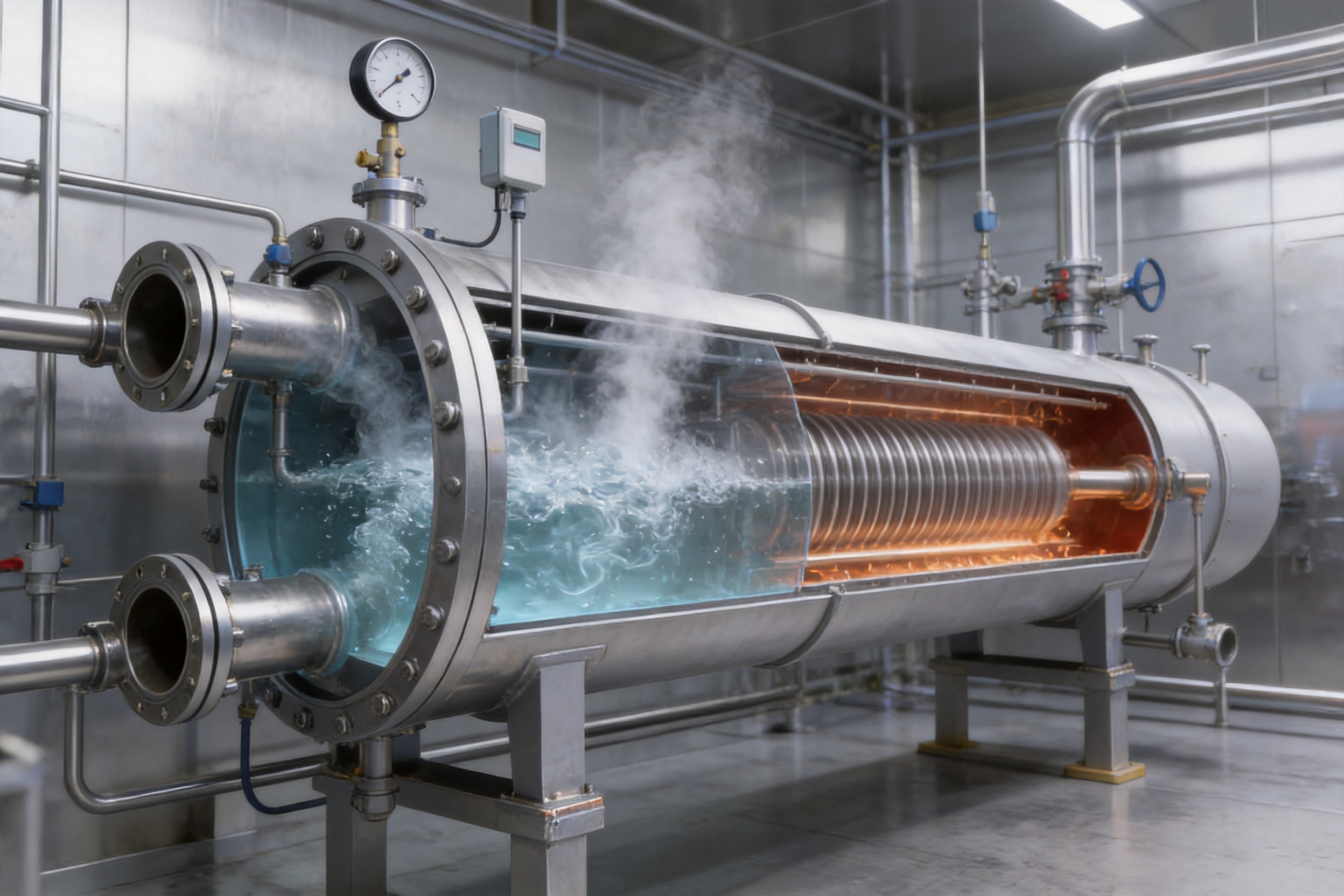
Why a Customized Equipment Approach Matters
Heat-transfer requirements vary considerably between manufacturers. Two facilities may use the same basic process but require different shell sizes, pressure ratings, materials, connections, operating temperatures, or control arrangements. A standard product may not provide the best technical or economic result in every case.
Shiloc supports customization based on media type, flow conditions, temperature requirements, pressure conditions, process layout, and customer connection standards. The company’s technical team can participate in the process from initial consultation and concept communication through equipment coordination, international procurement, and technical service support.
Customization may involve shell dimensions, material selection, nozzle orientation, flange standards, internal injection devices, support design, instrumentation interfaces, insulation provisions, surface finishing, and inspection documentation. The objective is to create equipment that fits the customer’s process rather than forcing the process to adapt to an unsuitable standard unit.
For international customers, customization also involves commercial and logistical coordination. Drawings, specifications, approvals, production schedules, packing requirements, shipping documents, and technical questions must be managed across different languages, time zones, and regulatory environments. A supplier with international trade experience can help reduce communication gaps and coordination delays.
Comparison of Direct Contact and Conventional Heat Exchange
| Evaluation Factor | Hybrid / Direct Contact Heat Exchanger | Conventional Indirect Heat Exchanger |
|---|---|---|
| Heat-transfer method | Direct contact and mixing between compatible media | Heat transfer through tubes, plates, or another separating wall |
| Thermal resistance | Reduced in suitable applications because no primary tube wall separates the media | Includes resistance from fluid films, heat-transfer walls, and possible deposits |
| Mixing function | Integrated with heating, cooling, or condensation | Usually requires a separate mixer or process vessel |
| Internal construction | Horizontal shell with injection and distribution arrangements | Tube bundle, plates, channels, seals, or other heat-transfer surfaces |
| Fouling exposure | Fewer narrow heat-transfer passages in the main shell | Possible fouling or blockage of tubes, plates, and channels |
| Media separation | Not suitable when the media must remain completely separate | Suitable when cross-contamination must be prevented |
| Typical applications | Steam heating, condensation, gas cooling, scrubbing, and compatible heat recovery | Product heating and cooling, utility service, and applications requiring strict separation |
| Customization focus | Media contact method, shell dimensions, injection geometry, and pressure rating | Heat-transfer area, tube or plate material, pass arrangement, and flow configuration |
| Maintenance considerations | Inspection of shell, inlets, gaskets, supports, and distribution devices | Cleaning and inspection of tubes, plates, channels, seals, and internal components |
The comparison shows that direct contact technology is not intended to replace every conventional heat exchanger. Its value is greatest when the process benefits from direct mixing and when the resulting mixture is acceptable. In applications requiring complete separation, a shell-and-tube, plate, scraped-surface, or another indirect design may be more appropriate.
Operational Reliability and Troubleshooting
Uneven Media Mixing
Uneven mixing may lead to large temperature differences, unstable outlet conditions, local overheating, or incomplete condensation. Possible causes include incorrect inlet flow rates, unsuitable injection angles, blocked distribution devices, or an improper ratio between the media.
Operators should verify the flow rate and pressure of each inlet, inspect the injection and distribution arrangement, and confirm that the operating ratio remains within the design range. Temperature measurements at appropriate locations can help identify whether the problem is caused by poor mixing or by an upstream process fluctuation.
Vibration and Noise
Vibration or unusual noise may indicate excessive flow velocity, unstable two-phase flow, loose supports, water hammer, cavitation, or rapid valve operation. The equipment should not be operated continuously outside the specified flow range.
Operators should inspect shell supports, connected piping, valves, and drains. Pressure and flow trends should be reviewed to determine whether the issue occurs during startup, shutdown, load changes, or normal operation.
Flange or Shell Connection Leakage
Leakage at a flange may result from an aged or damaged gasket, uneven bolt tightening, corrosion, flange deformation, surface damage, or pipe misalignment. The equipment should be depressurized and made safe before inspection.
Replacement gaskets should be compatible with the medium, pressure, and temperature. Bolts should be tightened evenly using the specified sequence and torque. If leakage continues, the flange faces and connected piping loads should be examined.
Pressure or Temperature Instability
Unstable operating conditions may be caused by fluctuating inlet flows, control-valve problems, blocked vents, inadequate drainage, or changes in the properties of the media. Steam systems require special attention to condensate removal and water-hammer prevention.
Gradual startup is recommended. Pressure and temperature should be increased step by step while operators confirm that the flow direction, control response, and discharge conditions are normal.
Impurities and Sediment
Although the open shell design reduces the risk associated with narrow passages, impurities and sediment can still accumulate. Regular inspection and drainage are necessary, especially when the process media contain suspended solids or when the equipment operates at low velocity.
Cleaning intervals should be determined from actual operating experience. The cleaning method must be compatible with the shell material, surface finish, gaskets, injection devices, and connected process system.
Installation, Commissioning, and Maintenance Recommendations
Before installation, confirm the approved drawings, media-flow direction, inlet and outlet locations, flange standards, support positions, lifting points, and required access space. The shell should be positioned on a stable support structure capable of carrying the operating weight, including the weight of the media and connected components.
Piping should be aligned without forcing the equipment into position. Excessive external loads can distort flanges and create leakage or fatigue problems. Thermal expansion, vibration isolation, pipe supports, and flexible connections should be considered where applicable.
Before commissioning, inspect the interior and exterior of the equipment. Remove foreign materials, verify that drains and vents are clear, confirm that gaskets are installed correctly, and check the operation of instruments and valves. Pressure testing should be completed according to the approved procedure.
During startup, introduce the media gradually. Avoid sudden changes in pressure, temperature, or flow rate. Confirm that the two media enter through the correct connections and that the outlet temperature develops as expected. Monitor vibration, noise, leakage, pressure drop, and control stability.
During normal operation, record key parameters such as inlet and outlet temperatures, flow rates, pressure, differential pressure, and any unusual noise or vibration. Trend data can help identify gradual performance changes before they become serious failures.
During long-term shutdown, drain the equipment when appropriate. Removing retained liquids can reduce the risk of freezing, corrosion, biological growth, and contamination. The shell should be protected from moisture and the process connections should be sealed according to the storage plan.
Shiloc’s Integrated Supply and Engineering Strengths
Shiloc (Shanghai) Industrial Trading Co., Ltd. was established in March 2026 in Fengxian District, Shanghai. The company specializes in the import and export of goods and technology, import and export agency services, equipment manufacturing, and engineering and technical services.
The company serves international customers in the food and beverage, biopharmaceutical, daily chemical, and fine chemical industries. Its product and service scope includes heat exchangers, aseptic mixing equipment, fluid-processing systems, and related technical solutions.
One of Shiloc’s strengths is the combination of manufacturing coordination and international trade support. Customers purchasing process equipment from overseas must often manage technical clarification, drawing approval, quality documentation, export packaging, shipping arrangements, customs requirements, and after-sales communication. Shiloc’s import and export agency experience is intended to make this process more organized and efficient.
The company’s Shanghai facility provides a base for processing, welding, polishing, quality control, assembly coordination, and inspection. Its technical team of more than 20 specialists supports product development and project communication. European know-how and Danish design principles contribute to the company’s approach to process optimization, safe equipment construction, hygienic design, and reliable operation.
Shiloc’s capabilities are not limited to supplying a catalog item. The company can help customers define process requirements, compare equipment concepts, select materials, coordinate customized dimensions, confirm connection standards, and organize technical documentation. This approach is valuable when the equipment must integrate with an existing production line or when the customer has specific hygiene, pressure, or control requirements.
The company emphasizes innovative design, process optimization, safe and efficient equipment, reliable supply, traceability, and personalized customer service. These strengths are particularly relevant to food and biopharmaceutical manufacturers, where equipment performance must be supported by clear documentation and consistent quality management.
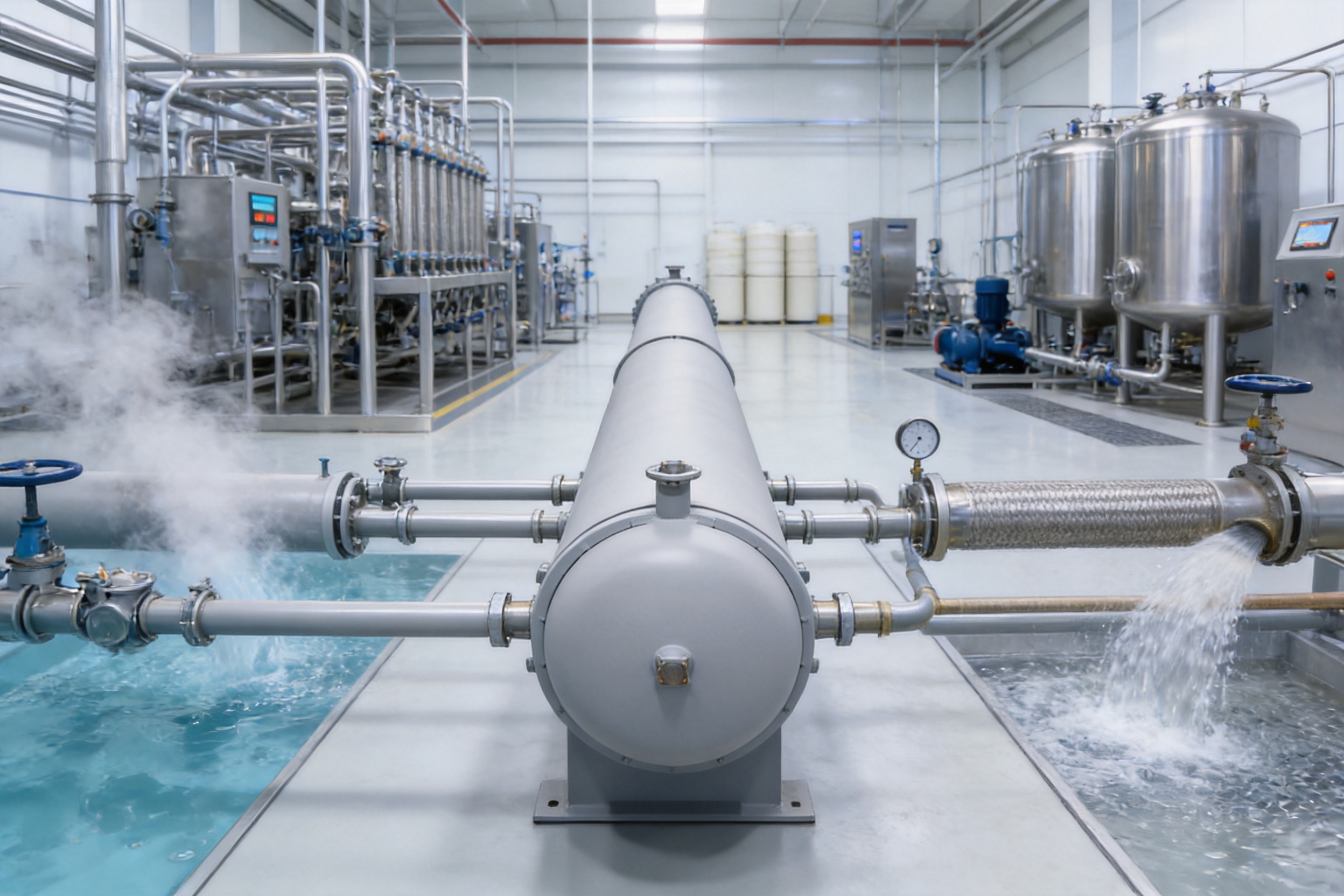
Economic and Sustainability Considerations
Energy consumption is a major operating cost in industrial manufacturing. Steam generation, hot-water preparation, gas cooling, condensation, and waste-heat discharge can all affect the energy balance of a facility. A heat exchanger that transfers energy quickly and combines several process functions may help reduce utility consumption and simplify the overall system.
Direct steam heating can transfer latent heat efficiently when the condensate is acceptable in the receiving stream. Condensate recovery can reduce water consumption and improve boiler-house efficiency. Waste-gas cooling and heat recovery can reduce the loss of useful thermal energy while supporting environmental-control objectives.
The financial benefit depends on the complete process. Equipment price is only one part of the investment decision. Customers should consider installation cost, piping requirements, control components, cleaning frequency, downtime, energy consumption, maintenance labor, spare parts, service life, and the value of recovered heat.
A properly engineered direct contact system may reduce the number of separate vessels and heat-transfer units. Fewer components can reduce the footprint and lower certain maintenance demands. However, the system must be designed correctly to avoid unstable mixing, excessive pressure drop, contamination, or downstream treatment problems.
Sustainability also involves material selection, repairability, service life, and safe operation. Durable stainless-steel construction may be beneficial in corrosive or hygienic environments, while carbon steel may offer an economical choice for compatible general industrial services. The best material is the one that provides the required performance over the expected operating life.
Project Development Process
A successful project begins with a complete process data sheet. The customer should provide the type of each medium, flow rate, inlet and outlet temperature, pressure, density, viscosity, solids content, corrosiveness, allowable mixing conditions, cleaning method, and installation environment.
The engineering team can then evaluate whether direct contact heat transfer is appropriate. If direct mixing is acceptable, the next steps include determining the contact arrangement, shell dimensions, inlet geometry, material selection, pressure rating, connection standard, instrumentation, and support structure.
After the preliminary concept is agreed, detailed drawings and technical specifications should be reviewed. The customer should confirm nozzle locations, maintenance access, drainage, insulation requirements, surface finish, inspection standards, and documentation requirements before fabrication begins.
During production, quality-control points should be established for materials, forming, fit-up, welding, polishing, assembly, pressure testing, and final inspection. Any deviations should be documented and approved through the project-control process.
Before shipment, the equipment should be protected against impact, moisture, contamination, and flange damage. Export packing should reflect the equipment’s dimensions, weight, lifting points, and shipping route. Clear labels and documentation help simplify receipt and installation at the customer’s facility.
Frequently Asked Questions
Q1: What is the primary difference between a direct contact and an indirect heat exchanger?
A: A direct contact heat exchanger allows compatible hot and cold media to contact and mix directly. An indirect heat exchanger keeps the media separate and transfers heat through a tube, plate, or other wall. Direct contact equipment can reduce thermal resistance, but it is unsuitable when complete separation is required.
Q2: Is the Hybrid / Direct Contact Heat Exchanger suitable for food production?
A: It can be suitable for selected food and beverage applications such as process water heating, steam condensation, utility systems, gas cooling, and compatible heat recovery. The steam quality, wetted materials, surface finish, cleaning method, and allowable media mixing must be reviewed for each application.
Q3: Can the equipment be used in biopharmaceutical facilities?
A: Yes, it may be used in appropriate utility, waste-gas, cooling, scrubbing, and heat-recovery applications. Product-contact or high-purity applications require a detailed review of hygiene, material compatibility, contamination control, cleaning, sanitization, validation, and documentation requirements.
Q4: Does direct contact heat exchange eliminate fouling completely?
A: No. It reduces the dependence on dense tube bundles and narrow heat-transfer passages, which can lower certain fouling and blockage risks. However, sediment, deposits, and impurities may still accumulate inside the shell or around injection devices. Regular inspection and cleaning remain necessary.
Q5: What materials are available?
A: Carbon steel and stainless steel are available, with the final selection based on the medium, temperature, pressure, corrosion risk, cleaning chemicals, hygiene requirements, and customer specifications. Other material or surface-treatment requirements should be discussed during engineering.
Q6: Can the shell dimensions and connection positions be customized?
A: Yes. Shell length, diameter, pressure rating, inlet and outlet positions, flange standards, supports, injection arrangements, inspection openings, drains, vents, and instrumentation interfaces can be customized according to process and installation requirements.
Q7: What information is needed for a quotation?
A: The supplier normally needs the media names, flow rates, inlet and outlet temperatures, operating and design pressures, allowable mixing conditions, material requirements, connection standards, installation limitations, cleaning requirements, and applicable inspection or documentation standards.
Q8: How can water hammer and vibration be prevented?
A: The system should be sized for the actual flow range, and startup and shutdown should be gradual. Proper drainage, venting, valve selection, support design, flow control, and injection geometry are important. Operators should investigate unusual noise or vibration immediately rather than continuing operation outside the design range.
Q9: What makes Shiloc suitable for international equipment projects?
A: Shiloc combines process-equipment expertise with import and export agency services, manufacturing coordination, technical communication, quality control, documentation support, logistics coordination, and after-sales assistance. Its Shanghai facility and technical team support customized equipment for international food, beverage, pharmaceutical, and chemical customers.
Q10: Can the equipment be integrated into an existing production line?
A: Yes. Integration depends on the available space, piping arrangement, control philosophy, pressure conditions, utility connections, and process sequence. The equipment can be configured with customer-specified flanges, nozzle positions, supports, instruments, and operating parameters to facilitate installation into an existing system.
Conclusion
The Hybrid / Direct Contact Heat Exchanger offers a practical alternative to conventional heat-transfer equipment when hot and cold media can be mixed safely. Its direct contact principle reduces the thermal resistance associated with tube walls, integrates mixing with heating or cooling, and minimizes the need for complex internal tube bundles.
The horizontal pressure-resistant shell can be adapted for process water heating, steam condensation, condensate recovery, waste-gas cooling, scrubbing, chemical processing, and selected food and biopharmaceutical utility applications. Its value is especially clear in systems requiring rapid heat transfer, large flow capacity, simplified internal construction, or combined thermal and mass-transfer functions.
Performance depends on correct process evaluation. Media compatibility, pressure, temperature, flow rate, hygiene, material selection, cleaning, drainage, control, and maintenance must all be considered. Direct contact technology should be selected because it fits the process, not simply because it appears more compact than a conventional heat exchanger.
Shiloc supports this selection process through customized engineering, manufacturing coordination, welding, polishing, quality control, traceability, international procurement, and technical service. Its Shanghai facility, technical team, European know-how, and Danish design influence provide a foundation for supplying reliable process equipment to global manufacturers.
For companies seeking improved energy utilization, integrated process functions, and dependable equipment supply, a properly designed Hybrid / Direct Contact Heat Exchanger can contribute to more efficient and flexible production systems. When combined with professional engineering and responsible manufacturing, the technology can support long-term performance in demanding food, beverage, biopharmaceutical, and chemical environments.
References
1. Perry’s Chemical Engineers’ Handbook, sections concerning heat transfer, condensation, fluid flow, and process equipment design.
2. Process Heat Transfer: Principles and Applications, reference material on direct and indirect heat-transfer mechanisms.
3. Heat Exchanger Design Handbook, guidance on thermal design, materials, fouling, pressure drop, and mechanical construction.
4. Hygienic Design Principles for Food and Pharmaceutical Processing Equipment, reference material on cleanability, drainage, surface finish, and material compatibility.
5. Industrial Steam Systems and Condensate Recovery Practices, reference material on steam heating, condensation, water hammer prevention, and energy recovery.
6. Engineering Fundamentals of Gas-Liquid Contacting, reference material on cooling, absorption, scrubbing, residence time, and mass transfer.
7. Pressure Vessel Fabrication and Inspection Practices, reference material on welding, material traceability, pressure testing, dimensional control, and quality documentation.
8. General principles of process equipment maintenance, including inspection planning, startup procedures, shutdown protection, gasket replacement, vibration monitoring, and corrosion prevention.
Product: Hybrid / Direct Contact Heat Exchanger
PREV:Sanitary Capillary Heat Exchangers for Food and Biopharmaceutical Process Systems
NEXT:Side-Entry Tank Mechanical Agitators for Hygienic, Efficient, and Reliable Process Mixing
NEXT:Side-Entry Tank Mechanical Agitators for Hygienic, Efficient, and Reliable Process Mixing
Interested in cooperation or have questions?
Recommended LINS
✦
Food and Beverage Process System
Food Processing Skid System
CIP Skid System for Food Industry
food and beverage process skid system
hygienic process skid for food industry
CIP process skid system for food industry
automated process skid system for food processing
modular food processing skid system
beverage processing skid system
food processing equipment skid system
Let'S Work Together Welcome Aboard!
-

haikexin@haikexin.com
+8613391278930
-
 +86-21-57560276
 -
 No. 2819, Sihu Road,Fengxian District, Shanghai, China
Join Our Mailing List
Copyright © Shiloc (Shanghai) Industrial Trading Co., Ltd. All Rights Reserved.
Process Systems & Equipment For Food & Biopharma Manufacturers
