
 English
 русский
 Português
 Français

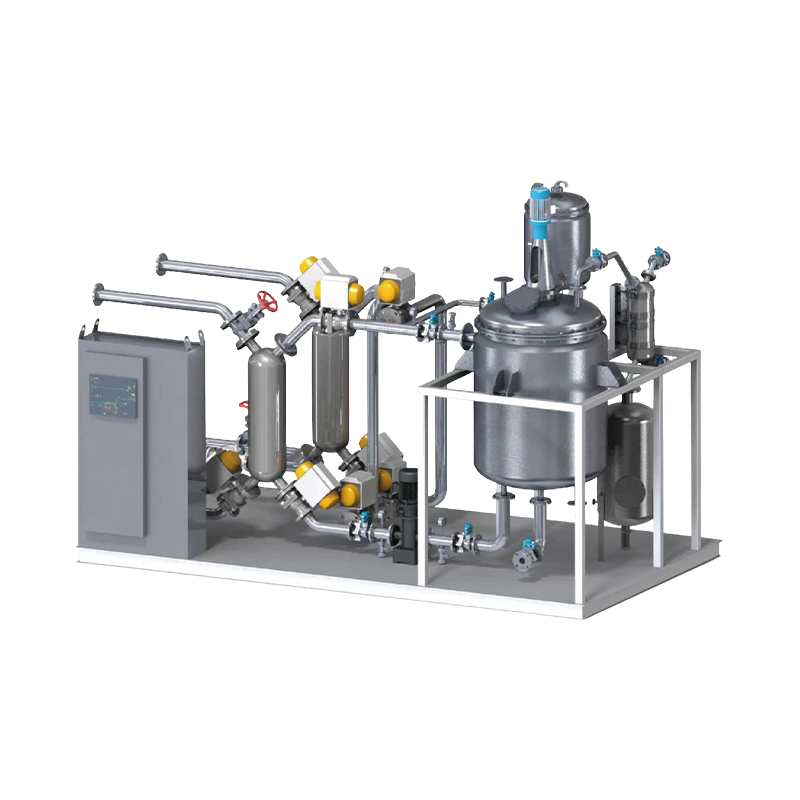
 Read More

Product Category
NEW Category
Contact us
Contact Us
We specialise in the research, development and manufacture of electrical wires and cables.
 +86-21-57560276
Bioprocessing Systems for Biopharma: Engineering Principles, Selection, and Trends
Content
- 1 Foundations of Bioprocessing Systems
- 2 Upstream Bioprocessing Equipment
- 3 Downstream Bioprocessing Equipment
- 4 Single-Use Technologies
- 5 Technical Specifications and Design Parameters
- 6 Application Scenarios in Biopharmaceutical Manufacturing
- 7 Comparison with Alternative Processing Technologies
- 8 Selection Considerations
- 9 Operation and Maintenance
- 10 Common Mistakes and Considerations
- 11 Industry Trends and Developments
- 12 Conclusion
- 13 Frequently Asked Questions
- 13.1 What is included in bioprocessing systems for the biopharmaceutical industry?
- 13.2 What are the main stages of biopharmaceutical processing?
- 13.3 What materials are used in bioprocessing equipment?
- 13.4 What are the advantages of single-use bioprocessing systems?
- 13.5 What is continuous bioprocessing and how does it differ from batch processing?
- 13.6 What regulations apply to bioprocessing systems?
- 13.7 How do you select the right bioprocessing system for a specific product?
- 13.8 What are the current trends in bioprocessing equipment?
Bioprocessing systems and components for the biopharmaceutical industry encompass the integrated equipment, consumables, and supporting technologies used to manufacture biological products including monoclonal antibodies, vaccines, recombinant proteins, cell therapies, and gene therapies. These systems operate across the entire production workflow, from cell culture and fermentation through purification and formulation, with each component playing a critical role in ensuring product quality, process consistency, and regulatory compliance.
This technical guide provides a comprehensive examination of the engineering principles, equipment categories, material specifications, and operational considerations that define modern bioprocessing. It addresses the selection, integration, and optimization of systems and components across upstream and downstream operations, with particular attention to the technological advances shaping the future of biopharmaceutical manufacturing.
Foundations of Bioprocessing Systems
Definition and Scope
Bioprocessing systems and components for the biopharmaceutical industry include all equipment, consumables, and supporting infrastructure used to produce therapeutic biological products. The scope encompasses bioreactors, fermenters, filtration systems, chromatography columns, mixing vessels, storage tanks, transfer lines, monitoring instruments, and single-use consumables. These systems are designed to maintain strict control over critical process parameters including temperature, pH, dissolved oxygen, agitation speed, and pressure throughout the manufacturing process.
The bioprocessing workflow is typically divided into upstream processing, which involves cell culture and product generation, and downstream processing, which includes recovery, purification, and formulation. Each stage requires specific equipment and components that must operate reliably under stringent conditions while maintaining the integrity of the biological product.
Core Engineering Principles
The design of bioprocessing systems and components for the biopharmaceutical industry is governed by principles of aseptic processing, cleanability, and process control. Equipment must be fabricated from materials that are non-reactive, non-leaching, and compatible with cleaning and sterilization methods. Stainless steel (316L grade) and pharmaceutical-grade polymers are the predominant materials of construction, selected for their chemical resistance and ability to withstand repeated sanitization cycles.
Mass transfer, heat transfer, and mixing dynamics are critical considerations in bioreactor design. The oxygen transfer rate must be sufficient to support high-density cell cultures, while the mixing system must maintain homogeneity without creating shear forces that could damage cells. Computational fluid dynamics is increasingly used to optimize impeller design and sparger configuration for specific cell lines and process conditions.
Regulatory Framework and Quality Standards
Bioprocessing systems and components for the biopharmaceutical industry must be designed, manufactured, and operated in accordance with current Good Manufacturing Practice (cGMP) regulations. The International Council for Harmonisation (ICH) provides guidelines for pharmaceutical quality systems, including ICH Q7 for active pharmaceutical ingredients and ICH Q10 for pharmaceutical quality systems. Equipment qualification protocols, including design qualification (DQ), installation qualification (IQ), operational qualification (OQ), and performance qualification (PQ), are required for all major processing equipment.
FDA guidance documents, including 21 CFR Part 11 for electronic records and signatures, specify requirements for process control systems and data integrity. Compliance with these regulations ensures that bioprocessing systems are capable of producing products that are safe, effective, and consistent in quality.
Upstream Bioprocessing Equipment
Bioreactors and Fermenters
Bioreactors are the core equipment in upstream bioprocessing systems and components for the biopharmaceutical industry, providing the controlled environment necessary for cell growth and product expression. These vessels range in scale from small benchtop units used in process development to production-scale reactors with capacities exceeding 20,000 liters. Bioreactors are classified as stainless steel or single-use, each with distinct advantages for specific applications.
Stainless steel bioreactors are constructed from 316L stainless steel with electropolished internal surfaces that minimize product retention and facilitate cleaning. These systems are typically cleaned-in-place (CIP) and sterilized-in-place (SIP), providing robust contamination control. Jacketed vessels allow for precise temperature control through the circulation of heating or cooling media. The agitation system typically uses Rushton turbines or marine impellers to achieve the required mixing intensity and gas dispersion.
Single-use bioreactors employ disposable plastic bags or containers that are pre-sterilized by gamma irradiation. These systems reduce the time and resources required for cleaning and sterilization, making them particularly valuable for multiproduct facilities and clinical-scale manufacturing. The operating volume of single-use bioreactors ranges from 50 liters to 2,000 liters, with systems available for both batch and perfusion cultures.
Media Preparation and Storage Systems
Media preparation is a critical upstream operation requiring dedicated bioprocessing systems and components for the biopharmaceutical industry. These systems are designed to dissolve, mix, and sterilize cell culture media components under controlled conditions. Mixing vessels with temperature control and pH monitoring capabilities are used to prepare liquid media, while powder-handling systems incorporate containment features to protect operators from potentially hazardous materials.
Media storage vessels must maintain the sterility and stability of prepared media until transfer to the bioreactor. Stainless steel or single-use storage bags are typically used, with the latter offering reduced cleaning requirements and lower risk of cross-contamination. Storage systems may include jacketed vessels with temperature control for media requiring chilled storage.
Inoculum and Seed Train Systems
The seed train is the series of sequential culture expansions that generate sufficient cell mass for inoculation of the production bioreactor. Bioprocessing systems and components for the biopharmaceutical industry used in the seed train include small shake flasks, roller bottles, and benchtop bioreactors. As the scale increases, the equipment used must maintain consistent culture conditions to ensure successful scale-up.
The seed train is designed to minimize the number of passages to reduce the risk of genetic drift and culture instability. Transfer between stages requires aseptic connections and careful control of inoculation density and timing.
Downstream Bioprocessing Equipment
Recovery and Harvest Systems
The recovery stage of downstream processing begins with the separation of cells and cellular debris from the product-containing culture broth. Bioprocessing systems and components for the biopharmaceutical industry used in recovery include depth filtration systems, disk-stack centrifuges, and hollow-fiber filters. Depth filters remove large particles and cellular aggregates, protecting downstream equipment and extending the service life of final filters.
The harvest step may involve clarification through a series of filtration stages, with the number of stages and pore sizes selected based on the properties of the cell culture and the product. For secreted products, the harvest step may also include concentration using tangential flow filtration (TFF) prior to purification.
Chromatography Systems
Chromatography is the central purification technology in bioprocessing systems and components for the biopharmaceutical industry, enabling the separation of the target product from process-related impurities and product-related variants. Protein A affinity chromatography is widely used for monoclonal antibody purification due to its high selectivity, often followed by ion exchange and hydrophobic interaction chromatography steps.
Process-scale chromatography systems must operate under sanitary conditions at flow rates up to 500 L/h. Single-use chromatography columns are increasingly common, eliminating the need for packing and validation associated with traditional columns. Monitoring and control systems collect data on conductivity, pH, UV absorbance, and pressure to ensure the consistency and reproducibility of each purification run.
Viral Inactivation and Filtration Systems
Viral safety is a critical requirement for all biological products. Bioprocessing systems and components for the biopharmaceutical industry dedicated to virus clearance include dedicated reactors for low pH incubation and virus filtration skids. The virus filtration step employs specialized membranes with pore sizes small enough to retain virus particles while allowing product molecules to pass through.
Virus filtration systems are designed to operate at controlled pressures and flow rates to maximize virus retention. Compatibility of the filtration system with the product and process buffers is essential to prevent fouling and maintain performance.
Formulation and Fill/Finish Systems
Final formulation requires precise control of excipient concentrations, pH, and ionic strength to achieve the desired product stability. Mixing vessels and buffer preparation systems deliver the final formulation, which may then undergo sterile filtration. The fill/finish step must be conducted in an aseptic processing environment, with fillers dispensing the product into vials, syringes, or other delivery systems.
Single-Use Technologies
Overview and Benefits
Single-use technologies have transformed bioprocessing systems and components for the biopharmaceutical industry by replacing stainless steel equipment with disposable plastic components. Single-use bioreactors, storage bags, mixing vessels, and tubing assemblies eliminate the need for cleaning and sterilization, significantly reducing water consumption and facility downtime. These systems are particularly advantageous for clinical production and multiproduct facilities, as they reduce cross-contamination risk and facilitate faster product changeovers.
The adoption of single-use systems has accelerated with improvements in film technology and manufacturing consistency. Currently, single-use bioreactors are available at scales up to 2,000 L, with larger hybrid systems combining stainless steel and single-use elements under development.
Component Design and Materials
Single-use components in bioprocessing systems and components for the biopharmaceutical industry are typically fabricated from polyethylene or fluoropolymer films. The film structure is a multi-layer laminate, with the inner layer providing biocompatibility and the outer layer offering mechanical strength. The films used in bioreactor bags are selected to maintain gas permeability for oxygen and carbon dioxide exchange while retaining sterility.
Connectors, tubing, and other components are made from silicone, thermoplastic elastomers, or polyethylene. The material selection and design of single-use components are critical to ensure integrity throughout the entire manufacturing process, including shipping, installation, and use.
Technical Specifications and Design Parameters
The following table summarizes key technical specifications for major equipment types used in bioprocessing.
| Equipment Type | Capacity Range | Material of Construction | Key Process Parameters | Compliance Standards |
|---|---|---|---|---|
| Stainless Steel Bioreactor | 50 L – 20,000 L | 316L Stainless Steel | Temp 20-40°C, pH 6-8, DO 20-100% | ASME BPE, cGMP |
| Single-Use Bioreactor | 50 L – 2,000 L | PE/EVOH Multilayer Film | Temp 20-40°C, pH 6-8, DO 20-100% | USP Class VI, ISO 10993 |
| Chromatography Column | 50 L – 500 L | 316L Stainless Steel / Glass | Pressure ≤ 5 bar, Flow 50-500 L/h | cGMP, ICH Q7 |
| Depth Filtration System | 10 – 500 L/m² | Cellulose / Polypropylene | Pressure ≤ 3 bar, Flow 50-500 L/h | cGMP, FDA Guidance |
| TFF System | 1 – 100 L/min | 316L Stainless Steel / PES | TMP 0.5-2 bar, Flow 1-100 L/min | cGMP, ASTM F2600 |
| Virus Filtration System | 5 – 50 L/m² | PVDF / PES Membrane | Pressure ≤ 2 bar, Flow 5-50 L/h | cGMP, FDA Guidance |
Critical Process Parameters
The specification of bioprocessing systems and components for the biopharmaceutical industry requires careful definition of critical process parameters (CPPs) and critical quality attributes (CQAs). Temperature control is critical throughout both upstream and downstream operations, with typical ranges of 20-40°C for cell culture and 2-8°C for storage of harvested materials. pH control is achieved through the addition of acid or base, with fluctuations of ±0.05 pH units acceptable in most systems.
Dissolved oxygen (DO) measurement and control are essential for aerobic cell cultures, with DO maintained above 30% saturation. Mass transfer oxygen transfer rate (OTR) and carbon dioxide removal rate (CDR) are design parameters that must be scaled appropriately across process scales.
Application Scenarios in Biopharmaceutical Manufacturing
Monoclonal Antibody Production
Monoclonal antibody manufacturing represents the largest application area for bioprocessing systems and components for the biopharmaceutical industry. Upstream processing typically uses CHO cell cultures in fed-batch or perfusion mode, with production bioreactors ranging from 2,000 L to 20,000 L for commercial manufacturing. Downstream processing incorporates Protein A affinity chromatography followed by two or three polishing steps, with viral clearance achieved through low pH inactivation and virus filtration.
The process equipment must be designed to handle the scale and demands of mAb production, including high cell densities and high product titers. Single-use components are commonly used in clinical-scale production, while stainless steel is preferred for commercial-scale facilities.
Vaccine Production
Vaccine manufacturing relies on bioprocessing systems and components for the biopharmaceutical industry adapted to the specific production requirements of the vaccine platform. Live-attenuated vaccines require bioreactors capable of maintaining cell viability while achieving high yields, while recombinant protein vaccines incorporate purification steps analogous to those used for therapeutic proteins. Inactivated vaccines require additional inactivation steps, typically using chemicals or heat.
The equipment required for vaccine production often includes specialized systems for formulation and filling of adjuvanted vaccines, with emulsification systems and mixing vessels capable of handling the specific rheological properties of vaccine formulations.
Cell and Gene Therapy
Cell and gene therapies are emerging therapeutic modalities that impose unique requirements on bioprocessing systems and components for the biopharmaceutical industry. These products are manufactured using patient-derived or donor-derived cells, requiring highly controlled, closed systems that maintain cell viability and function. Automated cell culture systems, closed processing equipment, and cryopreservation systems are essential for cell therapy manufacturing.
Scale-up of cell therapy is challenging due to the batch size and the need for automation to manage the complexity and variability of the manufacturing process. Equipment must be designed to support efficient processing and tracking of patient-specific products while minimizing the risk of microbial contamination or cross-contamination.
Comparison with Alternative Processing Technologies
Stainless Steel vs. Single-Use Systems
The choice between stainless steel and single-use bioprocessing systems and components for the biopharmaceutical industry is a critical decision in facility design. Stainless steel systems offer lower per-batch costs for high-volume production, as the equipment is amortized over many cycles. These systems are well-suited for dedicated manufacturing campaigns with long production runs. However, they require extensive CIP/SIP infrastructure and are susceptible to cross-contamination between products.
Single-use systems provide flexibility and reduced changeover times, making them ideal for multiproduct facilities and clinical-scale production. The cost per batch is higher due to the consumable costs, but the reduced capital investment and validation burden can make them more attractive for new facilities. The environmental impact of single-use components is a growing concern, with recycling programs and biodegradable alternatives being developed.
Batch vs. Continuous Processing
Traditional bioprocessing systems and components for the biopharmaceutical industry operate in batch mode, with discrete production stages. Continuous processing is an emerging paradigm that integrates unit operations into a continuous flow, reducing hold times and enabling more efficient utilization of equipment and facility space. Continuous bioprocessing is well-suited to the production of recombinant proteins and monoclonal antibodies, with perfusion culture and continuous chromatography being the key enabling technologies.
Continuous processing reduces the equipment footprint and can improve product quality by minimizing process variability. However, the technology requires more sophisticated process control and monitoring systems, as well as downstream processing equipment designed to handle continuous flows. The regulatory framework is evolving to support the adoption of continuous manufacturing, with the FDA issuing guidance for pharmaceutical manufacturers.
Selection Considerations
Factors Influencing Equipment Choice
Selection of bioprocessing systems and components for the biopharmaceutical industry involves consideration of several key factors. The production scale is a primary factor, with scale-up requiring careful attention to the equipment performance at the desired production volume. The type of product being manufactured determines the specific equipment requirements, such as the need for particular purification steps or formulation capabilities.
Facility layout and available space may influence equipment selection, with modular equipment designs available for facilities with space constraints. The level of automation required also affects equipment selection, with fully automated control systems available for real-time monitoring and control.
Cost and Project Considerations
The costs associated with bioprocessing systems and components for the biopharmaceutical industry include capital expenditure (CAPEX) for equipment, consumables, and facility infrastructure, as well as operational costs for utilities and supplies. The project timeline and budget will influence the choice of equipment and the technology platform.
Lifecycle cost analysis should consider the impact of equipment on the overall manufacturing cost, including the cost of routine maintenance, validation, and compliance. The potential for future expansion and process development should also be considered to accommodate the growth of the product portfolio.
Operation and Maintenance
Process Monitoring and Control
Process control is essential for maintaining the performance of bioprocessing systems and components for the biopharmaceutical industry. Distributed control systems (DCS) provide centralized monitoring and control of the entire manufacturing process, with data acquisition and logging capabilities for compliance. Process analytical technology (PAT) is increasingly used to provide real-time monitoring of product quality attributes, enabling improved process control and reduced product variability.
For continuous processes, advanced process control (APC) is required to adjust process parameters in real-time to maintain product quality. Multivariate statistical process control (MSPC) is often employed to identify process deviations and diagnose root causes.
Maintenance and Calibration Protocols
Preventive maintenance is essential for the reliable operation of bioprocessing systems and components for the biopharmaceutical industry. The maintenance program should include inspection, cleaning, and replacement of critical components. Calibration of process sensors, such as pH and temperature probes, should be performed at specified intervals to ensure accuracy.
Documentation of the maintenance, calibration, and performance qualification should be maintained as part of the equipment qualification and validation records.
Common Mistakes and Considerations
Inappropriate Material Selection
One common error in the selection of bioprocessing systems and components for the biopharmaceutical industry is choosing materials that are incompatible with the process fluids. Compatibility must be verified for all process fluids, including cell culture media, buffers, and cleaning agents. Leachables and extractables testing is necessary to confirm that the selected materials do not introduce contaminants that could affect product quality or safety.
Overlooking System Integration
Integration of individual components into a complete bioprocessing system is often underestimated. Interfacing the components from different manufacturers is a complex task that requires significant time and expertise. The integration and validation of the complete system must be completed before the equipment is placed into service.
Inadequate Scalability Assessment
Scalability is a key consideration when selecting bioprocessing systems and components for the biopharmaceutical industry. Process parameters developed at the laboratory scale may not be directly transferable to larger equipment. Scale-up studies should be conducted to evaluate the equipment's ability to maintain process performance at the required scale, with parameters such as mixing time and oxygen transfer assessed for the specific equipment configuration.
Industry Trends and Developments
Continuous Manufacturing Implementation
The adoption of continuous processing for biopharmaceutical production is expanding, with improvements in perfusion bioreactors, continuous chromatography, and process monitoring technologies. The integration of continuous processing into existing batch manufacturing facilities is challenging, but the development of modular continuous processing systems may reduce the complexity and cost of implementation.
Digitalization and Process Control
Digitalization of bioprocessing systems and components for the biopharmaceutical industry is enabling more efficient and reliable manufacturing. The use of data analytics, machine learning, and artificial intelligence to optimize process parameters is a developing area of research. Digital twins of bioprocessing equipment are being used to support process development, equipment design, and troubleshooting.
Sustainability and Environmental Considerations
Sustainability is increasingly important in the design of bioprocessing systems and components for the biopharmaceutical industry. Reducing water and energy consumption is a focus, and developments in cleaning technologies and materials are contributing to sustainability. Recycling and reprocessing of single-use components is being investigated to reduce the environmental impact of disposable technologies.
Regulatory Flexibility for Innovation
Regulatory agencies are providing guidance for the adoption of advanced manufacturing technologies, including continuous processing and single-use systems. The FDA's framework for pharmaceutical quality systems encourages innovation in manufacturing, including the use of new analytical technologies and process control strategies.
Conclusion
Bioprocessing systems and components for the biopharmaceutical industry are the foundation of modern biologics manufacturing, providing the equipment and technology required to produce safe, effective, and consistent biological products. The integration of advanced technologies, including single-use systems and continuous processing, is reshaping the industry and enabling more efficient manufacturing. Professionals involved in facility design, equipment selection, or process development must maintain a thorough understanding of the technical principles and practical considerations that define bioprocessing systems to ensure successful project outcomes.
Frequently Asked Questions
What is included in bioprocessing systems for the biopharmaceutical industry?
Bioprocessing systems and components for the biopharmaceutical industry include bioreactors, fermenters, filtration systems, chromatography columns, mixing vessels, storage tanks, transfer lines, monitoring instruments, and single-use consumables required for the production of biological products.
What are the main stages of biopharmaceutical processing?
Biopharmaceutical processing includes upstream processing (cell culture and product generation), downstream processing (recovery, purification, and formulation), and fill/finish operations. Each stage has specific equipment and process requirements.
What materials are used in bioprocessing equipment?
Biopharmaceutical processing equipment uses 316L stainless steel for reusable systems and polyethylene/EVOH multilayer films for single-use systems. Component materials such as silicone, thermoplastic elastomers, and PES are also employed.
What are the advantages of single-use bioprocessing systems?
Single-use systems reduce cleaning and sterilization requirements, lower cross-contamination risk, and facilitate faster product changeovers. They are beneficial for multiproduct facilities and clinical-scale production.
What is continuous bioprocessing and how does it differ from batch processing?
Continuous bioprocessing integrates unit operations into a continuous flow, reducing hold times and equipment footprint. It enables more efficient manufacturing compared to traditional batch processing.
What regulations apply to bioprocessing systems?
Biopharmaceutical manufacturing equipment must comply with cGMP regulations, ICH guidelines, and FDA requirements, including 21 CFR Part 11 for electronic records. Equipment qualification follows DQ, IQ, OQ, and PQ protocols.
How do you select the right bioprocessing system for a specific product?
Selection considers production scale, product type, facility layout, and budget. The equipment must be compatible with the process requirements and capable of maintaining critical process parameters.
What are the current trends in bioprocessing equipment?
Current trends include continuous processing, digitalization and process control, single-use technology adoption, and sustainability. Regulatory guidance and technological advances are also influencing equipment design and operation.
PREV:Bioprocess Integrated Skids for Modern Bioprocess Manufacturing
NEXT:Automation in Food Pasteurization: From Process Fundamentals to Smart Factory Integration
NEXT:Automation in Food Pasteurization: From Process Fundamentals to Smart Factory Integration
Interested in cooperation or have questions?
Let'S Work Together Welcome Aboard!
-

haikexin@haikexin.com
-
 +86-21-57560276
 -
 No. 2819, Sihu Road,Fengxian District, Shanghai, China
Join Our Mailing List
Copyright © Shiloc (Shanghai) Industrial Trading Co., Ltd. All Rights Reserved.
Process Systems & Equipment For Food & Biopharma Manufacturers
