
 English
 русский
 Português
 Français

 Read More

Product Category
NEW Category
Contact us
Contact Us
We specialise in the research, development and manufacture of electrical wires and cables.
 +86-21-57560276
Sanitary Steam Ejectors and Injectors for Food and Biopharmaceutical Process Systems
Content
- 1 What Is a Sanitary Steam Ejector or Injector?
- 2 Operating Principle Based on the Venturi Effect
- 3 Sanitary Design for Hygienic Production
- 4 Advantages Compared with Conventional Process Equipment
- 5 Product Categories and Typical Duties
- 6 Applications in Food and Beverage Manufacturing
- 7 Applications in Biopharmaceutical and Pharmaceutical Processing
- 8 Manufacturing Processes and Engineering Capabilities
- 9 Why the Solution Can Outperform More Complex Alternatives
- 10 Installation Recommendations
- 11 How to Reduce Cavitation-Like Noise and Unstable Operation
- 12 Operation and Maintenance Practices
- 13 Selection Criteria for a Customized Injector
- 14 Company Strengths and Integrated Supply Capability
- 15 Frequently Asked Questions
- 15.1 What is the main function of a sanitary steam injector?
- 15.2 Does the equipment have moving parts?
- 15.3 What materials are available?
- 15.4 Can it be used for pharmaceutical production?
- 15.5 How can cavitation and vibration be prevented?
- 15.6 What connection types are available?
- 15.7 Is direct steam contact suitable for every product?
- 15.8 How often should the injector be inspected?
- 15.9 What information is needed for equipment sizing?
- 15.10 What support can Shiloc provide?
- 16 Conclusion
- 17 References
- 18 Product: Sanitary Steam Ejector / Injector
Sanitary steam ejectors and injectors are compact process devices used to combine steam with liquid or gaseous media for direct heating, entrainment, mixing, conveying, and vacuum assistance. Based on the Venturi principle, these devices use high-pressure steam as the motive fluid. Steam passes through a precision nozzle at high velocity, creating a low-pressure zone that draws the secondary medium into the mixing chamber. The steam and entrained medium then combine under controlled flow conditions.
For food, beverage, pharmaceutical, and fine chemical manufacturers, this operating principle provides an efficient alternative to systems that depend on mechanical agitators, large external heat exchangers, or separate vacuum-generating equipment. A sanitary steam injector can be installed directly into a process pipeline or tank, reducing equipment footprint and simplifying integration. Its stainless steel construction, hygienic internal geometry, and absence of rotating parts make it suitable for production environments where cleanliness, reliability, and process repeatability are essential.
This article examines the operating principle, sanitary design, process advantages, manufacturing capabilities, installation requirements, maintenance procedures, application areas, and selection considerations associated with sanitary steam ejector and injector systems. It also explains how Shiloc (Shanghai) Industrial Trading Co., Ltd. supports customized equipment requirements through engineering services, manufacturing coordination, welding, polishing, quality control, and international supply capabilities.
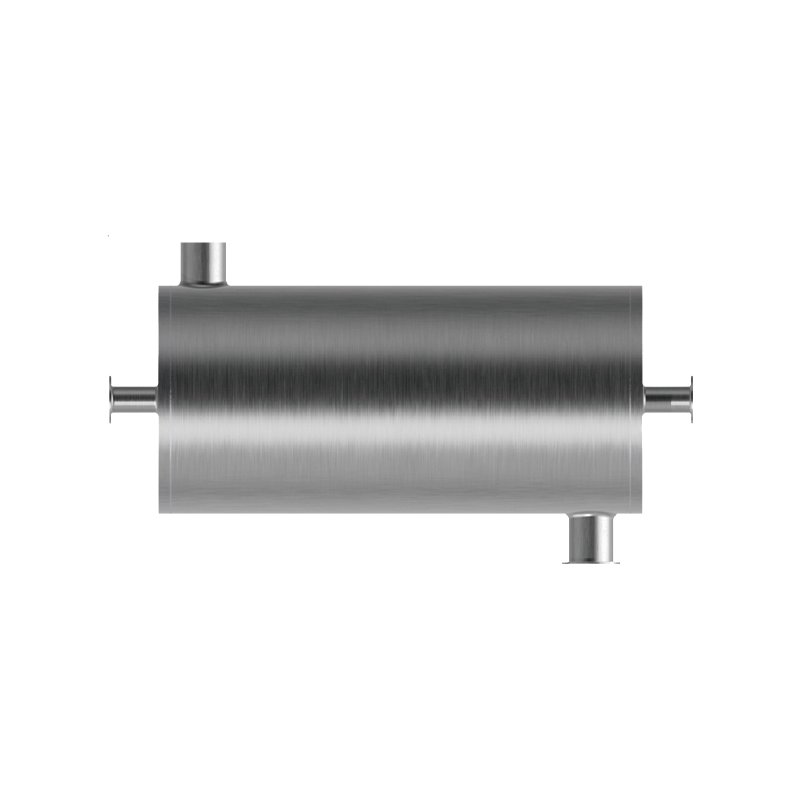
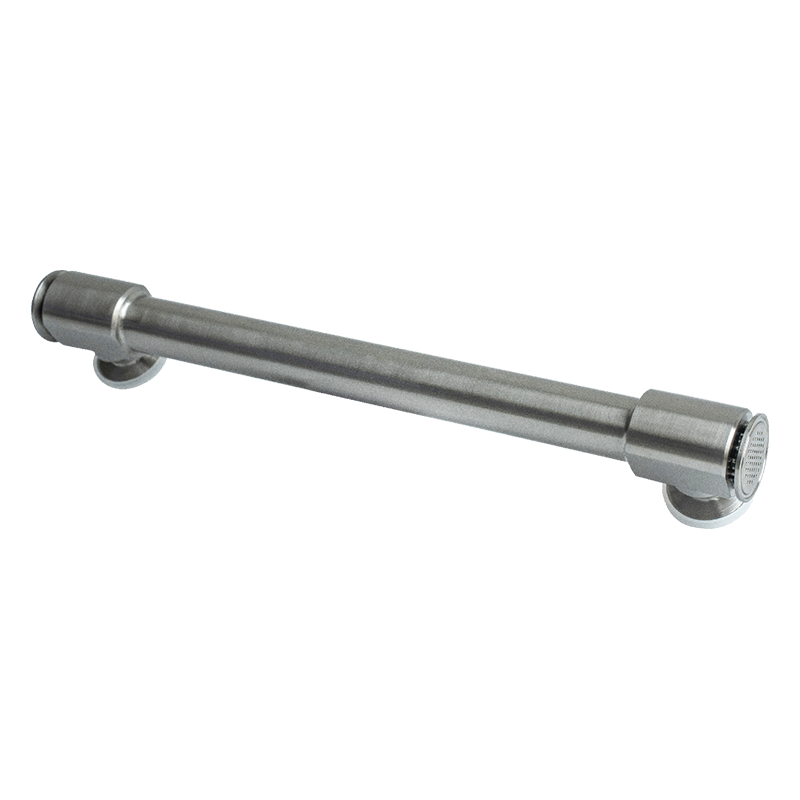
Sanitary Steam Ejector / Injector
What Is a Sanitary Steam Ejector or Injector?
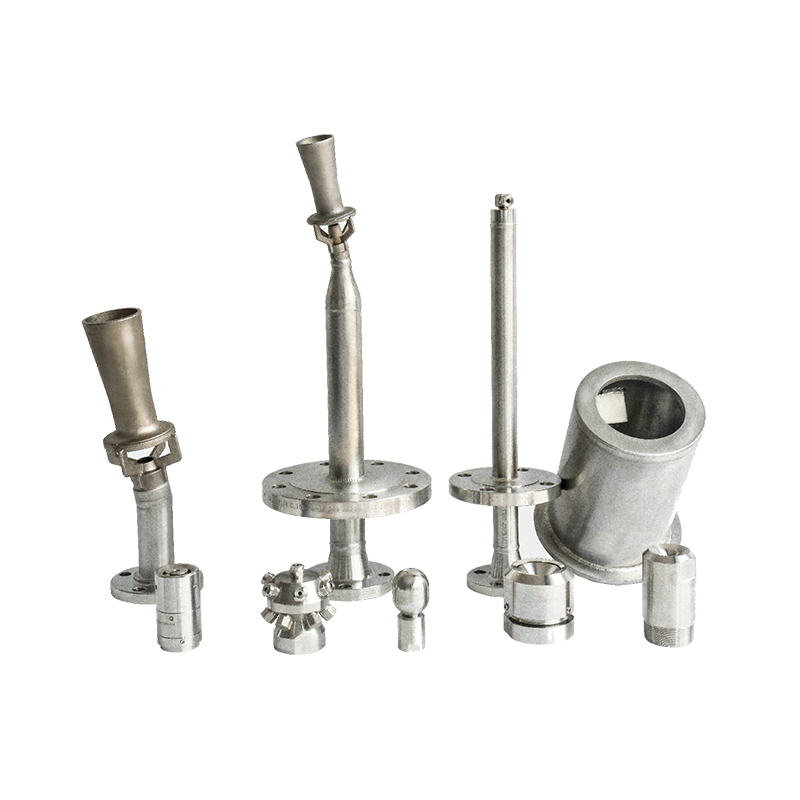
A sanitary steam ejector or injector is a static process device that uses steam to entrain, heat, mix, or transport another medium. The main components generally include a steam inlet, a motive-fluid nozzle, a suction or entrainment inlet, a mixing chamber, and a discharge section. Depending on the application, the unit may also include sanitary clamps, flanged connections, inspection features, drain arrangements, and customized inlet and outlet geometries.
The term “injector” is often used when the primary function is direct steam injection and heating. The term “ejector” is commonly used when the device is intended to entrain another fluid, create suction, assist with vacuum formation, or transport a gas or liquid through the process line. In practice, both terms describe related Venturi-based equipment, and the final configuration depends on the steam pressure, secondary-media properties, flow rate, temperature target, and system pressure.
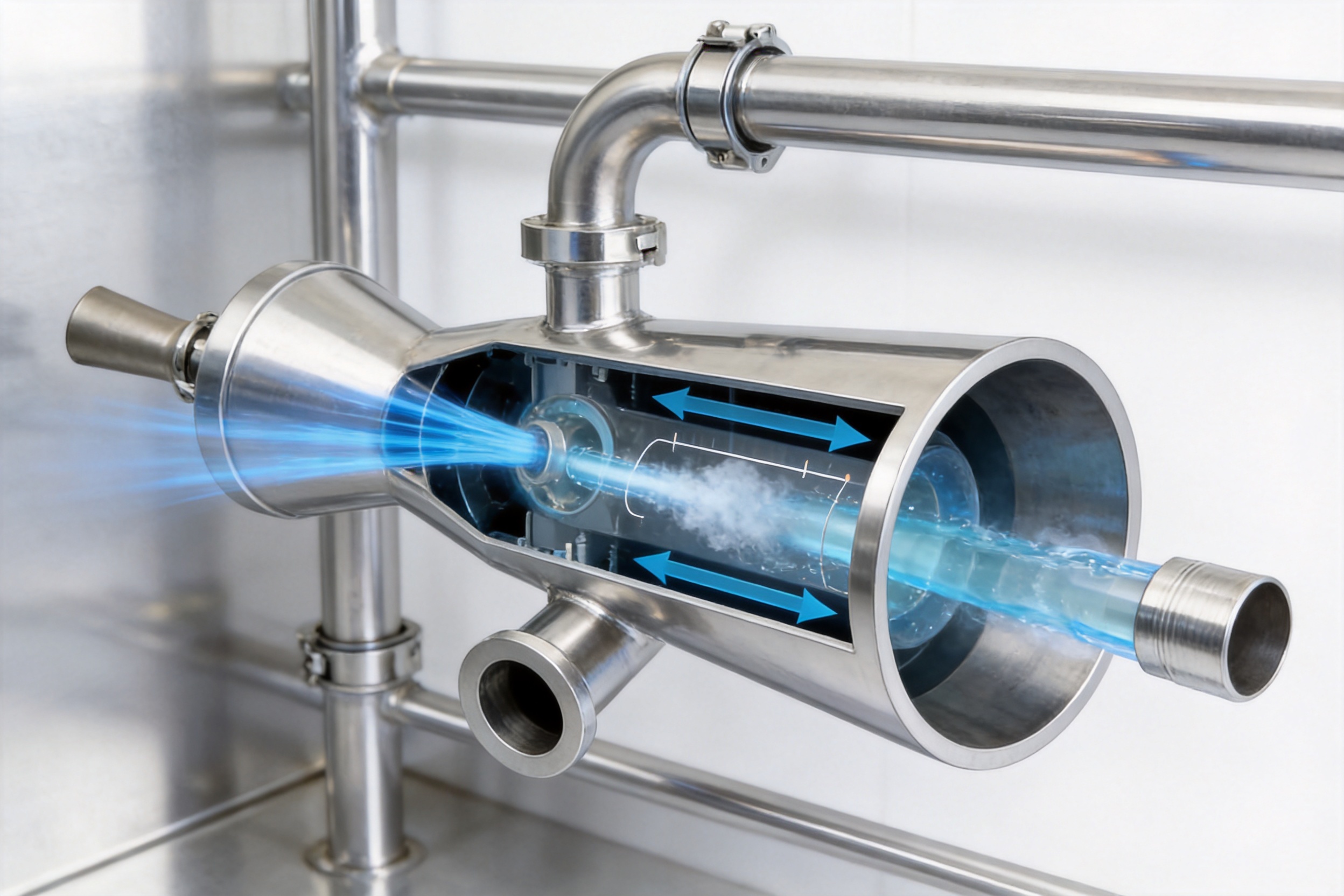
During operation, high-pressure steam enters the nozzle and accelerates. The resulting high-velocity jet reduces the static pressure in the surrounding chamber. This pressure differential draws liquid or gas into the device. The two streams mix within the chamber, and momentum exchange transfers energy from the steam to the secondary medium. When the application involves heating, the steam condenses and transfers latent heat directly into the process liquid. When the application involves entrainment or vacuum assistance, the steam jet provides the motive force needed to move or draw the secondary medium.
Because the equipment does not rely on a motor, impeller, shaft, or rotating seal, it can provide a highly compact solution for process lines. The absence of moving components also reduces the number of mechanical wear points. This is particularly valuable in hygienic applications where equipment must be cleaned frequently and where unexpected maintenance can interrupt production.
Operating Principle Based on the Venturi Effect
The Venturi effect describes the relationship between fluid velocity and pressure in a controlled flow passage. As steam passes through the restricted section of the nozzle, its velocity increases and its local static pressure decreases. The low-pressure region allows the device to draw in the secondary fluid. The geometry of the nozzle, suction port, mixing chamber, and diffuser determines the degree of entrainment and the final pressure and velocity profile.
Steam pressure is one of the most important design parameters. If the available steam pressure is too low, the nozzle may not create sufficient suction or momentum to entrain the required flow. If the pressure is excessively high for the selected configuration, the process may experience unnecessary noise, turbulence, energy consumption, or unstable operation. Correct sizing therefore requires consideration of both the motive steam conditions and the secondary-media requirements.
The secondary medium may be water, a liquid food product, a pharmaceutical solution, process gas, waste gas, or another compatible fluid. Its viscosity, temperature, density, gas content, solids content, and flow rate influence the injector design. Food and pharmaceutical liquids may also have strict shear, residence-time, and contamination-control requirements. A suitable sanitary injector must therefore be selected according to the complete process duty rather than only the nominal pipe size.
When used for direct heating, the injector introduces clean steam directly into the process liquid. The resulting heat transfer is rapid because the steam does not need to pass through a metal wall before transferring energy. This can reduce temperature response time and avoid some of the thermal resistance associated with indirect heating. However, the steam quality must be compatible with the process and product requirements, especially in food and biopharmaceutical production.
When used for mixing, the device uses momentum transfer rather than mechanical agitation. The induced flow can improve circulation and temperature uniformity in a tank or pipeline. For vacuum assistance, the high-velocity steam jet can lower local pressure and help remove air, vapor, or other gases from a process system. The final performance depends on the system backpressure and the pressure difference between the motive steam and the entrained medium.
Sanitary Design for Hygienic Production
Hygienic design is central to the use of steam injection equipment in food and biopharmaceutical environments. Product-contact surfaces must be suitable for repeated cleaning and, where required, sterilization. The equipment described in the supplied materials is constructed from food-grade stainless steel, including 304 and 316L options. The specific grade can be selected according to the chemical environment, cleaning agents, chloride exposure, temperature, and pharmaceutical requirements.
Stainless steel offers corrosion resistance, mechanical strength, cleanability, and compatibility with common hygienic processing practices. Stainless steel 304 may be suitable for many general food and beverage services, while 316L is often preferred when enhanced corrosion resistance and lower carbon content are important. Material selection should always be confirmed against the actual process fluid, cleaning chemistry, temperature, and regulatory expectations.
A sanitary structure should minimize dead legs, stagnant pockets, abrupt internal steps, and areas that are difficult to drain. Smooth internal surfaces support effective cleaning and reduce the likelihood of product accumulation. An integrated structure with limited sealing points can also reduce leakage risks and simplify inspection. In a well-designed installation, the device should be oriented so that residual liquid can drain naturally after cleaning or shutdown.
Connection design is another important consideration. Sanitary quick-clamp connections support rapid disassembly and convenient cleaning, while flanged connections may be selected for higher mechanical loads, larger pipe sizes, or specific plant standards. The connection type, gasket material, surface finish, and installation orientation should be evaluated together. A sanitary connection is only effective when it is correctly assembled, properly tightened, and compatible with the process temperature and cleaning cycle.
For biopharmaceutical applications, the design review may include material certificates, surface-finish requirements, weld inspection, passivation, drainability, sterilization compatibility, and documentation control. The required level of validation depends on the product, process, and quality system. Shiloc supports customized equipment coordination so that the configuration can be matched to the purchaser’s technical specification and documentation needs.
Advantages Compared with Conventional Process Equipment
No Moving Parts
The absence of moving parts is one of the clearest advantages of a steam ejector or injector. Conventional mixing equipment may include motors, shafts, bearings, mechanical seals, impellers, and gearboxes. These components can require lubrication, alignment, replacement, and periodic inspection. They can also introduce additional contamination-control concerns when seals or bearings are located close to the product zone.
A static steam injector avoids many of these mechanical failure points. There is no rotating shaft to align and no impeller to balance. Maintenance is primarily focused on the nozzle, chamber, connections, valves, strainers, and associated piping. This simpler structure can reduce planned maintenance time and make troubleshooting more straightforward.
Direct and Rapid Heat Transfer
Indirect heating systems transfer heat through a wall, tube, jacket, coil, or plate. These systems can be effective, but they may require a larger heat-transfer surface, additional circulation equipment, or more space. Direct steam injection transfers the steam’s latent heat directly to the process medium. This can produce a rapid temperature increase and a compact process arrangement.
Direct heating can be beneficial in beverage preparation, dairy processing, hot-water generation, pharmaceutical liquid heating, and sterilization-related operations. The exact temperature response depends on steam pressure, steam quality, product flow, inlet temperature, heat loss, and mixing performance. Proper control instrumentation remains important to prevent overheating and to maintain product quality.
Compact Installation
The injector can be installed directly on a pipeline, tank, circulation loop, or process skid. This eliminates the need for a separate motorized mixing assembly or a large dedicated heating module in some applications. The compact form is useful in facilities where floor space is limited or where an existing line must be upgraded without a complete plant redesign.
Simple installation does not mean that engineering review can be omitted. The line must provide suitable supports, correct flow direction, appropriate valves, adequate drainage, and stable pressure conditions. Steam traps, condensate drainage, check valves, pressure regulators, strainers, and temperature sensors may be required depending on the application.
Reduced Energy-Transfer Losses
Because steam contacts the process medium directly, the system can reduce some heat losses associated with intermediate heat-transfer surfaces. The steam energy is delivered at the point of use, and the process response can be rapid. Energy performance still depends on insulation, steam quality, condensate management, operating pressure, and control strategy.
Low Mechanical Complexity
A low-complexity device can be advantageous for both original equipment manufacturers and plant operators. Fewer mechanical assemblies can simplify procurement, installation, spare-parts planning, and operator training. The injector can also be integrated with automated control systems using standard valves, pressure transmitters, temperature sensors, and flow instruments.
Flexible Media Compatibility
Depending on the material and configuration, the equipment can handle steam, water, liquid foods, pharmaceutical liquids, and process gases. Customized nozzle dimensions and connection arrangements allow the design to be adapted to different steam pressures and entrained-media flow rates. However, media compatibility must be assessed carefully when liquids contain suspended solids, high viscosity, aggressive chemicals, or heat-sensitive ingredients.
Product Categories and Typical Duties
| Product Category | Primary Function | Main Structural Features | Typical Applications |
| Direct Heating Injector | Rapid heat transfer through direct steam contact | Precision nozzle and sanitary mixing chamber | Dairy, beverages, hot-water systems, pasteurization |
| Mixing and Entrainment Ejector | Combines steam with liquid or gas and assists flow | Venturi-based integrated static structure | Process liquids, gases, blending, circulation assistance |
| Vacuum Assistance Injector | Creates a lower-pressure zone through high-speed steam flow | Steam injection channel and controlled suction port | Pharmaceutical systems, sanitary vacuum support, deaeration |
| Tank-Mounted Steam Injector | Heats or circulates tank contents | Compact body with tank or recirculation connection | Water preparation, liquid food processing, solution heating |
Direct Heating Systems
Direct heating injectors are commonly used when the objective is to raise the temperature of a liquid quickly and uniformly. A typical installation includes a steam control valve, pressure regulation, a condensate management arrangement, the injector, and temperature monitoring downstream. The liquid enters through the process line, while the steam enters through the motive-fluid connection. Inside the chamber, the steam condenses and transfers heat to the liquid.
Dairy products and beverages may require rapid heating to support pasteurization or preparation steps. The equipment can also be used for heating process water before cleaning, blending, or production. In pharmaceutical manufacturing, direct steam may be used for heating compatible liquids or supporting sterilization procedures, subject to the product formulation and validated process conditions.
Direct steam contact requires careful consideration of steam purity. Steam used in a product-contact application should meet the relevant plant and process requirements. The injector itself cannot compensate for unsuitable steam quality. Filtration, separation, sampling, and steam-quality monitoring should be incorporated where the process demands them.
Mixing and Entrainment Systems
Mixing and entrainment ejectors are suitable when steam must pull a second medium into the flow path. The induced liquid or gas may be used to moderate the steam temperature, improve distribution, assist circulation, or support a combined heating and mixing operation. The device may be located in a pipeline, tank recirculation loop, or specialized process skid.
Compared with a mechanical agitator, a steam ejector has a smaller mechanical footprint and does not require a drive motor. It can be particularly useful in areas where shaft seals, rotating equipment, or additional electrical systems are undesirable. The actual mixing quality depends on the nozzle and chamber geometry, flow ratio, residence time, and downstream piping arrangement.
Vacuum Assistance Applications
A steam ejector can create a localized low-pressure condition and assist with vacuum formation. This function may support the removal of air, vapor, or non-condensable gases from a process vessel or line. Pharmaceutical and sanitary systems may use this type of equipment where a compact vacuum-assistance method is preferred.
Vacuum performance depends strongly on backpressure. If the discharge pressure is too high, the ejector may not maintain the required suction pressure. The system designer should evaluate the downstream piping, condenser or separator arrangement, non-condensable gas load, steam pressure, and operating temperature before selecting the unit.
Applications in Food and Beverage Manufacturing
Food and beverage manufacturers often require fast, repeatable heating in pipelines and tanks. Applications may include dairy processing, beverage preparation, syrup handling, hot-water generation, product blending, and pasteurization support. The sanitary steam injector can be integrated into an existing process line with suitable hygienic connections and control devices.
In dairy operations, heating speed and temperature uniformity are important for product quality and microbial control. The injector can deliver steam directly into water or a compatible liquid stream, helping the process reach the target temperature quickly. The installation must be designed to avoid excessive local heating, product degradation, or unnecessary residence time.
In beverage production, the device may be used for heating water, preparing sugar solutions, blending process fluids, or supporting cleaning and sterilization operations. The compact design can help manufacturers add heating capacity without installing a large external heat exchanger. Operators should confirm that the product is compatible with direct steam contact and that condensate addition is acceptable for the formulation.
For food plants, hygienic cleaning is a major operating requirement. The smooth stainless steel construction and limited number of internal components can support cleaning-in-place procedures when the device is correctly sized and installed. Cleaning parameters must be validated for the actual product, soil type, cleaning chemistry, temperature, and flow velocity.
Steam injectors may also support hot-water systems in food facilities. Steam is injected into a controlled water stream to produce hot water for production, cleaning, or utility applications. Temperature sensors and control valves can modulate the steam supply, while check valves and proper piping prevent unwanted backflow.
Applications in Biopharmaceutical and Pharmaceutical Processing
Biopharmaceutical and pharmaceutical manufacturers place demanding requirements on equipment materials, surface condition, cleanability, sterilizability, documentation, and process control. A sanitary steam ejector or injector can support heating, sterilization, vacuum assistance, and controlled media mixing when the selected design is compatible with the validated process.
In pharmaceutical liquid processing, the injector may be used to heat process water or other compatible solutions. Stainless steel 316L may be specified where corrosion resistance and hygienic performance are particularly important. The equipment may also be installed as part of a larger aseptic processing skid, provided that connection design, drainability, steam quality, and sterilization procedures are addressed.
Vacuum assistance can be useful in processes that require the removal of air or vapor. A steam ejector may provide a compact means of creating suction without adding a separate mechanical vacuum pump. The suitability of this approach depends on the required vacuum level, allowable steam consumption, contamination-control strategy, and downstream separation equipment.
Biopharmaceutical applications often require traceability. Material certificates, welding records, inspection reports, surface-finish information, pressure tests, and final documentation may be included according to the project specification. Shiloc’s engineering and quality-control capabilities support the coordination of these requirements from design review through manufacturing and delivery.
Equipment selection should be based on the complete process validation strategy. A steam injector is not a universal replacement for every type of sterile processing equipment. Its suitability depends on direct-contact conditions, steam quality, product sensitivity, required temperature profile, cleaning method, sterilization cycle, and applicable quality standards.
Manufacturing Processes and Engineering Capabilities
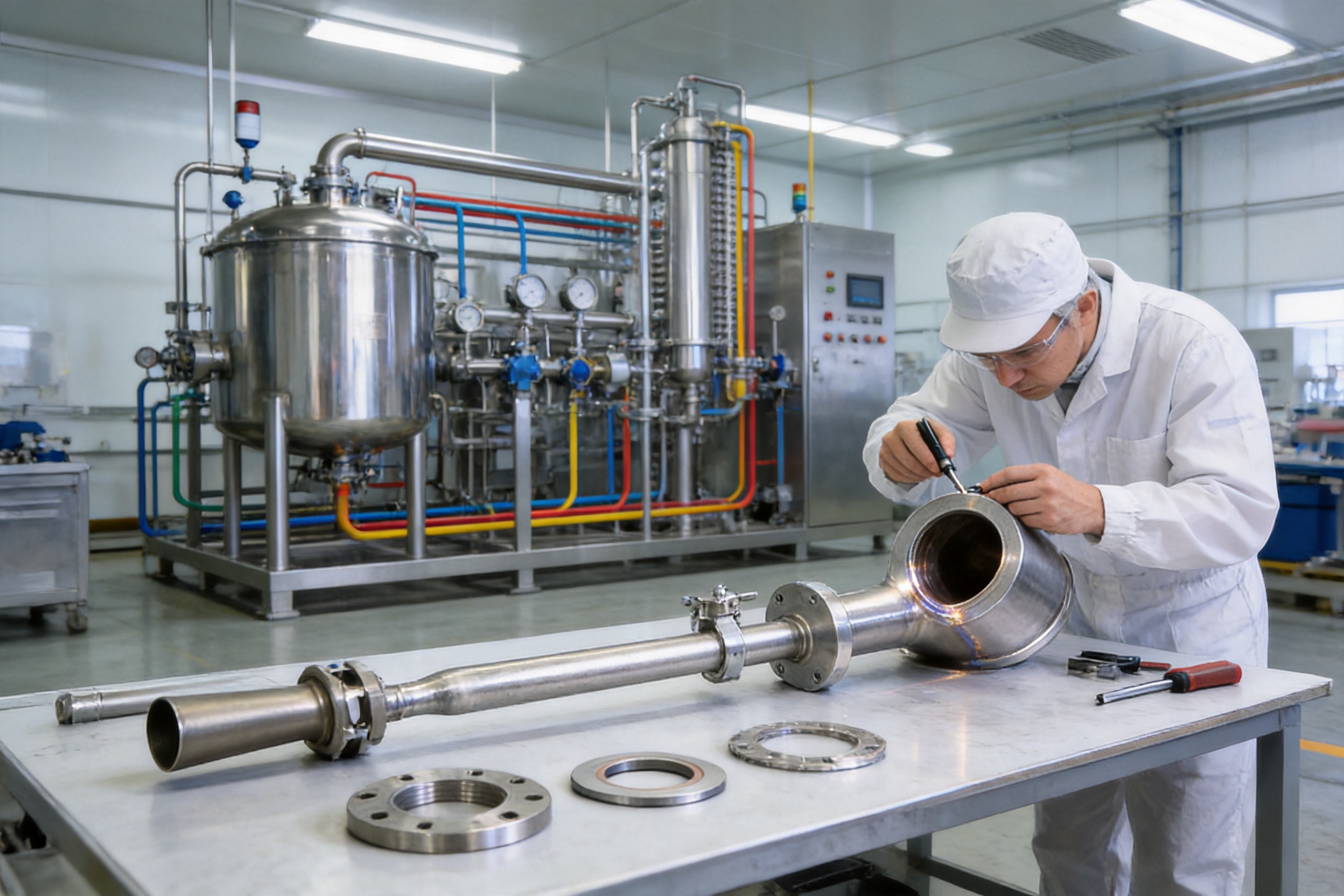
The performance of a sanitary steam injector depends not only on its operating principle but also on the accuracy and quality of its manufacturing. Nozzle geometry, internal alignment, weld quality, surface finish, connection accuracy, and inspection procedures all influence fluid behavior and hygienic performance. Shiloc (Shanghai) Industrial Trading Co., Ltd. combines equipment manufacturing coordination with engineering and international supply services to support customized process-equipment projects.
Engineering Review and Configuration Development
The manufacturing process begins with a review of the application requirements. Important inputs include motive steam pressure and temperature, steam quality, entrained-media flow rate, inlet and outlet pressure, target temperature, media viscosity, material compatibility, connection standard, installation orientation, and cleaning method.
For a customized unit, these parameters are used to determine the nozzle design, mixing-chamber dimensions, pipe size, connection arrangement, material grade, and expected operating range. The company’s technical specialists can coordinate with customers to identify the process objective and develop a configuration suitable for the available plant conditions.
Engineering review is especially important when an injector is added to an existing line. The upstream steam system must have sufficient capacity, and the downstream piping must not create excessive backpressure. The secondary-media line must also provide the required pressure and flow stability. A correctly designed injector can perform reliably only when the surrounding system supports its operating envelope.
Stainless Steel Processing
Stainless steel processing includes material preparation, cutting, forming, machining, welding, polishing, cleaning, and final inspection. The selected material must be traceable to the project requirements. Food-grade 304 and 316L stainless steel provide options for different levels of corrosion resistance and hygienic service.
Precision machining is important for the nozzle because small dimensional differences can affect velocity, suction, steam consumption, and entrainment performance. The nozzle and chamber must be manufactured and assembled with appropriate alignment. Internal edges should be controlled to avoid unnecessary turbulence, product retention, or cleaning difficulties.
Welding and Internal Surface Quality
Welding is a critical manufacturing operation for sanitary equipment. Poorly controlled welds may create crevices, discoloration, distortion, or surface irregularities. These defects can reduce cleanability and may lead to corrosion or contamination problems. Proper welding procedures, skilled operators, controlled heat input, and post-weld treatment help protect the integrity of the product-contact surface.
Shiloc operates a Shanghai production facility with capabilities covering processing, welding, polishing, and quality control. Its technical specialists coordinate these operations so that the finished equipment meets the agreed design and surface requirements. Where required, customers can specify weld inspection, polishing standards, passivation, pressure testing, and other quality procedures.
Polishing improves the smoothness and cleanability of stainless steel surfaces. The required finish depends on the application, product sensitivity, cleaning system, and customer specification. Internal surfaces should be free from sharp transitions, excessive roughness, weld spatter, and residues. The final surface condition should be verified as part of the quality-control process.
Assembly and Connection Control
After individual components are manufactured, the nozzle, chamber, body, and connections are assembled according to the approved configuration. Assembly accuracy affects the alignment of the flow path and the sealing performance of the equipment. Sanitary clamps, flanges, gaskets, and other connection components must be matched to the operating temperature, pressure, and cleaning chemicals.
An integrated structure with fewer seals can reduce potential leakage points. Nevertheless, external connections remain important and must be inspected carefully. Gasket selection and installation should prevent product retention and ensure reliable sealing through repeated thermal cycles.
Quality Control and Documentation
Quality control may include dimensional checks, material verification, visual inspection, weld inspection, surface inspection, pressure testing, leakage testing, and functional review. The specific inspection plan depends on the application and customer requirements. For regulated industries, documentation is an important part of the delivered product.
Shiloc emphasizes traceability and controlled delivery through its production and supply network. Internationally sourced core materials can be coordinated with local processing and finishing. This approach allows the company to combine access to technical materials with local manufacturing flexibility and responsive engineering support.
The company’s integrated capabilities cover product selection, technical consultation, manufacturing coordination, quality control, packaging, and delivery management. This can simplify procurement for customers seeking a complete process-equipment solution rather than an isolated component. The company also supports equipment for heat exchange and aseptic mixing, allowing the steam injector to be considered as part of a broader sanitary processing system.
Why the Solution Can Outperform More Complex Alternatives
A sanitary steam injector does not replace every pump, heat exchanger, mixer, or vacuum pump. Its advantage is greatest when the process requires direct steam heating, compact entrainment, or static mixing. In these duties, it can provide a more compact and mechanically simple solution than equipment designed around rotating assemblies.
Compared with a mechanical mixer, the injector has no motor, shaft, impeller, gearbox, or rotating seal. This can reduce maintenance and simplify hygienic design. Compared with a large indirect heat exchanger, it may require less installation space and can provide a faster temperature response when direct steam contact is acceptable. Compared with a separate vacuum pump for selected duties, a steam ejector can use existing steam infrastructure to generate suction without adding another motor-driven machine.
The competitive value also comes from customization. A standard device may be adequate for a simple water-heating application, but food and biopharmaceutical plants often require specific materials, connection standards, surface finishes, dimensions, installation orientations, and documentation. Shiloc’s ability to coordinate engineering and manufacturing allows the equipment to be adapted to these requirements.
Another advantage is integration. The injector can be combined with valves, sensors, control panels, heat exchangers, aseptic mixing equipment, tanks, or process skids. This supports project-level optimization rather than treating the injector as an isolated item. A properly integrated system can improve process control, reduce installation complexity, and support future maintenance.
The design also supports operational reliability through passive construction. With no moving parts, the device is less vulnerable to bearing failure, shaft misalignment, seal wear, or impeller damage. The main performance-critical elements are the nozzle geometry, pressure conditions, flow direction, and cleanliness of the internal passage. These factors are comparatively straightforward to inspect and manage.
Installation Recommendations
The flow direction must be confirmed before installation. The steam inlet, secondary-media inlet, and discharge outlet should match the approved process design. Reverse installation can prevent proper entrainment and may create backflow or unstable pressure conditions.
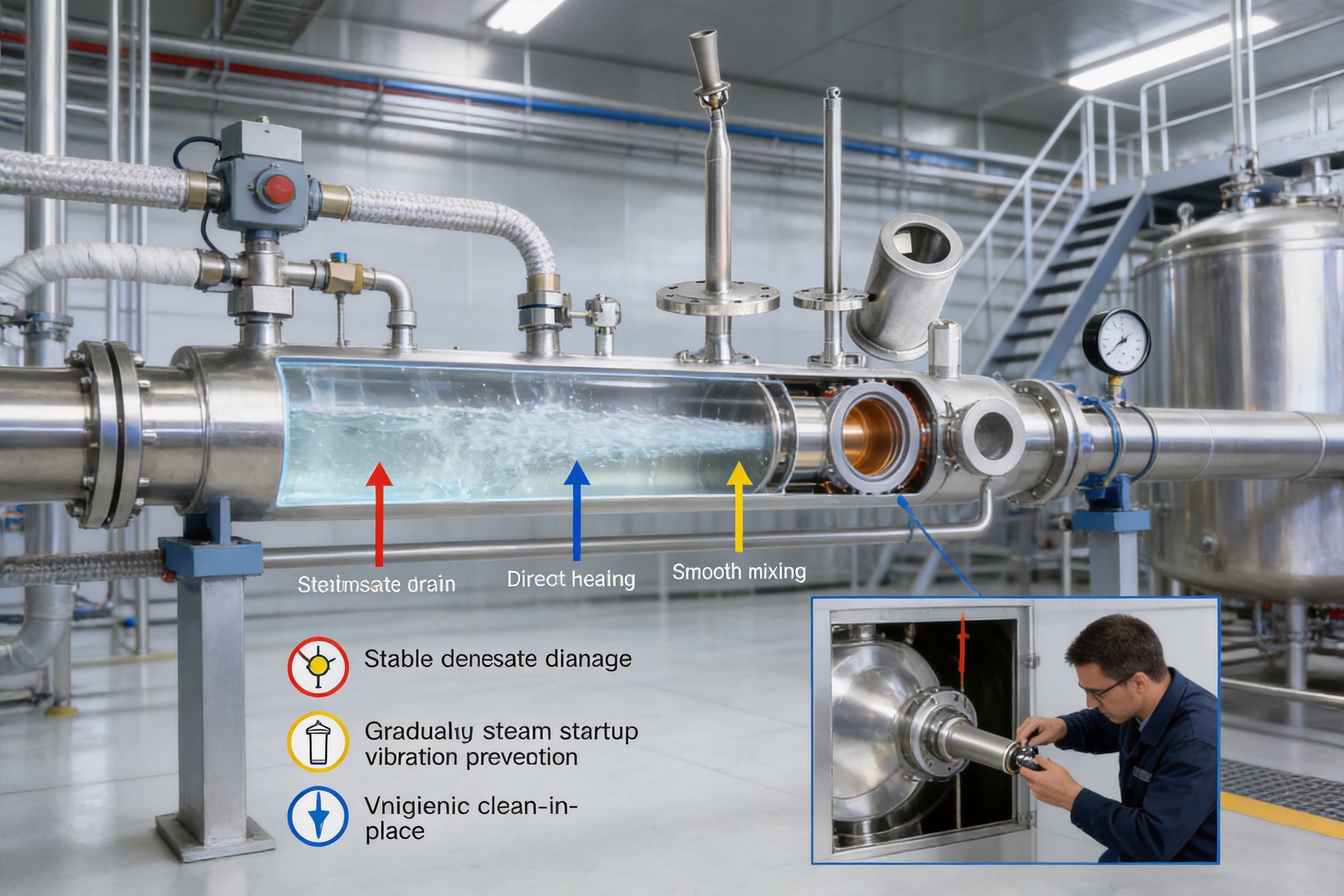
The steam line should be designed to minimize condensate accumulation. Water hammer can occur when condensate is accelerated by steam, particularly during rapid valve opening or poor drainage. Steam traps, drip legs, separators, insulation, and correctly sized piping may be required. Operators should open the steam valve gradually to establish stable conditions.
The secondary-media line should provide adequate pressure and flow. Restrictions upstream of the suction port may reduce entrainment efficiency. Excessive downstream backpressure can also limit performance. The piping arrangement should avoid unnecessary sharp bends immediately adjacent to the injector unless the design specifically permits them.
Check valves may be required to prevent backflow from the process line into the steam system. Their location and pressure rating should be determined by the complete piping design. Pressure gauges or transmitters at relevant inlets and outlets can help operators identify abnormal conditions during startup and operation.
The equipment should be supported properly. Although the injector is compact, connected piping can impose mechanical loads on the body and sanitary connections. Thermal expansion must also be considered, especially in systems that alternate between ambient temperature, steam temperature, and cleaning cycles.
How to Reduce Cavitation-Like Noise and Unstable Operation
In steam injection systems, operators may describe intense vibration, noise, or unstable flow as cavitation, although the actual cause may involve flashing, water hammer, pressure oscillation, two-phase flow, nozzle damage, or gas entrainment. A structured investigation should therefore examine the entire system rather than assuming that the injector alone is defective.
First, verify that the steam pressure is within the equipment’s design range. Insufficient pressure may cause weak entrainment and unstable flow, while excessive pressure may generate high velocity, noise, or unnecessary turbulence. Pressure should be checked under actual operating flow rather than only under no-load conditions.
Second, inspect the steam line for condensate. Water hammer can create severe vibration and may damage valves, supports, and the injector. Gradual startup, effective drainage, proper steam trapping, and suitable line slope can reduce this risk.
Third, check the nozzle and mixing chamber for scale, foreign material, corrosion, or deformation. Deposits can alter the nozzle throat and disturb the intended velocity profile. Even a partial restriction may change the suction pressure and reduce entrainment performance.
Fourth, verify the secondary-media flow rate and inlet pressure. If the entrained liquid contains excessive gas or if the supply pressure fluctuates, the injector may operate irregularly. A strainer, air-removal arrangement, or upstream control device may be needed depending on the process.
Finally, inspect the installation direction, supports, valves, and check valves. A wrongly oriented unit, loose support, or leaking check valve can create symptoms that resemble internal hydraulic instability. Troubleshooting should be based on measured pressure, temperature, flow, and vibration conditions whenever possible.
Operation and Maintenance Practices
Before startup, operators should confirm that all connections are tight, the flow direction is correct, drains are closed or correctly routed, and instrumentation is available. The secondary-media line should be established before or in accordance with the approved startup procedure. The steam valve should be opened slowly to prevent thermal shock and water hammer.
During operation, steam pressure, process temperature, flow rate, and system pressure should remain within the design range. A sudden temperature increase may indicate excessive steam flow or insufficient secondary-media flow. A reduction in heating performance may indicate low steam pressure, nozzle fouling, scale buildup, or a change in product viscosity.
Routine maintenance should include inspection of the nozzle, chamber, connections, gaskets, valves, strainers, and check valves. The inspection frequency depends on the process fluid, operating hours, cleaning cycle, steam quality, and risk of scale formation. Applications involving hard water, mineral deposits, or particulate matter may require more frequent inspection.
During shutdown, the steam valve should generally be closed first according to the approved operating procedure. Residual process media should then be drained where appropriate. This sequence helps limit steam-driven backflow and reduces the possibility of retaining hot liquid inside the equipment.
Disassembly should be performed only after the equipment has been depressurized, cooled, isolated, and drained. Components should be handled carefully to protect polished surfaces and precision nozzle geometry. Replacement gaskets and seals must be compatible with the process and cleaning conditions.
Selection Criteria for a Customized Injector
The first selection criterion is the required process function. Heating, mixing, entrainment, vacuum assistance, and conveying duties may require different nozzle and chamber arrangements. The desired function should be clearly identified before the equipment is sized.
The second criterion is the motive steam condition. Required data includes steam pressure, temperature, quality, available flow, control range, and whether the steam is saturated or superheated. The steam source must be stable enough to support the desired operation.
The third criterion is the secondary medium. Engineers should review its density, viscosity, temperature, solids content, gas content, corrosiveness, hygienic classification, and flow rate. Product sensitivity and allowable shear may also affect the final design.
The fourth criterion is the system pressure. The injector must be able to provide the required outlet condition while overcoming downstream backpressure. Vacuum-assistance duties require particular attention to discharge pressure and non-condensable gas loads.
The fifth criterion is sanitary and documentation compliance. Customers should specify material grades, surface finishes, connection types, weld expectations, cleaning method, sterilization conditions, testing requirements, and certificates. These details influence manufacturing time and cost, but they are necessary for a reliable project outcome.
Finally, the installation environment should be considered. Available space, pipe supports, drainage, access for inspection, thermal expansion, insulation, and control-valve location all affect practical performance. Shiloc can assist with configuration development and technical coordination based on these parameters.
Company Strengths and Integrated Supply Capability
Shiloc (Shanghai) Industrial Trading Co., Ltd. was established in March 2026 in Fengxian District, Shanghai. The company specializes in the import and export of goods and technology, import and export agency services, equipment manufacturing, and engineering and technical services. Its product and service activities focus on fluid equipment and process solutions for food and beverage, biopharmaceutical, daily chemical, and fine chemical manufacturers.
The company combines European know-how and Danish design concepts with local manufacturing and supply capabilities. Its Shanghai facility covers approximately 3,000 square meters and includes technical specialists responsible for processing, welding, polishing, and quality control. This combination supports practical customization while maintaining a structured approach to manufacturing and delivery.
For customers purchasing sanitary steam injection equipment, the company can support the complete project path from initial technical discussion to final delivery. This may include process-duty review, material selection, connection confirmation, manufacturing coordination, inspection planning, documentation, packaging, and logistics. The integrated approach can reduce communication gaps between the equipment user, designer, manufacturer, and exporter.
Shiloc also supplies heat exchangers and aseptic mixing equipment. These capabilities are relevant because a steam injector is often part of a larger process system. A manufacturer that understands heating, mixing, hygienic piping, and fluid handling can help customers evaluate how the injector should interact with neighboring equipment.
The company emphasizes innovative design, process optimization, safe and efficient equipment, traceability, reliable supply, and personalized customer service. Its stated management practices include quality, environmental, and safety considerations. These strengths support customers that require more than a standard catalog component and need a configuration aligned with a defined production process.
Frequently Asked Questions
What is the main function of a sanitary steam injector?
The main function is to use high-pressure steam to entrain, mix, heat, or move another medium. In direct-heating service, steam condenses into a liquid and transfers heat directly. In ejector service, the steam jet creates suction and assists with media transport or vacuum formation.
Does the equipment have moving parts?
No. The sanitary steam ejector or injector uses a fixed nozzle and mixing chamber. Its static construction eliminates motors, shafts, impellers, bearings, and rotating seals, which can reduce mechanical maintenance requirements.
What materials are available?
Food-grade stainless steel 304 and 316L are identified as primary contact-material options. The final grade should be selected according to the process fluid, cleaning chemicals, temperature, corrosion risk, and customer documentation requirements.
Can it be used for pharmaceutical production?
Yes, it can support pharmaceutical heating, sterilization-related duties, vacuum assistance, and compatible liquid processing. The complete system must satisfy the applicable requirements for steam quality, materials, surface finish, drainability, cleaning, sterilization, validation, and documentation.
How can cavitation and vibration be prevented?
Maintain steam pressure within the design range, provide stable secondary-media flow, open the steam valve gradually, prevent condensate accumulation, confirm the installation direction, and inspect the nozzle for scale or damage. Water hammer, excessive backpressure, gas entrainment, and loose supports should also be investigated.
What connection types are available?
The equipment can support connection forms such as sanitary quick clamps and flanges. The choice depends on pipe size, pressure, cleaning requirements, plant standards, maintenance access, and customer specifications.
Is direct steam contact suitable for every product?
No. Direct steam contact adds condensed steam to the process medium and may affect concentration, formulation, or product quality. The process engineer must confirm that the product can accept direct steam and that the steam quality meets the required standard.
How often should the injector be inspected?
Inspection frequency depends on operating hours, steam quality, water hardness, product characteristics, cleaning cycles, and the risk of deposits. Regular inspection should include the nozzle, chamber, connections, gaskets, strainers, check valves, and visible weld or surface conditions.
What information is needed for equipment sizing?
Important data includes steam pressure and temperature, steam flow availability, entrained-media type and flow rate, inlet and outlet pressure, target temperature, viscosity, density, gas content, connection size, material grade, installation orientation, and cleaning or sterilization requirements.
What support can Shiloc provide?
Shiloc provides equipment manufacturing coordination, engineering and technical services, customized configuration support, material and connection selection, quality-control coordination, documentation support, and international delivery services. The company can also coordinate related sanitary process equipment such as heat exchangers and aseptic mixing systems.
Conclusion
The sanitary steam ejector or injector is a practical solution for direct heating, mixing, entrainment, conveying, sterilization support, and vacuum assistance in hygienic process environments. Its Venturi-based operating principle provides motive force without rotating equipment, while its stainless steel construction and compact integrated form support food, beverage, pharmaceutical, and biopharmaceutical applications.
The most significant advantages are the absence of moving parts, direct heat transfer, compact installation, reduced mechanical complexity, flexible media handling, and compatibility with sanitary process layouts. These benefits are most valuable when the device is correctly sized and integrated with suitable steam control, condensate drainage, pressure management, check valves, instrumentation, and hygienic piping.
Manufacturing quality is equally important. Precision nozzle production, controlled welding, polished internal surfaces, correct material selection, accurate assembly, and documented inspection all influence performance and cleanability. Shiloc’s Shanghai facility, technical specialists, engineering services, and international supply capabilities provide a foundation for customized sanitary steam-injection projects.
For manufacturers seeking a compact and maintainable alternative to more complex heating or mixing arrangements, the sanitary steam ejector or injector can provide a strong process-engineering option. A detailed review of steam conditions, secondary-media characteristics, hygiene requirements, system pressure, and maintenance expectations will ensure that the final equipment configuration delivers stable and efficient operation.
References
1. Venturi-effect principles applied to industrial fluid entrainment, mixing, and pressure reduction.
2. Hygienic equipment-design practices for food, beverage, pharmaceutical, and biopharmaceutical processing systems.
3. Stainless steel material selection guidelines for sanitary fluid-handling equipment, including 304 and 316L grades.
4. Industrial steam-system practices covering condensate removal, steam trapping, water-hammer prevention, and controlled valve operation.
5. Process-engineering methods for sizing steam ejectors and injectors according to motive-steam pressure, secondary-media flow, system backpressure, and temperature requirements.
6. Cleaning, inspection, welding, polishing, and documentation practices for stainless steel hygienic process equipment.
7. Manufacturer-provided technical information for sanitary steam ejector and injector systems, food and beverage process equipment, biopharmaceutical equipment, heat exchangers, and aseptic mixing solutions.
Product: Sanitary Steam Ejector / Injector
PREV:Automatic UHT Sterilizer: Advanced Process Efficiency for Food and Biopharmaceutical Manufacturers
NEXT:No next article
NEXT:No next article
Interested in cooperation or have questions?
Recommended LINS
✦
Food and Beverage Process System
Food Processing Skid System
Sanitary Process Skid
Process Skid System
CIP Skid System for Food Industry
food and beverage process skid system
automated process skid system for food processing
CIP process skid system for food industry
hygienic process skid for food industry
Skid Mounted Process System
Let'S Work Together Welcome Aboard!
-

haikexin@haikexin.com
+8613391278930
-
 +86-21-57560276
 -
 No. 2819, Sihu Road,Fengxian District, Shanghai, China
Join Our Mailing List
Copyright © Shiloc (Shanghai) Industrial Trading Co., Ltd. All Rights Reserved.
Process Systems & Equipment For Food & Biopharma Manufacturers
